What are the differences between 20, 45, 60, and 90-minute fire ratings for wooden doors?
Introduction to Fire Rated Doors
When it comes to protecting a building from the devastating effects of fire, one of the most critical components is the fire-rated door. A fire-rated door is designed to resist the spread of fire and smoke, helping to protect people and property. These doors play a key role in building safety, especially in areas where fire protection is a legal requirement.
What are Fire-Rated Doors?
Fire-rated doors are specially constructed doors made from materials designed to withstand the heat and flames of a fire for a specific period of time. These doors have been tested and certified to slow the spread of fire, allowing more time for evacuation and reducing property damage. The rating of a fire door refers to how long it can withstand fire, typically expressed as 20, 45, 60, or 90 minutes.
These doors are made from a combination of fire-resistant materials, including gypsum, mineral cores, and steel. In addition to the core material, fire-rated doors are often equipped with fire-resistant seals and hardware, further enhancing their ability to prevent the spread of fire and smoke. Simply put, a fire-rated door isn’t just a barrier; it’s a life-saving measure that provides critical protection in the event of a fire.
Why are Fire Ratings Important?
Fire ratings are important because they help prevent fires from spreading quickly, giving people inside a building the time they need to escape. In the event of a fire, every minute counts, and the fire-rated door is your first line of defense. A door with a higher fire rating can withstand heat and flames for longer, making it ideal for areas with a higher risk of fire or where more time is needed for evacuation.
Not only do fire-rated doors save lives, but they also protect property by containing fires within a designated area. This is crucial in preventing the fire from spreading to other parts of a building. Many local building codes require the use of fire-rated doors in places like commercial buildings, hospitals, schools, and high-rise apartments. Without proper fire protection, the consequences can be devastating.
Understanding Fire Ratings for Wooden Doors
When it comes to wooden doors, the fire rating is just as important as it is for metal doors. Although wood is not naturally fire-resistant, fire-rated wooden doors are specially treated and constructed to meet safety standards. The fire rating of a wooden door is determined by several factors, including the materials used in its construction, its design, and the type of hardware installed.
Wooden fire-rated doors can be rated for 20, 45, 60, or 90 minutes. These ratings represent how long the door can withstand fire while maintaining its structural integrity. For example, a 20-minute fire-rated wooden door is ideal for low-risk areas, while a 90-minute door would be more suitable for areas where fire protection is critical, such as stairwells or fire exits.
Understanding fire ratings for wooden doors is essential for ensuring you select the right door for your specific needs. It’s important to consult with professionals to determine the appropriate rating based on the building’s layout, usage, and fire safety requirements. Keep in mind that a higher fire rating often means greater protection, but it can also come with a higher price tag. Therefore, balancing safety needs and budget is key when choosing the right fire-rated door.

What Does Fire Rating Mean for Wooden Doors?
When you’re considering wooden doors for fire safety, it’s important to understand what fire ratings mean. A fire rating tells you how long a fire-rated door can withstand fire and heat before it starts to fail. The higher the fire rating, the longer the door will withstand flames, giving people inside more time to escape. For wooden doors, understanding fire resistance and how fire ratings are tested and certified is crucial for making the right choice.
Explaining Fire-Resistance and Its Significance
Fire resistance refers to a door’s ability to resist the passage of fire and heat. In other words, it’s how well a fire-rated door can keep the fire contained in a specific area. A fire-resistant door works by delaying the spread of flames, heat, and smoke to other parts of the building. This is critical, especially in commercial and residential buildings, where rapid fire spread could cause greater damage and loss of life.
For wooden doors, fire resistance is achieved through special treatments and the use of fire-resistant materials. Wood itself isn’t naturally fire-resistant, but fire-rated wooden doors are built to meet strict safety standards by incorporating fire-resistant cores, seals, and hardware. The significance of fire resistance lies in its role in maintaining a building’s structural integrity and minimizing damage in the event of a fire. Simply put, fire-rated wooden doors are designed to offer protection where it’s needed most.
How Fire Ratings Are Tested and Certified?
Fire ratings are not just given; they are earned through rigorous testing. Fire-rated doors are tested under controlled conditions to determine how long they can resist fire. These tests are performed according to standards set by organizations such as Underwriters Laboratories (UL) and the British Standards Institution (BSI). The door is subjected to intense heat and flames, and the time it takes to fail—whether through burn-through, warping, or loss of structural integrity—determines its fire rating.
For example, a 20-minute fire-rated door must withstand heat for at least 20 minutes before it fails. Similarly, a 90-minute fire-rated door must resist fire for 90 minutes. These tests also assess the door’s ability to maintain a seal along the edges, preventing smoke and hot gases from passing through. Once a door passes the fire test, it is certified with the appropriate fire rating and can be used in construction to meet building code requirements.
Fire Resistance vs. Fire Rating: What’s the Difference?
While the terms “fire resistance” and “fire rating” are often used interchangeably, there’s a subtle difference. Fire resistance is the door’s ability to withstand heat and flames without failing. It’s the quality of the door itself. Fire rating, on the other hand, is the measured time the door can withstand fire before it begins to fail. For example, a fire-resistant wooden door may have a fire rating of 45 minutes, meaning it can withstand fire for up to 45 minutes before it begins to degrade.
In simple terms, fire resistance is about the door’s durability against fire, while fire rating is about how long it holds up under fire conditions. Understanding both concepts is important when choosing the right fire-rated door for your building. A higher fire rating provides greater protection, but it’s crucial to select a rating that aligns with the building’s fire safety needs.

Different Fire Ratings for Wooden Doors
When selecting the right fire-rated door, it’s essential to understand the different fire ratings available. These ratings reflect how long a door can withstand fire, and they play a key role in determining which door is suitable for your building. Wooden fire-rated doors are available in various ratings, including 20-, 45-, 60-, and 90-minute options.
20-Minute Fire Rated Wooden Doors
20-minute fire-rated wooden doors are a popular choice for areas where fire safety is important, but the risk is relatively low. These doors provide essential protection for a short period, helping to contain the fire and prevent it from spreading quickly. A 20-minute fire-rated door is designed to resist the effects of fire for 20 minutes, giving people time to evacuate and allowing firefighters to arrive before the fire spreads too far.
Features of 20-Minute Fire Rated Doors
20-minute fire-rated wooden doors are built with special materials and design features to withstand fire for a set period. These doors typically have a core made of fire-resistant materials, such as mineral-based substances or treated wood. They also feature fire-resistant seals around the edges to prevent smoke and heat from passing through.
In addition to these fire-resistant components, 20-minute fire-rated doors are often equipped with strong, durable hardware, such as hinges and locks, that also meet fire safety standards. The doors themselves are designed to be aesthetically pleasing, offering a balance between functionality and style. Because of their short fire resistance duration, they are generally lighter than doors with higher ratings, making them easier to handle and install.
Common Applications for 20-Minute Fire Rated Doors
20-minute fire-rated wooden doors are commonly used in areas with lower fire risk, where high levels of fire protection are not as critical. These doors are ideal for applications like:
- Residential Buildings: Often used in internal doors, such as those between living spaces or between a garage and the house.
- Offices and Commercial Buildings: Suitable for areas with lower fire risk, such as corridors or rooms that don’t house high-risk equipment or chemicals.
- Storage Areas: In places where combustible materials are stored, but the overall fire risk is minimal.
- Interior Spaces: Ideal for rooms inside larger buildings where quick fire containment is needed for a limited time.
Ideal Scenarios and Building Codes
The ideal scenarios for using a 20-minute fire-rated door are those where the risk of fire is relatively low, but containment is still important. These doors are often used in buildings where a quick, controlled response is sufficient to manage the fire. Here are some common building code scenarios for 20-minute fire-rated doors:
- Non-critical Rooms: Spaces that don’t house significant fire hazards, like bedrooms, kitchens, or lounges.
- Internal Doors within Bbuildings: 20-minute doors are ideal for connecting areas where fire protection is needed, but extended time isn’t essential.
- Separate Spaces from Fire Exits: These doors can be used to create small, fire-separated compartments within a building, offering brief protection in the event of a fire.
45-Minute Fire Rated Wooden Doors
A 45-minute fire-rated wooden door is a step up from the 20-minute version. It offers greater fire resistance, making it suitable for a broader range of applications that require greater protection. These doors are built to withstand flames and heat for 45 minutes, providing extra time to evacuate or manage the fire situation before the door starts to fail.
Benefits of 45-Minute Fire Rated Doors
One of the main benefits of 45-minute fire-rated doors is the added time they provide in the event of a fire. In areas with a higher fire risk or where more time is needed for evacuation, these doors can be a life-saving feature. The 45-minute fire resistance offers:
- Extended Protection: While a 20-minute fire-rated door may be sufficient for some spaces, a 45-minute fire-rated door provides an additional buffer, giving occupants more time to exit safely.
- Enhanced Safety: These doors are ideal for buildings with moderate fire risks that require an additional layer of protection, such as commercial buildings or multi-family homes.
- Better Smoke Containment: In addition to withstanding flames, 45-minute fire-rated doors also help contain smoke, limiting its spread and improving air quality during evacuation.
- Compliance with Regulations: In some regions, building codes may require 45-minute doors for specific areas, making them an essential choice for compliance.
Situations Where a 45-Minute Fire Rating Is Required
A 45-minute fire-rated door is often required in areas with a moderate fire risk where a 20-minute door isn’t sufficient. These doors are commonly found in:
- Commercial Buildings: Offices, retail stores, and light industrial spaces where fire risks are moderate, but fire protection is still necessary.
- Apartment Complexes: In multi-family buildings, 45-minute fire-rated doors are used to separate individual units or common areas, preventing the spread of fire between apartments.
- Storage Rooms: Rooms storing materials that could catch fire but are not considered high-risk, such as general storage spaces in commercial buildings.
- Stairwells: Staircases in buildings where people may need to use the stairs to exit. A 45-minute door ensures the stairwell remains a safe evacuation route for longer.
Comparison with 20-Minute Fire Rating
When comparing a 45-minute fire-rated wooden door to a 20-minute version, the key difference lies in the amount of protection and the types of scenarios they are suited for.
- Protection Time: A 45-minute door offers more time (an additional 25 minutes) than a 20-minute fire-rated door. This extra time can be critical in buildings with higher fire risks or when more time is needed for evacuation.
- Fire Resistance: Both types of doors are constructed to contain fire and smoke, but the 45-minute fire-rated door offers a higher level of protection. It’s made from materials that resist heat and flames for longer.
- Cost Difference: A 45-minute fire-rated door is typically more expensive than a 20-minute door, but it provides better protection. This can be a good investment in areas with higher fire risk, but not enough to warrant a 60-minute or 90-minute door.
- Applications: 20-minute doors are typically used in low-risk areas where fire spread is unlikely to cause severe damage. In contrast, 45-minute doors are better suited for medium-risk areas that require a higher level of fire safety.
60-Minute Fire Rated Wooden Doors
A 60-minute fire-rated wooden door provides significant protection by resisting flames, heat, and smoke for a full hour. This makes them ideal for areas with higher fire risks and where more time is needed for people to evacuate or for fire crews to respond. These doors are typically stronger, more robust, and more expensive than their 20-minute and 45-minute counterparts, but their added fire resistance can make all the difference in critical situations.
Why 60-Minute Fire Rated Doors Are Preferred for Higher Safety?
The main reason for choosing a 60-minute fire-rated door is the higher level of protection it provides. While 20- or 45-minute fire-rated doors may suffice for low- or moderate-risk areas, a 60-minute fire-rated door offers extended fire resistance, ensuring it can withstand intense flames for a full hour. This additional time can be vital in many situations, such as in multi-story buildings or commercial establishments, where evacuation time is critical.
Here are some key reasons why these doors are preferred for higher safety:
- Extended Protection: A 60-minute fire-rated door can provide up to an hour of protection, which is often necessary in larger buildings or areas with higher fire risks. This extra time can help contain the fire long enough for people to evacuate safely and for emergency responders to take action.
- Improved Smoke Control: In addition to withstanding fire, these doors are effective at containing smoke, which can be just as dangerous as flames. Keeping smoke from spreading allows people more time to exit safely and can help to reduce property damage.
- Stronger Materials and Construction: 60-minute fire-rated doors are made from more durable materials and feature stronger construction compared to shorter-rated doors. This added strength makes them better suited for high-traffic areas or places with a higher likelihood of fire hazards.
Common Installations for 60-Minute Fire Rated Doors
60-minute fire-rated wooden doors are typically used in areas where safety is a top priority, and the risk of fire is moderate to high. Some of the most common installations for these doors include:
- Commercial Buildings: Offices, retail stores, and warehouses often require 60-minute fire-rated doors to separate areas like storage rooms or stairwells from the rest of the building. This helps to contain the fire and prevent it from spreading to other parts of the building.
- Multi-Family Residential Buildings: In apartment complexes or condos, 60-minute fire-rated doors are often used between units or between individual apartments and common areas. This helps prevent fire from easily spreading from one unit to another, offering better protection for residents.
- Escape Routes: Stairwells, fire exits, and hallways leading to emergency exits often require 60-minute fire-rated doors. These doors help maintain the integrity of escape routes, providing a safe way to evacuate in the event of a fire.
- High-Risk Areas: Areas that store flammable materials, such as chemical storage rooms or industrial spaces, often use 60-minute fire-rated doors to reduce the risk of fire spreading. These doors help contain potential hazards and protect workers and property.
Legal and Safety Regulations for 60-Minute Fire Doors
In many regions, building codes and fire safety regulations require certain areas of a building to have doors with specific fire ratings. A 60-minute fire-rated door often meets or exceeds the minimum fire safety requirements for buildings subject to stricter regulations. Here are some key considerations:
- Building Code Compliance: In many jurisdictions, local fire codes dictate the use of fire-rated doors based on the type of building and its function. For example, commercial buildings, high-rise apartments, and storage facilities often need to install fire-rated doors with a rating of 60 minutes or more. These doors help ensure compliance with national or regional fire safety laws.
- Fire Safety Standards: Fire-rated doors, including 60-minute models, must be tested and certified by recognized authorities such as UL (Underwriters Laboratories) or BSI (British Standards Institution). These certifications ensure the door meets fire-resistance standards, providing peace of mind that the door will perform as expected in the event of a fire.
- Emergency Egress: In many cases, fire-rated doors are required to protect emergency egress routes. Stairwells, corridors, and exits that lead to safety must remain clear of fire and smoke long enough for occupants to escape. A 60-minute fire-rated door helps ensure that these escape routes remain intact during a fire, as required by safety codes.
- Insurance Requirements: Some insurance policies may also require the use of fire-rated doors in certain buildings. Using 60-minute fire-rated doors can help property owners meet these insurance requirements and may even lead to lower insurance premiums due to the increased safety measures in place.
90-Minute Fire Rated Wooden Doors
A 90-minute fire-rated wooden door is built to withstand fire for up to 90 minutes before it starts to fail. This makes it one of the most reliable and protective options for fire safety in buildings that require higher levels of fire resistance. These doors are typically used in locations where fire protection is critical to saving lives, preventing property damage, and ensuring safe evacuation routes.
Maximum Protection: Why Choose 90-Minute Fire Rated Doors
The primary reason to choose a 90-minute fire-rated wooden door is the maximum protection it provides. While other fire-rated doors offer 20, 45, or 60 minutes of protection, the 90-minute door offers nearly double that time, which can be essential in specific scenarios. Here’s why you might choose a 90-minute fire-rated door:
- Extended Evacuation Time: In the event of a fire, a door that withstands flames and heat for up to 90 minutes gives occupants more time to evacuate. This added time can be life-saving, especially in large buildings or high-rise structures where people may need more time to reach an exit.
- Higher Fire Risk Areas: Certain areas of a building, such as storage rooms for hazardous materials or mechanical rooms, pose a higher fire risk. A 90-minute fire-rated door offers the level of protection needed to contain the fire in these high-risk areas, preventing it from spreading to other parts of the building.
- Enhanced Property Protection: For commercial buildings or industrial sites, a 90-minute fire-rated door helps to limit fire damage. While other doors may hold up for a shorter period, a 90-minute door significantly reduces the potential for extensive damage and offers more time for fire suppression efforts.
- Compliance with Strict Regulations: Certain industries and buildings, especially those with strict fire safety regulations, require doors with higher fire ratings. A 90-minute fire-rated door meets or exceeds the standards needed for maximum fire safety in critical areas.
Industries That Require 90-Minute Fire Rated Doors
90-minute fire-rated wooden doors are commonly used in industries where safety and fire protection are a top priority. Here are some industries and applications where these doors are often required:
- Healthcare Facilities: Hospitals, clinics, and care homes often use 90-minute fire-rated doors to protect critical areas like operating rooms, emergency rooms, and patient wards. These doors help contain fire in these sensitive areas, ensuring that fire doesn’t spread to other parts of the building where vulnerable individuals may be located.
- Industrial and Manufacturing Facilities: Factories and warehouses that store hazardous materials or chemicals require 90-minute fire-rated doors to protect workers and prevent a fire from escalating. These doors help contain fire within designated areas, reducing the risk of it spreading to other parts of the facility.
- High-Rise Buildings and Skyscrapers: In taller buildings where people need more time to evacuate, or firefighters need extra time to reach the source of the fire, 90-minute fire-rated doors are often used on stairwells and escape routes. This additional time can make a significant difference in preventing injury or death.
- Power Plants and Data Centers: Areas where sensitive equipment, such as servers or electrical components, is housed often use 90-minute fire-rated doors. This protection ensures that equipment remains intact for an extended period, preventing both fire and potential data loss.
- Public Buildings: Airports, train stations, and government buildings often require 90-minute fire-rated doors to ensure the safety of large numbers of people in case of an emergency.
Fire-Resistance Capabilities and Certifications for 90-Minute Doors
When it comes to fire resistance, 90-minute fire-rated wooden doors are tested to stringent standards to ensure they perform as expected in a fire. These doors undergo rigorous fire testing to meet the required 90-minute fire-resistance rating. Here’s what makes 90-minute doors stand out:
- Fire-Resistance Testing: 90-minute fire-rated doors are tested in specialized fire labs, where they are subjected to intense heat and flames for extended periods. The tests ensure that the doors can withstand fire for 90 minutes without losing their structural integrity, allowing them to perform in real-world conditions.
- Certification and Compliance: To be classified as 90-minute fire-rated doors, they must meet the fire safety standards set by organizations like UL (Underwriters Laboratories), BSI (British Standards Institution), or similar authorities. These certifications ensure that the door has passed the required testing and meets local fire-safety building codes.
- Material and Construction: 90-minute fire-rated doors are typically constructed from higher-grade fire-resistant materials, such as specially treated wood cores, reinforced steel, or mineral-based cores. These materials are designed to resist heat and fire for an extended period.
- Smoke and Heat Resistance: In addition to withstanding flames, these doors also resist heat and smoke. This ensures that they not only delay the spread of fire but also help to contain harmful gases and smoke, giving occupants a safer evacuation route.
Key Factors Influencing Fire Ratings of Wooden Doors
The fire rating of wooden doors depends on several key factors that determine how long they can withstand fire and heat. Understanding these factors can help you make an informed choice when selecting fire-rated doors for your building. These factors include the materials used in the door’s construction, the wood’s treatment, and the addition of fire-resistant seals and hardware.
Materials Used in Fire Rated Doors
The materials used in the construction of fire-rated wooden doors play a significant role in determining their fire resistance. A typical fire-rated wooden door consists of several layers of materials, each designed to protect against fire, heat, and smoke. The core material, in particular, is crucial for the fire-resistance rating.
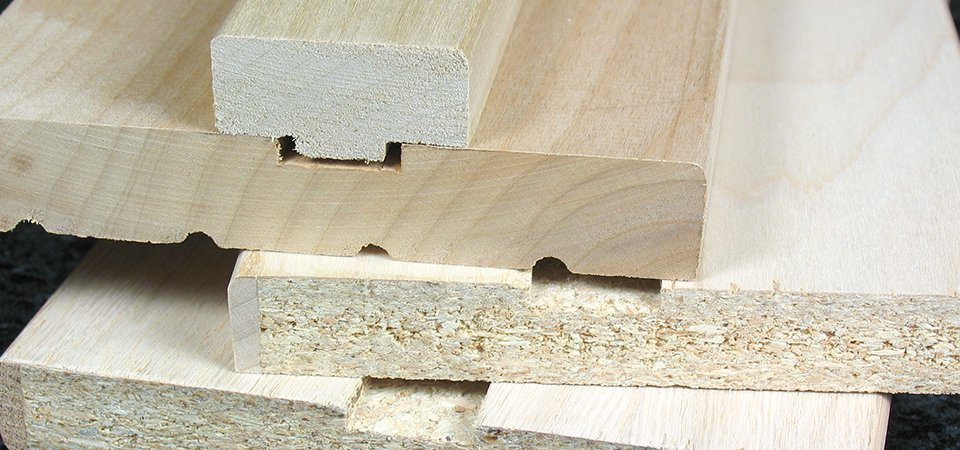
- Fire-Resistant Core Materials: The core of a fire-rated door can be made from various fire-resistant materials, including gypsum, mineral cores, or a combination of these. These materials are designed to absorb heat and slow down the spread of fire. The thickness and density of the core also affect the door’s fire-resistance rating.
- Solid Wood vs. Engineered Wood: Solid wood doors are often used for their aesthetic qualities, but engineered wood, such as plywood or MDF, is more commonly used in fire-rated doors. Engineered wood is usually combined with fire-resistant cores to improve the door’s overall performance. These engineered materials provide better stability and fire resistance, making them suitable for higher fire ratings.
- Laminates and Veneers: The surface layers, such as veneers or laminates, also contribute to the door’s overall durability. While they don’t directly affect the fire-resistance rating, they can impact the door’s performance under heat exposure. Fire-rated doors often use fire-resistant laminates that can help prevent flames from spreading across the surface.
Impact of Wood Type and Treatment on Fire Ratings
The type of wood used in the construction of a fire-rated wooden door plays a significant role in its fire resistance. Different types of wood have varying levels of natural fire resistance, which can affect a door’s ability to withstand a fire.
- Wood Species: Hardwoods, such as oak or maple, are generally more fire-resistant than softwoods, such as pine or fir. This is because hardwoods are denser, which makes it more difficult for heat to penetrate and spread. However, the wood type alone is rarely enough to achieve a high fire rating; it must be treated with fire-resistant chemicals or combined with other fire-resistant materials.
- Wood Treatment: Fire-retardant treatments are applied to wood to enhance its fire resistance. These treatments help slow combustion, giving the door more time to resist flames. Wood that is treated with fire-retardant chemicals can improve the overall fire rating of the door, but the fire resistance still depends on the specific treatment and its application.
- Pressure-Treated Wood: Pressure-treated wood, which is impregnated with fire-retardant chemicals under pressure, is another option for improving fire resistance. This type of wood can significantly improve a door’s fire rating, especially when combined with fire-resistant cores.
The Role of Fire-Resistant Seals and Hardware
In addition to the core material and wood treatment, fire-resistant seals and hardware are essential components that affect a door’s fire rating. These elements help ensure the door functions as a barrier to fire and smoke, preventing their spread into other areas of the building.
- Fire-Resistant Seals: The seals around the edges of a fire-rated door play a crucial role in preventing smoke and hot gases from passing through gaps when the door is closed. These seals expand when heated, helping block the spread of smoke and fire. They are typically made from materials such as intumescent strips, which swell as temperatures rise, filling gaps around the door frame and further enhancing its fire resistance.
- Intumescent Coatings: In addition to seals, some fire-rated doors are treated with intumescent coatings that expand when heated, forming a protective layer. These coatings can improve the door’s fire rating by adding an extra layer of protection against heat, helping prevent the door from losing structural integrity.
- Fire-Rated Hardware: The hardware used in fire-rated doors, such as hinges, locks, and handles, must also meet fire safety standards. Fire-rated hardware is designed to withstand high temperatures and remain functional even during a fire. Failure of door hardware can compromise the door’s fire resistance, so it’s important to ensure that all components of the door are rated for fire protection.
Door Design and Construction for Fire Ratings
The design and construction of a fire-rated door play a significant role in determining its fire resistance. Several factors within the door’s design can either enhance or compromise its ability to resist fire. The door’s core material, surface construction, and frame all contribute to its overall fire rating. Here’s how the design and construction of fire-rated doors make a difference:
- Door Thickness: Fire-rated doors are typically thicker than regular doors. The additional thickness helps to absorb heat and slow down the spread of flames. A thicker door will usually have a higher fire rating because it can better withstand the intense heat of a fire.
- Core Material: The core of a fire-rated door is one of the most critical design elements influencing its fire resistance. Common core materials include gypsum, mineral cores, and fire-resistant composites. These materials are designed to slow the passage of heat and fire. A denser core provides better fire resistance and, consequently, a higher fire rating.
- Surface Materials: The surface layer of a fire-rated wooden door can also affect its performance. For example, using fire-resistant laminates or veneers can provide additional protection. While the surface layer might not directly impact the fire rating as much as the core, it can still contribute to a door’s overall durability in a fire.
- Edge Seals and Intumescent Strips: The design of the door frame and edge seals is another factor that influences the fire rating. Fire-rated doors often include intumescent strips or fire-resistant seals around the edges. These seals expand when heated, closing any gaps between the door and frame and preventing smoke and flames from passing through.
How Design Choices Affect Fire Resistance?
The design choices made during the manufacturing of a fire-rated wooden door are critical to its performance. Small design decisions can have a big impact on the door’s ability to resist fire and smoke. Here’s how specific design choices affect fire resistance:
- Door Material Selection: The choice of wood and its treatment greatly affects the door’s fire resistance. While solid hardwoods, such as oak or maple, may offer some natural resistance, treated engineered wood, such as MDF or plywood, can be used to create stronger, fire-resistant doors. Combining these materials with fire-resistant cores enhances the door’s performance.
- Structural Reinforcements: Fire-rated doors are often designed with additional reinforcements to improve their strength under fire conditions. These can include metal reinforcements or fire-resistant frames that help maintain the door’s integrity under extreme heat.
- Panel Design: Some fire-rated doors use a panel design with reinforced fire-resistant glass. This glass allows for light and visibility while maintaining fire resistance. However, it’s essential to choose the right type of fire-rated glass since not all glass can withstand high temperatures. The size, thickness, and framing of the glass are all critical factors in ensuring it performs well in a fire.
- Customization for Specific Use Cases: Some designs are tailored for specific uses, such as doors with a higher rating for areas where there’s a greater risk of fire, like kitchens or industrial areas. Design choices like these ensure that the door meets the specific safety needs of the space.
The Importance of Proper Installation for Optimal Protection
While the design and materials of a fire-rated door are important, proper installation is just as crucial for ensuring optimal protection. A well-designed fire-rated door will only perform as intended if it is installed correctly. Here’s why installation matters:
- Sealing Gaps: One of the most common issues with fire-rated door installations is improper sealing. Fire-rated doors need to be sealed around the edges to prevent smoke and flames from passing through. Gaps between the door and the frame can significantly reduce its fire-resistance rating. Proper installation ensures that the door is correctly aligned and sealed, creating a continuous barrier to fire and smoke.
- Frame Integrity: The frame into which the fire-rated door is installed must be just as fire-resistant as the door itself. If the door frame is made from less durable materials or isn’t properly secured, the door won’t perform as expected in the event of a fire. The frame should be made of fire-rated materials and installed securely to maintain the door’s fire-resistance properties.
- Correct Hardware: The hardware used, such as hinges, locks, and handles, must be fire-rated as well. If non-fire-rated hardware is used, it can fail during a fire, compromising the door’s effectiveness. Fire-rated hardware is designed to withstand high temperatures without breaking down, ensuring the door remains functional when needed most.
- Regular Inspections: Even after installation, fire-rated doors require periodic inspections to ensure they continue to meet fire safety standards. Over time, seals and hardware may wear down, or the door may become misaligned. Regular maintenance and checks ensure the door remains in optimal condition.
Choosing the Right Fire Rating for Your Building Project
Selecting the appropriate fire rating for your building project is essential to ensuring the safety of the structure and its occupants. It’s important to understand that not all buildings require the same level of fire resistance, and choosing the right fire rating depends on several factors, including building codes, occupancy type, and budget.
Understanding the Cost vs. Benefit of Different Ratings
When choosing a fire-rated door, the cost is often a significant consideration. Fire ratings vary, with doors available in several levels, typically ranging from 20 minutes to 3 hours of fire resistance. Higher-rated doors usually come with a higher price tag, but they offer better protection and can be crucial in specific settings, such as high-rise buildings or commercial spaces.
The benefit of a higher fire rating lies in the increased protection it offers against the spread of fire and smoke. In the event of a fire, a door with a higher fire rating can delay the spread, giving more time for evacuation and for fire suppression systems to take effect. While the upfront cost may be higher, the long-term benefit of enhanced safety can justify the investment.
Factors to Consider When Selecting a Fire-Rated Door
Several factors should influence your decision when selecting a fire-rated door:
1. Building Code Requirements:
Fire-rated doors must meet local fire safety codes. These codes dictate the minimum fire resistance required based on the building’s function, size, and occupancy.
2. Fire Resistance Duration:
Fire-rated doors come with different resistance levels. Consider the length of time you want the door to resist fire and smoke. For example, a 60-minute-rated door is sufficient for smaller residential buildings, while a 90-minute- or 120-minute-rated door is needed in commercial buildings or high-rise structures.
3. Materials and Construction:
The materials used in the door’s construction, including the core and hardware, can affect its fire resistance. Look for doors made from fire-resistant materials such as mineral core, steel, or reinforced wood, as these offer optimal protection.
4. Door Location:
The location of the fire-rated door within the building is crucial. For example, doors in escape routes or between fire zones must meet specific requirements. Doors that protect vital areas, such as stairwells or electrical rooms, may require higher ratings.
5. Aesthetic and Functional Considerations:
While fire safety is the primary concern, fire-rated doors are also available in a range of designs and finishes that can blend with your building’s interior style. Choose a door that balances safety with your space’s aesthetic needs.
Consulting with Fire Safety Experts for the Best Solution
Choosing the right fire-rated door can be complex, and consulting with fire safety experts is a smart move. These professionals can help you understand the specific fire-resistance requirements for your building, taking into account local regulations and the building’s use. They can also advise on the best fire-rated door materials and designs that meet safety standards while fitting within your budget.
Fire safety experts have extensive knowledge of fire testing procedures, ensuring that the doors you select have passed rigorous fire-resistance tests. They can also guide you on proper installation practices to maximize the effectiveness of the fire-rated doors.
In addition, experts can assist with ongoing maintenance and provide insights into the latest advancements in fire safety technology, such as fire-rated doors with integrated smoke seals or improved insulation.

Fire Rated Door Maintenance and Safety Tips
Maintaining fire-rated doors is critical to ensuring they perform as intended in the event of a fire. These doors are designed to prevent the spread of fire and smoke, offering vital protection for occupants and property. Proper maintenance and regular inspections help ensure that the doors remain in good condition and provide the necessary level of safety.
How to Maintain Fire-Rated Doors to Ensure Long-Term Safety
To keep fire-rated doors functioning effectively, regular maintenance is key. Here are some steps you can follow:
1. Inspect the Door’s Integrity:
Regularly check for any visible signs of damage, such as cracks, warping, or rust. Even minor damage can compromise the door’s fire-resistance performance, so address any issues immediately.
2. Check the Seals and Gaskets:
Fire-rated doors often come with special fire-resistant seals or gaskets around the edges. Ensure these seals are intact, as they help to prevent smoke and flames from spreading around the door. If seals are damaged or degraded, replace them promptly.
3. Ensure Proper Operation:
Fire-rated doors should open and close easily. Lubricate the hinges and ensure that the door closes firmly against the frame. Any obstruction in the door’s closing mechanism could cause it to malfunction during a fire, so keep the area around the door clear of debris.
4. Maintain the Hardware:
Fire-rated doors often have specialized hardware, such as panic bars or automatic-closing devices. Make sure all components are functioning correctly and are free of obstructions. Ensure that no part of the hardware is compromised or tampered with.
5. Monitor the Door’s Fire Rating:
Over time, some fire-rated doors may lose their effectiveness. Keep track of the door’s fire rating and replace any doors that no longer meet the required standards.
Common Mistakes in Fire-Rated Door Maintenance
Despite best efforts, some common mistakes can compromise the effectiveness of fire-rated doors. Here are a few to avoid:
1. Blocking the Door’s Path:
One of the most common mistakes is blocking or propping open fire-rated doors. These doors are meant to close automatically in the event of a fire, preventing the spread of flames and smoke. Blocking the door or leaving it ajar can prevent it from closing properly, making it ineffective in an emergency.
2. Ignoring the Hardware:
People often forget to check the hardware on fire-rated doors. If door closers, locks, or latches are damaged, the door may not perform as intended during a fire. Always ensure the hardware is in working order and free of defects.
3. Neglecting Regular Inspections:
Skipping inspections or failing to address minor damage can lead to bigger issues down the road. Regularly inspect fire-rated doors for any damage, wear, or malfunctioning parts to ensure they continue to meet safety standards.
4. Using Non-Compliant Materials:
Some maintenance tasks involve replacing parts of the door or its components. Always use fire-rated materials and certified components when performing repairs or replacements. Using non-compliant parts can significantly reduce the door’s fire-resistance capacity.
The Role of Inspections and Certifications
Regular inspections and certifications are crucial for ensuring that fire-rated doors meet the necessary safety standards. These procedures help identify potential problems before they become serious issues, ensuring the doors function correctly during an emergency.
1. Periodic Inspections:
Fire-rated doors should be inspected at least once a year by a qualified professional. These inspections include checking the door’s condition, hardware, seals, and fire-resistance ratings. Inspections ensure that the door remains compliant with fire safety codes and performs as expected.
2. Certification and Documentation:
Fire-rated doors must display a certification mark indicating compliance with the required fire-resistance standards. Keep documentation of the door’s certification and maintenance history, as this may be necessary during inspections or audits. Certification ensures that the door has passed fire testing and is approved for use in your building.
3. Professional Inspections:
While routine checks can be performed by building staff, hiring a fire safety expert to conduct professional inspections is highly recommended. These experts can identify hidden issues and recommend solutions to maintain the door’s performance. They can also ensure that the door complies with local fire safety regulations and codes.
Summary
By following proper maintenance guidelines, avoiding common mistakes, and scheduling regular inspections and certifications, you can ensure your fire-rated doors provide reliable protection in the event of a fire, helping safeguard people and property.

Conclusion
Key Differences Between Fire Doors with Different Rating Times
The main difference between fire-rated doors with varying rating times lies in the duration of fire protection they offer. A 20-minute fire-rated door is suitable for low-risk areas where quick fire containment is sufficient. In areas with a moderate fire risk, a 45-minute fire-rated door provides additional time for evacuation and fire control. In higher-risk areas, a 60-minute or 90-minute fire-rated door is needed for optimal protection, giving occupants more time to escape and reducing the spread of fire.
As the fire rating increases, so does the cost and the level of protection. Each rating provides a balance between safety and price, and understanding these differences helps you choose the right fire-rated door for your building.
Importance of Choosing the Right Fire Rating for Building Safety
Selecting the appropriate fire-rated door is vital for building safety. The right fire rating ensures your door can withstand fire for the required duration, protecting people and property. It is essential to match the door rating to the specific risks in each area of your building. For example, a high-traffic area or a storage room with hazardous materials may require a higher-rated door for maximum protection.
Choosing the correct fire rating ensures compliance with local safety codes and regulations. It also helps to prevent the spread of fire, smoke, and heat, providing safe evacuation routes and giving firefighters enough time to contain the fire. A well-chosen fire-rated door contributes to overall building safety, safeguarding lives and minimizing property damage.
Relate FAQ
What is the difference between a 20-minute and a 45-minute fire rated door?
A 20-minute fire rated door provides basic protection and is commonly used in areas where a low level of fire protection is needed, such as small offices or interior rooms. A 45-minute fire-rated door offers slightly more protection and is typically used in areas where additional time for evacuation may be required, such as utility rooms or certain storage areas.
Why would I need a 60-minute fire rated door instead of a 20-minute door?
A 60-minute fire-rated door is often required in areas with a higher fire risk, such as kitchens or garages. It provides emergency services with more time to respond and evacuate occupants, making it suitable for buildings with more complex layouts or larger spaces.
When should a 90-minute fire rated wooden door be used?
A 90-minute fire-rated door is typically used in critical areas, such as fire-rated corridors, stairwells, and large commercial buildings. It offers the highest level of protection, allowing for greater evacuation time and minimizing fire spread in larger or more complex buildings.
Can a 90-minute fire rated door prevent smoke from entering a room?
Yes, in addition to fire resistance, many fire rated doors, especially those with longer fire ratings (60-90 minutes), are also designed to limit smoke infiltration, which is essential for maintaining safe evacuation paths.
Is a 20-minute fire rated door enough for residential use?
For residential use, a 20-minute fire rated door is often considered adequate for interior doors, particularly those separating a garage from the house. However, areas like the entrance to a garage or between living spaces and utility areas may require higher fire ratings.
What materials affect the fire rating of a wooden door?
The fire rating of a wooden door depends on the type of wood used, its construction, and any fire-resistant treatments. Solid-core doors, for example, tend to have higher fire ratings than hollow-core doors.
Can fire rated doors be used in all buildings?
Fire-rated doors are essential in most commercial and industrial buildings. They are also required in residential buildings in certain areas, such as garages, furnace rooms, and hallways leading to staircases.
How do I choose the right fire rated door for my building?
When choosing the right fire rated door, consider factors such as the building's fire safety plan, the room’s function, and the level of fire protection required. For areas with high fire risk, a higher fire rating, such as 60 or 90 minutes, is recommended.