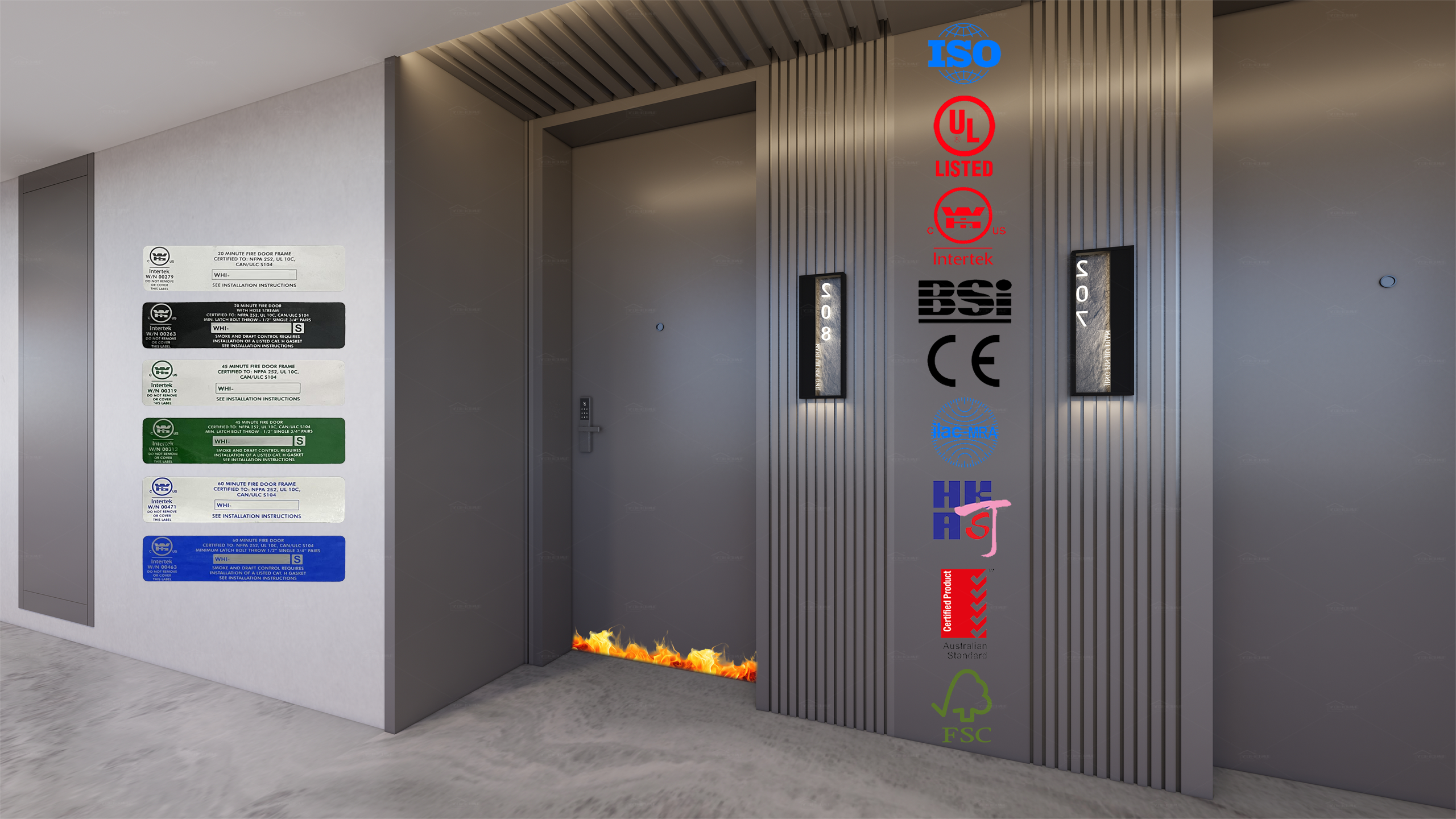
What is inside a fire-rated door?
Introduction to Fire-Rated Doors
Fire-rated doors play a crucial role in ensuring a building’s safety. These doors are specially designed to resist the spread of fire and smoke, protecting people, property, and valuable assets. They are built to withstand extreme heat and prevent the passage of fire for a specific period, allowing occupants more time to evacuate or for firefighters to intervene. Understanding what a fire-rated door is and why it’s important can help you make the right decisions for your building’s safety.
What is a Fire-Rated Door?
A fire-rated door is a door specifically designed to withstand fire for a specific period. It is made from materials that can withstand heat and flames while preventing smoke and gases from passing through. Fire-rated doors are often installed in high-risk areas, such as between rooms or in hallways, or as part of a building’s fire-resistance strategy.
These doors are tested in a controlled environment to determine how long they can withstand exposure to fire before failing. The fire resistance rating is indicated by numbers such as FD30, FD60, FD90, etc., which indicate how long the door can withstand fire (30, 60, or 90 minutes).
Unlike regular doors, fire-rated doors are equipped with special features such as fire-resistant cores, seals, and frames. These features enhance the door’s ability to block heat, flames, and smoke, preventing them from spreading throughout the building.
Importance of Fire-Rated Doors in Building Safety
Fire-rated doors are essential for building safety for several reasons. First and foremost, they act as a barrier between different parts of a building, slowing the spread of fire and smoke. This is crucial for keeping escape routes clear and allowing people time to evacuate. Without fire-rated doors, a fire could easily spread from one room to another, blocking exits and endangering lives.
In addition to protecting people, fire-rated doors help contain fire and smoke, reducing property damage. They help contain fire to a single area, limiting the destruction caused by flames and heat. By preventing fire from spreading, these doors give the building’s firefighting systems more time to work.
Moreover, fire-rated doors are required by law in many places. Building codes and safety regulations mandate the use of fire-rated doors in certain areas of buildings, such as between different sections of a commercial building or in high-rise apartments. These doors ensure compliance with local regulations and help building owners avoid penalties and legal issues.
In short, fire-rated doors are not just a building feature—they are a vital part of a comprehensive fire safety plan. By protecting against fire and smoke, they save lives, protect assets, and ensure buildings meet required safety standards.

Components of a Fire-Rated Door
When it comes to fire safety, the components of a fire-rated door are just as important as the door itself. Every part of a fire-rated door plays a critical role in ensuring that it performs as expected during a fire. From the core material to the frame, hinges, and seals, each element is designed to keep people and property safe from the spread of flames, smoke, and heat. Let’s dive deeper into the main components of a fire-rated door to understand how they work together to provide adequate protection.
Core Materials in Fire-Rated Doors
The core material inside a fire-rated door is what gives it its fire resistance properties. Depending on the door type and required fire rating, manufacturers use different materials for the core. Below are the most common core materials used in fire-rated doors:
Mineral Core
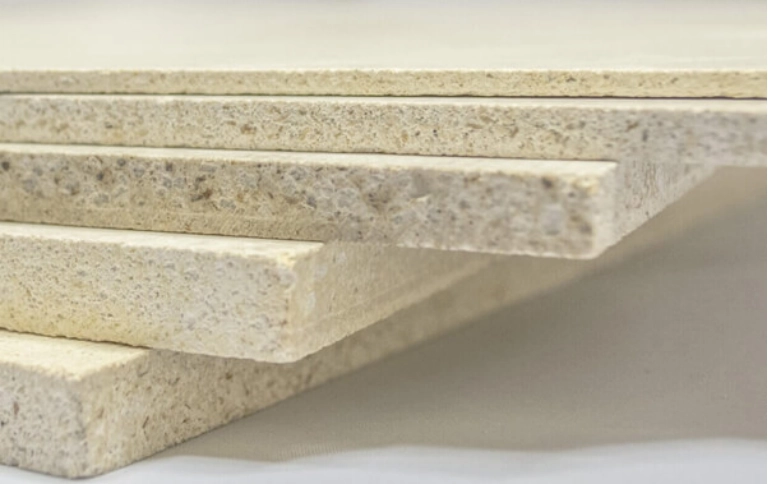
Mineral core doors are often chosen for their exceptional fire resistance. The mineral core is made from a combination of mineral-based materials such as calcium silicate. These materials are naturally fire-resistant and provide excellent thermal insulation, keeping the heat and flames from spreading. The mineral core also helps prevent the door from warping or cracking under high heat.
In fire-rated doors, the mineral core typically allows the door to withstand fire for 60 to 90 minutes. This makes mineral core doors ideal for areas in buildings where fire protection is critical, like stairwells or corridors.
Honeycomb Core

Honeycomb core doors are one of the most commonly used types in fire-rated applications. These doors have a core structure that resembles a beehive—hence the name “honeycomb.” The honeycomb pattern is made from cardboard or metal, which provides strength and durability while remaining lightweight.
This type of core is especially good at absorbing heat and distributing the pressure from a fire, making it highly effective in stopping the spread of flames. The honeycomb core helps the door achieve a fire rating of 30 to 60 minutes, suitable for most commercial and residential buildings.
Polystyrene Core
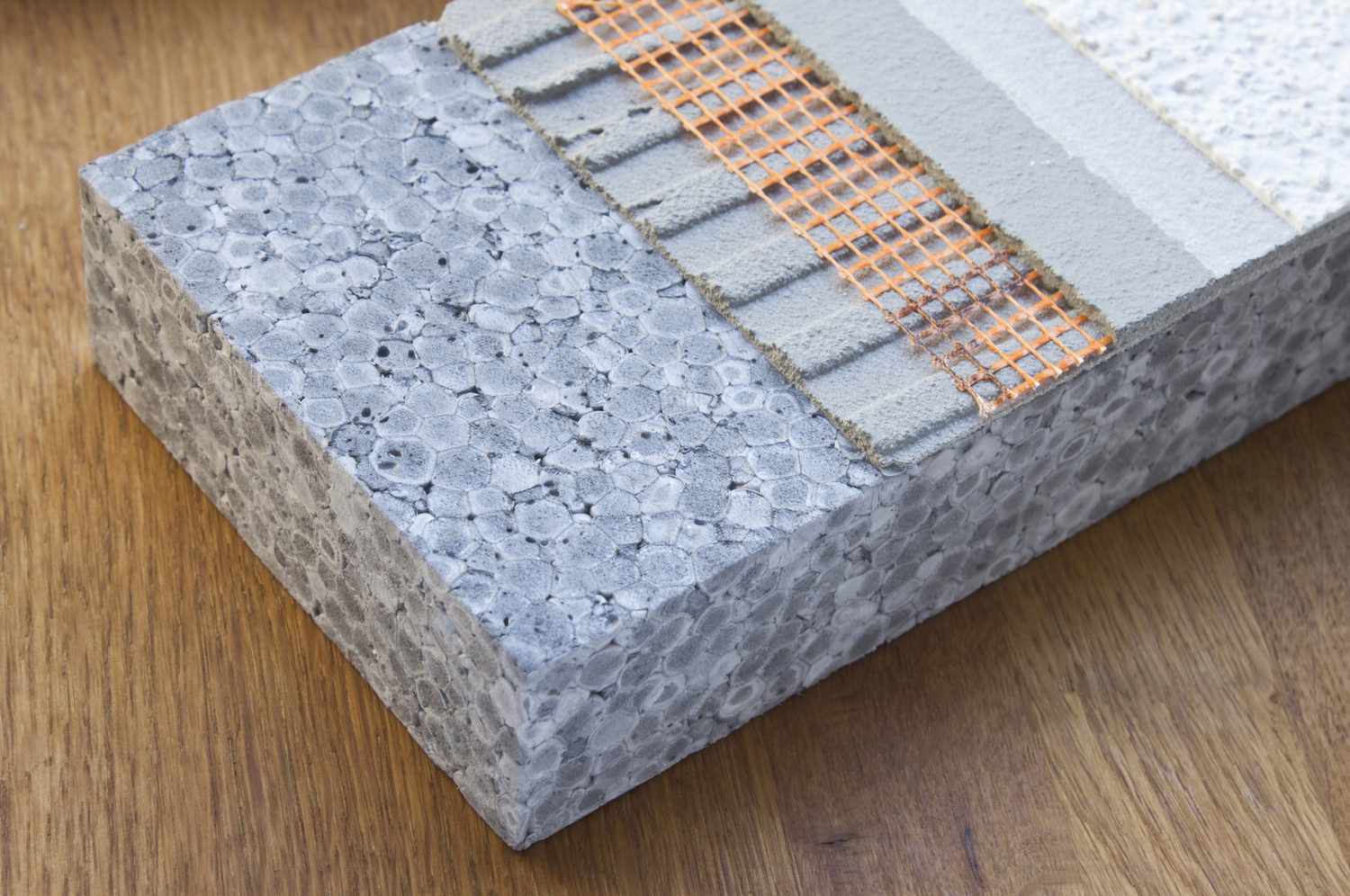
They are a more affordable option compared to some other core types. Polystyrene foam is used as the core material in these doors, offering sound insulation and fire resistance. While they are not as fire-resistant as mineral core or honeycomb core doors, polystyrene core doors can still provide up to 30 minutes of fire protection, depending on the door’s construction.
These doors are often used in less demanding fire-rated applications, such as in smaller buildings or internal rooms. Despite offering lower fire resistance, polystyrene-core doors provide an excellent balance of affordability and insulation.
Rockwool Core
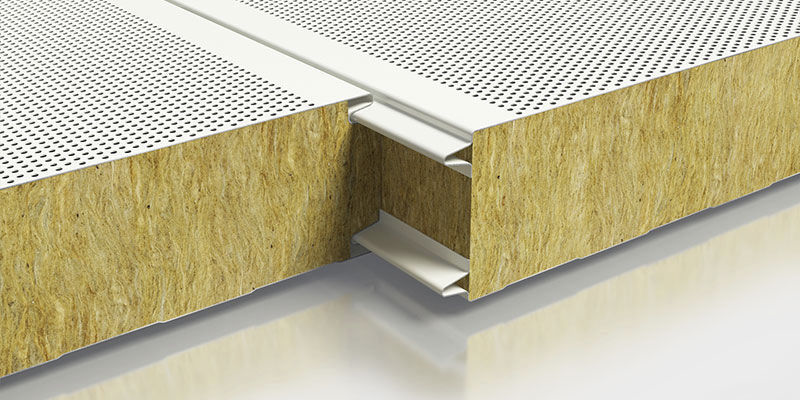
They are another highly effective choice for fire-rated applications. Rockwool, also known as mineral wool, is made from natural volcanic rock and slag. This material is incredibly fire-resistant and has excellent thermal properties. Rockwool cores can withstand extremely high temperatures and typically provide fire protection for 60 to 90 minutes.
These doors are often preferred in environments where high fire resistance is essential, such as in industrial buildings, hospitals, or multi-story buildings. The rockwool core also offers soundproofing, making it a good choice for areas that require both fire protection and noise reduction.
Frame and Hinges
A fire-rated door’s frame and hinges are just as crucial as the core material itself. The frame holds the door in place and ensures it fits securely within the opening, while the hinges allow the door to swing open and closed. For a fire-rated door to maintain its protective qualities, both the frame and hinges must be designed to withstand the extreme conditions of a fire.
Fire-Resistant Frames
The frame of a fire-rated door is more than just a structural component. It is an essential part of the door’s fire resistance. Fire-resistant frames are made from materials that can handle high temperatures and keep the door securely in place during a fire. These frames are typically constructed from steel or other fire-resistant metals, which offer durability and stability under heat.
In addition to holding the door in place, fire-resistant frames also help prevent the spread of flames and smoke. When properly installed, the frame provides a tight seal around the edges of the door, reducing the chances of heat or smoke leaking through. This is especially important in areas where fire containment is critical, such as between different building sections or near stairwells.
Fire-rated door frames are tested to meet specific standards, such as those outlined in fire safety regulations. These standards ensure that the frame can withstand fire exposure for the same duration as the door itself, whether it’s 30, 60, or 90 minutes. Without a fire-resistant frame, even the best fire-rated door would lose its effectiveness during a fire.
Self-Closing Hinges
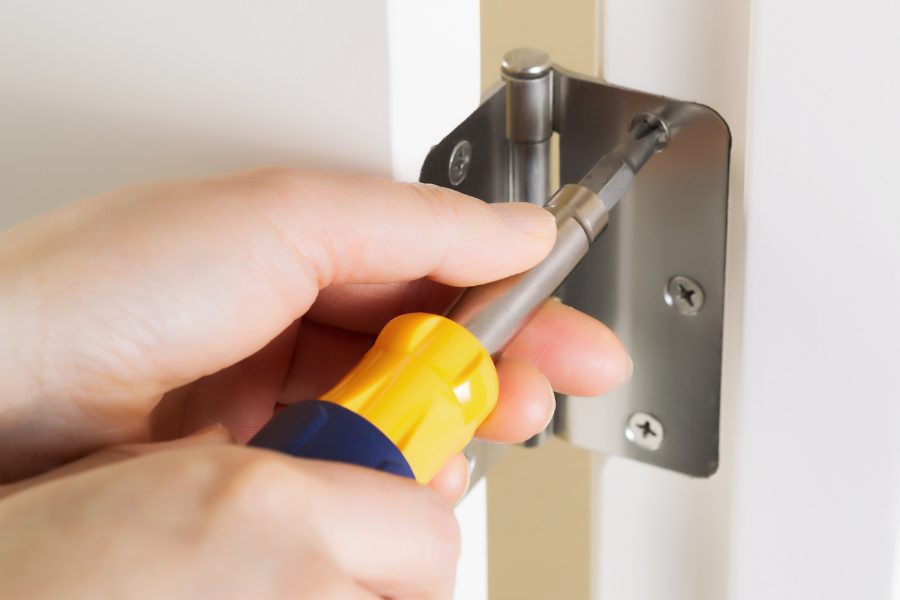
Hinges are another critical component in the design of fire-rated doors. They allow the door to open and close smoothly, keeping it functional. However, for fire-rated doors, the hinges need to be more than just basic hardware—they need to be self-closing.
Self-closing hinges automatically close the door after it’s opened. This feature is critical for fire safety because it ensures that the door stays shut during a fire. When a door is closed, it helps contain the fire and smoke, preventing them from spreading to other parts of the building. If the door were left open, the fire could quickly move through the building, putting occupants at risk.
Self-closing hinges are often spring-loaded or use hydraulic systems to gently and efficiently close the door. This mechanism is fundamental in high-traffic areas where the door might otherwise remain open. In addition, self-closing hinges help maintain the door’s fire rating by keeping it closed when it’s most needed.
These hinges are commonly used in fire-rated doors in both commercial and residential buildings. They are essential for maintaining safety and compliance with fire safety codes, ensuring the door will automatically close in an emergency.
The frame and hinges of a fire-rated door are integral to its performance in a fire. A strong, fire-resistant frame keeps the door in place and helps prevent the spread of fire and smoke, while self-closing hinges keep the door shut when needed most. Together, these components ensure that the fire-rated door provides the protection required to save lives and property.
Door Seals and Gaskets
Seals and gaskets are essential for ensuring that a fire-rated door remains airtight during a fire. Any gap, no matter how small, could allow smoke or flames to seep through, compromising the building’s safety. Both intumescent and smoke seals are designed to fill gaps around the edges of the door, providing a protective barrier against fire and smoke.
Intumescent Seals
Intumescent seals are a key feature in fire-rated doors. These seals are made from a special material that reacts to heat. When exposed to high temperatures, the intumescent material expands significantly, forming a thick, insulating layer. This expansion helps to fill any gaps between the door and its frame, effectively preventing fire and smoke from passing through.
The primary role of intumescent seals is to protect against the spread of flames and heat. As the temperature rises, the seal swells and becomes denser, improving the door’s fire resistance. Intumescent seals are especially effective in areas where fire exposure can vary, providing consistent protection.
These seals are often used in combination with other sealing methods to maximise the effectiveness of a fire-rated door. When properly installed, they can help the door meet fire-resistance ratings ranging from 30 to 90 minutes, depending on the overall door construction.
Smoke Seals
Smoke seals are another crucial component of a fire-rated door. While intumescent seals focus on blocking flames and heat, smoke seals are specifically designed to prevent smoke from passing through. During a fire, smoke can be just as dangerous as fire itself, causing injuries and impairing visibility. Smoke seals help contain smoke, giving occupants more time to evacuate and reducing the damage from smoke inhalation.
Smoke seals are typically made of materials like rubber or silicone, which can create a tight seal between the door and its frame. Unlike intumescent seals, smoke seals do not need heat to function. They are effective even in the absence of a fire, making them a critical part of a fire-rated door’s overall safety features.
These seals are commonly installed along door edges and are often used in combination with intumescent seals. This dual-layer protection keeps both fire and smoke at bay, providing enhanced safety for the building’s occupants.
How Fire-Rated Doors Work?
Fire-rated doors are more than just sturdy barriers—they are specifically designed to withstand the heat, flames, and smoke that are released during a fire. Their role is to protect the people inside the building by slowing the spread of fire and smoke, allowing more time for evacuation or for firefighters to respond. Let’s explore how these doors work and what makes them so effective at preventing disaster during a fire.
Fire-Resistant Properties Explained
Fire-rated doors come with specific fire-resistant properties that help them perform well in high-temperature environments. These properties include thermal insulation and smoke containment, both of which are crucial for reducing damage and giving people more time to escape.
Thermal Insulation
One of the primary fire-resistant properties of fire-rated doors is thermal insulation. This means the door helps to block the transfer of heat from one side to the other. When a fire breaks out, the heat can spread quickly, endangering people and damaging materials. A fire-rated door, with its thermal insulation, slows this heat transfer.
The core materials used in fire-rated doors, such as mineral cores or honeycomb structures, are specially chosen to absorb and trap heat. These materials prevent the room on the non-fire side of the door from becoming unbearably hot, giving people more time to evacuate. For example, a door with a 60-minute fire rating will typically maintain its structural integrity for an hour, keeping the temperature under control during that time.
Thermal insulation is crucial in areas with a high risk of fire, such as kitchens or utility rooms. In these areas, fire-rated doors help prevent fire from spreading quickly throughout the building, providing a critical barrier to heat.
Smoke Containment
In addition to blocking heat, fire-rated doors are also designed to contain smoke. Smoke is one of the most dangerous aspects of a fire, often causing more injuries and fatalities than the fire itself. Fire-rated doors help prevent the spread of smoke from the fire area to other parts of the building.
Smoke containment is achieved through a combination of the door’s seal system and the materials used in its construction. Fire-rated doors are equipped with smoke seals that expand to fill gaps around the door when exposed to heat. This creates a tight seal that keeps smoke from leaking through.
Some fire-rated doors also have intumescent seals that expand when exposed to heat. This expansion helps block not only the heat but also smoke and gases that could otherwise travel through the door. In buildings with high occupancy or complex layouts, smoke containment is crucial to protecting the health and safety of everyone inside.
In high-rise buildings, for example, the spread of smoke can be just as hazardous as the fire itself. Fire-rated doors prevent this by containing smoke within fire zones, allowing people to evacuate to a safer area while minimising smoke inhalation.

How Fire Doors Prevent the Spread of Fire?
A fire-rated door works by blocking the path of fire and heat, making it harder for the flames to spread to other parts of the building. These doors are designed with features that prevent fire from spreading beyond the door into different rooms or areas. By containing the fire, fire-rated doors protect people and property, allowing more time for emergency response.
Blocking Heat and Flames
The core materials in a fire-rated door, such as mineral cores, honeycomb structures, or rockwool, are specifically designed to resist the heat and flames produced during a fire. When a fire breaks out, these materials work together to block heat transfer from the fire side of the door to the non-fire side. This means the door will stay cooler on one side, even when exposed to high temperatures, which can help prevent fire from spreading.
In addition to the core materials, the fire-rated door’s surface is usually protected with materials that withstand flames, such as steel or fire-resistant coatings. These outer layers act as an additional barrier to fire, stopping it from burning through the door.
Fire-rated doors are tested to endure high temperatures for a specified period, such as 30, 60, or 90 minutes, depending on the fire rating. For example, a door with a 60-minute fire rating can withstand flames and heat for one hour, preventing the spread of fire and giving people inside the building more time to evacuate.
The Role of Door Gaps and Seals
Even the smallest gap around a door can allow smoke and fire to pass through, so ensuring a tight seal around fire-rated doors is essential. The gaps around the door, especially between the door and its frame, are sealed with special materials that prevent fire and smoke from leaking through.
Fire-rated doors are equipped with intumescent seals, which expand when exposed to heat. These seals fill any gaps around the door, providing an airtight barrier that blocks the spread of fire and smoke. The tighter the seal, the more effectively the door contains the fire.
In addition to intumescent seals, smoke seals are also used to prevent smoke from escaping through any gaps. Smoke seals are made from materials such as silicone or rubber, which remain flexible even at high temperatures. These seals help to contain smoke, which can be just as dangerous as the fire itself, especially in large buildings or areas with multiple rooms.
By working together, the door, seals, and frame create a tight, heat-resistant barrier that prevents fire and smoke from spreading to other parts of the building. This barrier is critical for preventing the fire from spreading quickly through the building and helps protect both lives and property.
Fire Resistance Ratings
Fire-rated doors are assigned a specific fire resistance rating based on how long they can withstand a fire before they fail. This rating is measured in minutes, such as FD30, FD60, FD90, etc., where the number refers to the duration the door can resist fire. The higher the number, the longer the door can hold off fire and smoke.
These ratings are determined through rigorous fire testing, in which the door is exposed to flames under controlled conditions. During these tests, the door is evaluated for its ability to withstand heat, flames, and smoke. The door’s performance is monitored, and the duration it withstands the fire determines its rating.
Understanding Fire Resistance Durations
The fire-resistance duration indicates how long a fire-rated door can protect your space during a fire. Here’s a breakdown of what each rating means:
FD30 (30 minutes):
A fire-rated door with an FD30 rating is designed to withstand fire and heat for 30 minutes. This is often sufficient for areas with low fire risk, but where you still need some level of protection. For example, FD30 doors are commonly used in residential buildings, internal rooms, or corridors where the spread of fire should be delayed long enough for occupants to evacuate.
FD60 (60 minutes):
Fire-rated doors with an FD60 rating offer a higher level of protection. They can withstand fire for up to 1 hour, making them suitable for areas with a moderate fire risk. These doors are often used in commercial buildings, such as office spaces or factories, where fire can spread quickly and more time is needed for evacuation or firefighting.
FD90 (90 minutes):
Doors with an FD90 rating provide strong protection and can withstand fire for up to 90 minutes. These are commonly used in buildings with high fire risks or critical infrastructure, such as hospitals or high-rise buildings. In these settings, it’s vital to have doors that can withstand fire for extended periods to ensure safe evacuation and protect valuable assets.
FD120 (120 minutes) and higher:
For extremely high-risk areas or large buildings, doors with fire resistance ratings of 120 minutes or more are used. These doors are designed to provide the highest level of protection in areas such as chemical plants, storage facilities, and large-scale commercial buildings.
Fire resistance ratings are not just numbers—they play a key role in ensuring a building’s safety. The right fire-rated door with the correct rating for each area helps prevent fire from spreading, giving occupants valuable time to escape and minimising damage.
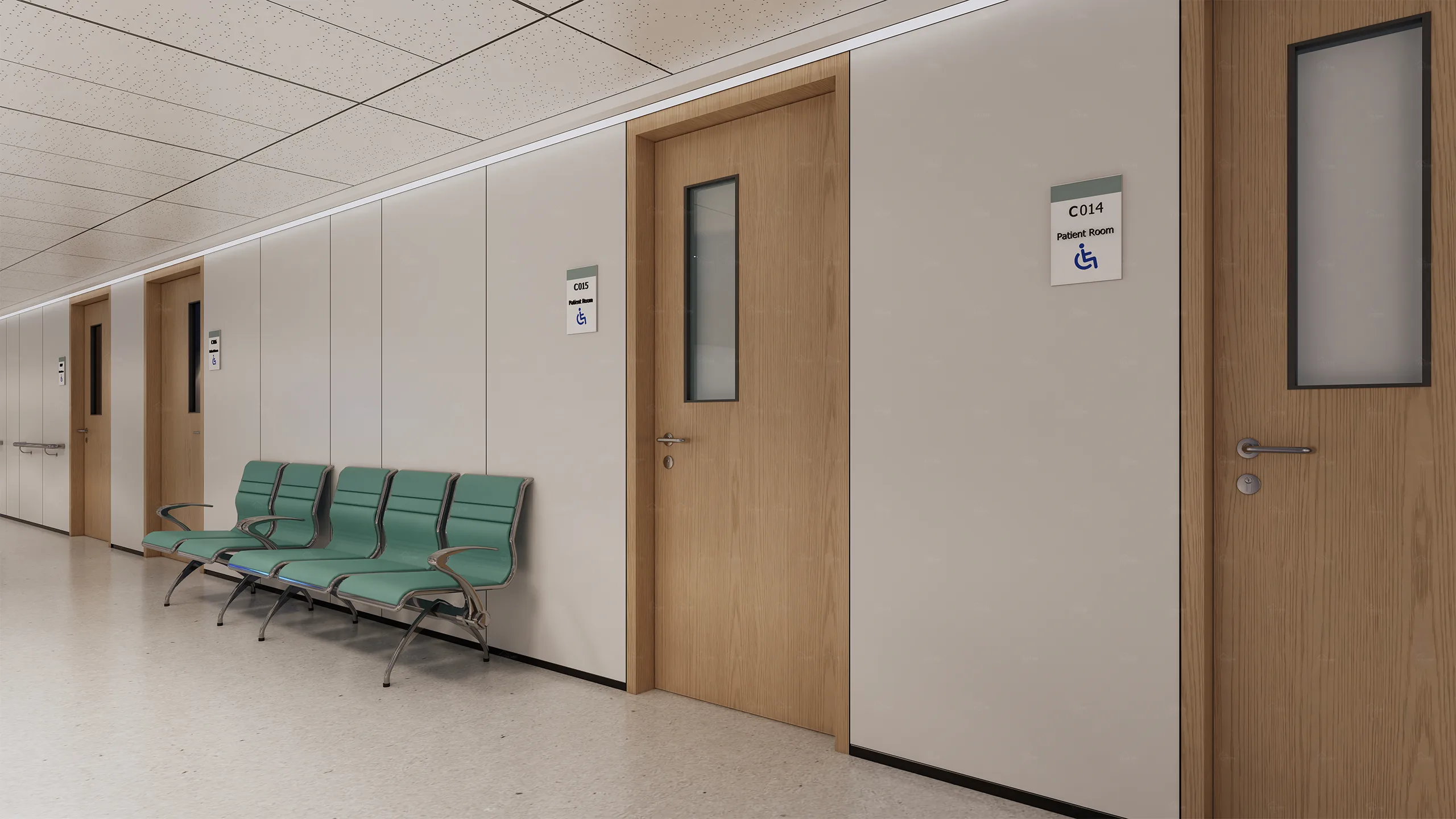
Maintenance and Inspection of Fire-Rated Doors
Fire-rated doors are an essential part of building safety, but like any other critical component, they require regular maintenance and inspection to ensure they work correctly when needed most. Proper care can extend the door’s life, ensuring it continues to meet fire safety standards. Let’s look at the routine checks that should be performed and when it’s time to replace or repair your fire-rated door.
Routine Checks to Ensure Functionality
Fire-rated doors need to be checked regularly to ensure they are in good working order. These checks ensure that the door will perform as expected in the event of a fire. Here are the key aspects to inspect:
Check for Damage:
Regularly inspect the door for any visible damage, such as dents, cracks, or broken seals. Even minor damage can compromise the door’s effectiveness. If the door has a damaged surface or is warped, it may not fit tightly within its frame, reducing its ability to contain fire and smoke.
Inspect Seals and Gaskets:
Fire-rated doors rely heavily on their seals and gaskets to keep fire and smoke from passing through. Check the intumescent and smoke seals to ensure they are intact and undamaged. If the seals are worn or missing, replace them immediately to ensure the door’s fire-resistant properties remain intact.
Ensure Proper Function of Hinges:
The hinges should be in good condition, allowing the door to open and close smoothly. Check that the hinges are not rusted or worn out. Self-closing hinges should also be tested to ensure the door shuts completely without resistance. A door that doesn’t close properly can leave gaps that allow fire or smoke to enter.
Test Door Latches:
The door latch should function correctly, ensuring the door remains securely closed when it’s needed. Check that the latch mechanism is not faulty and that it holds the door firmly in place when shut. A malfunctioning latch could prevent the door from staying closed during a fire.
Ensure Clear Paths:
The area around the fire-rated door should be free of any obstacles. Any item blocking the door or preventing it from closing properly can compromise its functionality. Ensure the door swings freely without interference and that no furniture, equipment, or storage is in the way.
When to Replace or Repair a Fire-Rated Door?
Over time, wear and tear can degrade a fire-rated door’s performance. Knowing when to repair or replace your door is crucial to maintaining building safety. Here’s when you should consider taking action:
After a Fire or Impact:
If a fire-rated door has been exposed to fire or smoke, it’s essential to inspect it for damage, even if the fire was minor. If the door has been compromised in any way, it should be replaced immediately. Similarly, if the door has been damaged by impact (such as from a heavy object or vandalism), it may no longer meet fire safety standards and may need to be repaired or replaced.
If Seals Are Damaged or Missing:
If the intumescent or smoke seals are damaged, missing, or ineffective, the door will no longer provide adequate protection. Seals are vital for preventing the passage of smoke and flames, so any damage to these components means the door is no longer performing its critical safety function. Replacing the seals or even the entire door might be necessary.
When the Door No Longer Closes Properly:
If the door doesn’t close properly, it cannot provide a barrier against fire. Over time, hinges and frames can become misaligned, causing the door to hang unevenly. If the door fails to close tightly, it should be repaired or replaced. This is particularly important for doors with self-closing mechanisms, which must function properly to maintain their fire rating.
Outdated Fire Ratings:
Fire-rated doors have specific ratings (FD30, FD60, FD90, etc.) based on how long they can resist fire. If the fire-rated door no longer meets current safety standards or if the fire rating has expired due to damage or age, it should be replaced with a new, compliant door. Regulations and fire safety standards can change, so keeping your fire-rated door up to date is essential for overall safety.
Severe Wear and Tear:
If the door shows significant wear, such as rust on metal parts, deep scratches on the surface, or cracks in the door material, it might be time for a replacement. Even if the door still closes properly, severe damage can affect its overall integrity, making it less effective during a fire.
Regular inspections and maintenance can help you spot issues early and keep your fire-rated door functioning well. However, when major problems are identified, addressing them right away by repairing or replacing the door ensures the highest level of fire safety.
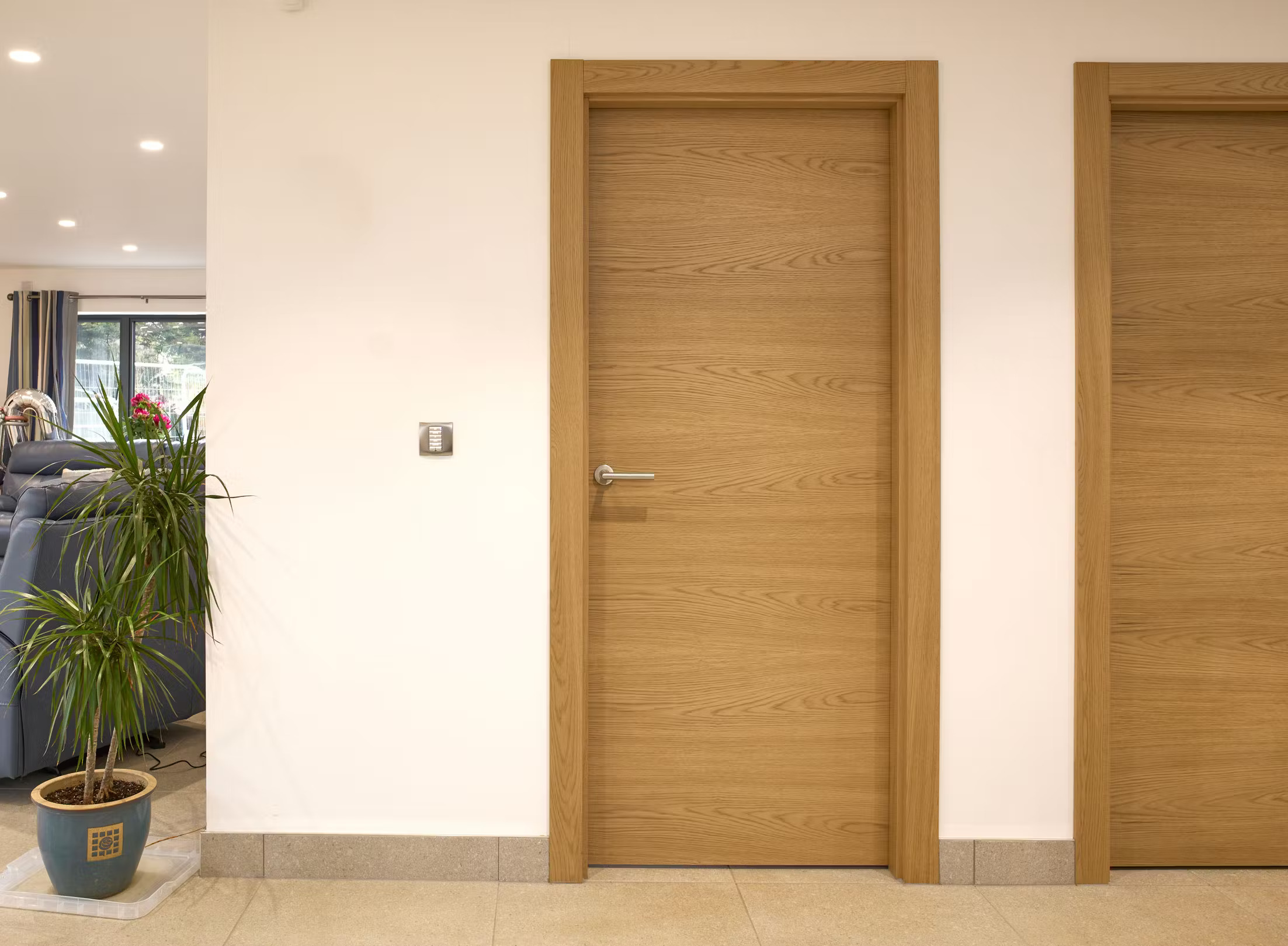
Benefits of Fire-Rated Doors
Fire-rated doors are a key element of building safety. They provide several essential benefits that protect both people and property in the event of a fire. These doors are not only designed to prevent the spread of flames but also to comply with safety regulations and enhance a building’s overall security. Let’s take a closer look at the main benefits of fire-rated doors.
Protection from Fire and Smoke
The primary benefit of a fire-rated door is its ability to protect a building from fire and smoke. During a fire, heat and smoke can spread quickly, making it difficult for occupants to evacuate safely. Fire-rated doors act as barriers to slow or prevent the spread of fire, giving people more time to escape.
A fire-rated door is designed to resist high temperatures for a specific duration, such as 30, 60, or 90 minutes. Depending on the fire rating, the door can withstand flames and intense heat, keeping the rest of the building safe for longer. The door’s core material, such as mineral core, honeycomb, or rockwool, is specially engineered to prevent heat transfer.
Besides blocking flames, fire-rated doors also prevent smoke from passing through. Smoke can be even more dangerous than fire itself, causing injury and confusion. Fire-rated doors are equipped with smoke seals and gaskets that expand when exposed to heat, creating a tight seal that prevents smoke from leaking into other parts of the building.
With fire-rated doors in place, you’re not just blocking the spread of flames; you’re also limiting smoke inhalation, which can save lives and reduce the overall damage caused by a fire.
Compliance with Building Codes and Regulations
Local building codes and regulations often require fire-rated doors. These regulations are in place to ensure that buildings have adequate safety measures in the event of a fire. Fire-rated doors must meet specific fire resistance standards, which are tested and certified by regulatory bodies.
Compliance with fire safety codes is crucial for both new constructions and renovations. Building owners, architects, and contractors must comply with these codes to avoid penalties and ensure the building is safe for occupants. Fire-rated doors are an essential part of these regulations and help buildings meet the required fire safety standards.
Additionally, fire-rated doors are necessary for some regions of a building, such as stairwells, exit routes, and between different fire zones. Installing the right fire-rated doors ensures that the building is up to code and meets the required safety standards.
By choosing the right fire-rated doors, building owners can avoid legal issues and ensure the building’s long-term safety and compliance with fire protection laws.
Improving Building Safety for Occupants
Fire-rated doors provide peace of mind by significantly improving building safety. These doors create a safer environment for everyone inside by slowing the spread of fire, protecting escape routes, and ensuring that fire alarms and sprinklers have enough time to function. In the event of a fire, fire-rated doors help contain the fire in one area, preventing it from spreading to other parts of the building.
By preventing the spread of smoke and fire, fire-rated doors also help protect valuable assets, equipment, and documents. They limit the damage caused by fire and smoke, which can save both money and resources in the long run. In areas with high fire risk, such as kitchens, industrial spaces, and storage rooms, fire-rated doors are essential to a comprehensive fire safety plan.
For building occupants, fire-rated doors can make the difference between life and death. They ensure that the people inside have more time to evacuate or shelter in place until help arrives. This protection is critical in large buildings, where the spread of fire can quickly become uncontrollable. With fire-rated doors in place, occupants are given the best chance of escaping safely.

Choosing the Right Fire-Rated Door for Your Building
When it comes to protecting your building from fire hazards, selecting the right fire-rated door is essential. Fire-rated doors are designed to withstand fire for a specific period, helping to prevent the spread of flames and smoke. The choice you make can impact not just the safety of your building but also its compliance with fire safety regulations. This guide will help you make an informed decision when choosing the best fire-rated door for your property.
Factors to Consider
When choosing a fire-rated door, several factors will influence your decision. Understanding these elements will help ensure that you pick a door that meets both your safety needs and regulatory requirements.
Door Size and Material
The first step in selecting a fire-rated door is determining the correct size. Fire-rated doors come in various standard sizes to fit different types of door openings. It’s essential to measure your door frame accurately to avoid gaps when installing the door. A poor fit can compromise the door’s fire-resistance properties, so proper measurements are crucial.
Next, consider the material of the fire-rated door. The material determines the level of protection the door provides. Most fire-rated doors are made from metal, wood, or a combination of both. Metal fire-rated doors are often preferred in commercial and industrial buildings because they offer superior fire resistance and durability. These doors are designed to withstand extreme heat and prevent flames from passing through. For residential properties, wood fire-rated doors are commonly used. They are often finished with a fire-resistant core, providing a balance between safety and aesthetic appeal.
Wooden fire-rated doors are available in various styles, including solid wood or composite materials, offering more design flexibility for residential interiors. However, they generally provide lower fire protection compared to their metal counterparts. If you’re opting for a wood fire-rated door, make sure it meets the required fire rating standards for your property.
Fire Rating Requirements
The fire rating of a door refers to how long the door can withstand fire while preventing the spread of flames and smoke. This rating is crucial to ensuring the door provides adequate protection in a fire emergency. Fire-rated doors come with different ratings, typically ranging from 20 minutes to 3 hours, depending on the material and construction.
To determine the appropriate fire rating for your building, you’ll need to consider local building codes and fire safety regulations. For example, commercial buildings, including offices and factories, often require fire-rated doors with higher fire resistance, usually rated for 1 hour or more. Residential properties may only need fire-rated doors with lower ratings, such as 20 or 30 minutes, for interior rooms or areas that are less likely to be exposed to fire.
It’s also important to consider the type of space where the fire-rated door will be installed. High-traffic areas, such as hallways or stairwells, may require a higher fire rating to provide greater protection. Meanwhile, rooms that don’t have direct access to external fire hazards might only need a basic fire-rated door.
Fire-Rated Doors for Residential vs Commercial Properties
When it comes to choosing fire-rated doors for different types of properties, the needs vary significantly. In residential buildings, fire-rated doors are typically installed in areas most vulnerable to fire, such as garages, stairwells, and between the living area and the furnace room. These doors need to provide adequate protection but may not require the same level of durability or expense as those used in commercial buildings.
On the other hand, commercial fire-rated doors are designed to meet much higher standards. In commercial properties, the stakes are higher due to the number of people present and the risk of extensive property damage. Fire-rated doors in offices, schools, and hospitals often need to offer longer fire-resistance times, such as 90 minutes or even 2 hours, depending on local regulations. Commercial properties also require compliance with stricter building codes, so these doors often feature additional features such as soundproofing, enhanced durability, and specialised materials.
Cost Considerations for Fire-Rated Doors
The cost of fire-rated doors can vary widely based on factors such as the level of fire protection needed, the materials used, and whether the door is custom-made or pre-manufactured. Generally, the higher the fire-resistance rating, the more expensive the door will be. For example, a door rated for 60 minutes of fire protection will likely be more affordable than one rated for 90 minutes or 2 hours.
In addition to fire resistance, factors such as size, design, and additional features, such as insulation or security, will affect the price. Residential doors are often less costly, while commercial-grade fire-rated doors tend to be pricier due to their increased durability and compliance with building codes. It’s essential to consider the long-term value and safety these doors provide, as opting for cheaper, lower-rated doors could increase the risk during a fire.
If you’re working with a tight budget, there are still affordable options that meet essential fire safety standards. It’s always a good idea to consult with an expert to ensure you’re getting the best value for your investment while maintaining the necessary safety levels.

Conclusion
When it comes to building safety, fire-rated doors are an essential feature that should not be overlooked. These doors are designed to protect lives, limit property damage, and ensure safe evacuation during a fire emergency. Choosing the right fire-rated door for your building, whether residential or commercial, is key to creating a secure environment for everyone inside. With proper installation and maintenance, these doors can be a long-term solution for fire protection and code compliance.
The Importance of Fire-Rated Doors for Safety and Compliance
Fire-rated doors are crucial for maintaining safety and compliance with building regulations. They act as barriers, preventing the spread of fire and smoke between areas. This can be the difference between life and death in an emergency. By slowing down the spread of a fire, fire-rated doors give people more time to evacuate safely, while also protecting the building’s structure and valuable assets.
In many places, building codes require fire-rated doors to be installed in specific areas, such as between different sections of a building or in stairwells. This ensures that all occupants are safe and that the structure can withstand heat and smoke for a specified period. Complying with these regulations not only keeps people safe but also helps avoid legal issues and potential fines.
Selecting and Maintaining Fire-Rated Doors
Selecting the right fire-rated door means understanding your building’s needs, the specific fire rating required, and your budget. Whether you’re choosing a door for a home, office, or public building, it’s important to consult experts who can guide you in selecting one that meets local safety codes. Choose a door that provides adequate protection for the area in question and is made from durable, high-quality materials that will stand the test of time.
Once installed, fire-rated doors must be adequately maintained to ensure they function as intended. Regular checks should be made to ensure the door’s seals are intact and that there is no damage to the door or its frame. Fire-rated doors should also never be obstructed by furniture or other items that may prevent them from closing properly. Keeping the door clean and checking for wear and tear can extend its lifespan and keep it working at its best.
In conclusion, fire-rated doors are a vital part of any building’s fire safety plan. They ensure the safety of the people inside and help buildings comply with necessary regulations. By selecting the right door and properly maintaining it, you can significantly reduce the risk of fire and ensure your building is both safe and compliant.
Relate FAQ
How long can a fire-rated door resist fire?
Fire-rated doors are classified based on how long they can withstand fire exposure. Standard ratings include 30, 60, 90, and 120 minutes. The duration depends on the materials used, the door's construction, and its overall design.
Are fire-rated doors only for commercial buildings?
No, fire-rated doors are essential in both commercial and residential buildings. While they are more common in commercial properties due to fire codes and regulations, fire-rated doors are also crucial in residential buildings, especially in areas like garages, stairwells, and between living spaces and utility areas.
Can fire-rated doors be customized to fit aesthetic needs?
Yes, fire-rated doors can be customized to fit aesthetic preferences while maintaining fire safety. For example, they can be made with wood veneers or decorative finishes. Fire-resistant glass can also be used to add design elements without compromising on safety.
Do fire-rated doors require special maintenance?
While fire-rated doors are designed to be durable, regular maintenance is crucial. It is essential to check the seals, hardware, and doorframe for any damage or wear that could reduce the door's effectiveness. Annual inspections are recommended to ensure the door is functioning correctly.
Can I install a fire-rated door myself?
Installing a fire-rated door should always be performed by a qualified professional to ensure it meets safety standards and regulations. Improper installation can compromise its fire-resistance capabilities, putting the building and occupants at risk.