Does a fire door need a special frame?
Introduction
What is a Fire Door?
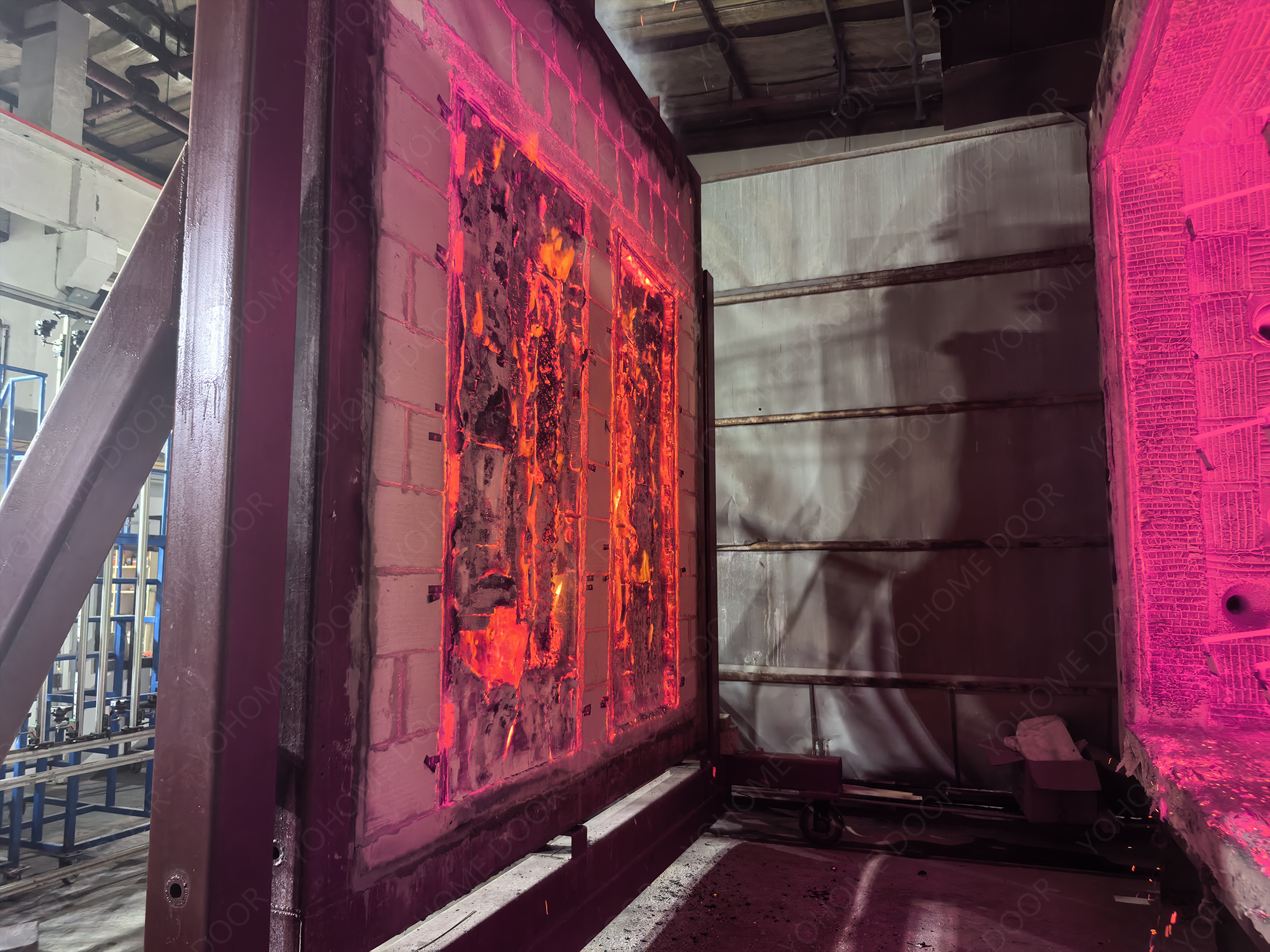
A fire door is a specially designed door that helps prevent the spread of fire and smoke within a building. Unlike regular doors, fire doors are made from materials that can withstand high temperatures for a specific period, often up to 60 minutes or more. This time is crucial, as it gives people inside the building more time to escape and allows emergency services to intervene.
Fire doors are typically constructed with fire-resistant materials such as steel, timber with fire-resistant cores, or composite materials. They are fitted with seals that expand when heated, helping block smoke and flames. These doors play a critical role in containing fires to specific areas, thus minimizing damage and protecting lives.
In short, a fire door is not just any door—it’s a vital component of a building’s fire safety system. It can be the difference between life and death in a fire.
Importance of Fire Doors in Safety
Fire doors are essential for building safety. They are designed to limit the spread of fire and smoke, which are the leading causes of injury and death in fires. A properly installed fire door can compartmentalize a fire, helping to contain it within a single room or area. This prevents the fire from spreading quickly and gives people more time to escape safely.
In many commercial and residential buildings, fire doors are required by law as part of fire safety regulations. They are especially important in places where large numbers of people gather, such as schools, hospitals, and office buildings. Without fire doors, the fire could quickly spread to other areas, putting more lives at risk. By slowing down the progress of fire and smoke, fire doors create safe escape routes for building occupants.
Moreover, fire doors help protect property and valuable assets. They are often used to protect high-risk areas such as kitchens, electrical rooms, and storage spaces containing flammable materials. By containing a fire to a small area, fire doors reduce the overall damage to the structure and contents.
Do Fire Doors Require a Special Frame?
The Role of a Frame in Fire Door Functionality
The frame of a fire door plays a crucial role in its performance during a fire. It serves as the supporting structure that holds the fire door in place, ensuring it remains closed and functions properly. A fire door frame is designed to withstand high temperatures and prevent the spread of fire and smoke. If the frame is weak or made from unsuitable materials, it could compromise the door’s ability to stop the fire from spreading.
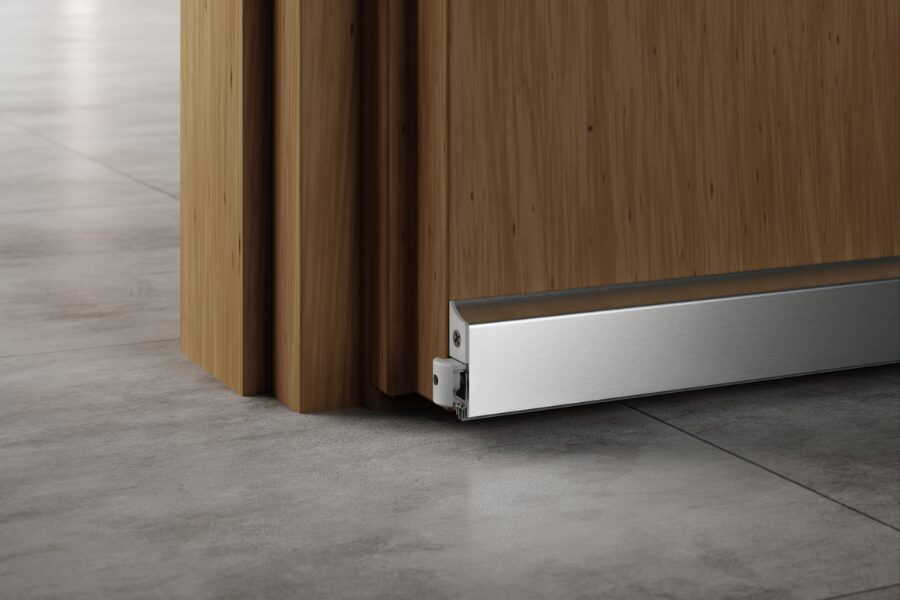
The frame also works together with the door to create a seal. When exposed to heat, fire doors typically have seals around the edges that expand, blocking smoke and heat. If the frame isn’t strong enough, the door might not form an effective seal. This could cause smoke or flames to leak through gaps, reducing the door’s effectiveness at containing the fire.
In summary, a well-designed and properly installed fire door frame ensures that the door remains in place, maintains its fire-resistant properties, and provides an effective barrier against smoke and fire.
Why a Special Frame is Required for Fire Doors?
Fire doors require special frames because they must meet fire-resistance standards that standard door frames cannot meet. A typical door frame is often made of wood or other non-fire-resistant materials. These frames could warp, crack, or fail under high heat, allowing smoke and flames to escape.
A fire door frame, however, is constructed from materials that can resist fire for a specific duration—usually 30 to 60 minutes or longer. Steel is a common material for fire door frames because it can withstand high temperatures without bending or breaking. Fire-resistant seals are also added around the frame to help prevent smoke and heat from seeping through.
Another reason a special frame is needed is to ensure proper installation. Fire door frames are designed to support the weight and structure of the fire door, ensuring it fits tightly in place. Without a specially designed frame, a fire door may not close properly, leaving gaps that can allow fire and smoke to pass through. This can render the fire door ineffective and compromise the building’s safety.
Can You Use Standard Door Frames for Fire Doors?
While it might seem tempting to use standard door frames for fire doors, it’s not recommended. Standard door frames are not designed to withstand the high temperatures and pressures encountered during a fire. A regular frame may not provide the necessary support or durability that a fire door needs to function correctly.
In addition, standard frames are often made from materials that cannot withstand fire. Most typical frames are made from softwoods or light metals that could easily fail in a fire. This would allow the fire door to collapse or malfunction, leading to an unsafe situation.
Moreover, fire doors need to fit precisely within their frames to create an effective seal. A standard door frame may not provide a proper fit or a reliable seal, reducing the fire door’s ability to prevent the spread of flames and smoke.
Therefore, it’s always best to use a specially designed fire door frame that meets safety standards. This ensures that the fire door performs its intended function and provides the maximum protection during an emergency.
In conclusion, while it’s technically possible to use a standard door frame, it is not a safe or effective solution for fire doors. To ensure your building’s fire safety, always choose frames specifically designed for fire-rated doors.

Types of Fire Door Frames
Metal Fire Door Frames
Metal fire door frames are the most common and preferred choice for fire-rated doors. Typically made from steel or galvanized steel, these frames are incredibly durable and offer superior fire resistance. Metal frames can withstand high temperatures, ensuring that the fire door remains intact and functions properly during a fire.
One of the key benefits of metal fire door frames is their strength. Unlike wood, which can warp or crack under heat, steel frames maintain their structural integrity, providing a reliable barrier against smoke and flames. They also offer a longer lifespan, requiring less maintenance over time compared to other materials.
Additionally, metal frames are ideal for commercial buildings, industrial spaces, and other settings that require heavy-duty fire protection. These frames are also compatible with various fire door materials, including timber, metal, and composite.
While steel frames are more expensive than timber frames, their durability and fire-resistance make them worth the investment. In areas where fire safety is a top priority, metal fire door frames provide the highest level of protection.
Timber Fire Door Frames
Timber fire door frames are another popular option for residential buildings and some commercial spaces. These frames are often made from hardwood or softwood, with the cores treated to meet fire-resistance standards. Timber fire door frames offer a natural aesthetic that complements many interior designs while still providing reliable fire protection.
Although not as fire-resistant as metal frames, timber frames are still effective when properly treated. Many modern timber frames use fire-rated materials in their construction, such as fire-resistant plaster or fire-rated timber, to help meet safety standards. These materials ensure the frame can withstand fire for a set period, typically 30 to 60 minutes.
Timber frames are generally easier to install and more affordable than metal frames, making them a great option for residential applications. However, it’s essential to check that the timber frame is fire-rated and meets local building codes to ensure safety.
Overall, timber fire door frames offer a good balance of appearance and performance, especially for homeowners who want a more traditional look but still need a high level of fire protection.
Composite Fire Door Frames
Composite fire door frames are a combination of materials, often blending the strength of metal with the aesthetic appeal of wood or other non-combustible materials. These frames are designed to offer the best of both worlds: high fire resistance along with the visual appeal of more traditional materials.
Composite frames can be made from materials such as fiberglass, aluminum, and fire-resistant wood veneers, which are bonded together to create a strong, durable frame. The combination of materials makes these frames highly resistant to fire, smoke, and heat. They can also withstand impacts and are generally more resistant to wear and tear than timber frames.
One of the main advantages of composite fire door frames is their versatility. They can be designed to match a building’s aesthetic while still meeting strict fire safety requirements. Whether in modern office buildings or residential homes, composite frames can be customized to blend with a range of interior styles.
Additionally, composite frames are lighter than solid metal frames, making them easier to install. Despite being lighter, they still offer excellent fire protection and can be just as effective at containing a fire.
In conclusion, composite fire door frames are an excellent choice for those seeking a balance of performance, aesthetics, and flexibility. They offer strong fire resistance while allowing for design customization, making them a popular choice in many applications.

Fire Door Frame Materials and Standards
Fire doors play a critical role in preventing the spread of fire within buildings. But it’s not just the door itself that ensures safety; the fire door frame is equally important. The materials used in the construction of fire door frames, along with the standards and certifications they meet, determine how well they perform in a fire.
Fire-Resistant Materials Used for Frames
When it comes to fire door frames, the materials used must withstand intense heat for a specified period. These materials are carefully selected for their ability to resist fire and protect the building’s occupants.
Steel
Steel is one of the most common materials for fire door frames. Its strength and durability make it an excellent choice for high-risk environments. Steel frames can withstand higher temperatures and provide long-lasting protection.
Timber
Timber is another popular material, particularly for residential buildings. However, not all wood can be used. Fire-resistant timber, often treated with fire-retardant chemicals, must meet specific fire-resistance ratings. This ensures that timber frames can resist fire for a specified time before burning through.
Aluminum
Aluminum frames are also used, though they are typically found in lower-risk applications or as part of the door assembly with fire-resistant coatings or panels. It can provide resistance to heat, but it doesn’t offer the same level of protection as steel or fire-rated timber.
Composites
Composites are increasingly being used in fire door frame construction. These materials combine various elements, such as metal and fire-resistant substances, to improve performance. Composite frames offer strength and fire resistance while being lighter than steel frames.
Fire Door Frame Certification and Standards
To ensure fire doors and their frames provide the necessary protection, they must meet certain certification standards. These standards assess the fire resistance of both the door and the frame, ensuring they can prevent the spread of fire for a designated period.
The fire resistance of these materials is determined by how long they can withstand exposure to flames and heat, typically expressed in minutes or hours (e.g., 30 minutes, 60 minutes).
BS 476 (British Standard 476)
BS 476 is one of the most recognized standards in the UK. It defines the fire resistance performance of doors, frames, and related components. Fire doors tested under BS 476 are rated for their ability to withstand fire for a set period, such as 30 minutes, 60 minutes, or more.
EN 1634 (European Standard EN 1634)
EN 1634 is a standard used across Europe to test the fire resistance of doors and frames. It evaluates how well a door system performs under fire conditions. This standard is crucial to ensuring that fire doors meet safety requirements in the European Union. It includes detailed testing procedures for both the door and its frame.
AS 1905 (Australian Standard 1905)
AS 1905 applies to fire-rated doors and frames in Australia. Similar to BS 476 and EN 1634, AS 1905 outlines the fire-resistance requirements and testing methods to ensure doors and frames provide adequate protection against fire hazards.
UL (Underwriters Laboratories)
UL certification is widely recognized, particularly in the United States. It sets standards for fire-rated doors and frames, including testing methods for fire resistance, durability, and performance under extreme conditions. UL testing ensures that fire doors meet specific safety criteria for various environments.
Each of these standards and certifications ensures that fire doors and frames provide the necessary protection during a fire emergency. Fire doors with proper certification can help slow the spread of flames and smoke, providing precious time for evacuation or firefighters to respond.
Summary
In conclusion, the materials used for fire door frames and their certifications are essential to determining a building’s safety. Steel, timber, aluminum, and composites all offer varying degrees of fire resistance. At the same time, certifications such as BS 476, EN 1634, AS 1905, and UL ensure that fire doors and frames meet the strictest safety requirements. Choosing fire door frames that meet these standards is a crucial step toward ensuring a building’s overall safety during a fire emergency.
Installation of Fire Doors and Frames
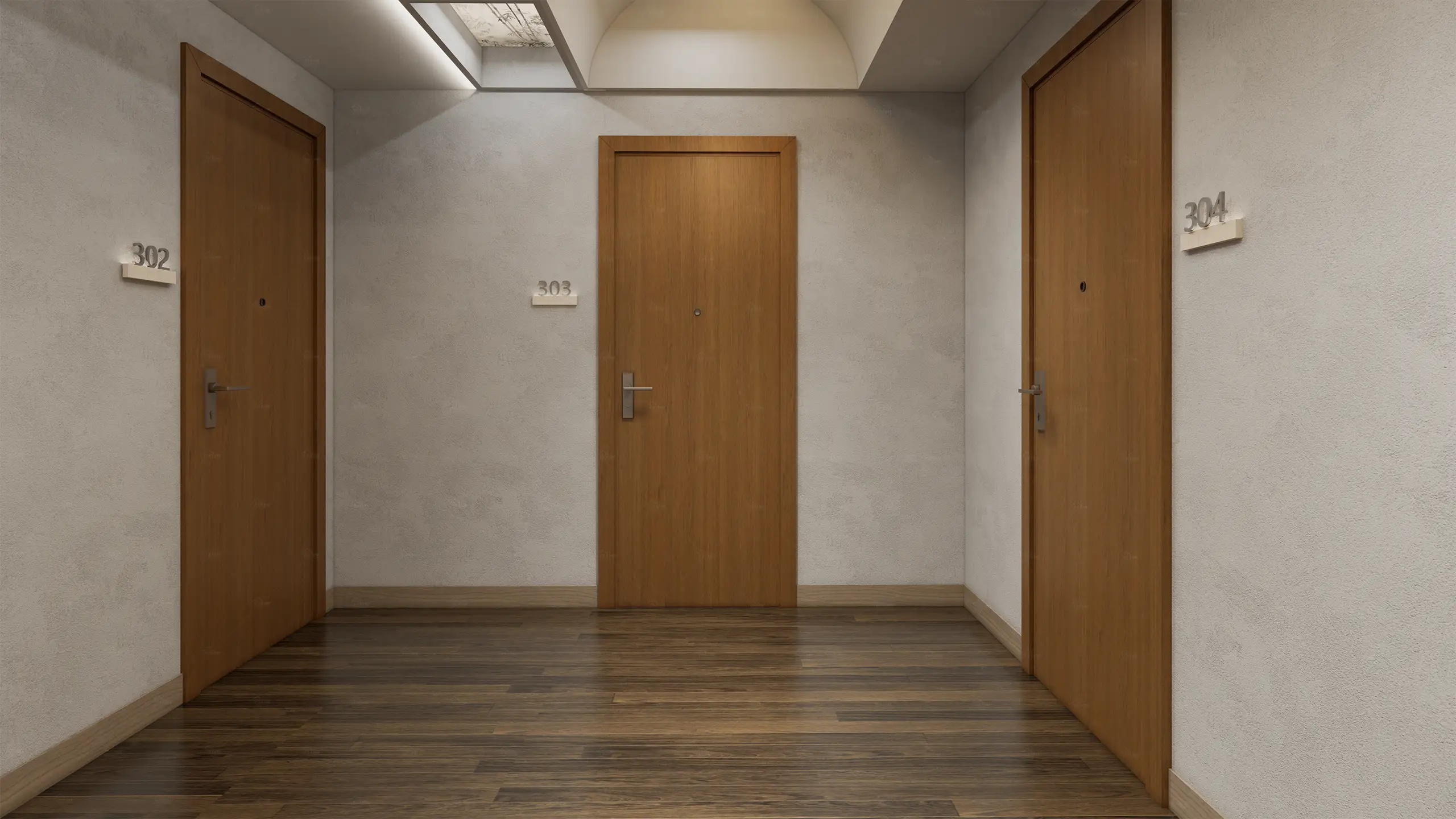
Proper installation of fire doors and frames is essential for ensuring they perform as intended during an emergency. A fire door’s main job is to prevent the spread of fire and smoke, giving people more time to escape. But this protection only works if the door is installed correctly.
Proper Installation is Key to Fire Door Safety
Installing a fire door correctly is crucial to its effectiveness. Even the highest-quality fire door can fail if it’s not set up properly. The goal is to create a tight seal between the door and its frame, preventing the passage of fire and smoke. If gaps are left around the door or the frame isn’t securely fixed, heat and smoke can seep through, compromising the door’s ability to protect.
Seal Integrity:
Fire doors often have seals around the edges that expand when exposed to heat. These seals are essential to keeping out smoke and flames. If the door isn’t properly aligned, these seals won’t form a tight seal, and the door won’t do its job.
Correct Fit:
A fire door must fit snugly within its frame. If the door is too loose, it can’t create the necessary seal. Similarly, if it’s too tight, it might not close properly, making it difficult to use in an emergency. A perfect fit ensures the door functions correctly when needed.
Hinges and Hardware:
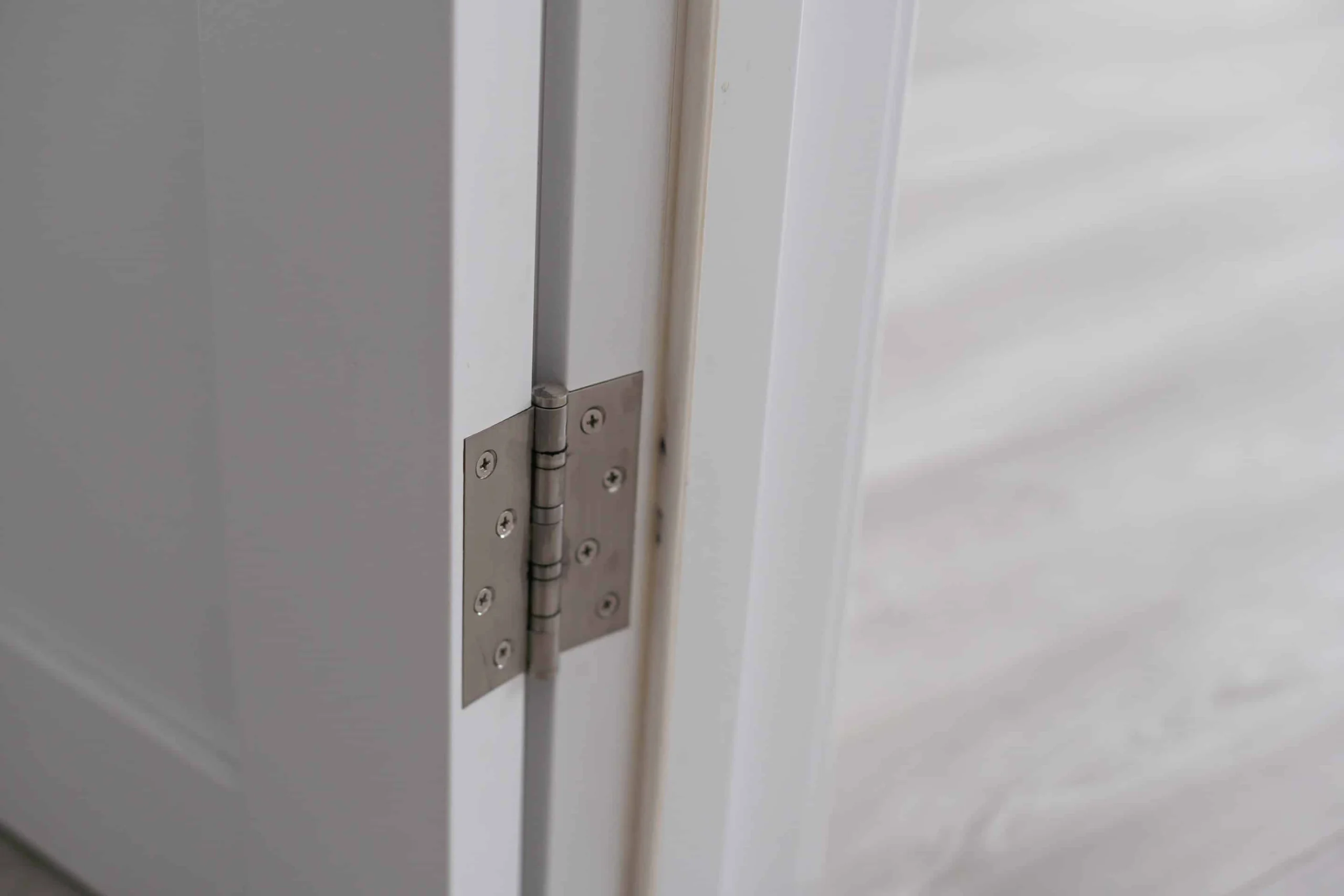
The hinges, locks, and other hardware used on the door must also be fire-resistant. They need to be securely fixed and able to withstand heat for the duration of the fire rating. Using low-quality or improperly installed hardware could compromise the door’s fire resistance.
Frame Installation:
The frame itself must also be installed correctly. Fire door frames must be securely anchored to the surrounding structure to prevent them from being dislodged in a fire. The material and structure of the wall around the frame should also meet fire safety standards.
Following these installation guidelines ensures that a fire door will protect building occupants in an emergency, providing enough time for evacuation or for first responders to act.
Common Mistakes in Installing Fire Doors
Even though fire door installation seems straightforward, many mistakes can lead to serious consequences. Let’s look at some of the most common errors people make when installing fire doors.
1. Incorrect Door Gap Size:
One of the most frequent mistakes is leaving the wrong gap between the door and the frame. Building codes often specify the maximum allowable gap, and exceeding this can weaken the door’s performance. Gaps that are too wide can allow smoke and flames to pass through, while gaps that are too narrow can prevent the door from closing properly.
2. Using the Wrong Frame or Hardware:
Not all door frames or hardware are suitable for fire-rated doors. Sometimes, non-fire-rated components are used by mistake, significantly reducing the door’s fire resistance. Always ensure that the frame, hinges, locks, and other hardware are specifically designed and tested for use with fire doors.
3. Poor Alignment:
When the door is misaligned with the frame, it may not close properly, or the seals may not function as they should. This could happen because of poor measurements or improper adjustments. A fire door must align perfectly to prevent air gaps that could let in smoke and heat.
4. Overlooking Fire Door Labels:
Fire doors are often required to have labels or markings that indicate their fire-resistance rating. These labels must remain visible after installation. Sometimes, installers forget to leave these labels exposed, making it harder for building owners and inspectors to verify the door’s certification.
5. Inadequate Clearance for the Door:
Fire doors often need a certain amount of clearance to swing freely. Installing a door that’s too tight or blocking its swing with obstacles can make it harder to use during an emergency. This can also prevent the door from closing properly, which is crucial for containing fire and smoke.
6. Not Checking for Fire Ratings:
Fire doors have different ratings based on how long they can resist fire (30, 60, or 90 minutes). It’s important to verify that both the door and frame meet the necessary fire rating for the specific building and local regulations. Installing a door with an incorrect rating can put building occupants at risk.
7. Improper Seals:
Fire doors have seals around their edges that expand when exposed to heat. If these seals are not properly installed or the wrong type of seal is used, they may not provide the necessary protection. Without a proper seal, smoke and fire can easily seep through.
Summary
In conclusion, installing fire doors and frames is a critical aspect of fire safety. Even the best fire doors will fail if not installed correctly. Avoiding these common installation mistakes can make a huge difference in how well your fire door performs when you need it most.
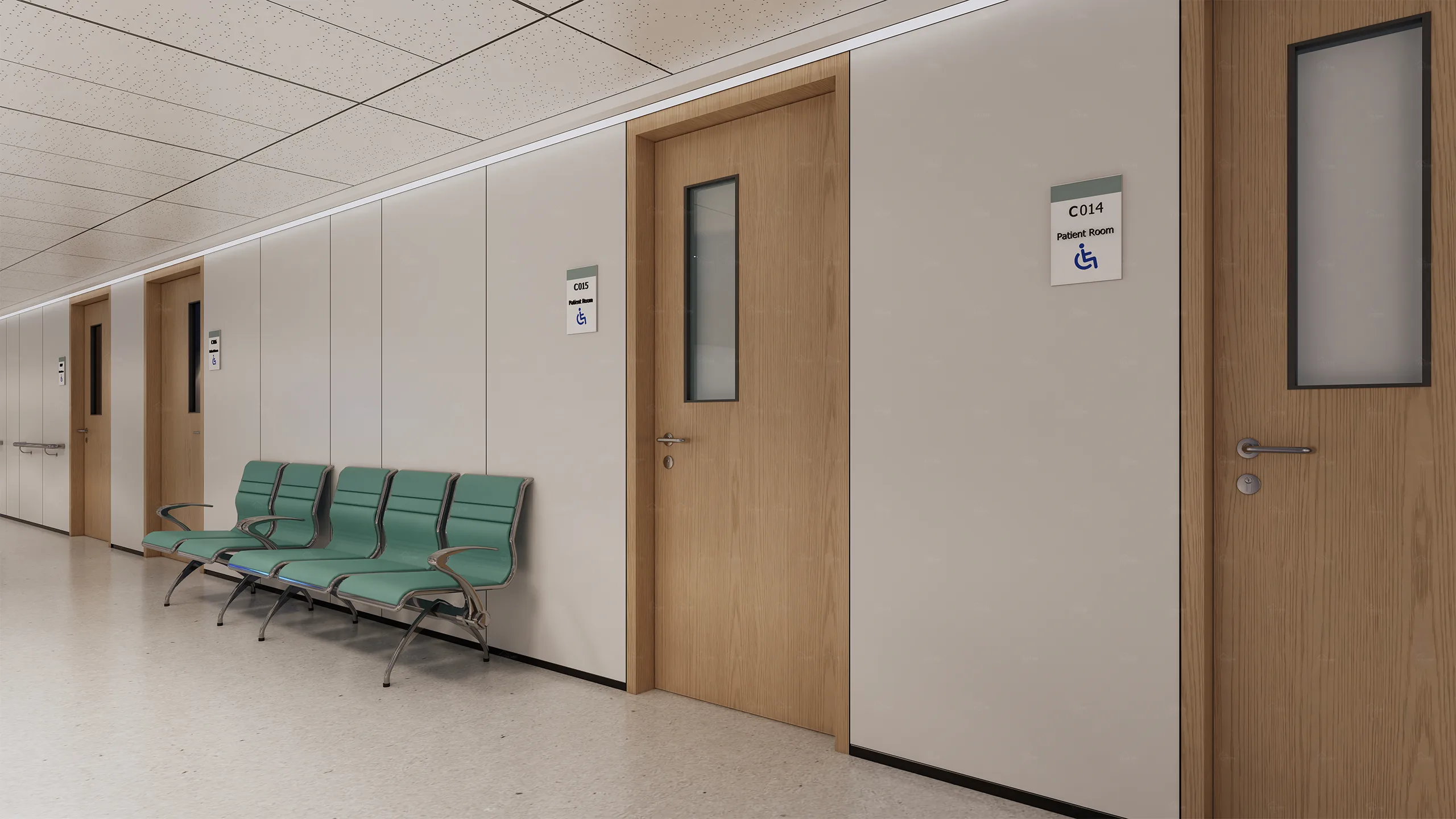
Fire Door Frame Maintenance and Inspection
Just like any other safety feature in a building, fire door frames require regular maintenance and inspection to ensure they continue to provide the necessary protection. A well-maintained fire door frame can save lives by preventing the spread of fire and smoke. Neglecting to inspect and care for these frames can lead to failures during an emergency.
Regular Maintenance of Fire Door Frames
Regular maintenance is key to ensuring that fire door frames remain effective over time. Even though fire doors are built to last, wear and tear can still affect their performance. To keep your fire door frame in top condition, follow these simple steps:
Check the Door Alignment:
Over time, the frame can shift, potentially preventing the fire door from fitting properly. Ensure the door swings freely and aligns correctly with the frame. A door that doesn’t close completely or forms gaps around the edges may fail to block smoke and fire.
Inspect the Seals:
Fire doors often have seals that expand when exposed to heat. These seals are crucial in preventing smoke and fire from passing through gaps. Check the seals for wear, cracking, or deformation. If the seals are damaged, replace them immediately to maintain the door’s integrity.
Clean the Fire Door Frame:
Dirt, dust, and debris can build up around the frame, making it harder for the door to close properly. Keep the frame clean and clear of any obstructions. Use a soft cloth and avoid harsh chemicals that could damage the frame’s surface or finish.
Examine the Hinges and Hardware:
The hinges, locks, and other hardware used in fire door frames are designed to withstand high temperatures. However, over time, they can become loose or damaged. Regularly check that the hardware is secure and free of rust or damage. Tighten screws if necessary, and replace any faulty parts.
Check the Fire Rating:
Over time, some fire doors may lose their fire rating due to improper maintenance or structural changes. Ensure the fire door frame continues to meet the required fire-resistance rating and complies with local regulations. If necessary, consult a professional to inspect the door’s fire-resistance.
Look for Structural Damage:
The fire door frame should be firmly secured to the wall or structure. If you notice any signs of structural weakness, such as cracks, dents, or warping, address them immediately to ensure the door’s fire resistance is not compromised.
How to Spot a Damaged Fire Door Frame?
Identifying damage early can help prevent more serious issues later. Knowing what to look for when inspecting fire door frames will ensure they perform properly during an emergency. Here are the key signs to watch for:
Visible Cracks or Dents:
If the fire door frame has visible cracks, dents, or other structural damage, it can affect the door’s ability to stay secure and resist fire. A damaged frame may not properly hold the door in place, creating gaps where smoke and flames could pass.
Misalignment:
A fire door that no longer aligns properly with its frame is a sign of potential damage. This can make the door hard to close or prevent it from closing fully, which can prevent it from forming a proper seal. Misalignment may occur due to shifting in the frame or wear over time.
Loose or Rusted Hinges and Hardware:
Hinges, locks, and other hardware that are loose, rusted, or damaged will not function as intended. This can prevent the door from closing or opening properly, affecting both its operation and its fire resistance. Hinges that are not secured tightly could also pose a security risk.
Worn-out Seals:
Seals around the fire door frame are critical for preventing smoke and fire from escaping. If these seals are cracked, missing, or showing signs of wear, the door will not perform as it should. Always check the seals to ensure they’re intact and replace them if necessary.
Corrosion or Water Damage:
Fire door frames exposed to moisture may corrode or suffer water damage, especially if made of metal. Corrosion can weaken the frame, compromising its ability to withstand heat. Look for signs of rust or discoloration, which could indicate that the frame needs repair or replacement.
Burn Marks or Heat Damage:
If you spot any burn marks or signs of heat damage on the door frame, it’s an immediate red flag. This could indicate that the frame wasn’t properly installed or has been exposed to more heat than it was rated for. In such cases, the fire door may not provide the protection it was designed for.
Warping or Distortion:
Warped or distorted frames may indicate that the material has been exposed to extreme heat or moisture, which can cause it to change shape. This can prevent the fire door from closing properly or maintaining a tight seal.
Summary
In conclusion, keeping fire door frames in good condition is essential for fire safety. Regular maintenance, including checking the door’s alignment, seals, hinges, and overall structure, can help ensure that your fire doors remain effective. By regularly inspecting for signs of damage like cracks, rust, or misalignment, you can address issues before they compromise the door’s fire-resistance and ensure that your building stays protected.
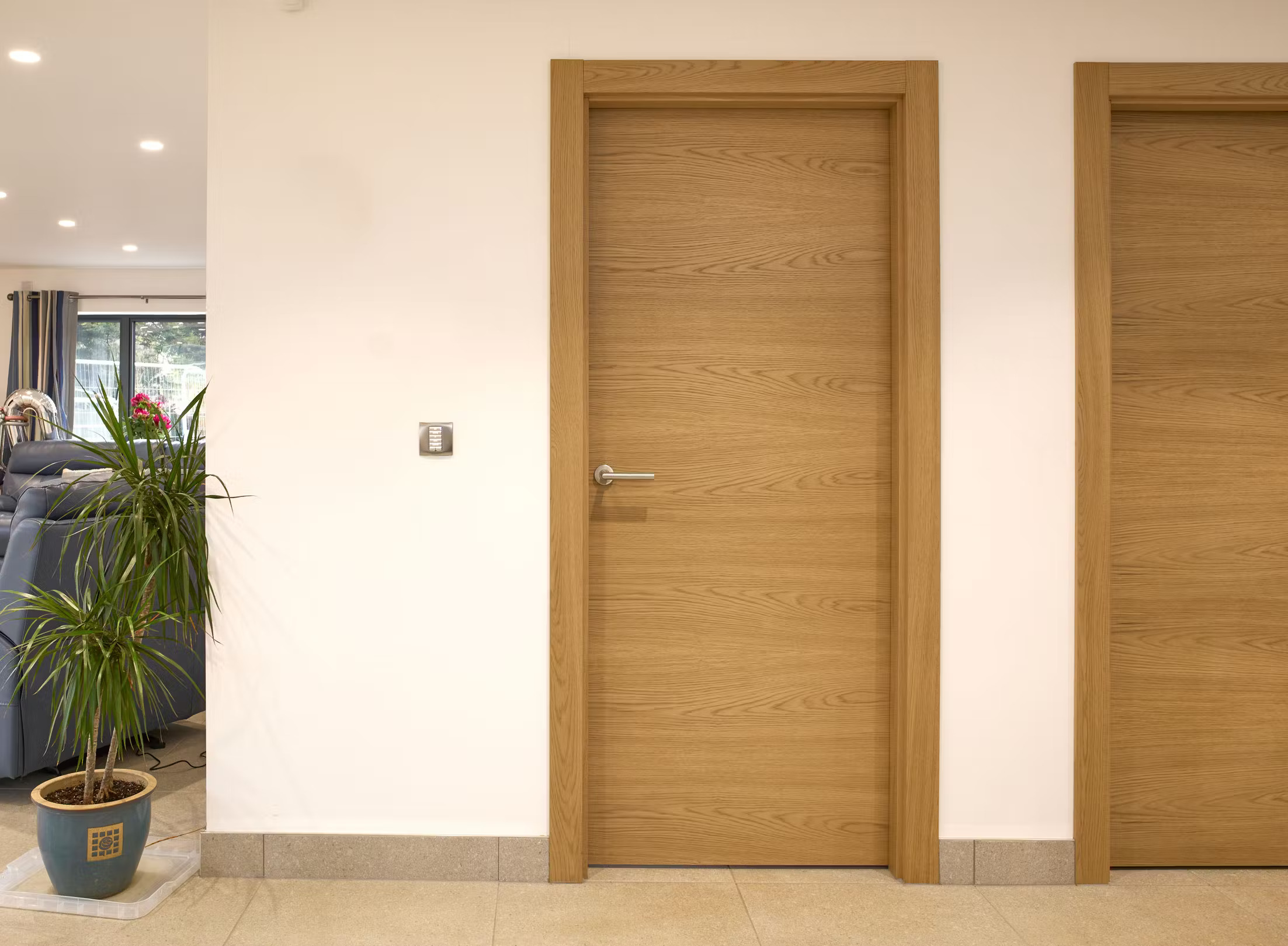
Fire Door Frame vs. Standard Door Frame: What’s the Difference?
When choosing a door frame, it’s important to know the difference between a fire door frame and a standard door frame. These two types of frames serve different purposes, and understanding these differences can help you make the right choice for your home or business.
Fire Door Frame Construction vs. Standard Frame
A fire door frame is specifically designed to withstand high temperatures and prevent the spread of fire. These frames are made from fire-resistant materials, such as steel or specially treated wood. The materials are tested to ensure they can withstand a fire, protecting people inside and providing enough time for them to evacuate.
In contrast, a standard door frame doesn’t have these fire-resistant properties. It’s typically made from lighter materials, such as softwood or aluminum, which are not designed to withstand fire. While a standard frame may look fine in many places, it won’t offer any protection in case of a fire.
Fire door frames also include additional components, such as intumescent seals that expand when exposed to heat, sealing gaps to block the flow of smoke and flames. This feature is essential to maintaining a building’s safety. Standard door frames, on the other hand, lack these protective features.
Performance Differences in Fire Resistance
The fire resistance of a fire door frame is one of its most important features. A fire door frame is tested to meet strict standards, such as those outlined in BS 476 or EN 1634. These standards ensure that fire door frames can withstand high temperatures for a specified period, typically 30, 60, or 90 minutes. This fire resistance rating is crucial for buildings that require enhanced safety measures, such as hospitals, schools, and commercial properties.
In a fire, the frame of a fire door acts as the barrier between the fire and the rest of the building. It is designed to maintain its structural integrity, preventing the spread of fire and smoke. On the other hand, a standard door frame is not built to resist fire. In case of a fire, it will likely fail quickly, allowing flames and smoke to pass through and spread.
A fire door frame, when combined with a fire-rated door, creates a complete system that helps slow down the spread of fire. This system is vital in large buildings, where fire could spread rapidly and cause significant damage. A standard door frame, while suitable for interior use, will not provide the same level of protection.
Summary
In summary, the key difference between a fire door frame and a standard door frame lies in their construction and performance during a fire. Fire door frames are built to protect against fire, while standard door frames are not. If fire protection is a concern in your building, choosing the right fire-rated door frame is essential.
Key Benefits of a Fire Door with a Special Frame
A fire door with a special frame offers significant advantages over a standard door. These benefits go beyond fire protection and can make a real difference in a building’s safety.
Enhanced Safety and Protection
The primary benefit of a fire door with a special frame is the enhanced safety it provides. In the event of a fire, this combination helps prevent the spread of fire and smoke between building sections. The fire door frame is specifically designed to maintain its integrity even at high temperatures, ensuring the door doesn’t warp or fail under pressure.
A fire door with a special frame is built to contain flames for a specified period, ranging from 30 to 90 minutes, depending on the rating. This delay gives people in the building more time to evacuate safely and helps protect valuable property. The frame’s sealing mechanisms, such as intumescent strips, expand when exposed to heat, blocking gaps and preventing smoke from passing through.
By preventing the fire from spreading, a fire door and its frame not only save lives but also protect important areas of the building from fire damage. This makes them an essential feature in places like hospitals, schools, and offices, where safety is a priority.
Compliance with Legal and Insurance Requirements
In many countries, fire doors with special frames are required by law, especially in commercial buildings and residential properties with multiple units. These doors are necessary to comply with fire safety regulations, which are put in place to ensure that buildings are safe in the event of a fire. Failure to install a fire door and its frame can lead to legal consequences, including fines and even the closure of a business.
Insurance companies also require fire door frames to meet certain safety standards. Many insurance policies won’t cover fire damage if a building isn’t equipped with appropriate fire safety measures. Installing a fire door with a special frame can therefore help property owners remain compliant with both legal and insurance requirements. Additionally, it may reduce insurance premiums because the property will be considered lower risk.
Summary
In conclusion, the key benefits of a fire door with a special frame are clear: enhanced safety for occupants and protection for property, along with the peace of mind that comes from being compliant with fire safety laws and insurance requirements. It’s a small investment that can make a big difference in terms of security and legal protection.

Conclusion
Summing Up the Importance of Special Fire Door Frames
To wrap things up, special fire door frames are essential to fire safety. These frames are designed to work together with fire doors to provide a strong barrier against the spread of fire and smoke. Whether in a commercial building or residential space, these frames help protect lives and property during an emergency.
The key benefit of fire door frames is their ability to withstand high temperatures and prevent the passage of flames and smoke. This extra layer of protection can make a significant difference in giving people enough time to evacuate safely, while also reducing property damage.
Moreover, having fire doors with special frames isn’t just about safety; it also ensures compliance with local building codes and insurance requirements. Many areas require these doors to meet strict safety standards, and failing to comply could result in legal trouble or higher insurance costs.
In short, special fire door frames are more than just an added feature – they are a critical investment in building safety. They protect lives, minimize damage, and help ensure your property complies with fire safety laws. When it comes to fire protection, these frames play a key role in making buildings safer for everyone inside.
Relate FAQ
Does a fire door need a special frame?
Yes, a fire door requires a specially designed frame that meets fire resistance standards. Fire doors are constructed from fire-resistant materials and are fitted into equally fire-rated frames. These frames are essential for maintaining the door’s integrity in the event of a fire and for ensuring that the fire door functions as intended to provide containment.
What is the purpose of a fire door frame?
The purpose of a fire door frame is to securely house the fire door and prevent the spread of fire and smoke. The frame must be made of materials that can withstand high temperatures and prevent the door from failing in a fire scenario. It’s crucial that both the door and frame work together to meet fire safety regulations.
Can a regular door frame be used for a fire door?
No, a regular door frame cannot be used for a fire door. Fire doors need to be installed with fire-resistant frames designed to withstand the heat and pressure of a fire. Regular frames may not provide adequate protection or fire resistance, potentially compromising safety.
What materials are fire door frames made from?
Fire door frames are typically made from materials such as steel, timber, or sometimes composite materials, all designed to withstand extreme temperatures. Steel is the most common material due to its excellent fire-resistant properties. These materials ensure the frame can contain the fire and prevent its spread through the doorway.
Are there regulations for fire door frames?
Yes, fire door frames must comply with building codes and fire safety regulations. In the UK, for example, fire doors and their frames must meet the standards outlined in BS 476 or the more specific EN 1634. These regulations ensure the frame’s fire resistance meets requirements and that the door performs effectively in the event of a fire.
How do I know if my fire door frame is compliant with fire safety standards?
To determine if your fire door frame is compliant, check for the necessary fire-resistance ratings, usually indicated by a label or certification mark on the frame. Additionally, you can ensure the installation is done by a certified professional who follows local fire safety regulations, such as the National Fire Protection Association (NFPA) or the relevant local code.
Can fire door frames be retrofitted?
Yes, fire door frames can often be retrofitted into existing openings, but a professional should perform the retrofit to ensure the installation meets all required fire safety standards. Retrofitting a fire door frame typically involves ensuring the frame is fire-rated and properly sealed to prevent smoke and fire leakage.
How long can a fire door frame withstand a fire?
The duration for which a fire door frame can withstand a fire depends on its fire rating. Most fire door frames are rated for 30, 60, or 90 minutes of fire resistance. However, the fire rating is influenced by the materials used, the overall frame construction, and the installation method.