How thick is a 30 minute fire rated door?
Understanding Fire Rated Doors
What is a Fire Rated Door?
A fire-rated door is a special type of door designed to resist the spread of fire and smoke between rooms. These doors are built using materials that can withstand high temperatures for a specific period. This time is usually measured in hours and helps limit the damage caused by fire in buildings. Fire-rated doors play a key role in controlling fire and giving people more time to escape safely during an emergency.
Definition and Purpose of Fire Rated Doors
The main purpose of a fire-rated door is to protect lives and property by acting as a barrier during a fire. These doors are made from fire-resistant materials, such as steel, fire-resistant wood, or specially treated glass that prevents the spread of flames and smoke. The fire rating of the door indicates how long it can withstand fire exposure. For example, a 60-minute fire rated door can withstand fire for up to 60 minutes before it starts to fail.
These doors are typically found in buildings that have high occupancy or valuable contents, such as schools, hospitals, hotels, and office buildings. They are also required in certain building codes to prevent the rapid spread of fire between rooms and corridors.
Importance of Fire Safety
Fire-rated doors are vital to fire safety strategies in any building. They help contain the fire and limit the damage to specific areas. This is especially important in multi-story buildings or large complexes where fires can quickly spread if not contained. Without these doors, fire could move through walls and corridors, putting everyone at risk.
In addition to containing the fire, these doors prevent smoke from traveling through the building. Smoke is often more dangerous than flames, as it can cause suffocation or impair visibility, leading to accidents. A fire-rated door helps keep smoke isolated, giving people more time to evacuate safely.
The installation of fire rated doors is a key part of any fire protection plan. They are not just about protecting the structure; they also provide essential protection for the people inside. By meeting building safety codes, fire rated doors reduce the risk of injury and death during a fire. These doors work alongside other fire protection features, such as sprinklers and alarms, to increase the chances of survival during a fire emergency.
How Do Fire Rated Doors Work?
A fire-rated door works by creating a barrier that resists intense heat and flames during a fire. When a fire breaks out, the door acts as a shield, stopping the spread of fire and smoke to other areas. The fire resistance mechanism is primarily based on the quality of the door and the materials used. These doors are specifically designed to remain intact for a specified period, usually measured in hours, depending on their fire rating.
When exposed to fire, the door absorbs heat, and the materials inside begin to change. This process helps to delay the fire’s spread, buying crucial time for people to escape and for emergency responders to act. Fire-rated doors are also equipped with tight seals that prevent smoke from passing through, further improving their effectiveness.
Mechanism of Fire Resistance
The mechanism behind the fire resistance of a fire rated door lies in its construction and the materials used. These doors are built to withstand heat by absorbing and slowing down the transfer of heat to the other side. When exposed to fire, the door is designed to maintain its structure and prevent flames from passing through.
One key element in this mechanism is the door’s core. Many fire-rated doors have cores made from fire-resistant materials, such as mineral or honeycomb cores. These materials can absorb heat, preventing it from reaching the other side. The door’s surface is also treated to resist heat and flames. Fire rated seals around the edges of the door help seal the door frame and prevent smoke from escaping.
As the door heats up, the materials start to expand, which adds an extra layer of protection by blocking gaps. This means that even if the door is exposed to heat for a long time, it can still maintain its protective properties, allowing more time for safe evacuation.
Materials Used in Construction
The construction of a fire rated door relies heavily on the materials chosen. These materials must withstand heat, flames, and smoke for extended periods. Common materials used in fire rated doors include steel, fire-resistant glass, and specially treated wood.
- Steel: Steel is one of the most common materials used in fire rated doors because of its ability to withstand high temperatures. It is durable and can resist the spread of fire for extended periods.
- Fire-resistant Glass: In some buildings, fire rated doors include fire-resistant glass that can withstand high heat while still allowing visibility. This is important for areas where light and visibility are necessary for safety.
- Wood: While wood is typically not as fire-resistant as steel, it can still be used in fire rated doors if it has been specially treated. These doors usually have a fire-resistant core that enhances their fire resistance. For example, mineral- or honeycomb-core wood doors are popular choices.
- Fire-resistant Seals: These seals are critical to the effectiveness of a fire rated door. They are usually made from materials that expand when heated, closing any gaps around the door frame. This helps prevent smoke and fire from getting through.

Fire Rating Standards
What Does a "30-Minute" Fire Rating Mean?
A 30-minute fire-rated door is designed to withstand fire and heat for 30 minutes without failing. During this time, the door will help contain the fire, preventing it from spreading to other parts of the building. This fire rating is a critical measure of how long the door can protect a building and its occupants in case of a fire emergency.
The fire resistance time is not the length of time a door will last in a fire; rather, it is the time the door maintains its integrity while resisting flames and smoke. For example, a 30-minute fire rated door can withstand a fire for 30 minutes, which is crucial for giving people time to evacuate the building and for fire response teams to control the situation.
Explanation of Fire Resistance Time
Fire resistance time is the door’s ability to withstand fire and heat for a specified period, measured in minutes or hours. During this time, the door must keep flames, smoke, and heat from passing through. A 30-minute fire-rated door is tested to ensure it prevents fire from spreading for at least 30 minutes. This is usually the minimum fire-resistance requirement for certain commercial and residential buildings.
However, it’s important to note that the fire resistance time is determined by testing the door under specific conditions. The door is exposed to high temperatures and flames in a controlled environment, and its performance is measured based on how long it can withstand the heat before failing. The goal is to keep the building safe long enough for people to evacuate and for firefighters to arrive.
For 30-minute fire-rated doors, the focus is on providing enough time for people to evacuate the area or reach a safer location. It’s also crucial in buildings where the risk of fire is low, but protection is still necessary.
Industry Standards for 30-Minute Fire Rated Doors
In the industry, there are clear standards that define how 30-minute fire rated doors should perform. These standards come from building codes and safety organizations, such as the National Fire Protection Association (NFPA) in the U.S. and the British Standards Institution (BSI) in the UK. These standards specify the materials, construction methods, and testing procedures required for a fire-rated door to meet the 30-minute rating.
For example, in the U.S., NFPA 252 and UL 10C set the guidelines for how fire-rated doors should be tested and rated. According to these standards, a 30-minute fire-rated door must withstand a fire simulation for at least 30 minutes. This includes not only protecting against flames but also preventing smoke and heat from passing through.
Similarly, in the UK, BS 476 Part 22 outlines the testing criteria for fire rated doors. A 30-minute fire rated door must pass the fire resistance test by maintaining its structure and integrity for 30 minutes.
Fire Rating Scale: 30-Minute vs 60-Minute and Beyond
When it comes to fire-rated doors, the rating scale indicates how long the door can withstand fire exposure. 30-minute, 60-minute, and even 90-minute fire ratings are commonly used in building construction. The key difference between these ratings is the amount of time the door can hold back flames, heat, and smoke. A 30-minute fire rated door is suitable for lower-risk areas, while a 60-minute or 90-minute door is often required in higher-risk zones or larger buildings. The longer the fire rating, the more protection it offers.
A 30-minute fire rated door typically provides the minimum level of protection required in most commercial and residential buildings. However, in areas with higher fire risk, such as corridors, stairwells, or spaces with large numbers of people, a 60-minute fire-rated door is often preferred. These doors provide extra time for evacuation and fire control.
In particularly high-risk areas, such as industrial sites or buildings that house critical infrastructure, 90-minute fire-rated doors are used. These doors offer the longest protection, keeping fire, heat, and smoke contained for up to 90 minutes.
Key Differences Between 30, 60, and 90-Minute Ratings
The key differences between 30-, 60-, and 90-minute fire-rated doors are the amount of time they can resist fire, smoke, and heat. Here’s a simple breakdown of each:
- 30-Minute Fire Rated Door: This is the basic level of fire protection. It’s suitable for low-risk areas and gives people just enough time to exit or move to a safer location in the event of a fire. These doors are commonly found in residential buildings, small offices, and other low-traffic areas.
- 60-Minute Fire Rated Door: This door offers a higher level of protection. It’s commonly used in larger buildings or in areas with more people, such as office complexes, hospitals, or schools. The 60-minute rating is designed to provide more time for safe evacuation and to delay fire spread while emergency responders arrive.
- 90-Minute Fire-Rated Door: These doors are typically found in high-risk areas, such as industrial plants, storage facilities, and large commercial buildings. A 90-minute fire-rated door provides the most extended protection and is often required in areas where high-value equipment, hazardous materials, or large groups of people are present.
Application of Each Rating in Various Buildings
30-minute fire-rated doors are typically used in residential homes or small businesses, where the risk of a major fire is lower, and escape routes are relatively simple. These doors may be found in individual rooms, closets, or areas where less time is needed for evacuation.
On the other hand, 60-minute fire rated doors are often used in larger commercial or public buildings. For example, these doors might be used in schools, office buildings, or hospitals. In these environments, the risk of fire is higher due to greater numbers of people and larger spaces. A 60-minute fire-rated door provides a stronger barrier to fire, ensuring more time for everyone to get to safety.
90-minute fire-rated doors are common in high-risk buildings, such as manufacturing plants, data centers, and chemical storage areas. In these types of facilities, fire can spread rapidly due to combustible materials or large equipment. A 90-minute fire rated door is essential in these settings because it provides the highest level of protection and ensures enough time for firefighting teams to control the situation.

Thickness of a 30-Minute Fire Rated Door
How Thick is a 30-Minute Fire Rated Door?
The thickness of a 30-minute fire rated door typically ranges from 1 3/8 inches to 1 3/4 inches. This thickness is designed to ensure the door withstands the heat and pressure of a fire for at least 30 minutes, which is the standard fire rating for many residential and light commercial applications. The core material inside the door, along with its outer layers, plays a key role in its fire resistance.
The fire rated door is built with materials that help it absorb heat and prevent flames from passing through. Thicker doors generally provide greater fire resistance, but for a 30-minute fire-rated door, the thickness is usually sufficient to meet safety standards for the time needed to escape in case of a fire.
Standard Thickness of 30-Minute Fire Rated Doors
For most 30-minute fire rated doors, the standard thickness is between 1 3/8 inches and 1 3/4 inches. The specific thickness depends on the materials used in the door’s construction. Fire-rated steel doors tend to be thinner, while fire-resistant wooden doors may be slightly thicker. The thickness is also determined by the door’s design and the required fire rating.
In general, a 30-minute fire-rated door must meet specific standards to withstand fire for the required time. The fire-resistant core, often made from mineral or honeycomb materials, is designed to absorb heat and maintain the door’s structural integrity during a fire. These materials are what make the door resistant to flames, smoke, and heat, without necessarily requiring a thicker door.
Factors That Influence Door Thickness
The thickness of a fire-rated door is influenced by several factors, including the type of materials used, the fire rating, and the building’s overall design requirements.
1. Material Composition:
The materials used to make the door significantly affect its thickness. Steel doors may not need to be as thick as wooden doors to achieve the same fire rating. Steel is a strong material that can withstand high temperatures, so it can be made thinner while still offering the required level of protection. On the other hand, wooden doors often require thicker layers or a special fire-resistant core to meet fire safety standards.
2. Fire Rating:
The fire rating directly determines the door’s thickness. For a 30-minute fire rated door, the thickness is optimized to provide the necessary protection for that duration. Higher-rated doors, such as 60-minute or 90-minute fire rated doors, will generally be thicker, as they need to resist fire for longer periods. The increased thickness helps the door withstand higher temperatures and prolonged exposure to fire.
3. Door Design and Purpose:
The door’s design, including whether it’s solid or hollow, also affects its thickness. Solid-core doors, which are often used for higher fire ratings, are typically thicker than hollow-core doors. Additionally, the intended application of the door can influence its thickness. For example, doors in high-traffic commercial buildings might require additional reinforcement, leading to thicker doors for added durability.
4. Building Codes and Regulations:
Building codes also dictate the thickness of fire rated doors. In some areas, local regulations may require specific thicknesses based on the required fire rating. The 30-minute fire-rated door thickness must meet local fire safety codes to ensure it provides sufficient protection in an emergency.
What Materials Are Used for 30-Minute Fire Rated Doors?
Common Materials
30-minute fire-rated doors are typically made from three main materials: wood, steel, or composite. Each of these materials offers specific benefits in terms of durability, fire resistance, and ease of installation.
Wood:
Wood fire-rated doors are commonly used in residential buildings and smaller commercial spaces. These doors usually have a fire-resistant core, such as a mineral core or honeycomb core, that helps resist heat and fire. The outer layers of wood may also be treated with fire-resistant coatings to enhance the door’s performance.
Steel:
Steel fire rated doors are a popular choice for commercial and industrial buildings. It is strong, durable, and resistant to high temperatures. It doesn’t burn, making it an ideal material for fire rated doors. These doors are often thinner than wooden doors because steel itself can withstand high temperatures without needing extra thickness.
Composite:
Composite fire-rated doors combine materials such as wood and steel to create a strong, fire-resistant door. These doors are designed to offer the benefits of both materials, often providing a solid, fire-resistant core with durable exterior surfaces. Composite doors can be more versatile in design and may be used in various building types.
How Materials Affect Thickness and Fire Resistance?
The choice of material for a fire-rated door directly affects both its thickness and its fire resistance. Different materials respond to heat differently, which determines how thick the door needs to be to meet the required fire rating.
Wood:
Wooden fire rated doors often need to be thicker than steel doors to achieve the same level of fire resistance. The fire-resistant core plays a key role in wood doors’ ability to withstand fire. A thicker core helps absorb heat and delays the spread of fire, allowing the door to maintain its structure for the required 30 minutes. The thickness of the wood itself also contributes to fire resistance, but the core is the critical element for fire protection.
Steel:
Steel doors, by contrast, are generally thinner than wood doors because steel naturally has a high resistance to heat and fire. A 30-minute fire rated steel door can typically be thinner, as the steel frame and material provide strength and durability against fire. However, steel doors are often reinforced with a fire-resistant core for added protection. These cores may be composed of materials like gypsum or mineral-based composites, which help increase the door’s fire resistance.
Composite:
Composite fire-rated doors combine the strength of materials like steel with the insulating properties of wood or fire-resistant minerals. These doors can be thinner than solid wood doors because the composite core material is designed to provide a high level of fire resistance without requiring excessive thickness. The use of multiple materials allows for greater design flexibility while maintaining the required fire resistance.
Why Does Door Thickness Matter?
Importance of Door Thickness in Fire Protection
The thickness of a fire rated door is a crucial factor in its ability to provide effective fire protection. A thicker door is generally better at resisting heat and flames, which is vital during a fire emergency. The thicker the door, the longer it can withstand intense heat, which helps keep the fire from spreading rapidly. This extra protection can give people inside the building more time to evacuate and allow firefighters to respond effectively.
The fire-rated door must withstand extreme conditions during a fire. Thicker doors tend to have stronger cores, whether it’s a fire-resistant mineral core in wood doors or a solid steel construction. These added layers of material absorb heat and provide more resistance, making the door stronger and more durable. This is especially important in commercial and industrial buildings, where the fire risk is higher and greater fire resistance is needed.
Impact on Fire Safety and Heat Resistance
Door thickness directly affects a building’s fire safety. A thicker fire rated door provides better heat resistance because it can absorb and dissipate heat more effectively. The extra thickness helps prevent heat from passing through the door and reaching the other side. This is important because heat, in addition to flames, can cause significant damage and spread quickly if not controlled.
For example, in a 30-minute fire-rated door, the thickness ensures it can withstand fire conditions for the full 30 minutes. A thinner door may not offer the same level of protection, as the heat could transfer through more quickly. The fire-rated material inside the door, whether it’s wood with a fire-resistant core or steel with a mineral core, helps slow the fire’s progress, giving occupants more time to exit safely.
In short, the thickness of a fire-rated door is essential to maintaining the integrity of fire protection measures. Thicker doors help keep the building safer by offering better resistance to heat and flames, preventing the fire from spreading too quickly.
How Thickness Contributes to Door Integrity During a Fire?
During a fire, a fire-rated door must maintain its structural integrity to protect the building and its occupants effectively. The door’s thickness plays a key role in this. A thicker door is generally more stable and better able to resist deformation, which is crucial when exposed to the high temperatures of a fire.
The door’s core is the most important factor in maintaining integrity. For wooden doors, the thicker the core, the more fire-resistant it will be. A solid core can absorb heat, preventing it from passing through the door. Thinner steel doors rely on their dense structure and fire-resistant cores to maintain their integrity longer. The added thickness helps to ensure that the door does not warp, crack, or break under pressure during a fire, allowing it to serve its purpose of blocking flames and smoke.
The thicker the fire-rated door, the longer it can remain intact in a fire, ensuring it continues to protect for the full duration of its rating. For example, a 60-minute fire-rated door must maintain its structural integrity for 60 minutes to keep people safe. If the door is too thin or poorly constructed, it may fail before the 60-minute mark, leaving the building vulnerable.
Durability and Longevity of Fire Rated Doors
The thickness of a fire rated door is closely linked to its durability and overall lifespan. Thicker doors tend to last longer and provide greater protection over time than thinner doors. This is because thicker doors can handle wear and tear better and maintain their structural integrity under stress. Over the years, a fire-rated door will be subjected to various conditions, including exposure to heat, moisture, and physical impact. The thicker the door, the more resilient it is to these factors, which helps extend its lifespan and keeps it functioning properly.
When it comes to fire protection, durability is essential. A fire rated door that is too thin may not perform as expected during a fire, as it could easily warp or fail. Thicker doors, on the other hand, offer a more robust design, ensuring that the door can continue to perform its protective function for a longer period. In environments with heavy traffic or extreme conditions, such as industrial settings, thicker fire-rated doors are the preferred choice for long-term safety and reliability.
Relationship Between Thickness and Door Lifespan
The relationship between door thickness and lifespan is simple: thicker doors tend to last longer. A thicker fire-rated door is less likely to suffer damage over time. This is particularly important for doors in high-traffic areas or those that are frequently subjected to physical stress. Thicker doors resist impacts, scratches, and other wear better than thinner ones. This results in a longer service life and fewer replacements or repairs.
In terms of fire resistance, the door’s thickness also plays a significant role in its ability to withstand extreme conditions. A thicker fire-rated door is built with a stronger core, often made of fire-resistant materials, that can withstand prolonged exposure to heat. This means that the door can continue to block fire and smoke for the full duration of its fire rating without deteriorating. In the long run, this durability helps to keep your building safer, reducing the likelihood of failure during a fire emergency.
How Thicker Doors Perform Under Extreme Conditions?
When exposed to extreme conditions, such as high heat or physical impact, thicker fire rated doors perform significantly better. In a fire scenario, heat can cause thinner doors to warp, crack, or even collapse under pressure. A thicker fire-rated door, however, is more likely to remain intact because it has more material to absorb heat and prevent flames from passing through.
Thicker doors also handle high-impact situations better. In environments where doors may be subjected to physical force—such as commercial buildings, schools, or industrial sites—thicker doors are less likely to suffer damage. They are built to withstand pressure and maintain their shape, which is essential for preserving the door’s fire rating.
In addition, thicker fire rated doors are often better at maintaining their fire resistance over time. As the door material ages, it may lose some of its heat resistance. Thicker doors have more material to retain their fire resistance properties, which means they will perform better even as they age. This makes thicker doors a better investment in the long run, especially for buildings where safety is a top priority.
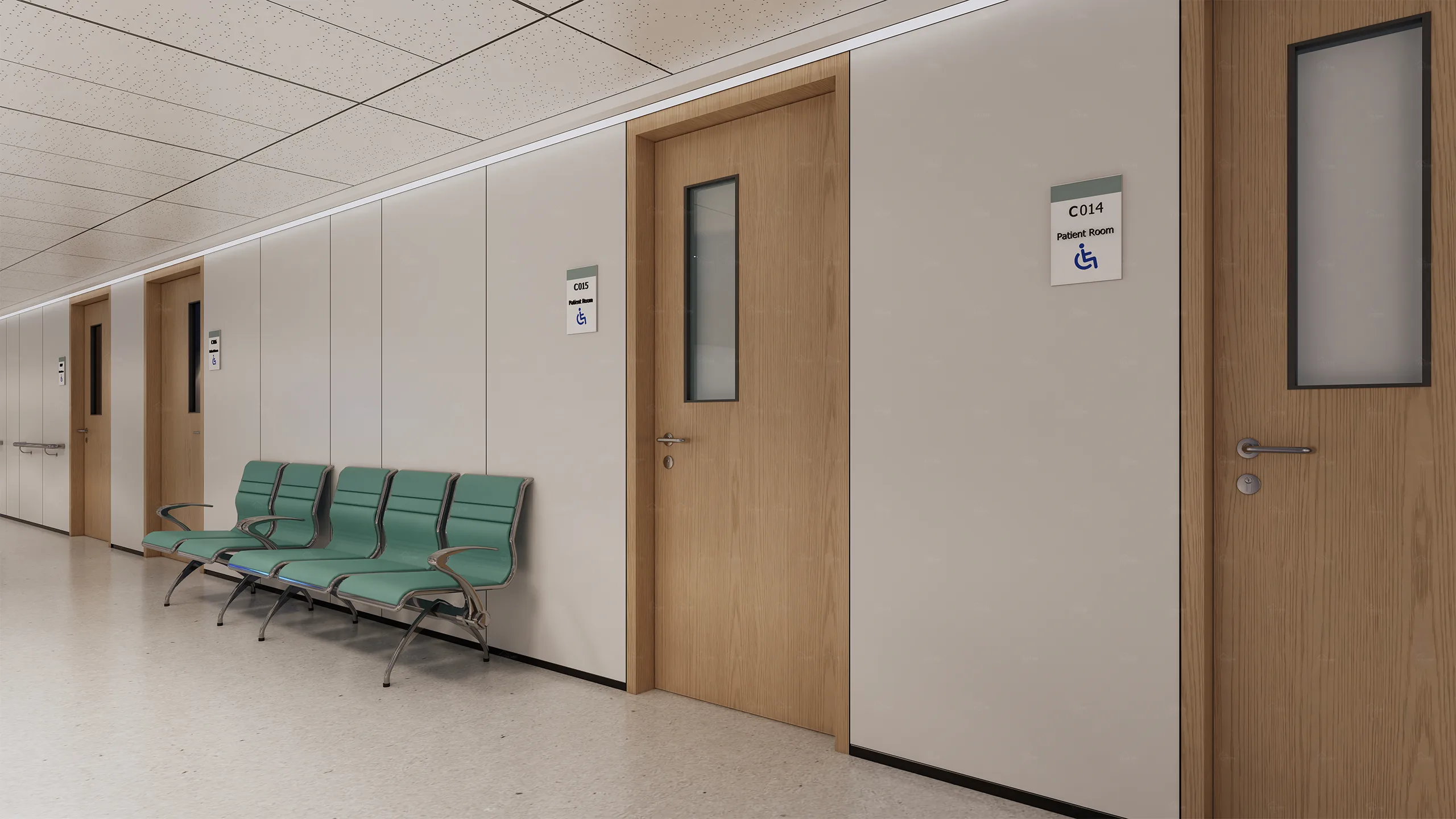
Other Considerations When Choosing Fire Rated Doors
Building Codes and Fire Door Regulations
When selecting an external door for a building, one of the most important considerations is compliance with fire door regulations and building codes. These codes ensure that the doors are effective in protecting life and property during a fire. In different regions, building codes specify the fire resistance ratings required for various types of doors. These regulations are based on the type of building, its use, and the level of fire risk.
For example, commercial and industrial buildings may require fire rated doors with higher resistance ratings, such as 60-minute or 90-minute doors, while residential buildings may only need 30-minute fire rated doors. Additionally, these codes often include guidelines for the installation, maintenance, and testing of fire rated doors to ensure they function properly in the event of a fire.
Understanding the legal requirements for fire protection in your area is essential to choosing the right external door. Compliance with local fire safety standards helps avoid costly fines and ensures that the building is safe for occupants.
Legal Requirements for Fire Rated Doors in Different Regions
The legal requirements for fire-rated doors can vary by country, state, or even city. In the United States, the National Fire Protection Association (NFPA) sets standards for fire-rated doors through guidelines such as NFPA 80, which details the installation and maintenance of fire doors. Similarly, in Europe, standards such as EN 16034 outline the requirements for fire and smoke control doors.
Each region also has specific regulations regarding where and when fire-rated doors must be installed. For example, fire doors are typically required in exit routes and high-traffic areas to help ensure a quick and safe evacuation during a fire. Many local building codes also specify the maximum fire resistance rating required for different building types.
In some regions, fire-rated doors must undergo testing by accredited third parties to ensure they meet the required standards. These tests evaluate the door’s ability to withstand heat, flames, and smoke for the designated time period. By adhering to local fire door regulations, you ensure that your building is up to code and, most importantly, safe.
Why It's Important to Comply with Local Fire Safety Regulations?
Compliance with local fire safety regulations is critical for several reasons. First and foremost, it helps protect the lives of those inside the building. Fire-rated doors are designed to give people more time to evacuate in the event of a fire, and by adhering to fire safety standards, you ensure they perform as expected.
Another important reason to comply with local regulations is to avoid legal consequences. Failing to meet the required fire door standards can result in fines, lawsuits, or even the inability to open a building to the public. If a fire occurs and the building is found to be non-compliant with fire safety codes, the legal repercussions could be severe.
Additionally, following the local fire safety regulations helps with the insurance process. Many insurance companies require proof of compliance with fire safety standards before providing coverage. Non-compliance could result in the denial of claims for fire-related damage, leaving the building owner financially responsible for repairs.
Installation and Maintenance Tips for Fire Rated Doors
When choosing fire rated doors, proper installation and ongoing maintenance are essential to ensure they perform effectively in the event of a fire. External doors, especially those used in commercial and residential buildings, must be installed correctly to maintain their fire resistance. Poor installation can reduce the door’s ability to withstand fire and smoke, rendering it ineffective. Additionally, regular maintenance is necessary to ensure that the door remains fully functional over time.
Proper Installation Methods for Ensuring Fire Resistance
To ensure that a fire rated door provides the necessary protection, it must be installed correctly. The door must be properly fitted into its frame to avoid gaps, as these gaps can allow smoke and flames to pass through during a fire. Here are some key tips for proper installation:
- Fit the Door Securely: The fire rated door must fit snugly in the frame, leaving no gaps around the edges. The frame should be strong enough to support the door’s weight and fire-resistant properties. If the door is loose or poorly aligned, it could fail during a fire, allowing smoke or flames to spread.
- Install Proper Seals: Fire rated doors require special seals around the edges to prevent the passage of smoke and fire. These seals, often made of intumescent material, expand when heated, closing any gaps. Ensure these seals are properly installed and in good condition, as they are crucial for the door’s performance.
- Use Approved Hardware: The hinges, locks, and other hardware used with fire rated doors must meet fire safety standards. Choose hardware specifically rated for fire resistance, and ensure it is installed correctly. For example, the hinges should be made of materials that will not warp or fail under high temperatures.
- Follow Manufacturer Instructions: Always follow the manufacturer’s instructions for both installation and handling of the fire rated door. The manufacturer will provide specific guidelines regarding the installation process to ensure the door meets its fire rating. Deviating from these instructions can compromise the door’s effectiveness.
Regular Maintenance to Ensure Effectiveness
Maintaining a fire rated door is just as important as installing it properly. Over time, wear and tear can affect the door’s ability to function properly during a fire. Regular maintenance ensures that the door remains in good working condition, preserving its fire resistance.
1. Check Seals Regularly:
The seals on a fire rated door are crucial for preventing smoke and fire from passing through. Over time, these seals can degrade or wear out. Inspect them regularly to make sure they are intact and free of damage. If the seals are damaged, they should be replaced immediately.
2. Inspect the Door for Damage:
Examine the fire rated door regularly for any signs of damage, such as dents, cracks, or warping. Even minor damage can affect the door’s fire resistance. If the door is damaged, it may need to be repaired or replaced to ensure it continues to meet fire safety standards.
3. Test the Door's Functionality:
Ensure the fire-rated door closes properly and that the hinges, locks, and other hardware function as expected. A door that doesn’t close fully or properly can compromise fire safety by allowing smoke or flames to enter.
4. Clean the Door Properly:
Regular cleaning of the fire rated door is important for maintaining its appearance and functionality. However, avoid using harsh chemicals or abrasive cleaning tools, as they could damage the surface or seals. Clean the door with mild soap and water to keep it looking and working its best.
5. Annual Professional Inspection:
Have the fire rated door inspected by a professional at least once a year. A qualified inspector will check that the door is properly aligned, the seals are intact, and the door’s fire resistance is still up to code. Professional inspections help catch issues early before they become serious problems.
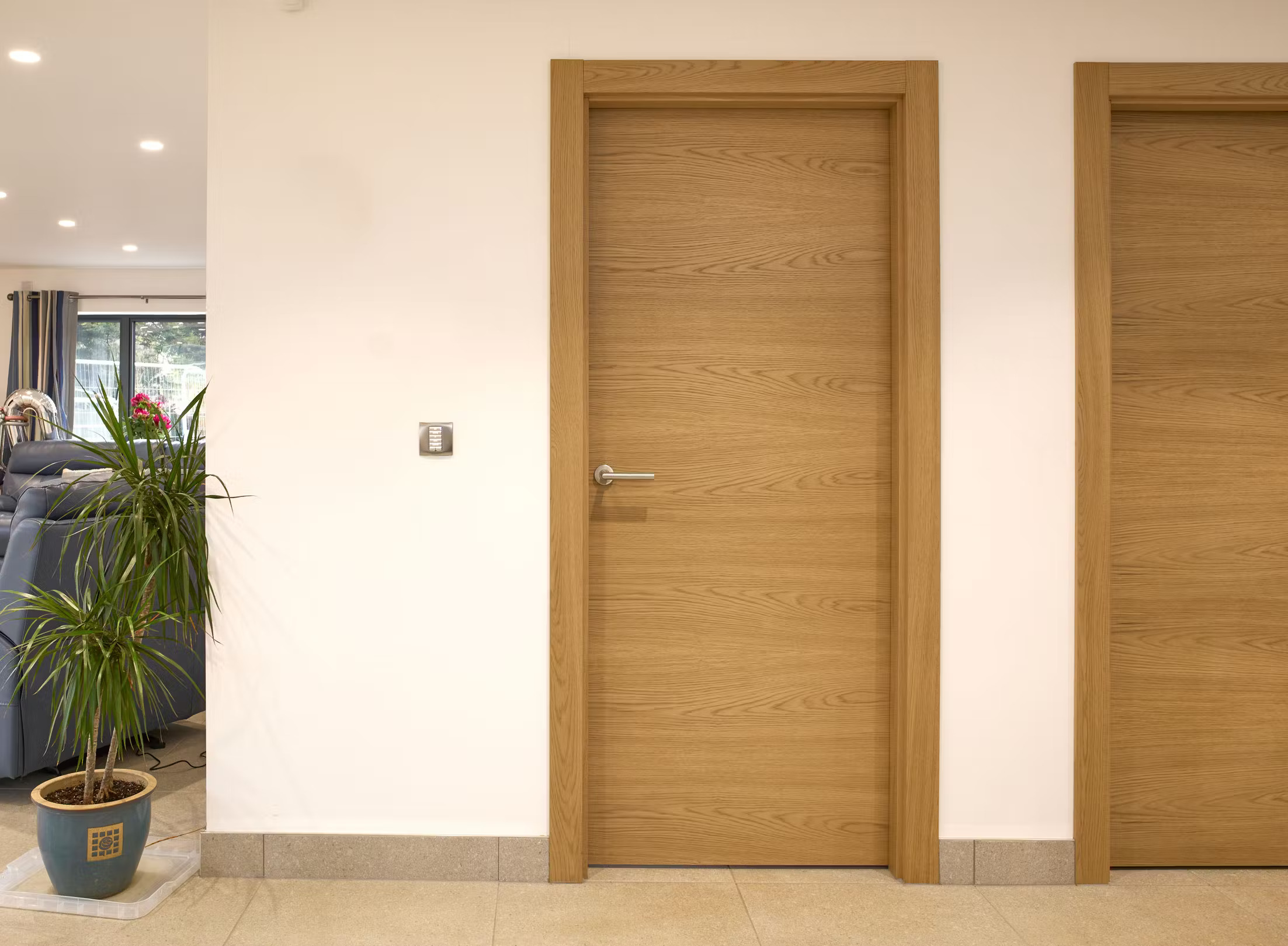
Conclusion
Summary of Fire Door Thickness and Rating
In summary, the thickness of a fire rated door plays a key role in its ability to withstand heat, smoke, and flames during a fire. Fire-rated doors come with different ratings, such as 30-minute, 60-minute, or 90-minute, depending on the level of protection needed. The thicker the door, the more fire-resistant it is. This means that a 30-minute fire-rated door typically has a thickness of around 1 3/8 to 1 3/4 inches, while doors with higher ratings may require thicker or more durable materials.
The fire rating of a door indicates how long it can withstand exposure to fire before it begins to fail. A 30-minute fire-rated door offers just enough time for evacuation, while a 60-minute or 90-minute fire-rated door provides even longer protection. Factors like the material used—wood, steel, or composite—affect the door’s thickness and its ability to resist fire. Each material has its own strengths, but thicker doors generally offer better protection.
Thoughts on Fire Rated Doors in Protecting Lives
Fire rated doors, especially external doors, are a critical part of any building’s fire safety plan. They are designed not only to protect the building’s structure but, most importantly, to safeguard the lives of the people inside. A fire rated door acts as a barrier to prevent the rapid spread of fire and smoke, providing more time for people to escape to safety. In many cases, this extra time is crucial in preventing injuries and saving lives.
By slowing the spread of fire, these doors create fire compartments within buildings, limiting damage to a smaller area. This compartmentalization can be the difference between life and death, especially in high-traffic buildings like schools, offices, hospitals, and residential complexes.
In conclusion, fire-rated doors, particularly external doors, are fundamental to ensuring fire safety in any building. They are a simple yet highly effective way to protect lives and minimize damage during a fire emergency. Choosing the right door, based on thickness and rating, is an important decision that can make a life-saving difference.

Relate FAQ
How thick is a 30-minute fire rated door?
A 30-minute fire-rated door is typically 1 3/4 inches (45 mm) to 2 inches (50 mm) thick. The exact thickness can vary depending on the material, door frame, and construction type used in the door's design.
What materials are used in a 30-minute fire rated door?
30-minute fire rated doors can be made from a variety of materials, including steel, wood, or composite materials. Steel doors are more commonly used in commercial buildings due to their higher durability and fire resistance. Wood doors, however, can be fire-rated when combined with fire-resistant cores such as mineral or composite cores.
How long does a 30-minute fire rated door last in a fire?
As the name suggests, a 30-minute fire-rated door is designed to withstand fire for up to 30 minutes, helping contain the fire and smoke within a designated area. During this time, the door will provide an essential barrier to protect occupants and limit property damage.
Can a 30-minute fire rated door be installed in a residential building?
Yes, a 30-minute fire-rated door is commonly used in residential buildings where fire safety is important, such as between the house and the garage or in utility rooms. In these areas, a 30-minute rating offers adequate protection. However, for areas with higher risks, such as between apartments or near mechanical rooms, a higher-rated door might be required.
Is a 30-minute fire rated door sufficient for commercial buildings?
While a 30-minute fire rated door may be sufficient in some commercial settings, it depends on the fire safety codes and regulations in your area. In areas with higher fire risk, such as electrical rooms, a higher fire rating (60, 90, or 120 minutes) may be required to ensure safety.
How do I know if my fire-rated door meets the required rating?
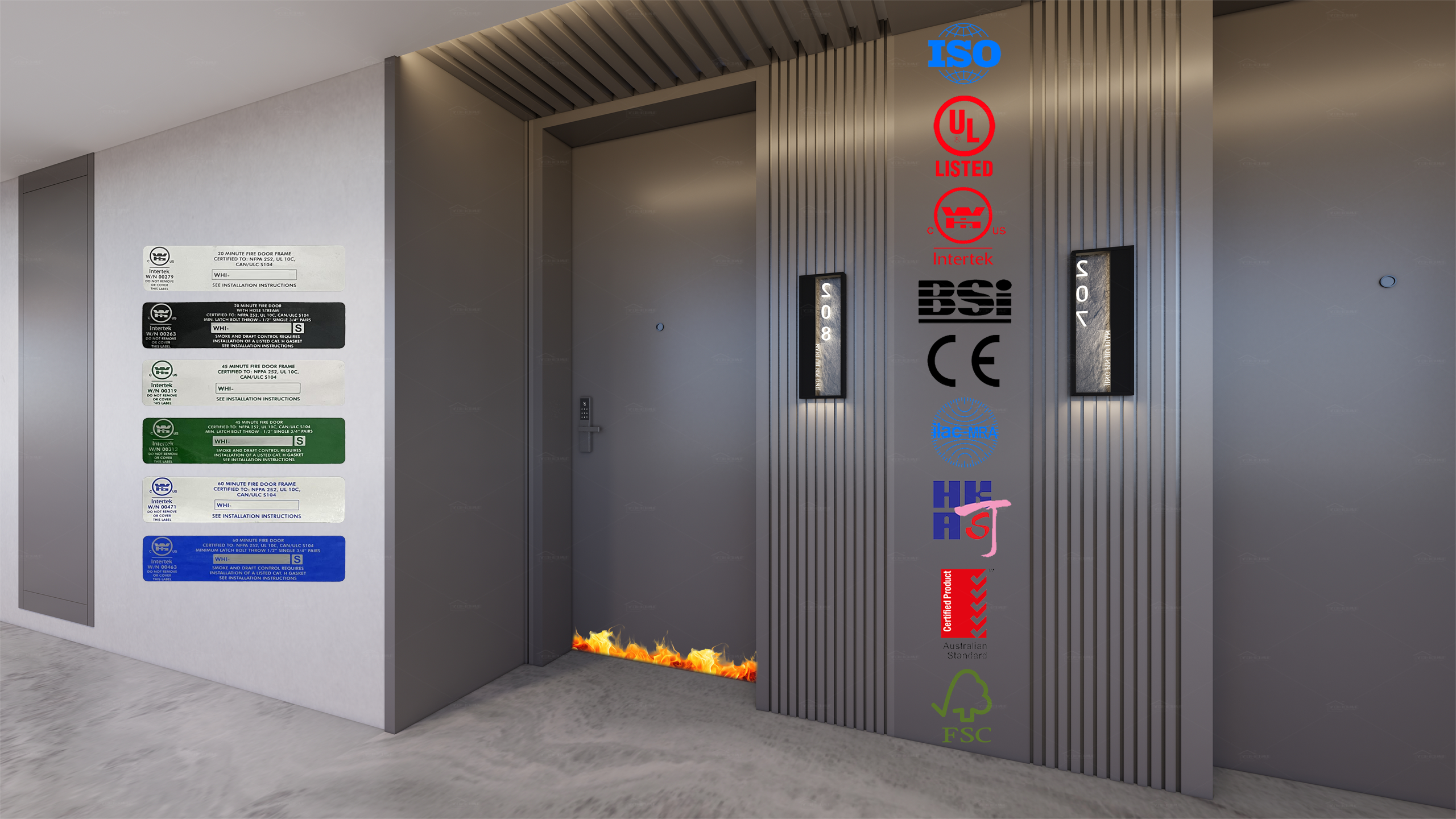
To ensure your fire-rated door meets the required specifications, check for a label or certification from a recognized authority, such as UL (Underwriters Laboratories). The label should state the fire rating (e.g., 30 minutes), and it is typically found on the door or frame.
Can I modify a 30-minute fire rated door?
It is not recommended to modify a fire rated door yourself. Modifying a fire-rated door can compromise its structural integrity and its fire resistance. Any modifications, such as cutting a door for a window or altering the frame, must be performed by a certified professional to ensure compliance with fire safety standards.