
How wide should the gap be at the bottom of the door panel when installing a fire door?
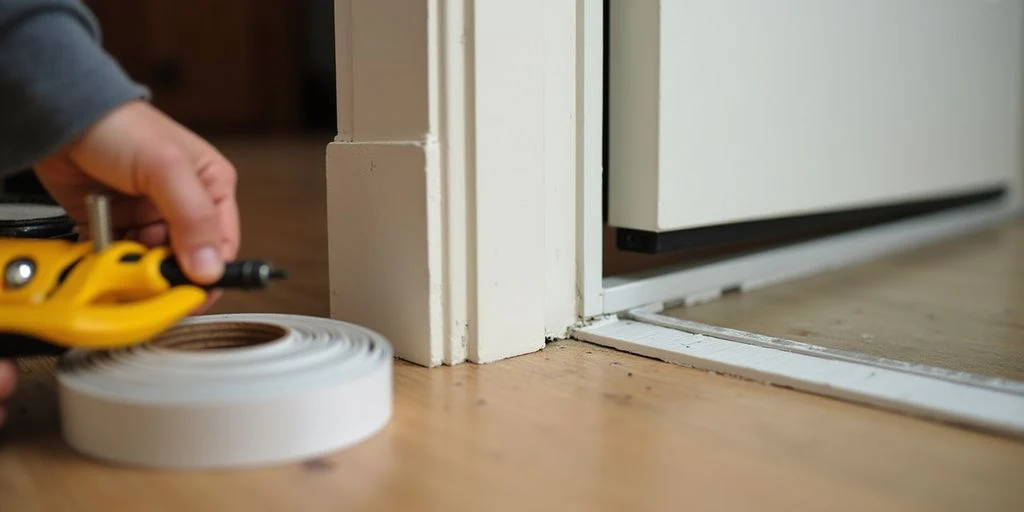
Why the Gap Matters in Fire Doors?
Understanding Fire Doors
Fire doors are not just regular doors. They are built to stop fire and smoke from spreading. Most people think a fire door is just a heavy door, but it’s much more. A proper fire door has layers, seals, and sometimes a core made of special fire-resistant materials. These doors are tested to meet strict safety standards, such as NFPA 80, BS 476, EN 1634, and AS1905.
Installing a fire door correctly is crucial. If a fire door is not fitted correctly, it can fail in an emergency. That’s why knowing how to handle every detail, including the bottom gap, is important. Fire doors are part of your building’s safety system. They protect lives and property and ensure you meet building codes.
The Role of the Bottom Gap in Fire Protection
The bottom gap of a fire door might seem small, but it plays a huge role in safety. The gap allows the door to open and close smoothly. It also works with fire-rated seals to block smoke and heat. If the gap is too big, smoke can escape under the door. If it’s too small, the door might drag on the floor, preventing it from closing fully.
This gap works with automatic drop seals or intumescent strips to create a tight barrier. In a fire, these seals expand to completely seal the gap, keeping smoke and flames from spreading from one room to another. In short, the right bottom gap helps the fire door do its job – protecting lives, slowing fire spread, and giving people more time to evacuate safely.
Common Mistakes People Make with Fire Door Gaps
Many problems come from the bottom gap. One common mistake is leaving it too wide. People often think more space is better for airflow, but a large gap can let smoke and hot gases pass under the door. Another mistake is cutting the door too short or ignoring uneven floors.
Sometimes, installers forget about fire door regulations. They may not check if the gap meets building codes or manufacturer instructions. Others skip using fire-rated seals or automatic drop seals. Over time, this can reduce the fire door’s effectiveness.
Even small gaps that seem fine can cause big safety issues. That’s why accurately measuring the bottom gap, checking the floor surface, and using the right seals are key steps in proper fire door installation.

Standard Gap Sizes for Fire Doors
Building Regulations and Codes
When it comes to fire doors, the bottom gap is about more than just clearance. It’s about safety. Different countries have different rules. These rules tell you how wide the gap should be so the fire door can work correctly. Following these codes ensures that the fire door will stop smoke and fire as intended.
Whether you are installing a timber fire door, a steel fire door, or a glass fire door, knowing your local standards is crucial. If you ignore them, the fire door may fail during an emergency, and you could face legal or insurance problems.
UK Standards – BS 476
In the UK, fire doors must meet BS 476 and Approved Document B. These rules give precise limits for the bottom gap. Typically, the gap should be between 3mm and 10mm when the door is closed, depending on the floor type and whether the door has an automatic drop seal.
UK fire door standards focus on both smoke control and fire resistance. Using intumescent strips or fire-rated seals is often required. Even small mistakes, like leaving a 15mm gap, can let smoke escape and reduce the fire door’s effectiveness.
US Standards – NFPA 80 & International Building Code
In the US, the main references are NFPA 80 and the International Building Code (IBC). NFPA 80 says that the gap between the fire door and the floor should generally not exceed 3/4 inch (about 19mm). For doors with automatic drop seals, the gap can be slightly larger at first, as the seal drops when the door closes.
US codes also emphasize proper installation and regular inspection. Fire doors must fit snugly in the frame and have proper clearances to allow smooth operation. Gaps that are too small can prevent the door from closing fully, just as dangerous as gaps that are too wide.
EU Standards – EN 1634 & Local Regulations
In the European Union, fire doors must comply with EN 1634 testing standards. The gap at the bottom is usually set between 5mm and 15mm, but local regulations can be stricter. Some countries require fire doors to have intumescent seals to ensure smoke control.
The EU focuses on both fire resistance and smoke containment. Therefore, checking the bottom gap, the door alignment, and the floor surface is critical. Even a small misalignment can reduce the door’s performance in a real fire.
AU Standards – AS 1905
In Australia, fire doors are regulated under AS 1905. The standards specify that the bottom gap should generally be 7mm to 10mm, depending on whether the fire door has a threshold or an automatic drop seal.
Australian standards also emphasize the proper gap, correct seals, and smooth operation. Fire doors must be checked after installation and regularly maintained. Skipping these steps can compromise safety and violate AS 1905 regulations.
Typical Gap Ranges
When it comes to fire doors, the bottom gap is small but very important. The right gap lets the door close properly and works with fire-rated seals or automatic drop seals. But too much or too little space can create problems.
For most timber or steel fire doors, the typical bottom gap is 5-10mm. If the gap is too wide, smoke and hot gases can slip under the door, reducing the door’s fire protection. If the gap is too narrow, the door may drag on the floor or fail to close completely, both of which are just as risky.
Also, uneven floors or carpet can change the effective gap. Even a small slope can make a 7mm gap act like 12mm in one corner. That’s why installers should measure the gap at multiple points, not just in the middle.
In short, the right bottom gap ensures the fire door works as intended. It stops smoke, slows fire spread, and lets people evacuate safely. Always follow local building codes and manufacturer instructions for the exact range.
Adjustable Door Seals and Thresholds
Sometimes floors are uneven, or gaps change over time. That’s where adjustable door seals and thresholds come in. These accessories help you keep the bottom gap within the right range and maintain the fire door’s safety.
Automatic drop seals are one of the most popular solutions. They stay hidden along the door edge and drop down when the door closes, automatically sealing the gap. This keeps smoke out and complies with most fire door regulations in the UK, US, EU, and Australia.
Intumescent seals are another option. They expand when exposed to heat, filling the gap to prevent fire and smoke from passing through. These are especially useful for older doors or doors with slightly larger bottom gaps.
Adjustable thresholds are also helpful for floors that slope or have rugs and carpets. They can be raised or lowered slightly, keeping the bottom gap consistent. Using these solutions makes it easier to meet code requirements while keeping the fire door functional for everyday use.
Regularly checking the bottom gap, adjusting seals, and maintaining thresholds ensure the door will protect people and property when it matters most.

Factors Affecting the Bottom Gap
The bottom gap of a fire door plays an important role in ensuring safety during a fire. It’s crucial to understand the various factors that can impact this gap to maintain the door’s effectiveness. Several factors affect the bottom gap, including the type of fire door, floor surface, door closer settings, door alignment, and environmental conditions like humidity and temperature.
Type of Fire Door – Timber, Steel, Composite Materials
The material of the fire door significantly influences the bottom gap. Fire doors come in different materials, such as timber, steel, and composite materials, each with its own characteristics.
Timber Fire Doors:
These doors are commonly used in residential and commercial buildings. Timber fire doors tend to expand or contract based on moisture levels, which can affect the bottom gap. If the door swells due to humidity, the gap may become smaller, potentially causing the door to rub against the floor.
Steel Fire Doors:
Steel doors, being more rigid than timber, tend to maintain a more consistent bottom gap. However, these doors can still shift slightly depending on temperature fluctuations. When steel doors expand or contract, the gap may increase or decrease, affecting their sealing performance.
Composite Materials:
Composite fire doors combine materials like timber and steel to provide a balance of strength and fire resistance. They may also expand or contract with temperature changes, but typically to a lesser extent than timber doors. Composite doors are designed to maintain a more stable bottom gap over time, offering a reliable seal during a fire.
Floor Surface and Unevenness
The floor surface plays a key role in determining the bottom gap of a fire door. A level, smooth floor allows the door to sit properly, keeping the gap consistent. However, an uneven floor surface can cause the door to tilt or shift, which might increase or decrease the gap.
Uneven Flooring:
In buildings with old or uneven floors, the bottom gap can vary. For example, if the floor is sloped or has bumps, the fire door may not make proper contact with the floor, leaving a larger gap. This gap can reduce the door’s ability to contain smoke and flames, compromising fire safety.
Flooring Materials:
The type of floor covering—such as carpet, tile, or hardwood—can also affect the bottom gap. Soft flooring, like carpet, can compress under pressure, making the gap appear smaller, while harder surfaces, like tile, may create a wider gap if the door does not fit snugly.
Fire Door Closer Settings and Door Alignment
The fire door closer plays a vital role in closing the door properly after it’s opened. The settings and condition of the closer, along with the door’s alignment, can directly affect the bottom gap.
Closer Settings:
Fire door closers should be adjusted to ensure that the door closes completely and evenly. If the closer is set too tightly, the door may not close fully, creating a larger gap. On the other hand, if the closer is set too loosely, the door might slam shut, potentially causing misalignment and affecting the bottom gap.
Alignment:
Proper door alignment is essential for maintaining the correct bottom gap. If the door is misaligned, either horizontally or vertically, the gap will be uneven, and the door may not provide a complete seal. Over time, door hardware can wear out, leading to poor alignment and a larger gap.
Environmental Factors – Humidity and Temperature
Changes in environmental conditions, such as humidity and temperature, can also impact the bottom gap of fire doors. These factors affect the materials the doors are made of, leading to expansion or contraction.
Humidity:
High humidity can cause timber fire doors to swell, decreasing the bottom gap. In areas with significant moisture, it’s important to regularly check the bottom gap to ensure the door continues to function effectively in the event of a fire. On the other hand, low humidity can cause shrinkage, potentially widening the gap and affecting the door’s performance.
Temperature:
Temperature fluctuations can cause materials such as steel and composites to expand or contract. For example, in colder temperatures, the door might shrink, increasing the bottom gap. Conversely, warmer conditions could cause the door to expand, reducing the gap. Consistent temperature control in buildings helps maintain a stable gap for optimal fire door performance.
Summary
The bottom gap of a fire door is influenced by multiple factors, including the type of fire door, the floor surface, the door closer settings, door alignment, and environmental factors such as humidity and temperature. Regular checks and adjustments to these factors can help maintain an effective fire door that provides maximum protection in case of a fire. Ensuring your fire door functions properly not only protects the building but also saves lives by preventing the spread of smoke and flames.
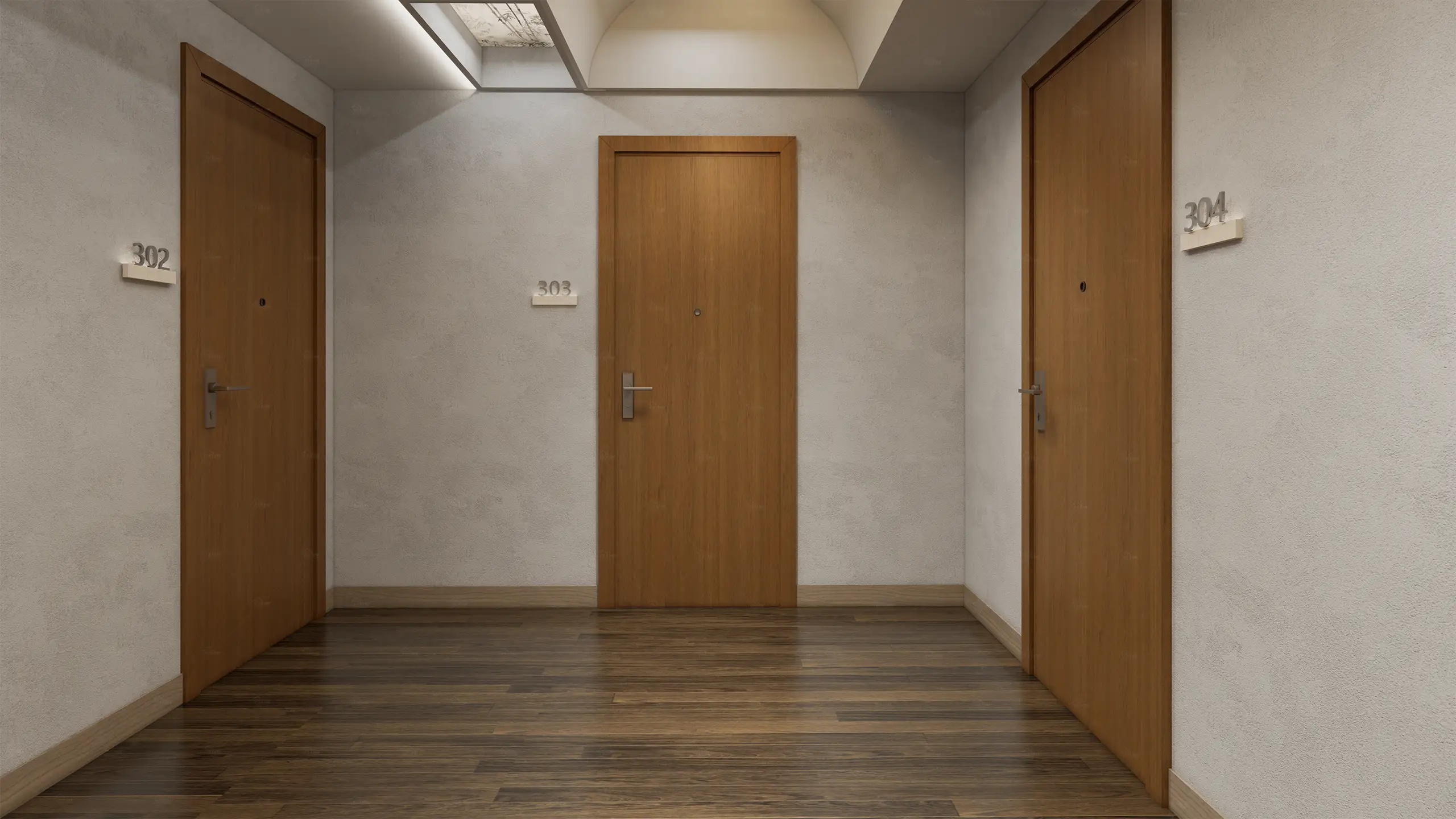
How to Measure and Install the Correct Gap?
Ensuring the proper gap in a fire door is essential for safety. The right gap ensures the door can properly seal during a fire, preventing smoke and flames from spreading. Here’s a simple guide to measuring and installing the correct gap for your fire door.
Step-by-Step Installation Tips
1. Choose the Right Fire Door:
Before you start, ensure you have the correct type of fire door for your space. Fire doors come in various materials, such as timber, steel, or composite, and each may require different installation considerations.
2. Measure the Door Frame:
Use a tape measure to measure the height and width of the door frame. These measurements will help you determine the size of the fire door you need. Keep in mind that there should be a small gap around the door to allow it to swing freely.
3. Measure the Bottom Gap:
Once the fire door is in place, measure the gap between the bottom of the door and the floor. The standard gap for fire doors is usually around 10-15mm. However, this can vary based on regulations, the door material, and the floor surface. Make sure the gap is consistent along the entire length of the door.
4. Adjust the Gap:
If the gap is too large or too small, you can adjust the door by altering the hinges or the door closer. For example, loosening or tightening the hinges can help adjust the vertical alignment. A door closer can be adjusted to ensure the door fully closes.
5. Final Check:
Once the gap is correct, ensure the door swings smoothly without dragging or sticking. It should also close tightly without resistance. The door should not leave any space that could allow smoke to pass through.
Tools You Need for Accurate Measurement
To install and measure the correct bottom gap for your fire door, you need the right tools. Here’s a list of what you’ll need:
- Tape Measure: Your primary tool for measuring the door and frame dimensions. Make sure to measure both the height and width of the door frame, as well as the bottom gap.
- Level: A level ensures the door is properly aligned vertically and horizontally. If the door is tilted, the gap will not be consistent.
- Screwdriver: You’ll need a screwdriver to adjust the hinges and any other parts of the door hardware.
- Door Closer Tool: If your fire door has a door closer, this tool lets you adjust its settings, ensuring the door closes correctly and maintains the proper gap.
- Shims: If you need to raise the door slightly to adjust the gap, shims can be used to elevate the door for a better fit.
Checking Compliance After Installation
After installing your fire door, ensure it complies with local fire safety regulations. Here’s how to check:
1. Verify the Gap Size:
Double-check that the gap between the bottom of the fire door and the floor is within the required range. As mentioned earlier, the gap should typically be between 10 and 15mm, but always refer to local building codes for exact measurements.
2. Check the Door's Ability to Seal:
The fire door should seal tightly when closed. A fire door with a large gap will not function properly during a fire, as smoke and heat can easily pass through. Ensure that the door has a proper seal around its edges.
3. Test the Door's Functionality:
Open and close the door several times to ensure that it swings easily and closes securely. A fire door should be easy to operate, and the closer should bring it into position without any sticking.
4. Inspect for Fire-Rated Sealings:
Fire-rated doors should have fire-resistant seals around the edges to prevent smoke from seeping through. Check if these seals are properly installed and in good condition.
5. Consult Local Regulations:
Ensure your fire door installation complies with the fire safety standards and building codes required by your local authority. These codes often specify not only the gap size but also other features, such as door closers and fireproof seals.
Common Pitfalls and How to Avoid Them
Even though installing a fire door seems straightforward, people often make common mistakes. Here’s how to avoid them:
Incorrect Gap Size:
One of the most common issues is having a gap that’s too large or too small. An overly large gap reduces the door’s ability to seal effectively, while a gap that’s too small can prevent the door from closing completely. Always measure twice and adjust as needed.
Misaligned Door:
If the door isn’t aligned properly, it may not close properly, leaving an inconsistent gap. Make sure the door is level, and the hinges are tightly secured. Use a level to check alignment throughout the installation.
Not Testing the Door's Function:
After installation, some people forget to test the door fully. Open and close it multiple times to make sure it swings smoothly, shuts securely, and doesn’t drag on the floor. A malfunctioning fire door can be a serious fire safety hazard.
Ignoring Local Regulations:
Each area may have different fire door requirements. Failing to check these regulations can result in improper installation or a door that doesn’t meet fire safety standards. Always double-check local fire safety codes to ensure compliance.
Not Maintaining the Fire Door:
Over time, fire doors can wear out. Make sure to regularly inspect the door for signs of wear, such as warped panels or worn-out seals. Replace any damaged components to maintain the door’s effectiveness in the event of a fire.
Summary
Installing and measuring the correct gap for a fire door is a critical part of ensuring fire safety. By following these steps, using the right tools, and avoiding common pitfalls, you can ensure your fire door functions properly and complies with safety regulations. Regular checks and maintenance will ensure it remains an effective safety feature in your building.
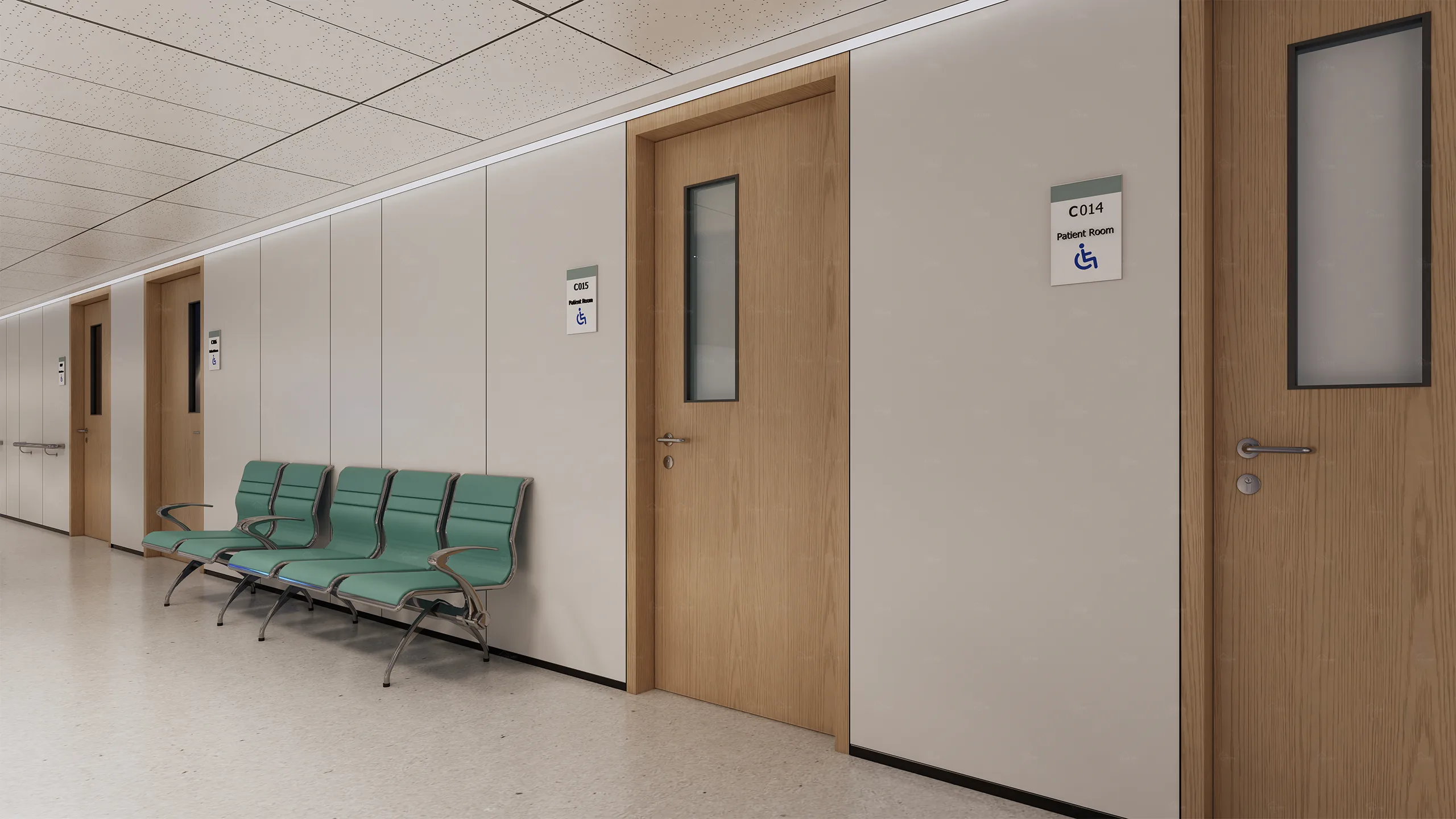
Impact of Incorrect Bottom Gap
The bottom gap of a fire door is a critical aspect of its overall performance. When the gap is incorrect, it can lead to several serious issues, compromising the door’s ability to prevent the spread of fire and smoke. A fire door is designed to seal off areas to contain fires and protect occupants, but if the bottom gap is too wide or too narrow, its effectiveness can be drastically reduced.
Fire Safety Risks
The primary function of a fire door is to prevent the spread of fire. When the bottom gap is too wide, it allows smoke and flames to pass through, undermining the fire door’s protective qualities. A correctly installed fire door with the right gap can significantly slow the spread of fire, giving occupants more time to evacuate. If the gap is too large, however, the fire door may not meet safety standards and fail to perform as expected, increasing the risk of injury or even loss of life during a fire.
A well-maintained fire door should have a bottom gap that is small enough to provide a tight seal but not so small as to interfere with the door’s operation. Any gaps that allow air, smoke, or flames to pass through pose a significant threat to building occupants. This is why regular checks and maintenance of fire doors are essential.
Smoke and Sound Leakage Issues
A fire door not only blocks fire but also helps in containing smoke. Smoke can be just as deadly as fire, and its rapid spread is one of the primary causes of injury in fires. If the bottom gap is incorrect, smoke can leak through, making it harder to control the situation and evacuate safely.
In addition to fire and smoke, sound insulation is also affected by an improper bottom gap. Fire doors are often used to reduce noise levels between rooms or areas of a building. When the bottom gap is too wide, it can allow sound to leak through, undermining the fire door’s role in soundproofing.
This is particularly important in places like hospitals, hotels, and offices where quietness is necessary for comfort and concentration. Ensuring the bottom gap is properly sized will help maintain both fire safety and acoustic performance.
Door Wear and Maintenance Problems
Fire doors are subject to wear and tear from constant use, and the bottom gap is no exception. If the gap is too large, it can cause the door to rub against the floor or the threshold, leading to unnecessary wear on both the door and its components. This can lead to costly repairs and replacements, reducing the lifespan of the fire door.
On the other hand, if the gap is too small, it can make the door difficult to operate. This could result in jams, sticking, or misalignment, reducing the door’s effectiveness at sealing during a fire.
Regular maintenance of the door’s bottom gap is crucial for ensuring its longevity and reliable performance. Ensuring the correct bottom gap will minimize these issues and keep the door functioning properly.
Legal and Insurance Implications
In many countries, fire door installation and maintenance are subject to strict regulations. If the bottom gap of a fire door does not meet these standards, the building owner or manager could be held liable in the event of a fire. Legal consequences may include fines or, in more serious cases, lawsuits for negligence, especially if an injury or fatality results from the door failing to perform as required.
From an insurance perspective, buildings with improperly installed fire doors could face higher premiums or even have claims denied if it is found that the fire door did not meet safety standards. Insurance companies expect property owners to comply with fire safety regulations. Failure to maintain the correct bottom gap could jeopardize a claim, leaving the owner financially responsible for any damage or injury caused by the fire.
Summary
In conclusion, ensuring the correct bottom gap on a fire door is not just about following regulations; it’s about protecting lives, reducing maintenance costs, and ensuring legal compliance. Regular checks, maintenance, and adjustments can help avoid these risks and keep the fire door functioning properly for years to come.
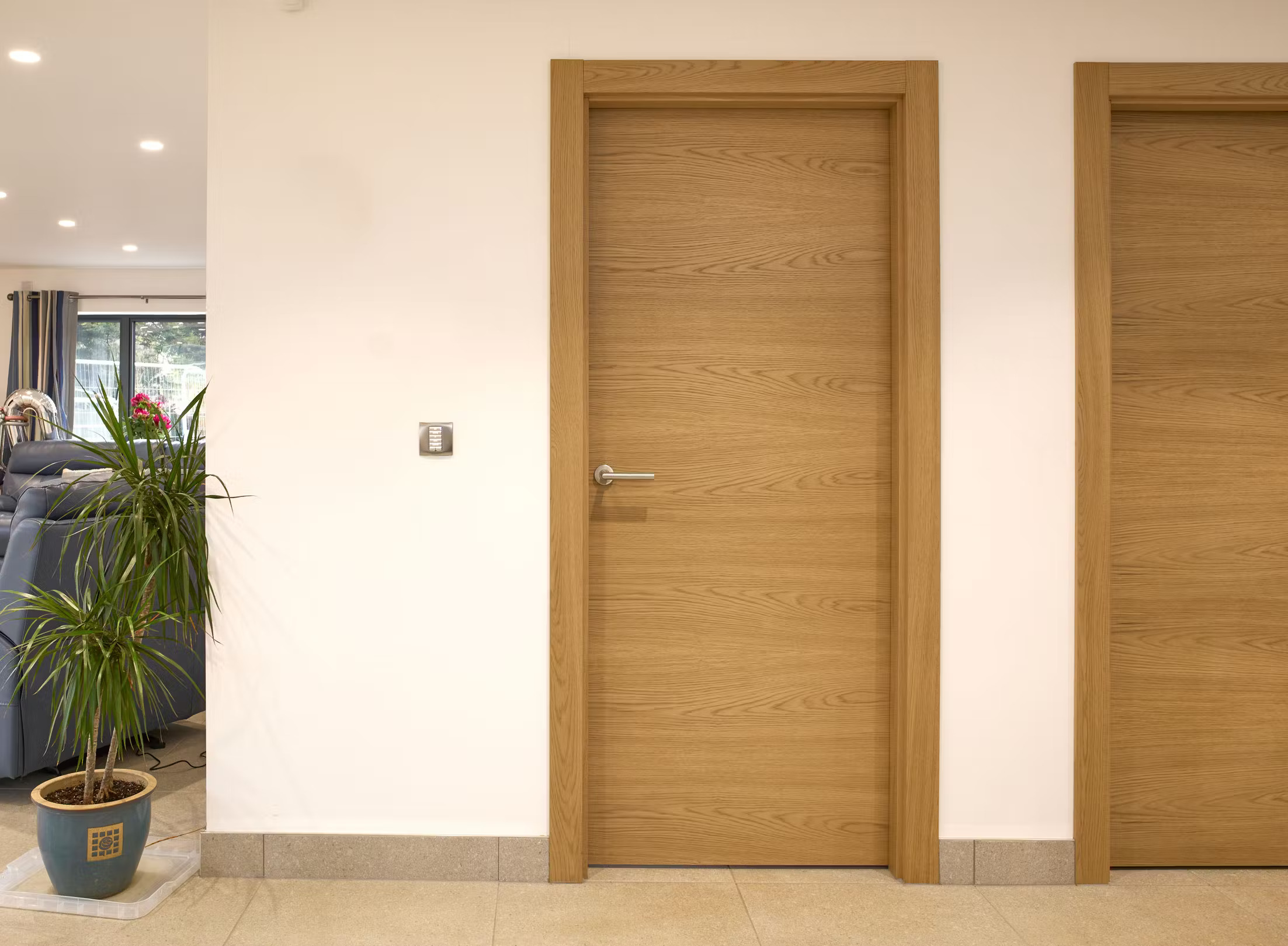
Solutions and Accessories for Gap
When it comes to fire doors, the bottom gap is crucial for maintaining both safety and efficiency. A properly sealed fire door helps prevent the spread of fire, smoke, and heat, but achieving the right gap can be tricky. Luckily, several solutions and accessories are available to address this issue. These tools and products can help ensure that fire doors function as intended, offering better protection and durability.
Fire-Rated Door Bottom Seals
Fire-rated door bottom seals are essential accessories that seal the gap between the door and the floor. These seals are specifically built to withstand high temperatures, preventing fire and smoke from seeping through. Typically made from materials like intumescent rubber or metal, fire-rated door bottom seals expand when exposed to heat, sealing the gap and enhancing the fire door’s performance.
Installing a fire-rated door bottom seal can significantly improve a fire door’s effectiveness. It ensures that during a fire, the door remains sealed, preventing the spread of smoke and fire to other parts of the building. These seals are easy to install and can be used on both new and existing fire doors, making them a popular choice for enhancing fire door safety.
Automatic Drop Seals – Pros and Cons
Automatic drop seals are another innovative solution for sealing the bottom gap of fire doors. These seals are built into the door and, when the door is closed, automatically drop down to seal the gap. The main advantage of these seals is that they provide a seamless, automatic solution for maintaining the correct bottom gap.
One of the key benefits of automatic drop seals is convenience. There’s no need for manual adjustments, and the seal activates as soon as the door is closed. This ensures that the door is always properly sealed, reducing the risk of human error. However, there are some drawbacks.
For one, automatic drop seals require regular maintenance to ensure they are working properly. If the mechanism fails, the door may not seal correctly, and the fire door may not perform as intended. Additionally, automatic drop seals can be more expensive than traditional seals, which may be a concern for some property owners.
Adjustable Thresholds for Uneven Floors
In many buildings, the floor beneath a fire door may not be perfectly level, leading to an uneven gap. This can be problematic, as it can prevent the fire door from sealing properly. To address this, adjustable thresholds are a useful solution. These thresholds can be customized to accommodate different floor heights, ensuring a uniform gap and proper sealing of the fire door.
Adjustable thresholds are particularly useful in older buildings where the floors may have settled or where construction was not perfectly level. By installing an adjustable threshold, the gap can be reduced to an acceptable level, helping the fire door to function properly. This simple solution helps avoid issues like drafts, smoke leakage, and fire risk caused by an improper seal.
Retrofitting Existing Doors
Sometimes, replacing a fire door is not an option, especially in older buildings or when budgets are tight. In these cases, retrofitting existing doors is a practical solution. Retrofitting involves adding accessories or making adjustments to the existing fire door to improve its performance.
For example, installing a fire-rated door bottom seal or an automatic drop seal can enhance an existing door’s ability to block fire and smoke. Retrofitting is typically less expensive than replacing a fire door entirely, allowing building owners to bring older doors up to current fire safety standards without significant cost.
While retrofitting is a great option, it’s important to ensure that the door still meets all safety regulations after the modifications. A professional should be consulted to ensure that the door and any added components, such as seals or thresholds, are suitable for the building’s needs.
Summary
In conclusion, fire doors require proper sealing to maintain their protective qualities. Solutions such as fire-rated door bottom seals, automatic drop seals, adjustable thresholds, and retrofitting existing doors can help ensure that fire doors function as intended, offering maximum protection against fire, smoke, and heat. These accessories are essential investments for improving safety and compliance with fire safety regulations.

Conclusion
The Gap at the Bottom When Installing Fire Doors
A fire door only works well when every part is properly installed. That includes the bottom clearance. If the gap under a fire door is too big, smoke and heat can pass through fast. On the other hand, if the gap is too tight, the door may drag on the floor and not close properly. Both cases weaken the fire door system.
In many building codes, there are clear limits for the fire door bottom gap. These rules exist for a reason. A correct fire door clearance helps slow down fire spread and keeps escape routes safer. During installation, you need to measure, check, and follow the standard. A well-installed fire-rated door should close smoothly and still maintain a tight seal at the bottom.
Solutions for Gaps at the Bottom of Fire Doors
There are now many proven, practical solutions for sealing gaps at the bottom of fire doors. For example, you can install a fire-rated door bottom seal to block smoke and heat. This is one of the most common and cost-effective upgrades.
If you want a cleaner look, an automatic drop seal is a smart option. It seals the gap only when the fire door closes, so you get both function and comfort. For uneven floors, adjustable thresholds help you level things out and keep the fire door sealing line consistent.
And if you are dealing with an older fire door, retrofitting is often the best move. You don’t always need a full replacement. Adding the right fire door accessories can bring the door back to standard and improve safety right away.
Relate FAQ
How wide should the gap be at the bottom of the fire door?
The gap at the bottom of a fire door should typically be between 3/8 inch and 1/2 inch (9 to 13 mm), depending on the manufacturer's specifications and local building codes. This clearance is essential to allow the door to close properly without obstructing the flow of smoke or fire, but it must not be too large to compromise the door's ability to provide adequate protection.
Can the gap under a fire door be larger than 1/2 inch?
Generally, no. Gaps larger than 1/2 inch (13 mm) may compromise the fire door's effectiveness by allowing smoke and heat to pass through more easily. Always consult the manufacturer's guidelines for the fire door and local fire safety regulations before making adjustments.
Why is the gap at the bottom of a fire door important?
The gap ensures the door fits within the frame while still providing fire resistance. A properly sized gap allows the door to close tightly in the event of a fire, preventing smoke, heat, and toxic gases from escaping. The correct gap size also supports the proper functioning of fire door seals.
Do I need to install a threshold under a fire door?
A threshold can help seal the gap at the bottom of the door, improving its fire resistance. It is essential for ensuring that the door closes tightly and stays in place. In some cases, the door may come with a fire-rated threshold, while in others, one may need to be added for optimal performance.
What if the gap under my fire door is too large?
If the gap exceeds the recommended size, the fire door may not contain smoke or fire, reducing its effectiveness. It's essential to adjust the gap to meet the required standard, which might involve trimming the door or adjusting the door frame.