
What are fire retardant doors?

Introduction to Fire Retardant Doors
What Makes a Door Fire Retardant?
A Simple Explanation of Fire Retardant Doors and Their Importance
A fire retardant door is designed to resist the spread of fire and smoke within a building. These doors are essential for enhancing safety, especially in large buildings like offices, schools, hospitals, and homes. Fire-retardant doors can give people valuable time to escape in an emergency, limiting property damage and loss of life.
These doors are made from special materials that help slow down or prevent the spread of fire. The key to their effectiveness lies in their construction and in their ability to withstand high temperatures without easily catching fire. Simply put, fire retardant doors provide an extra layer of protection, giving everyone more time to respond if a fire breaks out.
In buildings, especially multi-story ones, fire doors are crucial in preventing the fire from spreading from one area to another. This helps to protect exit routes, stairwells, and even sensitive equipment or documents. Without fire retardant doors, fires could quickly spread throughout a building, making it much harder for people to escape.
Different Types of Materials Used
Fire retardant doors come in various materials, each offering specific benefits and fire resistance levels. The most common materials used include steel, timber, and composite materials. Let’s break down these materials and their unique advantages.
- Steel Fire Retardant Doors: Steel is one of the most reliable materials for fire resistance. Steel fire retardant doors are highly durable and can withstand intense heat. They are perfect for industrial and commercial buildings where fire safety is a top priority. Steel doors are also resistant to impact and wear, making them a long-lasting investment. Typically, steel fire doors are rated for 30, 60, or 90 minutes, depending on the design and purpose.
- Timber Fire Retardant Doors: Timber is a popular choice for fire retardant doors in residential buildings and offices. These doors offer a more aesthetically pleasing option compared to steel, providing warmth and charm to the interior. Timber fire doors are treated with fire-resistant chemicals or constructed with fire-resistant cores, thereby significantly improving their fire rating. Although timber fire doors may not have the same level of heat resistance as steel, they still provide adequate protection for many applications.
- Composite Materials: In some cases, fire retardant doors are made from composite materials. These doors combine the best qualities of both timber and steel. Composite doors typically feature a fire-resistant core surrounded by a sturdy outer layer of metal or wood. These doors offer a balance between aesthetic appeal and fire safety, making them suitable for both residential and commercial properties.
Why Are Fire Retardant Doors Important?
Discuss the Role They Play in Safety and Property Protection
Fire-retardant doors are essential for protecting people and property during a fire. They serve as a barrier, stopping the spread of fire and smoke from one area to another. This is crucial for keeping escape routes clear and preventing the fire from spreading throughout the building. In case of a fire, every second counts, and fire-retardant doors can buy everyone time to get to safety.
Beyond saving lives, these doors also protect valuable property. In commercial spaces, such as offices, factories, and hospitals, the loss of equipment, documents, or machinery due to fire damage can be devastating. A well-placed fire-retardant door can contain the fire to a single area, reducing overall damage. This helps businesses avoid costly repairs and replacements, and keeps them running smoothly after the event.
For residential properties, fire-retardant doors offer peace of mind, especially in areas like kitchens, garages, and stairwells. If a fire starts in one part of the house, fire retardant doors can slow its spread and protect the rest of the home. This gives families more time to escape and prevents catastrophic damage.
How They Help to Limit Fire Spread and Ensure Safe Evacuation?
The primary function of a fire-retardant door is to limit the spread of fire. Fire can spread quickly through a building, especially if there are no barriers in place. These doors act as a “fire break,” stopping flames from moving from one room to another. This gives everyone inside the building more time to evacuate safely before the fire reaches dangerous levels.
Fire retardant doors are also designed to contain smoke, which can be just as deadly as the fire itself. Smoke inhalation can be fatal in a very short time, so fire doors help by containing smoke in one area, allowing people to exit the building through clear paths safely. Many fire retardant doors are equipped with special seals that prevent smoke from leaking through the edges, adding an extra layer of protection.
Moreover, fire doors are often installed in key areas like stairwells and corridors, which are vital for a safe evacuation. These areas need to remain free of smoke and fire to ensure people can leave the building safely, especially in multi-story buildings. By containing the fire to a single section, fire-retardant doors maintain the safety of escape routes, which is critical during a fire emergency.

The Science Behind Fire Retardant Doors
How Do Fire Retardant Doors Work?
Simple Breakdown of How Fire-Resistant Materials React to Heat
Fire retardant doors are built with materials that resist heat and flames, but how do they actually work? When a fire starts, heat begins to build up. Fire-retardant doors are designed to withstand this heat and slow the spread of fire. The materials used in these doors absorb and dissipate heat, keeping it from passing through quickly.
For example, materials like steel, gypsum, and fire-resistant timber are commonly used in fire doors. These materials have unique properties that enable them to withstand high temperatures. Steel, for instance, doesn’t catch fire easily. It can withstand heat for extended periods, protecting both people and property. On the other hand, fire-resistant timber is specially treated to resist flames, often with fire-resistant coatings or cores.
When a fire starts, a fire-retardant door reacts by either insulating or cooling the heat before it can spread further. Some doors, especially those with a fire-resistant core, also have materials that expand when exposed to heat. This expansion helps to seal any gaps in the door, further preventing the passage of fire and smoke.
In essence, fire-retardant doors act as a shield, using specially engineered materials that either resist or slow the spread of heat, giving people more time to evacuate and minimizing damage.
Explanation of Fire Ratings
Fire doors are rated by how long they can withstand fire before they begin to break down. These ratings, such as 30-minute, 60-minute, and 90-minute, refer to the amount of time the door can resist fire and heat while maintaining its structural integrity.
- 30-Minute Fire Retardant Doors: These doors are designed to withstand fire for 30 minutes. They’re commonly used in areas with a moderate fire risk, such as residential homes, office buildings, and specific commercial spaces. While they provide essential protection, they are best suited for spaces where quick evacuation is likely.
- 60-Minute Fire Retardant Doors: A 60-minute rating offers stronger protection. These doors are typically installed in places with a higher risk of fire, such as hospitals, schools, or warehouses. They can withstand heat and flames for a full hour, giving people more time to evacuate safely and allowing fire services to respond.
- 90-Minute Fire Retardant Doors: The highest standard for fire retardant doors, these can withstand flames for up to 90 minutes. These doors are typically used in buildings with a high fire risk or in areas that require maximum protection. For example, industrial plants, chemical facilities, and large office complexes may use 90-minute fire doors to protect people and property in the event of a fire.
Fire Resistance vs. Fire Retardance
Clarifying the Difference Between Fire-Resistant and Fire-Retardant Materials
When discussing fire-retardant doors, it’s essential to understand the difference between fire-resistant and fire-retardant materials, as they are often confused. These two terms refer to different levels of fire protection, and understanding the distinction can help you choose the right door for your needs.
Fire-resistant materials, such as steel or concrete, are designed to withstand direct exposure to high heat and flames for extended periods. A fire-resistant door, such as one made from steel or fire-resistant timber, can stop the spread of fire and maintain its structural integrity for a specific period, usually 30-90 minutes. These materials are designed to withstand intense heat without burning or breaking down, providing the best protection in extreme fire conditions. For example, a fire-resistant steel door could prevent flames from spreading to other parts of the building for up to 90 minutes.
On the other hand, fire-retardant materials are treated or coated to slow down the ignition and spread of fire. While they don’t completely stop fire from passing through, they help reduce its spread and slow its rate of spread. A fire-retardant door might be made from wood or composite materials treated with chemicals to reduce the likelihood of ignition. These doors may not withstand the fire for as long as fire-resistant doors, but they can still slow the fire’s progress, giving people more time to evacuate or for emergency responders to arrive.
In short, the key difference is that fire-resistant doors provide a higher level of protection by enduring the fire for a longer period. Fire-retardant doors, while still providing valuable protection, primarily slow the spread of fire and smoke. Both types are essential for fire safety, but understanding their strengths and limitations helps you make an informed decision about which is right for your building.

Different Types of Fire Retardant Doors
Timber Fire Retardant Doors
Timber fire retardant doors are a popular choice for both residential and commercial buildings due to their aesthetic appeal and reliable fire protection. These doors combine the natural warmth and beauty of wood with the essential fire resistance needed to prevent the spread of flames.
Benefits of Timber Fire Retardant Doors
One of the biggest advantages of timber fire retardant doors is their appearance. Wood naturally blends well with most interior designs, giving rooms a sophisticated, warm feel. Whether you’re outfitting an office, a hotel, or a home, timber doors provide an attractive option that doesn’t sacrifice safety for style.
In addition to their aesthetic appeal, timber fire retardant doors offer excellent insulation. The natural properties of wood help keep rooms warmer in winter and cooler in summer, making them energy-efficient. This adds value to any building, especially in areas with extreme weather conditions.
Timber fire doors are also lighter than their steel counterparts, making them easier to handle and install. Despite being lighter, they can still provide strong fire protection, especially when treated with fire-resistant coatings or when using fire-resistant core materials. With the right treatment, a timber fire door can offer significant protection while remaining structurally sound during a fire.
Best Uses for Timber Fire Retardant Doors
Timber fire retardant doors are versatile and can be used in a wide variety of settings. They are often seen in residential properties, such as homes, apartments, and townhouses. These doors are an excellent option for internal doors, especially in areas like kitchens, basements, or garages, where there’s an increased risk of fire.
In commercial properties, timber fire-retardant doors can be used in offices, hotels, or shops where maintaining a pleasant aesthetic is essential, but fire safety cannot be compromised. They’re perfect for buildings with high foot traffic, where ease of access is necessary.
Timber fire doors are also a common choice in hotels and restaurants where the interior design and ambiance matter. These doors offer a balanced blend of style and safety.
Fire Rating Range for Timber Fire Retardant Doors
The fire rating of a timber fire retardant door depends on the materials used in its construction and the fire-resistant treatment applied. Generally, timber fire doors are rated for 30 to 60 minutes.
- 30-Minute Timber Fire Doors: These are typically used in areas with a moderate fire risk, where fast evacuation is possible. They are ideal for homes, small offices, and internal doors within larger commercial buildings.
- 60-Minute Timber Fire Doors: These offer a higher level of protection and are commonly used in more fire-prone areas, such as stairwells, hallways, and shared spaces within commercial properties. They’re also an excellent option for multi-story residential buildings, providing extra time for escape.
Metal Fire Retardant Doors
Metal fire-retardant doors are a top choice for areas requiring high levels of fire protection. These doors are built to last and offer excellent fire resistance, making them an ideal option for industrial, commercial, and even residential applications. Let’s explore the durability and fire protection benefits of metal fire-retardant doors.
Durability of Metal Fire Retardant Doors
One of the main benefits of metal fire retardant doors is their durability. Unlike timber doors, which can warp or rot over time, metal doors are resistant to wear and tear. Steel, for instance, is highly robust and can withstand heavy impact, making metal fire doors the perfect choice for high-traffic areas. Whether it’s a busy office building or a factory floor, metal fire doors can handle rough conditions and last for many years.
In addition, metal fire doors are generally more secure than wood or composite options. They provide a higher level of physical protection against break-ins and vandalism, making them ideal for locations that require extra security, such as warehouses or data centers.
Metal doors also perform well in different weather conditions. They won’t be affected by humidity or moisture, which can sometimes cause problems for timber doors. This makes metal fire-retardant doors an excellent choice for environments that experience extreme temperature changes or high moisture levels, such as basements or coastal areas.
Fire Protection Advantages of Metal Fire Retardant Doors
When it comes to fire protection, metal fire-retardant doors offer significant advantages. Steel and other metals are naturally fire-resistant, meaning they can withstand high temperatures for extended periods without losing their integrity. Metal doors are typically rated to withstand fire for up to 90 minutes, making them suitable for areas with a high fire risk.
The fire resistance of metal doors is not only about how long they can withstand flames but also about their ability to limit the spread of fire. Fire-retardant metal doors act as barriers, preventing the fire from spreading from one room to another. This is particularly important in large commercial buildings, industrial sites, or multi-story residential buildings where fire safety is a top concern.
Moreover, metal fire doors can be equipped with additional fire-resistant features, such as special seals that expand when exposed to heat. These seals block smoke and fire from leaking through the edges, further enhancing the door’s protective capabilities.
Because of these properties, metal fire retardant doors are often required by building codes in high-risk areas, such as hospitals, factories, and schools. Their ability to provide continuous fire protection ensures the safety of both people and property, making them a reliable choice for any building.
Composite Fire Retardant Doors
Composite fire retardant doors offer a unique combination of strength, aesthetics, and fire protection. Made from a blend of materials, including wood, steel, and other fire-resistant cores, composite fire doors offer the best of both worlds: they are strong and durable while also visually appealing.
Benefits of Composite Fire Retardant Doors
One of the main benefits of composite fire retardant doors is their ability to balance performance with design. These doors are made by combining fire-resistant materials with a solid outer layer, typically steel or wood. This makes them more versatile than single-material doors. You get the durability of metal or the warmth of wood, combined with excellent fire resistance. Whether you’re building a modern office or a stylish home, composite fire doors fit into almost any design scheme.
Additionally, composite fire doors are highly energy-efficient. The core materials used in these doors, such as high-density insulation, help reduce heat transfer between rooms. This means they keep your spaces cooler in summer and warmer in winter, potentially lowering energy costs.
Another benefit is that composite fire doors tend to be lighter than solid metal doors, making them easier to handle and install. Despite their lighter weight, they still offer a solid defense against fire, smoke, and even unwanted sound.
Fire Protection Advantages of Composite Fire Retardant Doors
Composite fire-retardant doors are designed to resist flames and prevent the spread of fire. The fire-resistant cores used in composite doors typically include mineral cores or fire-resistant insulation designed to withstand high temperatures. These materials help the door maintain its integrity during a fire, giving you valuable time to escape or for the fire department to intervene.
Composite doors are often rated for fire protection between 30 minutes and 60 minutes, though higher ratings can also be achieved with specialized designs. The door’s ability to resist fire for this period is crucial for containing a fire in one part of the building and preventing it from spreading to other areas. This means that composite fire doors are ideal for hallways, stairwells, and even internal room doors where safety is a priority but aesthetics matter as well.
Moreover, composite doors also provide adequate smoke protection. The materials used in the cores of these doors help limit smoke movement, preventing it from spreading throughout the building. This is essential, as smoke inhalation is one of the leading causes of death in fires. Composite fire doors act as barriers, giving people more time to evacuate safely.
Best Uses for Composite Fire Retardant Doors
Composite fire-retardant doors are incredibly versatile and can be used in a variety of settings. Their ability to combine fire resistance with aesthetic appeal makes them ideal for both commercial and residential properties. In commercial buildings, they’re suitable for office spaces, schools, hotels, and retail stores, where both safety and design are crucial. The fire ratings of these doors make them suitable for high-risk areas, including stairwells and corridors.
In residential buildings, composite fire doors are often used in areas such as garages, basements, and internal doors connecting living spaces to high-risk areas, such as kitchens. Their design flexibility makes them an excellent choice for homes that want to combine safety with modern, stylish interiors.
Standards and Regulations for Fire Retardant Doors
Fire Door Standards and Certifications
To ensure the safety and effectiveness of fire-retardant doors, it’s essential to follow specific standards and regulations. These guidelines help ensure that fire doors perform reliably in emergencies and provide the protection they promise.
NFPA (National Fire Protection Association)
The NFPA is a leading U.S. organization that sets fire safety standards. One of the most important documents is NFPA 80, which addresses fire doors and their proper installation and maintenance. This standard ensures that fire doors are designed and tested to prevent the spread of fire and smoke, giving people more time to evacuate safely.
According to the NFPA, fire doors must undergo rigorous testing to meet specific fire resistance ratings, ranging from 30 minutes to 2 hours or more, depending on the type and location of the door. Fire-retardant doors tested under NFPA standards are also evaluated for their ability to withstand high heat and prevent the passage of smoke.
In addition to NFPA 80, NFPA 101, the Life Safety Code, also provides guidelines on where fire doors must be used in buildings to protect both occupants and property.
BS 476 (British Standard)
In the UK, BS 476 is one of the key fire protection standards. This series of standards covers everything from the fire performance of building materials to the testing and certification of fire doors. Part 22 of BS 476 specifically addresses the fire resistance of door assemblies.
Under BS 476, fire-retardant doors are tested to ensure they can withstand flames and heat for a specific period, typically up to 60 minutes. However, doors with higher ratings are also available. The testing focuses on the door’s ability to remain intact and prevent the spread of fire during that time.
BS 476 is widely recognized and used for fire door certifications across Europe, ensuring that buildings comply with strict fire safety regulations.
AS1905 (Australian Standard)
In Australia, AS1905 is the standard that governs the construction and installation of fire doors. This standard provides detailed requirements for fire doors, including their materials, construction, and fire resistance levels. The AS1905 standard aligns closely with other international standards, such as those in the UK and the U.S., ensuring consistency in fire door safety across regions.
AS1905 requires fire doors to be tested under real fire conditions to ensure that they can resist flames for the specified period. These doors are tested for their ability to maintain their structure and prevent the passage of heat, smoke, and flames. As with other standards, AS1905 emphasizes the importance of proper installation and regular maintenance to ensure continued safety.
EN1634 (European Standard)
In Europe, EN 1634 is the standard that specifies the fire resistance of doors and windows. This standard provides testing and certification guidelines to ensure that fire doors can withstand fire for a specified period, depending on the required fire rating. EN1634 also focuses on the ability of fire doors to prevent the spread of smoke, an essential aspect of fire safety.
EN1634 requires fire doors to undergo rigorous testing simulating real fire conditions. These tests determine how long the door can resist flames, the temperature rise on the unexposed side, and whether the door can maintain its structural integrity during a fire. The results of these tests provide a clear indication of the door’s fire resistance and compliance with European fire safety regulations.
Testing and Ratings for Fire Doors
When choosing a fire retardant door, understanding how these doors are tested and how their ratings work is crucial. Fire door ratings directly influence how effective they will be in the event of a fire.
How Fire Doors Are Tested?
Fire doors undergo rigorous testing to ensure they can withstand fire and prevent its spread. These tests simulate real-world fire conditions and assess how well the door holds up. The most critical factors tested include:
- Fire Resistance: This is how long the door can withstand fire before it begins to degrade. During the test, the door is exposed to flames and heat. If it can resist these elements for the required time without failing, it passes the test.
- Smoke Control: Smoke is just as dangerous as fire during an emergency. Fire doors are also tested to ensure they limit the passage of smoke. This is often done by checking the door’s seals and how well it maintains its integrity under heat.
- Temperature Rise: Another aspect tested is the amount of heat that transfers through the door. A good fire door should prevent excessive heat from passing through to the unexposed side, helping protect people and property on the other side.
- Structural Integrity: The door must maintain its structure throughout the test. It shouldn’t warp, crack, or lose its ability to act as a barrier during the fire.
Understanding Fire Ratings
Fire door ratings tell you how long a door can withstand fire before it starts to fail. These ratings are crucial for making the right choice for your building’s safety. The ratings typically range from 30 minutes to 90 minutes, but some doors are rated for even longer periods.
- 30-Minute Fire Retardant Doors: These doors are designed for areas with low fire risk. They are commonly used in residential buildings, interior spaces, or buildings where a quick evacuation is possible. While they don’t provide as much protection as higher-rated doors, they can still be effective in slowing the spread of fire.
- 60-Minute Fire Retardant Doors: Offer medium-level protection and are typically used in office buildings, schools, and hospitals. They provide enough time for occupants to evacuate and for emergency responders to arrive.
- 90-Minute Fire Retardant Doors: Ideal for high-risk areas, such as industrial settings, factories, and large commercial buildings. They can withstand fire for a longer period, allowing more time for evacuation and reducing potential property damage.
Choosing the Right Fire Rating
When selecting a fire-retardant door, it’s essential to choose one with the appropriate fire rating for the building’s fire risk. Local fire codes or building regulations usually specify fire door ratings. Understanding the risk level of each area in your building—whether residential, office, or industrial—will help guide your decision.
In some cases, you may need a combination of different fire-rated doors throughout the building. For example, a 30-minute fire door may be sufficient for interior office doors, but a 60-minute or 90-minute door might be required for exit routes or areas with greater fire hazards.
Applications of Fire Retardant Doors
Commercial and Industrial Use
Fire retardant doors play a critical role in commercial and industrial settings. These doors are not only essential for safety but also help to meet legal fire safety regulations. In large commercial buildings such as offices, shopping malls, and hotels, fire doors serve as barriers to contain fires and prevent their spread to other areas. This helps protect both people and valuable property.
In industrial settings, fire retardant doors are even more critical. Factories, warehouses, and manufacturing plants often store flammable materials or chemicals, which increase the risk of fire. Fire doors are installed in these environments to create fire-rated compartments. These compartments prevent fires from spreading, giving employees more time to evacuate safely and enabling first responders to contain the fire. Industrial doors typically have higher fire ratings, such as 60-minute or 90-minute ratings, depending on the level of risk in the area.
The robust nature of metal fire retardant doors is often preferred in these settings due to their durability and ability to withstand physical impact. Fire doors in commercial and industrial environments are required not only for safety but also as part of regular inspections to ensure compliance with local fire safety codes.
Residential Use
In residential buildings, fire-retardant doors are essential for creating safe living environments, especially in areas such as kitchens, garages, and stairwells. These doors are designed to prevent the rapid spread of fire and smoke, giving residents more time to evacuate and limiting damage to the building.
For example, in multi-story homes, fire doors are typically installed in staircases to prevent fire from easily traveling between floors. This is particularly important in high-rise residential buildings where the risk of fire is higher, and people may not have easy access to escape routes. Additionally, fire doors in garages help separate living spaces from potential fire hazards posed by vehicles, equipment, or chemicals stored there.
Wooden fire retardant doors are often used in residential settings for their aesthetic appeal while still providing effective fire protection. They can be installed in internal doors, such as those leading to kitchens or utility rooms, where the risk of a fire breaking out is higher.
Fire doors are also necessary for residential complexes or apartment buildings, where shared hallways and stairwells serve as common escape routes. These areas need to be protected with fire doors that can withstand heat and smoke, ensuring the building remains safe in an emergency.
Fire Doors in Healthcare and Educational Facilities
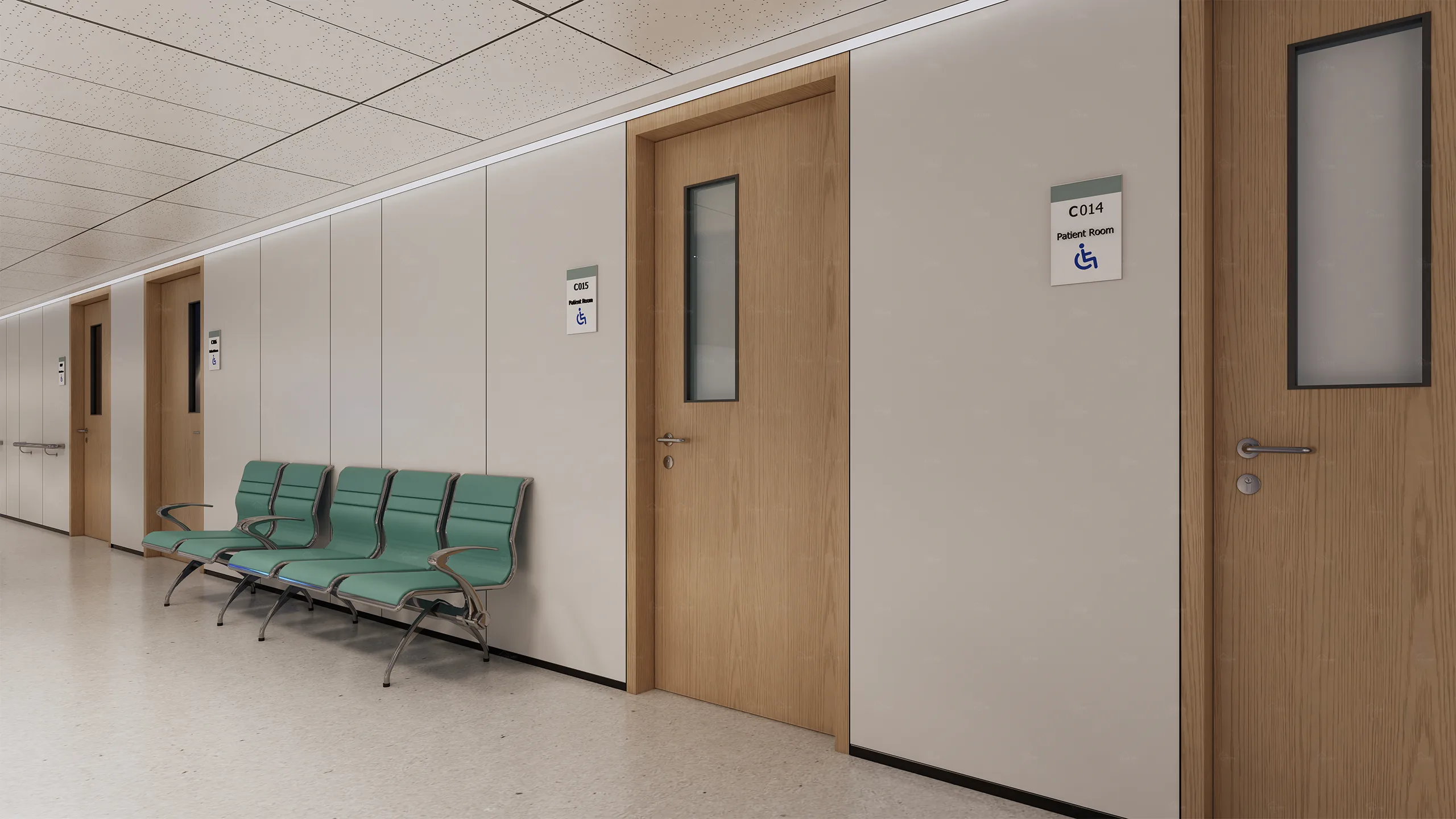
Fire-retardant doors are crucial in healthcare facilities such as hospitals, nursing homes, and medical centers. These buildings often have high occupancy and may contain many people with limited mobility, making fire safety even more critical. Fire doors in hospitals help to keep patients, staff, and visitors safe by creating fire-resistant compartments within the building. This prevents a fire from spreading across floors or from one ward to another, giving everyone more time to evacuate safely.
Hospitals and medical facilities also have a variety of rooms that require different fire ratings depending on the risk level. For example, operating rooms or areas with flammable medical supplies may require higher-rated fire doors, such as 60- or 90-minute doors, to ensure maximum protection.
In educational facilities, fire doors protect students, staff, and faculty members in schools, universities, and daycare centers. These buildings often have large open spaces, classrooms, and hallways, all of which require fire doors to prevent the spread of fire and smoke. Fire doors in schools are typically installed in corridors, classrooms, and stairwell entrances.
In both healthcare and educational settings, composite fire retardant doors are often used because they combine fire protection with aesthetic appeal. These doors are available in various styles and finishes, making them suitable for the clean, modern environments found in schools and hospitals, without sacrificing safety.
Benefits of Fire Retardant Doors
Safety First: Protection from Fire
The most obvious and essential benefit of fire retardant doors is safety. These doors are designed to act as barriers between fire-prone areas and escape routes, significantly slowing the spread of flames and smoke. In case of a fire, a fire-retardant door gives you critical time to evacuate the building and for fire departments to respond. For example, in a high-rise building, where evacuating people can take longer, a fire door can give residents more time to get out safely.
Fire doors are designed to contain fires within designated areas, preventing them from spreading into hallways or stairwells. This is especially important in commercial buildings like offices, schools, or hotels, where people may not immediately realize there’s a fire. A well-placed fire door prevents fire from spreading to other parts of the building, enabling safer, more organized evacuations.
For residential properties, fire retardant doors offer peace of mind, particularly in areas like kitchens and garages, where fire hazards are higher. These doors provide homeowners with extra protection by preventing a fire from spreading to the rest of the house, giving family members more time to escape.
Durability and Cost-Effectiveness
Another key benefit of fire retardant doors is their durability. Made from strong materials such as steel, composite, or fire-treated wood, these doors are designed to withstand the wear and tear of everyday use and resist fire. Unlike regular doors, which can warp, rot, or break under pressure, fire doors maintain their shape and effectiveness over time, making them a long-lasting investment.
In commercial buildings, where fire doors are frequently used in high-traffic areas, this durability ensures the doors remain functional and reliable for years. Metal and composite fire doors are particularly well-suited for these environments because they resist physical damage and environmental factors like humidity and temperature changes. This means fire doors require less maintenance and repair over time, reducing overall building upkeep costs.
For residential buildings, fire doors are also a cost-effective solution. Although the initial price might be higher than that of regular doors, the added protection, energy efficiency, and potential savings on insurance premiums make fire doors a wise investment. They can last for decades, making them more economical in the long run, especially if you factor in the reduced need for replacements and repairs.
Aesthetic Considerations
While fire-retardant doors are primarily designed for safety and protection, they also come in a variety of styles that can complement any interior design. Whether you prefer the warmth of timber or the sleek look of metal, fire doors are available in a range of finishes and designs to suit different tastes. This makes it easy to incorporate them into your building’s aesthetic without compromising safety.
In commercial spaces, composite fire doors are often chosen because they combine the look of wood with the fire-resistant properties of metal. These doors can be installed in offices, hotels, and shopping centers, offering a stylish appearance while still performing their critical fire-safety function.
In residential homes, fire-retardant doors can be made to match the home’s overall design. For example, a fire-resistant wooden door can blend seamlessly with a traditional house, while a steel fire door might be better suited for a more modern, industrial-style property. Many fire doors also come with customizable options for color, finish, and hardware, so homeowners can choose a door that fits their style.

Conclusion
The Essential Role of Fire Retardant Doors in Building Safety
Fire retardant doors are a critical component of any building’s fire safety strategy. They play an essential role in protecting lives and property by containing fires and smoke, allowing people more time to evacuate safely. Whether in commercial, industrial, or residential settings, fire doors act as barriers that prevent flames from spreading, keeping escape routes clear, and reducing damage to buildings.
These doors are more than just safety features; they provide durability, cost-effectiveness, and aesthetic flexibility. From metal to composite and timber options, fire doors come in a variety of styles to fit any design while still offering reliable fire protection. The peace of mind they provide is invaluable, knowing they are working behind the scenes to ensure your safety and that of those around you.
Installing the right fire retardant door is an investment in safety. Whether it’s for your home, office, or industrial facility, these doors help minimize risk and meet necessary fire safety standards. When building or renovating, always consider the importance of fire-retardant doors—they are truly essential for keeping your building and its occupants safe from fire.sadssds
Relate FAQ
What is a fire door?
A fire door is a specialized door designed to resist the spread of fire and smoke between different areas of a building. These doors are an essential part of a building's fire safety strategy, typically made with materials like metal or fire-resistant timber. Fire doors are equipped with seals, hinges, and closing mechanisms that ensure they perform well during a fire, helping to protect people and property.
How do fire doors work?
Fire doors function by preventing the passage of flames and smoke to other parts of the building, allowing more time for occupants to evacuate safely. When a fire occurs, the fire door closes automatically and forms a barrier between the fire and unaffected areas. This stops or slows the spread of the fire, minimizing damage and increasing safety for building occupants.
What are the key components of a fire door?
The essential components of a fire door include:
- Fire-resistant Door Leaf: This is the main part of the door, designed to withstand high temperatures.
- Frame: The frame holds the door and provides structural integrity.
- Seals: Intumescent seals expand when exposed to heat, helping to block gaps around the door.
- Hinges, Handles, and Locks: All fittings must be fire-resistant and properly installed to ensure the door's effectiveness during a fire.
- Closer Mechanisms: These devices ensure the door automatically closes after being opened, preventing it from staying ajar during an emergency.
What fire rating should a fire door have?
The fire rating of a fire door refers to the amount of time it can withstand fire exposure before failing. Fire doors typically come with ratings such as 30 minutes (FD30), 60 minutes (FD60), or 120 minutes (FD120). The required fire rating depends on the building's specific fire safety plan and regulations. It is important to choose a fire door with an appropriate rating based on the building's needs.
How do I maintain a fire door?
Maintaining a fire door is critical to ensure it functions properly in an emergency. Key maintenance tasks include:
- Regularly checking that the door closes properly and forms a tight seal.
- Ensuring that the door is not propped open, as this can compromise its performance.
- Inspecting hinges, locks, and seals for any damage.
- Ensuring that the door is free from any obstructions that may prevent it from closing properly.
Can a fire door be installed in any building?
Fire doors can be installed in both residential and commercial buildings, including offices, apartments, schools, hospitals, and industrial settings. However, the installation must comply with local building regulations, which dictate the type of fire doors needed based on the building's layout, use, and fire safety requirements. It’s essential to consult with a professional when installing a fire door to ensure it meets safety standards.
Why are fire doors important for building safety?
Fire doors play a crucial role in building safety by slowing the spread of fire and smoke. This gives occupants more time to escape and allows firefighters to do their job effectively. Without fire doors, fire can spread quickly throughout a building, putting lives and property at greater risk. They are part of a comprehensive fire safety system that includes alarms, sprinklers, and emergency exits.