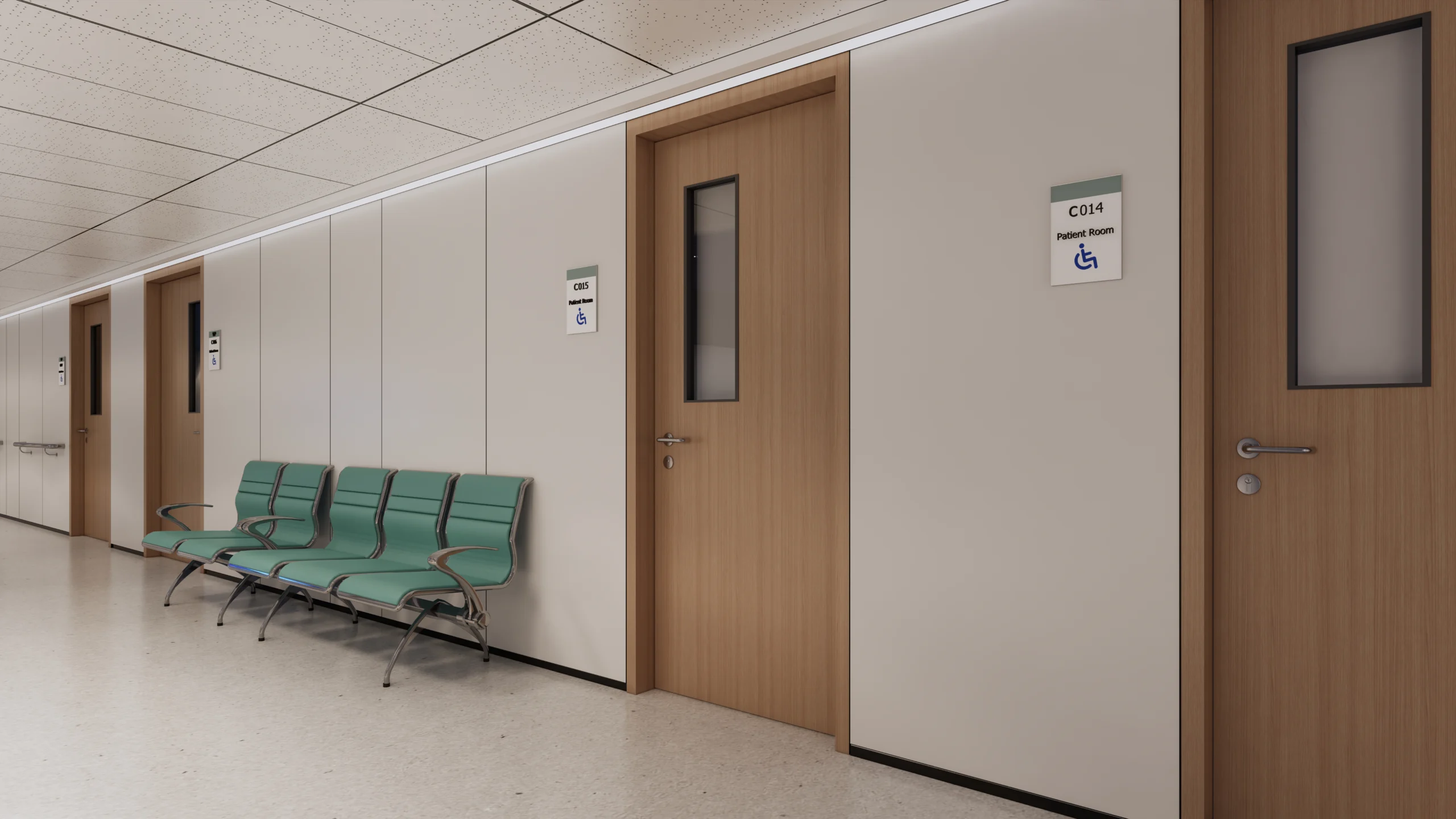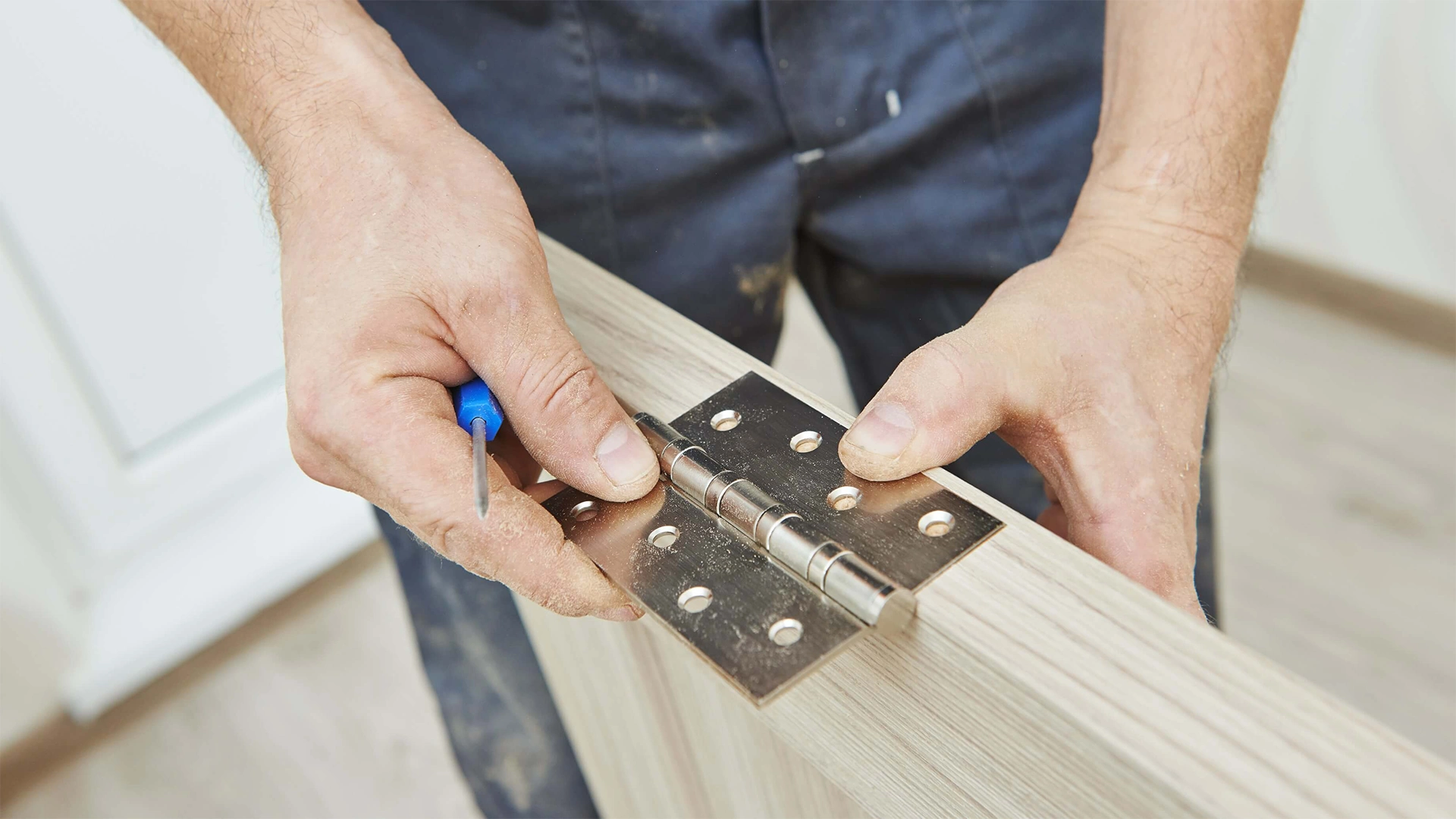
How do fire doors work?
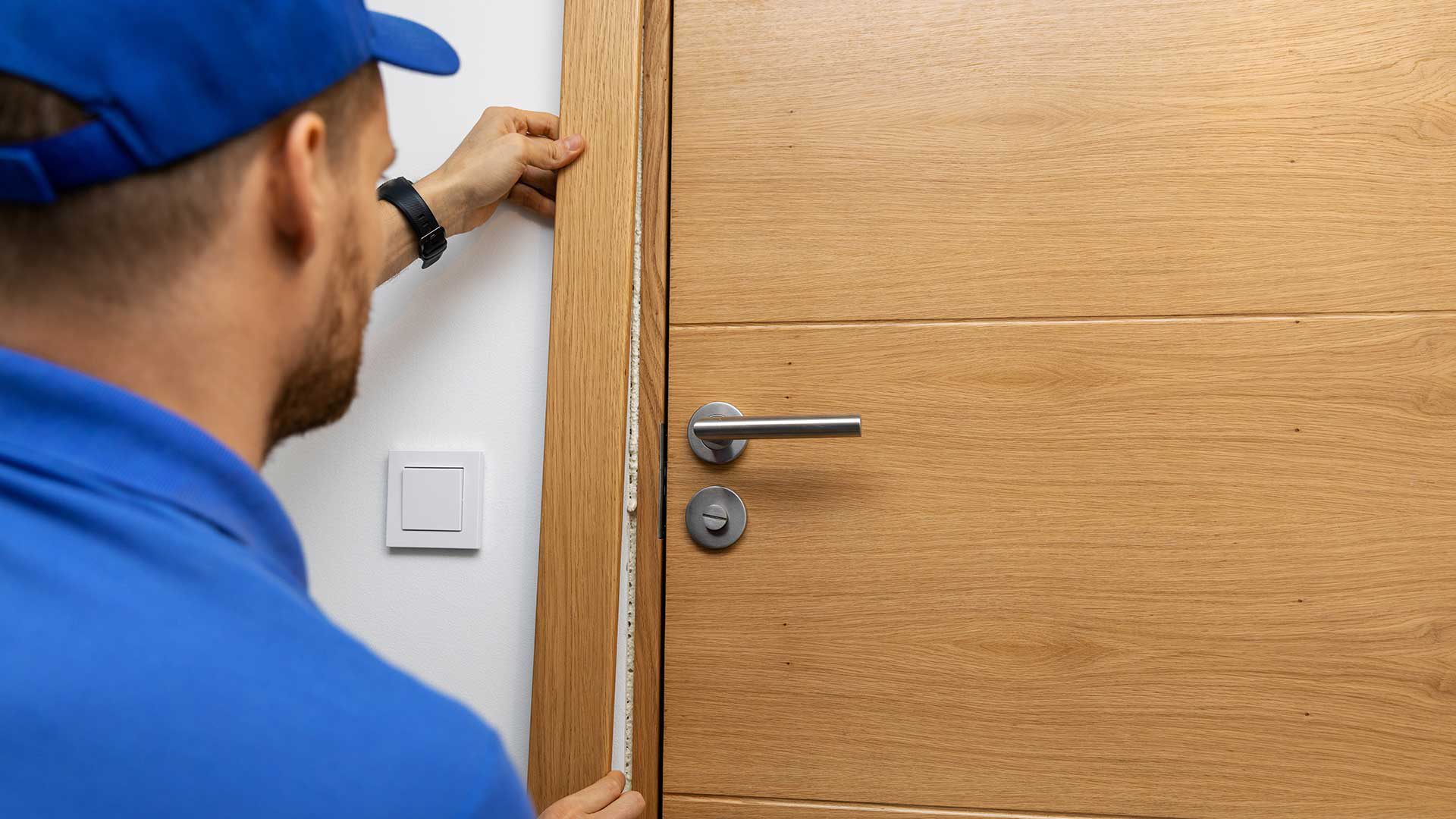
Introduction to Fire Door
When it comes to protecting your building from the devastating effects of a fire, fire doors play an essential role. These specially designed doors help contain fires within a specific area, preventing them from spreading to other parts of the building. Whether it’s a commercial space, residential home, or industrial facility, fire doors are a critical safety feature that can save lives and minimize property damage.
What is a Fire Door?
A fire door is a specially constructed door that is designed to resist the spread of fire and smoke from one room to another. It is made from fire-resistant materials such as steel, wood, or a combination of both. These doors are equipped with specific features that help them perform their job effectively, such as fire-resistant seals and hardware.
The primary purpose of a fire door is to compartmentalize a building, keeping fire in one area and protecting the other parts of the building. When closed, a fire door can withstand high temperatures for a certain amount of time, which can range from 30 minutes to up to 2 hours, depending on the fire rating.
There are several types of fire doors, including wooden fire doors and steel fire doors, each offering different levels of protection and suitable for various environments. These doors also often come with features like self-closing mechanisms to ensure they remain in place when not in use.
Importance of Fire Doors in Safety
Fire doors are absolutely vital in any safety plan. Their main function is to slow or stop the spread of fire and smoke, giving building occupants valuable time to evacuate or reach a safer area. Without fire doors, fires can spread rapidly, causing serious harm to people and significantly increasing property damage.
1. Life-saving Protection:
In the event of a fire, fire doors can protect you and your family or coworkers by keeping fire and smoke at bay. They can compartmentalize different sections of a building, allowing people to escape to safety while preventing the fire from spreading too quickly.
2. Minimizing Property Damage:
Fire doors don’t just protect lives—they also protect property. By containing a fire in one area, fire doors prevent it from destroying the entire building. This helps save valuable assets and reduces repair costs.
3. Compliance with Safety Regulations:
Many countries have strict fire safety regulations that require buildings to have fire doors. For example, in commercial properties and high-rise buildings, fire doors are often a legal requirement. Compliance not only helps meet legal obligations but also ensures the safety of everyone within the building.
4. Peace of Mind:
Knowing that your building is equipped with fire-rated doors gives you peace of mind. These doors are tested and proven to perform in a fire situation, so you can rest assured that they will work as intended when needed most.
Summary
In conclusion, fire doors are much more than just a physical barrier—they are a critical part of any fire safety plan, helping to save lives, protect property, and comply with safety laws. Ensuring that you have the right fire doors installed and properly maintained is a small investment that could make a world of difference in an emergency.

How Fire Doors Work?
Understanding how fire doors work is key to appreciating their role in keeping buildings safe. These doors are designed to contain a fire for a specified amount of time, preventing its spread and allowing people to evacuate safely.
Fire Resistance and Heat Insulation
One of the most important features of a fire door is its ability to resist high temperatures. Fire doors are built with materials that are specifically designed to withstand heat and prevent it from passing through. These doors have a fire-resistance rating—typically ranging from 30 to 120 minutes—meaning they can withstand extreme heat for that amount of time before they begin to weaken.
The heat insulation properties of a fire door are achieved through the combination of materials that don’t conduct heat easily, such as mineral core panels in metal fire doors or specific fire-resistant woods. This heat resistance keeps temperatures in other parts of the building lower and buys valuable time for occupants to escape.
In addition, the thermal insulation in fire doors helps to reduce the spread of heat, so that fire and smoke can be contained in one area. This gives first responders a better chance of managing the fire and minimizing damage.
How Fire Doors Prevent the Spread of Fire?
Compartmentalization:
Fire doors are a crucial part of a building’s fire compartmentalization strategy. By closing off different areas of a building, these doors prevent the fire from moving into other parts. This is especially important in large buildings, where a fire can spread quickly without proper containment.
Smoke Control:
Besides fire, smoke is one of the biggest dangers in a fire situation. Fire doors are designed to prevent smoke from leaking into different areas, allowing people to move safely to exits. Many fire doors have smoke seals that create a tight seal when the door is closed, preventing smoke from passing through the gaps.
Time is Key:
The fire resistance of a fire door means that it will hold back a fire for a specific amount of time—usually at least 30 minutes, but sometimes longer. This extra time allows people to exit the building safely or for fire services to arrive and take control.
Fire Door Construction and Materials
Fire doors are built using special materials that allow them to resist fire and heat. The type of materials used in a fire door will depend on its intended use and fire rating.
1. Core Materials:
The core of a fire door is what makes it fire-resistant. The most common materials used for the core are mineral cores or fire-rated timber cores. These materials can withstand high temperatures for an extended period.
2. Face Materials:
The outer layer of a fire door is typically made of either steel, composite materials, or fire-rated wood. Steel is often used in commercial and industrial settings for its strength, while wooden fire doors are commonly found in residential buildings. These materials are designed to maintain the integrity of the door during a fire and prevent it from collapsing.
3. Hinges and Hardware:
The hinges and hardware used in fire doors are specially designed to withstand high temperatures. They are often made from fire-resistant metal that will not warp or fail under heat, ensuring the door stays in place during an emergency.
Seals and Gaskets: Keeping Fire at Bay
To work effectively, fire doors need to have proper seals and gaskets. These seals are what ensure the door forms a tight barrier against fire, smoke, and heat.
1. Intumescent Seals:
Many fire doors feature intumescent seals, which are special strips that expand when exposed to heat. As the temperature rises, these seals swell up, filling any gaps between the door and frame. This helps prevent fire and smoke from seeping through, keeping the compartment safe.
2. Smoke Seals:
In addition to fire seals, smoke seals are crucial for blocking smoke from passing through the edges of the door. They are typically made of materials that remain flexible and create a tight seal against the frame when the door is closed.
3. Gasket Materials:
The gaskets used in fire doors are designed to remain intact even under intense heat. They are often made from silicone or rubber, ensuring a long-lasting seal that doesn’t crack or degrade over time.

Types of Fire Doors
Fire doors are critical elements in building safety. They are designed to prevent the spread of fire and smoke, helping to protect occupants and property. The type of fire door used can vary based on the building’s needs, material preferences, and fire resistance requirements.
Wooden Fire Doors
Wooden fire doors are a traditional and widely used option in residential and commercial buildings. Made from solid wood or a core of fire-resistant materials, these doors are designed to withstand fire for a certain period, typically up to 60 minutes.
The advantage of wooden fire doors is that they can blend seamlessly with the aesthetics of a building. They can be easily customized in terms of size, style, and finish, making them a popular choice for interior spaces. However, it is essential to ensure that wooden fire doors are properly maintained and treated to enhance their fire resistance. Additionally, they may require additional fire-resistant coatings or intumescent seals to improve their performance during a fire.
Wooden fire doors are ideal for areas like offices, residential homes, and hotels, where both safety and design are a concern. When properly installed, these doors provide a reliable barrier against the spread of fire and smoke, buying precious time for evacuation.
Metal Fire Doors
Metal fire doors are a robust and durable option often used in high-risk areas like factories, industrial plants, and commercial buildings. Made from materials like steel or aluminum, metal fire doors are known for their superior strength and fire resistance. They can typically withstand fires for 60 to 120 minutes, making them highly effective in preventing the spread of fire and smoke.
Metal fire doors are less likely to warp or swell under heat, which makes them a better option for areas that may experience extreme conditions. These doors are often equipped with advanced seals and intumescent strips that expand when exposed to heat, helping to seal the door further and improve its fire rating.
While metal fire doors may not be as aesthetically flexible as wooden doors, they offer exceptional protection. They are often used in high-traffic areas like stairwells, hallways, and emergency exits, where fire protection is critical.
Composite Fire Doors
Composite fire doors are a modern solution that combines the benefits of both wooden and metal fire doors. Made from a combination of materials such as timber cores, glass, and metal facings, composite fire doors are designed to provide excellent fire resistance while maintaining a high level of aesthetic appeal.
These doors are incredibly versatile, offering the strength of metal and the design flexibility of wood. Composite fire doors are typically fire-rated for 60 minutes or more and can be used in both residential and commercial properties. They can be designed to match a wide range of interiors, from modern office spaces to luxury hotels.
What sets composite fire doors apart is their energy efficiency. Many composite doors are designed to insulate better than traditional wood or metal options, which can help improve energy savings in buildings. They also tend to be lighter than metal doors, making them easier to handle and install.
Summary
Choosing the right type of fire door depends on several factors, including fire resistance ratings, aesthetic preferences, and the building’s requirements. Whether you opt for a wooden, metal, or composite fire door, the most important thing is to ensure that the door is properly installed and maintained to provide the best possible protection in the event of a fire.
Fire Door Ratings and Standards
Fire doors are crucial for building safety, and understanding their ratings and standards is key to ensuring their effectiveness.
What Does a Fire Rating Mean?
A fire rating is the amount of time a fire door can resist the spread of fire and smoke. It is measured in minutes and refers to how long the door will hold up in the event of a fire. The fire rating of a door is determined by a test that exposes the door to fire under controlled conditions. The door must meet specific performance standards during this test to earn a fire rating.
The fire rating is critical because it helps to determine where and how a fire door should be used within a building. Higher fire ratings generally mean the door will provide better protection. For example, a door with a 60-minute fire rating can withstand fire for an hour, while a door with a 120-minute rating provides two hours of protection. Fire doors are an essential part of a building’s fire safety strategy, ensuring that occupants have enough time to evacuate safely.
Different Fire Ratings Explained
Fire doors come with various ratings depending on their design, materials, and the fire resistance required for specific applications. Here is a breakdown of the different fire ratings:
30-Minute Fire Door
A 30-minute fire door offers basic protection. These doors are commonly used in low-risk areas such as internal offices or storage rooms where fire hazards are minimal. A 30-minute rating means the door can withstand fire for half an hour, giving people in the building time to escape safely. These doors are often used for interior rooms in residential buildings and commercial spaces.
60-Minute Fire Door:
A 60-minute fire door provides a moderate level of protection. These doors are suitable for areas like corridors or stairwells that act as fire escape routes. The 60-minute rating ensures the door can hold back flames and smoke for an hour, allowing more time for evacuation and limiting the damage to the building.
90-Minute Fire Door:
A 90-minute fire door is ideal for high-risk areas such as industrial buildings, warehouses, or areas where hazardous materials are stored. These doors offer enhanced protection, providing an additional 30 minutes over the 60-minute rating. A 90-minute fire door can protect critical areas for up to one and a half hours, which can be vital for safe evacuation in larger or more complex buildings.
120-Minute Fire Door:
A 120-minute fire door offers the highest level of fire resistance and is typically used in areas where maximum fire protection is required, such as power stations, data centers, and large commercial buildings. These doors can resist fire for two hours, providing a significant amount of time for building evacuation and protecting valuable assets.
Regulatory Standards for Fire Door
Fire doors must meet specific standards to ensure their reliability and effectiveness. Various regulatory bodies have set standards to test and certify fire doors based on their performance in fire conditions. Below are some of the most commonly used standards for fire doors:
BS 476 (British Standard):
BS 476 is a UK standard that sets the requirements for the fire resistance of building materials and elements, including fire doors. It is widely used to assess the fire resistance of doors, windows, and other building components. Fire doors tested under BS 476 are evaluated based on their ability to withstand fire and prevent smoke and heat from passing through for the designated time.
EN 1634 (European Standard):
EN 1634 is the European standard for fire resistance tests on building components and fire doors. It is similar to the BS 476 standard but is used across Europe. The EN 1634 test evaluates how long a fire door can withstand fire, smoke, and heat while maintaining its integrity. This standard is used to ensure that fire doors provide adequate protection in European buildings.
UL (Underwriters Laboratories):
UL is a global safety certification organization that tests and certifies fire doors for their ability to resist fire and smoke. The UL fire rating system is commonly used in the United States and North America. Fire doors tested by UL undergo rigorous fire resistance testing to determine how long they can protect against flames, smoke, and heat. UL ratings are crucial for compliance with safety regulations in many regions.
AS 1905 (Australian Standard):
AS 1905 is the Australian standard that governs the fire resistance of building elements, including fire doors. It provides guidelines for testing the fire resistance of doors and other building materials to ensure they can withstand fires and protect occupants. The AS 1905 standard is widely used in Australia to ensure the safety and effectiveness of fire doors in preventing fire and smoke from spreading.
Summary
Fire door ratings and standards play a significant role in ensuring the safety of buildings and their occupants in the event of a fire. Understanding the different fire ratings and the regulatory standards will help you select the right fire door for your needs. It’s important to choose a fire door with an appropriate rating based on the fire risks of your building and to ensure it meets the necessary standards to provide reliable protection.
Key Features of Fire Door
A fire door is much more than just a barrier; it’s a critical element of a building’s safety system, designed to help contain fire and smoke for a specific period. The key features of a fire door determine its effectiveness in preventing the spread of fire, smoke, and heat, ensuring that people have time to escape safely.
Self-Closing Mechanisms
One of the most important features of a fire door is the self-closing mechanism. This ensures that the door closes automatically after being opened, which is essential for maintaining the door’s fire resistance. Fire doors must be kept closed at all times to perform effectively in a fire situation, as even a small gap can allow smoke or flames to pass through, compromising the safety of the building.
Self-closing fire doors typically have spring-loaded devices, hydraulic closers, or electromagnetic closers, depending on the door’s design. These closers ensure that the door will automatically shut when released, even if it’s not fully closed. This is particularly useful in high-traffic areas or locations where doors are frequently opened, as it guarantees the door will remain closed and functional in case of an emergency.
Fireproof Hinges and Locks
Another crucial feature of fire doors is the fireproof hinges and locks. These components are designed to withstand the intense heat of a fire without warping, melting, or becoming damaged. The hinges are often made from steel or other high-strength materials, ensuring that the door remains properly aligned and functional during a fire.
Fireproof locks are equally important, as they help maintain the integrity of the door during a fire. In many cases, fire-rated locks are designed to operate normally under heat, allowing for quick, easy opening if needed during evacuation. However, they also ensure that the door remains closed during a fire, preventing the spread of smoke and flames. Both hinges and locks are critical to the fire door’s overall performance and must be tested to meet specific fire safety standards.
Vision Panels: Are They Safe?
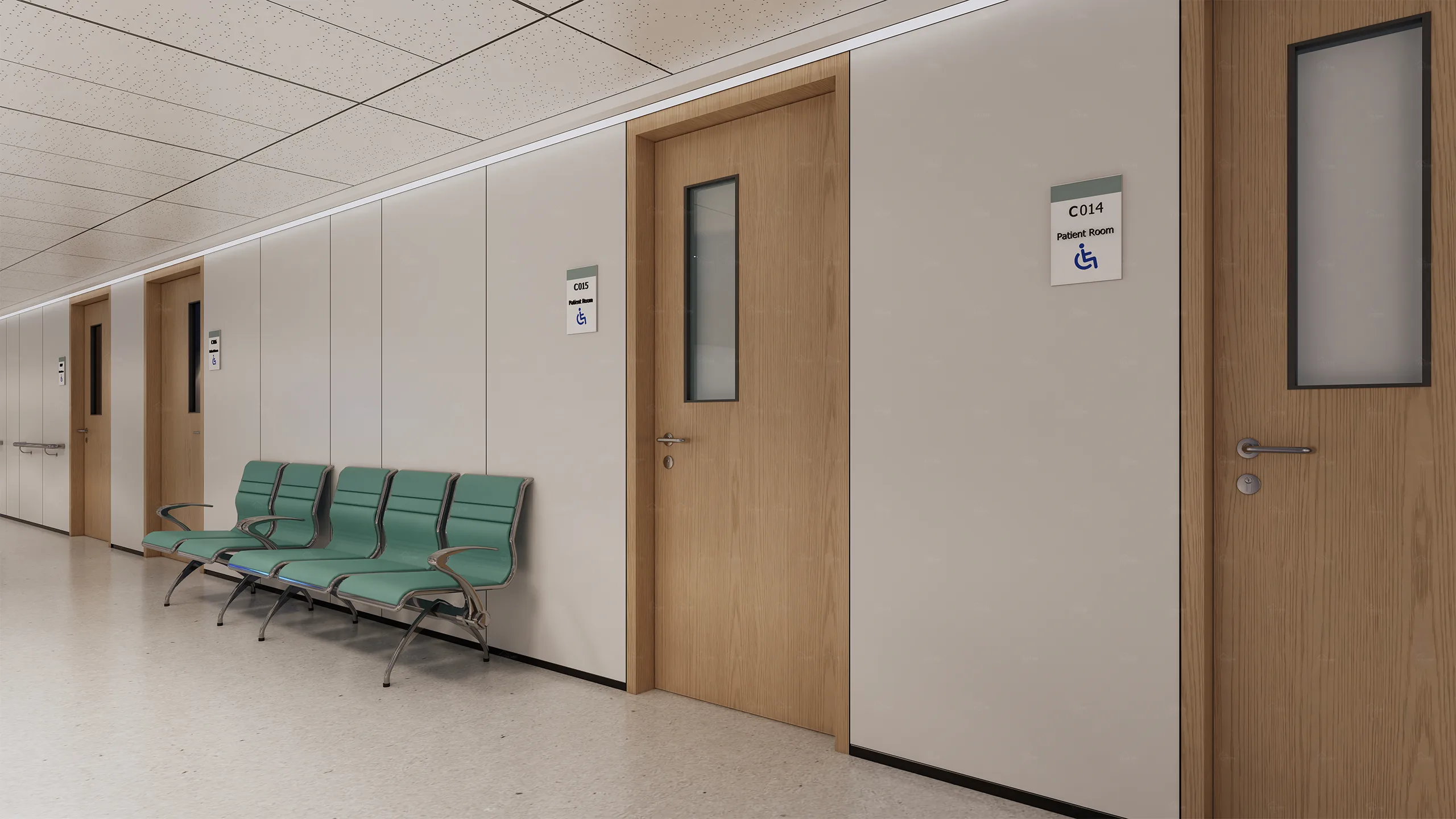
Vision panels are small, transparent windows installed in fire doors to allow people to see through the door, making it easier to assess the situation on the other side without opening it. While vision panels can provide valuable visibility, they need to be carefully selected and installed to ensure they don’t compromise the door’s fire resistance.
Typically, vision panels are made from fire-resistant glass that is rated to withstand fire for a certain period, usually 30 minutes or more. These panels are crucial in situations where visibility is necessary, such as in corridors or rooms with high foot traffic. However, it’s important to note that not all vision panels are created equal. Some low-quality panels may not provide sufficient protection, allowing fire or smoke to pass through. When choosing a fire door with a vision panel, it’s important to verify that the glass is rated for the appropriate fire resistance and that the frame surrounding the panel is also fire-resistant.
How Door Frames and Fittings Affect Performance?
The door frame and other fittings are just as important as the fire door itself. A fire door’s frame must be constructed from materials that complement the door’s fire-resistant properties. If the frame is made from weaker materials or is poorly fitted, the door’s overall performance can be compromised. For example, a poorly installed frame may create gaps around the door, allowing fire and smoke to pass through.
The fittings, such as seals and gaskets, also play a critical role in the door’s performance. Fire door seals are designed to expand when exposed to heat, filling any gaps around the door and preventing the passage of smoke and fire. Intumescent strips are commonly used for this purpose. They expand as the temperature rises, ensuring that the door remains airtight and fire-resistant.
Additionally, the quality of installation is key. Even the best fire doors can fail if they are not installed correctly. The door must be perfectly aligned within the frame, with proper clearance and secure fittings. Ensuring that a professional installs fire doors can make a significant difference in their ability to perform during an emergency.
Summary
The key features of a fire door—self-closing mechanisms, fireproof hinges and locks, vision panels, and the door frame and fittings—work together to provide essential protection in the event of a fire. These features ensure that the door can withstand fire and smoke, giving occupants enough time to evacuate safely.
Fire Door Maintenance and Inspection
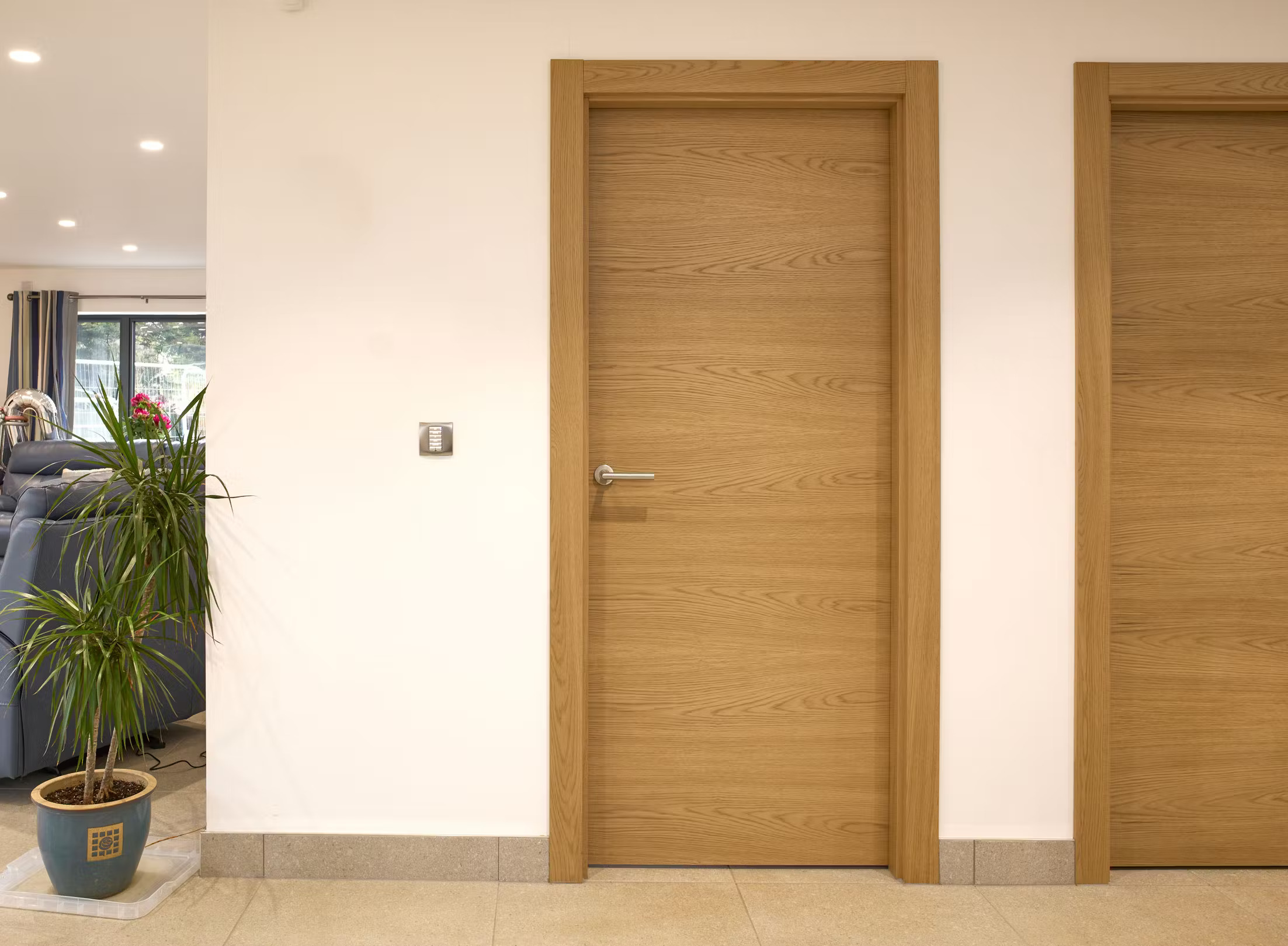
Fire doors are crucial for building safety, but like any safety feature, they require regular care and attention to perform at their best. Proper fire door maintenance and inspections ensure that the door remains effective in the event of a fire.
Regular Inspections: Why They’re Crucial?
Regular inspections are essential for ensuring that fire doors continue to meet safety standards and function properly. A fire door is only effective if it is maintained in excellent condition. Inspections help identify any issues before they become serious problems, ensuring that the door will perform as expected during an emergency.
During an inspection, the fire door should be checked for any damage to the door, frame, seals, hinges, and locking mechanism. This includes checking for gaps around the door, any wear on the seals, and verifying that the self-closing mechanism works correctly. The hinges and locks must also be tested to ensure they are fire-resistant and secure. It’s important to keep in mind that some issues may not be immediately visible, so a thorough inspection should be conducted at least once a year.
Moreover, regular inspections help ensure compliance with local fire safety regulations, which may require documented checks. Failing to inspect fire doors could result in penalties and, more importantly, leave the building unprotected during a fire.
How to Maintain Fire Doors for Maximum Safety?
Maintaining fire doors properly is vital for their performance and longevity. Here are some tips to ensure your fire doors remain in top condition:
1. Keep the Door Closed:
One of the simplest ways to maintain a fire door is to ensure that it remains closed at all times. Fire doors should never be wedged open, as this compromises their effectiveness. Use self-closing mechanisms and ensure they are always in good working order.
2. Check the Seals:
The intumescent seals around the door expand when exposed to heat, sealing the door and preventing the spread of smoke and fire. Check these seals for signs of damage, such as cracking, tearing, or detachment. If the seals are compromised, replace them immediately.
3. Clean the Door:
Regularly cleaning the door helps prevent dust and debris from interfering with its functionality. However, avoid using harsh chemicals that could damage the fire-resistant materials. A gentle clean with a damp cloth is usually sufficient.
4. Inspect the Hinges and Locks:
Fireproof hinges and locks must be regularly checked to ensure they are not damaged or corroded. Hinges should allow the door to open and close smoothly without sticking. Locks must be fully operational, allowing the door to remain securely closed when not in use.
5. Test the Self-Closing Mechanism:
Ensure that the door’s self-closing mechanism works effectively. The door should close smoothly and securely without requiring too much force. If the mechanism is not functioning properly, it should be repaired or replaced immediately.
6. Check for Gaps:
Even small gaps around the edges of a fire door can allow smoke and heat to pass through. Check that the door fits tightly within the frame, and ensure there are no gaps. If any are found, adjust the door or replace the seals as needed.
Signs of Wear and Tear: When to Replace a Fire Door?
Despite regular maintenance, fire doors can experience wear and tear over time. It’s important to know when to replace a fire door to ensure that your building remains safe. Here are some signs that indicate it might be time to replace your fire door:
1. Visible Damage:
Any significant damage to the fire door itself, such as cracks, dents, or holes, can compromise its fire-resisting properties. If the door is severely damaged, it should be replaced as soon as possible.
2. Damaged Seals:
The seals around the fire door are essential for preventing the spread of smoke and fire. If the seals are broken, cracked, or missing, the door’s effectiveness will be significantly reduced. In such cases, replacing the door may be necessary if the seals cannot be adequately repaired.
3. Misalignment:
Over time, fire doors may become misaligned due to wear on hinges or the door frame. This can create gaps that allow fire and smoke to pass through. If the door cannot be realigned properly, replacement may be required.
4. Non-Functional Self-Closing Mechanism:
If the self-closing mechanism fails to work properly or if the door doesn’t close fully, it can’t perform its function during a fire. If repairs don’t restore the mechanism to full functionality, the door should be replaced.
5. Rust or Corrosion:
For metal fire doors, rust and corrosion are common issues that can compromise the door’s strength and fire resistance. If the door is severely rusted or corroded, it may be time for a replacement.
6. Outdated Standards:
Fire door regulations evolve, and compliant doors when installed may no longer meet current standards. If your fire door doesn’t meet the latest fire safety codes, it should be replaced with one that does.
Summary
Proper fire door maintenance and regular inspections are essential for ensuring your building’s safety in the event of a fire. By keeping the door in good working condition, inspecting it regularly, and replacing it when necessary, you can significantly reduce the risk of fire spreading and improve the overall safety of your building.

Fire Door Laws and Regulations
Fire doors play a crucial role in building safety, but they must meet specific fire door regulations to ensure their effectiveness in preventing the spread of fire and smoke. The laws surrounding fire doors are designed to protect lives and property, and compliance with these regulations is mandatory.
Legal Requirements for Fire Doors in Residential vs. Commercial Buildings
The legal requirements for fire doors can differ significantly between residential and commercial buildings. Fire doors are essential in both types of buildings, but the specific regulations and standards can vary based on the building’s purpose, size, and occupancy.
Residential Buildings:
In residential buildings, fire doors are primarily required in areas that act as escape routes or contain fire risks. For example, fire doors are commonly required in hallways, stairwells, and between the house and a garage or other spaces with higher fire risk. Fire-rated doors may also be needed in multi-story residential buildings, particularly in communal areas or between apartments. Fire doors in residential properties are generally required to have at least a 30-minute fire resistance rating, although this can vary depending on the local regulations.
Commercial Buildings:
Commercial buildings often face stricter regulations regarding fire doors due to the higher number of occupants and the larger scale of the building. These regulations may require fire doors with higher fire resistance ratings, such as 60-minute or 90-minute ratings, particularly in high-risk areas like kitchens, storage rooms, and industrial spaces. Additionally, commercial buildings must comply with local fire safety codes that govern the placement, installation, and maintenance of fire doors to ensure safe evacuation during emergencies.
Local Fire Safety Codes and How They Impact Fire Door Use
Local fire safety codes play a critical role in determining the specifications for fire doors in both residential and commercial buildings. These codes outline the required standards for fire-resistant doors, materials, installation, and maintenance to ensure the safety of building occupants.
Building Codes:
Many local jurisdictions follow national or regional building codes that include fire door requirements. For example, in the United States, the NFPA 80 standard (National Fire Protection Association) governs fire door installation and maintenance. In Europe, the EN 1634 standard provides guidelines for fire door testing. These codes specify the fire resistance ratings, installation procedures, and maintenance protocols for fire doors to ensure they perform as intended during a fire.
Local Variations:
While national codes provide general guidance, local regulations may add additional requirements based on regional fire risks or building types. For example, in high-risk areas like hospitals, schools, or high-rise buildings, local authorities may impose stricter fire door regulations. Some regions may also require fire doors with vision panels to be made from specific fire-resistant glass or may restrict certain types of materials for use in fire doors.
Penalties for Non-Compliance with Fire Door Regulations
Non-compliance with fire door regulations can have serious consequences, both legally and financially. The penalties for failing to adhere to fire door laws and fire safety codes can vary depending on the severity of the violation and the local regulations.
Fines:
Building owners or managers who fail to comply with fire door regulations may face significant fines. These fines can be imposed for various reasons, such as failure to install the correct type of fire door, failure to maintain the doors properly, or failure to conduct required inspections. The amount of the fine typically depends on the jurisdiction and the nature of the violation.
Legal Action:
In more severe cases, particularly if non-compliance results in harm or injury, building owners may face legal action. If it is proven that a fire door was improperly installed, maintained, or inspected, and it led to the spread of fire or injury, the building owner may be held liable for damages. This could lead to lawsuits and the possibility of substantial financial settlements or compensation claims.
Closure or Evacuation Orders:
In extreme cases of non-compliance, local authorities may issue orders for the building to be closed or evacuated until the fire door violations are corrected. This can lead to business disruptions, loss of revenue, and the cost of making the necessary changes to meet fire safety standards. In some cases, repeated non-compliance may result in a building being deemed unfit for occupancy.
Insurance Issues:
Failing to comply with fire door regulations can also affect a building’s insurance coverage. If an insurance company determines that a building does not meet fire safety standards, it may refuse to provide coverage in the event of a fire. Alternatively, the insurer may increase premiums or revoke coverage altogether. This could have serious financial implications for the building owner or business operator.
Conclusion
Understanding and adhering to fire door laws and regulations is crucial for ensuring the safety of building occupants and protecting property in the event of a fire. The legal requirements for fire doors vary between residential and commercial buildings, with stricter standards typically applied in commercial settings. Local fire safety codes provide the guidelines that govern the installation and maintenance of fire doors, while failure to comply with these regulations can result in fines, legal action, and insurance issues.

Conclusion
Fire doors are not just an essential building feature; they are a critical part of any building’s fire safety strategy. By providing effective fire resistance and acting as barriers against the spread of fire and smoke, fire doors help protect lives and property. Their role in preventing fires from spreading is vital to ensuring safe evacuation and minimizing damage during a fire emergency.
The Importance of Fire Doors in Building Safety
The importance of fire doors in building safety cannot be overstated. These doors are designed to contain fires, prevent smoke from spreading, and give people enough time to evacuate a building safely. Without properly installed and maintained fire doors, buildings are at much higher risk in the event of a fire, leading to potential harm, loss of life, and extensive property damage.
Fire doors are a proactive safety measure that can significantly reduce the impact of a fire. They help to compartmentalize the building, preventing fire and smoke from spreading to different areas. In larger buildings, fire doors are especially important in stairwells, corridors, and exit routes, where they act as barriers to protect evacuation paths. This allows for more time for residents, workers, or customers to escape safely, reducing the chances of injury or death.
Furthermore, fire doors also protect valuable assets and reduce the risk of severe damage to property. In commercial and industrial settings, where there may be expensive equipment or sensitive data, fire doors help minimize financial losses by containing fires and smoke.
Why Are Fire Doors So Important?
In summary, fire doors are an essential part of any building’s fire safety plan. They provide a first line of defense against the spread of fire and smoke, playing a key role in protecting lives, assets, and the building structure itself. With features like self-closing mechanisms, fireproof hinges, and vision panels, fire doors are designed to maintain their integrity during a fire, allowing for safe evacuation and minimizing the potential damage.
The legal requirements for fire doors vary based on the building type and local regulations, but they are always centered on ensuring that the door meets specific fire resistance standards. Regular maintenance and inspections are crucial for ensuring that fire doors function properly when needed. If not properly maintained or if they are damaged, fire doors can fail to perform, rendering them useless in a fire emergency.
Relate FAQ
How long can fire doors withstand fire?
Fire doors are rated based on their ability to withstand fire. Common ratings include 30 minutes (FD30), 60 minutes (FD60), and 120 minutes (FD120). The rating depends on the materials and construction, and it is crucial to select a fire door with an appropriate rating for the building’s fire safety plan.
Do fire doors need to be kept closed at all times?
Yes, fire doors should remain closed at all times to maintain their fire-resistant properties. In many cases, fire doors are equipped with self-closing mechanisms that automatically close the door in the event of a fire, ensuring it serves its purpose.
How do fire door seals work?
Fire door seals are crucial in ensuring that the door closes tightly and creates a barrier to smoke and heat. These seals expand when exposed to heat, creating a tight seal around the edges of the door, preventing the fire from spreading.
Are fire doors required by law?
Yes, fire doors are a legal requirement in most countries for buildings that meet certain criteria, such as those with multiple floors or large public spaces. They must be installed in specific areas to comply with building regulations and fire safety standards.
How can I tell if my fire door is effective?
To ensure a fire door is effective, it should have a fire rating label, be free from damage, and have a properly functioning self-closing mechanism. Regular maintenance and inspection are essential to ensure the door remains compliant with fire safety regulations.
How often should fire doors be inspected?
Fire doors should be inspected regularly, at least once a year, and more frequently if they are exposed to high levels of traffic or wear and tear. Inspections should check for damage, ensure the self-closing mechanism works, and verify that the door and seals are intact.
Can fire doors be installed in all buildings?
Yes, fire doors can be installed in a variety of building types, including residential, commercial, and industrial properties. The specific requirements may vary based on local building codes and fire safety regulations.