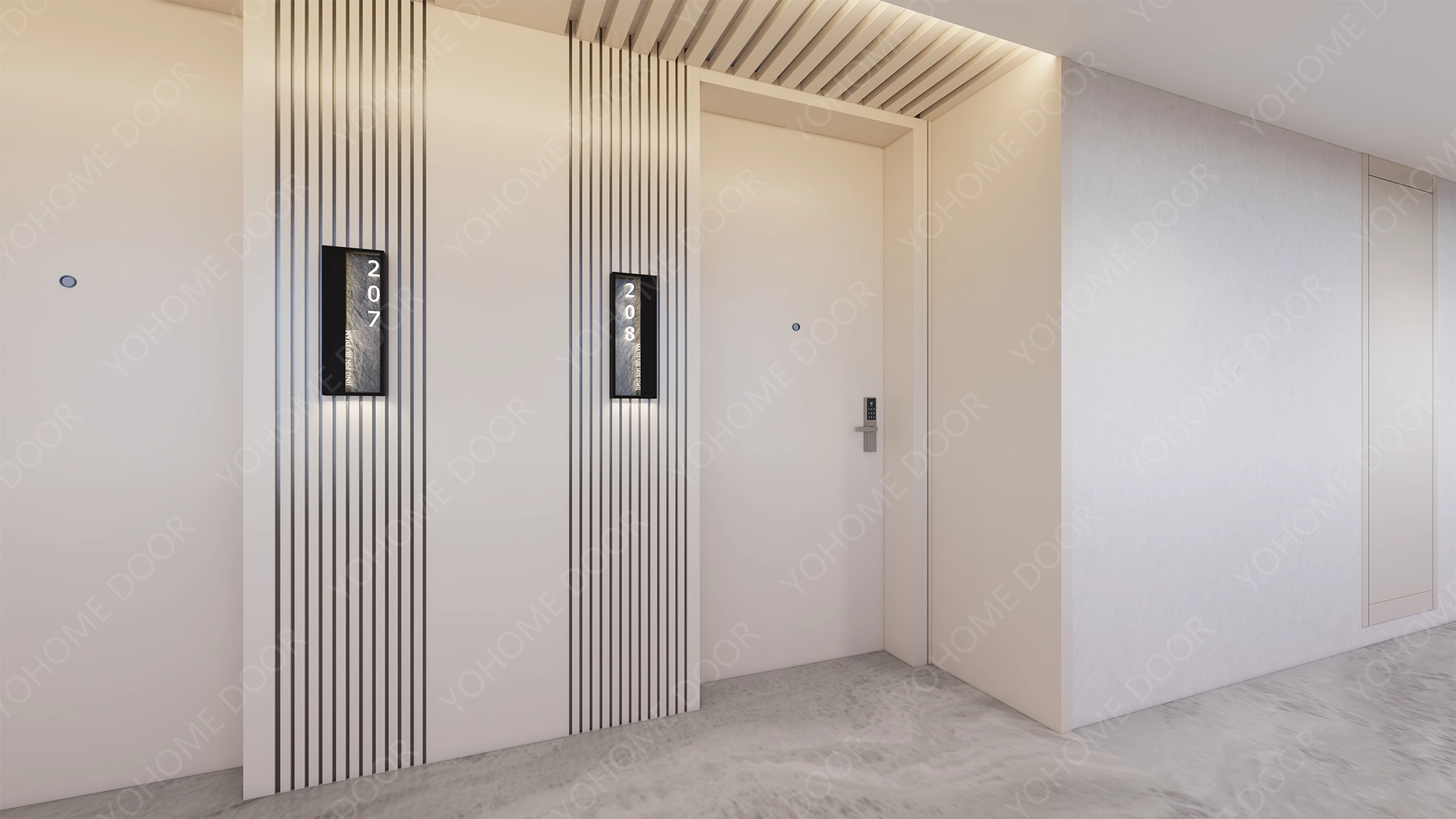
Do fire doors need to be certified?
What Are Fire Doors?
Fire doors are specially designed doors built to withstand fire for a certain period. They play a crucial role in preventing the spread of fire and smoke within a building, enabling people to evacuate safely. These doors are an essential part of any fire safety system, as they help protect both lives and property.
Definition of Fire Doors
A fire door is a door constructed from materials that can withstand high temperatures for a specified period, typically 30 to 120 minutes. Fire doors are made from materials such as steel, timber, or glass, combined with fire-resistant seals to ensure they remain intact during a fire. They are designed to close automatically, preventing fire and smoke from spreading between rooms or to other floors of the building.
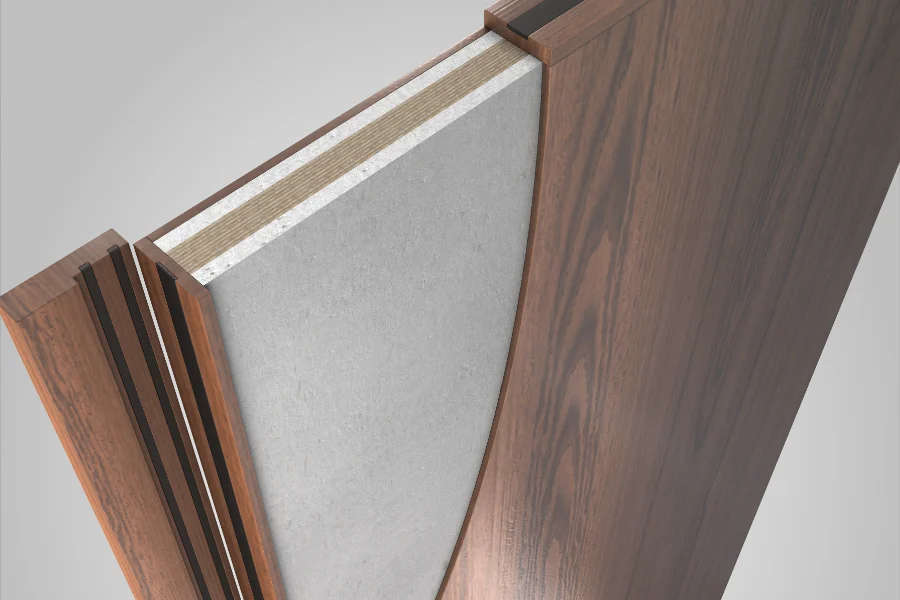
Fire doors are equipped with features that set them apart from standard doors. These include fire-resistant cores, intumescent seals that expand when heated, and robust door frames that ensure a tight seal when closed. The fire resistance rating (FRR) of these doors is a key factor, as it indicates how long the door can withstand a fire while preventing the spread of flames.
The Importance of Fire Doors in Building Safety
Fire doors are crucial for building safety. Their primary role is to prevent the rapid spread of fire and smoke, which are the leading causes of injuries and fatalities in fire incidents. In a fire, the door acts as a barrier, containing the fire to a specific area while giving people more time to evacuate safely.
These doors are designed to keep escape routes clear by blocking fire and smoke from entering hallways and stairwells. This means that even if a fire starts in one room, fire doors can help prevent it from spreading to other parts of the building, especially in multi-story buildings where fire could spread quickly. This provides critical time for fire services to arrive and control the situation.
In addition to protecting life, fire doors also help protect property by limiting the extent of fire damage. Without certified fire doors, a fire could easily spread across multiple rooms, causing massive damage to the building’s structure, contents, and valuable equipment. For businesses, protecting assets and equipment is just as important as protecting people.
Moreover, fire doors are legally required in many countries for certain buildings, especially in commercial or multi-unit residential buildings. These regulations ensure that all buildings have adequate fire protection measures in place, giving occupants the best chance of surviving a fire. Failing to install fire doors or using unapproved ones can lead to significant legal and financial consequences for building owners.
Summary
In summary, fire doors are a critical part of any building’s fire safety strategy. By providing practical barriers against the spread of fire and smoke, they save lives, protect property, and ensure compliance with safety regulations. When installed and maintained correctly, fire doors can be the difference between life and death in an emergency.

Why Certification Matters for Fire Doors?
Fire door certification is essential because it ensures the door meets specific safety standards. Certified fire doors provide reliable protection during a fire, preventing the spread of flames and smoke. Without certification, you can’t be sure if the door will perform as expected in an emergency. Certification helps ensure that fire doors perform their job when it matters most, making them an important part of any fire safety plan.
Understanding Fire Door Certification
Fire door certification is a process that verifies the door’s ability to withstand fire for a set period. Certification is conducted by testing the door’s materials, construction, and components, including the door frame, seals, and hardware. A certified fire door has passed rigorous testing to ensure it meets fire-resistance standards.
The fire resistance rating (FRR) is a key aspect of fire door certification. This rating indicates how long the door can withstand fire. For example, a fire door with a 60-minute rating can withstand a fire for up to an hour before it starts to fail. Fire doors are also tested to ensure they close properly, are easy to operate, and can handle intense heat.
Accredited testing agencies conduct certification and must comply with national and international standards. These agencies use a series of controlled fire tests to measure how well the door performs under fire conditions. Once the door passes these tests, it receives a certificate confirming compliance with safety regulations.
Legal Requirements for Certified Fire Doors
In many countries, fire doors must meet specific legal standards, particularly in commercial buildings, multi-story apartments, and certain public spaces. The law requires certified fire doors to ensure buildings are safe for occupants and that the property complies with local fire safety codes. These laws are designed to protect both lives and property in the event of a fire.
For example, in the UK and the US, building codes such as the Building Regulations and NFPA (National Fire Protection Association) standards dictate the use of certified fire doors in certain settings. These regulations are put in place by local authorities to make sure fire safety is taken seriously and that appropriate measures are in place to prevent the spread of fire.
Without certified fire doors, a building may fail to meet required fire safety standards, putting both occupants and property at risk. Non-compliance can result in fines, legal issues, or even the inability to secure insurance. In some cases, fire door certification may even be required to pass inspections or to meet the requirements of a fire safety plan.
Having certified fire doors is not only a matter of safety but also a legal obligation for building owners. Certification ensures the building complies with fire safety laws, protecting both the residents and the owner from potential liability.
Benefits of Certified Fire Doors
Certified fire doors offer several advantages that make them a vital part of a building’s overall fire protection strategy. These doors are thoroughly tested and approved by reputable authorities, ensuring they provide reliable performance when it matters most. The benefits of certified fire doors go beyond safety—they include legal compliance, insurance advantages, and more.
Improved Safety
The most important benefit of a certified fire door is enhanced safety. These doors are designed to withstand fire and heat for a specific period, preventing flames and smoke from spreading throughout the building. This gives occupants valuable time to evacuate, especially in multi-story or commercial buildings where escape routes can quickly become compromised.
A certified fire door can withstand intense heat for 20-120 minutes, depending on its rating. This added fire resistance can make all the difference in protecting lives. By keeping fire contained to one area, certified fire doors prevent it from spreading to other parts of the building, allowing fire services to respond more effectively. Ultimately, certified fire doors play a critical role in saving lives during emergencies.
Compliance with Building Codes
Another key benefit of certified fire doors is that they help ensure compliance with local and national building codes. Most jurisdictions have strict fire safety regulations that require specific types of fire doors to be installed in certain types of buildings. Certified fire doors meet these regulations, making them an essential part of maintaining a legally compliant building.
In many places, building codes require fire doors to be installed in high-risk areas, such as stairwells, hallways, and areas where hazardous materials are stored. By using certified fire doors, building owners can ensure compliance with these codes and avoid potential fines or penalties. Non-compliance can also result in the inability to pass safety inspections, which could delay occupancy or lead to costly repairs.
Insurance and Liability Considerations
Certified fire doors also help with insurance and liability considerations. Insurance companies often require that buildings meet specific fire safety standards to qualify for coverage. Installing certified fire doors can help lower insurance premiums by reducing the risk of fire spreading and causing extensive damage.
In addition, building owners and managers can benefit from the peace of mind that comes with knowing they have taken the necessary steps to comply with fire safety laws. In the event of a fire, if it’s determined that the building lacked proper fire doors or used non-certified ones, the building owner may face significant liability for damages, injuries, or even deaths. Having certified fire doors reduces the risk of this happening and can protect the owner from legal and financial repercussions.
Summary
In summary, certified fire doors offer significant benefits that go beyond just compliance. They provide improved safety, help meet building codes, and reduce insurance and liability risks. Installing certified fire doors is an investment that not only ensures a safer environment but also helps protect the building owner’s financial and legal interests.

How Fire Doors Are Certified?
Fire door certification is a rigorous process that ensures a fire door will perform effectively in the event of a fire. Certified fire doors undergo detailed testing and inspections to meet specific standards. Understanding how fire doors are certified, including the fire resistance ratings and the testing process, is key to ensuring you’re choosing doors that will provide the necessary protection.
Fire Resistance Ratings Explained
The fire resistance rating is one of the most important factors in fire door certification. This rating tells you how long a fire door can withstand fire and heat before it starts to fail. Fire resistance is measured in minutes—typically 30, 60, 90, or 120 minutes—depending on the door’s materials and construction.
A 30-minute fire door can hold back fire for up to 30 minutes, giving people enough time to evacuate or for the fire department to arrive. A 60-minute fire door can withstand a fire for 60 minutes, offering longer protection. The higher the fire resistance rating, the more heat and fire the door can endure.
It’s important to note that fire doors are tested to specific standards, such as those set by organizations like the National Fire Protection Association (NFPA) in the U.S. or BS EN 1634 in Europe. These standards ensure that fire doors meet or exceed the required fire resistance for their specific applications. The FRR is a direct reflection of how well the door is likely to perform in a real-world fire scenario.
Testing and Inspection Process for Fire Doors
The process of testing and inspecting fire doors is comprehensive and involves several key steps to ensure the door will perform effectively under fire conditions.
Initial Design and Material Review:
Before a fire door is tested, it undergoes an initial design and material review. This step ensures that the materials used in the door, frame, seals, and hardware meet the required fire-resistance standards. Manufacturers must submit their designs and materials for approval from accredited certification bodies.
Fire Resistance Testing:
The next step is to subject the fire door to controlled fire tests. These tests are conducted in specially designed fire testing facilities where the door is exposed to intense heat and flames. The goal is to see how long the fire door can withstand the fire while still functioning as a barrier to fire and smoke.
During the test, the door is monitored for any signs of failure, such as cracking, warping, or the inability to close properly. It is also tested to see how well the seals hold up and whether smoke can escape through the gaps. The door’s performance is measured against its fire resistance rating (FRR).
Post-Test Inspections:
Once fire resistance testing is complete, the door undergoes post-test inspections to ensure it meets all required criteria. This inspection checks the integrity of the door’s frame, seals, and hardware. Any defects found during testing must be addressed before the door can be certified.
Certification by Accredited Bodies:
Once the fire door passes testing and inspection, it is certified by accredited bodies. Certification organizations like UL (Underwriters Laboratories) or BM TRADA in Europe issue certificates verifying that a fire door meets the required standards. The certification is usually accompanied by a label or marking on the door that indicates its fire resistance rating and compliance with regulations.
Ongoing Inspections and Maintenance:
Even after a fire door is installed, it must undergo regular inspections and maintenance to ensure it continues to meet fire safety standards. Fire doors can lose effectiveness over time due to wear and tear, so building owners must schedule periodic inspections to ensure they remain in top condition.
Certification Bodies and Standards
Fire door certification involves a process carried out by specific organizations that test and approve doors in accordance with fire safety regulations. These certification bodies are responsible for ensuring that fire doors meet both local and international standards. The standards they apply determine how long a fire door can withstand heat and fire, the materials used, and the door’s overall construction.
These organizations follow specific standards that are aligned with national or international regulations. Certification ensures that the fire door will perform its intended function—stopping fire and smoke from spreading and protecting people until help arrives. Some countries have their own set of standards, while others follow international guidelines.
Local vs. International Certification Requirements
When it comes to fire door certification, requirements can vary by country and region. Different places have different standards based on local regulations, climate, and specific fire risks. Here’s a breakdown of how local and international certification standards differ:
- Local Certification Requirements: Local standards are often based on national fire safety codes developed by local authorities or government agencies. For example, in the United States, fire doors must meet NFPA (National Fire Protection Association) standards. Similarly, in the UK, fire doors are tested to BS EN 1634-1, which is part of the British Standards for fire resistance. These standards focus on the specific needs and risks of that particular area, ensuring that fire doors provide the appropriate level of protection.
- International Certification Requirements: In contrast, international standards are typically developed by global organizations such as ISO (International Organization for Standardization) and IEC (International Electrotechnical Commission). These standards are designed to apply broadly across countries. For example, ISO 9001 is an international standard for quality management, and many fire door manufacturers ensure their products meet these standards to sell in multiple countries.
Common Fire Door Certification Organizations
Several organizations worldwide specialize in testing and certifying fire doors. These organizations ensure that the doors meet strict safety standards before they are sold or installed. Some of the most common fire door certification bodies include:
- Underwriters Laboratories (UL): UL is one of the most recognized certification bodies in the world. Based in the U.S., UL tests fire doors for their ability to withstand heat and fire, providing a fire-resistance rating (FRR). They also certify other fire-related products, ensuring they meet safety standards for various applications.
- BM TRADA: BM TRADA is a well-known certification body in Europe, especially in the UK. They offer certification for fire doors under BS EN 1634. BM TRADA also certifies fire doors for the timber and steel industries, providing detailed testing to ensure compliance with European fire safety regulations.
- FIRA: In the UK, FIRA (Furniture Industry Research Association) is another well-known certification body. FIRA conducts testing and certification of fire doors, ensuring compliance with UK and international standards. They also certify other products related to fire safety, including components and materials used in the manufacturing of fire doors.
- Intertek: A global company that offers testing and certification services, including fire door testing. They provide fire-resistance ratings and other fire-safety certifications to ensure products meet national and international fire-safety standards. Australian
- Certification (NATA and Fire Door Certification in Australia): In Australia, the National Association of Testing Authorities (NATA) plays a significant role in certifying fire doors. NATA is the primary accreditation authority in Australia, ensuring that fire doors meet AS 1905.1, the Australian standard for fire-resistant doors. This certification ensures that fire doors installed in Australian buildings can withstand high temperatures and prevent the spread of fire for a specified period, in compliance with local building codes and safety regulations.
Summary
In conclusion, fire door certification is a critical process that involves thorough testing and inspection by several certification bodies. Understanding these organizations and the standards they follow can help you make informed decisions when selecting fire doors for your building. Whether you’re in the US, Europe, Australia, or another region, understanding the certification process ensures you’re installing doors that provide reliable protection in an emergency.
What Happens if Fire Doors Aren’t Certified?
Fire doors are a crucial part of any building’s fire safety plan. When they aren’t certified, the consequences can be serious. Non-certified fire doors may fail to perform as expected, putting both occupants and property at significant risk. Let’s explore the risks and consequences of using non-certified fire doors and how they fail to meet required safety standards.
Risks of Using Non-Certified Fire Doors
Using non-certified fire doors can pose several risks. First and foremost, these doors might not withstand the heat and flames of a fire for the duration specified by safety standards. Fire doors are designed to prevent the spread of fire and smoke, and if they’re not certified, there’s no guarantee they will do their job when it matters most.
A non-certified fire door may fail to provide adequate protection during an emergency. If the door doesn’t meet the required fire resistance rating, it could crack, warp, or allow smoke to pass through. This can allow the fire to spread quickly to other parts of the building, putting everyone at risk. Additionally, non-certified doors might not close properly, leaving gaps that allow smoke and heat to leak through.
The risks extend beyond the immediate danger to building occupants. Fire damage can be far-reaching and costly, with non-certified fire doors potentially allowing the fire to spread, leading to extensive property loss. For business owners, this could mean significant financial losses, and for homeowners, the emotional and financial toll can be overwhelming.
Consequences for Building Owners and Occupants
The consequences of using non-certified fire doors can be severe for both building owners and occupants. In the event of a fire, these doors may fail to contain the fire and smoke, increasing the danger to everyone in the building.
For building owners, the risk extends beyond the physical harm caused by a fire. If it’s found that non-certified fire doors were used in the building, there can be serious legal and financial consequences. Insurance companies may refuse to pay out claims if the building doesn’t meet fire safety regulations. This can result in hefty repair costs, fines, and legal liabilities. Moreover, building owners could face penalties for failing to comply with fire safety codes, and in some cases, their buildings might be deemed unfit for occupancy.
For occupants, the risks are even more immediate. Without certified fire doors, the time they need to evacuate safely could be drastically reduced. In a worst-case scenario, occupants may not have enough time to escape, leading to injury or even loss of life. Additionally, without properly functioning fire doors that prevent smoke from spreading, smoke inhalation becomes a significant threat, often causing more injuries than the fire itself.
How Non-Certified Doors Fail to Meet Standards?
Non-certified fire doors often fail to meet essential fire safety standards in several key ways. These doors might not be made with the proper materials or may lack essential features of certified fire doors, such as effective seals, robust frames, and fire-resistant cores.
1. Inadequate Fire Resistance:
One of the most critical failures of non-certified fire doors is their inability to withstand fire for the required amount of time. Certified fire doors are rigorously tested to withstand heat and flames for a specified period, typically 30 minutes to 2 hours. Non-certified fire doors may be made from substandard materials that don’t provide the same level of protection, allowing fire to spread more quickly.
2. Poorly Installed or Malfunctioning Seals:
Fire doors rely on intumescent seals—which expand when exposed to heat—to block smoke and heat. Non-certified fire doors may lack proper seals or have low-quality ones that don’t expand effectively in high temperatures. Without proper seals, smoke and heat can leak through the gaps, reducing the door’s ability to contain the fire.
3. Inconsistent Door Closing Mechanism:
Fire doors must close tightly to prevent the spread of flames. Non-certified doors might have faulty or poorly designed closing mechanisms, such as hinges or latches that fail to function correctly. If the door doesn’t close fully, the fire can spread more easily, bypassing the door’s protective barrier.
4. Incompatible Hardware and Frames:
The hardware and frames that support the fire door are just as important as the door itself. Non-certified doors might use weak frames or incompatible hardware that can’t withstand the intense heat of a fire. This can cause the door to warp, break, or fall off its frame during a fire, rendering it useless.
Summary
In conclusion, the risks of using non-certified fire doors are too great to ignore. From legal and financial consequences for building owners to life-threatening situations for occupants, the stakes are high. Certified fire doors provide the protection needed to prevent the spread of fire and smoke, ensuring safety and compliance with local regulations.
When Is Fire Door Certification Required?
Fire door certification is not just a recommendation—it is often a legal requirement in specific situations. Understanding when fire door certification is needed helps ensure safety and compliance with building codes. Whether you’re managing a commercial building or a residential property, fire door certification is critical for protecting lives and property.
Fire Door Certification in Commercial Buildings
In commercial buildings, fire door certification is essential to ensure the structure complies with local fire safety regulations. Commercial buildings, especially large or multi-story ones, often pose greater fire risks. To protect employees, visitors, and property, fire doors are required in certain areas of the building.
For example, fire doors are required in stairwells, corridors, and areas with electrical or chemical equipment. These areas are more likely to catch fire, and fire doors help contain the fire, keeping it from spreading to other parts of the building. Fire door certification in commercial buildings ensures that doors meet fire-resistance standards and provide the necessary protection during a fire.
Most commercial buildings are also subject to strict fire safety inspections. Fire door certification is a key part of passing these inspections, as it proves that the building has taken the right steps to prevent fire hazards. Failing to install certified fire doors in required areas can lead to penalties, fines, and even the shutdown of business operations until the necessary corrections are made.
Residential Fire Door Certification Guidelines
While fire doors are commonly associated with commercial buildings, residential fire door certification is also important, especially for larger multi-family homes or apartment buildings. In residential properties, fire doors help prevent the spread of fire and smoke between units, giving residents time to evacuate safely.
In most residential buildings, fire door certification is required for common areas, such as hallways, stairwells, and any doors leading to escape routes. These doors are typically required to have a fire-resistance rating of at least 30 minutes. Fire door certification ensures that the doors meet the required safety standards and will perform as expected during a fire.
For single-family homes, fire door certification may not be required in most cases. However, it is highly recommended for areas such as garages, kitchens, or rooms with high-risk equipment. Homeowners should check local regulations to ensure compliance, especially when undertaking new construction or significant renovations.
Special Circumstances Requiring Fire Door Certification
There are specific situations where fire door certification is not just required—it’s critical. These circumstances often involve buildings with high-risk areas or complex fire safety needs, where the risk of fire spreading is higher, and the need for effective containment is greater.
High-Risk Areas
High-risk areas are locations within a building where the likelihood of fire starting is higher. These areas include:
- Kitchens: In both residential and commercial settings, they are high-risk areas due to the presence of heat sources such as stoves, ovens, and microwaves.
- Electrical Rooms: Rooms containing electrical equipment or wiring are also considered high-risk, as electrical malfunctions can easily lead to fires.
- Chemical Storage Areas: Buildings storing hazardous chemicals or flammable materials require fire doors to contain fires that may start in these areas.
Buildings with Complex Fire Safety Needs
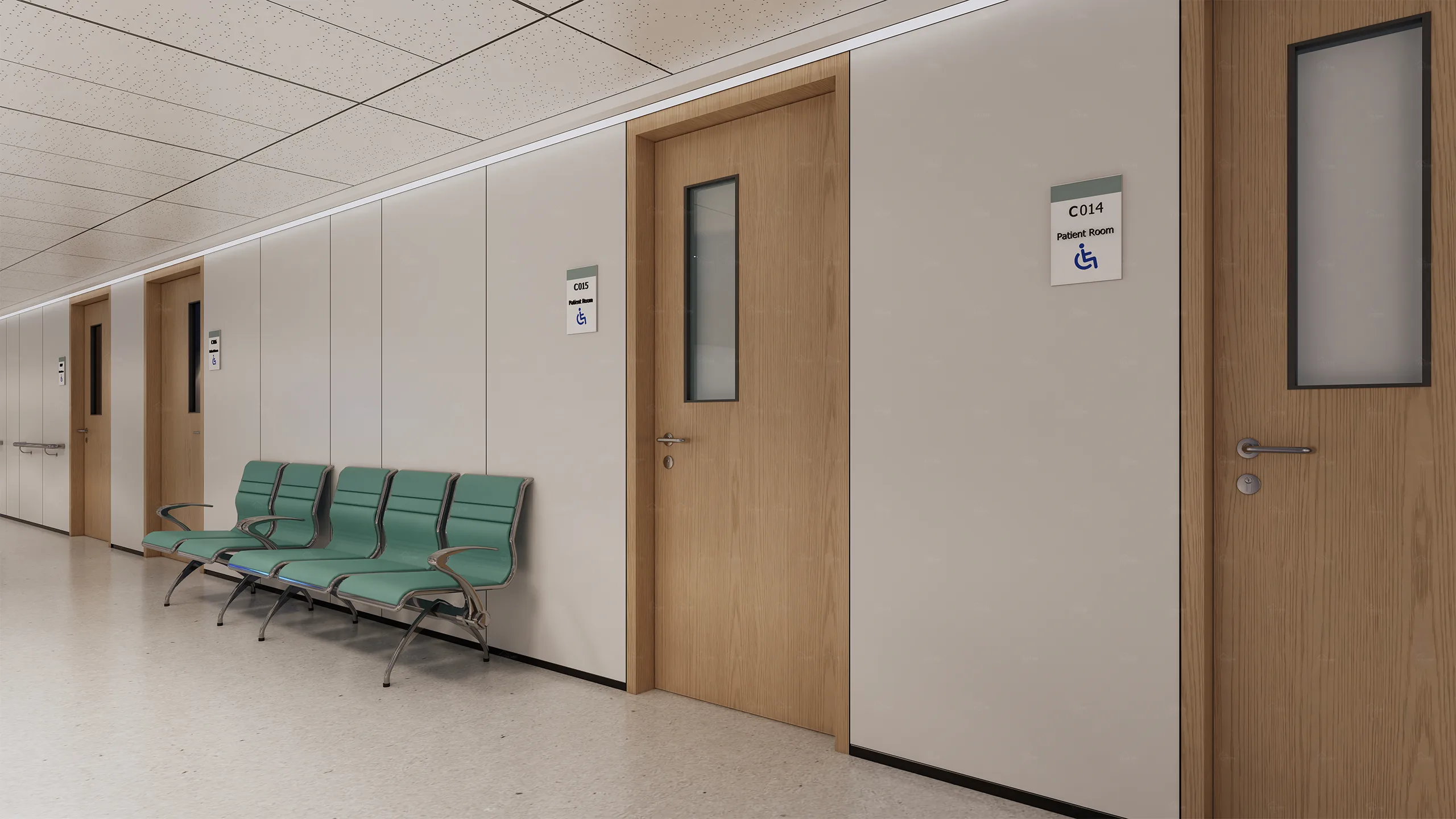
- Hospitals and Healthcare Facilities: These buildings often have specific fire safety requirements to protect vulnerable individuals, such as patients in beds or those with limited mobility. Fire doors are required to separate building areas, prevent the spread of fire and smoke, and ensure safe evacuation routes.
- High-Rise Buildings: High-rise buildings are more vulnerable to rapid fire spread due to their vertical design. In these buildings, fire door certification is essential to ensure that fire doors in stairwells, corridors, and other critical areas meet high resistance standards.
- Schools and Colleges: Schools are especially vulnerable in emergencies because they often have large numbers of children and staff. Certified fire doors are required to protect classrooms and hallways and provide safe evacuation routes in case of a fire.
Summary
In conclusion, fire door certification is required in various situations, including commercial buildings, residential properties, and specialized buildings with high-risk areas. Whether it’s to protect employees in a business or ensure the safety of residents in an apartment complex, fire doors are a vital part of any fire safety strategy. By understanding when certification is necessary, building owners can take the right steps to ensure their property is safe and compliant with fire safety regulations.
How to Ensure Your Fire Door Is Correctly Certified?
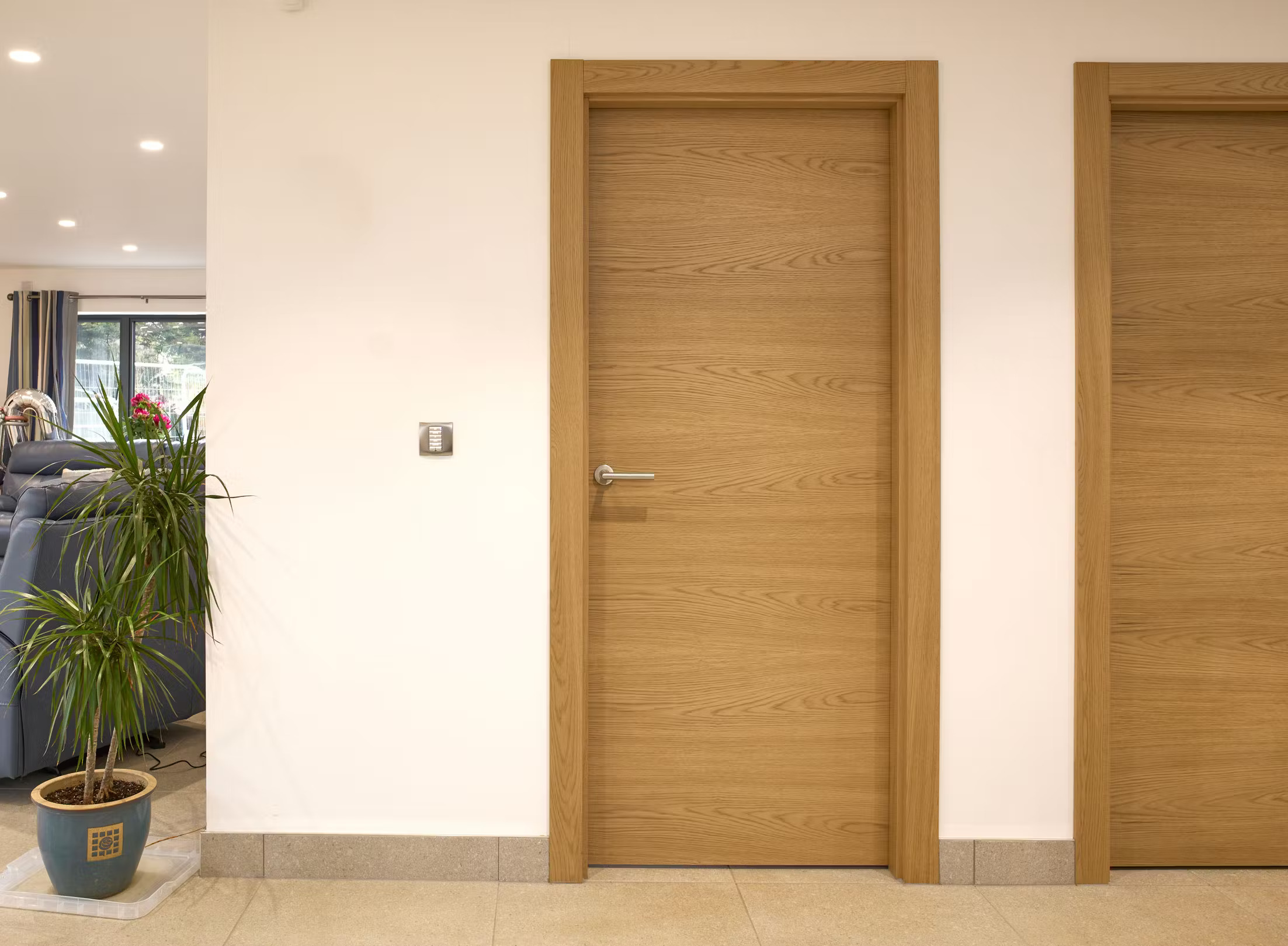
Ensuring that your fire doors are correctly certified is crucial for the safety of your building and its occupants. A correctly certified fire door can withstand heat and prevent the spread of flames and smoke during a fire. Here’s how you can ensure that your fire doors meet the necessary standards and are in top condition.
Verifying Certification Status
The first step in ensuring your fire doors are properly certified is to verify their certification status. You need to check if the door has been tested and approved by an accredited certification body. Certified fire doors typically have a label or documentation confirming they meet the required fire resistance rating. To verify a fire door’s certification, look for the following:
- Certification Labels: These labels are usually affixed to the door frame or the top of the door itself. The label should include important information like the fire-resistance rating, manufacturer details, and the certification body that approved the door. It may also list the standard the door was tested against (such as BS EN 1634-1 in Europe or NFPA in the U.S.).
- Manufacturer Documentation: Request documentation from the manufacturer or supplier confirming the fire door’s certification. Reputable manufacturers provide certificates or testing reports from accredited bodies such as UL (Underwriters Laboratories) or BM TRADA. This paperwork should also specify the testing conditions and the door’s fire-resistance rating.
- Accreditation and Certification Bodies: Ensure the certification is issued by a recognized, accredited body such as UL, Intertek, or FIRA. These bodies follow strict standards and perform thorough testing to ensure the door will perform in a fire emergency.
What to Look for on Fire Door Labels?
Fire door labels provide key information about the door’s fire resistance and compliance with safety standards. When inspecting a fire door, always check the label to ensure it is certified and suitable for its intended purpose. Here’s what you should look for on fire door labels:
- Fire Resistance Rating: The most crucial detail is the fire-resistance rating. This rating tells you how long the fire door can withstand fire and heat before it starts to fail. Common ratings include 30, 60, and 120 minutes. Always ensure the fire rating is appropriate for the door’s location in the building, such as 30-minute-rated doors for smaller rooms or 60-minute-rated doors for areas like stairwells or hallways.
- Manufacturer Details: The label should include the manufacturer’s name and contact information. This is helpful if you need to contact them for maintenance or replacement parts.
- Testing Standards: The label will usually mention the standard the fire door was tested against. This could be an international standard, such as ISO 9001, or a local standard, such as NFPA in the U.S. or BS EN 1634 in Europe. The certification should reflect the most recent testing criteria.
- Date of Certification: In some cases, the label will also include the date when the fire door was last tested or certified. This can help you track whether the door is up to date with current regulations or if it needs retesting.
- Seal Information: The label may also indicate the type of seals used in the door. These intumescent seals expand when heated, preventing smoke from escaping around the edges of the door. Check that the seals are listed as part of the fire door’s certified construction.
Regular Inspections and Maintenance for Certified Doors
Even once your fire doors are correctly certified, regular inspections and maintenance are necessary to ensure they continue to function as expected. Over time, wear and tear can affect the door’s performance, so it’s essential to monitor its condition. Here’s what you should do to maintain certified fire doors:
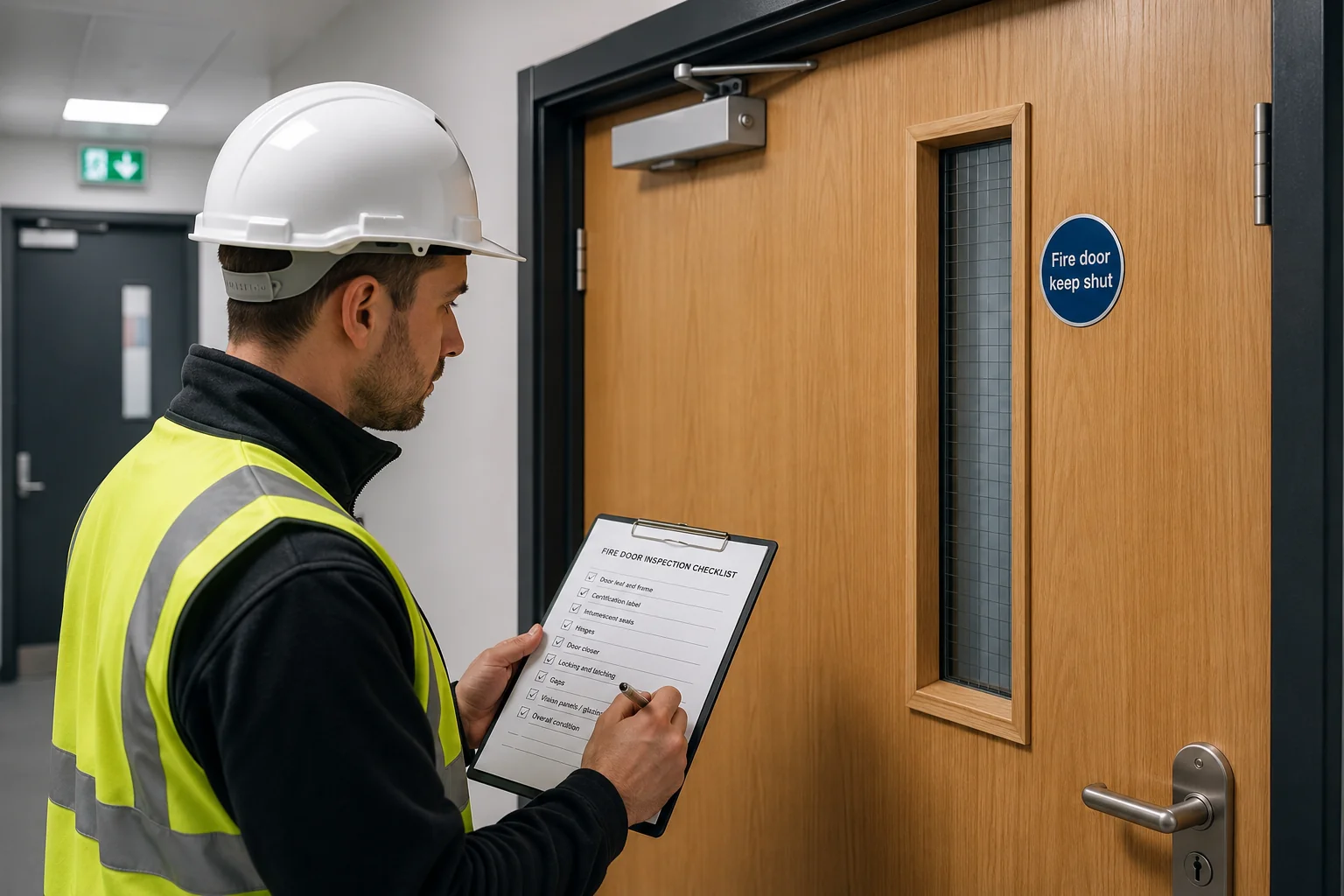
- Visual Inspections: Regularly inspect the fire doors for any visible damage. Look for cracks, warping, or signs of wear on the door’s surface. Ensure that the door closes properly and seals tightly when shut. A fire door that doesn’t close correctly won’t be effective in containing a fire.
- Check Seals and Hardware: The intumescent seals around the edges of the door are crucial for stopping smoke and heat from passing through. Inspect the seals to ensure they are intact and haven’t degraded. Check the hardware, such as hinges, latches, and locks, to make sure everything functions properly. If any part is damaged or worn out, it should be replaced immediately.
- Operational Testing: Test the fire door to ensure it opens and closes smoothly. Ensure that the door’s automatic closing mechanism (if equipped) works as intended. The door should close securely without assistance and without any gaps around the frame.
- Professional Inspections: Consider having a fire door professional inspect your doors regularly. These experts can ensure that the doors are in top condition and perform any necessary repairs or upgrades. Some certification bodies also offer periodic re-inspections to maintain certification status, so keep track of when your next inspection is due.
- Follow Local Regulations: Different regions have different requirements for fire door maintenance. Stay up to date with local fire safety codes to ensure your fire doors comply with the latest standards. Regular checks will help you avoid costly fines and ensure the safety of your building’s occupants.
Summary
In conclusion, ensuring your fire doors are properly certified requires verifying their certification status, understanding what to look for on the labels, and maintaining the doors through regular inspections. By taking these steps, you can ensure that your fire doors meet safety standards and continue to provide reliable protection in the event of a fire.

Conclusion
In conclusion, certified fire doors are an essential part of any building’s fire safety plan. Whether in a commercial or residential setting, these doors play a crucial role in preventing the spread of fire and smoke, giving occupants more time to escape and minimizing property damage. Having fire doors properly certified ensures they meet the required fire resistance standards, offering reliable protection when it matters most.
The Importance of Certified Fire Doors
The importance of certified fire doors cannot be overstated. They provide a physical barrier that limits the movement of flames and smoke, protecting both lives and property. Without certification, there’s no guarantee that the fire door will perform as expected during an emergency. Certified fire doors undergo rigorous testing to ensure they meet strict safety standards, so you can have peace of mind knowing that your fire protection is up to code.
By investing in certified fire doors, building owners not only comply with legal and safety requirements but also contribute to the overall safety and security of their property and occupants. Regular inspections and maintenance further ensure that these doors continue to perform at their best, year after year. In the end, certified fire doors are a smart investment in safety, helping to protect what matters most—your building, its contents, and the people inside.
Relate FAQ
What is fire door certification?
Fire door certification is a process that verifies that a fire door has passed the required fire-resistance tests outlined by building regulations and fire safety standards. This certification ensures the door's ability to resist fire for a specified period, typically 30 minutes to 2 hours, depending on the rating.
How can I check if my fire door is certified?
To check whether a fire door is certified, look for a label or certificate from a recognized testing authority, such as BSI (British Standards Institution) or a similar organization in your region. The label should include key details such as the fire rating, the manufacturer's name, and the product's certification number.
What happens if a fire door is not certified?
If a fire door is not certified, it may not provide the level of protection required during a fire. This can pose significant safety risks, as the door may fail to contain the spread of fire and smoke. Uncertified doors may also violate building codes, potentially leading to legal issues and penalties for building owners or managers.
Are there different types of fire door certifications?
Yes, fire door certifications vary based on the fire resistance rating, construction materials, and intended use. Some common types include:
- FD30: Provides 30 minutes of fire protection.
- FD60: Offers 60 minutes of fire protection.
- FD120: Designed for 120 minutes of fire resistance.
How often should fire doors be inspected for certification?
Fire doors should be inspected regularly, at least once a year, to ensure they still meet certification standards. Regular maintenance and checks should include verifying that the door closes properly, the seals are intact, and there are no visible signs of damage. In many jurisdictions, fire door inspections are required under safety regulations.
Can I install a fire door without a professional?
While it is possible to install a fire door without professional help, it is strongly recommended to hire a certified installer. Fire doors need to be installed correctly to maintain their certification and ensure their effectiveness in the event of a fire. Improper installation can compromise the door's integrity and its ability to prevent the spread of fire and smoke.
Do fire doors require special maintenance?
Yes, fire doors require specific maintenance to ensure they remain certified and functional. This includes checking the seals, hinges, and closing devices and providing the door is not obstructed. It's crucial to follow the manufacturer's maintenance instructions and keep records of any inspections or repairs.