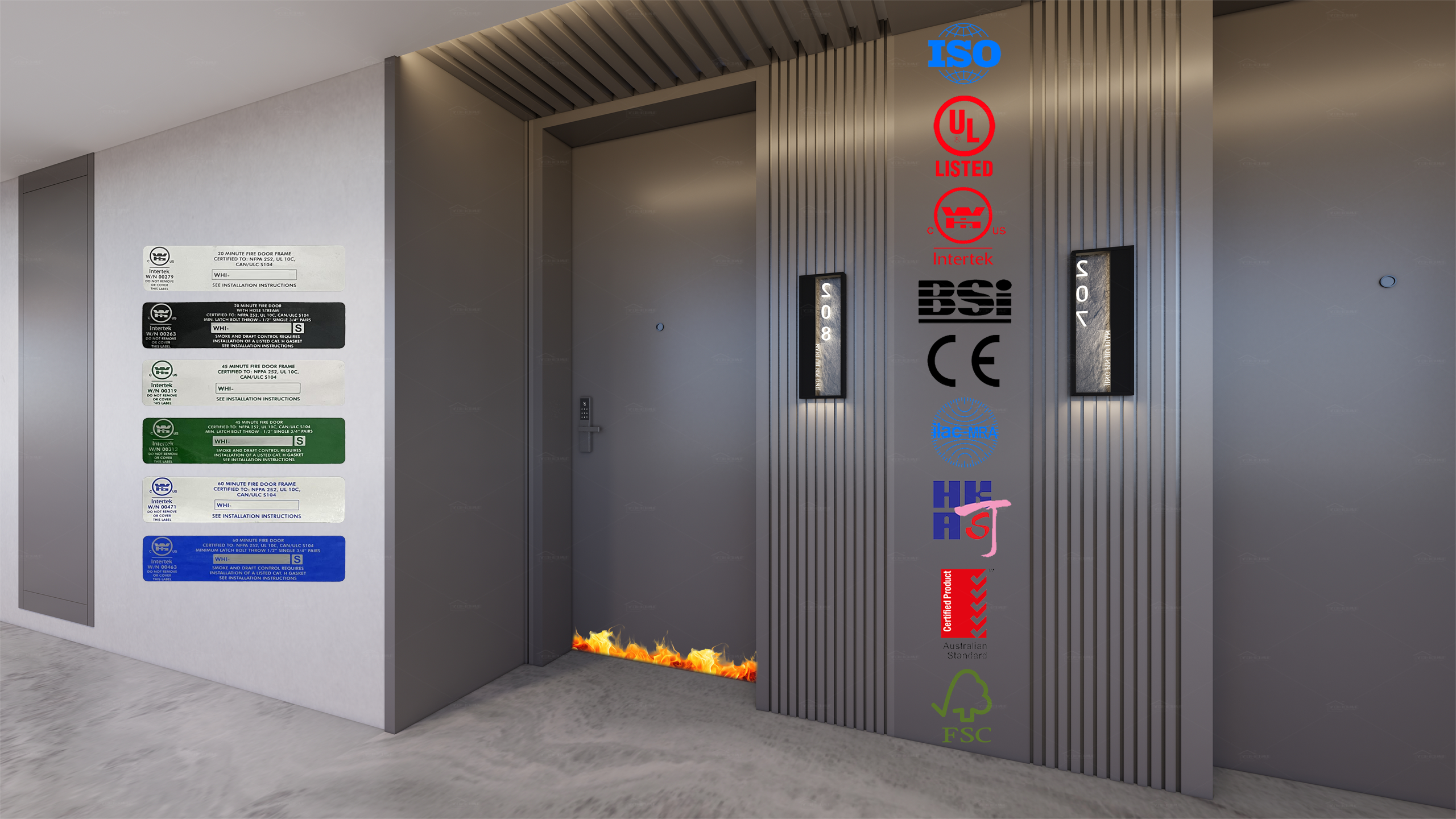
Are fire doors required for hotels?
Introduction to Fire Doors in Hotels
What Are Fire Doors?
A Fire Door is a specially designed door that helps stop fire and smoke from spreading through a building. Unlike a standard door, a fire rated door is built with fire-resistant materials and tested to withstand high temperatures for a specific period, such as 30, 60, or 90 minutes.
In hotels, a Hotel Fire Door is often installed in guest room corridors, stairwells, service areas, and emergency exits. These doors work together with the building’s fire protection system. When a fire breaks out, the door helps create a barrier that slows the spread of flames and toxic smoke.
Most commercial fire doors include important components such as fire-rated frames, hinges, seals, and self-closing devices. These parts ensure the door closes properly during an emergency. As a result, guests and staff have more time to evacuate safely.
Today, modern fire-resistant hotel doors are available in a variety of designs and finishes. They not only provide fire protection but also match the interior style of luxury hotels, resorts, and hospitality properties.
Why Fire Doors Matter for Hotels?
Guest safety is always the top priority in the hospitality industry. This is one of the main reasons why every hotel needs properly installed Fire Doors.
During a fire, smoke often spreads faster than flames. In fact, smoke inhalation causes many fire-related injuries and deaths. A well-functioning Hotel Fire Door helps contain smoke and fire within a specific area. This can protect evacuation routes and provide valuable time for guests to leave the building safely.
Besides safety, fire rated doors for hotels are also required by local building regulations and fire safety codes. Many countries have strict rules regarding where a commercial fire door must be installed and how it should be maintained. Failing to meet these requirements can lead to penalties, failed inspections, higher insurance costs, or even temporary closure.
Furthermore, investing in high-quality fire resistant doors can help hotel owners reduce risks, protect property, and strengthen their reputation. Guests expect hotels to provide a safe environment. Visible safety measures, including certified Fire Doors, can increase trust and confidence in the property.
Common Misconceptions About Hotel Fire Doors
Many people misunderstand how Fire Doors work. These misconceptions can create safety risks and reduce the effectiveness of a hotel’s fire protection plan.
One common myth is that a Fire Door is only useful when it is locked. In reality, the door’s main purpose is to act as a fire and smoke barrier. Most Hotel Fire Doors are designed to close automatically when needed, not to trap people inside.
Another misconception is that any heavy door can serve as a fire-rated door. This is not true. A certified Fire Door must pass specific fire resistance tests and meet recognized safety standards. Weight alone does not provide fire protection.
Some hotel managers also believe that a Fire Door requires little maintenance. However, even a minor issue, such as damaged seals, broken hinges, or a blocked closing mechanism, can affect performance during an emergency. Regular inspections are essential to ensure every commercial fire door remains compliant and operational.

Legal Requirements and Regulations
Fire Door Laws in the US and EU
Fire safety laws vary from country to country, but one thing remains the same: a properly installed Fire Door is a key part of building safety.
In the United States, most commercial Fire Door requirements are set by the National Fire Protection Association (NFPA) and the International Building Code (IBC). Standards such as NFPA 80 outline how a fire rated door should be installed, inspected, repaired, and maintained. Hotels, hospitals, schools, and office buildings must follow these rules to remain compliant.
For example, a certified Hotel Fire Door must close fully, latch correctly, and remain free from modifications that could reduce its fire resistance. Regular inspections are also required in many commercial properties.
Across the European Union, fire door requirements often follow the EN 16034 standard. This regulation covers the performance and testing of fire resistant doors, including their ability to limit the spread of flames and smoke. Many EU countries also require CE-marked Fire Doors, which show that the product meets European safety standards.
Australia Regulations Overview
Australia has strict rules for Fire Doors, especially in hotels, apartment buildings, healthcare facilities, and other public spaces.
The main requirements come from the National Construction Code (NCC) and related Australian Standards. One of the most important standards is AS 1905.1, which covers the design, installation, and performance of fire rated doorsets.
Under Australian regulations, a Fire Door must undergo certified fire testing before use. Building owners must also carry out regular inspections and maintenance. A damaged fire-resistant door may lose its certification and no longer meet legal requirements.
Many Australian hotels install commercial Fire Doors in corridors, stairwells, plant rooms, and emergency exits. These locations help create fire compartments throughout the building. As a result, smoke and flames remain contained longer, giving occupants more time to evacuate safely.
Because Australia faces unique fire risks in some regions, authorities place strong emphasis on proper fire protection systems, including compliant Hotel Fire Doors.
UK Building Regulations and BS 476 Standards
The United Kingdom has some of the most detailed fire safety requirements in Europe. For hotels and other hospitality buildings, Fire Doors play a critical role in meeting legal obligations.
The primary guidance comes from Approved Document B of the Building Regulations, which focuses on fire safety. This document outlines where a Fire Door should be installed and what level of fire resistance is required.
Many UK buildings use FD30 Fire Doors and FD60 Fire Doors. An FD30 door can resist fire for at least 30 minutes, while an FD60 door provides up to 60 minutes of protection.
One of the most recognized testing methods is BS 476, a British Standard that evaluates how a fire rated door performs under fire conditions. Although newer European standards now exist, BS 476 remains widely referenced across the UK construction and hospitality sectors.
Hotel owners must also comply with the Regulatory Reform (Fire Safety) Order 2005, which requires responsible persons to assess fire risks and maintain all fire safety equipment, including Fire Doors and smoke control systems.
Consequences of Non-Compliance
Ignoring Fire Door regulations can create serious legal, financial, and safety problems.
First and most importantly, non-compliant Fire Doors can put lives at risk. A door that fails to close properly or lacks the required fire rating may allow smoke and flames to spread quickly through a hotel. This can block escape routes and increase the danger for guests and staff.
Second, authorities may issue fines, enforcement notices, or legal penalties. In some cases, hotels may fail inspections and face operational restrictions until they correct the violations.
Insurance can also become a major issue. If a fire investigation reveals that a Hotel Fire Door did not meet regulatory requirements, insurers may reduce payouts or reject claims altogether.
Beyond financial losses, there is also reputational damage. Guests expect hotels to provide a safe environment. News of fire safety violations can quickly harm customer trust and affect future bookings.
For these reasons, investing in certified Fire Doors, conducting regular inspections, and staying up to date with local fire safety regulations are not just legal requirements—they are smart business decisions that protect people, property, and brand reputation.

Placement and Installation in Hotels
Where Fire Doors Are Required?
Installing a Fire Door in the right location is just as important as choosing the right product. Even the best fire rated door cannot do its job if it is placed in the wrong area.
In most hotels, Fire Doors are required in corridors, stairwells, guest room entrances, service rooms, kitchens, laundry areas, and emergency exit routes. These locations help divide the building into smaller fire compartments. As a result, fire and smoke spread more slowly during an emergency.
One of the most common locations for a Hotel Fire Door is the guest room entrance. If a fire starts inside a room, the door helps contain it. Likewise, if a fire starts elsewhere in the building, the door can help protect guests inside their rooms while they wait for assistance or evacuation instructions.
Hotel kitchens also require special attention. Cooking equipment, hot oil, and electrical appliances increase the risk of fire. Therefore, many building codes require a certified fire resistant door between the kitchen and other occupied areas.
Corridors and stairwells are equally important. These spaces often serve as evacuation routes. A properly installed commercial Fire Door helps keep these paths clear from smoke and heat, giving guests a safer way to exit the building.
Fire Door Rating Guide for Different Hotel Areas
Not every hotel space requires the same level of fire protection. This is why Fire Door ratings vary based on location and risk level.
For standard guest room entrances, many hotels use FD30 fire-rated doors, also known as 30-minute fire-rated doors. These doors provide enough protection to slow the spread of fire while allowing occupants time to evacuate.
Corridors connected to sleeping areas may also use FD30-rated Hotel Fire Doors, depending on local building regulations.
Higher-risk areas often require stronger protection. For example, hotel kitchens, electrical rooms, boiler rooms, and maintenance areas often use FD60 Fire Doors or 60-minute fire-resistant doors. These spaces contain equipment that may increase the chance of fire.
In larger hotels, some critical areas may require even higher ratings, such as 90-minute or 120-minute commercial Fire Doors. Local fire codes and building design usually determine the exact requirement.
Choosing the correct Fire Door rating helps balance safety, compliance, and cost. When in doubt, it is always best to consult local regulations or a qualified fire safety professional.
Installation Best Practices
A certified Fire Door only performs well when it is installed correctly. Even a small installation error can reduce its ability to stop fire and smoke.
The first step is to use a compatible fire-rated frame. The frame and the door should work together as a tested system. Mixing different components may affect certification and performance.
Hinges also matter. Most Hotel Fire Doors require heavy-duty, fire-rated hinges that can withstand high temperatures. These hinges help keep the door secure during a fire.
Another key component is the seal. Many fire resistant doors include intumescent seals around the edges. When exposed to heat, these seals expand, helping block smoke and flames from passing through gaps.
Self-closing devices are equally important. A Fire Door should close fully and latch securely every time. If the door remains open, it cannot provide the protection for which it was designed.
Common Installation Mistakes to Avoid
Over the years, fire inspectors have identified several common mistakes that can compromise Fire Door safety.
One frequent issue is the use of non-certified hardware. Some building owners replace locks, handles, or hinges with standard hardware without realizing it may void the Fire Door certification.
Another mistake is modifying the door after installation. Drilling extra holes, adding cables, or cutting openings into a fire rated door can weaken its fire resistance.
Poor alignment is also a common problem. If a Hotel Fire Door does not close smoothly or latch properly, it may fail during an emergency. A door that stays partially open offers little protection against smoke and fire.
Missing or damaged seals create another serious risk. Many people focus only on the door itself, overlooking the condition of the seals. However, these small components play a major role in fire containment.
Lastly, some hotels prop open Fire Doors for convenience, especially in service corridors or busy kitchen areas. While this may improve traffic flow, it defeats the purpose of the door. Unless connected to an approved automatic release system, a Fire Door should remain closed or self-closing at all times.
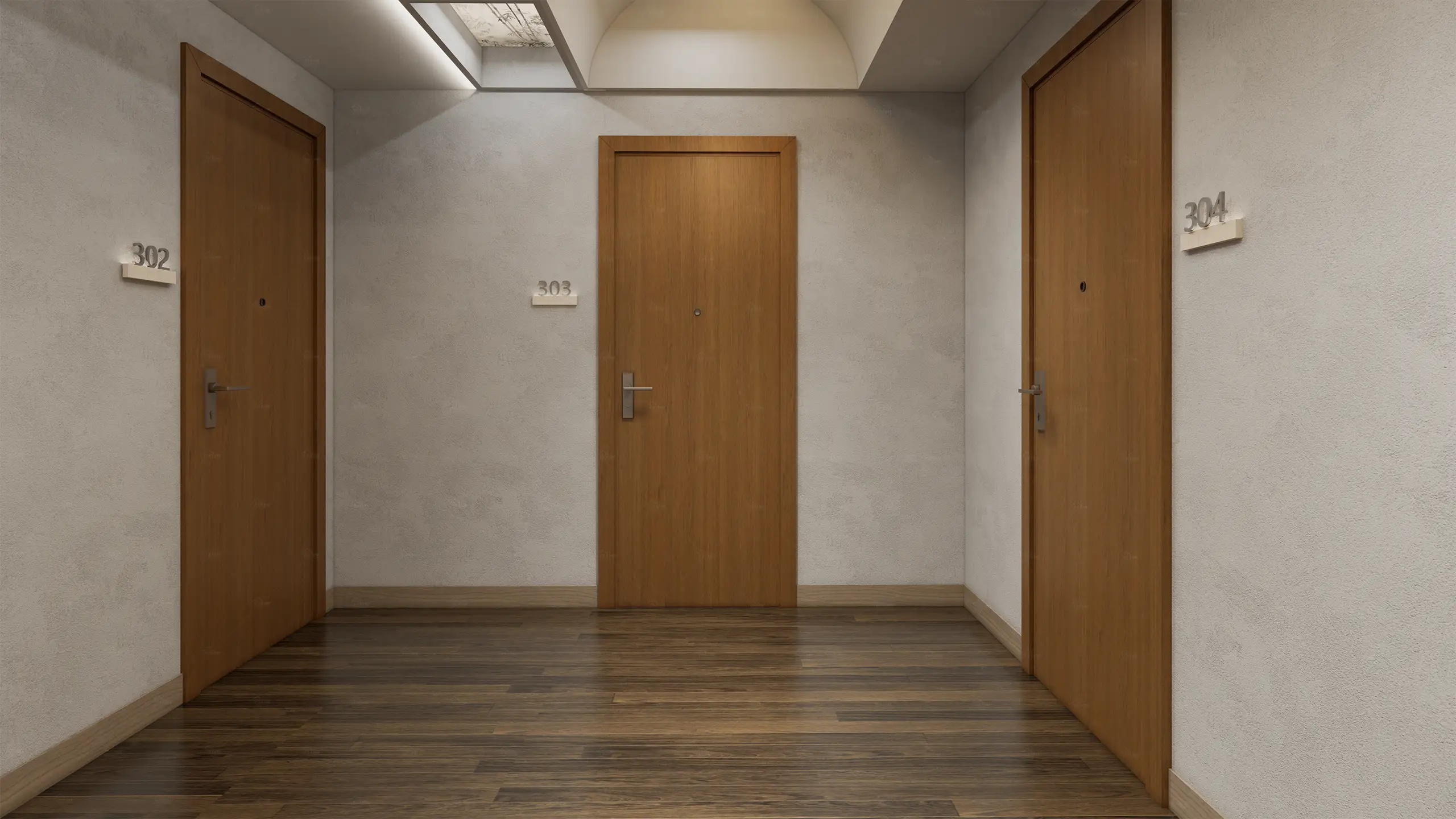
Installation and Maintenance of Hotel Fire Door
Proper installation and maintenance of fire doors are essential to ensure that they perform effectively in the event of a fire. Whether you’re installing a new fire door or maintaining an existing one, understanding the correct steps can help protect lives and property.
How to Properly Install a Fire Door?
Installing a fire door requires careful attention to detail. A properly installed fire door can prevent the spread of fire and smoke, while a poorly installed door may fail when needed most. Here are the basic steps to ensure your fire door is installed correctly:
1. Choose the Right Door and Frame:
First, make sure you select a fire door that meets the necessary fire resistance rating for your building. The frame should be made of fire-resistant materials (metal or treated wood) and must be compatible with the door you are installing. If you’re installing a door in a new construction, ensure that the frame is correctly aligned with the wall opening.
2. Properly Fit the Door:
The fire door should fit perfectly in the frame with no gaps larger than 3mm. Gaps, even small ones, can allow smoke and fire to pass through, reducing the door’s effectiveness. Make sure the door leaf swings freely and that the hinges are securely attached. The door should always close tightly, so it’s essential to check the alignment.
3. Install Fire-Rated Hardware:
Ensure that all hardware, such as locks, hinges, and closers, is fire-rated and properly installed. These components must function smoothly to ensure that the door remains closed during a fire. A fire door closer should be installed to keep the door in a closed position at all times, as a door that’s left open or ajar is ineffective in preventing fire spread.
4. Seal the Edges:
Install intumescent seals or fire-rated strips along the edges of the fire door. These seals expand when exposed to heat, filling any gaps and providing an airtight seal that prevents smoke and fire from passing through. This step is crucial to ensure that the fire door performs well during a fire emergency.
5. Check for Compliance:
Before finalizing the installation, ensure that the fire door and all components meet local building codes and fire safety regulations. Many areas require certified fire doors with specific fire resistance ratings for certain areas, such as hallways, stairwells, or storage rooms. Always check that the fire door has been properly tested and certified to meet the required standards.
Fire Door Maintenance Checklist: Keeping Your Doors Safe
Regular maintenance is vital to ensure that your fire doors continue to function correctly. Over time, wear and tear can affect the performance of the door, so it’s essential to carry out routine checks and repairs. Here’s a checklist to help you maintain your fire door:
1. Check for Damage:
Inspect the fire door for any visible damage, such as dents, scratches, or cracks. Even minor damage can compromise the door’s effectiveness. If the door is severely damaged, it should be replaced to ensure it continues to meet fire safety standards.
2. Ensure the Door Closes Fully:
Test the fire door to ensure that it closes fully and fits snugly in its frame. If the door doesn’t close properly, it may allow smoke and fire to escape. Adjust the door closer if necessary, or replace it if it’s no longer functioning correctly.
3. Inspect the Hinges and Hardware:
Check the fire door’s hinges, locks, and closers for wear and tear. Fire-rated hardware must be in good working condition to keep the door securely closed during a fire. Lubricate the hinges as needed and ensure that all locks are fully operational.
4. Check the Seals and Intumescent Strips:
Inspect the intumescent seals along the edges of the door. Please make sure they are intact and free from damage. If the seals are worn out or damaged, replace them with new fire-rated seals to ensure the door will properly seal in case of fire.
5. Clean the Door Regularly:
Regular cleaning can help keep the fire door in good condition. Dust and dirt can affect the door’s operation and the performance of the seals and hardware. Use a damp cloth to clean the door and avoid using harsh chemicals that could damage the fire-resistant surface.
6. Test the Fire Door Annually:
In addition to routine checks, conduct a full test of the fire door every year. This may involve testing the door’s fire resistance, functionality, and compliance with regulations. It’s important to keep records of these tests to demonstrate that the fire door is maintained properly.
Summary
In conclusion, proper installation and regular maintenance of fire doors are essential for ensuring the safety of the building and its occupants. By following a detailed installation process, conducting regular maintenance checks, and scheduling inspections, you can ensure that your fire doors will perform their job effectively when needed. Always remember to stay on top of these tasks to maintain a safe environment for everyone in your building.
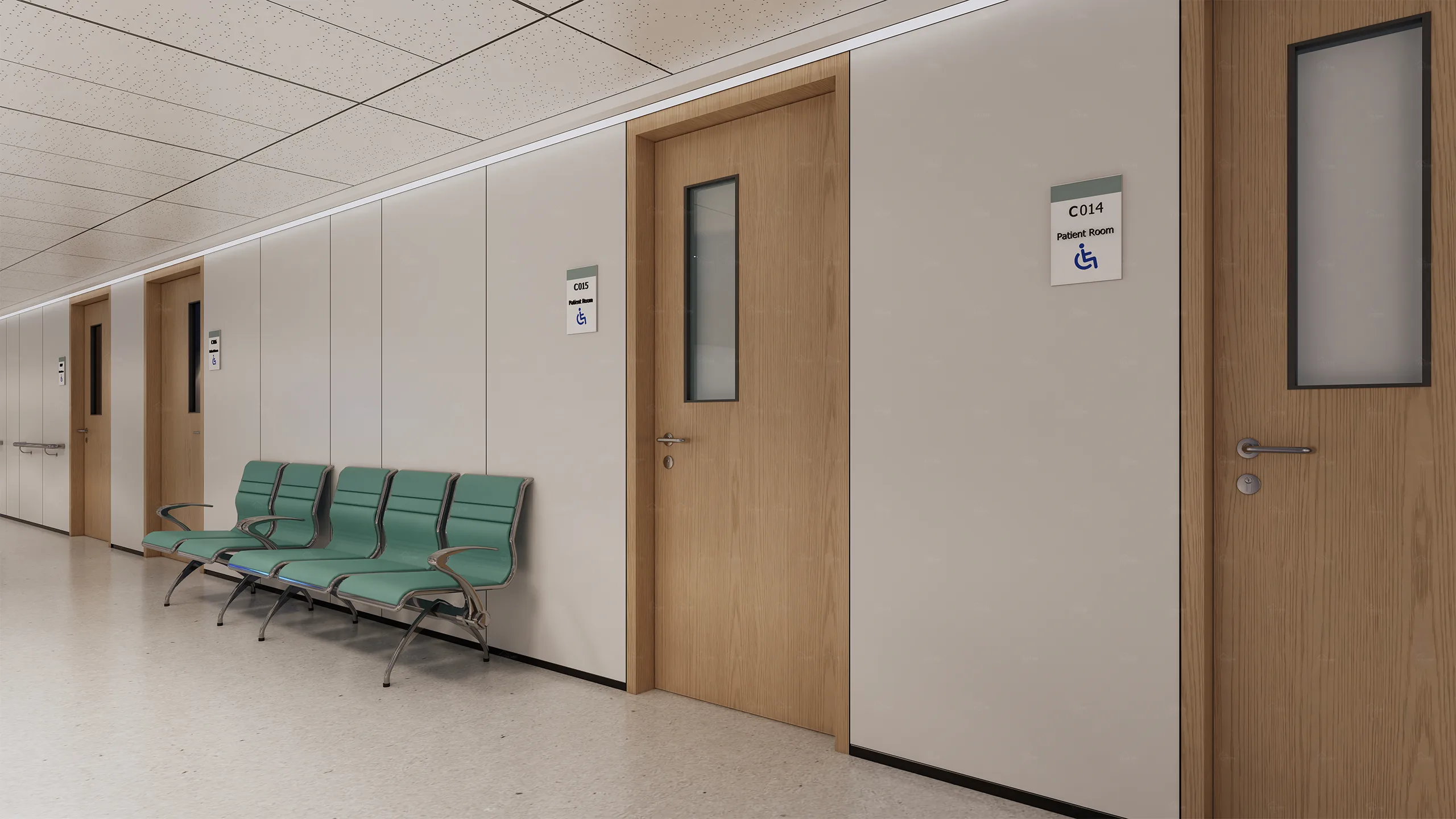
Legal Requirements for Fire Door
Ensuring that fire doors meet the legal requirements is a crucial aspect of building safety. Different regions, including the US, UK, Europe, and Asia, have specific regulations governing the installation, use, and maintenance of fire doors. Let’s explore these legal requirements and why they matter for your building’s safety.
Fire Door Regulations in the US, UK, Europe, and AS
Fire door regulations vary across the globe, but they all serve the same purpose: to prevent the spread of fire and smoke, ensuring the safety of building occupants. Here’s a brief overview of the fire door regulations in key regions:
United States:
In the US, fire door regulations are primarily governed by the National Fire Protection Association (NFPA) and the Occupational Safety and Health Administration (OSHA). According to NFPA 80, fire doors must be installed, maintained, and inspected in accordance with specific standards. The regulations cover the fire resistance rating, installation, and proper functioning of the doors. The fire door must be self-closing, with no gaps exceeding 3mm when closed. Additionally, the door hardware (locks, hinges, and closers) must be fire-rated and must function properly to prevent the spread of smoke and fire.
United Kingdom:
In the UK, fire door regulations are covered by the Building Regulations (Part B), the Fire Safety Order (FSO), and British Standards such as BS 476. Fire doors in the UK must meet specific fire resistance ratings, which are typically 30, 60, or 90 minutes, depending on the building’s design and usage. The regulations also emphasize regular inspection and maintenance of fire doors to ensure they function properly in the event of a fire. It’s also important to note that the Regulatory Reform (Fire Safety) Order 2005 requires that fire doors be maintained to provide continuous fire protection.
Europe:
In Europe, fire door regulations are standardized under the European Union’s Construction Products Regulation (CPR). European standards such as EN 1634-1 outline the testing and performance criteria for fire doors. These doors must undergo rigorous testing to meet the fire resistance requirements and ensure they are capable of withstanding fire for a specified time. Different countries in Europe may have additional local regulations, but they all follow the general guidelines set by the CPR to ensure safety and compliance.
Australia:
In Australia, fire door regulations are governed by the National Construction Code (NCC), which aligns with the Australian Standard AS 1905.1. According to the NCC, fire doors must meet specific fire resistance ratings and comply with the requirements for installation, maintenance, and inspection. In Australia, it is required that fire doors are regularly tested to ensure they are functioning as intended, particularly in commercial and multi-residential buildings. The AS 1905.1 standard provides detailed guidelines on the performance criteria for fire doors, including fire resistance ratings, installation methods, and maintenance.
Building Codes: How Fire Doors Fit into Fire Safety Plans?
Fire doors play a critical role in fire safety plans and are integrated into building codes to ensure overall safety. These codes outline how fire doors should be installed, maintained, and operated to prevent the spread of fire and smoke. Here’s how fire doors fit into building codes:
1. Compartmentalization:
Fire doors are a key element in compartmentalizing a building, which means dividing a structure into separate sections to limit the spread of fire. Building codes specify where fire doors should be placed, such as in corridors, stairwells, and between rooms or fire zones. This compartmentalization helps prevent the fire from spreading too quickly, giving occupants more time to evacuate.
2. Escape Routes:
In any fire emergency, escape routes are essential. Building codes require that fire doors be part of the fire escape routes. This includes ensuring that the doors are easily operable, that they close automatically, and that they do not block the evacuation route. For example, fire doors must not be wedged open, as they must remain closed during a fire to prevent smoke and flames from entering escape routes.
3. Protection of High-Risk Areas:
Certain areas in a building, such as kitchens, boiler rooms, and storage spaces with flammable materials, are high-risk zones. Fire doors are mandated in these areas to contain any potential fire before it spreads to other parts of the building. Building codes specify that these high-risk areas must have doors with the appropriate fire resistance ratings.
4. Fire and Smoke Control:
Building codes also require fire doors to have features that control both fire and smoke. Smoke can be just as dangerous as fire, as it can incapacitate individuals and spread toxins throughout the building. Many building codes now require fire doors also to be smoke-tight to ensure that smoke doesn’t travel from one area to another, creating a safer environment for evacuation.
Fire Door Certification: What to Look for in a Certified Door?
When purchasing a fire door, it’s crucial to ensure that the door is certified for fire resistance. Certification ensures that the door has been tested and meets the necessary fire safety standards. Here’s what to look for in a certified fire door:
1. Fire Resistance Rating:
The fire door should have a clear fire resistance rating, usually marked on the door or its frame. This rating indicates how long the door can withstand fire. For example, a 60-minute fire door can resist fire for 60 minutes. Make sure that the door meets the rating required by local regulations or your fire safety plan.
2. Certification Marks:
Certified fire doors will display certification marks from recognized testing organizations. In the US, look for a label from Underwriters Laboratories (UL) or the National Fire Protection Association (NFPA). In the UK, look for the BS 476 mark, or other certification marks from organizations like the British Standard Institute (BSI). These marks indicate that the door has passed fire resistance testing under controlled conditions.
3. Test Standards:
A certified fire door should meet internationally recognized testing standards. For instance, the EN 1634-1 standard in Europe sets out the testing methods for fire doors. In the US, the NFPA 252 standard is used to test the fire resistance of doors. Make sure that the fire door you select has been tested and meets these rigorous standards.
4. Intumescent Seals:
Check that the fire door includes intumescent seals, which expand when exposed to heat, filling any gaps around the door. This feature is crucial for enhancing the door’s ability to contain fire and smoke. Certification labels will typically indicate whether the door includes these seals and if they meet fire safety standards.
5. Compliance with Local Codes:
Finally, ensure that the fire door is compliant with the local building codes and regulations in your area. Different regions may have specific requirements, so always check the documentation that comes with the fire door to verify that it meets local fire safety laws.
Summary
In conclusion, meeting the legal requirements for fire doors is critical to ensuring the safety of your building. From understanding the regulations in different regions to selecting the right fire door certification, being aware of these legal factors can help you maintain compliance and protect your property.
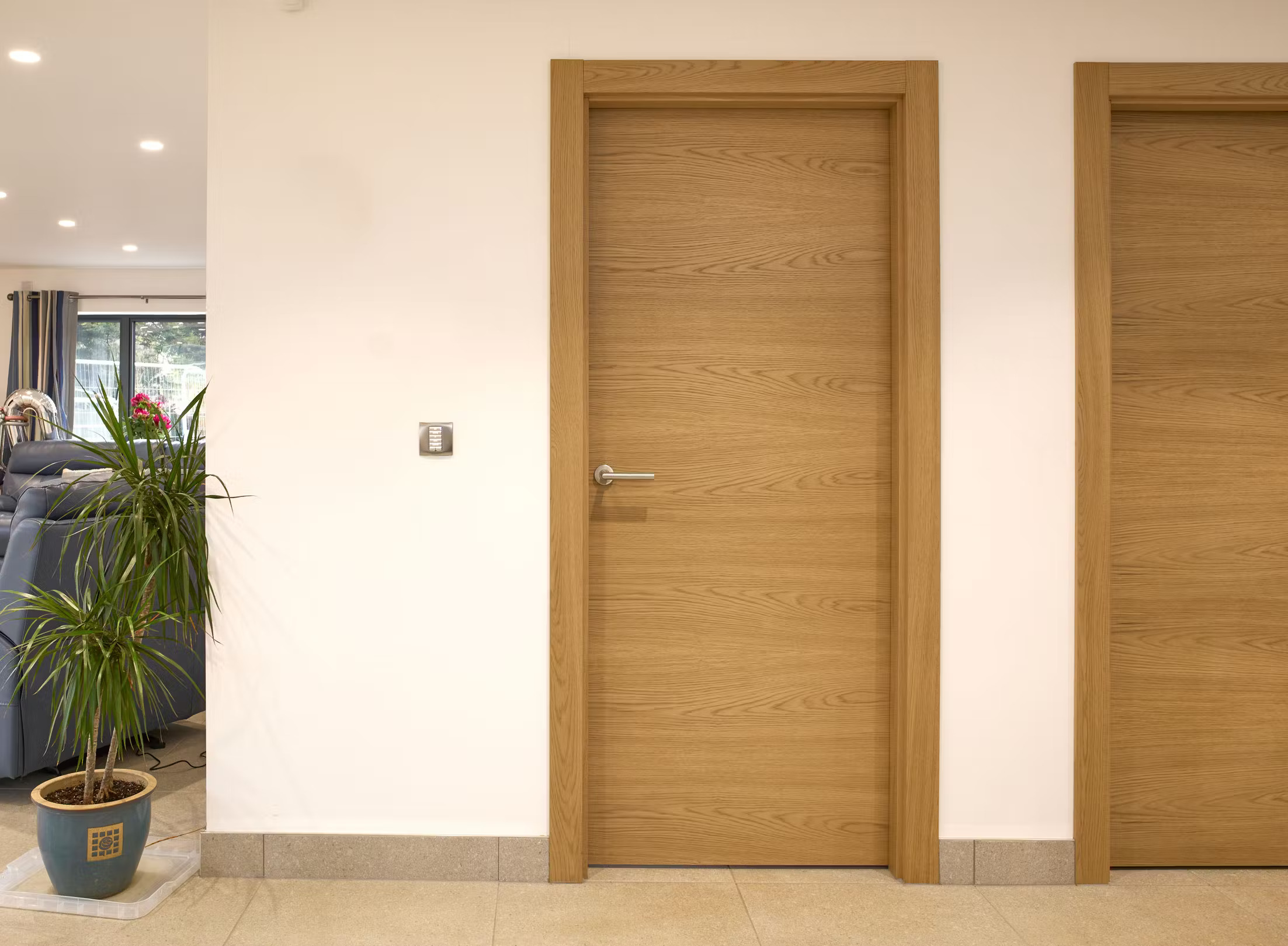
Fire Doors and Hotel Safety Strategy
Integration with Fire Alarms and Sprinklers
A Fire Door works best when it is part of a bigger hotel fire safety system. Alone, it slows fire and smoke, but combined with alarms and sprinklers, it can save lives.
Many Hotel Fire Doors connect directly to fire alarm systems. When the alarm triggers, these doors automatically close, sealing off corridors and rooms. This containment gives guests time to evacuate safely and limits the spread of smoke.
Sprinkler systems complement fire resistant doors by controlling or suppressing flames. In rooms or hallways, sprinklers can slow a fire’s growth while fire-rated doors keep fire and smoke confined. Together, doors, alarms, and sprinklers create a layered defense.
In commercial hotels, these integrations must follow building codes and fire regulations. Proper installation ensures that Fire Doors don’t block sprinklers, alarms, or emergency lights, keeping the system fully functional.
Emergency Evacuation and Fire Exit Planning
A hotel is only as safe as its evacuation plan. Fire Doors play a critical role in shaping these plans. They define fire compartments, protect stairwells, and mark safe routes.
Hotels often use FD30 or FD60 fire rated doors in corridors leading to exits. These doors create clear, smoke-free paths, allowing guests to move calmly toward exits. Maps and signs highlight these routes, showing where Hotel Fire Doors separate safe zones from risk areas.
Fire drills are also key. Regular practice helps guests and staff understand how doors, alarms, and exits work together. For example, guests learn that propped open fire doors compromise safety, while staff can guide people through protected corridors and stairwells.
Proper fire exit planning balances speed and safety. Doors must close automatically, exits must remain visible, and fire routes should avoid hazards. In short, Fire Doors are not just barriers—they shape the entire evacuation strategy.
Staff Training and Awareness
Even the best fire resistant doors fail without trained staff. Employees need to know where Hotel Fire Doors are located, how they function, and how to respond in emergencies.
Training includes checking that Fire Doors close properly, that seals are intact, and that no objects block them. Staff should also know how doors interact with alarms and sprinklers. For instance, kitchen staff must understand that FD60 doors prevent fire from spreading to guest areas, giving more time for evacuation.
Awareness programs reinforce the importance of not propping doors open and reporting damaged doors immediately. This keeps the hotel compliant with regulations and maintains a safer environment for guests.
In short, a strong hotel fire safety strategy combines Fire Door installation, system integration, clear evacuation planning, and informed staff. Together, these elements reduce risk, protect lives, and support regulatory compliance.

Conclusion
Key Takeaways for Hotel Owners
- Safety First: Fire doors slow the spread of flames and smoke, giving guests and staff more time to escape safely.
- Legal Compliance: Most regions require fire doors to meet specific safety standards. Installing certified fire doors reduces liability.
- Cost-effective Protection: Properly maintained fire doors can minimize damage during a fire, saving on repair costs and insurance claims.
- Regular Inspections Matter: Checking hinges, seals, and self-closing mechanisms ensures fire doors function as intended.
Fire Doors Save Lives and Reduce Liability
Fire doors create a barrier that slows the spread of fire and smoke, directly protecting human lives. Beyond safety, they reduce liability for hotel owners. If a fire occurs and fire doors are installed and well-maintained, the hotel demonstrates due diligence. This can make a difference in insurance claims or legal actions. Using fire doors in corridors, stairwells, and between guest rooms and utility areas is an industry-standard practice that combines safety with compliance.
In short, fire doors are a simple but powerful tool. They protect people, reduce risks, and help hotels comply with safety laws. Regular maintenance, proper installation, and staff awareness maximize their value, turning them into both lifesaving devices and risk management strategies.
Relate FAQ
Where are fire doors required in hotels?
Fire doors are commonly required at guest room entrances, stairwell doors, corridor doors, kitchens, laundry rooms, electrical rooms, storage rooms, service shafts, and escape routes. These areas need compartmentation to slow the spread of fire and smoke.
Do hotel bedroom doors need to be fire doors?
Usually, yes. Hotel guest room doors often need to be fire-rated because bedrooms open onto corridors used as escape routes. The door helps contain fire inside one room and protects other guests during evacuation.
What fire rating is required for hotel fire doors?
The required rating depends on the door location and local code. Common ratings include 30, 60, 90, or 120 minutes. For example, guest room doors may require a lower rating than doors protecting stairwells, plant rooms, or high-risk service areas.
Do hotel fire doors need self-closing devices?
Yes, most hotel fire doors need approved self-closing devices. A fire door left open cannot properly contain smoke and flames, so closers are essential for performance and compliance.
Can hotel fire doors be held open?
Yes, but only with approved fire-door hold-open devices connected to the fire alarm system. The door must automatically close when the alarm activates. Wedges, hooks, or improvised door stops should never be used.
How often should hotel fire doors be inspected?
Hotels should inspect fire doors regularly. High-traffic doors may need more frequent checks because hinges, seals, closers, gaps, latches, and glazing can become damaged through daily use.
What happens if a hotel fire door is damaged?
A damaged fire door may fail during a fire. Common issues include excessive gaps, missing seals, broken closers, warped leaves, damaged frames, or non-compliant hardware. Repairs should use compatible, certified components.
Are fire doors required in hotel stairwells?
Yes. Stairwells are critical escape routes, so doors leading to stairs are usually required to have fire-rated assemblies with self-closing and smoke-control features.