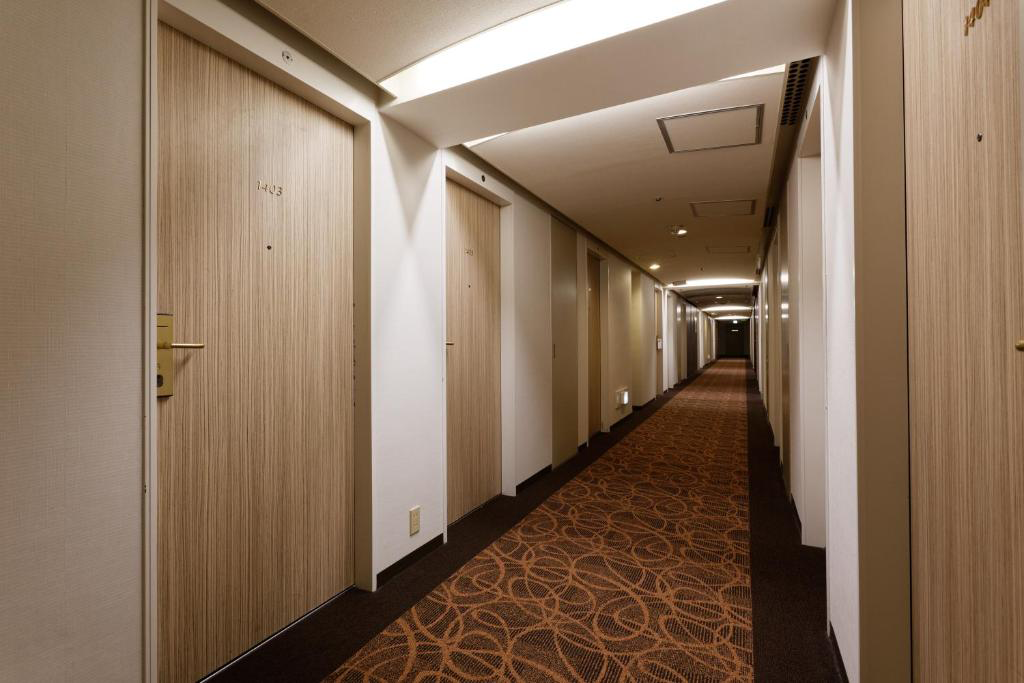
Are there fire-rated doors for residential use?

Introduction to Fire-Rated Doors for Residential Use
What is a Fire-Rated Door?
A fire-rated door is a specially designed door that can withstand the heat and flames of a fire for a specified period. Typically made from fire-resistant materials such as steel and wood, these doors are built to slow the spread of fire, smoke, and heat between rooms or areas within a building. The key feature of a fire-rated door is its ability to maintain its structural integrity during a fire, helping protect people and property.
In residential settings, fire-rated doors are particularly important for enhancing home safety. For example, they can be installed in areas such as kitchens, garages, or between a home and an attached garage, where the risk of fire is higher. These doors not only help contain the spread of fire, but they also provide more time for family members to evacuate safely. A fire-rated door is assigned a specific fire-resistance rating, typically measured in minutes—such as 30, 60, or 90 minutes—indicating how long it can withstand a fire before failing.
Why Choose Fire-Rated Doors for Homes?
Installing a fire-rated door in your home offers numerous benefits, making it a wise choice for homeowners concerned about safety. Here are a few key reasons why you should consider them:
1. Increased Safety
The most crucial benefit of fire-rated doors is the enhanced safety they provide. During a fire, these doors act as a barrier, preventing flames and smoke from spreading rapidly throughout your home. This can be crucial for giving everyone more time to escape safely, especially in multi-story homes where escape routes may be limited.
2. Reduced Fire Risk
Fire-rated doors can be a proactive step toward minimising damage from a fire. In many cases, they can prevent the fire from spreading to other parts of the house, protecting valuable property and reducing overall damage to your home. Fire containment is critical in areas like kitchens and basements, where electrical appliances or storage can pose a higher risk.
3. Improved Insurance Benefits
Having fire-rated doors can even lead to lower insurance premiums in some cases. Insurance companies may offer discounts to homeowners who take steps to protect their property, such as installing fire-resistant doors. This makes them not only a safety measure but also a smart financial investment.
4. Peace of Mind
Finally, the peace of mind that comes with knowing your home is better protected during a fire is invaluable. The extra layer of safety provided by fire-rated doors gives homeowners confidence that they’ve taken the necessary steps to protect their family and home.
5. Enhanced Property Value
In some areas, fire-rated doors are considered standard for modern, well-maintained homes. Installing these doors can also improve your property’s value, making it more appealing to potential buyers who place a premium on safety features.

Types of Fire-Rated Doors Available for Residential Homes
Standard Fire-Rated Doors
Standard fire-rated doors are the most common type of fire door used in residential properties. These doors are typically constructed from materials that are resistant to heat and flames, including steel and wood. The core of a standard fire-rated door is designed to withstand high temperatures, ensuring that it maintains its structural integrity for a set amount of time—usually 30, 60, or 90 minutes—depending on the fire-resistance rating.
Steel fire-rated doors are often the most durable option, offering excellent protection against fire and smoke. They are particularly popular in areas like basements or garages, where the risk of fire may be higher. Wooden fire-rated doors, on the other hand, offer a more aesthetically pleasing option for those who want to match the door with the home’s interior design. These doors are constructed using fire-resistant core materials, but they may not offer the same level of protection as steel doors in extreme conditions.
Standard fire-rated doors are typically used in places where fire risk is present but not immediate, such as between the home and the garage or between different rooms in multi-family housing. They help slow the spread of fire and smoke, providing additional time for evacuation.
Custom Fire-Rated Doors
Custom fire-rated doors are designed to meet a homeowner’s specific needs. Unlike standard doors, which come in pre-set sizes and styles, custom fire-rated doors can be tailored to fit unique architectural requirements, home styles, or design preferences. Whether you need a specific door size or a particular material to match your home’s decor, custom options are available.
These doors are ideal for homeowners who want to combine fire safety with personalization. Custom fire-rated doors can be made from a variety of materials, including wood and steel, and crafted to perfectly match your home’s interior design. Some homeowners may even choose fire-rated glass doors, which provide fire protection while allowing natural light to pass through. This is an excellent choice for areas such as living rooms or dining rooms, where aesthetics and safety are equally important.
Custom fire-rated doors can also be designed to provide additional security features, such as reinforced locking mechanisms or advanced smoke-sealing properties. This makes them an excellent option for families with specific needs or homes with unusual layouts. Although custom doors may cost more, the ability to choose a door that meets both your safety and style requirements makes them a valuable investment.
Fire-Rated Security Doors
Fire-rated security doors are a unique combination of fire protection and high-level security features. These doors are designed not only to withstand fire but also to prevent unauthorized access. They are typically constructed from reinforced materials, such as heavy-duty steel or a combination of steel and security mesh, making them ideal for areas where security is a concern.
For example, a fire-rated security door might be installed at the entrance to a basement or garage, or even as a front door, in areas where security is a top priority. These doors often feature multi-point locking systems and tamper-proof hardware, which provide a higher level of protection against both fire and intruders. Fire-rated security doors are especially useful in homes with valuable assets, in neighbourhoods with higher crime rates, or in homes that need additional protection, such as those with a large collection of valuables or important documents.
The main advantage of fire-rated security doors is their dual-purpose protection. They not only help slow the spread of fire but also provide a robust defence against forced entry. These doors are ideal for homeowners who want the ultimate in safety and security, ensuring that their family and property are protected from both fire hazards and criminal activity.
Summary
In summary, several types of fire-rated doors are available for residential use, each offering different levels of protection and customisation. Whether you choose a standard door for its reliability, a custom door for its design flexibility, or a fire-rated security door for its combined fire and security features, each option helps enhance the safety and security of your home.

Benefits of Installing Fire-Rated Doors in Your Home
Increased Fire Safety and Protection
Fire-rated doors play a crucial role in enhancing your home’s fire safety by preventing or slowing the spread of fire and smoke. In the event of a fire, a fire-rated door acts as a barrier, helping contain the fire to a specific area and buying valuable time for evacuation. For instance, if a fire breaks out in your garage, a fire-rated door can prevent the flames from spreading into your living spaces, allowing your family members more time to escape safely.
A fire-rated door is designed to withstand heat for a specified period, typically 30 to 90 minutes, depending on the rating. This gives you a critical window of time to act—whether it’s evacuating, calling emergency services, or attempting to put out the fire with an extinguisher. Moreover, these doors help limit the spread of smoke, which is often just as dangerous as fire itself. Since smoke can quickly fill rooms, blocking exit paths and making breathing more difficult, a fire-rated door provides an essential barrier to keep smoke confined.
In addition to increasing safety, fire-rated doors are particularly important in multi-story homes or homes with multiple rooms, where the spread of fire could easily lead to devastating consequences. With these doors in place, you’re improving your home’s fire defence and enhancing overall fire preparedness.
Building Code Compliance
Installing fire-rated doors not only provides safety benefits but also helps ensure that your home complies with local building codes and regulations. Many local authorities require fire-rated doors in certain areas of residential buildings, especially where fire hazards are higher, such as between the home and a garage or in stairwells of multi-family homes.
Building codes vary from region to region, but they generally outline specific guidelines for fire safety, including the use of fire-rated doors. Adhering to these building codes is essential because it ensures your home meets minimum fire safety standards, which could be a factor in an insurance claim or inspection. If your home is not in compliance with fire safety codes, you could face penalties or difficulties when selling the property.
Additionally, some insurance companies offer discounts to homeowners who take proactive steps in fire protection by installing fire-rated doors. These codes are not just a legal requirement—they’re also a reflection of the growing awareness of fire risks and the importance of preventing fire damage before it occurs.
Protection of Property and Assets
Another key benefit of installing fire-rated doors is the protection they provide to your property and assets. In the unfortunate event of a fire, these doors help contain it and limit its spread, significantly reducing damage to your home and its contents. Fire damage can be incredibly costly to repair, not only because of the structural damage but also because of the destruction of irreplaceable items like family photos, heirlooms, and valuable possessions.
By installing fire-rated doors, you are actively protecting your home’s most valuable assets. For example, a fire-rated door between the garage and living spaces can protect your car, tools, and stored items from a fire that may originate in the garage. Similarly, fire-rated doors can help protect sensitive areas such as home offices or entertainment rooms, where expensive electronics and documents might be stored.
Moreover, these doors can also help prevent fire from reaching critical structural elements, such as load-bearing walls or beams, which can be expensive and difficult to repair. The fire-rated door creates a controlled environment that keeps fire from causing widespread damage.
In the long run, this kind of protection adds significant value to your property. Homes with fire-rated doors may appeal more to potential buyers, as they demonstrate that the homeowner is serious about fire safety and property protection. By reducing fire damage, you not only protect your home but also help maintain its value, providing peace of mind for you and future owners.
Summary
In conclusion, installing fire-rated doors in your home offers critical benefits, such as enhanced fire safety, compliance with local building codes, and protection of your property and assets. These doors act as an essential defence against the spread of fire and smoke, provide life-saving time for evacuation, and minimise damage from fire. Whether you’re aiming to meet safety regulations or improve your home’s resilience to fire hazards, fire-rated doors are a practical and valuable addition to any residence.
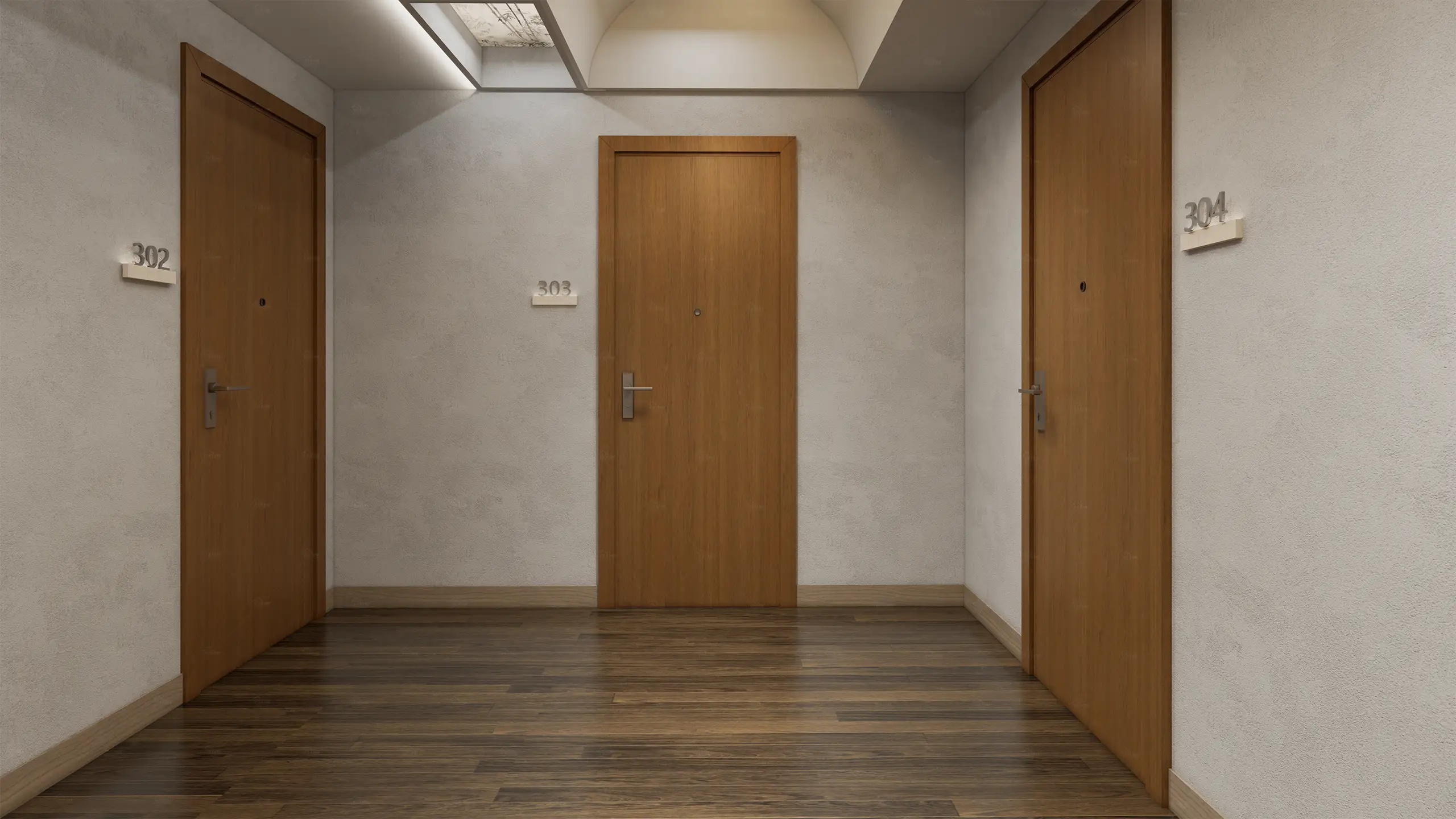
Fire-Rated Door Standards and Regulations for Residential Use
International Standards for Fire--Rated Doors
Fire-rated doors must meet specific standards to ensure they are effective at preventing the spread of fire and smoke in residential properties. These standards are set by various organisations worldwide.
1. United States:
In the U.S., fire-rated doors are regulated by the National Fire Protection Association (NFPA) and Underwriters Laboratories (UL). The NFPA, through NFPA 80, provides guidelines for the installation, maintenance, and inspection of fire doors in residential and commercial buildings. UL, on the other hand, is responsible for testing and certifying fire-rated doors to ensure they meet the required fire resistance levels. Fire-rated doors in the U.S. typically have ratings of 20, 45, 60, or 90 minutes, depending on the door’s intended use.
2. Europe:
In Europe, fire-rated doors must comply with EN 1634-1, which is the European standard for fire resistance and smoke control testing. This standard outlines the testing process to determine how long a door can withstand fire exposure. Fire doors in Europe are often rated by time—such as 30, 60, or 120 minutes—indicating how long the door can resist fire while maintaining its structural integrity. The European Union also has a CE marking system that indicates the door complies with safety standards, including fire-resistance requirements.
3. United Kingdom:
In the UK, fire-rated doors must meet the British Standard BS 476 for fire resistance. The standard specifies the fire resistance duration of the door and its ability to prevent the spread of smoke and flames. Another necessary regulation in the UK is Approved Document B, part of the Building Regulations. It outlines requirements for fire protection and specifies when fire-rated doors should be used in residential buildings, including on escape routes and in separating compartments to prevent fire spread.
4. Australia:
In Australia, fire-rated doors are governed by AS 1905.1, which specifies the requirements for fire-resistant doors used in buildings. The standard includes requirements for door construction, materials, and installation methods. The fire resistance rating is usually determined by testing in accordance with AS 1530.4. Australian building codes also specify when and where fire-rated doors should be installed, depending on the type of structure and the fire hazards present.
Compliance with Local Building Codes
Fire-rated doors are essential for ensuring compliance with local building codes and fire safety regulations. These codes are designed to protect lives and property by requiring specific fire protection measures in buildings, including residential homes. The regulations vary by region but generally focus on areas of a home that pose a higher risk of fire spread, such as garages, kitchens, and stairwells.
1. United States:
In the U.S., compliance with building codes is enforced at the local level, often based on the International Building Code (IBC) or National Building Code (NBC). These codes outline when and where fire-rated doors must be installed, particularly in high-risk areas like the garage-to-living area separation or between units in multi-family housing. Depending on the specific code, homes may need to install fire-rated doors in sure interior doorways to prevent fire from spreading.
Additionally, fire-rated doors in the U.S. must be regularly inspected and maintained to ensure compliance with NFPA 80. This includes checking for proper sealing, functional hardware, and an intact fire rating. If a fire-rated door is damaged or improperly installed, it may no longer meet safety requirements, and the homeowner could face fines or insurance issues.
2. Europe:
In Europe, local building codes are also based on national and regional fire safety standards. Many countries adopt the EN 1634-1 standard for fire-rated doors, but their implementation varies. For example, Germany’s DIN 4102 and France’s NF 90-301 provide specific fire door regulations for residential and commercial buildings. Compliance with these standards is checked during construction and renovation projects, and the use of fire-rated doors is mandatory in certain areas, such as between residential units or in areas with higher fire risks.
3. United Kingdom:
In the UK, compliance with fire-rated door regulations is governed by Approved Document B of the Building Regulations. It specifies when fire-rated doors must be installed, such as in staircases, hallways, or as part of fire-resistant escape routes. The regulations are particular about which doors must be used and where, and non-compliance can result in penalties or delays in construction projects. Additionally, the fire door assembly must be installed in accordance with BS 476 standards to ensure the door performs correctly in the event of a fire.
4. Australia:
In Australia, local building codes and fire regulations, such as the National Construction Code (NCC), specify when fire-rated doors must be installed. For example, homes with attached garages are often required to have fire-rated doors between the garage and living areas to prevent fire from spreading into the house. AS 1905.1 and AS 1530.4 outline the fire resistance ratings required for these doors, and builders must comply with these regulations during construction or renovation.
In all regions, compliance with local building codes ensures that homes meet the required fire safety standards, reducing the risk of fire spread and increasing residents’ safety. By installing fire-rated doors, homeowners not only meet regulatory requirements but also enhance their home’s overall safety, offering peace of mind in the event of a fire emergency.
Summary
In conclusion, fire-rated doors are an essential part of fire safety regulations worldwide. From NFPA in the U.S. to EN 1634-1 in Europe, these standards ensure that fire-rated doors are correctly designed, tested, and installed. Compliance with local building codes is crucial for maintaining a safe, secure home, reducing the risk of fire damage, and protecting lives and property.
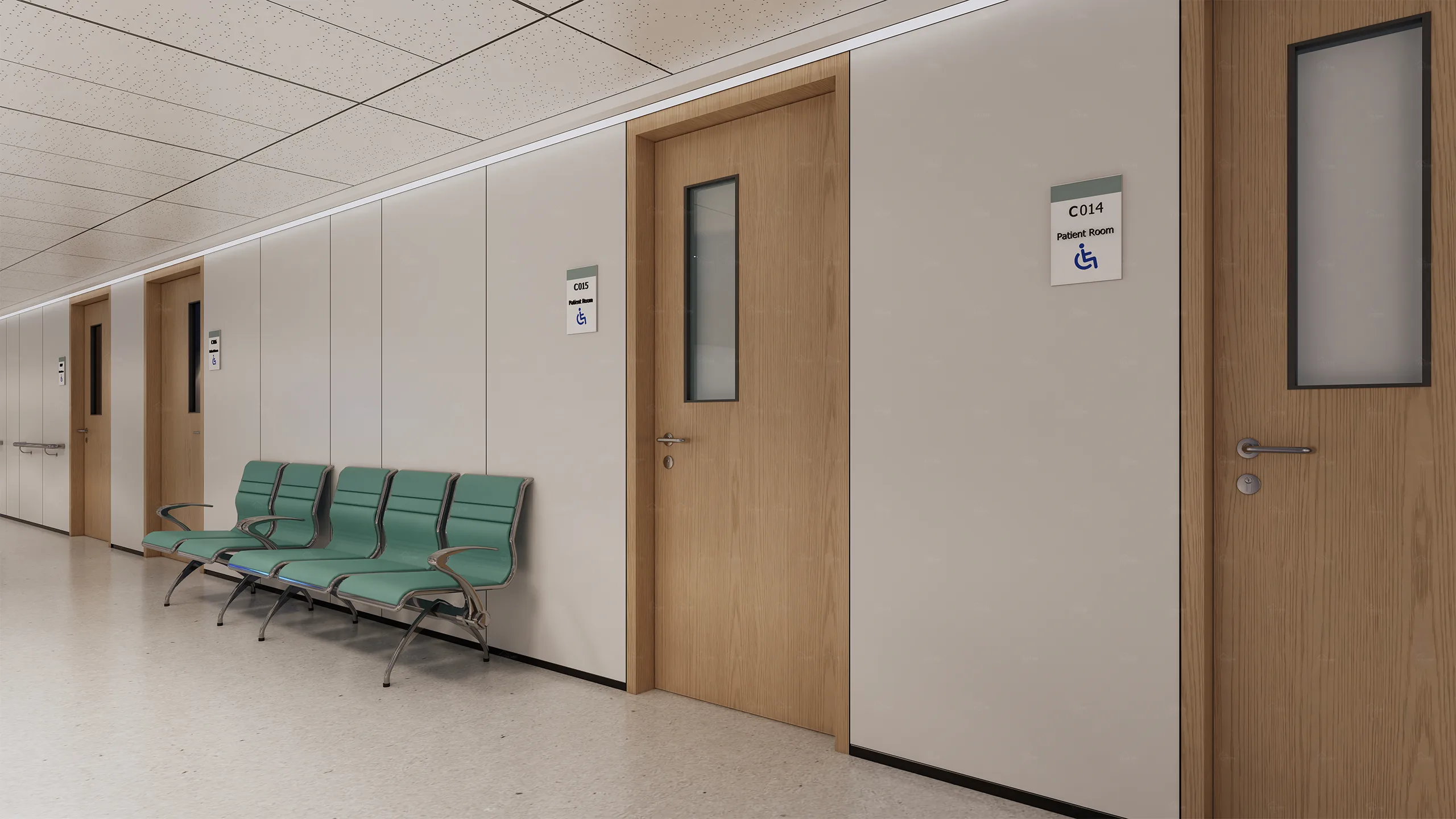
How to Choose the Right Fire-Rated Door for Your Home?
Fire-Rating Requirements Based on Room Type
Choosing the right fire-rated door depends largely on the room where the door will be installed. Different rooms in your home may pose varying fire risks, so specific fire ratings are required to ensure safety. Here’s how to choose the right fire-rated door based on room type:
1. Kitchen:
The kitchen is one of the most fire-prone areas in any home, due to cooking appliances and flammable materials. For kitchen areas, especially where a door separates the kitchen from living spaces or a garage, a fire-rated door with a 30 to 60-minute rating is recommended. This rating will help prevent the spread of flames and smoke, giving your family time to escape in case of a fire.
2. Garage:
The garage is another area with a higher fire risk, mainly because it often contains flammable materials such as gasoline, paint, or cleaning agents. A fire-rated door separating the garage from the living area is essential for protecting your home. These doors typically require a fire rating of at least 60 minutes to prevent the fire from spreading into your home. A fire-rated door with a higher rating, such as 90 minutes, may be necessary if your garage is attached to the house or includes storage areas that contain additional fire hazards.
3. Bedroom:
Bedrooms are areas where safety is crucial, but they don’t have the same fire risks as kitchens or garages. However, in multi-story homes or homes with multiple bedrooms connected by shared hallways, it’s essential to install fire-rated doors to prevent fire from spreading between rooms. A 30-minute fire-rated door is often sufficient for bedrooms, but if your home has higher fire risks, such as a basement or an attached garage, a 60-minute fire-rated door may be a safer choice.
4. Stairwells and Hallways:
Stairwells and hallways serve as escape routes, so it’s vital to install fire-rated doors that can help contain fire and provide an additional barrier to keep it from blocking your exit. A fire-rated door with a 60-minute rating is recommended for these areas, as it can help slow the fire’s spread and provide more time for safe evacuation.
5. Basements and Storage Areas:
Basements often house electrical and heating systems, as well as storage for items like cleaning supplies and seasonal decorations that can easily catch fire. A fire-rated door with a 60-minute to 90-minute rating is ideal for these areas to limit fire spread. It’s also a good idea to install fire-rated doors with additional smoke seals to prevent toxic smoke from spreading into other areas of your home.
Summary
In summary, the fire-rated door you choose should be based on the fire risks associated with each room in your home. Higher-rated doors are essential in higher-risk areas, such as the garage or kitchen, while lower-rated doors may suffice in bedrooms and hallways. Always consider the specific fire hazards in each area to make an informed decision about the right fire-rated door for your home.
Materials and Aesthetics
When choosing a fire-rated door, it’s not only about safety; the material and aesthetic appearance of the door are equally important, especially if you want the door to complement your home’s interior design. Here are some considerations for choosing the right material and ensuring that your fire-rated door matches your home’s style:
1. Wood Fire-Rated Doors:
Wood is a popular choice for fire-rated doors, especially in areas where aesthetics are a priority, such as living rooms, bedrooms, and dining areas. Wooden fire-rated doors provide a traditional look and can easily blend with most home decor styles. They are often available with a variety of finishes, such as oak, cherry, or maple, allowing you to choose the right one to match your home’s existing design.
However, it’s important to note that wooden fire-rated doors are usually more expensive than other options. The fire resistance of these doors is achieved through a specially designed fire-resistant core, often made of mineral cores or fire-resistant foam. While wooden doors offer a classic aesthetic, they may not be the best option for areas where durability and strength are more important, such as garages or basements.
2. Metal Fire-Rated Doors:
Metal fire-rated doors, typically made of steel, offer excellent fire resistance and durability. These doors are ideal for areas that require high fire protection, such as garages, basements, or utility rooms. Metal doors are highly resistant to heat, making them effective at containing fires. While metal fire-rated doors might not offer the same aesthetic appeal as wooden doors, they provide a more modern, industrial look that can suit contemporary or minimalist home designs.
If aesthetics are important, metal fire-rated doors can be customised with finishes such as powder coating or laminated materials to match your home’s style. Steel doors are also easier to maintain and more durable, especially in high-traffic areas. They are resistant to warping, cracking, or shrinking, which can be a concern with wooden doors in humid environments.
3. Aesthetic Considerations:
When selecting a fire-rated door, consider how it fits within your home’s overall design. Fire-rated doors come in various styles, including panel, flush, and glazed doors, and can be customised with different finishes and colours. Choose a door that complements your existing decor—whether you prefer a sleek modern design or a more traditional look.
Matching the door’s material to the room’s purpose and overall aesthetic is crucial for maintaining the flow and cohesion of your home’s design. A fire-rated door doesn’t have to compromise on style; with the right materials and finishes, it can enhance your space’s overall aesthetic while providing protection.
Summary
In conclusion, the material and aesthetic of your fire-rated door should align with both the room’s functional needs and the overall design of your home. Whether you choose wood, metal, or glass, make sure the door not only meets fire safety requirements but also suits your style and the specific needs of your home.
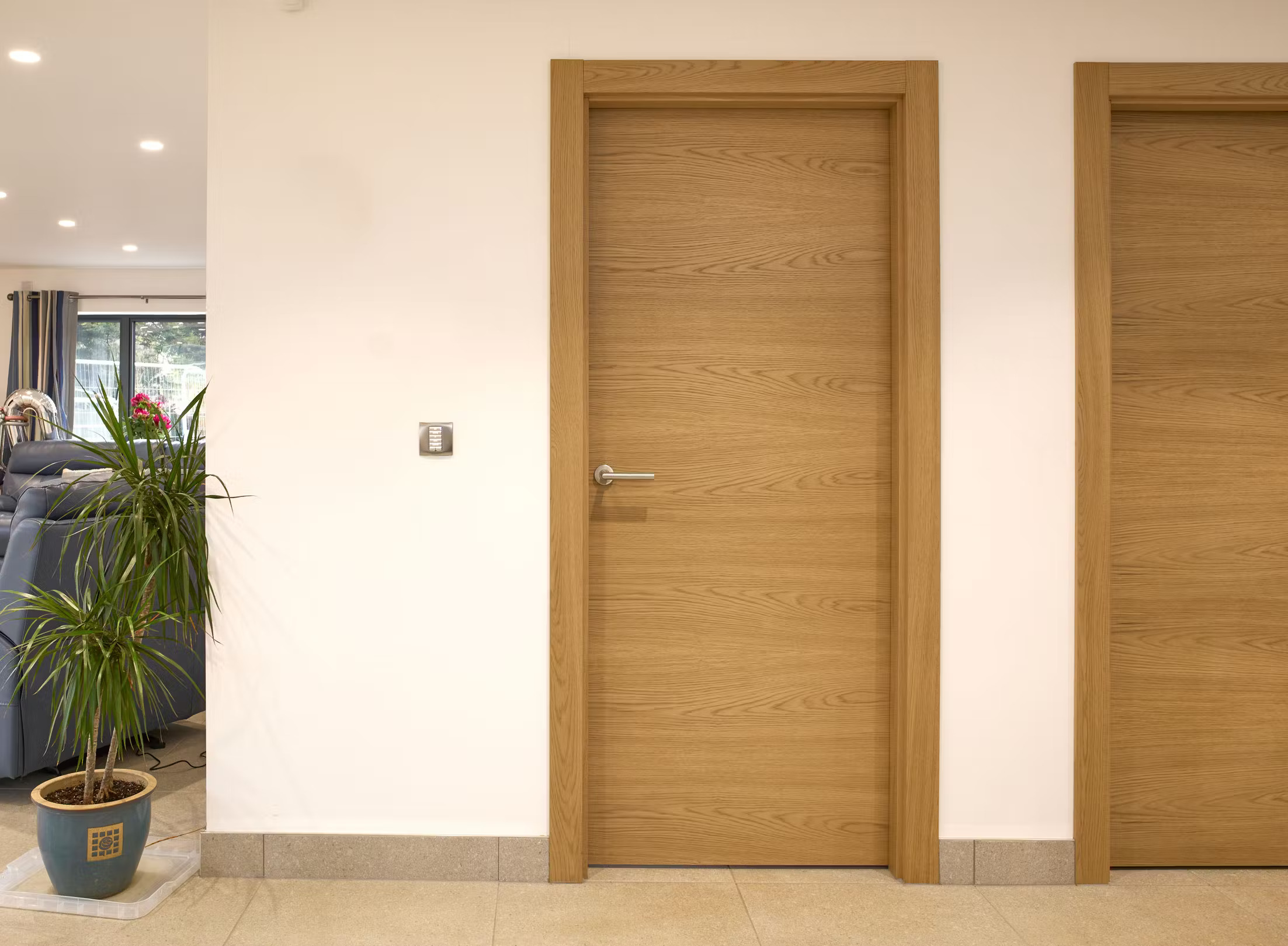
Installing Fire-Rated Doors in Your Home
Professional Installation vs. DIY
When installing a fire-rated door in your home, you have two main options: hiring a professional or doing it yourself (DIY). Both have their pros and cons, so let’s look at each option to help you decide which is best for you.
Professional Installation:
Hiring a professional to install your fire-rated door ensures that the job is done right the first time. Fire-rated doors require precise installation to meet safety standards, as even a minor mistake can compromise their fire-resistance. Professionals are trained to handle the complexities of fire-rated door installation, ensuring that the door is properly sealed, the frame is secure, and the hardware is installed correctly.
One of the major advantages of professional installation is the guarantee that the work complies with local building codes and fire safety regulations. A certified installer will ensure your fire-rated door meets all required fire-resistance ratings, giving you peace of mind that your home is protected. Additionally, professionals often offer warranties on their work, so if something goes wrong with the installation, you have a support system in place.
DIY Installation:
On the other hand, installing a fire-rated door can be a DIY project if you have the right tools, skills, and knowledge. DIY installation can save you money on labor costs and give you a sense of accomplishment. However, it’s important to note that installing a fire-rated door is more complicated than installing a regular door, as it requires precise measurements and close attention to detail.
One of the challenges with DIY installation is ensuring that the door is fitted correctly to prevent gaps that could allow smoke or flames to escape. A poorly installed fire-rated door may not provide the necessary protection in a fire, defeating the purpose of having a fire-resistant door in the first place. Additionally, you must ensure you have the right materials and tools to complete the job correctly.
If you decide to go the DIY route, make sure you thoroughly research the installation process, consult the manufacturer’s instructions, and have the proper tools on hand. You may also want to consider having a professional inspect the installation once completed to ensure it’s up to code.
Installation Process and Requirements
The installation of fire-rated doors is a critical process that requires careful attention to detail to ensure the door performs as expected during a fire. Here’s an overview of the typical installation process and the key requirements you need to keep in mind.
1. Prepare the Opening:
Before installing your fire-rated door, make sure the door frame is clean, level, and free of debris. The opening needs to be the correct size for the door and frame. If the opening is too large or too small, it may affect the door’s performance. It’s crucial to measure carefully, as fire-rated doors are designed to fit snugly within the frame to prevent gaps that could allow fire or smoke to pass through.
2. Install the Frame:
The first step in the installation process is to install the door frame. The frame should be made of fire-resistant materials to match the fire-rated door. Ensure the frame is aligned correctly, square, and securely fastened to the surrounding structure. The frame must be tightly sealed to prevent gaps, as any airspace could reduce the door’s fire resistance.
3. Hang the Door:
Once the frame is in place, the fire-rated door can be hung. This requires precision, as the door needs to open and close smoothly without gaps. The hinges should be appropriately aligned and installed to ensure the door functions correctly. The door must also swing open easily in case of an emergency. Any misalignment can compromise the door’s performance during a fire.
4. Seal the Edges:
The edges of a fire-rated door must be adequately sealed to prevent the passage of heat and smoke. Typically, fire-rated doors come with special seals that expand when exposed to heat, creating a barrier against smoke and flames. These seals should be installed around the perimeter of the door to ensure a tight seal. If the door doesn’t come with pre-installed seals, they must be added during installation.
5. Install Hardware:
After hanging the fire-rated door, the next step is to install the required hardware, including the door handle, lock, and latch. The hardware must be designed to withstand the heat of a fire and should meet the same fire-resistance standards as the door itself. The latch must also engage securely to ensure the door remains closed during a fire, as an open door would be ineffective in containing flames.
5. Install Hardware:
After hanging the fire-rated door, the next step is to install the required hardware, including the door handle, lock, and latch. The hardware must be designed to withstand the heat of a fire and should meet the same fire-resistance standards as the door itself. The latch must also engage securely to ensure the door remains closed during a fire, as an open door would be ineffective in containing flames.
6. Test the Door:
Once the door is installed, it’s essential to test it to ensure it opens and closes properly. A fire-rated door should close completely and seal tightly when shut. It’s essential to check that the door has no gaps, as even a small opening could compromise its fire-resistance rating. If the door doesn’t close properly or there are issues with the frame or seals, the installation may need to be corrected.
7. Compliance with Building Codes:
Finally, make sure the fire-rated door complies with local building codes and regulations. In many areas, fire doors are required to be installed in specific locations, such as between the house and the garage or in multi-family units. Ensuring that the installation follows local regulations is crucial for safety and insurance purposes. Some jurisdictions may require an inspection after installation to confirm that the door meets fire-safety standards.
Summary
In conclusion, whether you opt for professional installation or go the DIY route, installing a fire-rated door requires attention to detail and adherence to safety standards. The key to a successful installation is ensuring that the door is properly sealed, the frame is secure, and the hardware is correctly installed. By following these steps and meeting local building code requirements, you’ll help ensure that your fire-rated door performs as intended, providing your home with the protection it needs in the event of a fire.

Fire-Rated Door Maintenance and Longevity
How to Maintain Your Fire-Rated Doors?
To ensure that your fire-rated door continues to provide the protection it was designed for, regular maintenance is essential. Over time, wear and tear can affect its performance, so proper care can help extend its lifespan and keep it functioning as intended.
1. Regular Inspection:
Check your fire-rated door regularly for any signs of damage. Look for cracks, warping, or rust, particularly if it’s a metal fire-rated door. Wooden doors should be inspected for swelling or splitting, as these can affect their ability to seal properly during a fire. Ensure the door still fits snugly in its frame and operates smoothly. If the door is misaligned, it may not close tightly enough to provide an effective fire barrier.
2. Check the Seals:
The seals around your fire-rated door are crucial for its performance. These seals, often made of intumescent materials, expand when heated, preventing smoke and flames from passing through. Check the seals for wear and tear. If you notice any cracks or gaps in the seals, replace them immediately. A damaged seal could reduce the door’s fire-resistance rating, making it less effective in an emergency.
3. Ensure Proper Functionality of Hardware:
The hardware on your fire-rated door—such as the hinges, handles, and locking mechanisms—should be in good working order. Ensure the door opens and closes smoothly without any sticking or resistance. The latch or locking system should engage securely when the door is closed. A faulty locking system could cause the door to remain slightly open, reducing its ability to prevent the spread of fire and smoke. Lubricate hinges and moving parts as needed, but avoid over-oiling, which can attract dust or grime.
4. Keep the Door Free from Obstructions:
Ensure that there are no obstructions around your fire-rated door that could prevent it from closing correctly. Items such as furniture, rugs, or boxes could block the door or prevent it from closing securely. A fire-rated door must be able to close completely to provide an effective barrier during a fire.
5. Regular Cleaning:
To keep your fire-rated door looking good and functioning correctly, regular cleaning is essential. Use a soft cloth and a mild detergent to wipe down the surface. Avoid harsh chemicals or abrasive materials that could damage the door’s finish or seals. For metal fire-rated doors, you can use a mild rust remover if you notice any corrosion. For wooden doors, ensure that the finish is intact and not peeling or chipping.
Lifespan and Replacement Considerations
Fire-rated doors are designed to last a long time, but like any other part of your home, they will eventually need to be replaced. The lifespan of a fire-rated door depends on several factors, including its material, frequency of use, and maintenance. Here’s what you should consider when thinking about the lifespan and replacement of your fire-rated door:
1. Lifespan of Fire-Rated Doors:
Most fire-rated doors are designed to last for several decades, with a typical lifespan of 20 to 30 years. However, the fire-resistance rating of the door (30, 60, 90 minutes, etc.) does not necessarily affect its longevity. Factors such as exposure to the elements, usage, and maintenance practices play a bigger role in determining how long a door lasts. A fire-rated door that is well-maintained, kept clean, and free from damage can last many years without needing to be replaced.
2. When to Replace Your Fire-Rated Door:
If your fire-rated door shows signs of significant damage, such as severe rusting, cracking, or warping, it may be time to replace it. Damage to the door’s frame or seal can also affect its performance, reducing its ability to prevent the spread of fire and smoke. If the door fails to close properly or if the hardware is no longer functional, these could also be signs that it’s time for a replacement.
Another key factor in deciding when to replace a fire-rated door is the door’s age. Over time, the materials used in the door, such as wood or metal, can degrade. Even if the door looks fine on the outside, the internal materials may no longer provide the same level of fire protection as they once did. If your fire-rated door is more than 20 years old and has never been replaced, it’s a good idea to consider an upgrade.
3. Regulatory Changes and Building Codes:
Building codes and fire safety regulations can change over time. If you’re renovating your home or upgrading other areas for fire safety, it’s a good idea to check the latest building codes in your area. There may be new regulations regarding fire-rated doors, or specific materials may now be required for safety. If your door no longer meets current codes or standards, it’s time to replace it with a newer, more compliant model.
4. Upgrading to a Higher Rating:
If you live in a high-fire-risk area or are concerned about fire safety, replace your current fire-rated door with one with a higher fire-resistance rating. For example, if you currently have a 30-minute-rated door, upgrading to a 60-minute- or 90-minute-rated door could provide additional protection for your home. While this upgrade may come with a higher upfront cost, it can provide peace of mind and increased safety.
Summary
In conclusion, fire-rated doors are built to last, but their longevity depends on regular maintenance and how they’re used. With proper care, a fire-rated door can serve its purpose for many years. However, when you notice significant wear or if the door no longer meets safety standards, it’s time to replace it. Upgrading to a higher-rated fire-rated door or ensuring your door complies with the latest building codes is an investment in your home’s fire safety.

Conclusion
Key Considerations When Choosing a Fire-Rated Door
Choosing the right fire-rated door for your home is an important decision that can significantly impact your fire safety. There are several key factors to consider to ensure you select the best option for your needs:
1. Fire-Rating Requirements:
First and foremost, it’s essential to choose a fire-rated door with the appropriate fire-resistance rating. Consider the areas of your home that require the most protection, such as kitchens, garages, or stairwells. A fire-rated door with a higher rating (60 or 90 minutes) may be needed in high-risk areas, while a lower rating (30 minutes) might suffice for less-exposed rooms.
2. Material and Durability:
The material of your fire-rated door is another important consideration. Whether you opt for wood, steel, or glass, each material offers unique advantages. Wood offers a traditional look, while steel provides maximum durability and fire resistance. Choose a material that meets your safety needs and complements your home’s overall aesthetic.
3. Compliance with Building Codes:
Make sure the fire-rated door complies with local building codes and regulations. These codes often specify when and where fire-rated doors are required, such as between the house and garage or in multi-family buildings. Adhering to these codes ensures your home meets standards and that your door provides the necessary protection.
4. Proper Installation:
Whether you choose professional installation or decide to do it yourself, the fire-rated door must be installed correctly. Proper installation ensures the door seals tightly and performs as expected in the event of a fire. Misalignment or improper sealing can compromise its effectiveness, so ensure the door is fitted securely and functions smoothly.
5. Aesthetic Considerations:
While fire safety is the top priority, it’s also essential to select a fire-rated door that complements your home’s interior design. There are various styles and finishes available to suit your aesthetic preferences, from sleek metal doors to classic wooden designs. Find a balance between safety and style to create a functional and attractive door for your home.
Relate FAQ
What are fire-rated doors, and why are they essential for residential use?
Fire-rated doors are designed to withstand fire for a specified period. They are crucial in residential settings for enhancing safety by preventing the spread of fire and smoke between rooms, providing occupants with more time to escape.
How long can fire-rated doors withstand heat and fire?
Fire-rated doors are available in various fire resistance ratings, typically ranging from 20 minutes to 90 minutes. The rating indicates how long the door can resist fire under test conditions before it begins to fail.
Can fire-rated doors be installed in a regular home?
Yes, fire-rated doors can be installed in residential properties, especially in high-risk areas such as kitchens, garages, and near fireplaces. They provide added protection and are increasingly recommended by fire safety codes in many regions.
Where should fire-rated doors be installed in a home?
Fire-rated doors should be installed in areas most vulnerable to fire, such as between the garage and living areas, in kitchens, utility rooms, and basement stairwells. Local fire codes often specify where they should be installed.
How do I know if a door is fire-rated?
A fire-rated door will have a label on the edge or frame indicating its fire-resistance rating. The label includes details such as the door's manufacturer, the fire rating (e.g., 60 minutes), and other relevant certifications.
Are fire-rated doors required by law in residential buildings?
Fire-rated door requirements vary by jurisdiction and the home's specific design. In certain areas, fire-rated doors may be required by law in particular situations, such as in multi-unit buildings or where local fire codes demand additional safety measures.
Can fire-rated doors be used in exterior doors?
Yes, fire-rated doors can be used as exterior doors if they meet the required standards. They can help prevent the spread of fire from outside into the home, especially in areas with higher fire risk.
How should fire-rated doors be maintained?
Fire-rated doors require regular maintenance to ensure they continue to meet safety standards. This includes checking for damage, ensuring the door closes properly, inspecting seals, and confirming the hardware is functioning correctly. It’s recommended to have a professional inspect and maintain the door regularly.