Do all fire door hinges require intumescent protection?
Introduction to Fire Door
What Is a Fire Door and Why Is It Important?
A fire door is a specially designed door that plays a crucial role in preventing the spread of fire and smoke between different areas of a building. It is made from materials that can withstand high temperatures for a set period, usually 30, 60, or 90 minutes, depending on its fire rating. These doors are essential in buildings where fire safety is a top priority, such as commercial offices, hospitals, schools, and residential buildings.
The primary function of a fire door is to compartmentalize fire, limiting damage to a specific area. This helps protect lives and property by giving people more time to evacuate and allowing firefighters to work more effectively. Without fire doors, fire can spread quickly, making it difficult to control and increasing the risk of fatalities.
Fire doors are not just about stopping flames; they also serve to block the spread of smoke, which can be just as deadly. Since smoke inhalation causes more deaths in fires than the flames themselves, fire doors are critical in ensuring air quality during an emergency.
When installed correctly, fire doors meet various safety standards and regulations, including those outlined in codes like the NFPA (National Fire Protection Association) and BS 476. These codes ensure that the door materials, construction, and hardware, such as hinges, locks, and seals, are up to the task of containing a fire.
In addition to the materials, fire doors are equipped with other components, such as intumescent seals and fire-resistant glazing, which further enhance their performance. These seals expand when heated, forming a barrier that seals gaps and prevents smoke and heat from passing through. Together, these features create a comprehensive fire protection system.
Fire doors are rigorously tested to meet specific fire-resistance ratings. Depending on the fire rating, the door can withstand fire and smoke for different durations. For example, an FD30 fire door can resist fire for up to 30 minutes, while an FD60 fire door is built to endure flames for 60 minutes. The fire rating of the door is essential for determining the appropriate installation and use in various settings.
Key Components of a Fire Door
Fire doors are made up of several key components that work together to ensure safety during a fire. These parts include hinges, seals, frames, and locks, all of which play essential roles in keeping the door functional and fire-resistant. Let’s take a closer look at each of these elements and their contribution to the overall performance of a fire door.
Hinges
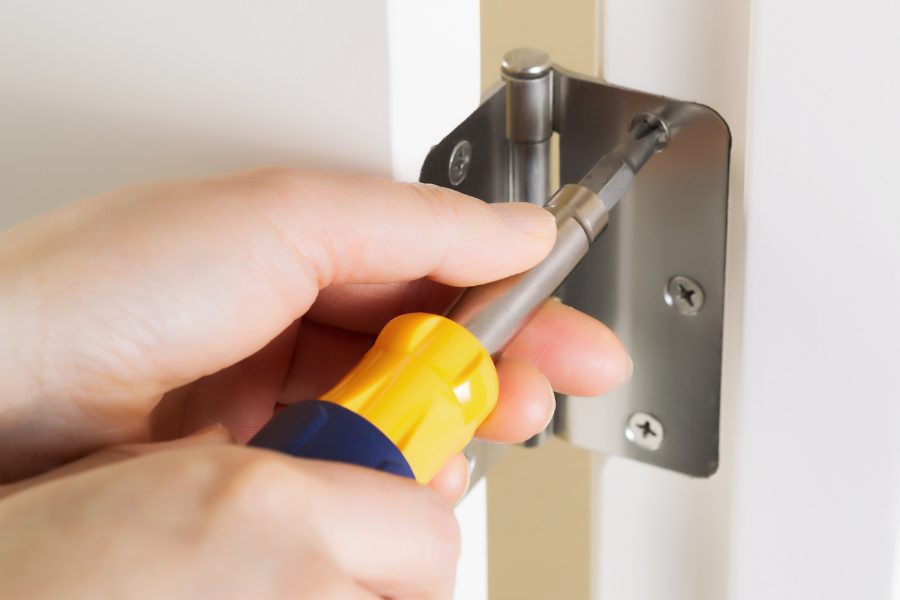
Hinges are often the first component people think about when it comes to fire door hardware. These metal components allow the door to open and close smoothly. Fire door hinges must be strong enough to support the door’s weight, especially in fire-rated models, which are often heavier than standard doors. Fire door hinges are specially designed to maintain their strength and functionality even under high heat. Some fire doors may require intumescent hinges, which expand when exposed to heat, adding an extra layer of protection by preventing smoke and flames from leaking through.
Seals
Seals are another critical component of fire doors. These are typically made from intumescent materials that expand when exposed to heat, forming a barrier that blocks smoke and fire. Seals are placed around the edges of the door to fill gaps between the door and the frame. This helps to ensure the door remains airtight, which is vital for stopping the spread of smoke, a major danger during a fire. Good-quality fire door seals are essential for achieving the required fire ratings, whether it’s an FD30 or an FD60 fire door.
Frames
The frame of a fire door is just as important as the door itself. Fire-rated door frames are designed to withstand heat and support the door’s weight. They are made from materials such as steel or fire-resistant wood, which can withstand high temperatures without compromising the door’s integrity. The frame also holds all the other components in place and ensures the door fits snugly into the opening. Proper installation of the door frame is key to maintaining the door’s fire resistance rating.
Locks
Locks play a crucial role in fire doors, too. While locks may not seem directly related to fire protection, they ensure the door stays securely closed when needed. Some fire doors are equipped with latch mechanisms that are designed to remain functional even in high heat. However, it’s important to note that fire doors should not be locked in a way that prevents people from exiting during an emergency. Self-closing mechanisms and latching locks help the door close and seal properly after it’s opened, which is critical for containing the fire.

Understanding Fire Door Hinges
What Are Fire Door Hinges?
Fire door hinges are a vital part of any fire door system. These hinges allow the door to open and close smoothly while maintaining its integrity during a fire. Their main job is to support the weight of the fire door, which can be heavy due to the fire-resistant materials used in its construction. Fire door hinges are designed to withstand high temperatures and help ensure the door functions properly when needed most.
In addition to simply allowing movement, fire door hinges also help prevent the spread of fire and smoke. The hinges are made of strong, heat-resistant metals that can endure the heat of a fire. This ensures that the fire door stays in place, providing an effective barrier to flames and smoke. Without high-quality hinges, a fire door might fail to close correctly, compromising its effectiveness in preventing the spread of fire.
Explanation of The Role of Hinges in Fire Doors
The role of hinges in fire doors goes beyond just connecting the door to the frame. They play a key role in a building’s overall fire safety strategy. When a fire door is installed correctly with high-quality hinges, it will function as intended, staying closed during a fire and helping to contain the fire within one compartment of the building.
Fire door hinges ensure that the door remains in place, even during high heat. If the hinges were to fail under the pressure of intense heat, the door could swing open, allowing smoke and flames to escape. This could result in the rapid spread of fire throughout the building, endangering lives. Therefore, fire door hinges must be strong enough to withstand both the door’s weight and the stress caused by fire exposure.
Furthermore, the self-closing mechanism is often integrated into fire door hinges. This feature ensures the fire door closes automatically after opening, sealing it tightly against the frame. This is especially important in areas where the door might be left open temporarily, such as hallways or stairwells. With self-closing fire door hinges, the door will always be ready to perform its function in the event of a fire.
Different Types of Fire Door Hinges
There are different types of fire door hinges, each designed for specific needs and fire ratings. The two main categories are standard fire door hinges and fire-rated door hinges.
- Standard Fire Door Hinges: These hinges are commonly used for lower fire-rated doors, such as those rated FD30 (30-minute fire resistance). They are made from durable, heat-resistant materials, but they are generally not designed to withstand extremely high temperatures for long periods. These hinges are perfect for residential buildings or areas with lower fire risks where a 30-minute fire door rating is sufficient.
- Fire-Rated Hinges: Fire-rated hinges, on the other hand, are specifically designed to handle higher temperatures and more prolonged exposure to fire. These hinges are typically used on FD60, FD90, or higher-rated doors. They are made from special materials that not only resist heat but also expand when exposed to fire, preventing gaps from forming between the door and the frame. This ensures the fire door remains fully sealed, offering better protection for more extended periods. Fire-rated hinges are commonly used in commercial buildings, industrial sites, and other areas where fire resistance is a top priority.
Choosing the right hinge depends on the door’s fire rating and the building’s specific needs. Whether you’re looking for standard fire door hinges for a home or fire-rated hinges for a commercial space, it’s essential to choose hinges that match the level of fire resistance required by local building codes and regulations.
Why Are Hinges Important for Fire Doors?
Fire door hinges play a crucial role in both the functionality and fire resistance of a fire door. Without proper hinges, even the best fire-rated door wouldn’t perform as it should in a fire emergency. Let’s break down how hinges contribute to the overall safety and reliability of fire doors.
Their Contribution to Door Functionality and Fire Resistance
First, hinges allow the door to operate smoothly. A fire door, like any other door, needs to open and close properly for day-to-day use. If the hinges are weak or improperly installed, the door may not close tightly or could fail to close at all. This is particularly dangerous in a fire situation, where an open door can allow flames and smoke to spread rapidly throughout a building. High-quality fire door hinges, therefore, ensure the door can close securely and perform its life-saving function when needed.
Hinges also help maintain the door’s structural integrity during a fire. In a fire, the door and its components are exposed to high temperatures. Fire door hinges are specifically designed to handle these conditions. They are made from materials that won’t warp, bend, or weaken when exposed to heat. This ensures that the door stays intact, even in the most intense fire scenarios. Fire-rated hinges are made from specially selected metals and materials that can withstand temperatures far beyond what standard door hinges can handle. Some fire door hinges even come with intumescent properties, which means they can expand in the presence of heat to prevent gaps from forming between the door and the frame. This is essential for keeping the fire and smoke contained.
Another vital contribution of fire door hinges is their role in ensuring a proper seal. In the event of a fire, the seal around the fire door is just as important as the door itself. If the door doesn’t fit tightly within the frame, smoke and flames can slip through, undermining the fire door’s effectiveness. Hinges help keep the door aligned and in place, ensuring that the seals stay intact and the door maintains a strong barrier against fire and smoke. Without the right hinges, the fire door might not close properly, leaving gaps that could allow fire to spread.
Lastly, hinges contribute to the door’s overall durability and longevity. A well-maintained fire door with properly functioning hinges can last for many years. Hinges are exposed to wear and tear with frequent use, so it’s essential to choose high-quality, durable hinges that can withstand constant operation while still performing under fire conditions. By ensuring the hinges are up to code and made from fire-resistant materials, the door remains effective over time.

Intumescent Protection: What Is It and Why Does It Matter?
Definition of Intumescent Protection
Intumescent protection is a fire safety feature that enhances the fire resistance of materials, including fire doors. Intumescent materials are substances that react to heat by expanding, forming a thick, insulating layer that helps to block the spread of flames and heat. This simple yet effective mechanism is what makes these materials so valuable in fire safety systems.
Explanation of Intumescent Materials and Their Fireproofing Properties
When exposed to high temperatures, intumescent materials begin to swell, forming a thick, dense barrier. This expansion helps seal gaps and cracks that could otherwise allow fire and smoke to pass through, especially around the edges of fire doors. For example, intumescent seals are commonly applied around the perimeter of a fire door. These seals expand when heated, ensuring the door remains tightly closed and fireproof, even in extreme conditions.
The key fireproofing property of intumescent materials lies in their ability to expand rapidly when heated. This expansion is typically several times the material’s original size, increasing its density and creating a barrier that resists heat and smoke. This insulating layer slows down the transfer of heat, allowing more time for evacuation and fire-fighting efforts. In the context of fire doors, these materials help keep the door intact during a fire, providing a crucial defense against its spread.
One typical example of intumescent protection is found in the fire door seals. These seals are typically applied to the edges of a fire door and its frame. When exposed to heat, the seals expand to fill gaps between the door and the frame, preventing smoke and fire from escaping. This is especially important because even the smallest gap can allow fire or smoke to spread, undermining the door’s ability to contain the fire.
Another important use of intumescent materials is in the hinges of fire doors. Some fire-rated hinges contain intumescent materials that expand when exposed to high temperatures, preventing gaps from forming between the door and the frame. This helps ensure that the door remains securely closed during a fire, allowing it to perform its intended function of containing the fire and smoke.
How Intumescent Protection Works?
Intumescent materials are specially designed to react to heat. When exposed to high temperatures, these materials expand rather than break down. This unique property allows them to create a thick, protective layer that blocks both fire and smoke. Imagine it like a sponge that grows when exposed to heat, but instead of absorbing liquid, it absorbs the heat and forms a barrier.
When a fire door is exposed to flames, the temperature rises. As the heat hits the intumescent seals or other intumescent materials used in the door, they start to expand. This expansion occurs very quickly and can increase the material’s size several times its original size. This helps seal any gaps around the door that could otherwise let smoke or flames escape.
The expansion creates a dense, charred layer that acts as an insulating shield. This layer effectively slows heat transfer, giving the fire door more time to hold off the flames. In essence, the intumescent material’s ability to expand and insulate the fire door helps it maintain its fire rating and keep the fire contained.
Here’s a simple example: Let’s say a fire breaks out and the temperature around the fire door increases. The intumescent strip around the edges of the door expands, filling any small gaps between the door and the frame. This prevents the fire from passing through and keeps the room or area protected for longer. Without this protection, even tiny gaps would allow the fire to spread, putting lives at risk.
Not only do intumescent materials seal the door, but they also protect the surrounding structure from extreme heat. As the material expands and forms a barrier, it creates an added layer of fireproof protection, preventing the door from burning through too quickly. This gives building occupants more time to evacuate and helps firefighters control the fire more effectively.
Other Uses of Intumescent Protection in Fire Safety
Intumescent Seals are commonly used around the edges of fire doors to seal gaps and prevent the passage of smoke and fire. These seals expand when heated, creating a thick, fire-resistant barrier that helps keep the door tightly shut. The expansion of the intumescent material ensures that even if the door is slightly misaligned or there are small gaps, the seal will fill these spaces and maintain its fireproofing properties. This is especially important because even the smallest gap can allow dangerous smoke and flames to escape, making intumescent seals essential for achieving a fire-rated door.
Next, intumescent glazing is used in fire-resistant windows or panels that are often part of fire doors or other fire safety systems. While regular glass can shatter or allow flames and smoke to pass through during a fire, intumescent glazing is designed to expand when exposed to heat, creating a solid, insulating layer that resists the spread of fire. This type of glazing is used in both fire door glazing and other windows in buildings to ensure that the structure remains secure, even under high heat. Just as with seals, the intumescent material in the glazing expands rapidly as temperatures rise, preventing fire from breaching the barrier.
Intumescent Door Frames are another key component in fire safety. While most people focus on the fire door itself, the frame plays a vital role in holding the door in place and providing a secure barrier against fire. Fire-rated door frames are often fitted with intumescent strips or coatings to help prevent fire from spreading around the edges of the door. These frames are typically made from fire-resistant materials such as steel or specially treated wood, but adding intumescent protection further enhances their resistance to heat and smoke. If a fire occurs, the intumescent material in the frame will expand, filling any gaps between the door and the frame, ensuring the fire door remains sealed and effective at preventing fire spread.
Do All Fire Door Hinges Require Intumescent Protection?
Factors Affecting Intumescent Protection on Hinges
Fire Door Ratings
One of the main factors determining whether fire door hinges require intumescent protection is the door’s fire rating. Fire door ratings, such as FD30, FD60, and FD90, determine how long a fire door can withstand heat before it fails. These ratings are essential for selecting the right hinges and other components for the fire door, as the door’s fire resistance level determines the required level of protection.
- FD30 Fire Doors: These doors have a fire resistance rating of 30 minutes. For these doors, standard fire-rated hinges may be sufficient, but in some cases, intumescent protection can add an extra layer of safety. The hinges on FD30 doors should withstand heat for at least 30 minutes, but they don’t need to have intumescent properties unless the door is exposed to high heat or smoke.
- FD60 Fire Doors: These doors are rated for 60 minutes of fire resistance. For FD60 fire doors, intumescent fire door hinges are often recommended. Intumescent hinges expand when exposed to heat, preventing gaps that could allow fire and smoke to escape. This added protection ensures the door remains sealed throughout the fire rating.
- FD90 Fire Doors: With a 90-minute fire resistance rating, FD90 doors require higher-performance hinges. Intumescent protection is almost always necessary for FD90 doors, as they need to withstand heat for a longer period. Hinges without intumescent materials may fail under such intense heat, compromising the door’s ability to contain the fire.
Building Codes and Regulations
Building codes and regulations are another key factor in determining whether fire door hinges require intumescent protection. These regulations are in place to ensure that fire doors are installed correctly and meet minimum safety standards to protect lives and property during a fire.
In many regions, local building codes specify the types of fire doors and fire door hinges required for specific buildings, such as schools, hospitals, or office buildings. These codes may specify fire resistance ratings (such as FD30, FD60, or FD90) and provide clear guidelines on the components required, including hinges, locks, and seals.
Additionally, national or international standards, such as NFPA (National Fire Protection Association) codes in the US, BS 476 in the UK, EN1634 in the EU or AS1905 in the AU, may set out requirements for fire-rated door components. These standards provide detailed information on how fire doors should be constructed, what materials should be used, and whether intumescent protection is required on the hinges.
When Hinges Need Intumescent Protection?
Not all fire door hinges need intumescent protection, but there are certain situations where it becomes essential. The need for intumescent protection depends on the door’s fire rating, its location, and the building’s fire risk level. Let’s break down when fire door hinges must have intumescent protection.
Specific Situations Where Intumescent Protection Is Necessary
First, if a fire door has a higher fire rating (like FD60, FD90, or higher), it often requires intumescent hinges. These hinges are designed to withstand higher temperatures for more extended periods. Intumescent protection helps the hinges expand when exposed to heat, ensuring they remain sealed and functional, even during a prolonged fire. Without this protection, the door might not perform as expected, allowing fire and smoke to escape.
Another situation where intumescent hinges are needed is in high-risk areas. For instance, in buildings with large crowds, such as shopping centers, hospitals, or schools, the risk of fire spreading is higher. In these environments, fire doors with intumescent hinges can provide extra assurance that fire will be contained, giving people more time to evacuate and firefighters more time to respond. This additional layer of protection is crucial in areas where large numbers of people could be at risk.
Additionally, if a fire door is installed in a critical escape route (such as hallways, stairwells, or emergency exits), intumescent protection is highly recommended. In case of a fire, the fire door must remain intact and sealed to protect the escape route from smoke and flames. Hinges with intumescent materials are essential for maintaining the door’s seal and keeping the escape route clear.
Lastly, intumescent protection is necessary when the fire door is exposed to extreme or variable temperatures. In environments such as industrial sites or areas near potential heat sources, fire doors must withstand sudden temperature changes. In such cases, intumescent hinges can help the door perform as needed during a fire.
Examples of Fire Doors Requiring Such Protection
Several examples highlight where intumescent protection on fire door hinges is necessary. Let’s look at some specific scenarios:
1. Commercial Office Buildings:
In commercial office spaces, fire doors often have higher fire ratings, such as FD60 or FD90, to prevent the spread of fire between offices and hallways. These doors are usually equipped with intumescent hinges to resist high temperatures and remain sealed during a fire. The added protection from the intumescent hinges prevents smoke and flames from spreading through small gaps.
2. Hospitals and Healthcare Facilities:
Hospitals and healthcare buildings require fire doors to provide safe passage for patients and staff during a fire emergency. FD60 or FD90 fire doors are commonly used and often equipped with intumescent hinges. The hinges help maintain the fire door’s integrity for longer periods, keeping critical areas, such as operating rooms and patient wards, protected from smoke and fire.
3. Schools and Universities:
In educational buildings, fire doors with intumescent protection are crucial to safeguard students and staff. FD30 fire doors may be sufficient in some areas, but in hallways and staircases that serve as main exit routes, FD60 or FD90 fire doors are often installed. These doors require intumescent hinges to help keep them sealed and functional during an emergency.
4. High-Risk Industrial Settings:
In factories and industrial plants, where flammable materials are often stored or processed, fire doors are essential for containing fires and preventing them from spreading to other parts of the building. These doors are typically FD60 or FD90 and require intumescent hinges to withstand high temperatures and provide additional fire protection.
5. Hotels and Large Residential Buildings:
Fire doors are used in corridors, stairwells, and between units to protect against the spread of fire. In these settings, intumescent hinges ensure that the fire doors can effectively seal off rooms and corridors, allowing people to safely evacuate and preventing fire from spreading between apartments or hotel rooms.
When Hinges Don’t Require Intumescent Protection?
Conditions Where Standard Hinges May Suffice
While intumescent protection on fire door hinges is highly beneficial in many cases, it’s not always necessary. In certain conditions, standard hinges can be used for fire doors without compromising safety. Here’s when regular fire door hinges may be sufficient:
- Lower Fire Rating Doors: If the fire door has a lower fire rating, such as FD30 (30-minute fire resistance), standard hinges are often enough. These doors are typically used in areas with lower fire risk or where there’s less concern about prolonged exposure to heat. Since the door is designed to withstand only a short duration of fire, intumescent hinges may not be needed.
- Less Frequent Use: Fire doors used infrequently, such as those in storage rooms or areas not regularly accessed, may not require intumescent protection on their hinges. In these situations, the door’s performance during a fire is essential, but the hinges are less likely to face the physical stress of frequent opening and closing. Standard hinges may be enough to keep the door functional while still providing the necessary fire resistance.
- Milder Environments: If the fire door is installed in an area unlikely to experience high or intense heat in a fire, standard hinges can usually suffice. For example, in areas not exposed to industrial heat sources or extreme fire hazards, a fire door with an FD30 or lower fire rating and standard hinges may meet the required safety standards.
- Buildings with Enhanced Fire Suppression Systems: In buildings equipped with advanced sprinkler systems or other automatic fire suppression tools, the need for intumescent hinges can sometimes be reduced. If the sprinkler system effectively controls the fire and prevents it from spreading, the door’s role in containing the fire might be less critical, and standard hinges could suffice.
Fire Door Applications in Low-Risk Areas
Fire doors are commonly used in buildings to enhance safety, but not all areas face the same level of fire risk. In low-risk areas where the risk of fire breaking out or spreading is minimal, fire doors with standard hinges can provide adequate protection without the need for intumescent hinges.
For example, in buildings such as offices, schools, or residential homes with FD30 fire doors installed in low-hazard areas, standard fire door hinges often meet safety requirements. These areas include spaces with low fire load (the amount of combustible material) and fire suppression systems, such as sprinklers, to mitigate the effects of a fire.
1. Office Spaces:
Offices with FD30 fire doors in hallways or interior rooms typically don’t require intumescent hinges, especially if they are not connected to high-risk areas like kitchens or electrical rooms. The fire door’s primary purpose is to contain fire for a short duration, and standard hinges are enough to keep the door functioning.
2. Residential Homes:
In private homes, FD30 fire doors are often installed between rooms or in basements. These doors may not need intumescent hinges if the risk of fire spreading is lower. For example, interior fire doors in homes, such as those between the kitchen and living areas, may use standard hinges since the fire load in a typical home is lower than in commercial buildings.
3. Storage Rooms:
In buildings with low-risk storage areas, FD30 fire doors may be used to separate rooms containing non-combustible materials. These types of fire doors can often use standard hinges, since the likelihood of a fire spreading quickly is minimal.
4. Hotels and Motels:
In guest rooms or areas with limited fire hazards, FD30 fire doors are used to separate rooms or hallways. Unless the building has areas of higher risk, such as a kitchen or boiler room, intumescent hinges might not be required in these rooms.
Regulations and Standards for Fire Door Hinges
Fire Door Regulations and Codes
Fire door regulations are essential to ensure that fire doors, including their hinges and other components, provide the necessary protection against fire and smoke. These regulations are set by international, national, and local standards, which define the requirements for materials, installation, and performance of fire-rated doors.
Overview of Relevant Fire Safety Standards
1. BS 476 (British Standard 476):
In the UK, BS 476 is a well-established set of standards for fire resistance of building materials and structures. Part 22 of this standard addresses the fire resistance of doors and shutters, detailing the required performance for fire doors and their components. This standard tests how well doors, including hinges, can withstand fire exposure for a specified time (e.g., FD30 for 30 minutes, FD60 for 60 minutes, or FD90 for 90 minutes). For fire door hinges, BS 476 outlines performance expectations, ensuring they remain functional during a fire and help keep the door securely closed.
2. EN 1634 (European Standard 1634):
The EN 1634 series focuses specifically on the fire resistance of door and window assemblies. It provides detailed guidelines on testing the fire resistance of fire doors, including the frame, seals, and hinges. The standard covers various tests, including heat exposure and pressure testing, to ensure that the door remains intact and performs as expected in a fire. For fire door hinges, EN 1634 ensures they withstand the intense heat of a fire without failing. This standard is widely used across Europe and plays a significant role in fire door testing and certification.
3. AS 1905 (Australian Standard 1905):
In Australia, AS 1905 is the key standard for fire doors and fire door assemblies. It includes guidelines for both the construction and testing of fire doors, including the hinges, locks, and seals. AS 1905 defines the fire resistance ratings for doors and sets requirements for components such as fire door hinges to ensure they withstand high temperatures and remain intact for the required duration. The standard also covers the installation and maintenance of fire doors, ensuring that all parts, including hinges, function appropriately in the event of a fire.
4. UL (Underwriters Laboratories):
In the United States, UL is one of the most recognized testing organizations for fire safety standards. UL 10C, for example, covers the fire resistance of doors and door assemblies, including testing the door’s ability to withstand fire and heat. UL’s standards apply to a wide range of fire doors, including wood, metal, and composite materials, and include tests for hinges and other hardware. UL’s fire door testing ensures that all components, such as fire door hinges, meet the fire-resistance criteria and can withstand the intense conditions of a fire. UL testing is often required for doors used in commercial and industrial buildings.
Intumescent Protection Requirements
When it comes to fire doors, ensuring the proper intumescent protection on fire door hinges is critical for maintaining the door’s effectiveness during a fire. Intumescent materials play a vital role in preventing the spread of fire and smoke, and many regulations require fire door hinges to have intumescent protection for doors with higher fire ratings.
Regulations for Intumescent Protection in the Context of Fire Door Hinges
The main regulations governing the use of intumescent protection for fire door components, including hinges, are intended to ensure fire doors perform as expected during a fire emergency. These regulations ensure that fire door hinges, whether standard fire-rated or more advanced intumescent hinges, can withstand heat and provide proper sealing to keep the fire from spreading.
1. NFPA 80 (National Fire Protection Association):
In the U.S., NFPA 80 is one of the most essential standards for fire doors. This regulation addresses the installation, maintenance, and testing of fire doors and outlines the specific requirements for fire door hinges. NFPA 80 recommends intumescent protection for fire-rated hinges used in doors with higher fire resistance ratings, such as FD60 or FD90. The standard specifies that hinges must withstand high temperatures without failing, and, for added protection, intumescent materials are often required to prevent gaps from forming between the door and the frame, which could allow fire and smoke to escape.
2. BS 476 (British Standard 476):
In the UK, BS 476 defines the fire performance of building materials, including fire doors. Part 22 of this standard specifically tests the fire resistance of door assemblies, including hinges. According to this standard, intumescent protection is required for fire-rated hinges on fire doors with higher ratings. BS 476 ensures that the hinges, when exposed to fire, will perform as needed, with intumescent materials expanding to form a protective barrier that seals any gaps.
3. EN 1634 (European Standard 1634):
EN 1634 is a widely recognized European standard for testing the fire resistance of door assemblies, including fire door hinges. This regulation specifies that intumescent hinges are required in certain fire door assemblies, particularly those with a high fire resistance rating. The standard ensures that the intumescent protection on fire door hinges expands when exposed to heat, helping to prevent the door from becoming compromised during a fire.
4. UL 10C (Underwriters Laboratories):
UL’s standards for fire doors, such as UL 10C, establish fire-resistance requirements for door assemblies in the United States. UL guidelines specify that fire door hinges must meet specific fire performance criteria, and for higher-rated fire doors, intumescent protection is often necessary. UL 10C tests the entire door assembly, including the hinges, to ensure it can withstand heat without failing. In cases where fire-rated hinges are used, intumescent materials help prevent the spread of fire by expanding and filling gaps, thus maintaining the door’s integrity.
5. Building Codes:
Local building codes also specify the use of intumescent protection for fire door hinges. Depending on the building type (commercial, residential, industrial), codes may require intumescent fire-rated hinges for doors in high-risk areas or escape routes. These codes are often based on the fire door rating, with higher-rated doors (such as FD60 or FD90) requiring intumescent protection to maintain their performance during a fire.
How to Ensure Compliance?
Ensuring that fire door hinges comply with safety regulations is essential to ensuring the fire door’s effectiveness in preventing the spread of fire and smoke. Compliance with fire safety standards such as NFPA 80, BS 476, and EN 1634 is not only a legal requirement but also crucial to the safety of building occupants.
Practical Tips for Ensuring Hinges Meet Fire Safety Standards
1. Choose Certified Fire Door Hinges:
Always select fire door hinges certified to recognized safety standards, such as UL, BS 476, or EN 1634. Certified hinges have been tested for fire resistance and are guaranteed to meet or exceed the required performance during a fire. Make sure that the hinges you choose are clearly marked with the appropriate certification and fire rating.
2. Verify Fire Resistance Ratings:
Before installing fire door hinges, check the fire door’s rating (e.g., FD30, FD60, FD90). The fire resistance rating of the door determines the type of hinges required. High-rated fire doors (like FD60 or FD90) will require fire-rated hinges, often with intumescent protection. Always ensure that the hinges are rated for the required fire resistance duration to match the fire door’s rating.
3. Use Intumescent Hinges When Necessary:
For doors rated FD60 or higher, use intumescent fire door hinges. These hinges expand when heated, forming a protective seal that prevents fire and smoke from escaping. If you’re unsure whether intumescent protection is required, refer to local building codes or consult a fire safety expert to ensure compliance.
4. Check for Proper Installation:
Even the best fire-rated hinges can fail if not installed correctly. Ensure that fire door hinges are installed in accordance with the manufacturer’s instructions and in line with fire safety regulations. This includes ensuring proper alignment and fixing the hinges securely to the door and frame. Misalignment can cause the door to fail to close correctly, undermining its effectiveness during a fire.
5. Regular Inspections and Maintenance:
Fire door hinges must be inspected regularly to ensure they function correctly. Check for wear and tear, rust, or any signs of damage that could compromise their performance. If the fire door hinges are damaged or not functioning as expected, replace them immediately. Fire doors should also be tested periodically to make sure they close correctly and seal tightly.
6. Consult Fire Safety Codes and Standards:
Familiarize yourself with local fire safety codes and regulations that apply to your building. These codes will provide detailed information about the required fire door components, including fire door hinges. By consulting the rules, you can be sure that you’re meeting all the requirements for both the fire door and its components, including hinges.
7. Work with Professionals:
If you’re unsure about which fire door hinges to use or how to install them correctly, consult with a fire safety professional. They can help you select the right hinges for your fire doors and ensure your installation complies with all relevant regulations and codes.
8. Documentation and Certification:
Keep records of the fire door hinges and other components used in the installation. This includes product certifications, test reports, and installation documents. Having proper documentation ensures that, in the event of an inspection, you can quickly verify that your fire door system meets the required standards.
Choosing the Right Fire Door Hinges
Fire Door Hinges: Selecting the Right Type
Selecting the right fire door hinges is crucial to ensuring your fire door performs as required during an emergency. The right hinges not only support the weight of the fire door but also ensure that it remains functional and sealed when exposed to heat. Here are the key factors to consider when selecting the correct fire door hinges:
1. Fire Door Rating:
Your fire door’s rating plays a significant role in determining which hinges to use. For doors rated FD30 (30 minutes of fire resistance), standard fire-rated hinges may be sufficient. However, for higher-rated doors like FD60 (60 minutes) or FD90 (90 minutes), fire-rated hinges with additional intumescent protection are usually required. Make sure the hinges you select are rated for the same fire duration as your fire door to ensure compliance and safety.
2. Material and Durability:
Fire door hinges are usually made from materials that can withstand high temperatures without warping or failing. Common materials include stainless steel or brass, both of which are durable and heat-resistant. Be sure to choose hinges made from high-quality, fire-resistant materials that match the specific needs of your fire door.
3. Hinge Size and Weight:
The size and weight of the fire door will also influence hinge selection. Larger, heavier fire doors will need stronger, more durable hinges to support their weight. For example, doors with fire ratings of FD60 or FD90 tend to be heavier and require hinges that can bear the load. Consider the weight of your fire door and choose hinges accordingly to ensure smooth operation and longevity.
4. Self-Closing Mechanism:
Many fire door hinges come with built-in self-closing mechanisms. These are essential for ensuring the fire door closes automatically after opening, keeping it sealed and effective during a fire. If the door is left open, the self-closing hinges ensure it closes tightly and contains the fire. When selecting hinges, look for models with this feature to meet fire safety codes and keep the door fully functional.
5. Building Regulations and Codes:
Always check local building codes and fire safety regulations to ensure that the fire door hinges you choose meet all requirements. Regulations often specify the exact type of hinges required based on the door’s fire rating and the building’s use. Consulting these standards helps ensure that the fire door system as a whole is compliant and fully functional in the event of an emergency.
Benefits of Intumescent Hinges
Intumescent hinges offer additional benefits over standard fire door hinges, making them a popular choice for doors with higher fire ratings or those in high-risk environments. These specialized hinges feature intumescent protection, enhancing their fire resistance. Here’s why intumescent hinges are a smart choice for fire doors:
1. Enhanced Fire Resistance:
The primary benefit of intumescent hinges is their ability to expand when exposed to heat. This expansion helps create a tighter seal between the fire door and the frame, preventing smoke and flames from escaping. When the temperature rises due to a fire, the intumescent material in the hinge swells, providing an additional layer of protection that standard hinges cannot offer. This ensures that your fire door performs as intended during a fire, with enhanced resistance to both heat and smoke.
2. Preventing Smoke and Fire Spread:
Intumescent hinges help seal gaps around the fire door, a crucial step in preventing the spread of smoke and fire. Even the smallest gap can allow dangerous smoke to leak into other areas of the building, compromising safety. The expansion of intumescent materials fills these gaps and helps to keep the fire contained in the affected area. This is especially important in buildings such as hospitals, schools, and high-rise apartments, where large numbers of people could be at risk.
3. Longer Fire Door Durability:
Intumescent hinges can prolong the fire door’s effectiveness by maintaining its integrity for longer periods during a fire. While standard hinges may weaken under intense heat, intumescent hinges are designed to withstand high temperatures for an extended duration. This makes them especially useful for FD60 or FD90 fire doors, which need to perform for extended periods.
4. Compliance with Fire Safety Codes:
In many cases, fire door regulations require intumescent protection for doors with higher fire ratings. Using intumescent hinges ensures your fire door meets the required standards and complies with local fire safety regulations. This helps avoid costly fines and ensures your building is fully compliant with the law, providing peace of mind in the event of a fire.
5. Cost-Effective Protection:
While intumescent hinges might be slightly more expensive than standard ones, they offer long-term savings by improving the fire door’s performance and extending its lifespan. By preventing the spread of smoke and fire, they reduce the potential damage to the building and its contents. In the long run, this can save you money by minimizing repair and replacement costs after a fire.

Conclusion
Ensuring Fire Safety with the Right Hinges
Ensuring fire safety starts with the right components, and fire door hinges are crucial. The correct hinges ensure the fire door functions as intended, staying securely in place during a fire and preventing the spread of flames and smoke. Whether you’re selecting standard hinges for lower-rated doors or intumescent hinges for higher-rated models, choosing the right type ensures your fire door remains effective in an emergency.
When Intumescent Protection Is Needed for Fire Door Hinges?
Intumescent protection is vital for fire door hinges in certain situations. It is especially necessary for higher-rated fire doors, such as FD60 or FD90, which require extended fire resistance. In these cases, intumescent hinges provide an extra layer of protection by expanding when exposed to heat, keeping gaps around the door sealed. This added security prevents fire and smoke from escaping, enhancing the door’s ability to contain the fire and protect lives and property.
The Importance of Regular Maintenance and Inspections for Fire Door Hinges
Regular maintenance and inspections are essential for keeping fire door hinges in top condition. Over time, hinges can wear out or become damaged, affecting the fire door’s performance. Routine checks ensure that the hinges, whether standard or intumescent, are functioning correctly. Look for signs of wear, rust, or misalignment, as even minor issues can compromise the door’s effectiveness. Keeping up with inspections helps ensure that your fire door remains compliant with fire safety regulations and ready to perform when needed most.
Relate FAQ
What is intumescent protection for fire door hinges?
Intumescent protection refers to materials or coatings that expand when exposed to heat, forming a protective barrier. For fire doors, intumescent strips or materials are often applied around the door frame and sometimes to hinges to help seal gaps and prevent smoke and fire from spreading.
Are all fire door hinges required to have intumescent protection?
Not all fire door hinges require intumescent protection; it depends on several factors, including hinge type, door fire rating, and local regulations. Generally, intumescent protection is required for hinges to maintain the fire door assembly's integrity during a fire, especially for doors with a higher fire rating.
Why would fire door hinges need intumescent protection?
Fire doors are designed to compartmentalize fire and smoke in a building. The hinges, being a potential weak point, can allow heat, smoke, or flames to pass through if not properly protected. Intumescent protection ensures that the hinges maintain their sealing capabilities during a fire, preventing the door from failing.
What happens if fire door hinges don’t have intumescent protection?
Without proper intumescent protection, the fire door's effectiveness could be compromised. Heat can weaken the hinges, and the door may not close properly or seal effectively. This could lead to increased fire damage and compromised safety.
Do all fire doors use the same type of hinges?
No, different fire doors use different hinge types depending on the door’s fire rating, material, and size. Some fire doors may use concealed hinges, while others may use butt hinges. The type of hinge influences whether intumescent protection is needed. For example, concealed hinges might require intumescent protection if they are exposed to high temperatures during a fire.
Can intumescent protection be added to existing fire door hinges?
Yes, intumescent protection can be added to existing fire door hinges, but it is essential to use compatible materials for your door and hinge type. Always consult with a professional to ensure proper installation and compliance with fire safety regulations.
How do I maintain fire door hinges with intumescent protection?
Regular inspection and maintenance of fire door hinges are essential to ensure they are functioning correctly. Ensure the intumescent material has not been damaged or compromised over time. In the event of wear or damage, it’s important to promptly replace or repair the intumescent protection.
What are the consequences of failing to install intumescent protection on fire door hinges?
Failing to install or maintain intumescent protection on fire door hinges can result in a door that doesn't meet fire safety standards. In the event of a fire, this could cause the door to fail in its protective role, resulting in potential injury or loss of life, as well as legal and financial consequences for non-compliance with safety regulations.