How often should fire doors be replaced?
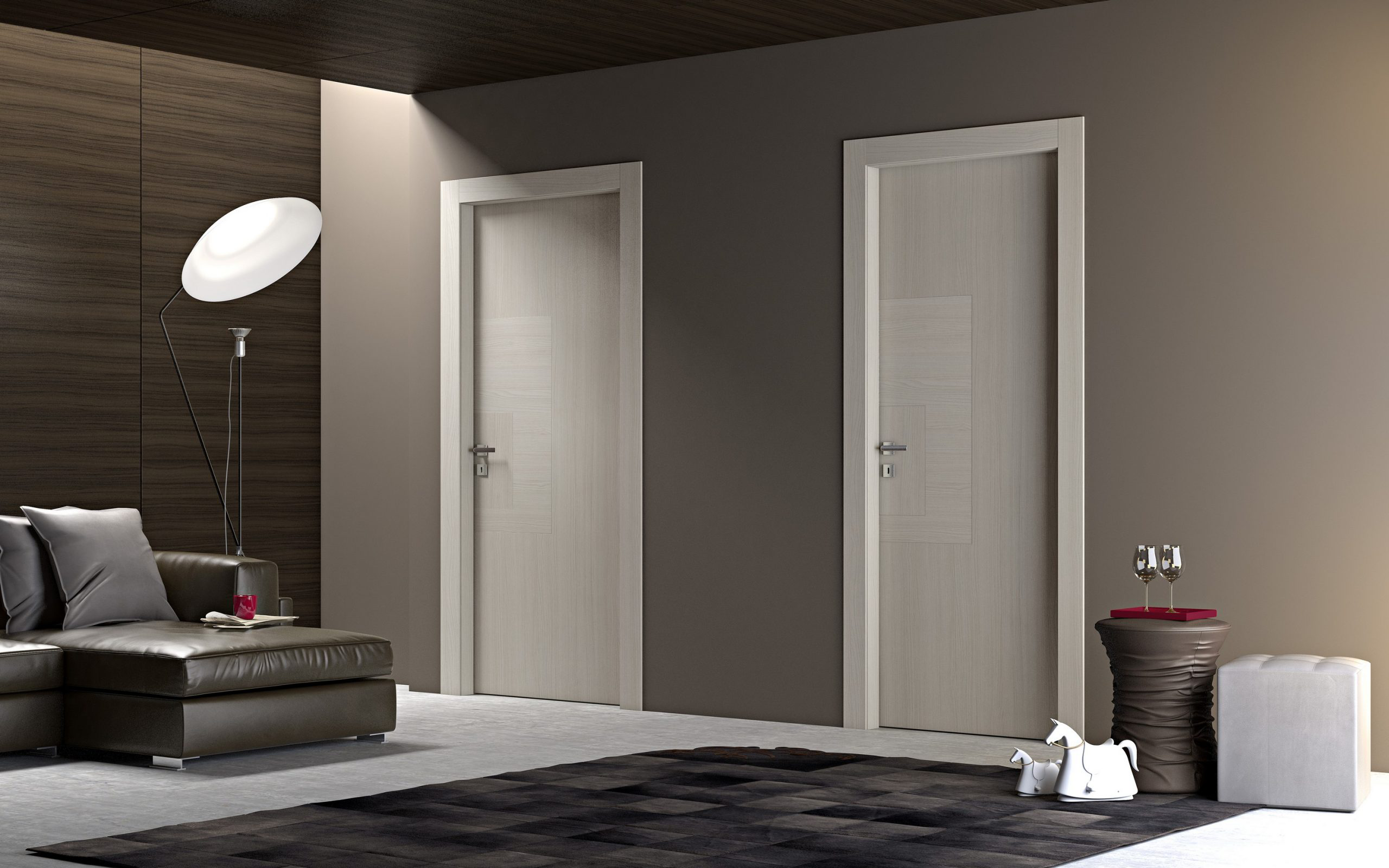
The Importance of Fire Doors in Safety
Fire door is essential components of a building’s fire safety system. They are specially designed to resist the spread of fire and smoke between rooms or areas. Whether you’re building a new property or upgrading your current space, understanding what fire doors are and why they matter can help you make informed decisions to protect your property and its occupants.
What is a Fire Door?
A fire door is a specially designed door made to resist fire and prevent its spread. It is built with materials that can withstand high temperatures for a specified period, typically 30 to 120 minutes, depending on the fire rating. The primary function of a fire door is to act as a barrier, slowing down or completely stopping the spread of fire and smoke within a building. This helps protect both the building structure and its occupants by allowing more time for evacuation or for firefighters to respond.
Fire doors are often made from steel, timber, or a combination of both, with fire-resistant glass and seals to enhance their effectiveness. The frame and hinges also play a crucial role in ensuring the door’s strength and fire-resistance properties. In addition to their fire-resistant qualities, fire doors also help to block harmful smoke and toxic gases, which can be just as dangerous as the fire itself.
Why Fire Doors Are Essential for Building Safety?
Fire doors are vital components in building safety systems. In the event of a fire, they serve as one of the first lines of defense, containing the flames to a specific area. This containment enables safer evacuation routes, especially in large buildings such as hospitals, schools, and commercial establishments. Without properly installed fire doors, fire can spread rapidly through the building, leading to greater damage, injury, and loss of life.
In addition to fire containment, fire doors help maintain the building’s structural integrity during a fire. They prevent the fire from reaching vital areas such as stairwells, escape routes, and electrical and mechanical systems. In this way, fire doors not only protect people but also the building’s essential infrastructure, ensuring it remains intact for future use or repairs.
Furthermore, fire doors help comply with local and national safety regulations. Many building codes and fire safety standards require the installation of fire doors in specific areas to meet required fire protection ratings. By installing these doors, buildings ensure compliance with legal requirements, reduce the risk of penalties, and improve overall safety standards.
Summary
In summary, fire doors are crucial for protecting lives and property. They slow down the spread of fire, protect escape routes, and contribute to a safer evacuation. Whether in a residential, commercial, or industrial setting, fire doors are an essential part of a comprehensive fire safety plan, offering both physical protection and peace of mind.

How Often Should Fire Doors Be Replaced?
Fire Door Lifespan: What Affects It?
The lifespan of a fire door can vary greatly depending on several factors. These factors determine how well the door performs over time and when it may need to be replaced.
Materials Used:
The quality and type of materials used in the fire door significantly affect its lifespan. Steel and solid timber fire doors generally last longer than those made with less durable materials. High-quality seals and fire-resistant glass also contribute to a longer life. Over time, cheaper materials may degrade more quickly, reducing the door’s performance during a fire.
Frequency of Use:
Another important factor is how often the fire door is used. Doors used frequently, such as those in commercial buildings or high-traffic areas, will experience more wear and tear. The hinges, seals, and frames may start to weaken over time, reducing the door’s effectiveness. In contrast, doors in low-traffic areas, such as storage rooms, will last longer without much wear.
Environmental Conditions:
The environment in which the fire door is placed also plays a role. If the door is exposed to extreme weather, moisture, or high humidity, its materials may deteriorate more quickly. For example, fire doors in coastal regions may corrode more quickly due to salt exposure. Temperature fluctuations, such as extreme heat or cold, can also compromise the integrity of the door’s materials, reducing its lifespan.
Maintenance and Inspections:
Regular maintenance and inspections can help prolong a fire door’s lifespan. If properly maintained, including cleaning and ensuring that all components are functioning correctly, fire doors can remain effective for a longer time. Neglecting maintenance, on the other hand, can accelerate wear and tear, leading to early replacement.
Typical Lifespan of Fire Doors
In general, fire doors are designed to last between 10 and 20 years, depending on the factors mentioned above. During this time, the door should maintain its fire-resistance rating and continue to function effectively as a protective barrier.
- 10 to 15 Years: Many fire doors in residential or low-traffic areas may last around 10 to 15 years before showing signs of wear. However, doors in high-traffic commercial buildings may start to degrade sooner due to more frequent use.
- 15 to 20 Years: Fire doors in well-maintained environments, with fewer external stressors, may last closer to 20 years. These doors will generally perform well throughout their lifespan, provided regular inspections are carried out and any damage or wear is addressed promptly.
Summary
In summary, while the typical lifespan of a fire door is 10 to 20 years, the actual duration can vary based on material quality, frequency of use, environmental conditions, and maintenance practices. It’s essential to regularly assess your fire door to ensure it continues to provide the protection needed in the event of a fire.

Signs That Indicate a Fire Door Needs Replacement
Fire doors are essential safety features in buildings, acting as barriers to slow the spread of fire and smoke. Over time, wear and tear, environmental factors, and misuse can affect a fire door’s effectiveness. It’s crucial to recognize when a fire door is no longer functional, as this can pose a serious safety risk.
Visible Damage and Wear
One of the first signs that a fire door may need to be replaced is visible damage. This includes cracks, chips, dents, or corrosion on the door itself or its components. These issues can weaken the door’s structure and compromise its fire resistance. For example, if the door has deep cracks, it may not withstand high temperatures during a fire, allowing flames or smoke to pass through. In addition, corrosion from moisture exposure can weaken the metal, making it more susceptible to breakage. If you notice any visible damage, it’s crucial to have the door inspected and, if necessary, replaced.
Furthermore, any signs of warping or bending can impair the door’s ability to close properly, resulting in ineffective fire protection. A fire door must seal tightly to prevent the passage of smoke or heat, and even minor cosmetic damage can affect its functionality. It’s essential to regularly inspect fire doors for such visible signs of damage, as these issues often worsen over time, reducing the door’s ability to protect against fire hazards.
Compromised Fire Rating
A fire door is only effective as long as it maintains its fire rating. A compromised fire rating means the door no longer provides the level of fire protection it was originally designed for. Fire doors are tested for their ability to withstand heat, flames, and smoke for a specified period, typically 30, 60, or 90 minutes. Over time, wear, damage, or improper maintenance can degrade the door’s fire resistance. If a fire door no longer meets its original rating, it will not perform effectively in a fire emergency.
To check whether a fire door’s rating has been compromised, look for evidence that it has been tested and certified in accordance with recognized standards, such as those set by the National Fire Protection Association (NFPA). If there is any doubt about the door’s current performance, professional inspection and testing should be conducted. A compromised fire rating significantly lowers the door’s ability to protect lives, making replacement a priority.
Difficulty in Closing Properly
Another common sign that a fire door needs replacement is difficulty in closing properly. A fire door must close tightly and completely to prevent smoke or heat from passing through. If the door does not close fully, it may not provide the intended protection during a fire. Common issues that prevent a fire door from closing properly include misalignment of the door frame, swelling of the door due to moisture exposure, or damage to the door’s hinges.
In some cases, the door may not latch properly, leaving a gap between the door and the frame. This gap can compromise the fire door’s effectiveness, allowing smoke and heat to escape. Additionally, a malfunctioning door closer or hinge system may prevent the door from shutting securely. If you notice that a fire door is difficult to close or doesn’t latch properly, it’s essential to have it repaired or replaced to ensure it functions effectively in an emergency.
Summary
By paying attention to these signs of damage, compromised fire ratings, and operational issues, you can ensure that your fire door continues to provide the necessary protection. Regular inspections and timely replacements are vital for maintaining the safety of building occupants in the event of a fire.
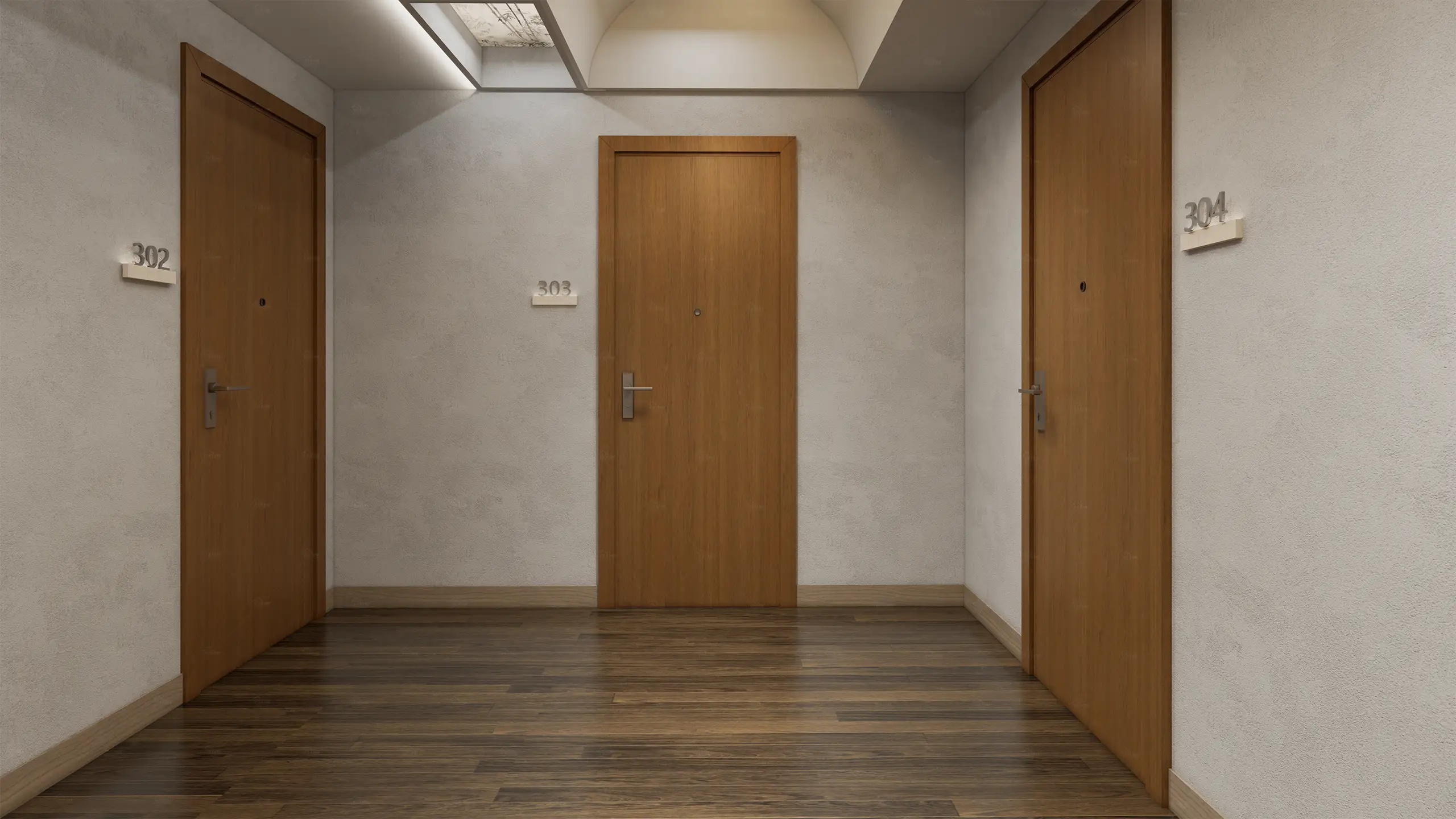
The Importance of Regular Fire Door Inspections
Fire doors are critical components in a building’s safety system. They are designed to prevent the spread of fire and smoke, providing precious time for occupants to evacuate and for firefighters to respond. Regular fire door inspections are essential to ensure that these doors function as intended when needed most.
Annual Inspections and Maintenance
Annual inspections and maintenance of fire doors are crucial for ensuring they remain in optimal condition. Over time, wear and tear, environmental conditions, and even improper use can degrade a fire door’s effectiveness. Regular inspections help identify potential issues before they become major problems, ensuring the door can perform as expected in the event of a fire.
During an inspection, a qualified professional will check the door’s components, including its hinges, frame, seals, and hardware, to ensure they are in good working order. Any visible damage, such as cracks or corrosion, can weaken the door’s integrity and should be repaired immediately. Additionally, it’s important to verify that the fire door closes and latches properly. A fire door that doesn’t close correctly can compromise the building’s fire safety, as smoke and heat could easily pass through the gap.
Routine maintenance is equally important to keep the fire door functioning effectively. This includes cleaning the door, checking for obstructions, and ensuring it remains free of damage. Regularly lubricating the hinges and checking the fire-rated seals are also necessary steps. When appropriately maintained, a fire door can continue to provide reliable protection for many years. Neglecting regular inspections and maintenance increases the risk of failing to meet safety standards and can result in costly repairs or replacements.
Fire Door Regulations and Standards
To ensure fire doors meet the required performance criteria, they must comply with established fire door regulations and standards. Various organizations have developed guidelines that specify the construction, installation, and maintenance of fire doors to ensure their effectiveness. Some of the most widely recognized standards include:
- NFPA 80 (National Fire Protection Association): This is the standard for fire doors and other opening protectives in the U.S. It sets forth guidelines for the installation, inspection, testing, and maintenance of fire doors to ensure they provide maximum protection during a fire.
- BS 476 (British Standard): A set of fire safety standards in the UK, BS 476 covers various aspects of fire protection, including fire doors. It specifies requirements for fire resistance, including materials, design, and construction to prevent the spread of fire.
- EN 1634 (European Standard): EN 1634 is a European standard for fire-resistance and smoke-control doors. It outlines the testing and performance criteria for fire doors, including their ability to withstand fire and smoke for a set period.
- AS 1905 (Australian Standard): This standard provides guidelines for the installation and maintenance of fire-rated doors in Australia, ensuring compliance with local fire safety regulations.
Summary
By staying informed about fire door regulations and scheduling regular inspections, property owners can ensure that their buildings remain safe and compliant with fire safety laws. A well-maintained fire door is one of the best ways to protect occupants and property from the dangers of fire.
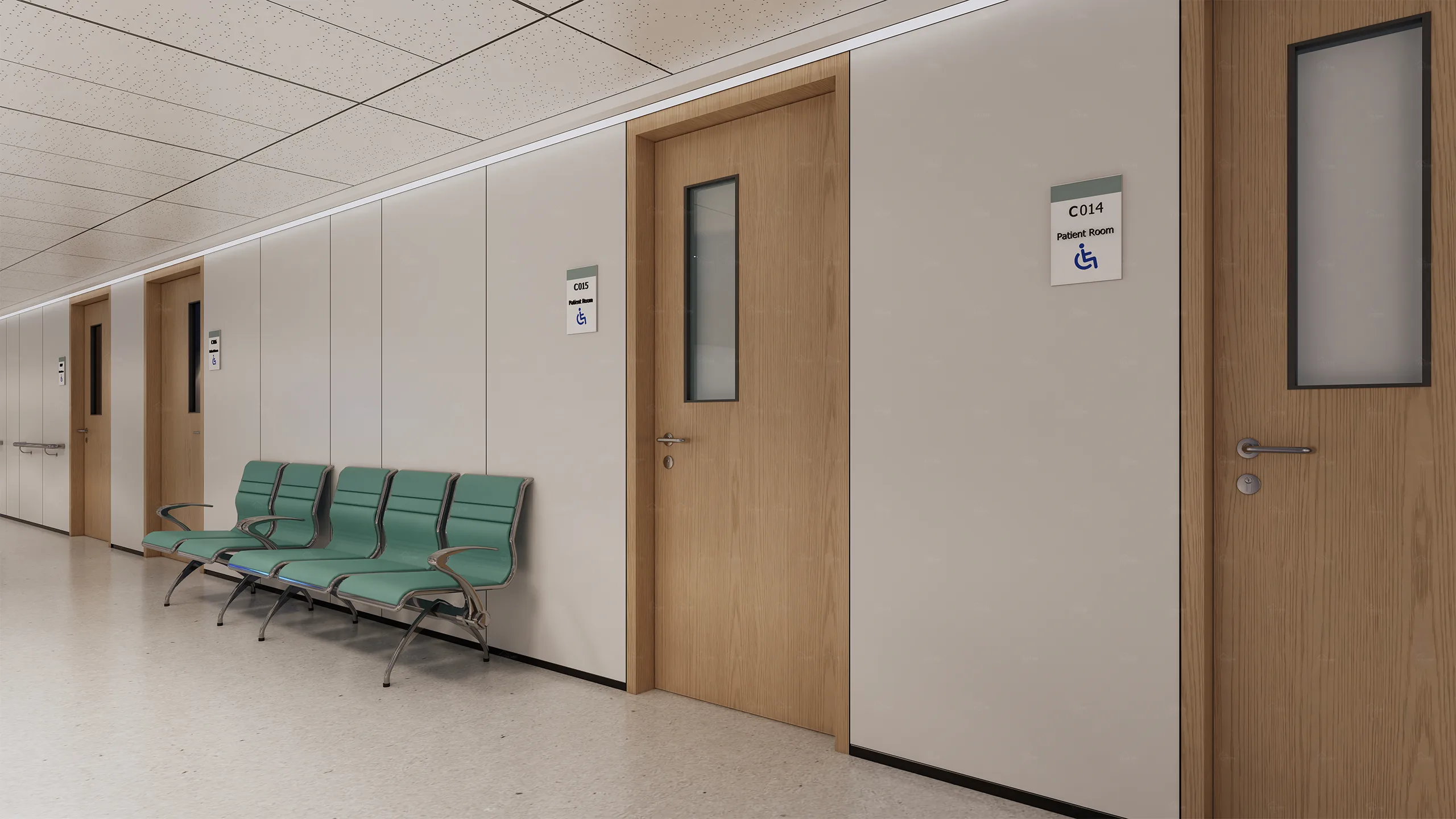
Can Fire Doors Be Repaired or Should They Be Replaced?
When a fire door is damaged or shows signs of wear, deciding whether to repair or replace it cannot be easy. Fire doors play a critical role in building safety, so it’s important to make the right choice.
Repair vs. Replace: When to Choose Each Option
Determining whether to repair or replace a fire door depends on several factors, including the severity of the damage, the door’s age, and its compliance with safety standards.
Repairing a Fire Door:
In some cases, fire doors can be repaired if the damage is minor and the door still meets fire safety standards. For example, if the door has surface scratches, small dents, or loose seals, it may be possible to restore it to its original condition with some basic repairs. Fire door hardware, such as hinges, latches, and closers, can often be replaced without replacing the entire door. If the fire rating and structural integrity of the door remain intact, repairing it can be a cost-effective solution.
Replacing a Fire Door:
However, if the damage is more severe—such as deep cracks, extensive corrosion, or structural warping—the fire door may no longer function as intended. In these cases, replacement is the safest and most effective option. A damaged fire door that no longer closes properly, has a compromised fire rating, or fails to meet current fire safety standards should be replaced. Even if the door seems to work at first glance, failing to replace it could put the entire building at risk during a fire emergency. Additionally, older fire doors that no longer comply with modern fire safety regulations should be replaced, as repairs may not be sufficient to bring them into compliance.
Costs of Repairing and Replacing Fire Doors
When deciding between repairing or replacing a fire door, one important consideration is the cost. Let’s compare the costs involved in each option:
Repair Costs:
Repairing a fire door is generally less expensive than replacing it. Minor repairs, such as fixing damaged hardware, sealing gaps, or replacing fire-rated seals, can be relatively inexpensive. The exact cost will depend on the extent of the damage and the materials required. For instance, replacing a fire door closer or adjusting the door frame to ensure proper closure can cost a few hundred dollars, depending on labor and materials. However, if the door requires major repairs that affect its fire rating, the costs may increase, but remain lower than full replacement.
Replacement Costs:
Replacing a fire door is more expensive because it involves not only the cost of the door itself but also installation, labor, and potentially compliance upgrades. A new fire door that meets modern standards, including the required fire rating and components such as frames, seals, and hardware, can cost several thousand dollars. On average, installing a new fire door costs $1,000 to $5,000 or more, depending on the type of door, the complexity of installation, and any additional features required (such as automatic closing mechanisms or security hardware). Moreover, if the existing door frame needs to be replaced or modified to fit the new door, the overall cost can increase further.
Summary
In conclusion, the choice between repairing and replacing a fire door depends on the door’s condition, its ability to meet safety standards, and the cost involved. Consulting a fire door professional will help ensure that you make the best decision for both your budget and the safety of the building’s occupants.
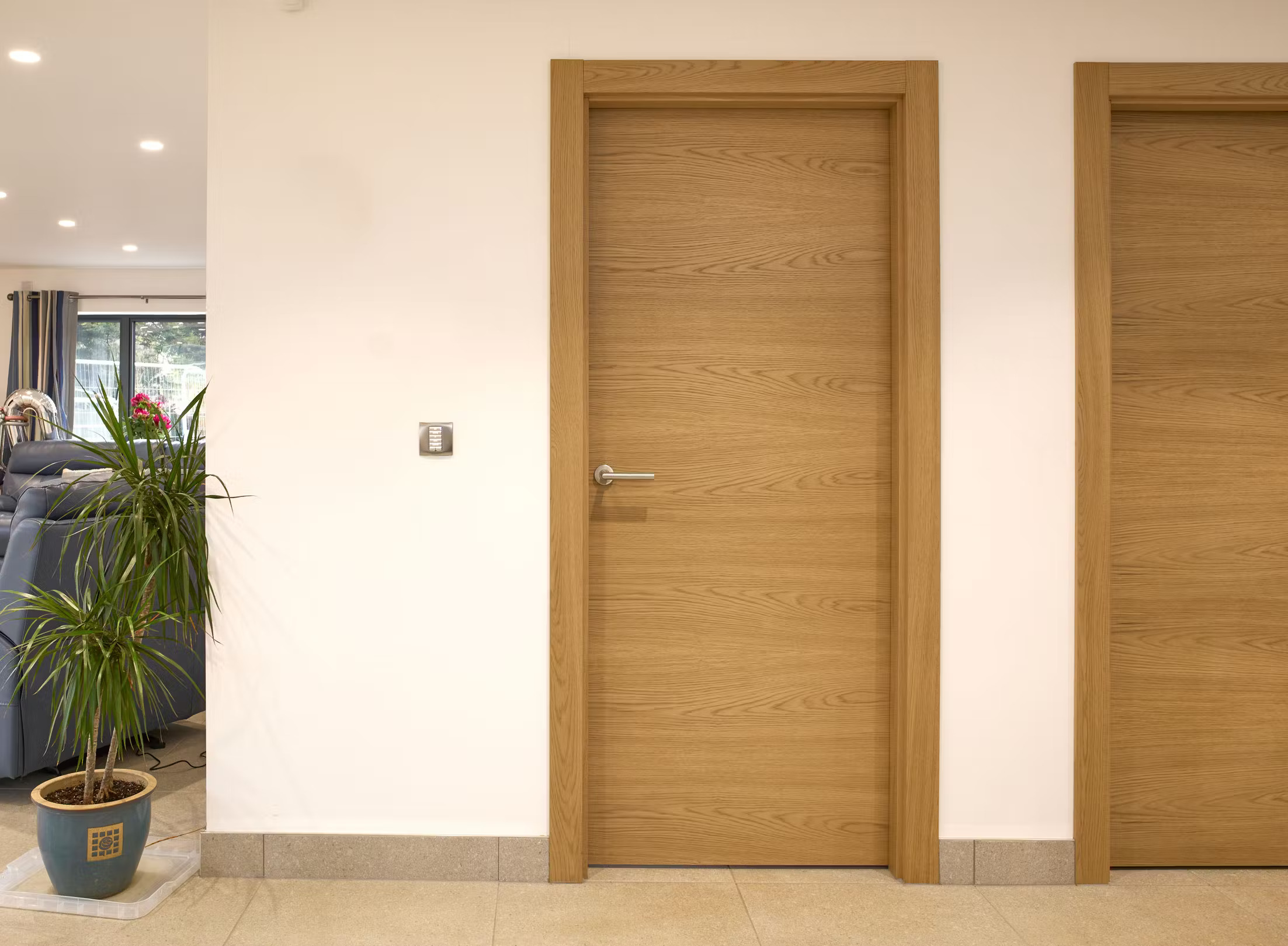
Best Practices for Maintaining Fire Doors
Maintaining fire doors is essential to ensuring they continue to perform their critical function of preventing the spread of fire and smoke in a building. A well-maintained fire door can save lives and protect property.
Regular Cleaning and Inspection
One of the simplest yet most effective ways to maintain fire doors is through regular cleaning and inspection. Over time, dust, dirt, and debris can accumulate on the door and its components, potentially interfering with its ability to close properly or maintain its fire-resistant properties. Regular cleaning helps prevent these issues and ensures the door functions as intended.
When cleaning fire doors, avoid using harsh chemicals that could damage the door’s surface or fire-rated seals. Instead, use a damp cloth and a mild detergent to clean the surface gently. Pay special attention to the door’s hinges, locks, and any other moving parts. If these parts become clogged with dirt or grime, they may fail to work efficiently.
In addition to cleaning, regular inspections are crucial for identifying any wear or damage that could affect the door’s performance. During an inspection, check for visible damage such as cracks, dents, or corrosion, particularly on the door’s surface and hardware. Inspect the door’s seals to ensure they are intact and in good condition. Look for any gaps between the door and the frame, as even a small gap can compromise the fire door’s effectiveness. If you notice any issues, it’s important to address them immediately, either by repairing them or, if necessary, replacing the door.
Regular cleaning and inspection not only keep the fire door in good working order but also help ensure that it remains compliant with fire safety regulations. This proactive approach reduces the risk of costly repairs or replacements in the future and, more importantly, ensures that your building remains safe in the event of a fire.
Ensure Proper Installation
Proper installation is key to the effectiveness of any fire door. Even a high-quality fire door will fail to perform properly if it is not installed correctly. Ensuring that fire doors are installed in accordance with the manufacturer’s specifications and relevant fire safety standards is critical to maintaining their protective capabilities.
Maintaining fire doors is essential to ensuring they continue to perform their critical function of preventing the spread of fire and smoke in a building. A well-maintained fire door can save lives and protect property.
When installing a fire door, ensure the door frame is correctly aligned and securely fastened. Misaligned doors may not close correctly, leaving gaps that could allow smoke or heat to pass through. The door must be hung with the correct clearance and equipped with the appropriate seals around the edges. Fire-rated seals are designed to expand when exposed to heat, sealing the gaps between the door and frame to prevent smoke and flames from spreading. They are aligned and securely fastened. Misaligned doors may not close correctly, leaving gaps that could allow smoke or heat to pass through. The door must be hung with the correct clearance and equipped with the appropriate seals around the edges. Fire-rated seals are designed to expand when exposed to heat, sealing the gaps between the door and frame to prevent smoke and flames from spreading.
In addition to the door and frame, hardware components such as hinges, locks, and closers must also be installed correctly. If any of these components are improperly installed, they may fail during a fire, compromising the door’s ability to perform as intended. It’s also important to ensure that the door is fitted with the appropriate fire rating for the building’s needs, whether it’s a 30-minute, 60-minute, or 90-minute fire-rated door.
To avoid installation problems, always hire a qualified professional to install or replace fire doors. This ensures the door meets all required fire safety standards and provides reliable protection in an emergency. In some cases, fire door installation may require specific certifications or approvals, so it’s important to work with contractors who are experienced in fire door installation and are familiar with local fire safety regulations.
Summary
By following these best practices—regular cleaning and inspection, and ensuring proper installation—you can significantly improve the longevity and performance of your fire doors. Proper maintenance helps keep them in top condition, ensuring they are always ready to protect your building and its occupants when needed most.

Conclusion
Properly maintaining fire doors is essential to protecting building occupants in the event of a fire. A well-maintained fire door acts as a vital barrier, preventing the spread of flames and smoke, giving people more time to escape and allowing firefighters to control the situation more effectively.
Protecting Lives with Proper Fire Doors Maintenance
The importance of regular fire door maintenance cannot be overstated. By performing simple tasks such as cleaning, inspection, and timely repairs, you can ensure your fire doors remain in good working order. Regular checks help identify potential issues early, ensuring that the fire door’s performance is not compromised. A well-maintained fire door is not just about compliance—it’s about protecting lives and property. By keeping your fire doors in top shape, you are investing in the safety of everyone in your building.
Ensure Safety with Timely Replacements
While maintenance is crucial, timely replacements are just as necessary. If a fire door is beyond repair or no longer meets modern fire safety standards, it must be replaced immediately. Waiting too long to replace a faulty fire door can leave the building vulnerable in an emergency. By promptly replacing old or damaged fire doors, you ensure they continue to provide the necessary protection in the event of a fire.
Relate FAQ
How often should fire doors be replaced?
Fire doors typically have a lifespan of 10 to 15 years, though this can vary depending on factors such as usage, maintenance, and environmental conditions. Regular inspections and maintenance are crucial for determining whether a fire door needs to be replaced before its expected end of life.
What factors affect the lifespan of a fire door?
Several factors can affect the lifespan of a fire door, including the material it’s made from, the frequency of use, exposure to harsh environments, and whether it undergoes regular inspections and maintenance. Doors exposed to moisture or extreme heat may deteriorate more quickly.
How can I tell if my fire door needs to be replaced?
Signs that a fire door may need replacement include visible damage such as cracks, corrosion, or holes, difficulty in closing properly, or a compromised fire rating. If the door no longer meets safety standards or fails fire safety tests, it must be replaced.
Can fire doors be repaired instead of replaced?
In some cases, fire doors can be repaired, especially if the damage is minor (e.g., a small crack or dent). However, if the door has significant damage, has lost its fire rating, or fails an inspection, replacement is necessary to ensure safety.
What should I look for when inspecting a fire door for replacement?
When inspecting a fire door, check for any physical damage, such as warping, cracks, or rust. Ensure that the door closes fully with no gaps, that the hardware is functional (e.g., hinges, locks, seals), and that the door still meets the required fire resistance rating.
How do I maintain a fire door to extend its lifespan?
Regular maintenance of a fire door includes cleaning it regularly, checking for damage, ensuring seals and hinges are intact, and testing its operation. It is also essential to have the door professionally inspected periodically to comply with fire safety regulations.