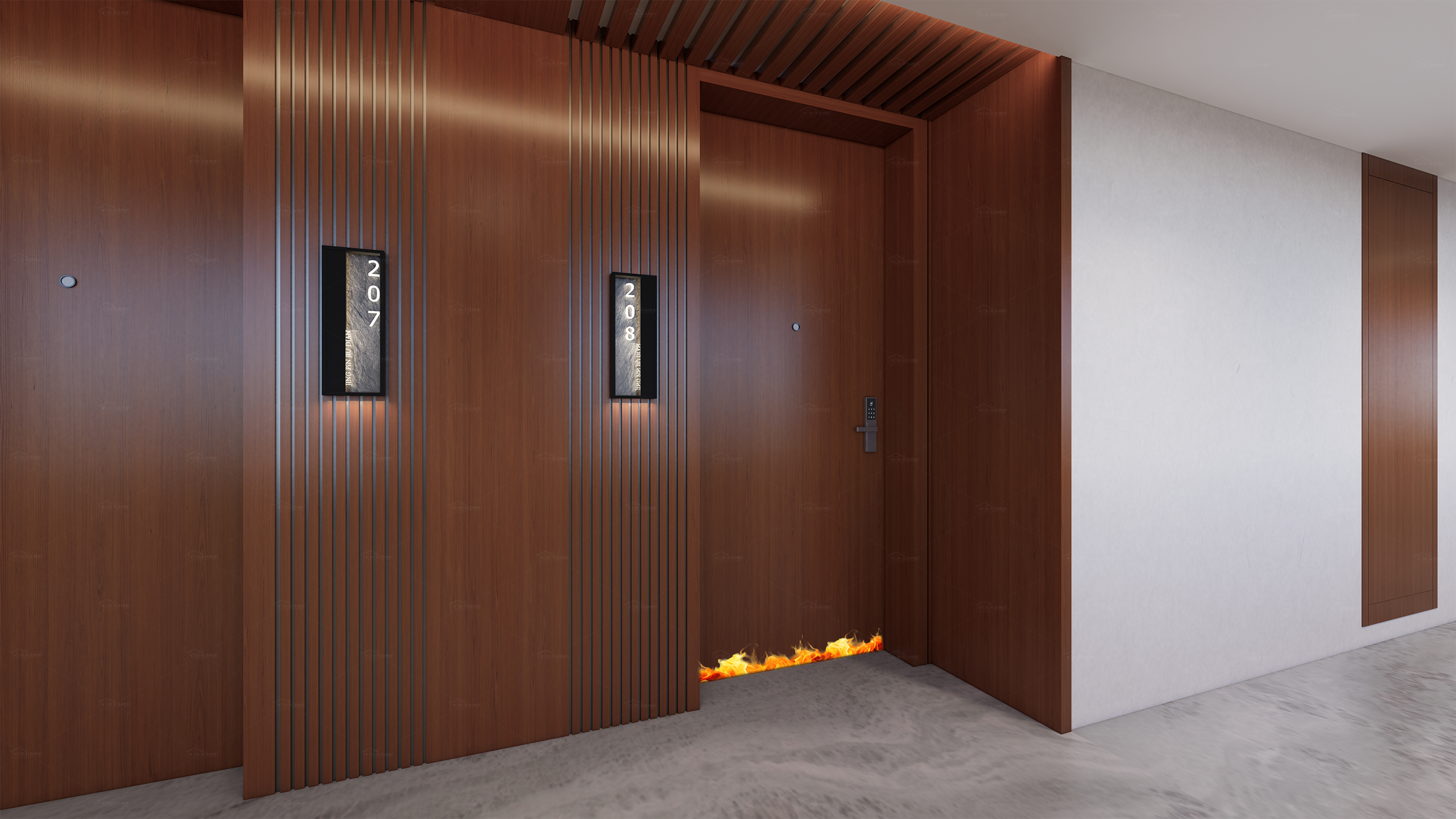
How thick is a 45 minute fire rated door?
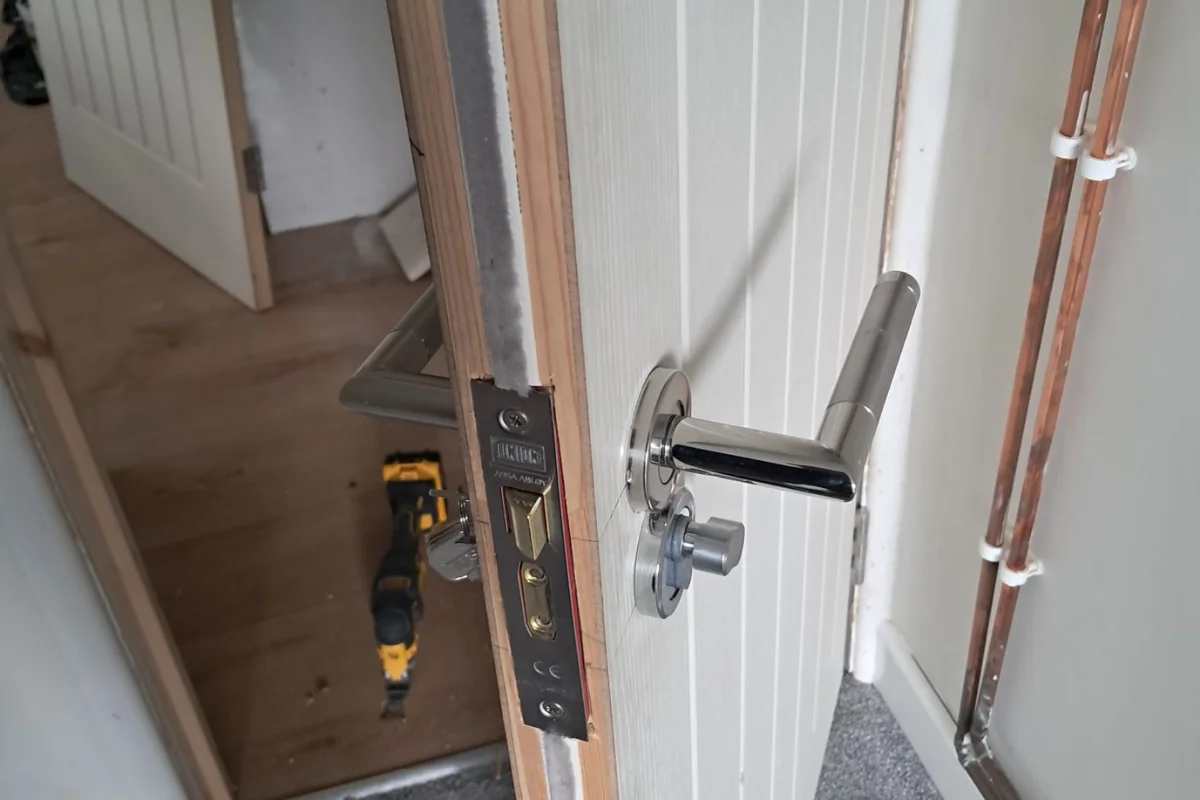
Introduction to Fire Rated Doors
What is a Fire Rated Door?
A fire rated door is a specially designed door built to resist the heat and flames of a fire for a specific period. These doors are made from materials that have been tested and approved for their ability to prevent fire from spreading. Fire rated doors are essential components of building safety. They help protect against smoke, heat, and flames, thereby saving lives and reducing property damage. These doors are commonly used in locations like hospitals, schools, office buildings, and apartment complexes, where people need safe escape routes during emergencies.
Brief Introduction to the Definition of Fire Rated Doors
A fire rated door is a door specially designed to withstand high temperatures and flames for a certain period during a fire. Made from fire-resistant materials that have been tested and certified, fire rated doors have the primary function of preventing the spread of fire and smoke. The main role of these doors is to block the fire from spreading, ensuring that people inside the building have safe routes to escape and minimizing the loss of life and property.
The Function and Importance of Fire Rated Doors
The function of a fire rated door goes beyond simply providing a physical barrier. Its core purpose is to protect both people and property. During a fire, fire rated doors effectively slow down the spread of flames and smoke, giving people valuable time to escape. Additionally, fire rated doors often offer soundproofing and even security features, making them an indispensable part of building design.
The importance of fire rated doors cannot be overstated. They play a critical role in a building’s fire protection system by containing the spread of fire, especially in buildings with multiple rooms or corridors. By using fire rated doors, buildings can maintain fire-resistant zones, which not only meet safety regulations but also significantly reduce the risk of casualties in the event of a fire. In an emergency, the presence of fire rated doors can provide safer evacuation routes, enhancing overall building safety.
Types of Fire Rated Doors
Fire rated doors come in various types, each designed to withstand fire for different durations. The fire resistance rating of these doors indicates how long they can hold up against fire and smoke before failing. Common fire door ratings include 45-minute, 60-minute, and 90-minute ratings, each suited for different building types and their specific fire safety needs.
45-minute Fire Doors vs Other Fire Door Ratings
When choosing a fire rated door, the fire resistance time is one of the most important factors to consider. A 45-minute fire rated door is designed to resist fire and smoke for up to 45 minutes, providing a moderate level of protection. These are typically used in lower-risk areas of a building, such as storage rooms or hallways.
In contrast, a 60-minute fire rated door offers slightly better protection and is commonly used in areas with a higher fire risk, such as offices, meeting rooms, or larger open spaces. A 90-minute fire rated door provides the most protection, making it ideal for high-risk areas, such as fire exits or industrial environments.
The fire door rating you choose depends on the fire safety plan of the building and the level of risk in different zones. Higher-rated fire doors are typically needed for buildings with larger occupancy or areas at higher risk, as they provide more time for people to evacuate and help limit the spread of fire.
Common Fire Rated Door Materials
The materials used for fire rated doors are crucial for their fire resistance capabilities. Common materials include wood, steel, and composite materials, each offering distinct advantages for different applications.
- Wooden Fire Doors: Wooden fire doors are commonly used in indoor areas, especially in residential and office buildings. They blend well with home decor and offer good sound insulation. However, wooden fire doors need to be treated with fire-resistant materials to ensure they can provide adequate protection during a fire.
- Steel Fire Doors: Steel fire doors are one of the most widely used fire door materials, particularly in commercial and industrial buildings. Steel itself has strong fire-resistant properties, offering higher fire ratings (such as 60-minute or 90-minute ratings). They are commonly used in high-risk areas, like server rooms, elevator shafts, and warehouses.
- Composite Fire Doors: Composite fire doors combine the benefits of multiple materials, typically including metal and fire-resistant board materials. They are lightweight, easy to install, and provide good fire resistance. Composite fire doors are often used in places that require higher fire resistance and additional safety features.

Understanding Fire Ratings and Thickness
A 45-minute fire rating means that a fire rated door is designed to withstand fire for 45 minutes before it fails. During this time, the door will help prevent the spread of fire and smoke, giving people inside a building more time to escape.
A 45-minute fire rated door is commonly used in areas with lower fire risks, such as storage rooms, small offices, or corridors. While it provides basic protection, it’s important to understand that this rating is for a short duration compared to doors with longer fire ratings, such as 60-minute or 90-minute fire doors, which are better suited for higher-risk areas.
What Does a 45-Minute Fire Rating Mean?
A 45-minute fire rating means that the fire rated door can withstand fire and high temperatures for 45 minutes before being compromised. During these 45 minutes, the door will effectively prevent flames and smoke from spreading, providing valuable time for people inside the building to escape.
A 45-minute fire door is commonly used in low-risk areas like storage rooms, small offices, or corridors. While it provides basic protection, compared to higher-rated fire doors (such as 60-minute or 90-minute doors), it offers a shorter window of protection.
How to Assess the Protection Time of a Fire Rated Door?
When assessing the protection time of a fire rated door, several factors should be considered. First, the fire rating of the door (such as 45 minutes, 60 minutes, or 90 minutes) directly determines the amount of protection it can provide during a fire. The higher the fire rating, the longer the door can withstand fire before failing. Second, the materials and construction of the door play a critical role in its fire resistance. Steel fire rated doors generally provide more extended protection than wooden fire doors, as steel has stronger heat resistance.
In addition to the fire rating, the door’s sealing performance should also be considered. A good seal prevents fire and smoke from leaking through the gaps around the door, enhancing its fire protection. Finally, the installation method and accessories (such as fire door hinges and locks) can also impact the door’s overall performance. Therefore, when assessing the protection time of a fire rated door, it’s important to consider not only the fire rating but also the door’s construction and sealing effectiveness.
How Fire Ratings Affect Door Thickness?
The fire rating of a door plays a significant role in determining its thickness. The higher the fire rating, the thicker the fire rated door generally needs to be to provide the necessary level of protection. Fire rated doors are made with materials that are designed to withstand heat, flames, and smoke for a specific period. To offer longer fire resistance, the materials need to be thicker and more durable, which is why higher-rated fire doors tend to be thicker.
For example, a 45-minute fire rated door may be thinner than a 90-minute fire rated door because it doesn’t need to endure fire for as long. The added thickness in higher-rated doors is crucial for providing the insulation needed to prevent heat from passing through the door, which would otherwise compromise the safety of the building’s occupants.
How Fire Ratings Affect Door Thickness?
The fire rating of a door has a significant impact on its thickness. Generally, the higher the fire rating, the thicker the fire rated door. This is because higher-rated fire doors need to use thicker materials to provide longer protection against fire. The primary function of a fire rated door is to prevent the spread of flames and high temperatures, which requires it to have sufficient fire-resistant properties.
For instance, a 45-minute fire rated door is typically thinner because it only needs to protect for a shorter period. In contrast, a 90-minute or higher-rated fire door will usually be thicker as it needs to withstand fire for a longer duration, effectively blocking the spread of the fire and ensuring the safety of people inside the building. This added thickness helps improve the door’s insulation, preventing heat from passing through the door and enhancing overall safety.
Thickness Differences Across Fire Rated Doors
There are significant thickness differences between fire rated doors of varying ratings. Generally, 45-minute and 60-minute fire rated doors are thinner and suitable for low-risk areas like storage rooms or office spaces. These doors are typically made from wood, lightweight steel, or composite materials, providing basic fire protection.
On the other hand, 90-minute or higher-rated fire doors are significantly thicker, made from stronger fire-resistant materials, typically steel or composite materials, offering superior fire resistance. These doors are commonly used in high-risk areas such as electrical rooms, server rooms, or fire escape routes. The thickness of these fire doors typically ranges between 44mm and 50mm, or even more, ensuring they can withstand higher temperatures during a fire.
Therefore, when selecting fire rated doors, it is essential to consider not only the fire rating but also the differences in thickness, materials, and installation methods across various ratings. These factors work together to determine the door’s fire resistance, ensuring the building remains safe during a fire emergency.

Thickness of a 45-Minute Fire Rated Door
When it comes to fire safety, a 45-minute fire rated door plays a key role in slowing down the spread of fire. One of the main factors that affect the fire protection of these doors is their thickness. In general, the thickness of a fire rated door determines how long it can resist fire, heat, and smoke.
Standard Thickness for a 45-Minute Fire Rated Door
Most 45-minute fire rated doors follow specific thickness standards to ensure reliable fire protection. Typically, these doors are thicker than regular interior doors because they contain layers of fire-resistant materials, steel cores, or special insulation. A standard thickness allows the door to meet fire certification tests and maintain its structural integrity during a fire.
For residential and commercial buildings in the US and Europe, a 45-minute fire rated door usually falls within a standard range of thickness that building inspectors recognize. Choosing a door outside this range may reduce its fire resistance and could violate local building codes.
Common Standard Thickness Ranges for 45-Minute Fire Doors
A common range for 45-minute fire rated doors is around 1 3/8 inches to 1 3/4 inches (35 mm to 45 mm). Wooden fire doors often fall on the lower end, while steel or composite fire doors are generally thicker. Some fire doors designed for high-traffic areas or stricter fire codes may reach 2 inches (50 mm).
It’s important to note that these measurements include both the door core and its facing materials. Manufacturers often provide thickness specifications along with fire ratings, so buyers and builders should always check these details to ensure compliance.
Relationship between 45-Minute Fire Door Thickness and Fire-Resistant Materials
The thickness of a 45-minute fire rated door is closely linked to the type of fire-resistant materials used inside. Fire doors typically contain insulating cores, mineral boards, gypsum, or steel layers. Thicker cores provide better thermal insulation and structural support during a fire.
For example, a door with a steel core might achieve a 45-minute fire rating with less overall thickness compared to a wooden door. On the other hand, a solid wood fire door needs slightly more thickness to achieve the same rating. Therefore, when selecting a fire rated door, it is important to consider both the material and the thickness together. The right combination ensures the door can withstand heat, prevent smoke spread, and give occupants enough time to exit safely.
Variations in Thickness Based on Materials
Fire rated doors come in different materials, like wood, steel, or composite. Each material has unique fire-resisting properties, which affect how thick the door needs to be. For instance, wooden fire doors need to be slightly thicker to provide the same fire resistance as steel doors. On the other hand, steel fire doors can be thinner but still meet the 45-minute fire rating because steel conducts heat differently and provides strong structural support.
It is important to remember that the overall fire rating depends on both material type and door thickness, so builders and homeowners should consider these together when choosing a fire rated door.
Comparison of Thickness for Wooden and Steel Fire Doors
Wooden 45-minute fire rated doors usually range from 1 3/8 inches to 1 3/4 inches (35–45 mm). The thickness comes from the solid wood core or a composite wood core combined with fire-resistant panels.
Steel fire doors, however, are often 1 3/8 inches to 1 1/2 inches (35–38 mm), slightly thinner than wood doors. The steel core and metal facing allow these doors to resist fire effectively while keeping a slimmer profile. This makes steel fire rated doors a good option for high-traffic areas or where space is limited, without sacrificing safety.
Thermal Insulation and Fire Resistance of Different Materials
The fire resistance of a 45-minute fire rated door also depends on its thermal insulation. Wood naturally insulates, so wooden fire doors rely on their thickness to delay heat transfer. Steel doors, on the other hand, need fire-resistant cores or insulation layers to slow down heat conduction.
Composite fire rated doors combine materials like gypsum, mineral cores, and metal sheets to achieve a balanced fire resistance. These doors often offer both a slim design and effective fire protection.
In short, understanding how thickness and materials work together helps you choose the right 45-minute fire rated door. It ensures the door can resist fire long enough to protect people, property, and meet building regulations.
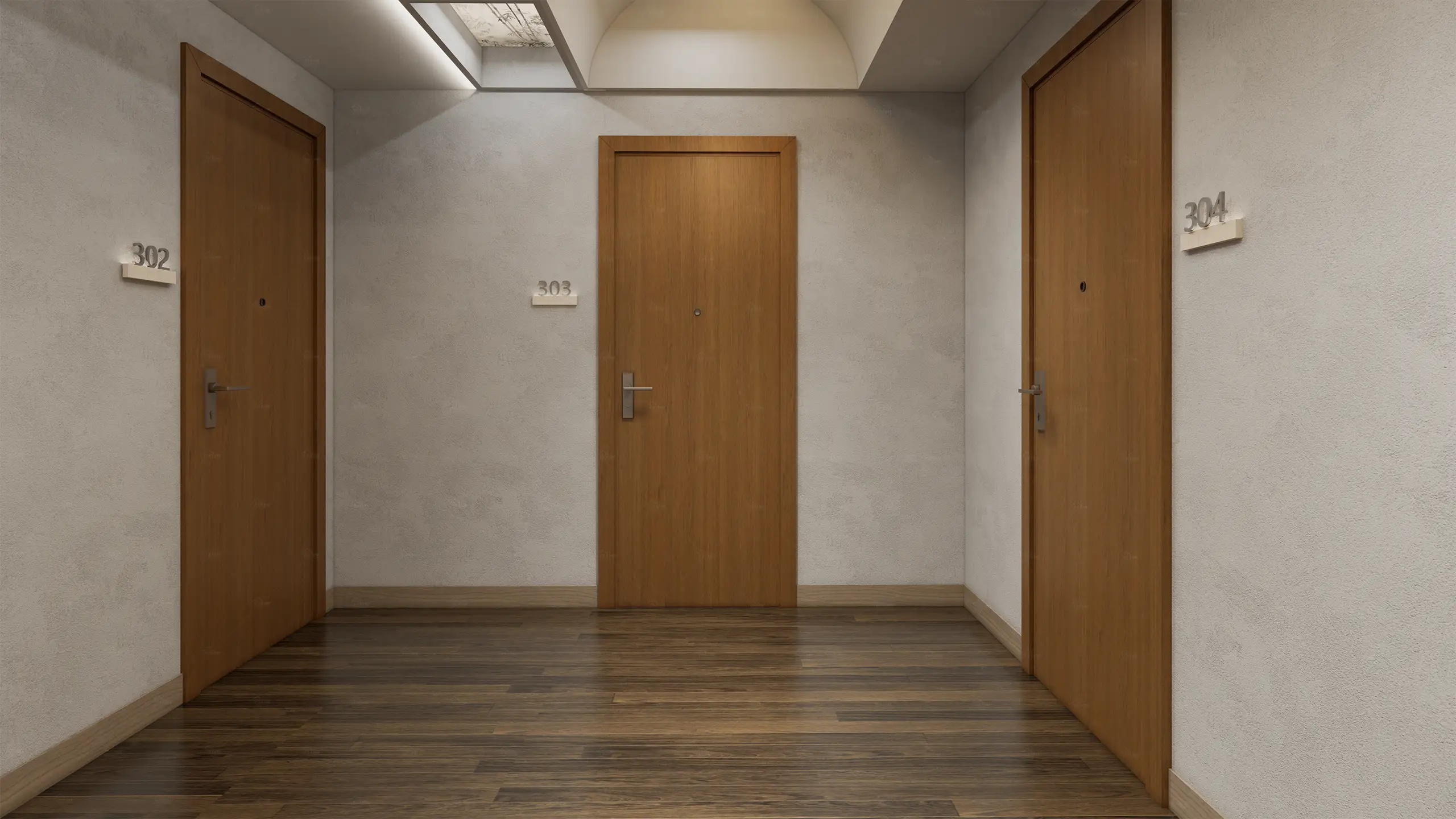
How to Choose the Right Fire Rated Door Thickness for Your Building?
Choosing the right fire rated door thickness is crucial for protecting your building and the people inside. A fire rated door not only stops fire and smoke for a set time but also adds structural safety and peace of mind. To pick the best door, you need to consider thickness, material, building type, and local safety codes.
Why Fire Rated Door Thickness Matters?
Fire rated door thickness matters because it directly affects safety. Thicker fire doors usually hold up longer against fire and heat. They also prevent smoke and flames from spreading quickly through hallways, rooms, or exit routes. On the other hand, choosing a door that is too thin may reduce its fire protection and make the building less safe.
Thickness also affects how fire rated doors work with their frames, hinges, and sealing strips. A proper thickness ensures the door fits well, closes properly, and maintains its fire-resistant performance over time.
The Impact of Thickness on Fire Door Protection Capacity
The fire resistance of a fire rated door is measured in minutes, such as 30, 45, or 60 minutes. A 45-minute fire rated door must resist fire for at least 45 minutes. The door’s thickness plays a key role in achieving this rating. Thicker doors often contain more insulation or fire-resistant cores, which slow down heat transfer.
For example, a wooden 45-minute fire rated door relies on its thickness and layered core to keep flames out. A steel fire rated door may achieve the same protection with slightly less thickness because steel can resist heat and maintain its structure. Choosing the right thickness ensures the door will perform as intended and protect both people and property.
Compliance Requirements with Building Safety Standards
Fire rated door thickness must also meet local building codes and fire safety standards. Codes like NFPA 80 in the US, BS 476 in the UK, or other European fire safety regulations often specify minimum thickness for different types of buildings.
Using a fire rated door that is too thin may fail inspections, lead to fines, or put occupants at risk. Always check fire ratings, certifications, and code requirements before purchasing or installing a fire rated door. Correct thickness combined with certified materials guarantees both safety and compliance.
Choosing the Right Fire Rated Door for Your Needs
When choosing a fire rated door, think about where it will be installed and what it needs to protect. Not all fire doors have the same thickness, material, or design. A residential hallway may require a standard 45-minute fire rated door, while a commercial stairwell or industrial area might need a thicker door with higher fire resistance.
Other factors to consider include door material, core insulation, and surface finish, because these affect fire resistance, durability, and daily use. By assessing your building’s risk, traffic, and code requirements, you can select a fire rated door that balances safety, function, and cost.
Selecting the Appropriate Fire Door Thickness Based on Building Function
The building function largely determines the required fire rated door thickness. For example:
- Residential buildings: Corridors, apartments, or offices often use fire rated doors between 1 3/8 inches and 1 3/4 inches. These doors provide enough protection while fitting standard frames.
- Commercial buildings: Hotels, schools, or hospitals may require 1 3/4 inches or thicker doors for stairwells, exits, and high-traffic areas.
- Industrial facilities: Factories or storage areas often use 2-inch or more fire rated doors to protect valuable equipment and meet stricter fire codes.
Selecting Suitable Door Frames, Sealing Strips, and Other Accessories
A fire rated door is only effective if paired with the correct frames and accessories. Frames must support the door during high heat and prevent warping. Sealing strips around the edges help block smoke and flames. Door hardware, like hinges and closers, must also be fire-rated.
Even a well-built fire rated door can fail if installed with standard frames or non-rated accessories. Therefore, when choosing a fire rated door, always include compatible frames, sealing strips, and certified hardware. These elements work together with the door thickness to ensure full compliance with safety standards and reliable performance in case of fire.
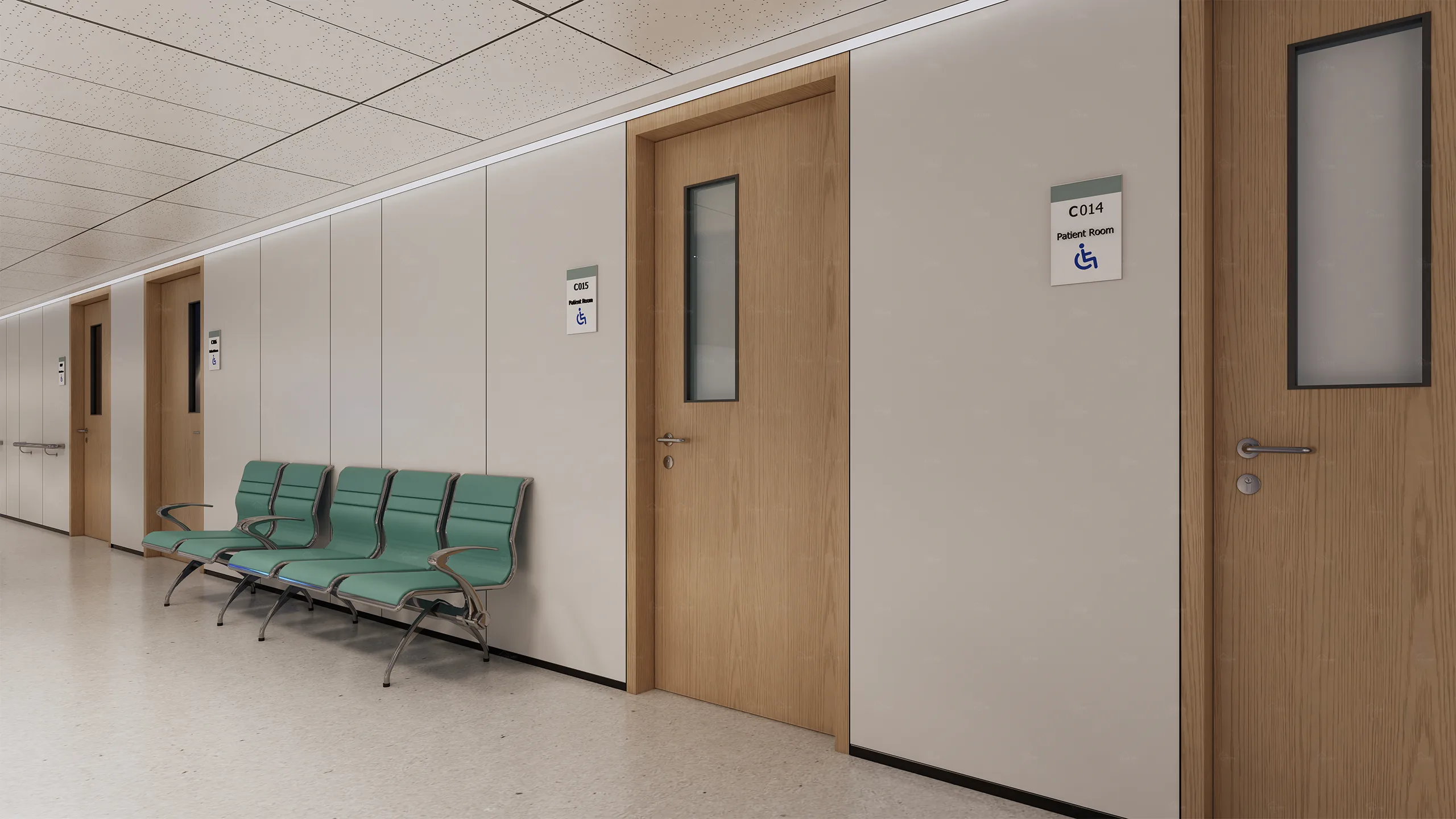
Factors That Influence Fire Rated Door Thickness
Several factors influence the thickness of a fire rated door. Choosing the right thickness is not random—it depends on building codes, door usage, materials, and installation location. Understanding these factors ensures the fire rated door provides maximum protection and meets legal requirements.
Building Codes and Regulations
Building codes set the minimum requirements for fire rated doors, including thickness, fire rating, materials, and installation methods. These codes vary depending on the country, state, or region. Choosing a fire rated door that follows regulations ensures it can resist flames and heat for the certified time.
Codes also specify the type of certification needed, such as NFPA, BS 476, or EN 1634-1, depending on where your building is located. Always check that your fire rated door meets the correct standard before purchase or installation.
Building Code Requirements for Fire Door Thickness in Different Regions
Local or national building codes usually regulate fire door thickness. In the United States, for example, the National Fire Protection Association (NFPA) outlines fire door requirements under NFPA 80. In Europe, the European Standard EN 1634-1 applies to fire resistant doors.
The thickness of fire doors varies depending on the fire resistance rating required for a specific building or area. For instance, a door rated for 30 minutes of fire resistance may have a thickness of 1.75 inches, while a door with a higher rating of 90 minutes may be 2.5 inches thick. Regional differences can affect these requirements, as certain areas may have stricter fire safety standards.
How to Read and Understand Relevant Fire Safety Regulations?
To ensure compliance with fire safety standards, it’s important to read and understand the fire door regulations. Fire rated door regulations typically include specifications for:
- Fire Resistance Ratings: These are the number of minutes the door can withstand fire. Common ratings include 30, 60, and 90 minutes.
- Material Requirements: Some regulations specify the materials used for fire rated doors, such as steel or wood core, to ensure optimal fire resistance.
- Installation and Testing: Codes provide guidelines for how fire doors should be installed and tested to confirm they meet the required fire resistance.
Door Usage and Placement
The location and intended use of a fire rated door directly affect its required thickness. Different areas of a building may have varying levels of risk, and fire doors in these areas must meet specific standards to provide adequate protection.
Fire Door Requirements for Different Areas
Fire rated doors are required in various areas of a building, and each area has its own set of requirements. For example:
- Stairwells: Fire rated doors in stairwells are critical for providing safe escape routes during a fire. They are usually rated for a higher level of fire resistance, such as 60 minutes or more, and therefore tend to be thicker. The door thickness in stairwells is typically greater because it needs to resist fire and maintain structural integrity for longer periods.
- Corridors: Fire doors in corridors are essential for slowing the spread of fire between rooms or between building sections. These doors may be rated for 30-60 minutes of fire resistance. While they may not need to be as thick as those in stairwells, their thickness still plays a role in their ability to contain fire and protect occupants.
- Offices: Fire rated doors in offices are generally meant to contain fire and smoke, preventing them from spreading to other areas. These doors typically require a 30-minute fire resistance rating. The thickness of the door here may be less compared to stairwells or corridors, but it still provides an essential barrier against fire.
How Installation Location Affects Thickness Selection?
The placement of a fire rated door within a building impacts its thickness selection. For example:
- High-Risk Areas: Fire doors in areas with high traffic or high fire risk, such as near kitchens, electrical rooms, or mechanical rooms, will likely require thicker doors to handle the greater potential for fire. These doors typically need to withstand higher temperatures for longer periods, thus requiring more substantial construction and greater thickness.
- Low-Risk Areas: On the other hand, fire doors in areas with lower risk, such as hallways or internal office spaces, may have a lower fire resistance rating and therefore require thinner doors. However, even in these areas, the door must still meet the minimum fire safety standards required by building codes.
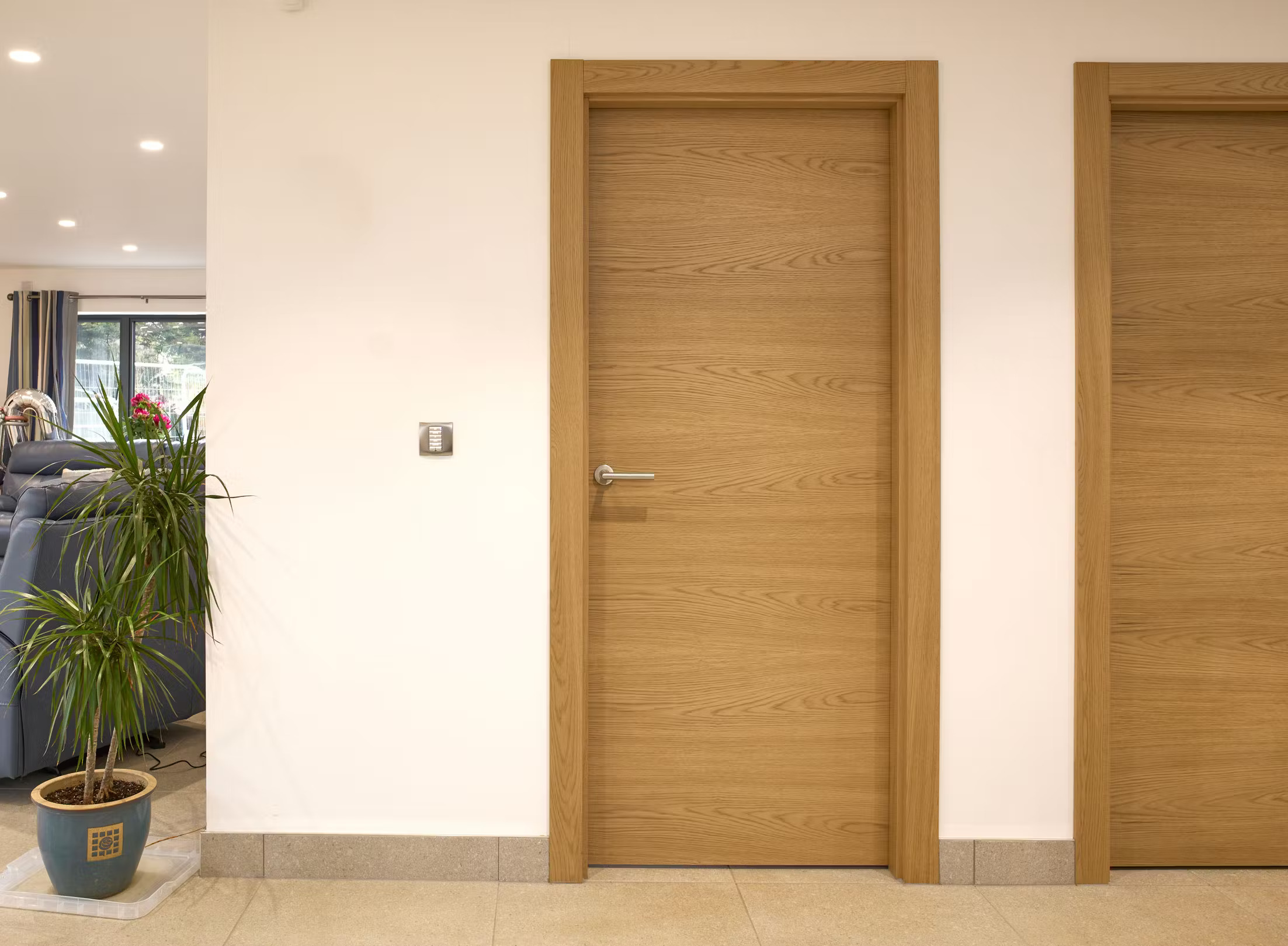
Why Does Door Thickness Matter?
Importance of Door Thickness in Fire Protection
The thickness of a fire rated door is a crucial factor in its ability to provide effective fire protection. A thicker door is generally better at resisting heat and flames, which is vital during a fire emergency. The thicker the door, the longer it can withstand intense heat, which helps keep the fire from spreading rapidly. This extra protection can give people inside the building more time to evacuate and allow firefighters to respond effectively.
The fire-rated door must withstand extreme conditions during a fire. Thicker doors tend to have stronger cores, whether it’s a fire-resistant mineral core in wood doors or a solid steel construction. These added layers of material absorb heat and provide more resistance, making the door stronger and more durable. This is especially important in commercial and industrial buildings, where the fire risk is higher and greater fire resistance is needed.
Impact on Fire Safety and Heat Resistance
Door thickness directly affects a building’s fire safety. A thicker fire rated door provides better heat resistance because it can absorb and dissipate heat more effectively. The extra thickness helps prevent heat from passing through the door and reaching the other side. This is important because heat, in addition to flames, can cause significant damage and spread quickly if not controlled.
For example, in a 45-minute fire-rated door, the thickness ensures it can withstand fire conditions for the full 45 minutes. A thinner door may not offer the same level of protection, as the heat could transfer through more quickly. The fire-rated material inside the door, whether it’s wood with a fire-resistant core or steel with a mineral core, helps slow the fire’s progress, giving occupants more time to exit safely.
In short, the thickness of a fire-rated door is essential to maintaining the integrity of fire protection measures. Thicker doors help keep the building safer by offering better resistance to heat and flames, preventing the fire from spreading too quickly.
How Thickness Contributes to Door Integrity During a Fire?
During a fire, a fire-rated door must maintain its structural integrity to protect the building and its occupants effectively. The door’s thickness plays a key role in this. A thicker door is generally more stable and better able to resist deformation, which is crucial when exposed to the high temperatures of a fire.
The door’s core is the most important factor in maintaining integrity. For wooden doors, the thicker the core, the more fire-resistant it will be. A solid core can absorb heat, preventing it from passing through the door. Thinner steel doors rely on their dense structure and fire-resistant cores to maintain their integrity longer. The added thickness helps to ensure that the door does not warp, crack, or break under pressure during a fire, allowing it to serve its purpose of blocking flames and smoke.
The thicker the fire-rated door, the longer it can remain intact in a fire, ensuring it continues to protect for the full duration of its rating. For example, a 60-minute fire-rated door must maintain its structural integrity for 60 minutes to keep people safe. If the door is too thin or poorly constructed, it may fail before the 60-minute mark, leaving the building vulnerable.
Durability and Longevity of Fire Rated Doors
The thickness of a fire rated door is closely linked to its durability and overall lifespan. Thicker doors tend to last longer and provide greater protection over time than thinner doors. This is because thicker doors can handle wear and tear better and maintain their structural integrity under stress. Over the years, a fire-rated door will be subjected to various conditions, including exposure to heat, moisture, and physical impact. The thicker the door, the more resilient it is to these factors, which helps extend its lifespan and keeps it functioning properly.
When it comes to fire protection, durability is essential. A fire rated door that is too thin may not perform as expected during a fire, as it could easily warp or fail. Thicker doors, on the other hand, offer a more robust design, ensuring that the door can continue to perform its protective function for a longer period. In environments with heavy traffic or extreme conditions, such as industrial settings, thicker fire-rated doors are the preferred choice for long-term safety and reliability.
Relationship Between Thickness and Door Lifespan
The relationship between door thickness and lifespan is simple: thicker doors tend to last longer. A thicker fire-rated door is less likely to suffer damage over time. This is particularly important for doors in high-traffic areas or those that are frequently subjected to physical stress. Thicker doors resist impacts, scratches, and other wear better than thinner ones. This results in a longer service life and fewer replacements or repairs.
In terms of fire resistance, the door’s thickness also plays a significant role in its ability to withstand extreme conditions. A thicker fire-rated door is built with a stronger core, often made of fire-resistant materials, that can withstand prolonged exposure to heat. This means that the door can continue to block fire and smoke for the full duration of its fire rating without deteriorating. In the long run, this durability helps to keep your building safer, reducing the likelihood of failure during a fire emergency.
How Thicker Doors Perform Under Extreme Conditions?
When exposed to extreme conditions, such as high heat or physical impact, thicker fire rated doors perform significantly better. In a fire scenario, heat can cause thinner doors to warp, crack, or even collapse under pressure. A thicker fire-rated door, however, is more likely to remain intact because it has more material to absorb heat and prevent flames from passing through.
Thicker doors also handle high-impact situations better. In environments where doors may be subjected to physical force—such as commercial buildings, schools, or industrial sites—thicker doors are less likely to suffer damage. They are built to withstand pressure and maintain their shape, which is essential for preserving the door’s fire rating.
In addition, thicker fire rated doors are often better at maintaining their fire resistance over time. As the door material ages, it may lose some of its heat resistance. Thicker doors have more material to retain their fire resistance properties, which means they will perform better even as they age. This makes thicker doors a better investment in the long run, especially for buildings where safety is a top priority.

Conclusion
Recap of 45-Minute Fire Rated Door Thickness
When it comes to 45-minute fire rated doors, thickness plays a key role in safety and performance. Most doors in this category range from 1.75 to 2 inches thick, depending on the material and design. This thickness ensures that the door can resist fire for at least 45 minutes, giving occupants more time to evacuate and minimizing property damage.
Additionally, the right door thickness supports the hardware, such as hinges and locks, so everything works smoothly under high heat. Remember, fire rated doors aren’t just about the label—they’re about actual performance during an emergency. Using a door with proper fire rating and correct thickness is crucial for both compliance with local fire codes and real-world safety.
Selecting the Most Suitable Door Thickness
Choosing the best fire rated door thickness isn’t just about picking the thickest option. You need to consider the door material, frame type, and location. For example, steel doors often need less thickness than wooden doors to achieve the same 45-minute rating. Moreover, doors in high-traffic areas or exit routes may benefit from slightly thicker panels for added durability.
Always check manufacturer specifications and local fire safety standards when selecting a 45-minute fire rated door. In short, pick a thickness that balances fire protection, daily use, and installation requirements. Doing so ensures your building stays safe while maintaining a practical, functional entrance.
Relate FAQ
How thick is a 45 minute fire rated door?
A 45-minute fire rated door typically has a thickness of 1 3/4 inches (44 mm) for standard residential and commercial models. Some doors may range slightly from 1 3/4 inches to 2 inches (44–50 mm), depending on the core material and manufacturer specifications.
Are all 45-minute fire rated doors the same thickness?
No. While 1 3/4 inches (44 mm) is standard, some fire doors may be up to 2 inches thick. The variation depends on the core type (timber, steel, or mineral) and the fire protection hardware used.
Can you paint or modify a fire rated door?
Yes, but modifications must comply with fire safety regulations. Painting, trimming, or drilling can affect the door’s fire rating, so it’s essential to follow the manufacturer’s guidelines or consult a fire safety professional.
Do fire rated doors include frames and hardware?
Yes. For proper fire resistance, the frame, seals, hinges, and locks must be compatible and certified with the door. Installing a fire rated door without appropriate hardware can invalidate its fire rating.
How do I know if my door is a 45-minute fire rated?
Check for a label or metal tag on the door edge or frame, which lists the fire rating, manufacturer, and certification standard. Fire rated doors are usually marked clearly with UL, BS, or EN compliance numbers.
Is a 45-minute fire rated door suitable for all buildings?
It depends on the building code and fire safety requirements. Commercial buildings and multi-story residences may require 60 or 90-minute doors, while single-family homes or offices often use 30 or 45-minute fire rated doors.