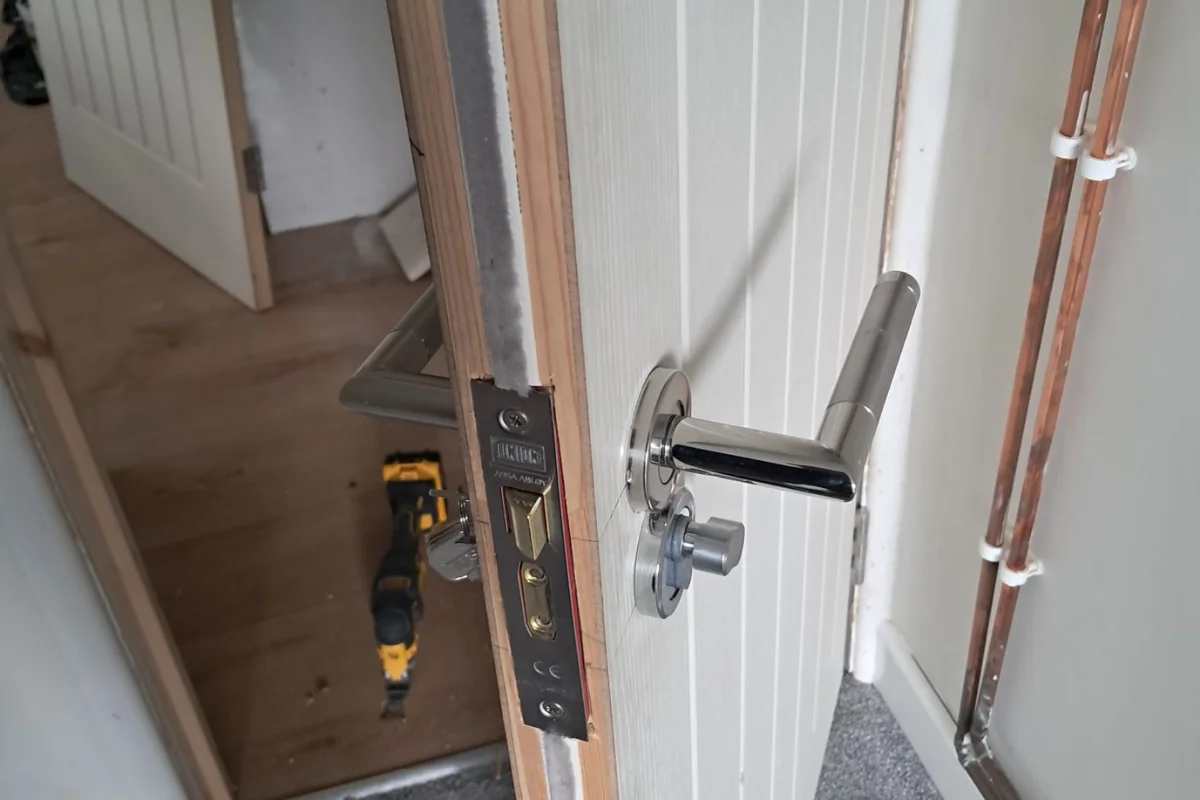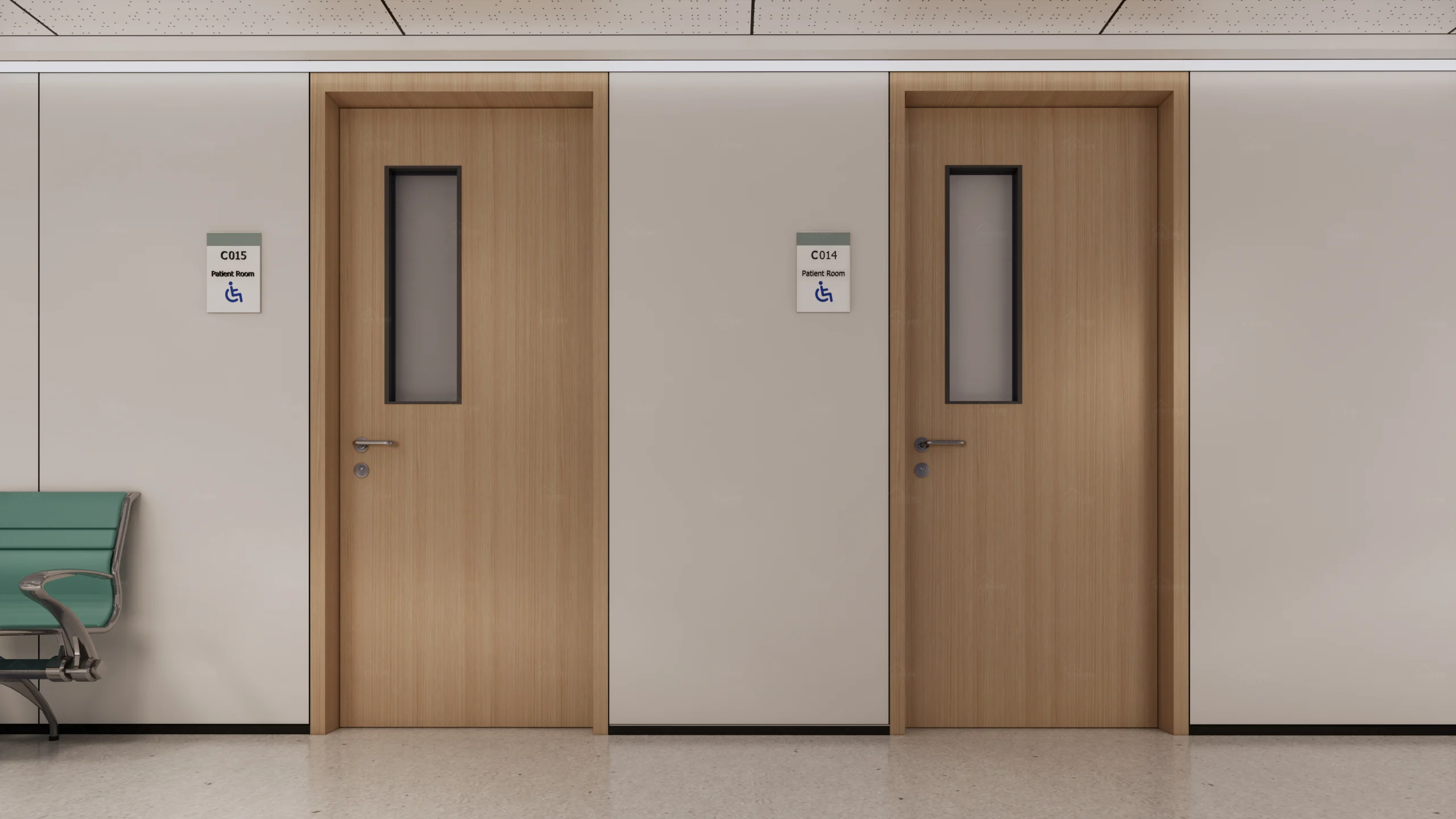
How thick is a 90 minute fire rated door?
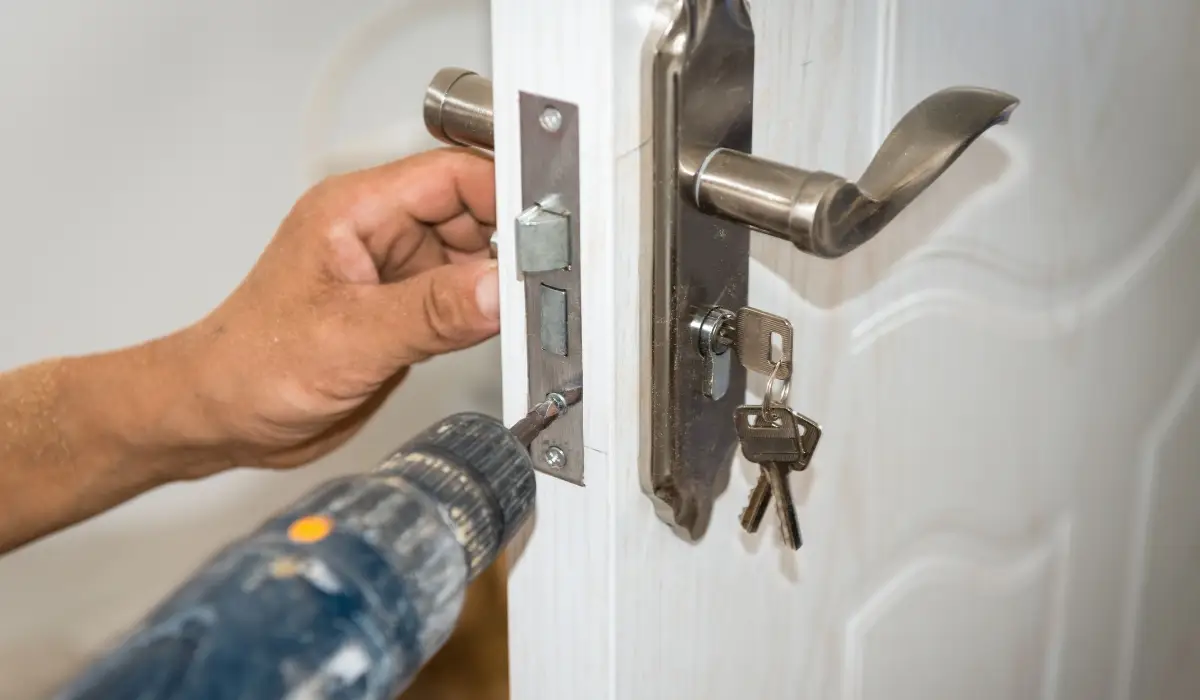
Introduction to 90 Minute Fire Rated Doors
Fire safety is a key part of any building. Whether it’s a home, office, or high-rise apartment, the right door can make a huge difference. A 90-minute fire-rated door is a special type of door designed to withstand fire for at least 90 minutes.
What is a Fire Rated Door?
A fire rated door is not just any door. It is a carefully designed door that can resist fire and heat for a set period. These doors are built with materials like steel, gypsum, or special wood cores. The construction allows the door to slow the spread of fire, giving occupants more time to leave safely.
Define Fire Rated Doors in Simple Terms
In simple terms, a fire-rated door can resist fire and smoke. It works like a shield. You can find fire doors with ratings of 20, 60, 90, or 120 minutes. The 90 minute fire door is common in commercial buildings and high-end apartments. It usually has thicker cores, special insulation, and intumescent seals.
You can also call them fire-resistant doors, fireproof doors, or 90-minute fire doors. All these terms mean the door has been tested and certified to hold fire for a specific period.
Explain How They Protect Lives and Property
A fire-rated door protects lives by slowing the spread of fire and smoke. When a fire starts, it spreads quickly through open doors and hallways. A 90-minute fire rated door acts as a barrier. It keeps fire out of rooms and gives people enough time to evacuate.
It also protects property. Offices, homes, and hotels often use fire doors with insulation to reduce heat damage. Even if a fire occurs, important items, electronics, and furniture are more likely to stay safe.
In addition, installing certified fire rated doors can help meet building codes and insurance requirements. Many insurance companies offer lower rates for buildings that use approved fire-rated doors.
Why 90 Minutes Matter?
A 90 minute fire rated door gives occupants and emergency responders extra time to act.
Explain the 90-Minute Fire Resistance Rating
The 90-minute fire resistance rating means the door can withstand fire and extreme heat for 90 minutes under standard fire tests. During this time, the door’s core, insulation, and seals slow down the fire’s spread.
This is more than just a number. For example, a 90-minute fire door in a hotel, office, or high-rise apartment can prevent smoke and flames from spreading into hallways. It allows people to evacuate safely and protects adjacent rooms.
Manufacturers build 90-minute fire rated doors with thicker cores, mineral fillers, steel layers, or gypsum boards. Some doors also have intumescent strips that expand when heated, sealing the gaps around the frame. All these features work together to maintain the door’s fire resistance for a full 90 minutes.
Compare with 20, 45, and 60-Minute Doors
Not all fire doors are created equal. Lower-rated doors, like 20-, 45-, or 60-minute fire doors, offer protection too, but for a shorter period.
- 20-minute fire doors are often used in small rooms or closets. They slow fire just enough to give someone a few minutes to escape.
- 45-minute fire doors are common in apartments or small offices. They provide extra protection for hallways or rooms adjacent to high-risk areas.
- 60-minute fire doors are standard in commercial buildings and larger residential projects. They give firefighters more time to respond while slowing the fire’s spread.
Key Materials Used
The performance of a 90 Minute Fire-Rated Door depends heavily on the materials used in its construction. Different materials can affect how thick the door needs to be and how well it resists heat. The most common materials include wood, steel, and composite materials, each with its own strengths and limitations.
Wood, Steel, and Composites
Steel Fire Rated Doors
Steel Fire Rated Doors are known for their strength and reliability. It can resist heat longer than most materials, making these doors ideal for industrial buildings, stairwells, and high-risk areas. They also require less maintenance than wood doors, though they can feel cold and less inviting in residential settings.
Wood Fire Rated Doors
Wood Fire Rated Doors are popular in offices and homes for their natural look. They usually have a special fire-resistant core made of materials such as gypsum or mineral board. While a wood fire door can be beautiful, it must be carefully designed to ensure it truly lasts 90 minutes under fire conditions.
Composite Fire Rated Doors
Composite Fire Rated Doors combine multiple materials to maximize both fire resistance and design flexibility. They often mix wood, steel, and fireproof cores to create a door that is lighter than a full-steel door but still performs well under fire conditions. Composites are often used in modern commercial buildings where both performance and appearance matter.
How Material Affects Thickness and Performance?
The material used in a 90 Minute Fire Rated Door directly affects its thickness and fire-resistance performance. For instance, a solid wood door might need to be thicker than a steel door to meet the same fire rating. Composites can reduce thickness while maintaining strength, thanks to layered designs and fireproof cores.
Material choice also affects how heat travels through the door. Steel doors resist warping and maintain their shape at high temperatures, while wood doors may expand slightly but still provide sufficient fire resistance when properly reinforced. Composite doors can offer a balance, providing both structural stability and lighter weight.
In short, understanding how each material behaves under fire conditions helps architects, builders, and homeowners choose a 90 minute fire door that is both safe and practical.

Standard Thickness of 90 Minute Fire Rated Doors
Understanding the standard thickness of 90 Minute Fire Rated Doors is essential for both safety and installation. The thickness affects how well the door can resist fire, how it fits within a frame, and how it aligns with building codes.
Typical Thickness Range
Most 90 Minute Fire-Rated Doors have a standard thickness that varies by material and regional standards. For wood fire doors, the thickness usually starts at around 45 mm (1.75 inches) and can reach 60 mm (2.36 inches). Steel doors often have a slightly smaller thickness but include reinforced cores to meet the 90-minute rating.
Composite fire doors can vary even more, as manufacturers mix wood, steel, and fireproof cores to achieve the right balance of strength, weight, and fire resistance. In general, the typical thickness of a 90-minute fire door is 45-60 mm, which is enough to contain flames and heat for the full fire rating period.
Knowing this range helps architects and contractors properly plan door frames, hinges, and hardware. It also ensures compliance with fire safety regulations, which is crucial for insurance and building inspection.
Standard Sizes in the US, EU, UK, and AS
Fire door sizes differ slightly across regions. In the US, a typical 90 Minute Fire-Rated Door measures 36 inches wide and 80 inches tall, though some commercial doors can reach 42 inches wide. In the EU, fire doors often follow metric sizing, with standard widths of 875 mm or 1000 mm, and heights of around 2000 mm to 2100 mm.
In the UK, standard fire doors are available in widths of 838 mm, 926 mm, or 1000 mm, with heights of around 1981 mm. Meanwhile, in Australia (AS standards), doors often measure 820 mm to 1020 mm wide, and 2040 mm tall. These standard sizes ensure that fire doors fit common frames and are compatible with fire safety hardware, such as closers, hinges, and smoke seals.
Average Thickness in mm and Inches
For quick reference, the average thickness of a 90 Minute Fire Rated Door is typically:
- Wood Fire Rated Doors: 45–60 mm (1.75–2.36 inches)
- Steel Fire Rated Doors: 44–54 mm (1.73–2.13 inches)
- Composite Fire Doors: 46–60 mm (1.81–2.36 inches)
Factors Affecting Thickness
The thickness of a 90 Minute Fire Rated Door is influenced by more than just the material. Two key factors are the door frame and hardware, and the finish and insulation. These elements can change the overall dimensions, weight, and fire performance of the door.
Door Frame and Hardware
The door frame plays a big role in the overall fire-rated door system. A door with a thick steel or reinforced frame may allow a slightly thinner door slab while still meeting the 90-minute rating. On the other hand, lightweight frames may require a thicker door to achieve the same fire resistance.
Hardware like hinges, closers, and locks also affects thickness. For instance, a heavy-duty closer or multiple hinges may require more space, thereby increasing the effective thickness. Choosing the right frame and compatible hardware ensures the fire door seals properly and works smoothly, while maintaining safety standards.
Door Finish and Insulation
The finish and insulation layers can also affect the thickness of a 90 Minute Fire-Rated Door. Doors with decorative veneers, laminates, or extra protective coatings may need a thicker core to maintain fire performance. Similarly, insulation materials—such as mineral cores or composite layers—help the door resist heat but also increase its overall thickness.
A well-insulated, fire-resistant door not only slows heat transfer but also prevents smoke and flames from passing through gaps. That’s why some doors may be thicker in areas with higher fire-risk requirements or where added thermal insulation is desired.
By considering the frame, hardware, and the door’s finish and insulation, builders can select the right 90 Minute Fire-Rated Door that balances safety, weight, and style.
Comparing with Other Fire Ratings
60-minute vs 90-minute vs 120-minute Doors
A 60-minute fire-rated door is often the thinnest option, typically 35–45 mm (1.38–1.75 inches) thick for wood or composite doors. It provides basic protection for smaller spaces or areas with lower fire risk.
A 90-minute fire door, by contrast, is thicker—usually 45–60 mm (1.75–2.36 inches). This added thickness comes from extra fire-resistant cores, insulation, and sometimes reinforced edges. The 90-minute fire-rated door is common in offices, apartment buildings, and public spaces where longer protection is required.
For even higher protection, a 120-minute fire door can be 55–70 mm (2.16–2.75 inches) thick. These doors often use multiple layers of fireproof materials, such as gypsum, steel cores, or composite layers, to maintain integrity under extreme heat for longer periods.
How Does the Thickness Increase with Higher Ratings?
As fire ratings increase, the thickness of a fire-resistant door typically increases. The reason is simple: higher-rated doors need more material to resist heat, prevent warping, and slow fire spread. A thicker core or additional insulation helps the door reach the full rated time while keeping smoke and flames contained.
This relationship means that when you move from a 60-minute to a 90-minute or 120-minute fire door, you should expect not just a thicker door slab, but also slightly heavier hardware, a stronger frame, and sometimes wider gaps for expansion. Proper installation ensures that the extra thickness does not affect door operation, safety, or compliance with local building codes.
In short, understanding how thickness varies with fire rating helps homeowners, architects, and builders select the right fire-rated door for safety and practicality. Knowing the differences between 60-minute, 90-minute, and 120-minute fire doors makes it easier to match door performance with building needs.

Fire Rated Door Construction and Layers
A Fire-Rated Door layer and component play a role in slowing fire, blocking smoke, and protecting people and property. From the core to the outer facing and edge seals, each part contributes to performance, durability, and appearance.
Core Types
The core of a Fire Rated Door is the heart of its fire-resistance performance. There are several common core types, each offering unique benefits. The main options include Rock Wool cores, Perlite boards, and Honeycomb cores. Each type differs in density, insulation, and heat handling.
Choosing the correct core depends on the environment where the Fire Rated Door will be installed. For example, hospital or school doors need a core that provides high insulation while remaining relatively light. Meanwhile, industrial areas may prioritize cores that are highly dense and fire-resistant.
Rock Wool Core
Rock Wool is a popular core material for Fire Rated Doors because it can withstand extreme temperatures. It is made from natural rock fibers that are spun and pressed into dense mats. These mats trap air and act as an excellent insulator, slowing heat transfer through the door.
One major advantage of Rock Wool is that it maintains its shape even when exposed to fire, ensuring the door stays structurally sound. It also offers soundproofing benefits, making it a good choice for office buildings or apartments where noise control is important.
Perlite Board Core
Perlite Board cores are another effective option for Fire Rated Doors. It is a volcanic glass that expands when heated, creating a lightweight yet fire-resistant material. Doors with a Perlite Board core are lighter than Rock Wool doors, making them easier to handle and install without compromising fire protection.
Perlite Board cores also resist moisture and shrinkage, which helps maintain the door’s durability over time. They are particularly popular in commercial buildings where long-term stability and fire safety are both essential.
Honeycomb Core
Honeycomb cores are slightly different. They consist of a hexagonal structure, often made from cardboard or metal, that creates empty cells inside the Fire Rated Door. This design provides excellent strength while keeping the door light.
Although Honeycomb cores do not offer the same extreme fire insulation as Rock Wool or Perlite Board, they are often combined with fire-resistant facings or coatings. This makes Honeycomb core Fire Rated Doors ideal for interior doors where weight and ease of operation are more important than maximum fire resistance.
Door Facing and Finish
The facing and finish of a Fire Rated Door serve two main purposes: protection and appearance. The facing acts as the first line of defense against impacts, moisture, and heat, while the finish provides an attractive look that blends with interior or exterior design. A well-selected facing ensures that the Fire Rated Door stays functional and visually appealing for years.
When choosing a Fire Rated Door, the material of the facing matters. Some facings are natural, offering warmth and texture, while others are engineered to be more durable and wear-resistant. Transition words like “additionally,” “also,” and “meanwhile” help to explain how different finishes enhance both performance and aesthetics.
Wood Veneer
Wood veneer is a classic choice for Fire Rated Doors that need a natural, warm look. Thin layers of real wood are applied over the fire-resistant core, creating a door that feels elegant without compromising safety. Veneer finishes allow for a variety of wood types, from oak to walnut, giving designers flexibility to match interiors.
In addition to style, wood veneer helps maintain a moderate level of fire insulation. Combined with a protective coating, it resists scratches and minor impacts. This makes veneer-faced Fire Rated Doors ideal for offices, hotels, and residential spaces where both appearance and fire safety are important.
Metal Sheets
Metal sheets, often steel or aluminum, are another popular facing for Fire Rated Doors. They provide a strong, durable surface that can withstand heavy traffic, impact, and even tampering. Metal-faced doors are commonly used in commercial buildings, hospitals, and industrial sites where security and robustness are key.
Moreover, metal facings improve the fire resistance of the door’s surface. They conduct heat more slowly in certain designs, thereby protecting the inner core from damage. Meanwhile, metal finishes can be painted or powder-coated, offering both functional and aesthetic options.
Laminates
Laminates are engineered surfaces that combine durability with design versatility. A laminate-faced Fire Rated Door can mimic wood, stone, or other textures while remaining lightweight and easy to clean. Laminates are highly resistant to moisture, stains, and scratches, making them ideal for schools, kitchens, and high-use public areas.
Additionally, laminates offer a wide range of colors and patterns, giving architects and designers greater freedom without compromising fire protection. Laminates work in tandem with the fire-resistant core to ensure that the door remains both safe and visually appealing.
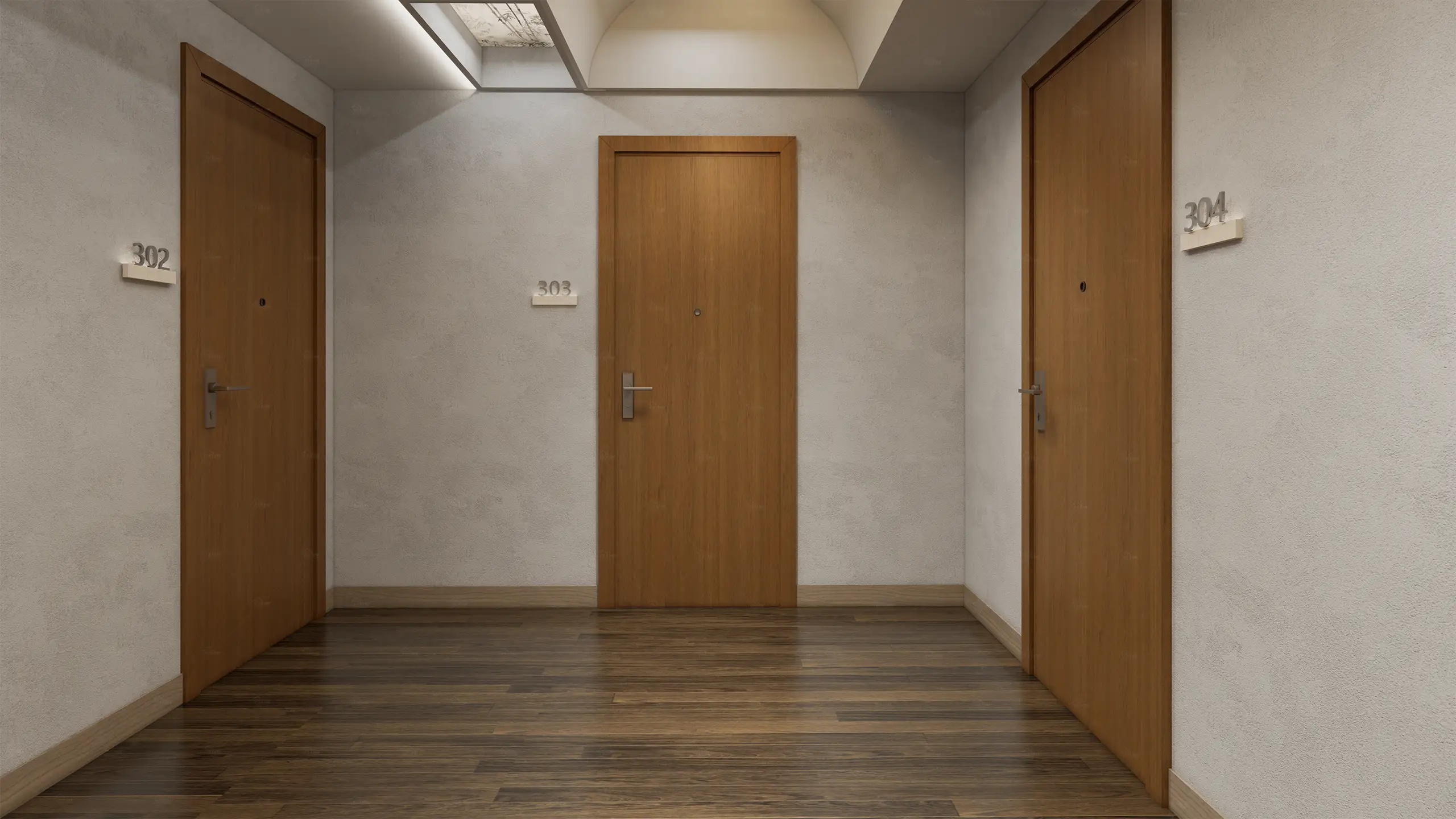
Seals and Edge Protection
Seals and edge protection play a dual role. First, they improve the fire and smoke resistance of a Fire Rated Door. Second, they protect the door edges from wear, moisture, and impact. The two most common types are intumescent strips and smoke seals, often combined for maximum protection.
These strips and seals are carefully positioned along the door edges. When installed correctly, they expand or block smoke in the event of a fire, keeping the heat contained and minimizing damage to surrounding areas. Meanwhile, they add a small but important layer to the total door thickness, which must be accounted for in installation.
Smoke Seals and Intumescent Strips
Intumescent Strips
Intumescent strips are a key feature in modern Fire Rated Doors. These strips expand when heated, filling gaps between the door and frame to stop flames and hot gases. Intumescent materials can expand up to 10 times their original size, creating a tight seal that protects the building and its occupants.
Additionally, intumescent strips help the door meet regulatory fire-rating standards. They are usually thin and flexible, so they don’t add much weight, but their expansion significantly improves fire performance. This makes them ideal for commercial and residential Fire Rated Doors where compliance and safety are critical.
Smoke Seals
Smoke seals focus on preventing smoke leakage, which is often more dangerous than flames. These seals are placed along the edges of a Fire Rated Door and work at normal temperatures to create a tight barrier. In the event of a fire, smoke seals help contain toxic gases, giving occupants more time to evacuate safely.
Smoke seals can be made of rubber, silicone, or other flexible materials. They also enhance the door’s soundproofing and energy efficiency in everyday use. Meanwhile, like intumescent strips, they slightly increase the total door thickness, which installers need to consider when fitting the door into its frame.
How They Add to Total Door Thickness?
While the core of a Fire Rated Door defines the primary fire-resistance rating, edge seals and protection contribute additional millimeters to the total thickness. Intumescent strips typically add around 2–4 mm per side, and smoke seals may add another 1–3 mm. Together, they create a slightly thicker door than just the core and the facing alone.
This increase is small but important. It ensures that when the door closes, it fits tightly against the frame, maximizing fire and smoke resistance. Manufacturers often account for these extra layers in the door design to maintain compliance with fire safety standards while keeping the door easy to operate.
Fire Door Maintenance Checklist: Keeping Your Doors Safe
Proper installation is a critical factor in the performance of a Fire Rated Door. Installation involves careful attention to frame size, gap allowances, hardware selection, and compliance with building codes. Each step ensures the door performs its fire-resistance function, blocks smoke, and provides safe egress.
Frame and Gap Requirements
The frame is a critical part of a Fire Rated Door system. It supports the door and keeps it aligned, while gaps around the edges allow the seals to expand during a fire. Both frame size and fire gap allowances must meet strict standards to ensure the door meets its fire rating.
Proper attention to these details ensures that the Fire Rated Door provides both safety and ease of use. A gap that is too small or too large can compromise performance. Meanwhile, the frame itself must be sturdy and compatible with the door’s weight and fire-resistance rating.
Correct Frame Size for 90-Minute Doors
For a 90-minute Fire Rated Door, the frame must be carefully measured. The frame width should match the door’s total thickness, including the core, facing, and any intumescent or smoke seals. Using the correct frame ensures the door fits snugly without binding or leaving excessive gaps.
Metal or timber frames are commonly used, but they must also be fire-rated. A properly sized frame keeps the Fire Rated Door aligned and ready to expand as needed during a fire. It also makes daily operation smooth and prevents long-term wear or sagging.
Fire Gap Allowances
Fire gaps are small spaces between the Fire Rated Door and its frame. They allow intumescent strips or smoke seals to expand during a fire, sealing the doorway completely. Typically, fire gaps are just a few millimeters wide, but they are crucial for the door to achieve its full 90-minute rating.
Installing a door with the correct fire gap prevents heat, flames, and smoke from passing through, while still allowing the door to open and close easily. Following manufacturer specifications and local building codes ensures these gaps are precise, giving maximum protection without compromising functionality.
Hardware That Matters
Selecting the right hardware for a Fire Rated Door is essential. Standard hinges, locks, and closers may not withstand high temperatures or maintain fire resistance. Therefore, every component must be tested and rated for fire use.
Installing compatible hardware also ensures the door meets building codes and fire regulations. Meanwhile, proper placement and alignment of hinges and locks prevent binding, sagging, or gaps that could compromise the door’s effectiveness.
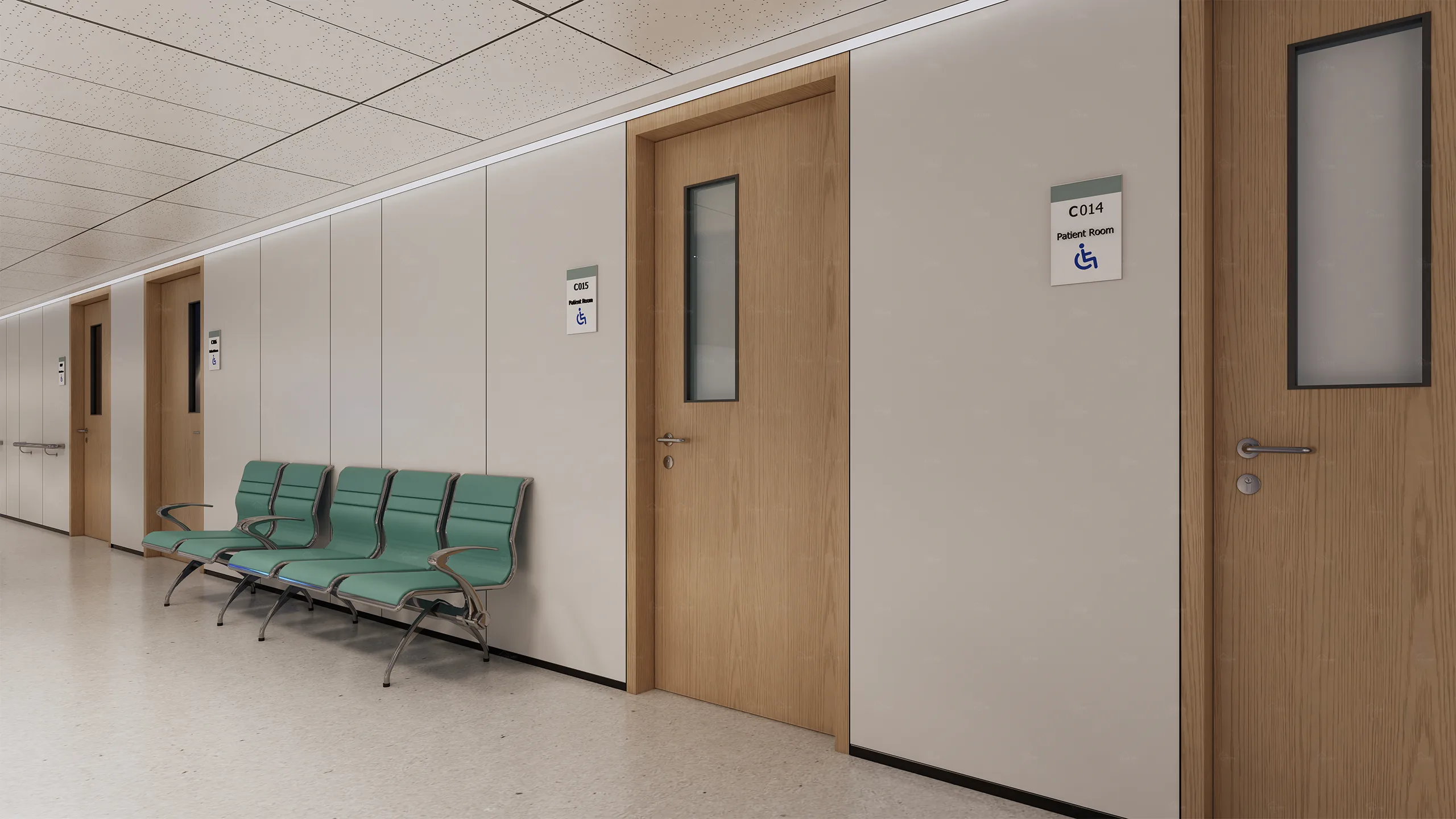
Hinges, Closers, Locks
Hinges on a Fire Rated Door must support its weight and allow smooth operation. Fire-rated hinges are made from steel or other heat-resistant metals and can withstand high temperatures without failing.
Closers control how the door shuts. They ensure the door closes automatically and fully engages its seals. Fire-rated closers are calibrated to work with the door’s weight and thickness while resisting heat damage.
Locks must be compatible with fire-rated doors as well. Standard locks can warp in a fire, but fire-rated locks maintain integrity, allowing secure closure and proper functioning during emergencies. Using the right combination of hinges, closers, and locks ensures that the Fire Rated Door performs its full protective function.
Fire-Rated Hardware Compatibility
Not all hardware works with every Fire Rated Door. Fire-rated components are tested together to meet certification standards. Using non-rated or incompatible hardware can void the door’s fire rating, even if the door itself is high quality.
When installing a Fire Rated Door, verify that every hinge, closer, and lock is listed as compatible with the door’s rating. This ensures that the door and its hardware expand, seal, and protect as designed. Additionally, proper hardware improves longevity and reduces maintenance, keeping the door reliable for years.
Building Codes and Regulations
Fire-rated doors are governed by strict standards worldwide. These standards define the minimum fire-resistance rating, required hardware, and testing procedures. Following them ensures that your Fire Rated Door meets safety, performance, and legal expectations.
Different regions have different codes, so it’s important to know which ones apply to your project. Meanwhile, local building authorities often require documentation showing that the door and installation meet the specified regulations.
US, EU, UK, and AS Standards
In the United States, the National Fire Protection Association (NFPA) sets guidelines for fire doors, including ratings, materials, and installation practices. NFPA 80 is the key standard for fire door assemblies, covering doors, frames, and hardware.
In Europe, EN standards such as EN 1634 define fire resistance and testing for doors. Doors must be tested for heat and smoke exposure and labeled with the appropriate rating.
The UK follows British Standards, such as BS 476, while Australia (AS standards) has AS 1905.1 for fire doors. Each system ensures that a Fire Rated Door can withstand fire for a specific period, maintain integrity, and provide safe egress.
Using doors tested and certified to these standards ensures consistent safety performance. Additionally, doors that meet international standards often carry labels or certificates confirming their rating.
Local Code Compliance
Beyond international standards, local building codes must be considered. Municipalities may have additional requirements for door ratings, fire gap allowances, hardware, or installation methods.
When installing a Fire Rated Door, always check local regulations. Some cities require inspections and certifications before a door is put into service. Compliance not only protects people but also ensures that the building meets insurance and legal obligations.
Meanwhile, staying up to date with local code changes is important. Codes may change over time, and older doors might need upgrades to remain compliant. Proper planning and verification ensure your Fire Rated Door performs as designed and meets all regulatory requirements.
The Importance of Choosing the Right Thickness
Choosing the right thickness for a fire rated door is crucial for several reasons. It’s not just about meeting building codes; it’s about ensuring safety and protection in the event of a fire. The right thickness directly impacts the door’s ability to withstand heat, smoke, and flames for the specified duration, whether it’s 30, 60, 90, or 120 minutes.
Fire Resistance and Protection
The primary purpose of a fire rated door is to contain a fire and prevent it from spreading throughout a building. The thicker the door, the better it can resist heat. For example, a 90-minute fire-rated door is built to withstand intense heat for 90 minutes, which could be critical in allowing people to evacuate safely. Thinner doors may not provide the same level of protection, leading to quicker failure and less time for escape.
In addition, thicker doors tend to feature a more robust core material, such as mineral cores or solid timber, which enhances overall fire resistance. The fire rating is designed to give building occupants sufficient time to escape, and that can only happen if the door holds up during those crucial moments.
Structural Integrity and Durability
A fire-rated door doesn’t just protect against fire; it also contributes to a building’s overall structural integrity. The right thickness ensures the door remains durable over time. A 90-minute fire-rated door, for instance, will often have steel or reinforced frames that not only resist flames but also withstand physical impact. This makes them more resistant to wear and tear compared to thinner doors, which might be more vulnerable to damage from everyday use.
By choosing the right thickness, you also extend the door’s lifespan. If the door is too thin or made from poor-quality materials, it may weaken over time, compromising its fire rating. Thus, investing in the right thickness can save you money in the long run, as you won’t need to replace the door prematurely.
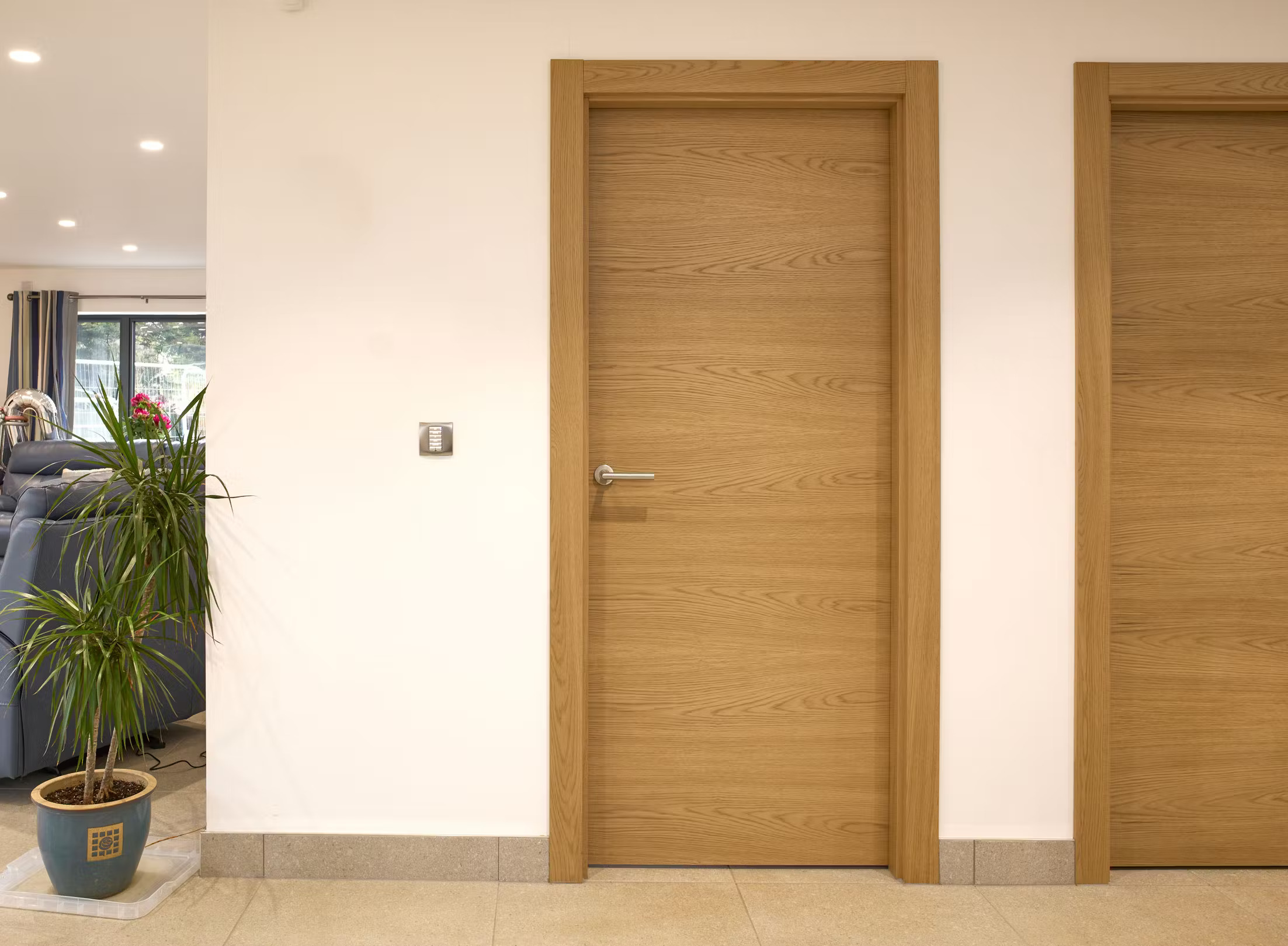
Compliance with Building Codes
Building codes and safety regulations are designed to ensure that buildings can handle fire emergencies. In many regions, having a fire-rated door of the appropriate thickness is not optional—it’s required. These codes specify the minimum fire resistance needed for doors based on the type of building and its use.
For example, commercial buildings often require doors with a higher fire rating, such as 90-minute fire-rated doors, due to the greater number of people inside. Choosing the right thickness ensures you meet these safety standards, keep your building in compliance with local regulations, and avoid potential fines or insurance complications.
Cost-Effectiveness
While fire-rated doors with greater thicknesses may cost more initially, they are often more cost-effective in the long run. Thicker doors are built to last longer, requiring less maintenance and fewer replacements. Furthermore, a higher-quality fire-rated door provides better protection, potentially reducing the costs associated with fire damage.
Choosing the right thickness also ensures that you don’t overpay for unnecessary features. A door too thick for your needs might be an expensive overinvestment, while one that’s too thin may not provide the protection you need. The key is to choose a door that meets your specific fire safety requirements without going beyond your budget.
Noise Reduction and Insulation
Thicker fire-rated doors offer more than just fire protection; they also help reduce noise and improve insulation. A 90-minute fire rated door, particularly one with a solid core, helps reduce noise transmission between rooms. This is especially important in offices, hospitals, or hotels, where noise control is a priority. Additionally, thicker doors can provide better thermal insulation, helping maintain a comfortable temperature inside.
These added benefits make thicker fire rated doors a good choice for both fire safety and everyday building comfort. So, not only are you protecting your building, but you’re also improving the overall environment for the people inside.
How Thickness Affects Performance in Real-World Situations
In the real world, fire scenarios can vary. The materials used, the size of the room, and how the fire spreads all play a role in how a fire rated door performs. Thicker doors generally perform better because they have more mass and can withstand longer exposure to heat before failing. This gives you the peace of mind that, in an emergency, your door will hold up as expected.
In contrast, doors that are too thin might not provide the same level of protection under extreme conditions. So, while a 90-minute fire rated door may cost more than a 60-minute one, it offers a higher level of protection when you need it most.

Conclusion
The Importance of Choosing the Right Fire Rated Door for Safety and Compliance
When it comes to protecting life and property, the choice of a fire rated door cannot be underestimated. These doors are essential in controlling the spread of fire and smoke, providing crucial time for people to escape in the event of an emergency. A fire rated door is designed to withstand high temperatures for a specified period, ensuring that fire and smoke are contained within a designated area. This feature makes them indispensable for maintaining safety in buildings, especially in high-traffic areas or environments with fire hazards.
Choosing the right fire-rated door goes beyond meeting regulatory requirements. It is about ensuring that the door is suitable for the specific environment, whether it’s a commercial building, residential property, or industrial facility. A door that doesn’t meet the correct fire rating or is improperly installed can fail to perform its primary function, putting lives at risk. By selecting a fire-rated door tested and certified to meet your specific needs, you not only ensure safety but also comply with local building codes and fire safety regulations.
Moreover, a properly rated fire door can enhance a building’s overall safety by providing sound insulation, reducing the spread of fumes, and maintaining structural integrity in the event of a fire. Therefore, when making your decision, it’s important to assess factors such as the door’s fire rating, the material used, its construction quality, and its integration with other fire safety systems.
Ensuring Your Fire Rated Door’s Effectiveness
Once the right fire-rated door is selected, it is equally important to ensure it remains effective over time. Regular maintenance and proper installation are essential to maximizing the door’s fire-resistant properties. For instance, improper sealing around the edges of the door or wear and tear in the frame can compromise its ability to withstand fire and smoke. Routine inspections should be conducted to check for any signs of damage, such as cracks, broken seals, or hinges that may prevent the door from closing properly.
Additionally, always ensure that the door is kept clear of obstructions. Fire-rated doors are designed to close automatically in case of a fire, but if they are blocked or unable to close, their fire protection will be compromised. Regular checks on the door’s hardware, including the closing mechanism and fire-rated seals, are vital in keeping the door fully operational.
It’s not just about installing a fire-rated door, but about ensuring it functions as intended throughout its lifespan. By conducting routine maintenance and adhering to fire safety regulations, you can maximize its effectiveness and keep your building and its occupants safe.
In summary, the importance of choosing the right fire rated door lies not only in meeting legal requirements but also in providing a reliable layer of safety. Maintaining the door’s effectiveness is just as critical to ensure it works when it’s needed most.

Relate FAQ
How thick is a 90-minute fire rated door?
A 90-minute fire-rated door typically has a thickness of 1 3/4 inches (44mm) to 2 inches (51mm). The thickness may vary depending on the materials used, the type of core inside the door, and the manufacturer’s specifications.
What materials are used for a 90-minute fire rated door?
A 90-minute fire rated door is commonly constructed from steel, timber, or composite materials. Steel doors often have a fire-resistant core, while timber doors are typically reinforced with fire-resistant materials. The door’s material is crucial to achieving the fire rating, as it must withstand high temperatures for the specified duration.
How do fire rated doors work?
The essential components of a fire door include:
- Fire-resistant Door Leaf: This is the main part of the door, designed to withstand high temperatures.
- Frame: The frame holds the door and provides structural integrity.
- Seals: Intumescent seals expand when exposed to heat, helping to block gaps around the door.
- Hinges, Handles, and Locks: All fittings must be fire-resistant and properly installed to ensure the door's effectiveness during a fire.
- Closer Mechanisms: These devices ensure the door automatically closes after being opened, preventing it from staying ajar during an emergency.
Are 90-minute fire rated doors suitable for all buildings?
A 90-minute fire rated door is commonly used in buildings requiring higher fire protection, such as commercial buildings, industrial settings, and multi-residential properties. However, the suitability of this fire rating depends on local building codes, the specific use area, and the required level of fire protection.
How long can a 90-minute fire rated door withstand heat?
A 90-minute fire-rated door is designed to withstand fire and heat exposure for at least 90 minutes before failing. This includes exposure to flames, high heat, and smoke. During testing, the door must maintain its integrity and prevent the passage of smoke and fire for the entire 90-minute duration.
Can a 90-minute fire rated door be installed in residential areas?
Yes, 90-minute fire-rated doors can be installed in residential areas, particularly in fire escape routes, basement entrances, and between residential units in multi-family buildings. Always check with local fire safety regulations and ensure the door is properly installed to maintain its fire resistance.