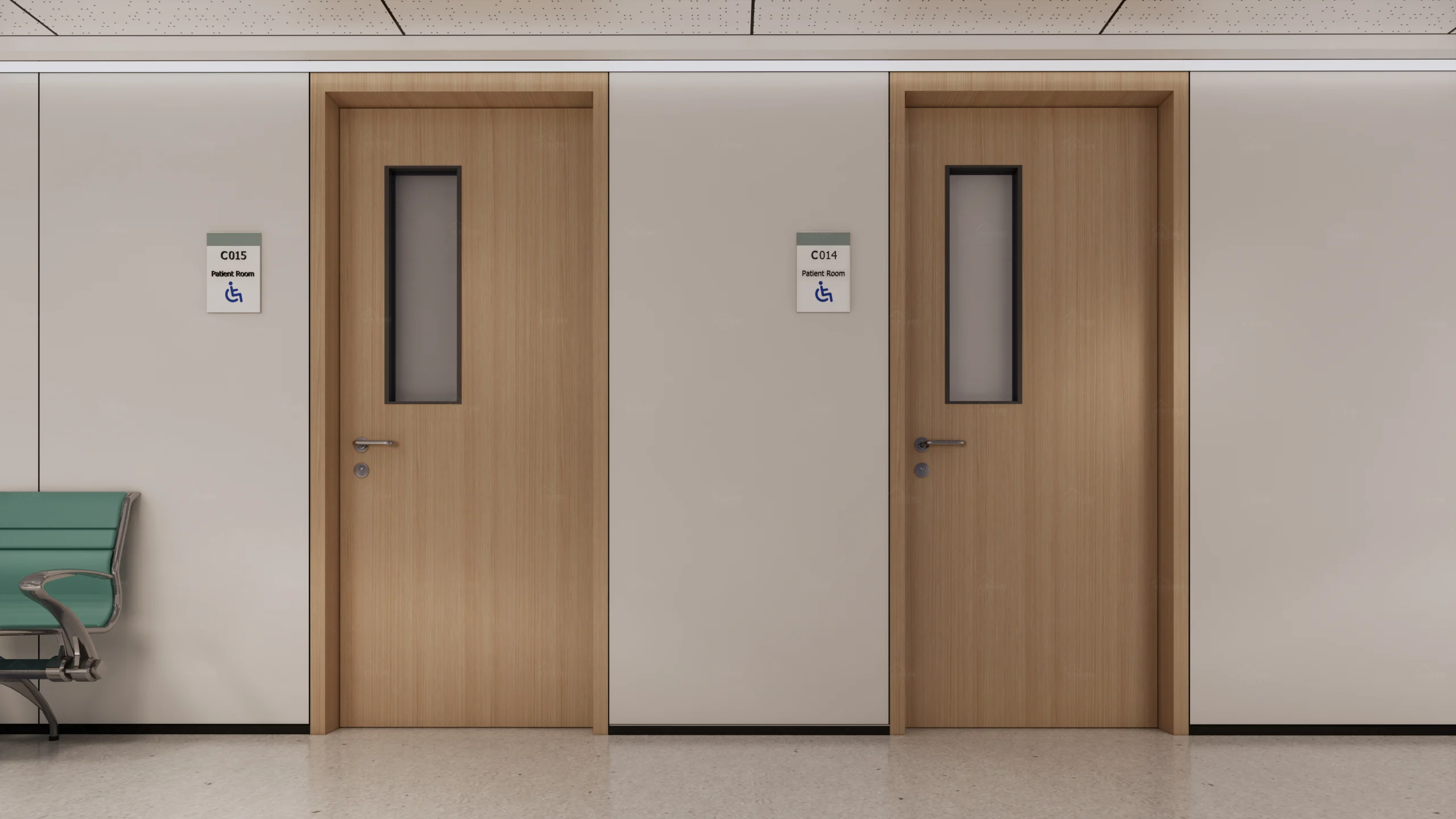
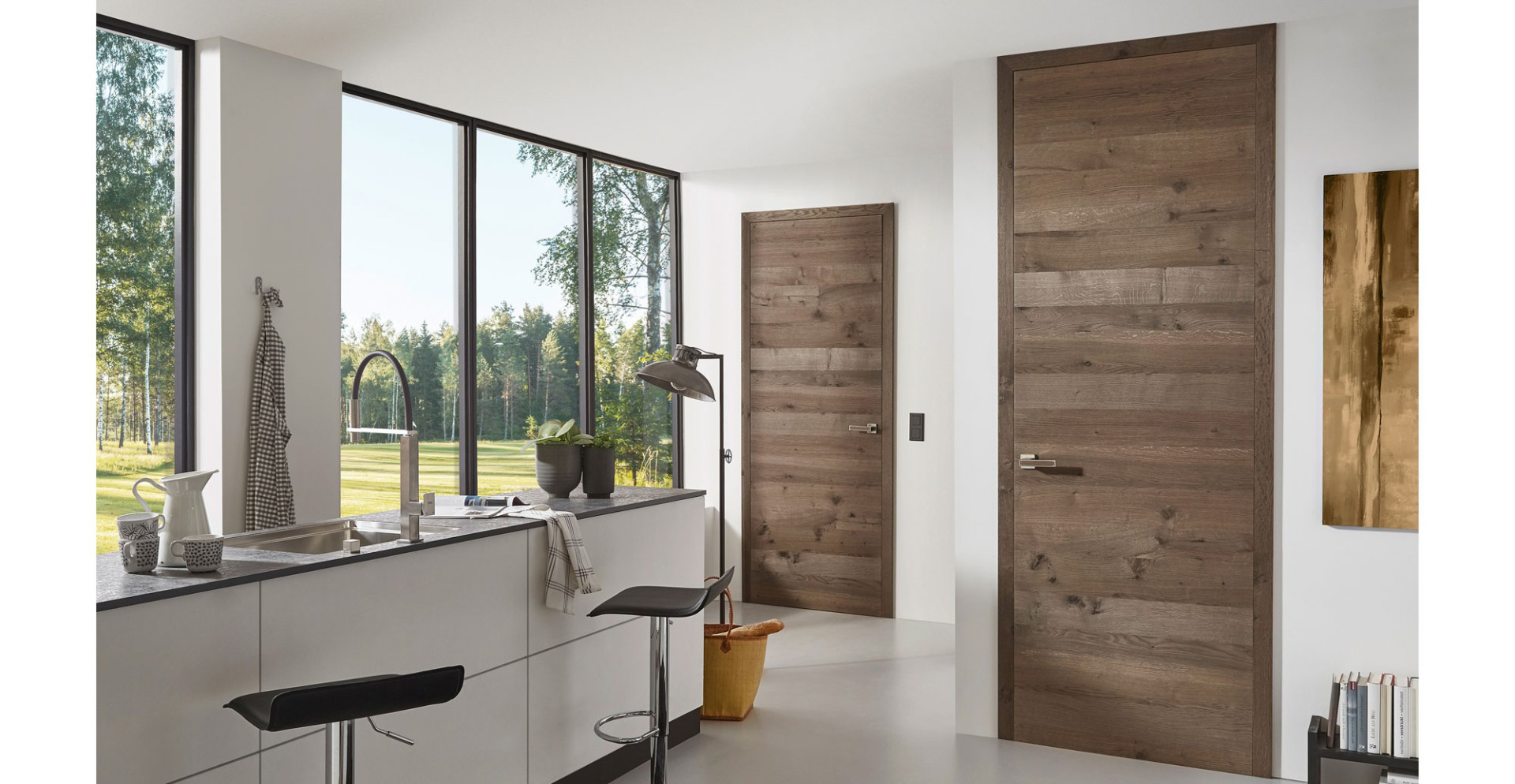
What material is 100% fireproof?

Introduction to Fireproof Materials
Fireproof materials are crucial to keeping buildings and their occupants safe during a fire. Among these materials, fire doors are one of the most critical safety features. These doors are specifically designed to slow or prevent the spread of fire and smoke, which can save lives and protect property.
What Does "Fireproof" Really Mean?
The term “fireproof” is often used interchangeably with “fire-resistant,” but they’re not the same thing. A material labeled as fireproof implies that it cannot burn or catch fire. In reality, no material is genuinely 100% fireproof. Everything burns at a specific temperature. What most people refer to as fireproof is, in fact, fire-resistant.
Fire-resistant materials can withstand high heat and flames for a period of time, but they don’t guarantee that they won’t burn under extreme conditions. For example, a fire door made from steel or wood may be fire-resistant, able to withstand flames for an hour or more, but eventually, the fire will cause damage.
Defining "Fireproof" vs. "Fire-resistant"
The term “fireproof” is often used interchangeably with “fire-resistant,” but they’re not the same thing. A material labeled as fireproof implies that it cannot burn or catch fire. In reality, no material is genuinely 100% fireproof. Everything burns at a specific temperature. What most people refer to as fireproof is, in fact, fire-resistant.
Fire-resistant materials can withstand high heat and flames for a period of time, but they don’t guarantee that they won’t burn under extreme conditions. For example, a fire door made from steel or wood may be fire-resistant, able to withstand flames for an hour or more, but eventually, the fire will cause damage.
Defining "Fireproof" vs. "Fire-resistant"
- Fireproof: This term implies total protection against fire, meaning the material cannot catch fire, no matter how hot it gets. However, this is misleading because no material can resist fire indefinitely. Even materials like steel, which are often used in fire doors, can warp and lose strength when exposed to extreme heat for too long.
- Fire-resistant: the more accurate term. Fire-resistant materials can withstand high temperatures for a specified period, typically 30 minutes to 2 hours. Fire-rated doors, for example, are constructed with fire-resistant materials to slow the spread of flames, giving people more time to evacuate.
Why Fireproof Materials Are Important for Safety?
Fireproof and fire-resistant materials are crucial for safety, especially in buildings where people are present. Fire doors made of these materials help stop fire and smoke from spreading across different areas of a building.
- Containment of Flames: Fire doors are specifically designed to prevent the spread of fire between rooms. In a fire, they serve as barriers that isolate the flames, giving people time to evacuate and reducing damage.
- Protection of Escape Routes: Fireproof or fire-resistant doors are essential in keeping escape routes safe. If a fire breaks out, the last thing you want is for the hallway or exit to become filled with smoke or flames. Fire doors help maintain clear, safe evacuation paths.
- Preventing Structural Damage: Without fire-resistant materials like those in fire doors, fire can quickly compromise a building’s structural integrity. Materials that withstand heat help avoid the rapid deterioration of a building’s key parts.
- Compliance with Regulations: In many regions, building codes require fire-resistant doors in specific locations. These doors are not just a safety feature; they are also necessary to comply with fire safety laws and to prevent legal issues in the event of an emergency.
Why Fireproof Doors Matter?
Fireproof doors are not just an added safety feature—they are an essential part of a building’s overall fire safety system. Their primary purpose is to prevent fires from spreading across different areas of a building. By doing so, fire doors provide more time for people to escape and for firefighters to contain the fire. This added time can make a big difference in saving lives and reducing property damage.
Additionally, fire doors help meet legal and building code requirements. Many regions have strict fire safety codes that mandate fire-resistant doors in certain areas, such as hallways, stairwells, and rooms with higher fire risks. Fire doors that meet these regulations help ensure a building complies with safety laws, protecting both occupants and property owners.
The Role of Fire Doors in Fire Safety
Fire doors play a crucial role in fire safety by acting as barriers to contain fires. When a fire breaks out, it spreads quickly if there are no obstacles to slow it down. Fire doors are designed to withstand high temperatures for a specific period—typically 30, 60, or 90 minutes—giving occupants more time to evacuate safely.
Fire doors are typically made from fire-resistant materials, like steel or wood with fire-resistant cores, and are often fitted with intumescent seals. These seals expand when heated, closing any gaps around the door to prevent smoke and flames from spreading. By isolating the fire to one area, fire doors help reduce the risk of it reaching other parts of the building, where it could endanger more people.
In larger buildings like hospitals, offices, and apartment complexes, fire doors help create a “fire compartment” layout. This means the building is divided into sections, with fire doors separating them. If a fire breaks out in one section, the fire door prevents it from spreading quickly to the rest of the building, limiting damage and giving more time for evacuation and firefighting efforts.
How They Help Contain Fires and Save Lives?
Fire doors are more than just safety features; they are life-saving tools. They help contain fires in several key ways:
- Containment of Flames and Smoke: When a fire starts, smoke can be as deadly as the flames. Smoke inhalation can cause injury or death much faster than flames. Fire doors are designed to contain both heat and smoke, keeping them away from escape routes and other areas where people might be. This helps prevent smoke from filling hallways or stairwells, ensuring that these escape routes remain clear for people to evacuate.
- Buying Time for Evacuation: Fire doors provide crucial time for building occupants to evacuate safely. Without fire doors, flames and smoke can spread quickly, making it difficult to escape. Fire-resistant doors slow down the spread of fire, keeping safe zones intact and providing a buffer period for people to leave the building.
- Protecting Critical Areas: In some buildings, certain areas—such as electrical rooms, kitchens, or storage spaces—pose a higher risk of fire. Fire doors can help prevent flames from spreading to other parts of the building. By containing the fire in these high-risk zones, fire doors help minimize overall damage.
- Helping Firefighters: Fire doors also make it easier for firefighters to do their job. They help create a safer environment for fire crews by containing the fire and preventing it from spreading to the rest of the building. Fire doors allow firefighters to focus on controlling the fire without worrying about it spreading uncontrollably throughout the building.

What Are Fire Doors Made Of?
Fire doors are built from a variety of materials, each offering unique benefits in terms of fire resistance, durability, and design. The material used in a fire door determines how long it will withstand fire and what level of protection it provides. Let’s take a closer look at the common materials used in fire doors.
Common Materials Used in Fire Doors
Fire doors are typically made from three main materials: steel, wood, or composite materials. Each of these materials has distinct characteristics that make it suitable for different settings and needs. Let’s explore these materials and what makes them so effective for fire door construction.
Steel: Durable, Long-Lasting, and Heat-Resistant
Steel is one of the most commonly used materials for fire doors. Why? Because steel is robust and highly heat-resistant. When exposed to high temperatures, steel maintains its integrity, providing excellent protection against fire and smoke. Steel fire doors are often used in commercial and industrial buildings due to their durability and ability to withstand harsh conditions.
Steel fire doors are made by sandwiching a fire-resistant core between two steel layers. This construction helps the door resist heat and prevent flames from spreading. Steel fire doors also have a fire rating, meaning they can withstand fire for a specific period, typically 30 to 90 minutes, depending on the rating.
In addition to being fire-resistant, steel is also highly durable and low-maintenance. It’s resistant to warping, cracking, or swelling over time, making steel fire doors ideal for high-traffic areas or applications that require them to withstand physical wear and tear.
Wood: Treated for Fire Resistance
Wooden fire doors are a popular choice for residential buildings or areas that require a more aesthetic appearance. While wood itself is not inherently fire-resistant, it can be treated with fire-retardant chemicals to enhance its ability to resist fire. This treatment helps slow down the spread of flames and protects against fire.
Wooden fire doors often have a core made from fire-resistant materials, such as mineral cores or a honeycomb structure, which further improves their fire resistance. These cores are combined with exterior wood veneer to create a door that not only looks good but also provides solid protection in the event of a fire.
One of the key benefits of wooden fire doors is their aesthetic appeal. Wood provides a warm, natural look that is often desired in homes and office buildings. Additionally, wooden fire doors can be customized with various finishes and designs, making them a versatile option for many interior styles. While they may not offer the same level of fire protection as steel, treated wooden fire doors are still a reliable choice for fire safety in residential and light commercial settings.
Composite Materials: Combining Fire Resistance with Aesthetics
Composite fire doors are made from a combination of materials, such as steel, wood, and fire-resistant cores, to achieve both strength and fire resistance. These doors are designed to offer the best of both worlds: a high level of fire protection with the added benefit of a more attractive finish.
Composite materials can be engineered to meet specific fire ratings, ensuring the door withstands fire for a given period. The core of a composite fire door is usually made from a fire-resistant material, such as mineral core or polystyrene. In contrast, the outer layers can be made from steel, wood, or other materials, depending on the desired aesthetic.
The great thing about composite fire doors is that they combine fire protection with style. These doors can be designed to mimic the look of wooden doors or be finished with various textures and colors to match the building’s décor. Whether in a home or a commercial setting, composite fire doors provide a versatile option that balances safety with design.
Fire Door Construction and Layers
A fire door isn’t just a simple door—it’s a carefully engineered safety feature. The core materials and additional components, such as seals and intumescent strips, work together to ensure the door’s fire resistance.
Core Materials in Fire Doors
At the heart of any fire door is the core material. This is the part of the door that provides the majority of its fire resistance. The core material plays a key role in preventing fire from passing through the door and into other areas of the building. Common core materials include mineral cores, honeycomb cores, and other fire-resistant materials.
- Mineral Cores: Mineral cores are made from fire-resistant materials like gypsum or other non-combustible minerals. These cores are highly resistant to high temperatures and are often used in fire doors with higher fire ratings (60, 90, or 2 hours). The mineral core absorbs heat and slows down the spread of fire, helping keep the building safe during a fire emergency.
- Honeycomb Cores: Honeycomb cores are made from layers of thin metal or cardboard arranged in a honeycomb structure. This design provides a balance of strength and lightness, making it a popular choice for fire doors. Honeycomb cores are also effective at resisting fire, though they may not offer the same level of protection as mineral cores in higher-rated fire doors. These cores are lightweight, helping reduce the door’s overall weight while still maintaining a high level of fire resistance.
Importance of Seals and Intumescent Strips
In addition to the core material, fire doors also feature seals and intumescent strips. These components are crucial for ensuring that the door performs as expected during a fire.
- Seals: Fire door seals are designed to close any gaps around the edges of the door. These seals are necessary because they prevent smoke and flames from slipping through the edges, even if the door is slightly ajar. Smoke can be as dangerous as fire itself, so a tight seal around the door is essential for keeping escape routes safe. Seals can be made from materials such as silicone or rubber, which remain flexible yet durable over time.
- Intumescent Strips: Intumescent strips are a special type of seal that reacts when exposed to heat. When a fire occurs, these strips expand, forming a barrier that seals the gap between the door and the frame. This expansion helps prevent fire and smoke from passing through the door. Intumescent strips are a vital component in ensuring that a fire door can maintain its fire resistance for a specified period, such as 30, 60, or 90 minutes.

Materials That Are 100% Fireproof
When it comes to fire safety, the term “fireproof” is often used, but in reality, no material can truly be 100% fireproof. However, certain materials offer exceptional fire resistance, which is why they are commonly used in fire doors. Let’s take a deeper look at why fire-resistant materials are ideal for fire doors.
Are There Truly 100% Fireproof Materials?
As much as we’d like a material that can withstand any fire, the reality is that no material is truly fireproof. All materials have limits to the amount of heat they can withstand, and even the toughest materials will eventually degrade or burn if exposed to fire long enough. This applies to fire doors, too. While fire-rated doors can withstand high temperatures for a specific period, no door is 100% fireproof.
For example, steel fire doors are among the most heat-resistant, but if exposed to flames for an extended period, even steel can warp, weaken, or lose its strength. Similarly, fire-resistant wooden doors treated with fire-retardant chemicals can slow the spread of fire, but they, too, have limits. The term “fireproof” often gives people the impression that these materials can withstand anything, but they are still susceptible to extreme conditions.
So, while we may use the term “fireproof” to describe highly fire-resistant materials, it’s more accurate to say they’re “fire-resistant” or “fire-rated.” They can protect for a specified period, such as 30, 60, or 90 minutes, but eventually, they will fail if the fire is intense enough.
Understanding That No Material is Completely Fireproof
As much as we’d like a material that can withstand any fire, the reality is that no material is truly fireproof. All materials have limits to the amount of heat they can withstand, and even the toughest materials will eventually degrade or burn if exposed to fire long enough. This applies to fire doors, too. While fire-rated doors can withstand high temperatures for a specific period, no door is 100% fireproof.
For example, steel fire doors are among the most heat-resistant, but if exposed to flames for an extended period, even steel can warp, weaken, or lose its strength. Similarly, fire-resistant wooden doors treated with fire-retardant chemicals can slow the spread of fire, but they, too, have limits. The term “fireproof” often gives people the impression that these materials can withstand anything, but they are still susceptible to extreme conditions.
So, while we may use the term “fireproof” to describe highly fire-resistant materials, it’s more accurate to say they’re “fire-resistant” or “fire-rated.” They can protect for a specified period, such as 30, 60, or 90 minutes, but eventually, they will fail if the fire is intense enough.
Understanding That No Material is Completely Fireproof
The idea that a material can be completely immune to fire is a common misconception. Every material, whether it’s steel, concrete, or wood, has a point at which it will break down when exposed to high enough heat. The key is understanding how much heat a material can resist and for how long.
For fire doors, materials are selected based on their fire-resistance ratings. These ratings indicate how long the door can withstand fire before it begins to degrade. For example, a door rated for 60 minutes can hold off flames and smoke for one hour, giving people time to evacuate and allowing firefighters to contain the fire. However, once that time is up, the door will no longer hold back the fire.
So, while the term “fireproof” is often used for marketing purposes, it’s really just a way of saying the material is highly fire-resistant. In practice, fire doors and materials are rated for how long they can resist flames, not for being completely fireproof. It’s important to keep in mind that fire doors are essential for protecting lives and property, but they have their limits.
Differences Between "Fire-Resistant" and "Fireproof"
- Fire-Resistant: This term refers to a material’s ability to resist fire for a specific period of time. Fire-resistant materials can withstand heat and flames for a specified duration, such as 30, 60, or 90 minutes, but they are not immune to fire. Fire-rated doors are a good example of this. They are designed to resist fire for a set period, slowing the spread of flames and smoke. For instance, a fire door with a 60-minute rating will resist fire for 1 hour but may not hold up beyond that.
- Fireproof: This term, on the other hand, would suggest that a material can’t be affected by fire at all. It would not burn, warp, or lose its integrity, no matter how hot the fire gets. However, as we’ve discussed, no material is truly fireproof. While some materials can withstand extreme heat for long periods, they will eventually fail under intense conditions.
Fireproof vs. Fire-Resistant in Fire Doors
The terms “fireproof” and “fire-resistant” are often used interchangeably, but they actually have distinct meanings, especially when it comes to fire doors. Fire-resistant materials are designed to withstand fire for a specific period, while “fireproof” implies that the material is immune to fire altogether.
What Makes Fire-Resistant Materials Ideal for Fire Doors?
Fire-resistant materials are ideal for fire doors because they are engineered to slow the spread of fire and smoke for a defined period. Fire doors are crucial safety components that prevent flames from quickly spreading between rooms, giving people more time to escape and firefighters more time to arrive. Here’s why fire-resistant materials work best for fire doors:
- Containment: Fire-resistant materials can withstand heat for a set amount of time—often 30, 60, or 90 minutes—depending on the fire rating. During this time, fire doors act as barriers that stop the spread of flames and smoke, keeping safe escape routes clear.
- Performance under High Heat: Materials such as steel, mineral cores, and treated wood are designed to withstand high temperatures without breaking down immediately. While these materials may soften or lose strength over extended exposure, they remain stable long enough to help contain the fire.
- Structural Integrity: Fire-resistant materials are durable and can maintain their shape and strength during a fire. For example, a steel fire door with a fire-resistant core will resist warping or bending, helping it to maintain its effectiveness. This is crucial in preventing fire from spreading and protecting the building’s structural integrity.
- Cost-Effectiveness: Fire-resistant materials are typically more affordable and practical than those marketed as “fireproof.” Since fireproof materials don’t exist, using fire-resistant materials in fire doors strikes a balance between effectiveness and cost, protecting without unnecessary expense.
Why Manufacturers Use Fire-Rated Materials in Doors Instead of "Fireproof" Ones?
Manufacturers of fire doors choose fire-rated materials over “fireproof” materials for several key reasons. While the idea of a completely “fireproof” door sounds appealing, it’s not feasible or necessary for practical fire safety.
- No Material is Truly Fireproof: As we’ve discussed, no material is entirely immune to fire. Everything has its breaking point. Even highly fire-resistant materials will eventually give way under intense heat. Fire-rated materials, however, can withstand fire long enough to do their job effectively. This makes them the ideal choice for fire doors.
- Focus on Time, Not Perfection: Fire doors are not meant to withstand fire forever. Instead, they are designed to slow the spread of fire for a set period, typically long enough for people to evacuate the building and for firefighters to arrive. The purpose of a fire door is to provide temporary containment, not to be “fireproof.” Therefore, fire-resistant materials are sufficient for this purpose.
- Practical Performance: Fire-rated materials like steel, mineral cores, and fire-resistant wood are carefully tested and rated for specific fire ratings. These materials are built to meet exact standards, ensuring that fire doors perform as needed during a fire. “Fireproof” materials would have no practical application in fire doors, as they would be unnecessary and costly, while still having limited effectiveness under extreme conditions.
- Compliance with Building Codes: Building codes and fire safety regulations specify fire-resistant ratings for doors, usually based on how long they can withstand flames (e.g., 30, 60, or 90 minutes). These regulations ensure that fire doors meet the required safety standards and are made from materials that provide reliable protection. Fire-rated materials are proven to meet these regulations, while “fireproof” materials do not fit the practical needs of fire door construction.
Summary
In summary, while fire-resistant materials, such as those used in fire doors, can provide excellent protection during a fire, no material is 100% fireproof. While the term “fireproof” may sound like the best option, no material is truly fireproof. Instead, fire-rated materials are used in fire doors to contain fires for a specified period, enabling safe evacuation and minimizing damage.
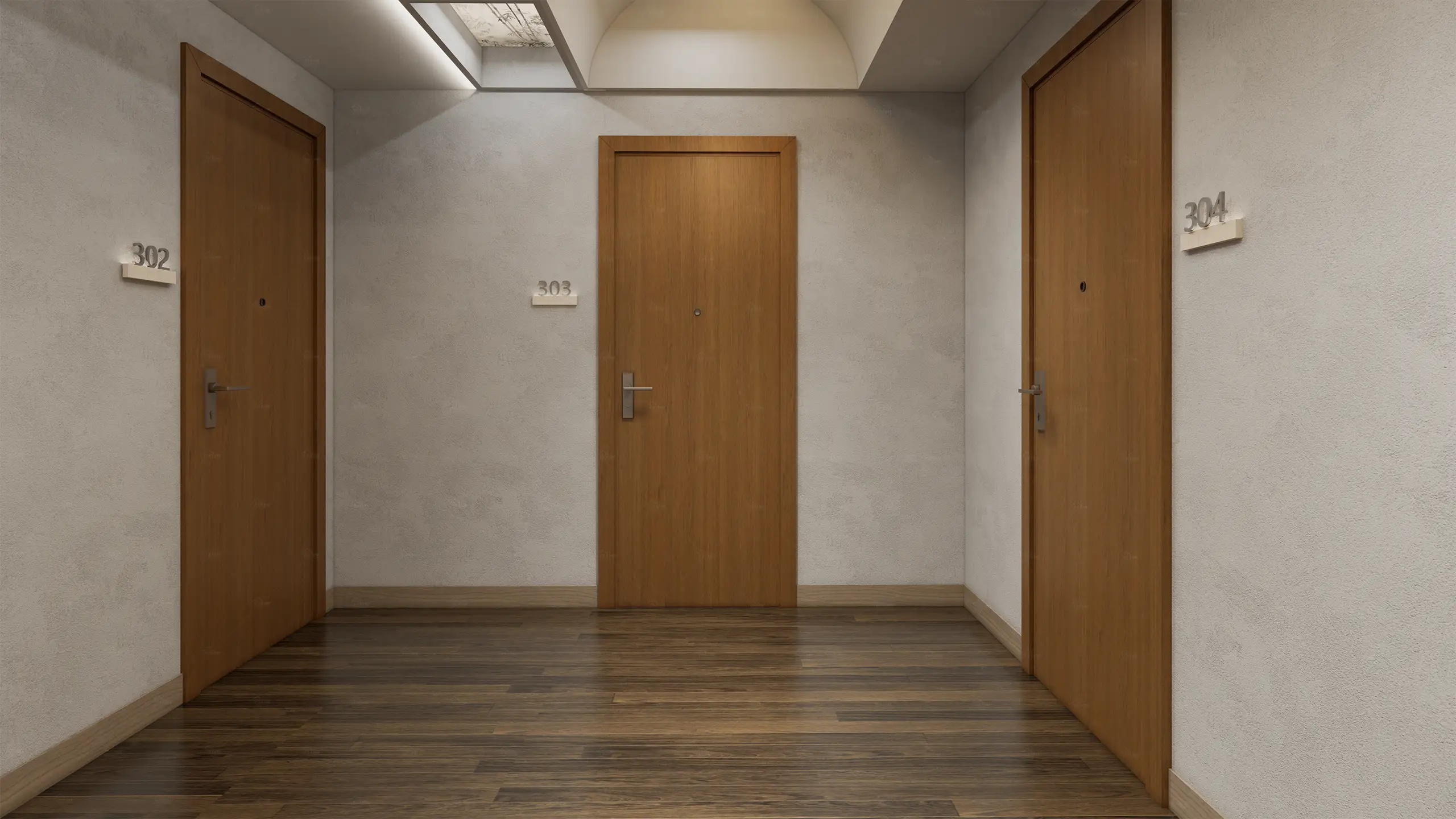
How Fire Doors Are Tested for Fire Resistance?
When it comes to fire safety, it’s essential to know that not all fire doors are created equal. To ensure that fire doors provide the protection they promise, they must undergo rigorous testing. These tests help determine how long a fire door can resist heat, flames, and smoke. Let’s explore the fire testing standards and regulations that help establish the effectiveness of fire doors and their fire resistance ratings.
Fire Testing Standards and Regulations
Fire doors are tested according to specific standards and regulations to ensure they meet the required safety levels. These standards differ by region, but they all have one thing in common: they evaluate how well a fire door can withstand fire for a specific period. The most common fire testing methods include UL 10B, BS 476, AS 1905, and EN 1634. Each of these methods provides guidelines for testing the materials, construction, and performance of fire doors.
Common Testing Methods
- UL 10B (Underwriters Laboratories): UL 10B is a widely recognized standard for fire door testing in the United States. This method tests the door’s resistance to fire and heat for a specified period, typically 20 minutes to 3 hours, depending on the fire door’s rating. The test simulates real-world fire conditions by applying heat to one side of the door while monitoring how long it takes for the fire to penetrate through. A fire door that passes UL 10B testing demonstrates that it can provide an effective barrier against fire for the designated time.
- BS 476 (British Standard): BS 476 is the British standard for fire door testing. This method is commonly used in the UK and involves subjecting fire doors to intense heat to test how well they withstand it. The test measures both the integrity of the door (whether it can prevent flames from passing through) and its insulation properties (whether the door can keep the temperature from rising on the non-fire side). Fire doors that meet the BS 476 standard are rated by how long they can withstand a fire, with standard ratings being 30, 60, and 90 minutes.
- AS1905 (Australian Standard): AS1905 is the Australian standard for fire doors and their testing. Like other methods, this standard measures the door’s ability to resist fire, smoke, and heat. AS1905 focuses on testing fire doors’ compliance with the required fire resistance requirements of Australian building codes. The test evaluates the performance of fire doors in preventing the spread of fire and smoke, ensuring that they provide safe escape routes and limit damage to the building.
- EN1634 (European Standard): EN1634 is the European standard for fire door testing, used across countries in the EU. This standard includes tests that assess both the fire resistance and smoke control capabilities of fire doors. Like the other methods, it tests how long a fire door can withstand fire conditions. EN1634 also ensures that fire doors meet specific criteria for maintaining their integrity, insulating properties, and smoke-tightness. Fire doors tested to this standard are rated by how long they resist fire and smoke, with typical ratings of 30, 60, and 120 minutes.
How Fire Resistance Ratings Are Determined
After a fire door is tested, its fire resistance rating is determined by how long it can withstand a fire without failing. The rating indicates how long the fire door can contain a fire, preventing it from spreading to other parts of the building. This is crucial because, in the event of a fire, fire doors play a critical role in providing safe evacuation routes and protecting other areas from fire damage.
- Fire Exposure: During the test, the fire door is exposed to intense heat and flames. This mimics real-life fire conditions, where the temperature on the fire side of the door can reach up to 1000°C (1832°F) or higher.
- Evaluation of Integrity: The door’s ability to prevent the passage of flames is closely monitored. If fire or hot gases break through the door or if the door becomes damaged, the test is stopped.
- Temperature Monitoring: The temperature on the non-fire side of the door is measured. The fire door must maintain a certain temperature threshold on the opposite side to prevent heat from causing damage or injury. If the temperature rises too much, it can indicate that the door is no longer effective in controlling the fire.
- Performance Over Time: The fire door’s ability to resist the fire is tested for a specific time period. The most common ratings are 30 minutes, 60 minutes, 90 minutes, and up to 2 hours. Once the door has passed the required amount of time without significant failure, it is given a rating indicating how long it can effectively resist fire.
Why Ratings Matter for Fire Doors
Fire door ratings are essential because they provide a clear indication of how long the door can withstand fire conditions. These ratings are based on the door’s ability to resist flames, heat, and smoke for a set period. Choosing the right fire door depends on understanding these ratings, as they determine how effectively the door will protect the building and its occupants.
A fire door’s rating is not just a number; it’s a critical piece of information for ensuring safety. The longer the fire resistance rating, the longer the door will keep fire and smoke at bay, allowing people to evacuate and reducing property damage. Ratings are typically based on how long the door maintains its integrity and insulation when exposed to high temperatures.
The Difference Between 30-Minute, 60-Minute, and 90-Minute Fire Ratings
Fire doors are available in different fire resistance ratings, typically ranging from 30 minutes to 90 minutes or more. Understanding the differences between these ratings is key to choosing the right fire door for your needs.
- 30-Minute Fire Rating: A 30-minute fire-rated door is designed to withstand flames and heat for up to 30 minutes. This level of protection is suitable for buildings with a lower risk of fire, where the fire might not spread as quickly. It can be used in residential settings or smaller commercial buildings. While it may not offer the most extended protection, a 30-minute fire door can provide enough time for people to escape or for the fire department to respond.
- 60-Minute Fire Rating: A 60-minute fire-rated door offers greater protection, providing an hour of resistance to fire. These doors are often used in commercial buildings, corridors, and areas where a higher level of fire protection is needed. A 60-minute fire door helps contain the fire longer, giving occupants more time to evacuate and firefighters more time to contain the fire. This rating is commonly used in areas where there’s a risk of the fire spreading to multiple rooms or floors.
- 90-Minute Fire Rating: A 90-minute fire-rated door is designed to resist fire for up to 90 minutes. This is often required in large commercial buildings, hospitals, and areas with high fire risks. These doors provide excellent protection by containing fire for an extended period. A 90-minute fire-rated door is ideal for areas where fire spread could be catastrophic, such as between different building sections or near critical infrastructure.
Choosing the Right Fire Door Based on Fire Resistance Level
Choosing the right fire door is not just about picking the highest rating. It’s essential to match the fire door’s resistance level with the specific needs of your building. Here are some key factors to consider when selecting a fire door:
- Building Type and Risk Level: The type of building and its fire risk will help determine the necessary fire rating. For example, residential homes with lower fire risks may only need a 30-minute fire-rated door. On the other hand, hospitals, offices, or industrial buildings with higher fire risks often require 60-minute or 90-minute fire-rated doors.
- Fire Compartmentalization: In larger buildings, fire doors help create fire compartments. This means the building is divided into sections, with fire doors acting as barriers to prevent the fire from spreading. In these cases, you may need fire doors with higher ratings, such as 60 or 90 minutes, to prevent fire from spreading quickly between compartments.
- Escape Routes and Emergency Exits: Fire doors play a critical role in protecting escape routes and emergency exits. In areas where people may need more time to evacuate, such as hallways or stairwells, it’s essential to have fire doors with higher ratings, like 60 minutes or more. This ensures that people can safely exit the building without being trapped by fire or smoke.
- Compliance with Local Fire Codes: Many local fire safety regulations require specific fire resistance ratings for certain areas of a building. Make sure to check your building codes and comply with fire safety laws when selecting fire doors. Some areas may require 60- or 90-minute fire-rated doors, while others may allow 30-minute-rated doors.
- Cost and Practicality: Fire doors with higher ratings, like 90 minutes, tend to be more expensive than those with a 30-minute rating. While it’s essential to prioritize safety, it’s also necessary to balance the cost with the level of protection required. For many buildings, a combination of fire doors with varying ratings may be the most cost-effective solution while still meeting safety requirements.
Summary
In conclusion, fire doors are tested to various standards, such as UL 10B, BS 476, AS1905, and EN1634, to ensure they provide adequate protection in the event of a fire. The differences between 30-minute, 60-minute, and 90-minute fire ratings depend on a building’s fire risk, layout, and evacuation needs. When choosing a fire door, consider factors such as the building type, fire compartmentation, escape routes, and local regulations.
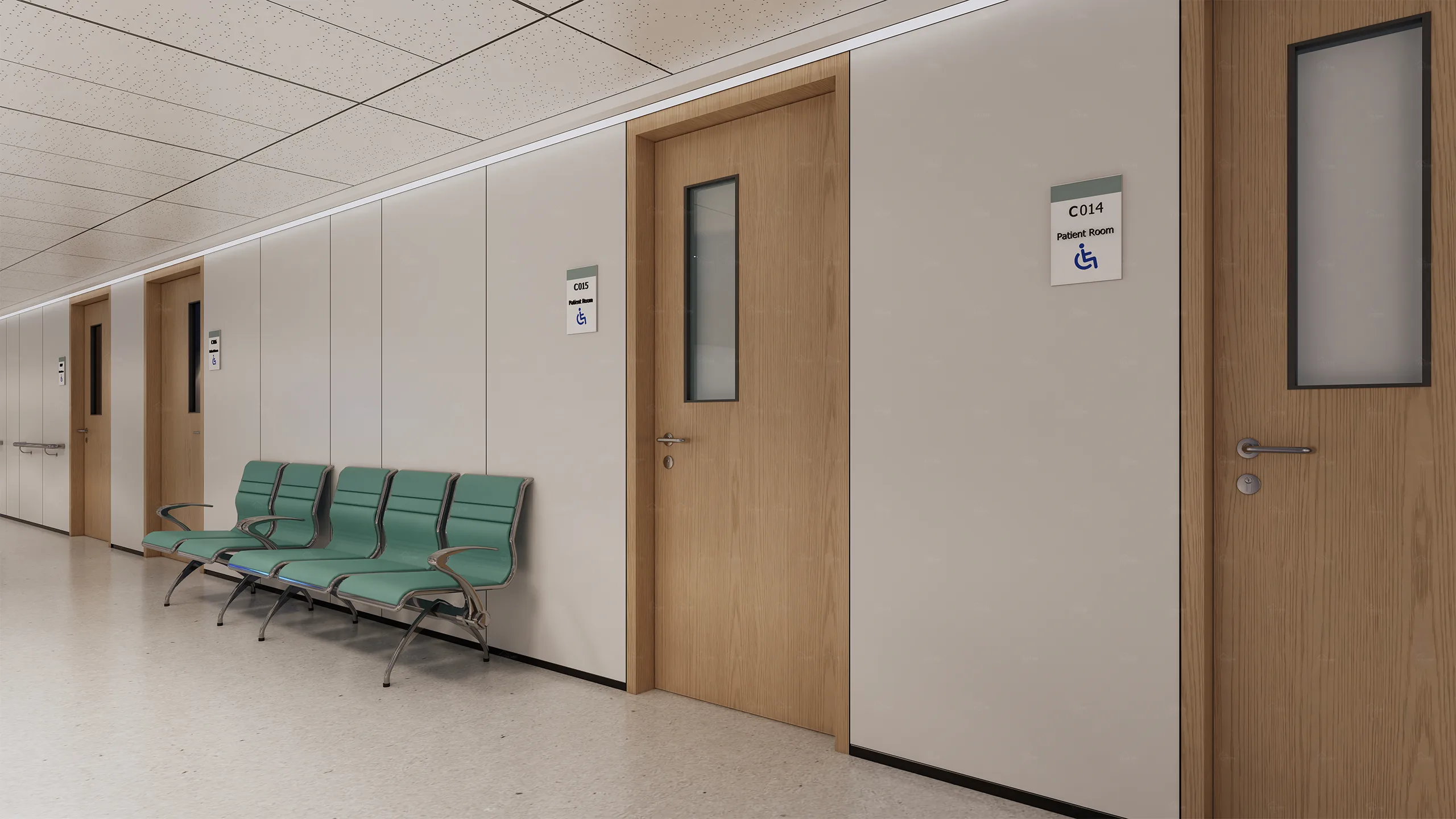
Benefits of Fire Doors for Building Safety
Fire doors are crucial for protecting people and property in the event of a fire. But their role extends beyond just protecting the building’s structure; they also help meet legal safety requirements. Fire doors are designed not only to resist flames and smoke but also to ensure compliance with local fire codes and regulations.
How Fire Doors Help Save Lives?
Fire doors are essential for saving lives in the event of a fire. While most people think of fire doors as simply barriers to flames, they play a much more crucial role. They help slow the spread of fire and smoke, giving people more time to exit the building safely. Here’s how fire doors make a difference:
The Role of Fire Doors in Preventing Smoke and Heat from Spreading
When a fire breaks out, smoke and heat can spread far more quickly than the flames themselves. This is why fire doors are so important. In a fire, smoke inhalation is one of the leading causes of death, often more dangerous than the flames. Fire doors help prevent this by creating barriers between the fire and escape routes.
Fire doors are built with fire-resistant materials that can block both smoke and heat. By sealing off rooms or hallways from the fire, fire doors help keep escape routes clear, giving people more time to reach safety. The door’s construction, including seals and intumescent strips, helps to prevent smoke from seeping through, even if there is a small gap around the edges. In a high-heat situation, these doors help contain heat on one side, reducing the risk of burns or injury to those trying to evacuate.
How Fire Doors Protect Escape Routes and Protect Valuable Assets?
Escape routes are vital during a fire, and fire doors play a crucial role in keeping these routes safe. In many buildings, corridors, stairwells, and other exit routes are protected by fire doors. These doors ensure that fire and smoke don’t block the path to safety. Without fire doors, a fire could spread quickly throughout these areas, making it impossible for people to exit or for firefighters to reach the fire. Fire doors are often installed in hallways, staircases, and entrances to limit the risk of fire and smoke entering these key evacuation routes.
Fire doors also protect valuable assets within a building. Whether it’s a hospital, office building, or a school, there are often rooms with necessary equipment or documents that need to be safeguarded. Fire doors can prevent a fire from spreading to these areas, reducing the damage and allowing employees or residents to retrieve essential items before the fire spreads too far. In settings such as museums or archives, fire doors can protect priceless artifacts and documents, increasing their chances of surviving a blaze.
By creating safe compartments within a building, fire doors help reduce the overall damage caused by fire. They give people time to exit safely and protect vital parts of the building and its contents. Without fire doors, the risk of fire spreading uncontrollably increases, endangering lives and property.
Fire Doors and Building Codes
Building codes and fire regulations are set to ensure the safety of everyone inside a structure. These codes outline the required materials, design, and installation practices for fire doors, ensuring they perform their intended function in an emergency.
Overview of Local Fire Codes and Regulations
Fire codes vary by location, but they all have one thing in common: they are meant to ensure safety. In many countries, fire safety regulations are enforced by local authorities, which set standards for construction materials, including fire doors.
For example, in the United States, the National Fire Protection Association (NFPA) outlines standards for fire doors in commercial and residential buildings. The International Building Code (IBC) and the National Building Code of Canada (NBCC) also provide clear guidelines for fire door installation and maintenance, including required fire-resistance ratings and placement requirements.
Similarly, in the European Union, the EN 1634-1 standard governs the testing of fire doors, determining how long they can withstand fire. These standards ensure that fire doors in buildings are tested and rated based on their ability to resist fire and prevent smoke spread.
Local fire codes often specify requirements for installing fire doors in certain areas. For example, fire doors might be required in areas where large numbers of people gather, such as hospitals, schools, and commercial buildings. Sure, fire-rated doors must be installed between different sections of the building, such as between stairwells, corridors, and high-risk rooms, to create fire compartments.
Importance of Compliance for Commercial and Residential Buildings
For both commercial and residential buildings, compliance with fire codes and regulations is not just a legal requirement—it’s a matter of life and death.
- Protecting Lives: Fire doors are designed to save lives. By providing critical time for evacuation and slowing the spread of fire, fire doors play a crucial role in preventing fatalities. Without complying with fire codes, buildings could be at greater risk of a fast-spreading fire, putting people in danger. Compliance ensures that the proper fire-rated doors are in place, protecting everyone in the building.
- Ensuring Property Protection: Fire doors are also designed to protect valuable property and assets. In commercial buildings, this could mean safeguarding inventory, equipment, or sensitive documents. For residential buildings, it helps prevent the fire from spreading into living areas, allowing residents to escape and reducing damage. Fire doors that meet building codes are much more likely to contain fires and limit damage effectively.
- Avoiding Legal Consequences: Failure to comply with fire door regulations can result in legal consequences, especially in commercial properties. Building owners and managers are responsible for ensuring that their buildings meet fire safety standards. If a fire breaks out and it’s found that fire doors were improperly installed or missing, this could result in fines, insurance issues, or even criminal charges in extreme cases. Following the regulations helps avoid these risks and ensures that the building is legally compliant.
- Insurance and Liability: Many insurance policies require buildings to meet specific fire safety codes. If a fire occurs in a building that doesn’t comply with local fire codes, the owner may have difficulty making an insurance claim. Non-compliance could also lead to higher premiums or a complete loss of coverage. By adhering to fire codes, property owners not only protect lives and property but also ensure they are covered in case of an emergency.
- Long-Term Building Integrity: Regular maintenance and proper installation of fire doors, in accordance with code, also help ensure the long-term safety of the building. Over time, fire doors can become worn out or damaged. Ensuring they are properly maintained and meet local fire code standards helps ensure the building remains safe, functional, and compliant.
Summary
By preventing the spread of smoke and heat, fire doors help maintain safe escape routes and give people the time they need to evacuate. They also play a vital role in protecting valuable assets and minimizing property damage. Adhering to local fire codes and regulations ensures that fire doors perform as expected during a fire, protecting lives, assets, and the building’s integrity. Whether in commercial or residential buildings, compliance is essential for preventing loss and minimizing risk.
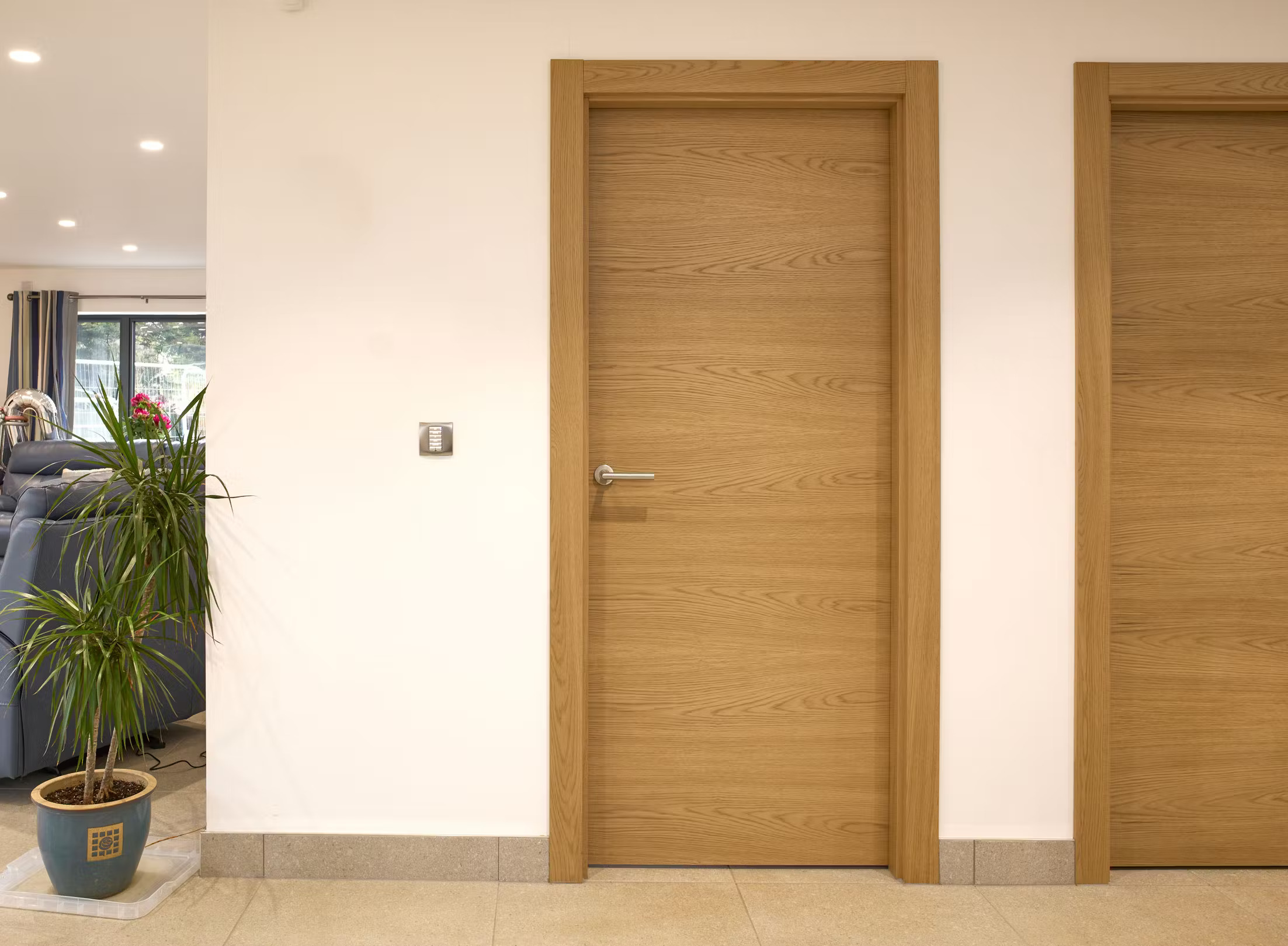
Conclusion
In conclusion, fire doors play a crucial role in the safety of any building. They are designed to prevent the spread of fire, smoke, and heat, giving people time to evacuate and protecting property from damage. The materials chosen for these doors are essential to their effectiveness. Let’s quickly review why material selection is key for safety and how to select the right fireproof material for your fire door.
Why Material Selection is Key for Safety?
The materials used in fire doors are vital to their performance during a fire. A fire door made from the right materials can provide the necessary protection against flames and smoke, slowing the spread of fire and enabling safe evacuation. Materials like steel, treated wood, and composite materials are commonly used because they offer a good balance of fire resistance, durability, and cost.
Choosing the right material ensures the fire door withstands the conditions it faces in an emergency. For example, steel fire doors are strong and highly heat-resistant, while fire-rated wooden doors, treated with fire retardants, are an excellent choice for spaces where aesthetics are also important. The right material can help save lives and minimize property damage, making material selection a critical decision for fire safety.
Choosing the Right Fireproof Material for Your Fire Door
When selecting a fire door, it’s essential to consider the required level of fire resistance. Fire doors come in various fire ratings, typically ranging from 30 minutes to 90 minutes or more, depending on the materials used. Choosing the right fireproof material involves considering the building’s needs, the fire risks, and the required safety regulations.
For buildings with high fire risk, such as hospitals or large commercial spaces, steel or composite fire doors with higher ratings (60-90 minutes) are often the best choice. For residential buildings, a 30-minute fire-rated door may be sufficient. It’s also essential to choose materials that meet local building codes and regulations to ensure compliance and optimal performance.
In short, selecting the right fireproof material is essential to ensure that the fire door performs as expected in a fire. The choice of material affects not only the door’s fire resistance but also its durability, maintenance requirements, and resistance to daily wear and tear. By choosing the right material, you can ensure the best protection for both people and property.
Relate FAQ
What material is 100% fireproof?
No material is truly 100% fireproof, but some materials are highly fire-resistant. For fire doors, materials like steel, wood, and fire-rated glass are commonly used. These materials are engineered to withstand high temperatures for extended periods, preventing the spread of flames and smoke. While these materials can provide excellent fire resistance, no material is entirely immune to fire under extreme conditions.
Are fire doors made of wood fireproof?
No, wooden fire doors are not completely fireproof, but they are often constructed using fire-rated wood. Fire doors made of wood can be enhanced with fire-resistant cores, such as mineral or honeycomb cores, to improve their fire resistance. These fire-rated wooden doors can resist flames for a specified period, such as 30, 60, or 90 minutes, depending on the fire rating.
What is the best material for a fire door?
The best material for a fire door depends on the required fire rating and the specific application. Typically, steel fire doors are considered the best due to their durability and superior fire resistance. Timber fire doors with fire-resistant cores are also popular for residential or commercial spaces that require both aesthetic appeal and safety.
Can aluminum be used for fire doors?
Aluminum is not typically used as the primary material for fire doors because its melting point is lower than that of materials like steel. However, aluminum fire doors may be manufactured by combining aluminum with fire-resistant materials, such as mineral cores or fire-rated glass, to provide a certain level of fire resistance. These doors are suitable for locations where lightweight doors are needed, but they should always meet fire safety standards.
What is a fire-rated door core?
A fire-rated door core is the internal material of a fire door that helps to prevent the spread of fire and smoke. Common core materials include mineral cores, polystyrene, polyurethane, and honeycomb structures. The choice of core affects the door’s fire rating, which can range from 30 minutes to several hours. The core material works in tandem with the door’s exterior to improve overall fire resistance.
Can a fire door stop smoke?
Yes, fire doors are designed not only to stop fire but also to prevent smoke from spreading. The sealant strips around the edges of fire doors expand when exposed to heat, blocking smoke from passing through. For optimal smoke protection, it is essential to install smoke seals and ensure the door is correctly fitted. This feature makes fire doors necessary for creating safe evacuation routes in the event of a fire.
What is the fire rating of a typical fire door?
The fire rating of a fire door typically ranges from 30 minutes (FD30) to 120 minutes (FD120). The fire rating indicates how long the door can withstand exposure to fire before it starts to fail. Fire-rated doors are tested according to recognized standards such as BS 476 or EN 1634, which specify the required duration of fire resistance for different applications.
How do you know if a fire door is certified?
A certified fire door should have a fire door label or marking that indicates its fire resistance rating. This marking is often placed on the door edge or frame and will include important information such as the fire rating (e.g., FD30, FD60), the manufacturer’s details, and the certification standard. It’s crucial to ensure the fire door has been tested and approved in accordance with recognized standards, such as BS 476 or EN 1634.
Can fire doors be installed in any building?
Fire doors are required in buildings to meet fire safety regulations, particularly in commercial and public buildings, as well as in residential buildings where fire compartmentation is needed. Installation requirements vary based on local building codes and fire safety laws. Fire doors must be installed correctly, with proper frames, seals, and hardware, to ensure they perform as intended in the event of a fire.