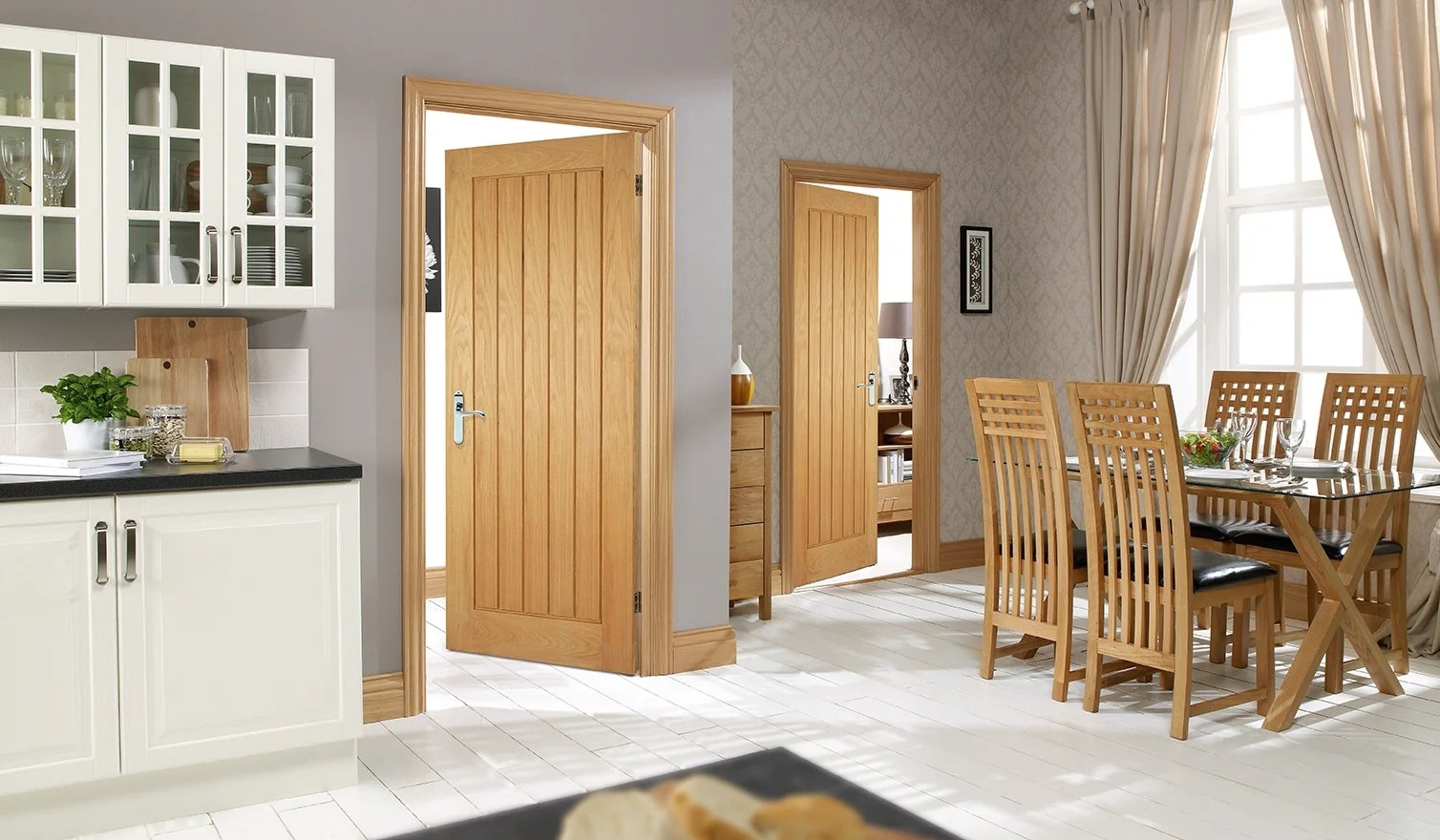
What is the use of intumescent seal in fire doors?
Introduction to Fire Doors
Fire doors are an essential part of any building’s safety system. They help prevent the spread of fire and smoke, keeping people and property safe during emergencies. Without fire doors, a fire could quickly spread throughout the building, endangering lives and causing significant damage. But fire doors aren’t just about stopping fire; they also help to maintain safe escape routes, providing more time for people to evacuate.
What are Fire Doors?
A fire door is a specially designed door that can resist the spread of fire and smoke between different areas of a building. These doors are made from fire-resistant materials and tested to withstand fire for a specified period, usually 30, 60, or 120 minutes. When properly installed, fire doors form a barrier that helps contain a fire in one area, allowing people to escape and preventing the fire from causing widespread damage.
Fire doors are often fitted with specific seals, like intumescent seals, that expand under heat to create a tight barrier against smoke and flames. These doors are an essential part of fire safety in both residential and commercial buildings, helping prevent fire from spreading beyond the room of origin.
Why Fire Doors Are Important for Safety?
Fire doors play a crucial role in saving lives during a fire. Without these doors, fire and smoke would spread rapidly throughout a building, trapping occupants and making evacuation difficult. Here are a few key reasons why fire doors are essential for safety:
1. Containment of Fire and Smoke:
Fire doors contain smoke and flames within a specific area, slowing the spread of the fire. This containment helps limit the fire’s impact and gives people more time to evacuate the building safely.
2. Safe Evacuation Routes:
When fire doors are correctly installed in corridors and stairwells, they provide safe escape routes. By containing the fire in one area, fire doors help create a pathway for people to exit the building without being exposed to harmful smoke or flames.
3. Compliance with Fire Safety Regulations:
Fire doors are often required by building codes and regulations. Installing them ensures that a building meets the required safety standards and is prepared for emergencies.
4. Protecting Property:
Fire doors also help protect the building and its contents by containing the fire. By limiting damage to a single area, fire doors help reduce repair costs and the risk of damage to important property.
Key Components of Fire Doors
To understand how fire doors work, it’s essential to know their key components. Each part of a fire door is designed to meet specific safety standards, ensuring it can withstand fire and smoke.
1. Door Leaf (The Door Itself):
The door leaf is the central part of the fire door. It is made from fire-resistant materials such as steel, timber, or composite materials. The leaf is designed to resist heat and smoke for a specified period, usually 30 to 120 minutes, depending on the building’s needs.
2. Frame:
The door frame holds the door in place and is typically made of steel or timber. The frame must also be fire-resistant and properly sealed to prevent heat and smoke from escaping around the door edges.
3. Intumescent Seals:
Intumescent seals are an essential component of fire doors. These seals are often placed around the edges of the door or inside the frame. When exposed to heat, the seals expand, creating a tight barrier that prevents smoke and flames from passing through the gaps. This feature is critical for maintaining the door’s fire resistance.
4. Hinges and Locking Mechanisms:
Fire doors are often equipped with specialised hinges and locking mechanisms that ensure they function properly during a fire. Hinges should be made from materials that won’t melt or deform at high temperatures, and locks should be easy to open in an emergency but also secure enough to keep the door closed when it’s needed most.
5. Glazing (Optional):
Some fire doors feature fire-resistant glazing, or glass, that allows light to pass through while still maintaining fire resistance. This glazing is specially designed to withstand heat and smoke for a specific period, offering both safety and aesthetic appeal.
6. Threshold Seals:
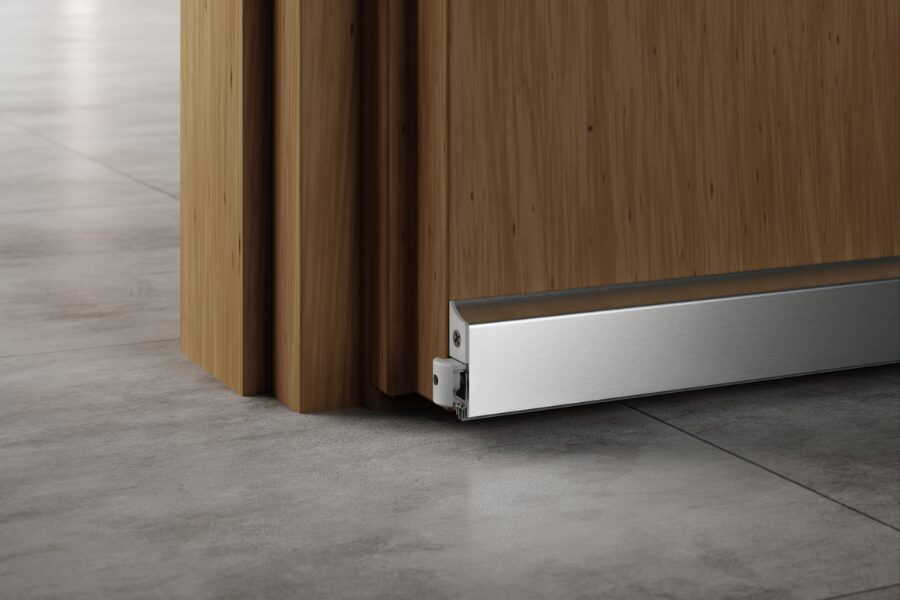
In addition to the intumescent seals, fire doors often have threshold seals at the bottom. These seals prevent smoke from passing through the gap at the base of the door, further enhancing the door’s effectiveness.

What is an Intumescent Seal?
An intumescent seal is a critical component in fire doors. These seals expand when heated, filling the gaps around the edges of the fire door. This expansion creates a barrier that helps prevent fire, smoke, and heat from escaping into other parts of the building. Intumescent seals are key to making fire doors effective at containing fires and protecting building occupants.
Definition of Intumescent Seal
An intumescent seal is a type of fire-resistant material that expands when heated. These seals are typically made from a compound that contains a material that swells as the temperature rises. When a fire occurs, the temperature around the fire door increases, causing the seal to expand rapidly. As the seal swells, it fills the gaps around the door, preventing the passage of smoke, flames, and heat.
In simple terms, intumescent seals “grow” under heat, becoming a thicker, more solid barrier. This process makes fire doors much more effective at containing fires and limiting the spread of smoke, which can be just as dangerous as flames. Intumescent seals are often used around the edges of the door, in the frame, and along the bottom of the door leaf.
How Intumescent Seals Work in Fire Doors?
Intumescent seals play a crucial role in enhancing the performance of fire doors during a fire. Here’s how they work:
1. Expansion Under Heat:
When a fire starts, the room’s temperature rises. As the heat reaches the intumescent seal, the materials inside it begin to expand. This expansion happens quickly, sometimes in just a few seconds, and fills any gaps between the door and its frame. This creates a barrier that prevents smoke and flames from passing through.
2. Sealing Gaps:
One of the main functions of an intumescent seal is to seal the gaps around the fire door. Even a small gap can allow smoke and heat to escape, which can be dangerous. By expanding and sealing these gaps, the intumescent seal ensures that the fire door performs at its best, helping to contain the fire in one area and giving people more time to evacuate safely.
2. Sealing Gaps:
One of the main functions of an intumescent seal is to seal the gaps around the fire door. Even a small gap can allow smoke and heat to escape, which can be dangerous. By expanding and sealing these gaps, the intumescent seal ensures that the fire door performs at its best, helping to contain the fire in one area and giving people more time to evacuate safely.
3. Improving Fire Resistance:
Fire doors are rated for how long they can resist fire, typically 30 to 120 minutes. Intumescent seals contribute to this rating by filling gaps that could otherwise allow heat or smoke to pass through. As the seal expands and solidifies, it strengthens the door’s fire resistance, making it much harder for the fire to spread.
4. Smoke Containment:
While fire is dangerous, smoke inhalation can be just as deadly. Intumescent seals help prevent smoke from escaping through gaps in the door. This is important because smoke can spread quickly and pose a significant risk to anyone trying to escape the building. By using intumescent seals, fire doors can help contain smoke, protecting life and property.
Summary
In summary, intumescent seals are essential for enhancing the fire door’s ability to contain fire and smoke. They play a crucial role in preventing the spread of fire, giving building occupants more time to evacuate safely. Whether you’re installing new fire doors or maintaining existing ones, it’s essential to ensure that these seals are correctly installed and functioning.

Fire Door Ratings: Understanding Fire Resistance
Intumescent seals are more than just an accessory in fire doors; they are vital to the door’s ability to prevent the spread of fire and smoke. These seals work actively during a fire, playing a key role in ensuring the fire door functions as designed. Whether you are considering installing new fire doors or maintaining existing ones, understanding the role of intumescent seals can improve fire safety.
Protecting Door Edges from Heat and Smoke
One of the most critical areas where fire doors need protection is along the edges. These areas are vulnerable during a fire because they are the main pathways for smoke, heat, and flames. An intumescent seal is designed to create a tight seal around the door’s perimeter, preventing gaps that could allow fire or smoke to escape.
As the heat from a fire increases, the intumescent seal expands, filling the gaps around the edges of the fire door. This expansion blocks the door’s edges, preventing harmful smoke and heat from seeping through. By protecting the edges, these seals ensure the fire door performs optimally, providing greater safety for everyone in the building.
In fact, gaps as small as a few millimeters can significantly impact the effectiveness of a fire door. Even small gaps can allow smoke to enter or heat to weaken the door’s structure. With intumescent seals, the door’s edges are sealed tightly, eliminating these weaknesses and enhancing the door’s fire protection.
Expanding Under Heat to Form a Barrier
When a fire breaks out, the room’s temperature can quickly rise. Intumescent seals are engineered to expand in response to this heat. They contain materials that undergo a chemical reaction at high temperatures, leading to rapid swelling. This expansion fills the gaps around the fire door, forming a barrier that prevents the spread of fire, smoke, and heat.
The speed and effectiveness of this expansion are key to a fire door’s performance. Within seconds of heat exposure, the intumescent seal begins to expand, forming a solid barrier. This process prevents the fire from spreading past the door, limiting damage to the building and providing occupants more time to evacuate safely.
As the seal expands, it tightens around the door frame, creating an airtight seal that can withstand fire and heat for extended periods. This rapid response is one of the reasons fire doors with intumescent seals are highly rated for fire protection. They provide both immediate and long-term resistance, ensuring that the door performs under extreme conditions.
Enhancing the Fire Resistance of Doors
The primary function of a fire door is to resist the spread of fire for a specified period, and intumescent seals are integral to this task. By sealing gaps and expanding under heat, intumescent seals significantly enhance the door’s fire resistance. The more effectively the door can prevent the passage of heat and smoke, the longer it can protect the building.
Fire doors come with different fire resistance ratings, ranging from 30 to 120 minutes. The performance of these doors largely depends on the quality of their components, and intumescent seals play a significant role in achieving these ratings. When installed correctly, these seals help the door maintain its integrity over time, ensuring it stays firm enough to withstand a fire for the specified duration.
Additionally, the seals don’t just stop flames; they also prevent the spread of smoke, which is just as dangerous during a fire. Smoke inhalation can be fatal, even in the absence of direct flames, and intumescent seals help stop smoke from seeping into escape routes or other areas of the building. This dual protection—against both fire and smoke—makes fire doors with intumescent seals crucial for building safety.
Summary
In short, intumescent seals play a central role in improving the overall fire resistance of fire doors. They ensure that the doors are not only effective at preventing the spread of flames but also at keeping harmful smoke from travelling throughout the building. Whether in commercial or residential buildings, these seals contribute to fire doors’ ability to save lives and protect property.
Why is an Intumescent Seal Crucial for Fire Doors?
Intumescent seals are vital for the performance and reliability of fire doors. These seals are not only an essential feature in fire doors but also a critical component in ensuring fire safety within buildings. Their role in enhancing fire doors’ effectiveness cannot be overstated, and they contribute significantly to meeting safety standards, preventing fire and smoke from spreading, and adhering to building codes.
Meeting Fire Safety Standards
Fire doors must meet strict fire safety standards to be effective in protecting people and property. These standards ensure that the door can resist the spread of fire and smoke for a specified period. Intumescent seals play a significant role in helping fire doors meet these standards. Without the seal, even the slightest gap between the door and its frame could allow heat and smoke to seep through, undermining the fire door’s effectiveness.
Intumescent seals are specifically designed to expand when exposed to heat. This expansion helps close any gaps around the edges of the door, preventing fire and smoke from passing through. By doing so, they help fire doors meet the necessary fire resistance ratings, often set at 30, 60, or 120 minutes. Without the proper seals, a fire door might fail to meet these required fire safety ratings, putting the entire building and its occupants at risk.
For instance, if a fire door is required to withstand fire for 60 minutes but has gaps around its edges, the fire could spread much quicker, shortening the time the door effectively resists flames and smoke. This is why an intumescent seal is crucial for fire doors to perform as expected during a fire emergency.
Preventing Fire Spread and Smoke Infiltration
When a fire breaks out, the priority is to contain it to one area and protect the rest of the building. Intumescent seals play an essential role in preventing the spread of both fire and smoke. Fire can spread quickly through gaps, and smoke, which can be just as deadly as the flames, can travel far beyond the fire’s origin.
An intumescent seal helps to prevent both of these dangers by filling the gaps around the door when it is exposed to heat. This creates a solid barrier that prevents flames and hot gases from spreading into other rooms or hallways. As the seal expands, it also tightens the space around the fire door, ensuring that no smoke can sneak through. This dual protection is essential in any fire door system, as smoke inhalation is responsible for more deaths in fires than the fire itself.
Without intumescent seals, a fire door would not be fully effective in stopping the spread of fire and smoke. The seal ensures the fire remains contained, making it easier for people to evacuate safely while keeping harmful smoke from reaching them.
The Importance of Intumescent Seals in Building Codes
Building codes are put in place to ensure safety in the event of a fire. Fire doors, along with intumescent seals, are often required by these codes. These seals are considered a non-negotiable element of fire door systems, as they help meet the fire safety standards buildings must comply with.
Intumescent seals are included in many local and international fire safety regulations. For example, in the UK, the building regulations require that fire doors have fire resistance ratings, and the use of intumescent seals is specified as part of the door assembly. Similarly, in the US, the National Fire Protection Association (NFPA) sets guidelines that include the use of seals in fire door installations.
Without these seals, it would not be easy to meet the fire-resistance requirements set by building codes. Additionally, if a building doesn’t meet these codes, it could be subject to penalties, increased insurance premiums, or even legal issues. In fact, a failure to install proper intumescent seals could invalidate a building’s fire safety certification.
Summary
In short, complying with building codes is not just about meeting regulations; it’s about ensuring the fire doors you install provide the best possible protection. Intumescent seals are a key part of this compliance, ensuring your fire doors are both practical and legal.
Different Types of Intumescent Seals
There are several types of intumescent seals, each designed to enhance the fire resistance of fire doors in different ways. Choosing the right kind of intumescent seal depends on your fire door’s specific needs, the type of building, and local fire safety regulations. These seals are often used to fill gaps around the door’s edges, keeping heat, smoke, and flames out.
Brush Seals vs. Strip Seals
When it comes to sealing fire doors, two common types of intumescent seals are brush seals and strip seals. While both are effective at preventing smoke and heat from passing through gaps, they differ in their design and application.
Brush Seals:
These seals consist of small, flexible bristles attached to a backing strip. The bristles allow the brush seal to make contact with the door frame and door leaf, creating a tight barrier. While brush seals are suitable for sealing smaller gaps, they are more commonly used for doors that don’t need the complete fire resistance of a strip seal. They allow the door to operate more smoothly and are often used in places where a tighter, more controlled seal isn’t necessary.
Strip Seals:
These seals are usually made from a solid strip of intumescent material. Unlike brush seals, strip seals are designed to expand when heated, forming a tight, protective barrier. Strip seals are typically installed around the entire perimeter of the fire door, offering a stronger, more durable seal than brush seals. These are particularly useful in areas with larger gaps, as they provide a better seal against both fire and smoke.
Both types of seals have their advantages, but strip seals tend to offer greater fire protection. They expand during a fire to provide a barrier that can withstand higher temperatures and prevent the spread of both fire and smoke. Brush seals, on the other hand, are more flexible and ideal for applications where heat and smoke protection are less critical.
Intumescent Paint vs. Intumescent Tape
In addition to brush-and-strip seals, fire doors can also be sealed with intumescent paint or intumescent tape. Both options provide excellent fire protection, but they are applied differently and serve different purposes.
1. Intumescent Paint:
This type of paint is applied directly to the door or frame and expands when exposed to heat. Intumescent paint forms a protective layer that can increase the door’s fire resistance, providing additional protection in the event of a fire. It’s ideal for applications where the door’s appearance is a concern, as it can be applied in a thin, uniform layer that doesn’t disrupt the door’s appearance. Intumescent paint is often used for steel fire doors or to enhance the performance of wooden doors that already have a good fire rating.
2. Intumescent Tape:
Intumescent tape is a self-adhesive, flexible material that can be applied to the edges of a fire door. Like strip seals, intumescent tape expands when exposed to heat, sealing off any gaps around the door. This tape is easy to install and can be used in a variety of door types, including wooden, steel, and composite doors. It’s a popular choice for both new installations and retrofitting existing fire doors because it’s cost-effective and easy to work with.
While both intumescent paint and tape provide good fire resistance, the choice between the two often comes down to application and aesthetics. Intumescent paint is better suited to doors that require a seamless appearance, while intumescent tape is more versatile and can be easily applied to any fire door with minimal effort.
Which Type of Seal is Best for Your Fire Door?
Choosing the appropriate intumescent seal for your fire door depends on several factors, including the door type, gap size, and required fire protection level. Here are some key considerations to help you decide which seal is best for your needs:
1. Gap Size:
If your fire door has small gaps, a brush seal may be sufficient. However, for larger gaps, strip seals or intumescent tape might provide better protection. Strip seals and tape expand when heated, filling larger gaps more effectively.
2. Fire Rating:
For fire doors that require higher fire resistance, intumescent strip seals or intumescent paint are typically recommended. These seals provide more reliable performance in extreme heat, ensuring the fire door withstands the fire for the specified period.
3. Aesthetics and Application:
If the appearance of your door is a concern, intumescent paint may be a better choice, as it provides fire protection without disrupting the door’s surface. On the other hand, if you are looking for a quick and cost-effective solution, intumescent tape is easy to apply and works well in most situations.
4. Door Type:
Different door materials require different types of seals. Steel doors, for instance, may benefit more from intumescent paint or strip seals, while wooden doors may work better with intumescent tape or brush seals. Always consider the material and construction of your fire door when choosing a seal.
Summary
Ultimately, the best type of seal for your fire door depends on your specific needs, the building’s fire safety requirements, and the kind of door you’re using. Regardless of the option you choose, ensuring the fire door is sealed correctly is essential to its effectiveness in preventing the spread of fire and smoke.
How to Maintain Intumescent Seals in Fire Doors?
Intumescent seals are crucial for ensuring that fire doors provide the protection needed during a fire emergency. However, like any part of the fire door system, these seals need regular maintenance to ensure they continue to perform effectively. Over time, seals can wear out, get damaged, or lose their effectiveness.
Checking for Damage and Wear
One of the first steps in maintaining intumescent seals is to check for damage or signs of wear regularly. Over time, the seals can become brittle, cracked, or compressed, especially if the fire door has been in use for several years or exposed to harsh conditions. Here’s how you can check the condition of your intumescent seals:
1. Visual Inspection:
Examine the seals around the edges of the fire door. Look for any visible signs of wear, such as cracks, tears, or areas where the seal has compressed. These issues can cause the seal to lose its ability to expand during a fire, reducing the fire door’s effectiveness.
2. Check for Gaps:
Use a feeler gauge or run your hand along the edges of the door to check for any gaps between the seal and the door frame. If there are any noticeable gaps, the seal may no longer be providing an adequate barrier against smoke or fire.
3. Examine for Loss of Thickness:
Over time, intumescent seals can lose thickness, especially if they’ve been exposed to repeated heat cycles. If the seal has thinned out, it may not expand properly during a fire. You can use a micrometre or calliper to measure the seal’s thickness, or compare it to a new, undamaged seal.
4. Check the Seal’s Flexibility:
Intumescent seals should remain flexible so that they can expand effectively when exposed to heat. If the seal feels hard or brittle, it may have aged and needs to be replaced.
Cleaning and Replacement Tips
Maintaining intumescent seals isn’t just about checking for damage—it’s also about keeping them clean and ensuring they function correctly. Here are some tips for cleaning and replacing intumescent seals in fire doors:
1. Cleaning the Seals:
Intumescent seals should be cleaned regularly to remove dust, dirt, and debris that can accumulate over time. To clean the seals, use a soft cloth and a mild soap solution. Avoid harsh chemicals, as they can degrade the seal material. Gently wipe the seal’s surface, taking care not to damage or dislodge it.
2. Avoid Harsh Abrasives:
Never use abrasive tools or cleaners, such as wire brushes or scrub pads, as they can scratch or tear the seal. Gentle cleaning helps maintain the integrity of the seal, ensuring it performs as intended.
3. Replacing Damaged Seals:
If the intumescent seal shows significant wear or damage, replace it immediately. You can purchase replacement seals from hardware stores or fire safety suppliers. When replacing a seal, ensure it matches the original in size, material, and fire resistance rating. Improperly fitted seals can compromise the fire door’s performance.
4. Install New Seals Correctly:
When installing a new intumescent seal, ensure it’s appropriately positioned along the door frame. The seal should be placed so that it contacts the door when the door is closed. If you’re using adhesive-backed tape, make sure the surface is clean and dry before applying it. For strip seals or brush seals, ensure they are securely fastened and aligned with the door frame.
5. Seal Replacement Frequency:
Intumescent seals should typically be replaced every 5 to 10 years, depending on the manufacturer’s guidelines and the wear and tear they experience. However, if the door is regularly exposed to high heat or has been used in a fire, it may need to be replaced sooner.
Why Regular Inspections are Key?
Regular inspections of fire doors, including their intumescent seals, are essential for ensuring the safety of the building and its occupants. Here are a few reasons why conducting inspections regularly is so important:
1. Ensuring Fire Safety:
Fire doors are designed to provide critical protection during a fire. If the intumescent seal is damaged or worn out, the door may not function properly, allowing smoke and flames to spread. Regular inspections help ensure the fire door performs as intended in an emergency.
2. Compliance with Regulations:
Many local fire safety regulations require regular inspections of fire doors to ensure compliance with safety standards. Failing to inspect or maintain fire doors can result in penalties, increased insurance premiums, or even legal issues. By inspecting intumescent seals, you help ensure that your fire door system is fully compliant with safety codes.
3. Preventing Expensive Repairs:
Catching issues with your fire doors and seals early can help you avoid more expensive repairs down the road. If an intumescent seal is neglected, the entire fire door may need to be replaced sooner than expected, leading to higher costs. Regular checks can identify problems before they require costly fixes.
4. Peace of Mind:
Knowing that your fire doors are in good condition provides reassurance, especially in high-risk buildings. Whether it’s a residential, commercial, or industrial property, regular fire door inspections ensure that the building is equipped to handle a fire emergency safely.
Summary
By making regular inspections a part of your routine maintenance, you can ensure that your fire doors remain reliable, effective, and compliant with safety regulations. This simple step can be the difference between life and death in the event of a fire.

Intumescent Seals and Fire Door Compliance
Fire doors are a crucial part of a building’s fire safety system. To ensure they work correctly in the event of a fire, fire doors must meet strict compliance standards set by various fire safety regulations. Intumescent seals are an essential component that helps fire doors meet these standards. Without the proper seals, fire doors may not provide adequate protection, leaving the building and its occupants at risk.
How Intumescent Seals Help Achieve Compliance with Fire Safety Regulations?
Intumescent seals play a pivotal role in helping fire doors comply with fire safety regulations. These regulations are designed to ensure that fire doors perform as needed during a fire, keeping people safe and preventing the spread of fire and smoke. Here’s how intumescent seals contribute to meeting those regulations:
1. Filling Gaps for Smoke and Fire Resistance:
Fire safety regulations require that fire doors prevent the spread of fire and smoke. Intumescent seals fill gaps around the door frame, ensuring the door creates a tight seal. When exposed to heat, these seals expand, preventing flames and smoke from passing through the door. This helps fire doors meet the required fire resistance rating, which is typically 30, 60, or 120 minutes, depending on the building’s needs.
2. Ensuring Proper Performance Under Extreme Conditions:
Regulations also demand that fire doors continue to perform effectively under extreme conditions, including high heat and pressure. Intumescent seals expand when exposed to heat, providing additional protection. This helps fire doors meet fire-resistance standards and ensures they function as intended during a fire.
3. Maintaining Structural Integrity:
Fire doors must maintain their integrity under fire conditions, meaning they should not deform, buckle, or fail. Intumescent seals support this by expanding and creating a protective barrier around the door. This expansion helps maintain the door’s shape and prevents heat from weakening its structure, both of which are essential for complying with fire safety regulations.
4. Supporting Fire Safety Testing:
Fire doors with intumescent seals are tested to ensure they can withstand a fire for a specified period. These tests help determine whether the door meets fire safety regulations. If a fire door lacks proper intumescent seals, it may fail these tests, rendering it non-compliant with fire safety regulations.
Summary
By using intumescent seals, fire doors can achieve the necessary level of protection required by fire safety codes. This is why these seals are often mandatory in many building regulations and codes, ensuring that fire doors are both safe and legally compliant.
Certifications and Standards to Look For
When choosing fire doors and intumescent seals, it’s essential to verify they meet the required fire safety regulations by checking for the appropriate certifications and standards. These certifications and standards demonstrate that the fire door system has been tested and approved for use in buildings. Here are some key certifications and standards to look for:
1. BS 476 (British Standard 476):
This standard is widely used in the UK for testing fire resistance in building materials and structures, including fire doors. It sets the requirements for fire doors to meet specific fire resistance ratings. For fire doors to comply with BS 476, the intumescent seals must provide adequate sealing and expansion under heat to meet the required fire protection ratings.
2. EN 1634-1 (European Standard EN 1634-1):
This is the European standard for testing the fire resistance and smoke control of doors and windows. Fire doors with intumescent seals that meet this standard can withstand fire for a specified duration while preventing smoke infiltration. Look for fire doors certified to EN 1634-1, which guarantees compliance with European fire safety regulations.
3. UL 10C (Underwriters Laboratories UL 10C):
This standard is used in the United States and applies to the fire testing of doors. UL 10C evaluates the performance of doors, including their fire resistance and smoke control capabilities. UL 10C-certified fire doors have been tested to meet stringent fire safety regulations, ensuring compliance with local safety codes.
4. FM 4991 (Factory Mutual FM 4991):
FM 4991 is a certification provided by Factory Mutual, a global leader in property loss prevention. This certification tests fire doors and their components, including intumescent seals, to ensure they meet high standards for fire resistance and safety. A fire door with FM 4991 certification provides confidence that it meets industry-leading safety standards.
5. Fire Resistance Ratings (30, 60, 120 Minutes):
Fire doors are often rated based on how long they can withstand fire before allowing it to spread. These ratings are typically listed as 30, 60, or 120 minutes. Intumescent seals help fire doors achieve these ratings by expanding and sealing gaps, ensuring the door can maintain its integrity for the specified period.
6. CE Marking:
In the European Union, fire doors and intumescent seals must meet specific safety requirements to carry the CE marking. This marking indicates that the product has been tested and complies with the relevant European fire safety standards.
Summary
In conclusion, intumescent seals are a vital part of achieving fire door compliance with safety regulations. By filling gaps, maintaining the door’s integrity, and supporting proper performance during a fire, these seals help fire doors meet required fire resistance standards. When selecting fire doors and seals, always ensure they are certified according to the relevant standards to ensure both safety and legal compliance.

Conclusion
In conclusion, intumescent seals are an essential component in ensuring fire doors perform as required during a fire emergency. These seals contribute to the fire door’s ability to prevent the spread of fire and smoke, keeping building occupants safe and minimising property damage. By providing effective sealing, expanding under heat, and meeting fire safety regulations, intumescent seals play a critical role in enhancing the overall safety and compliance of fire doors.
The Value of Intumescent Seals in Fire Door Systems
Intumescent seals add significant value to fire door systems. They act as a protective barrier, expanding when exposed to heat, and filling any gaps around the door. This ensures that smoke and flames do not pass through, keeping escape routes clear and minimising the risk of fire spreading. The seals not only improve the door’s fire resistance but also help meet the safety standards required by building codes. Their role in enhancing fire door performance makes them indispensable in any building’s fire safety plan, ensuring that the door remains functional during a fire emergency.
How to Choose the Right Intumescent Seal for Your Fire Doors?
Choosing the proper intumescent seal for your fire door depends on several factors. First, consider the type of fire door you have—whether it’s wooden, steel, or composite—as different materials may require different types of seals. Next, check the size of the gaps around the door. For larger gaps, strip seals or intumescent tape are usually a better option, as they expand effectively to seal these gaps. Also, think about the fire resistance rating required by your building codes. Intumescent seals should align with the fire door’s rating to ensure it can withstand the specified duration of heat exposure. Lastly, make sure the seal is compatible with your fire door’s design and easy to install. Choosing the correct seal ensures your fire door will provide the highest level of protection.
Relate FAQ
What is the use of an intumescent seal in fire doors?
An intumescent seal is a vital component of fire doors, designed to expand when exposed to heat. This expansion seals gaps between the door and its frame, preventing the spread of smoke and fire. It plays a crucial role in maintaining the door's fire-resistance integrity.
How do intumescent seals work in fire doors?
Intumescent seals are made from materials that expand significantly when exposed to heat. This expansion creates a barrier that blocks fire and smoke from passing through gaps around the door, enhancing its ability to contain a fire and protect other areas of the building.
Are intumescent seals required by fire safety regulations?
Yes, fire safety regulations typically require intumescent seals in fire doors to ensure they provide effective fire resistance. The exact requirements depend on local fire safety codes, but they are generally necessary for ensuring compliance with fire safety standards.
Can intumescent seals be easily replaced or maintained?
Yes, intumescent seals can be replaced and maintained. However, it’s essential to follow the manufacturer's guidelines for replacement to ensure the door’s fire-resistance properties are not compromised. Regular inspection is recommended to ensure the seals remain intact and functional.
What happens if an intumescent seal fails?
If an intumescent seal fails, the fire door may no longer be effective in preventing the spread of smoke and fire. This can compromise the building's safety, as fire and smoke can travel through gaps around the door. Regular maintenance and inspection are crucial to avoid this risk.
Can intumescent seals be used in all fire doors?
Intumescent seals are typically used in fire-rated doors, but their specific application depends on the door’s design and fire rating. Always check the manufacturer's guidelines to ensure compatibility with the fire door’s certification.
How long do intumescent seals last in fire doors?
The lifespan of intumescent seals varies depending on the material used and the building's conditions. On average, they can last many years, but regular inspection is recommended to ensure they are still effective in maintaining the fire door’s performance.