What are common fire door frame problems?

Introduction: Why Fire Door Frames Matter?
Fire door frames are one of the most critical components of a building’s fire safety system. While fire doors themselves often steal the spotlight, the frame that holds the door plays an equally important role in protecting lives and property. Without a properly installed and maintained fire door frame, even the best fire door will fail to provide the protection it was designed for.
Importance of Fire Door Frames in Building Safety
Fire door frames are much more than just structural components that hold the door in place. They play a direct role in ensuring the fire-resistance rating of fire doors. When properly installed, fire doors frame help create a barrier that slows the spread of fire and smoke between rooms or sections of a building.
A fire door’s effectiveness depends on how well it fits into its frame. If the frame is damaged, misaligned, or poorly installed, the fire doors might not close tightly, allowing gaps through which flames and smoke can escape. These gaps can render the fire door ineffective, making it easier for a fire to spread.
Fire door frames are designed to withstand high temperatures and protect the door from warping or becoming dislodged. They also work alongside other building fire safety systems, such as sprinklers, alarms, and fire extinguishers, to ensure the building is safe during a fire emergency.
Without proper installation and maintenance of fire doors frame, you risk compromising your building’s entire fire safety strategy. It’s not just about having fire doors; it’s about installing and maintaining them correctly within their frames to maximize safety.
What is a Fire Door Frame?
A fire door frame is the structure that surrounds a fire door and holds it securely in place. It is typically made from materials like steel, wood, or a combination of both, depending on the building’s needs and fire safety requirements. Fire doors frame is designed to be heat-resistant and, just like the door, must meet strict building codes and standards for fire resistance.
These frames are crucial for ensuring that the fire doors functions as intended during an emergency. Fire doors frame is built to withstand the intense heat from a fire and keep the door securely in place. They are often equipped with seals that expand when heated, helping prevent the spread of smoke and fire. These seals, along with the frame, form a complete fire-resistant system.
Understanding what fire doors frames are and how they work can help you appreciate why it’s so important to install and maintain them properly. They’re the foundation that allows fire doors to do their job of stopping fire and smoke, ensuring the safety of everyone inside a building.
Why Proper Installation and Maintenance are Critical?
Proper installation and regular maintenance of fire door frames are crucial for ensuring the door’s full performance. Even the highest-quality fire doors won’t function effectively if they’re not installed properly or maintained regularly. The frame needs to be correctly aligned, secure, and in good condition to support the door and its fire-resistant properties.
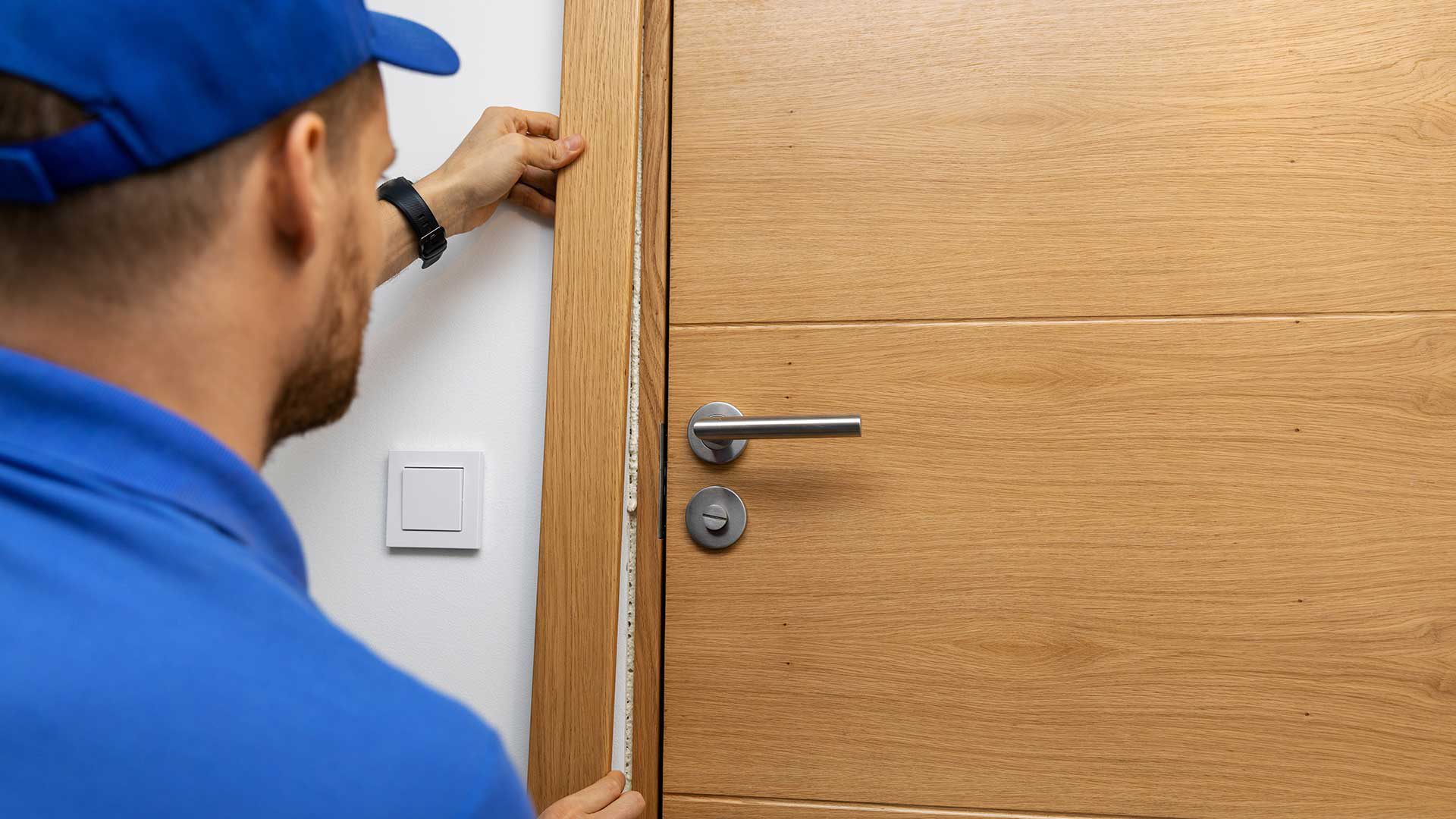
First, let’s talk about installation. Installing a fire doors frame correctly means ensuring the frame fits securely within the wall, and the door fits snugly within the frame. A small misalignment can create gaps that allow smoke and fire to pass through, reducing the door’s effectiveness. Proper installation also involves ensuring the frame is fixed securely, with all necessary components, such as hinges and locks, working seamlessly.
Second, fire doors frames require regular maintenance to stay effective. Over time, the frame can become damaged or worn due to moisture, rust, or other factors. This is especially common in environments with high humidity or buildings that experience significant temperature fluctuations. If the frame becomes warped or corroded, it may no longer hold the door securely, and its fire-resistant qualities could be compromised.
Maintenance also includes checking the seals around the door frame. These seals are essential for keeping smoke and fire out. If the seals are damaged or missing, the frame won’t perform as it should in an emergency. Regular inspections help identify potential issues before they become serious problems, allowing you to fix them before they compromise safety.
In short, proper installation and maintenance ensure that fire door frames do their job: keeping the door secure, fitting correctly, and providing protection against fire. Without these, fire doors cannot provide the complete protection for which they were designed, putting everyone in the building at risk.
Summary
By understanding the critical role of fire door frames, the potential problems they may face, and the importance of installation and maintenance, you can take steps to ensure your building’s fire safety is as effective as possible. A fire door frame that’s installed correctly and regularly maintained is a key component in preventing the spread of fire and smoke, ultimately saving lives and property.

Common Fire Door Frame Problems
While fire doors frames are crucial to a building’s safety, they can develop several problems over time. These issues can compromise the effectiveness of the fire door and its ability to contain fire and smoke.
Misalignment Issues
Misalignment in fire doors frames occurs when the frame is out of place or the door doesn’t fit snugly within it. This problem can happen during installation or develop over time due to wear and tear. Misalignment is a serious concern because it impairs the door’s ability to close properly, thereby affecting its fire resistance.
How Misalignment Affects Fire Door Performance?
When fire doors frame is misaligned, the door may not close correctly or create gaps between the door and the frame. These gaps, even if small, can allow smoke and flames to pass through during a fire, compromising the building’s fire protection system. A misaligned frame also makes it difficult for the door seals to function correctly. These seals are designed to expand when exposed to heat, blocking smoke and fire, but they must be correctly aligned to perform effectively.
If the door doesn’t close properly, the risk of fire spreading through the building increases significantly. In addition, misalignment can make it difficult to open or close the fire doors, potentially delaying evacuation or preventing the door from being used when needed most.
Proper installation and alignment are key to ensuring fire doors performs as expected in an emergency. Even a slight misalignment can significantly reduce the door’s effectiveness, making the whole system less reliable.
Signs of Misaligned Fire Door Frames
Misalignment often develops slowly over time, but there are a few signs to look out for that may indicate a fire door frame is misaligned:
- Visible Gaps Around the Door: If you can see light through the sides or top of the fire doors, it’s a clear sign that the door isn’t seated correctly in the frame. This gap can allow smoke and heat to leak through, making the fire doors ineffective.
- Difficulty Closing the Door: If the fire door is harder to close or sticks when you try to shut it, the frame may be misaligned. The door should close smoothly without force.
- Unusual Noises: Scraping or grinding sounds when opening or closing the fire door can indicate that the frame is out of alignment. These noises often occur because the door and frame are rubbing together in the wrong way.
- Door Doesn’t Lock or Latch Properly: If the door doesn’t latch securely, the frame could be misaligned. A properly aligned fire doors should fit snugly and lock without any issues.
Summary
Misalignment is just one of the issues that can affect fire doors frames. However, with proper attention and regular maintenance, these problems can be addressed before they compromise the building’s safety. Fire doors must be properly aligned to provide the necessary protection against fire and smoke, ensuring that the building’s fire safety system functions as intended in an emergency.
Warping and Distortion
Warping and distortion in fire doors frames can occur for several reasons. These issues usually arise due to environmental factors, such as temperature changes or humidity. When the frame warps, it no longer fits properly, compromising the integrity of the fire door. This is a serious concern because the performance of fire doors relies heavily on how well they fit into their frames.
What Causes Fire Door Frame Warping?
The primary cause of fire door frame warping is moisture. Wood, for example, is highly susceptible to absorbing moisture from the air. When this happens, the frame can expand and bend, leading to a warped shape. In areas with high humidity or temperature fluctuations, this issue is even more likely. Wooden fire doors frames in particular are at risk, as they tend to swell when exposed to moisture and contract when dried, causing them to lose their original shape.
While wooden frames are more prone to warping, metal frames can also distort, though this is less common. Metal fire doors frames can bend or twist if exposed to extreme heat or physical pressure. Additionally, poor-quality materials used in the construction of fire doors frames can contribute to warping over time, as they may not withstand environmental stress as effectively as higher-quality materials.
Impact of Warped Frames on Fire Resistance
Warped or distorted fire doors frames can significantly reduce the door’s fire resistance. A fire door is designed to fit tightly into its frame to prevent smoke and flames from passing through. When the frame warps, the door may no longer seal properly, leaving gaps that allow fire, smoke, and heat to escape.
Even small gaps can be problematic. During a fire, these gaps can act as conduits for smoke, allowing it to spread throughout the building and compromising the structure’s overall fire safety. The door’s fire rating may be compromised if the frame is no longer properly aligned, rendering it ineffective in containing a fire.
In addition to the fire-resistance issues, a warped frame can also affect the overall functionality of the fire door. It might make it difficult to open or close the door, hindering people’s ability to exit the building in an emergency.
Overall, warped fire doors frames pose a risk to the building and its occupants. It’s essential to inspect fire door frames regularly to check for signs of warping, particularly in environments prone to humidity or temperature extremes.
Summary
By understanding the causes of fire doors frame warping and how it affects fire resistance, you can take proactive steps to prevent these issues. Regular maintenance and timely repairs will ensure that your fire doors perform as intended during an emergency, keeping the building safe from the dangers of fire and smoke.

Corrosion and Rust
Corrosion and rust are common issues that affect metal fire doors frames. Over time, exposure to moisture and other environmental factors can cause metal frames to rust, weakening the structure and reducing the fire door’s ability to function correctly. If left untreated, rust can cause extensive damage and render the fire door ineffective in an emergency.
How Humidity and Moisture Lead to Rust?
Humidity and moisture are the primary factors that cause rust to develop on metal fire doors frames. When metal, especially iron or steel, is exposed to water or moisture in the air, it reacts with oxygen, forming iron oxide—commonly known as rust.
In areas with high humidity or where there’s a lot of rainfall, rust can form more quickly. Even temperature fluctuations can contribute, as metal expands and contracts, creating small gaps where moisture can accumulate. Over time, even small amounts of moisture can cause rust to spread, weakening the fire doors frame and reducing its durability.
Rust is particularly problematic in fire doors frames because it can compromise the frame’s structural integrity. Once the metal begins to rust, the frame may weaken, making it less effective at holding the door securely. This is a significant concern for fire-rated doors, as the frame must maintain its strength and integrity to prevent the spread of fire and smoke.
Prevention and Treatment for Rust in Fire Door Frames
Preventing rust from forming on fire doors frames is much easier than treating it once it has spread. Here are a few tips on how to prevent and treat rust issues effectively:
- Regular Inspections: The first step in preventing rust is to inspect fire doors frames regularly. Look for any signs of moisture damage, water stains, or rust spots. Early detection can help prevent rust from spreading.
- Proper Sealing: Ensure the fire doors frame is sealed correctly to prevent water or humidity from entering. If the door frame is located in a high-moisture area, such as near a shower room or in a basement, consider applying a protective coating to keep moisture out.
- Use of Rust-Resistant Materials: If you’re installing a new fire doors frame, consider using rust-resistant materials, such as galvanized or stainless steel. These materials are designed to withstand moisture better than traditional iron or steel.
- Treatment for Existing Rust: If rust has already started to form on fire doors frame, it’s essential to treat it as soon as possible. Start by removing the rust using a wire brush or sandpaper. After the rust is removed, apply a rust-inhibiting primer, then a protective paint or coating. This helps prevent further rust from forming and restores the frame’s strength.
- Humidity Control: In areas with high humidity, consider installing dehumidifiers or ventilation systems to reduce moisture levels. Keeping the area dry can help slow rust formation.
Summary
Corrosion and rust in fire doors frames are common but manageable with the right precautions. Regular maintenance, along with proper sealing and material selection, can prevent rust from developing and ensure that fire doors continue to perform as intended, providing critical protection in an emergency.
Impact of Fire Door Frame Problems on Building Safety
Fire door frames are an integral part of a building’s fire safety system. When these frames experience problems, the entire fire door system can be compromised, leaving the building vulnerable in the event of a fire. Let’s explore how faulty fire door frames can affect building safety and the broader implications for compliance, legal requirements, and insurance.
How Faulty Fire Door Frames Can Compromise Safety?
When fire doors frames are damaged, misaligned, or corroded, they fail to properly support the fire doors. This can result in the door not sealing tightly against the frame, which is crucial for preventing the spread of fire and smoke. If the door doesn’t close correctly or if there are gaps in the frame, heat and smoke can leak through, potentially spreading the fire to other parts of the building.
A compromised fire doors frame can make it much easier for fire to spread, especially in larger buildings where multiple fire doors are necessary to contain the blaze. This can be especially dangerous in high-traffic areas like hallways or stairwells, where people need to evacuate quickly.
In short, faulty fire doors frames reduce the effectiveness of fire doors, and when doors can’t perform their intended function, the safety of everyone in the building is at risk. Regular maintenance and inspections are critical to ensure that fire doors frames remain intact and functional, offering complete protection during an emergency.
The Role of Fire Door Frames in Fire Rating Compliance
Fire door frames play a key role in ensuring that the building’s fire doors meet required fire ratings and building codes. Fire ratings are a standard measure of how long a fire door can resist flames and heat. This rating is determined by the quality and construction of both the door and its frame.
When a fire door frame is not correctly installed or maintained, it can affect the door’s ability to meet fire rating standards. For instance, a misaligned or warped frame can leave gaps that prevent the door from achieving its full fire rating. This is a serious issue because fire-rated doors are required by law in many commercial and residential buildings to prevent the spread of fire.
To comply with building regulations, fire doors and their frames must meet specific fire resistance ratings. Failing to do so can lead to legal issues, safety hazards, and, in some cases, costly fines. Regular inspections and ensuring that fire door frames remain in optimal condition are critical to meeting these standards and complying with local fire safety regulations.
Legal and Insurance Implications
Failing to maintain fire door frames can have serious legal and insurance consequences. In the event of a fire, if it’s discovered that faulty fire door frames contributed to the spread of the fire, the building owner or manager could face legal action. Lawsuits can arise from building occupants, neighbors, or even local authorities, especially if the fire caused significant damage or injury.
Moreover, insurance companies may refuse to cover fire damage if they determine that the building’s fire safety systems, including fire doors and frames, were not adequately maintained. Many insurance policies require that fire doors be installed and maintained in accordance with local fire safety standards. If a building is found to be non-compliant, it could result in a denial of claims, leaving the building owner or manager financially responsible for the damages.
To avoid these legal and financial risks, building owners must ensure their fire door frames are regularly inspected, repaired, and maintained. Keeping records of inspections and maintenance can also help demonstrate compliance with safety standards in the event of a claim.
Summary
In conclusion, understanding fire doors ratings are crucial for ensuring that your building is safe and complies with fire safety standards. Choosing the right rating depends on the fire risk in various areas, the building’s design, and the number of occupants. By selecting the appropriate fire doors rating, you can provide better protection for your property, the people inside it, and reduce the risk of fire damage.
Preventing and Fixing Fire Door Frame Problems
Fire door frames are essential for ensuring safety during a fire. When these frames develop issues such as misalignment, rust, or warping, the fire door may not perform as expected. Fortunately, regular maintenance, timely repairs, and proper installation can prevent these problems and ensure the fire door frames remain in top condition.
Regular Maintenance and Inspections
Routine maintenance and inspections are vital to ensuring fire door frames remain functional and practical. Over time, frames can suffer from wear and tear, environmental damage, or improper use. Inspections help identify these issues early, so you can fix them before they compromise the door’s performance. Fire door frames are the foundation of the entire fire door system, and their condition directly impacts building safety.
How Often Should Fire Door Frames Be Inspected?
Fire door frames should be inspected at least once a year to ensure they are in good condition and meet fire safety regulations. However, if the building is located in a high-risk area—such as near a factory, a warehouse, or in a high-humidity area—you may need to inspect it more often. It’s also a good idea to schedule inspections after major events, such as construction work, flooding, or extreme weather, as these can damage fire door frames.
In addition, whenever a fire door is used, or after any significant changes (such as renovations or temperature fluctuations), it’s worth checking the condition of the frame. The goal is to catch small issues before they turn into larger problems that could affect safety.
What to Check During Fire Door Frame Inspections?
During an inspection, focus on several key areas to ensure the fire door frame is working as it should. Here are the main things to check:
- Alignment: The fire door should close smoothly and fit snugly within the frame. Look for any gaps around the door or areas where the frame might be misaligned. Even a small gap can let smoke or flames escape during a fire.
- Condition of Seals: Check the seals around the door and frame. Fire doors rely on seals to block smoke and heat. If they’re cracked, missing, or damaged, the door’s effectiveness is compromised. Make sure the seals expand properly when heated and remain in good condition.
- Frame Integrity: Look for signs of damage or wear, such as rust, corrosion, or dents in the metal or wood. A frame that is physically damaged may not support the door properly, weakening its fire-resistance performance.
- Hinges and Hardware: Ensure all hinges, locks, and latches are functioning correctly. A fire door should open and close easily. Any broken or loose hardware can prevent the door from sealing properly or make it difficult to use in an emergency.
- Fire Rating Compliance: Ensure the fire door frame continues to meet the required fire ratings. Over time, materials can degrade, and it’s important that the frame still provides the necessary protection. Check for any changes to local building codes and make sure your fire doors and frames comply.
- Signs of Warping or Distortion: Especially in wooden fire door frames, keep an eye out for signs of warping or distortion. These issues can make it hard for the door to fit correctly, compromising its performance in a fire.
Repairs and Replacements
Fire door frames, like any other part of a building, will wear out over time. The key to keeping them functioning properly is knowing when a repair will fix the problem and when it’s time to replace the frame entirely. Proper maintenance, including repairs, can extend the life of fire door frames, but sometimes replacement is the only option.
When to Repair vs. Replace a Fire Door Frame?
Deciding whether to repair or replace a fire door frame depends on the extent of the damage and its impact on fire safety.
- Repair: If the damage to the fire door frame is minor—such as a few dents, slight misalignment, or small areas of rust—it is usually more cost-effective to repair the frame. Simple repairs can be done quickly, often restoring the frame to full functionality. For instance, if the frame is misaligned or the hinges need adjusting, it is typically a matter of realigning the frame or replacing the hardware.
- Replace: If the fire door frame has significant structural damage, such as severe rust, deep cracks, or extensive warping, replacement may be necessary. A severely compromised frame will no longer support the fire door properly, and no amount of repairs will restore its fire-resistance properties. Additionally, if the frame’s fire rating has been compromised by extensive damage, a replacement will be required to maintain compliance with fire safety regulations.
Cost of Repairing or Replacing Fire Door Frames
The cost of repairing or replacing a fire door frame can vary widely depending on the severity of the damage and the materials involved. Here’s a breakdown of the typical costs:
- Repair Costs: Simple repairs, such as fixing misalignment or replacing small sections of a fire door frame, are generally affordable. You might expect to pay between $100 and $300 for minor repairs, including labor and materials. For things like replacing rusted hinges or replacing damaged seals, the cost may be on the lower end. However, repairs that involve repainting or resealing can slightly raise costs.
- Replacement Costs: Replacing a fire door frame is more expensive, especially if it is made from high-quality materials such as steel. The cost to replace a fire door frame typically ranges from $500 to $2,500, depending on the material, frame size, and installation complexity. Custom frames or high-fire-resistant frames may cost even more. Additionally, if the frame needs to be replaced as part of a larger fire door system upgrade, the overall cost could increase.
Proper Installation to Avoid Common Issues
Installing a fire door frame properly is essential for its overall performance and safety. A well-installed frame ensures that the fire door closes tightly, providing the necessary fire resistance. Poor installation can lead to a range of issues, from misalignment to difficulty in closing, both of which can prevent the door from functioning during a fire.
Best Practices for Installing Fire Door Frames
To ensure that fire door frames are installed correctly, follow these best practices:
- Measure and Align Precisely: The fire door frame must be installed perfectly level and square. Even a small misalignment can affect the door’s ability to seal properly. Take accurate measurements, and double-check that the frame fits snugly within the wall opening. This ensures the door can close tightly, helping it maintain its fire-resistance properties.
- Use High-Quality Materials: The fire door frame material should be carefully selected based on the door’s required fire rating. Steel or other fire-resistant materials are typically the best choice. Choosing low-quality materials can compromise the frame’s fire resistance and may lead to corrosion over time.
- Seal the Frame Properly: Proper sealing is essential to ensure that the fire door frame performs as expected. The door’s seals, which expand when heated, should be fitted correctly around the frame. These seals help prevent smoke and fire from leaking through gaps, so they mustn’t be installed too loosely or too tightly.
- Check for Stability and Durability: Ensure that the frame is securely anchored in place. The frame should be stable and able to withstand the stress during a fire. Fasten the frame tightly into the wall using strong anchors and ensure it is fully supported to avoid any movement or shifting.
- Allow for Expansion: Fire door frames should allow for thermal expansion. During a fire, the frame may expand due to heat, potentially affecting its alignment if not accounted for during installation. Ensure the frame is installed with enough flexibility to accommodate expansion while still maintaining a tight seal when the fire door is closed.
- Inspect and Test: After installation, verify that the fire door fits correctly in the frame. Open and close the door a few times to ensure it operates smoothly. Check for any gaps around the edges and confirm that the door latches securely.
Importance of Professional Installation
While it’s possible to install fire door frames yourself, it’s highly recommended to hire a professional installer, especially for fire-rated doors. Here’s why:
- Expert Knowledge of Building Codes: Fire door frames must comply with strict fire safety regulations and local building codes. Professional installers are familiar with these codes and ensure that installations meet all legal requirements. This helps avoid costly fines or safety violations.
- Proper Tools and Techniques: Installing fire door frames requires specialized tools and knowledge. Professional installers have the right tools to ensure the frame is correctly aligned and securely fitted. They also understand the specific needs of fire door frames and can handle any challenges during installation, ensuring the job is done right the first time.
- Ensuring Fire Safety: The primary role of a fire door is to prevent the spread of fire and smoke. Professional installers understand the critical role of each component in the fire door system, including the frame, seals, and door itself. Their expertise ensures that the fire door functions correctly, giving you peace of mind knowing the installation is safe and compliant.
- Warranty and Liability: Many fire door manufacturers require professional installation to maintain the product warranty. If a certified professional does not install the fire door frame, you may risk voiding the warranty. Additionally, professional installers carry liability insurance, which protects you in the event of any issues after installation.
- Time and Cost Savings: While hiring a professional may seem like an added cost, it can actually save you money in the long run. Professional installation reduces the risk of mistakes or costly repairs, ensuring the frame is installed correctly the first time. Plus, experienced installers can complete the job more quickly, minimizing disruption to your building.

Fire Door Frame Materials and Their Pros and Cons
The material used for fire door frames is crucial because it affects the door’s performance under fire conditions. Different materials offer different benefits, and each comes with its own set of challenges.
Steel vs. Wooden Fire Door Frames
Steel and wood are the two main options for fire door frames. Each material has unique features that make it a better choice depending on your specific needs.
Pros and Cons of Steel Frames
Steel fire door frames are the most commonly used in commercial and industrial buildings due to their strength and durability. Here’s why you might consider steel frames for your fire doors:
Pros:
- Durability and Strength: Steel is highly durable, making it an ideal choice for buildings that require high security or fire doors that withstand heavy wear and tear. Steel frames are resistant to physical damage, such as dents and cracks.
- Fire Resistance: Steel is naturally fire-resistant, making it an excellent material for fire door frames. It doesn’t warp or weaken under heat, ensuring the frame maintains its integrity during a fire and helping contain the fire and smoke effectively.
- Low Maintenance: Steel frames require less maintenance than wooden frames. They don’t rot, warp, or succumb to pests like termites. This makes them a long-term, cost-effective solution, especially in environments with high humidity or fluctuating temperatures.
- Compliance and Longevity: Steel frames are built to last and can retain their fire-resistance ratings for many years, ensuring compliance with building codes and fire safety regulations.
Cons:
- Higher Initial Cost: Steel frames are often more expensive than wood, both in the material itself and in installation costs. This may be a concern for budget-conscious projects.
- Appearance: While steel frames are durable, they may not fit in with the aesthetic of residential or design-focused spaces. They have a utilitarian look that may not suit all architectural styles.
- Prone to Corrosion: If exposed to moisture or extreme weather conditions, steel can rust. To prevent this, the frame needs to be adequately coated or treated, adding to the cost and maintenance requirements.
Why Choose Wooden Fire Door Frames?
Wooden fire door frames are a traditional choice, especially in residential buildings or places where appearance and warmth are essential. Here’s why you might opt for a wooden frame:
Pros:
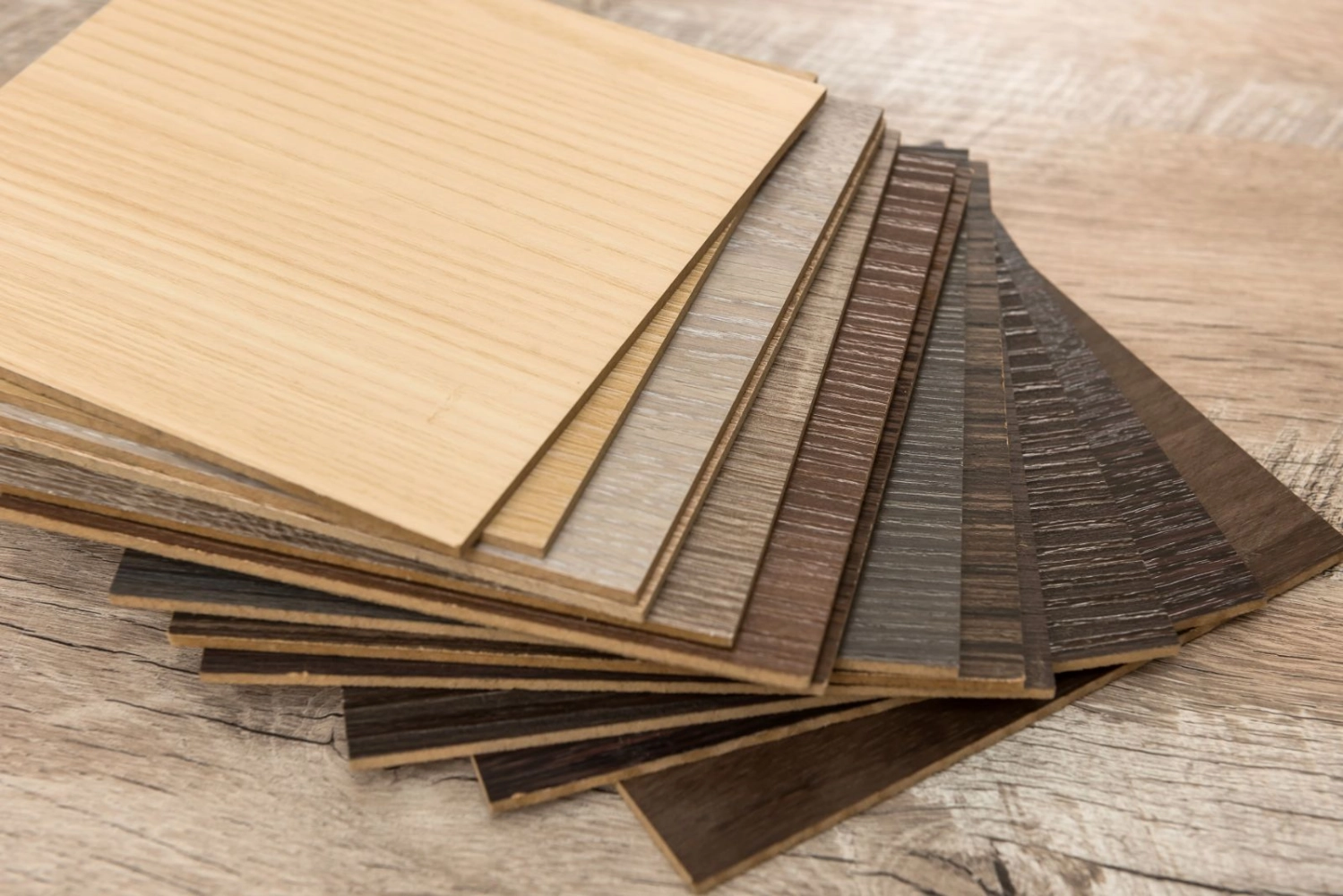
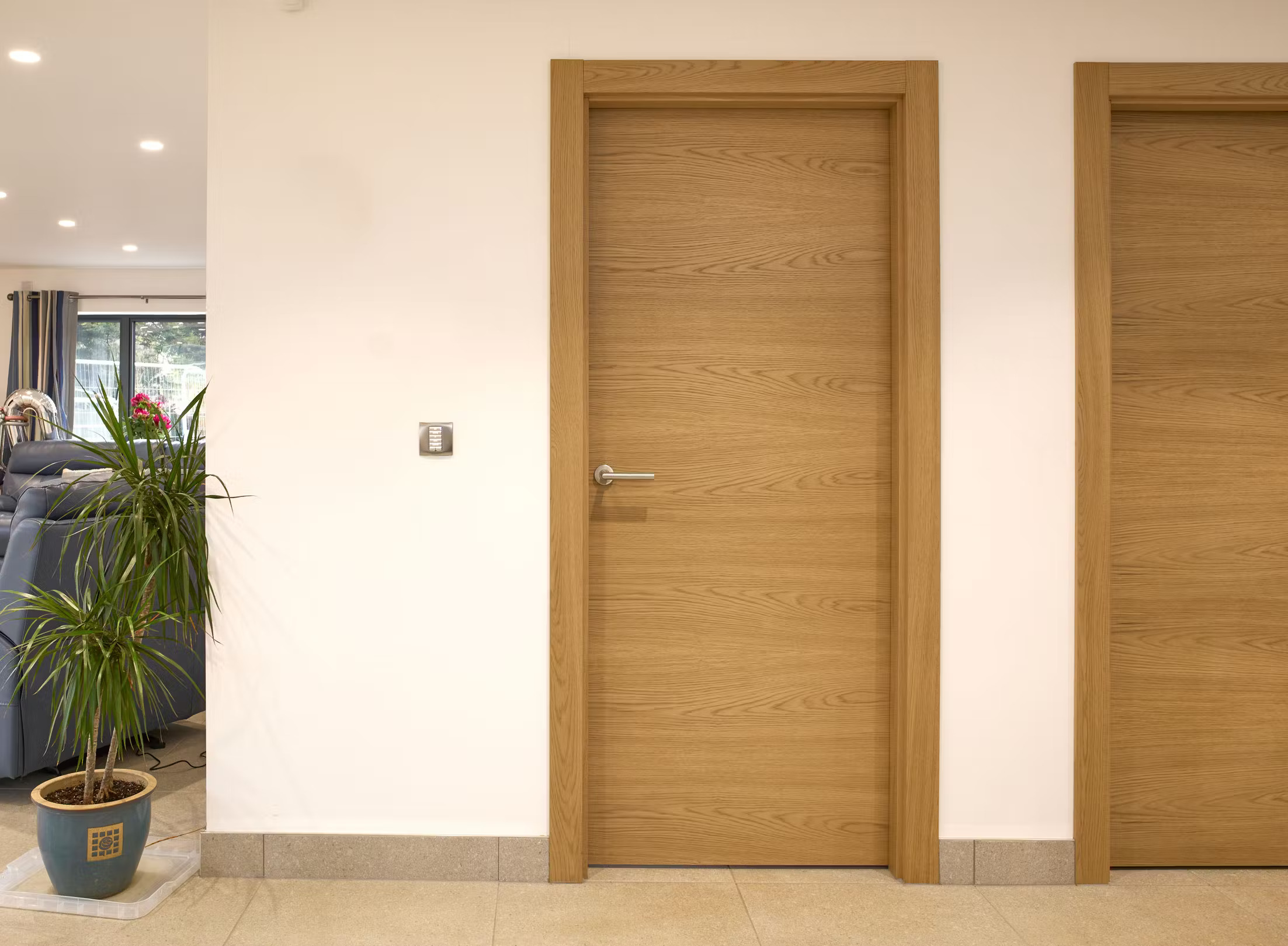
- Aesthetic Appeal: Wood offers a warm, natural look that complements the design of residential buildings, offices, and public spaces. It’s often preferred in environments where the frame’s appearance is essential.
- Cost-Effective: Wooden frames are generally less expensive than steel frames, making them a good option for buildings with a tighter budget. They are easier and cheaper to install, too.
- Easier to Modify or Customize: Wood is a versatile material that can be easily shaped, stained, or painted to fit specific design requirements. For example, if a building requires specific finishes or styles, wooden frames can be tailored accordingly.
- Energy Efficiency: Wood has natural insulation properties that may improve the building’s energy efficiency. This can contribute to lower heating or cooling costs in the long term.
Cons:
- Less Durable: Wooden frames are not as strong or durable as steel. Over time, they may suffer from wear and tear, including cracking, splitting, or warping, especially if exposed to moisture or high humidity.
- Fire Resistance Limitations: While wood can be treated to improve fire resistance, it still doesn’t offer the same level of fire resistance as steel. Wood can burn or weaken under heat, reducing the fire door frame’s ability to contain the fire. This means the fire rating may not be as high as with steel frames.
- Higher Maintenance: Wooden frames require more maintenance than steel. They need to be regularly inspected for damage, moisture, and termites, and may need to be refinished or resealed over time.
Composite Materials for Fire Door Frames
Composite fire door frames are made from a combination of materials, such as fiberglass, resin, and, in some cases, metal. These materials are designed to offer the best of both worlds—strength and flexibility—at a cost-effective price. Composite frames are especially beneficial in environments where both fire resistance and aesthetics are important.
Durability and Cost-Effectiveness of Composite Frames
One of the primary advantages of composite fire door frames is their durability. Composite materials are engineered to withstand extreme conditions, such as heat, moisture, and physical wear. They are less likely to warp or rot than wood and more resistant to rust and corrosion than steel. This makes composite frames ideal for buildings in areas with high humidity or temperature fluctuations, as they will maintain their structural integrity over time.
In addition to their durability, composite fire door frames are cost-effective. While they may have a higher initial cost than wood, composite frames are generally less expensive than high-end steel frames. Over the long term, their resistance to wear and need for less maintenance make them a more affordable option. Because composite materials are less prone to damage, you won’t need to spend as much on repairs or replacements compared to wood or steel frames.
Another cost-saving factor is that composite frames often require less maintenance. Unlike wood, which needs periodic sealing or refinishing, composite frames are designed to last without frequent upkeep. This reduces the long-term costs of maintaining the fire door frame in good working order.
Furthermore, composite fire door frames are highly insulating, which can contribute to the building’s energy efficiency. This can reduce heating and cooling costs, providing additional savings over time.
How to Choose the Right Fire Door Frame for Your Building
Choosing the right fire door frame for your building is crucial to ensuring both safety and compliance with fire protection standards. The fire door frame must not only be strong and durable but also meet specific fire ratings and building codes.
Understanding Fire Ratings and Standards
When it comes to fire door frames, understanding fire ratings is crucial. These ratings indicate how long the door and its frame can withstand fire before they fail. Fire ratings are set by standards that vary depending on the type of building and its intended use. Ensuring your fire door frame meets these standards is essential for compliance and safety.
What Are the Different Fire Ratings for Fire Door Frames?
Fire door frames come with different fire ratings, typically measured in minutes. The higher the fire rating, the longer the door and frame can withstand a fire.
- 20-Minute Fire Rating: These are the most basic fire-rated doors and are typically used in residential buildings or low-risk commercial spaces. These frames can resist fire for up to 20 minutes, providing enough time for occupants to evacuate.
- 30-Minute Fire Rating: These frames are commonly used in residential buildings, schools, and small businesses. They provide greater protection than a 20-minute fire rating and are often required for specific commercial applications.
- 60-Minute Fire Rating: This is a standard rating for commercial buildings like offices and shops. Fire door frames with this rating are designed to withstand fire for up to an hour, offering enhanced protection.
- 90-Minute and 120-Minute Fire Ratings: For high-risk areas, such as industrial buildings or areas with high fire loads, a 90-minute or 120-minute fire door frame may be required. These offer greater protection and are often used in places where people may need more time to evacuate or where property damage must be minimized.
How to Ensure Your Fire Door Frame Meets Building Codes?
Meeting local building codes is essential to ensuring your fire door frame provides the required protection. Here’s how to make sure your fire door frame meets these codes:
- Check Local Building Regulations: Fire door frame requirements vary by location. Always check local building codes or consult with a fire safety expert to ensure you meet the legal requirements. Fire door frames must be installed in accordance with these standards to be compliant.
- Work with Certified Manufacturers: When purchasing a fire door frame, make sure it comes from a certified manufacturer. These manufacturers provide frames that are tested and certified to meet specific fire resistance standards. This ensures the frame can perform as expected during an emergency.
- Ensure Proper Installation: Even the best fire door frame can fail if not installed correctly. It’s essential to hire professionals who are trained in installing fire door frames. Improper installation can lead to gaps, misalignment, or other issues that can compromise the frame’s effectiveness during a fire.
- Regular Inspections and Maintenance: Once the fire door frame is installed, regular inspections and maintenance are necessary to ensure it continues to meet fire safety standards. Over time, wear and tear can affect the frame’s integrity, so having it checked periodically is crucial.
Factors to Consider When Selecting a Fire Door Frame
Several factors should be considered when selecting a fire door frame. From material choices to ensuring the frame meets fire ratings and fits the building’s overall design, it’s important to make the right decisions. Here are the most important factors to keep in mind.
Material, Size, and Fire Rating
1. Material:
The material of the fire door frame is critical for its durability, fire resistance, and maintenance. The most common materials are steel, wood, and composite.
- Steel: Steel frames are known for their durability and strength. They provide high fire resistance and are ideal for commercial and industrial buildings. Steel frames are less prone to damage from external factors like moisture, pests, or physical impacts, making them a long-lasting choice.
- Wood: Wooden frames offer a more aesthetic appeal and are often used in residential settings or where a natural look is desired. However, they need to be treated for fire resistance and may require more maintenance over time.
- Composite Materials: Composite fire door frames combine the benefits of multiple materials, such as fiberglass or reinforced resins. They are a good choice for those seeking a balance between durability, fire resistance, and cost-effectiveness. Composite frames also require less maintenance compared to wood.
2. Size:
The fire door frame is sized to the door and the opening in the wall. It’s crucial to measure the opening accurately to ensure the fire door frame fits snugly and leaves no gaps. An appropriately sized frame ensures the fire door will close securely, which is essential for preventing smoke and fire from spreading. Ensure the frame’s size complies with local regulations and fire safety codes, which may vary depending on the building type and use.
3. Fire Rating:
This is one of the most important factors when choosing a fire door frame. Fire door frames come in various fire ratings, usually measured in minutes (e.g., 20-minute, 60-minute, 90-minute). The fire rating you select should align with the building’s needs and fire safety requirements. Buildings in high-risk areas or those with more complex layouts may require higher fire ratings to ensure sufficient protection in the event of a fire. Be sure to select a frame with a fire rating that matches or exceeds the door’s fire rating.
Aesthetic and Design Considerations
While fire protection is the primary purpose of fire door frames, they should also blend seamlessly with the building’s overall design and aesthetics. Whether it’s a residential home, an office space, or a retail store, the fire door frame should complement the interior design.
1. Design Consistency:
Consider your building’s existing decor and design style when selecting a fire door frame. Wooden fire door frames may be preferred in residential settings for their natural and warm appearance. Meanwhile, steel frames may suit modern or industrial designs with a sleek, minimalistic look. It’s essential to choose a frame that aligns with the surrounding architecture to maintain a cohesive aesthetic.
2. Finishes and Colors:
Fire door frames are available in a variety of finishes and colors, especially if you’re opting for steel or composite materials. Choose a finish that matches your building’s style—whether it’s a matte, glossy, or textured finish. Some frames also come in customizable colors, which can be matched to other elements in the room or the building’s branding.
3. Trim and Detailing:
If you’re aiming for a more traditional or high-end look, wooden fire door frames may feature decorative trim or molding, enhancing visual appeal while still meeting fire safety requirements. These details can give the frame a more refined look while ensuring it doesn’t compromise the door’s functionality.
4. Accessibility:
In public or commercial spaces, accessibility is an important consideration. Choose a fire door frame that accommodates all necessary hardware, such as wider door openings for wheelchair access. The design should allow for smooth operation, especially in high-traffic areas, to ensure that the fire door frame remains functional in an emergency.

Relate FAQ
What causes a fire door frame to warp?
Warping of fire door frames often occurs due to exposure to moisture, temperature fluctuations, or improper installation. Warped frames can affect the door's ability to close correctly, compromising fire safety.
How can I tell if my fire door frame is damaged?
Signs of damage include visible cracks, dents, warping, or misalignment of the frame. If the door doesn't close completely, it could indicate frame damage, affecting the fire door’s integrity.
Can a fire door frame be repaired?
Minor damage, such as dents or small cracks, can sometimes be repaired. However, if the frame is severely warped or compromised, it may need to be replaced to maintain fire safety standards.
What materials are fire door frames made of?
Fire door frames are typically made from steel, wood, or composite materials. Steel is commonly used for its strength and fire resistance, ensuring the door frame can withstand high temperatures during a fire.
Is it necessary to replace a fire door frame after a fire?
Yes, after a fire, the frame should be inspected thoroughly. Even if the fire door appears intact, the frame might have been weakened, compromising its ability to perform in future fire situations.
How can I prevent problems with fire door frames?
To prevent damage, ensure proper installation, avoid exposure to moisture, and regularly inspect the door and frame for signs of wear and tear. Regular maintenance and timely repairs are also crucial.
Can a damaged fire door frame affect the fire rating of the door?
Yes, a damaged or poorly installed fire door frame can significantly reduce the door's fire rating, making it less effective at preventing the spread of fire and smoke.
What should I do if the fire door frame doesn’t align properly?
Misalignment can occur due to structural settling or improper installation. It's essential to realign the door and frame, and if necessary, replace the frame to ensure the door functions as intended during a fire emergency.
How often should fire door frames be inspected?
Fire door frames should be inspected at least once a year, especially in commercial buildings or high-traffic areas. Regular inspections can help detect issues before they affect the door’s functionality.