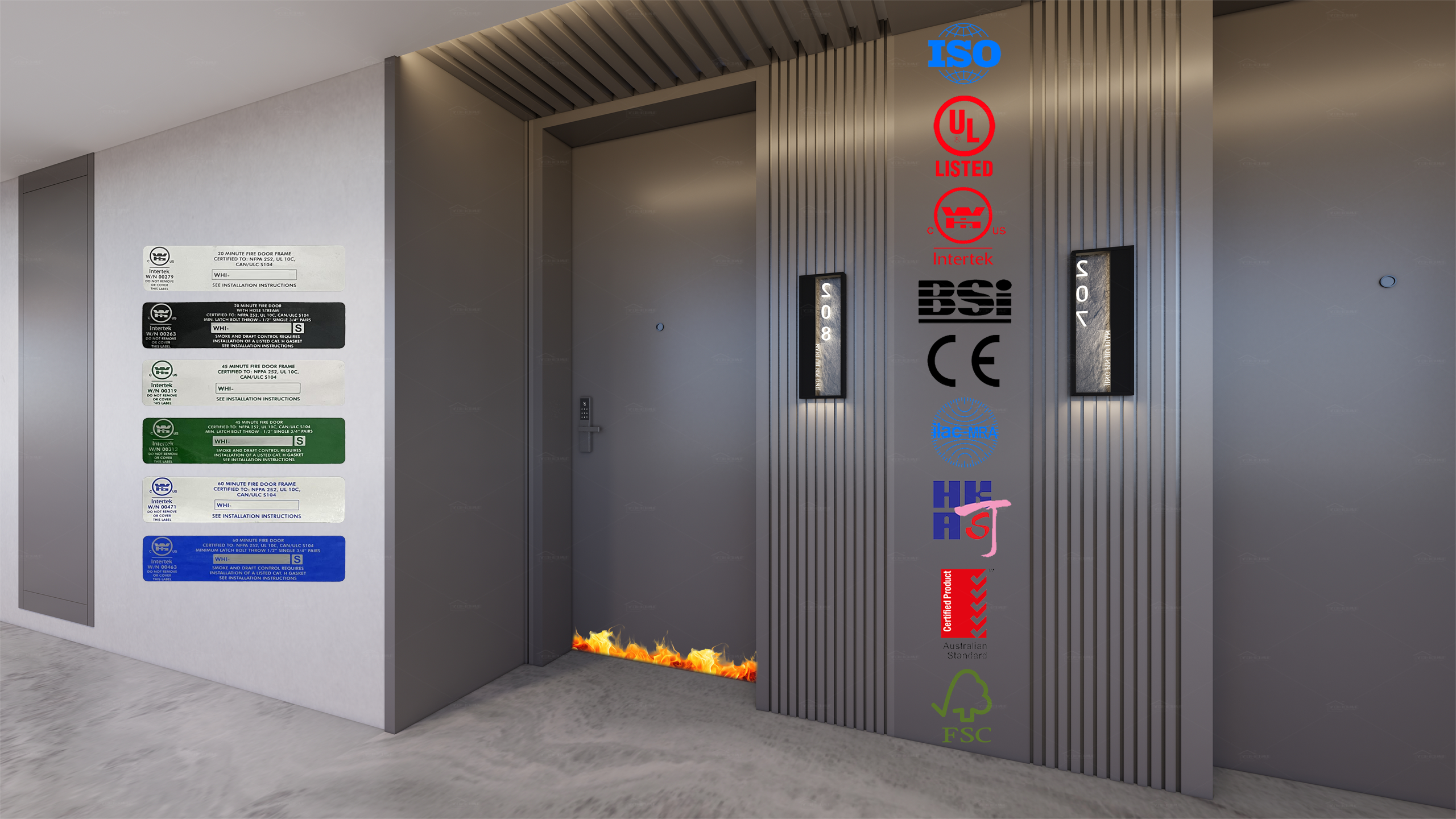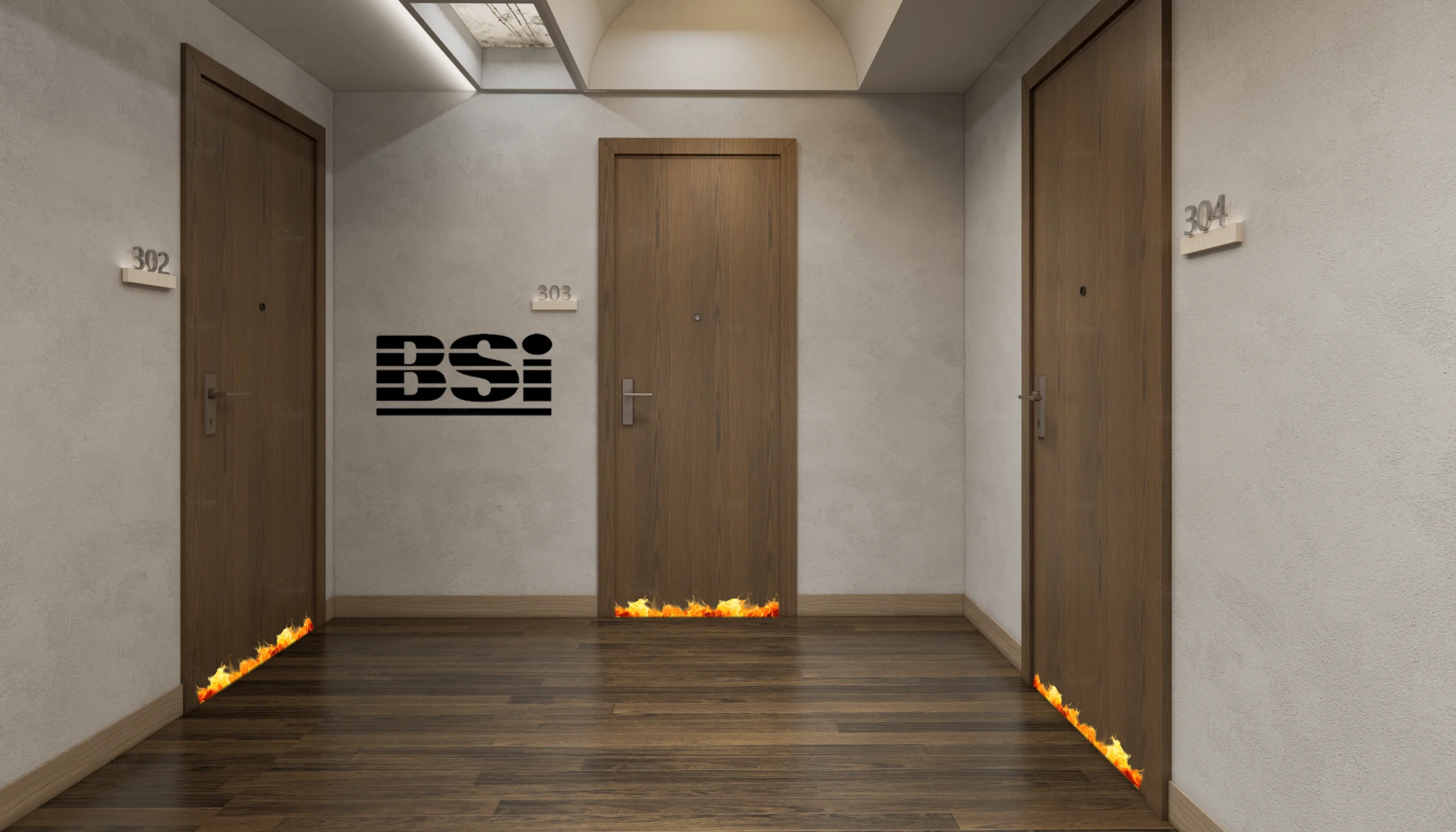
Which type of laminate is best for a fire door?
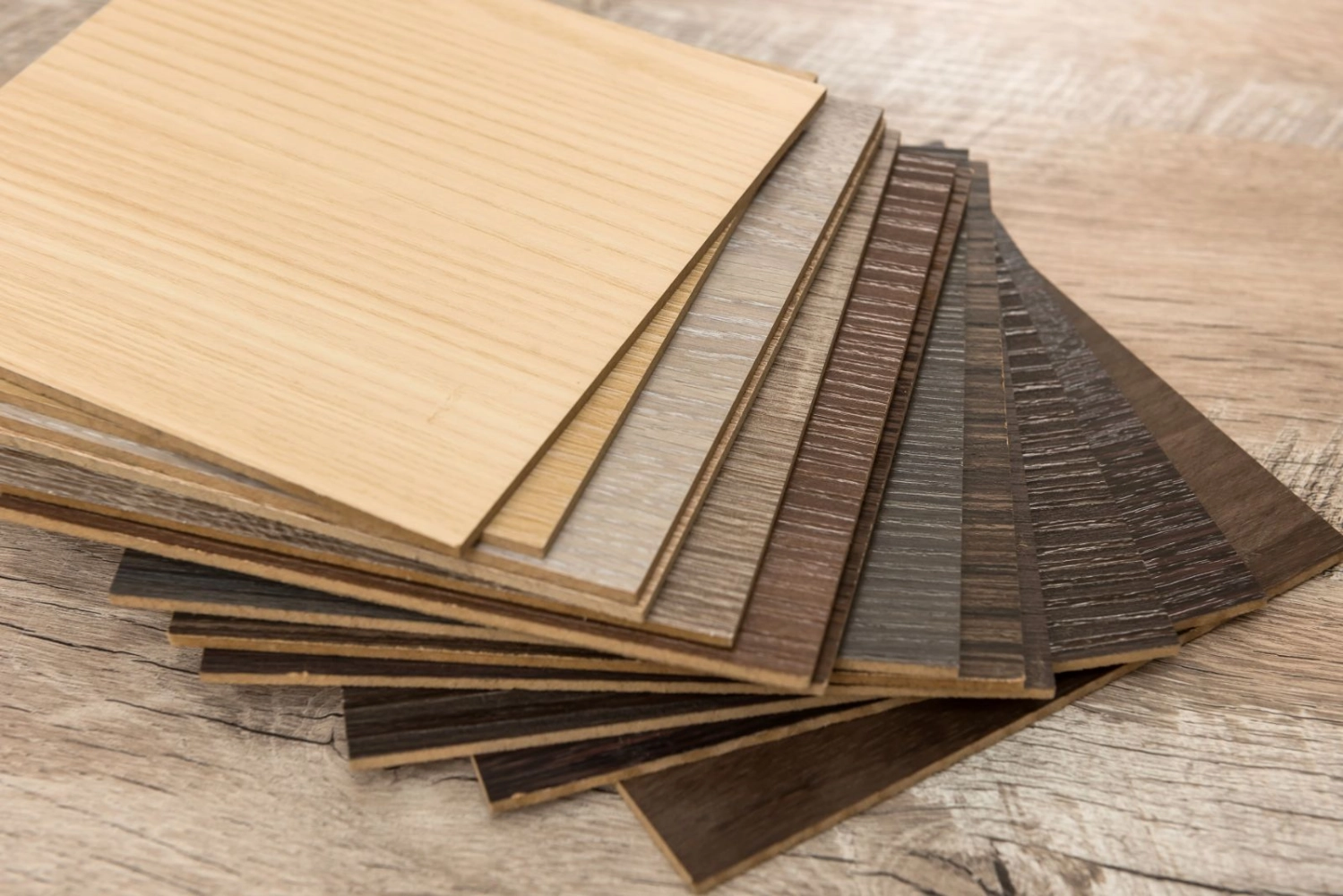
Introduction to Fire Doors and Laminate Options
What Is a Fire Door and Why Is It Important?
A fire door is a specially designed door that prevents the spread of fire and smoke within a building. It is built to meet strict fire safety standards, providing crucial protection in case of a fire emergency. These doors are made from fire-resistant materials and often feature seals and other features that ensure they perform well under high heat.
In any building, fire doors can be the difference between life and death. They help contain fire and smoke in specific areas, allowing people to escape safely. By preventing the spread of flames, they also protect valuable assets and give firefighters more time to control the blaze. Without fire doors, a small fire could easily turn into a devastating disaster.
In buildings like hotels, schools, and hospitals, fire-rated doors are essential. They provide a reliable barrier between rooms, corridors, and stairwells. These fire doors are typically rated for different levels of protection, such as 30, 60, or 90 minutes, depending on how long they can withstand fire before failing.
The Role of Laminate in Fire Doors
Laminate plays an important role in the construction of fire doors. It’s a thin layer of material typically applied to a door’s surface to enhance both its appearance and functionality. When it comes to fire doors, laminate serves more than just an aesthetic purpose – it’s part of what makes the door strong, durable, and fire-resistant.
The main reason is its ability to add a protective layer to the fire door. Laminate materials, such as melamine or high-pressure laminate (HPL), can help improve the door’s resistance to fire, moisture, and physical damage. These laminates are designed to withstand high temperatures without cracking, peeling, or losing their structural integrity.
Not only does laminate contribute to the fire door’s safety, but it also offers design flexibility. Fire doors are often used in both residential and commercial spaces, and laminate helps ensure they match the surrounding décor. From sleek, modern looks to classic wood finishes, laminate offers a wide range of finishes that suit different interior styles.
In addition, laminate is easy to maintain. Fire doors can take a lot of wear and tear over time, especially in high-traffic areas. The laminate finish helps protect the door’s core, keeping it in good shape for years. This makes laminate fire doors a practical choice for both aesthetics and longevity.
Summary
The role of laminate is to enhance the functionality of fire doors while maintaining their safety standards. Whether it’s for residential homes, office buildings, or industrial spaces, laminate helps make fire doors stronger, more durable, and more appealing.

Different Types of Laminate for Fire Doors
Medium Density Fiberboard (MDF)
Medium Density Fiberboard (MDF) is a popular choice for fire doors, especially for those looking for a cost-effective yet durable option. MDF is made by compressing wood fibres and resin under heat and pressure, resulting in a smooth, dense, and sturdy material. This type of laminate is often used in fire doors for its ability to resist fire and smoke for a specified period, depending on the door’s fire rating.
One of the key advantages of MDF is its smooth surface, which is ideal for applying various finishes, including melamine or vinyl laminate. This gives fire doors an aesthetically pleasing appearance without compromising their fire resistance. Although MDF is not as strong as some other materials, it can still perform well in fire doors when combined with a fire-rated core and appropriate sealing.
MDF also offers good sound insulation, making it a great choice for fire doors in spaces where noise control is important, such as offices or apartments. However, it’s essential to ensure that the MDF used for the fire door meets the required fire safety standards for the specific application.
High Density Fiberboard (HDF)
High Density Fiberboard (HDF) is a stronger, more durable alternative to MDF. HDF is made from wood fibres compressed to an even higher density, making it denser and more rigid. This makes HDF a great option for fire-rated doors that need additional strength and resistance to both fire and physical damage.
HDF is often used in fire doors because it has superior heat resistance. When properly treated, it can provide high-level protection in the event of a fire. Like MDF, HDF can be coated with various types of laminate, such as HPL or phenolic laminate, further enhancing its fire resistance.
Another benefit of HDF is its impact resistance. It is less likely to dent or scratch, which makes it a good choice for fire doors in high-traffic areas. Additionally, its dense structure enhances the door’s soundproofing, ensuring privacy and noise control in commercial or residential buildings.
High-Pressure Laminates (HPL)
High-Pressure Laminates (HPL) are among the most durable and fire-resistant laminates available for fire doors. HPL is made by bonding multiple layers of paper or fabric impregnated with resin under extreme heat and pressure, creating a hard, dense surface. This process results in a highly durable material that is resistant to fire, scratches, and moisture.
HPL is commonly used in fire doors because it not only enhances their fire resistance but also provides a sleek, modern look. It is available in a wide variety of finishes, from solid colors to wood grains, making it a versatile choice for both commercial and residential spaces. Fire-rated HPL doors can withstand high temperatures, preventing flames from spreading through the door for the duration specified by fire safety standards.
HPL fire doors are easy to clean and maintain, making them ideal for high-traffic areas such as hospitals, schools, and office buildings. They are also impact-resistant, making them a reliable choice for buildings that are expected to see heavy use. Overall, HPL offers a combination of style, durability, and excellent fire protection, making it one of the best laminates for fire doors.
Plywood
Plywood is a versatile material commonly used in the construction of fire doors. It consists of thin layers of wood veneer glued together in alternating directions, which gives it strength and stability. Plywood is a solid choice for fire-rated doors, especially when combined with other fire-resistant materials.
One of the key benefits of plywood is its natural ability to resist fire, especially when treated with a fire-retardant finish. It can be used for both interior and exterior fire doors, and its sturdy nature makes it a good option for doors in industrial settings or commercial buildings.
Plywood is also widely used for fire doors because of its ease of customization. It can be finished with different types of laminate, such as melamine or phenolic, to improve its appearance and enhance its fire resistance. Additionally, plywood fire doors are strong and durable, offering long-lasting performance.
However, plywood fire doors may require additional sealing and treatment to meet the required fire safety standards. While they provide a strong base for fire door construction, their performance depends on the specific treatment and coatings applied to the surface.
Summary
Each type of laminate offers unique advantages tailored to your fire door’s specific needs. Whether you need a budget-friendly solution like MDF, a stronger option like HDF, or the durability and style of HPL, choosing the right laminate is essential for ensuring the fire door performs well and meets safety regulations.

Key Factors to Consider When Choosing Laminate for Fire Doors
Fire Resistance Ratings: What You Need to Know
When selecting a laminate for your fire door, the most important factor to consider is its fire resistance rating. Fire resistance refers to how long the door can withstand fire and prevent it from spreading through a building. Fire doors are rated based on their performance, such as 30, 60, or 90 minutes, depending on how long they can withstand high temperatures before failing.
The fire resistance rating is determined through rigorous testing that simulates real-world fire conditions. In the case of laminated fire doors, the laminate material used plays a critical role in maintaining this rating. For example, High-Pressure Laminates (HPL) or phenolic laminates are often used in fire-rated doors because they are designed to withstand high heat. Make sure the laminate you choose is approved for the specific fire rating required by your building’s safety regulations.
Keep in mind that different areas of a building may require different fire-resistance levels. A fire door in a residential building may only need a 30-minute rating, while doors in a commercial building or industrial setting may require 60 or 90 minutes of protection. Always ensure your fire door meets the necessary standards for the specific environment.
Durability and Longevity
Durability is another essential factor when choosing the right laminate for your fire door. Fire doors often experience wear and tear from high foot traffic, impacts, and environmental factors. Therefore, the laminate material should not only provide fire protection but also be durable enough to withstand everyday use.
Materials like High-Density Fiberboard (HDF) and High-Pressure Laminates (HPL) are excellent choices for durability. These laminates are highly resistant to scratches, dents, and moisture, ensuring your fire door remains in good condition over time. On the other hand, MDF may not be as impact-resistant, but it still provides good fire protection for fire doors in low- to medium-traffic areas.
The longevity of a fire door is also influenced by how well the laminate withstands changing conditions. For example, fire doors installed in outdoor environments or areas with high humidity require laminates with better moisture resistance. Phenolic laminates, which are highly resistant to both heat and moisture, are ideal for such conditions.
When selecting a laminate, always consider your building’s specific needs. If your fire door will be exposed to frequent physical contact or harsh weather, choose a laminate known for its toughness and long-lasting performance.
Aesthetic Considerations: Matching Style with Safety
While the primary purpose of a fire door is safety, aesthetics are also important. Fire doors can be installed in a variety of spaces, from residential homes to office buildings, and they must complement the surrounding décor. This is where laminate materials really shine.
Laminates offer a wide range of styles and finishes, from modern solid colours to traditional wood-grain patterns. Whether you prefer a sleek, contemporary look or a more rustic design, there is a laminate that fits your taste. For instance, wood veneer laminates can give your fire door a natural, warm look while maintaining excellent fire resistance.
It’s crucial to balance style and functionality. While aesthetics matter, don’t compromise on safety. Make sure the laminate you choose meets all fire safety standards, even if it means opting for a less decorative option. The good news is that many fire-rated laminates are designed to look attractive while offering top-notch protection, such as HPL, which comes in a variety of finishes.
Ultimately, your fire door’s design should blend seamlessly with the rest of the building’s interior while fulfilling its safety function. Fire door laminates can help you achieve both, offering the best of both worlds.
Cost vs. Performance: Finding the Right Balance
When choosing a laminate for your fire door, it’s essential to strike the right balance between cost and performance. Different types of laminates come with varying price tags, and it’s important to ensure that the material you choose meets both your budget and safety needs.
For those on a tighter budget, MDF is an affordable choice, offering reasonable fire resistance and durability. However, it may not provide the same level of protection or longevity as High-Pressure Laminates (HPL) or phenolic laminates, which tend to cost more but offer superior fire resistance and durability.
On the other hand, if your building has higher fire safety requirements or the fire door will be heavily used, it may be worth investing in more expensive options such as HPL or phenolic laminates. These materials may have a higher upfront cost, but their long-lasting durability and higher fire ratings could save you money in the long run by reducing the need for replacements or repairs.
In the end, the key is to consider both the initial investment and the long-term value. A fire door with a more durable laminate may cost more upfront, but could save you from costly repairs or replacements in the future. Always assess the specific needs of your space and balance performance with budget when making your decision.
Summary
Choosing the right laminate for your fire door involves considering factors such as fire resistance ratings, durability, aesthetics, and cost. By evaluating your building’s requirements and understanding the performance of different laminate materials, you can make an informed decision that ensures both safety and style.
Pros and Cons of Each Laminate Type for Fire Doors
Medium Density Fiberboard (MDF)
Pros:
- Affordable: MDF is a cost-effective option for fire doors, especially in areas where the door may not be exposed to extreme conditions. It offers good fire resistance and durability for its price.
- Smooth Finish: MDF has a smooth surface that is perfect for applying various finishes, including laminate, melamine, or paint. This makes it a versatile choice for different interior styles.
- Good Insulation: MDF offers decent soundproofing, an important consideration for fire doors used in residential or office buildings.
Cons:
- Less Durability: While MDF is a good option for fire doors in moderate-use areas, it may not withstand heavy impacts or harsh environments as well as other materials. It is more prone to damage than materials like HDF or HPL.
- Moisture Sensitivity: MDF can absorb moisture, which could compromise the integrity of the fire door over time, especially in areas with high humidity or exposure to water.
- Lower Fire Resistance: While MDF is fire-rated, its fire resistance may not be as high as that of other materials, such as HPL or phenolic laminates. It may not offer the same level of protection in high-risk areas.
High Density Fiberboard (HDF)
Pros:
- Strong and Durable: HDF is denser and stronger than MDF, making it a more robust option for fire doors. It can withstand higher impacts and is more resistant to scratches and dents, making it ideal for high-traffic areas.
- Better Fire Resistance: HDF typically has better fire resistance than MDF, especially when combined with the right fire-rated laminate. It can maintain its structural integrity under higher temperatures.
- Moisture Resistance: Unlike MDF, HDF offers better moisture resistance, making it more suitable for humid environments or outdoor applications where MDF might warp or swell.
Cons:
- Higher Cost: Due to its stronger properties, HDF tends to be more expensive than MDF. If you’re on a budget, this could be a limiting factor.
- Heavier: HDF is denser, which makes it heavier than MDF. This should be considered when installing or handling the door.
- Limited Design Options: While HDF is durable, it may not offer as many design options as other materials, such as HPL or wood veneers. Its appearance is more utilitarian than that of decorative laminates.
High-Pressure Laminates (HPL)
Pros:
- Exceptional Fire Resistance: HPL is one of the best laminates for fire doors due to its high resistance to heat and flames. It’s often used in high-risk areas where fire protection is crucial, such as hospitals or industrial buildings.
- Highly Durable: HPL is known for its toughness. It resists scratches, dents, moisture, and stains, making it a long-lasting choice for fire doors in high-traffic environments.
- Aesthetic Flexibility: HPL is available in a wide range of finishes, including solid colours, wood grains, and custom designs. This makes it perfect for matching the door’s look to a building’s overall style.
Cons:
- Higher Cost: HPL is a premium material, so it comes with a higher price tag. If you’re looking for a more budget-friendly option, it might not be the best choice.
- Can Be Difficult to Repair: While HPL is durable, if it does get damaged, it can be harder to repair compared to other materials like MDF. Replacing the entire laminate sheet may be necessary.
- Weight: HPL is heavier than materials like MDF or plywood. This could make the fire door more difficult to install, especially in large sizes.
Plywood
Pros:
- Natural Look: Plywood offers a warm, natural aesthetic that complements many interior designs. It can be easily stained or painted to achieve the desired finish, making it versatile for fire doors that need to blend with the décor.
- Strong and Lightweight: Plywood is relatively lightweight compared to materials like HPL or HDF, yet it remains strong enough for use in fire doors. This makes it easier to handle and install.
- Cost-Effective: Compared to high-end options like HPL, plywood is a more affordable material for fire doors. It offers good performance at a lower price point, making it ideal for budget-conscious projects.
Cons:
- Less Fire Resistance: Plywood’s natural wood structure doesn’t offer the same level of fire resistance as HPL or phenolic laminates. While it can be treated with fire-retardant chemicals, it still doesn’t perform as well in extreme fire conditions.
- Vulnerability to Moisture: Plywood can absorb moisture if not properly sealed, leading to warping or swelling over time. This can be a significant issue for fire doors in high-humidity or outdoor environments.
- Less Durability: While plywood is relatively strong, it is not as impact-resistant as HDF or HPL. It may dent or scratch more easily, especially in high-traffic or rough-handling areas.
Summary
Each laminate type for fire doors has its strengths and weaknesses. If you’re looking for an affordable option, MDF or plywood could be suitable, though they may not offer the highest level of fire resistance. For better durability and fire protection, HDF and HPL are excellent choices, though they cost more.
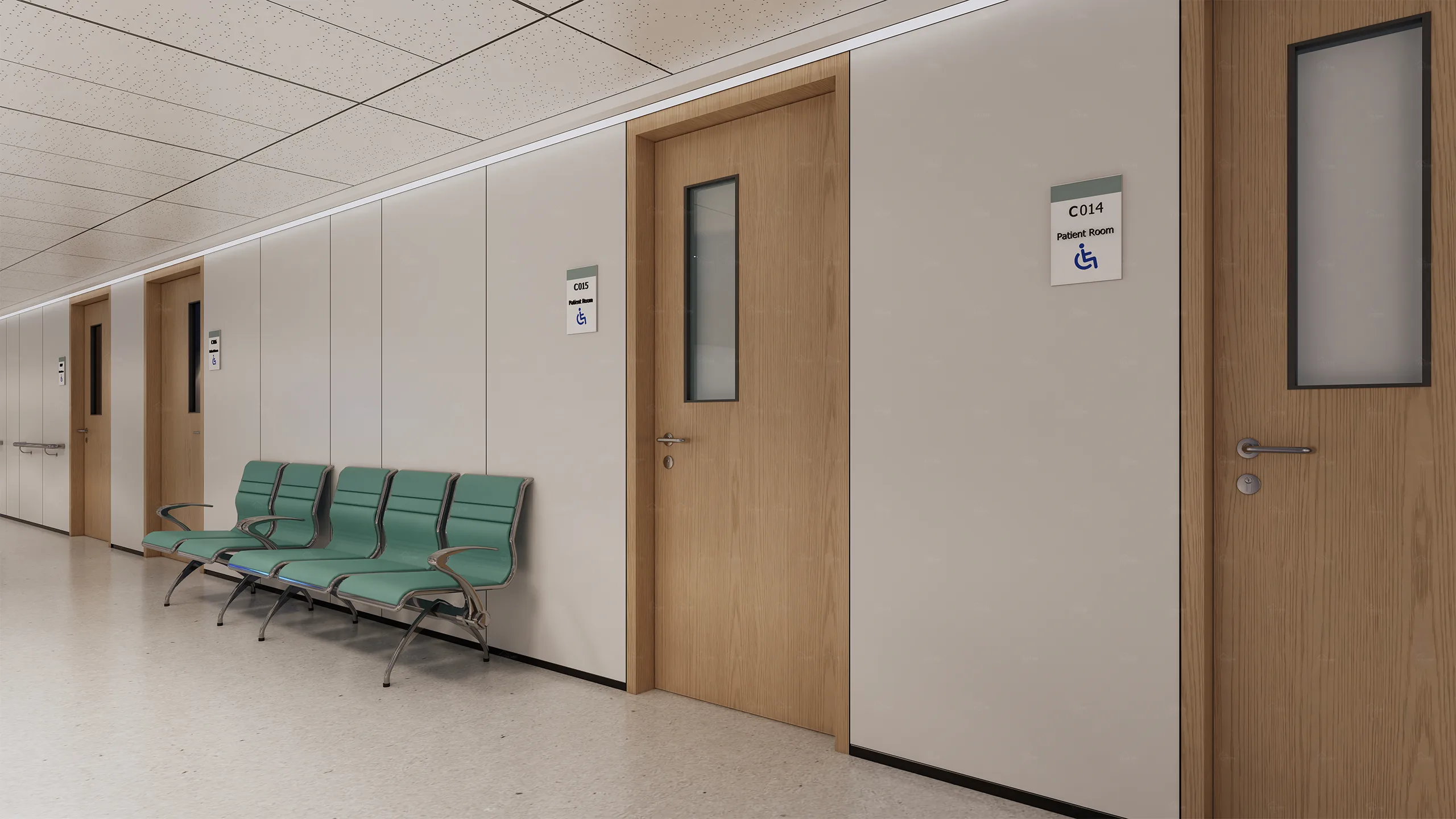
The Best Laminate for Fire Doors
Best Overall Laminate for Fire Doors
When you want a fire door that does it all — strong, fire‑resistant, easy to clean, and good looking — High‑Pressure Laminate (HPL) often tops the list. HPL is tough and holds up well against heat, moisture, dents, and scratches. In real buildings — think schools, hospitals, or hotels — fire doors with HPL tend to last longer and stay looking sharp.
HPL also lets you choose from many finishes, from solid colours to wood-grain looks. So you get a door that meets your fire rating needs while matching your room design. Yes, HPL costs more than some materials, but you get strong fire resistance and long life — a good value in the long run.
Best Laminate for Budget‑Friendly Fire Doors
If you need a fire door that meets safety standards without costing a fortune, budget‑friendly laminates like Medium Density Fiberboard (MDF) or High-Density Fiberboard (HDF) are worth a look. HDF is stronger than MDF, offering better durability and fire resistance. While it may not have the same luxurious appeal as HPL, it still provides solid protection and a smooth surface for various finishes.
MDF offers a smooth surface that accepts paint or low‑cost laminate sheets well. It doesn’t have the strength of more expensive materials, but it still works well in many interior fire doors, especially in homes or small offices.
HDF, being more durable than MDF, performs better in high-traffic areas that require extra strength. It provides a good balance of fire resistance, durability, and price. For spaces where extreme fire risk isn’t likely, HDF or MDF fire doors can hit the required fire rating while keeping costs down.
Best Laminate for Luxury and Aesthetic Appeal
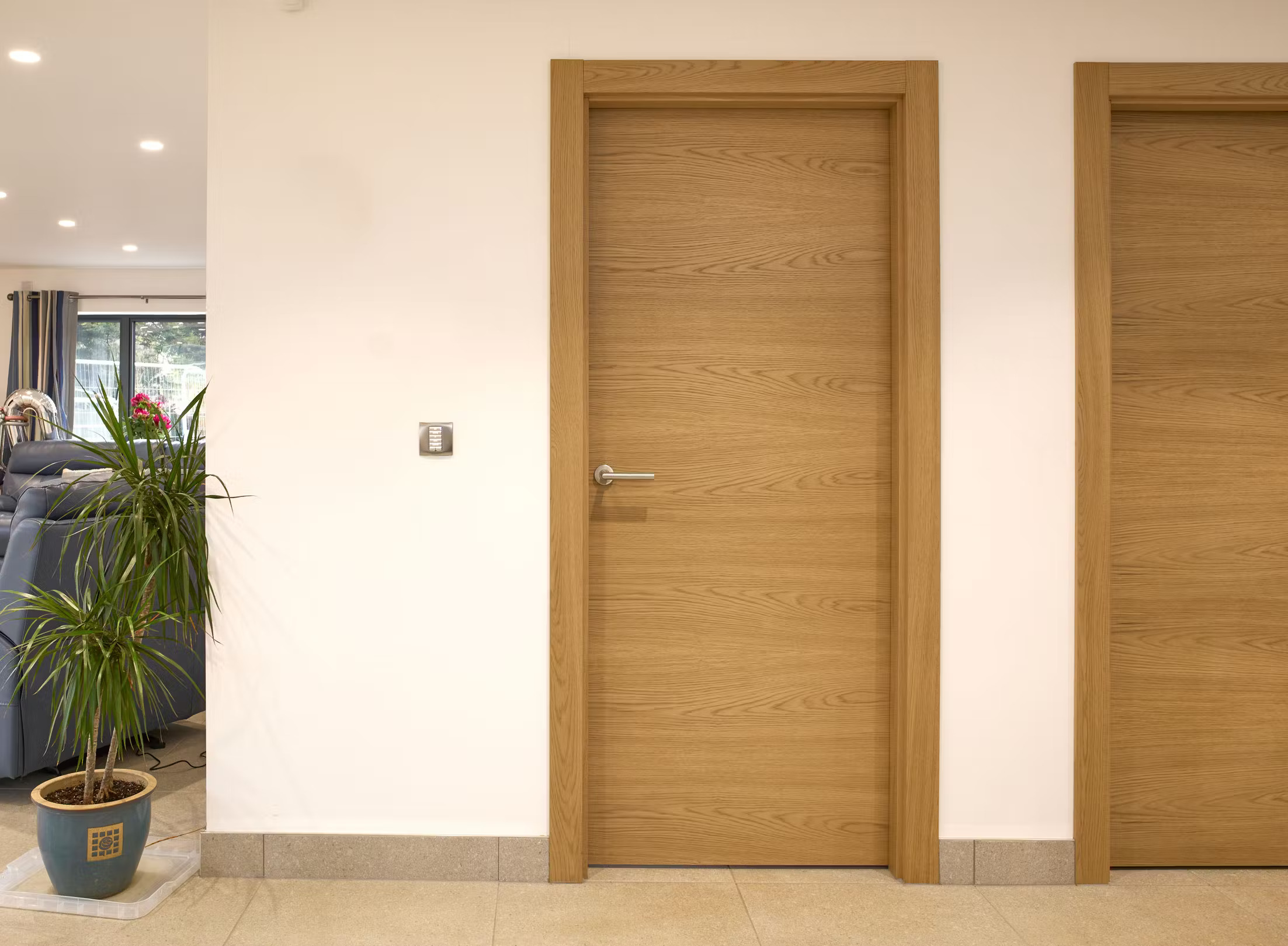
For spaces where look matters as much as safety — such as luxury hotels, upscale offices, or designer homes — you want a fire door laminate that stands out. Here, options like wood-veneer laminates or custom decorative HPLs shine.
Wood veneer laminates give your fire door a natural, warm appearance that real wood lovers appreciate. They pair beautifully with modern or classic décor and still work with fire‑rated door cores when properly treated. Decorative HPL provides even more variety — unique textures, deep colors, and designer patterns that make your fire door part of the room’s style.
These premium laminates tend to cost more, but they let your fire door feel like part of a high‑end design rather than just a safety feature. With the right laminate, your fire door can protect people and look great at the same time.
Plywood for Fire Doors
Plywood is another popular choice for fire door laminates, especially when aesthetics and strength are key. It gives a natural wood look and offers great structural integrity, making it ideal for fire doors in both residential and commercial buildings. Plywood is lighter than HPL and HDF, making it easier to handle and install.
While plywood may not have the same fire resistance as HPL or phenolic laminates, it can still be treated with fire-retardant chemicals to meet required fire ratings. This makes plywood a cost-effective option for fire doors in areas with lower fire risks. Its versatility in terms of design — from natural wood finishes to stained or painted surfaces — also adds to its appeal.
However, plywood is more susceptible to moisture and impact than HDF or HPL. To ensure durability, it’s important to seal plywood properly, especially in areas with high humidity or heavy foot traffic.
Summary
Choosing the best laminate for your fire door means balancing fire protection, durability, cost, and style. Whether you want all‑around performance, a wallet‑friendly option, or a luxury finish, there’s a laminate that fits your needs and helps your door do its job well.
Conclusion
Making the Right Choice for Your Fire Door Laminate
When choosing the right laminate for your fire door, it’s essential to balance safety, durability, and design. The material you select will significantly impact both your door’s fire resistance and its overall performance in real-life conditions. Whether you choose HPL for its high durability and fire resistance or MDF for its cost-effectiveness, the key is to understand your building’s needs and select accordingly.
Remember, the best laminate isn’t always the most expensive one. HDF offers a good middle ground between cost and performance, while HPL stands out in high-risk areas for its superior fire protection. Plywood, on the other hand, offers aesthetic appeal but requires careful consideration of moisture resistance and fire ratings. Always consider traffic conditions, fire safety regulations, and design preferences when choosing a fire door.
Thoughts on Selecting the Best Laminate
Selecting the best laminate for your fire door comes down to understanding your space’s priorities. If safety is your top priority, focus on materials with high fire resistance, like HPL or HDF. These laminates provide long-term protection and strength, making them ideal for commercial, industrial, or high-traffic areas where fire safety is critical.
On the other hand, if you are working within a budget, MDF and HDF still provide solid protection and performance without the hefty price tag. These laminates offer a great balance for residential spaces or low-risk environments where intense fire resistance is less of a concern.
Ultimately, think about what your space demands — whether it’s fire resistance, strength, or aesthetic appeal — and make sure the laminate you choose meets both your functional and design needs. Don’t rush the decision; take your time to evaluate the available options to ensure the fire door you select meets all the standards and expectations for both style and safety.
Ensuring Safety Without Compromising Style
Ensuring the safety of your building and its occupants should always come first, but that doesn’t mean you have to sacrifice style. Today, fire doors come in a variety of laminates that allow for both protection and design. High-Pressure Laminate (HPL), wood veneer, and even decorative plywood options give you the flexibility to choose a fire door that looks good and meets fire safety standards.
It’s all about finding the right balance. A fire door doesn’t have to be purely functional and unattractive. Whether you opt for wood-grain finishes or custom colours, there are many ways to maintain a stylish appearance while ensuring your door provides adequate fire protection.
So, as you select your laminate, focus on meeting your building’s fire safety requirements first, then add the design elements that suit your space. By choosing wisely, you can have a fire door that not only protects but also enhances the beauty of your home or commercial property.

Relate FAQ
What is the best laminate for a fire door?
The best laminate for a fire door is typically a fire-rated laminate that complies with industry standards, such as EN 1634-1. These laminates are designed to resist fire for a specified period (usually 30, 60, or 120 minutes). HPL (High-Pressure Laminate) is commonly used for fire doors due to its durability and fire-resistant properties.
Can laminate be used on fire doors?
Yes, laminate can be used on fire doors, but it must be a fire-rated laminate to meet fire safety standards. Regular laminate is not suitable for fire doors, as it does not offer the same fire-resistance properties.
What is fire-rated laminate?
Fire-rated laminate is a special type of laminate that has been tested and certified to resist fire and prevent its spread. It typically undergoes testing to ensure it can withstand high temperatures and provide protection for a set period, usually 30 minutes to 2 hours, depending on the specifications.
What are the benefits of using laminate on a fire door?
The benefits of using laminate on fire doors include:
- Aesthetic Appeal: Laminates come in a variety of finishes and designs, allowing for a decorative yet functional door.
- Durability: Laminates are resistant to wear, scratches, and moisture.
- Cost-Effective: Laminates are a more affordable option compared to solid timber or metal for fire door cladding.
Can fire doors with laminate be used in commercial buildings?
Yes, fire-rated laminated doors are commonly used in commercial buildings, including offices, hospitals, schools, and shopping centers. They provide both fire protection and an aesthetically pleasing finish, ensuring the safety of the building’s occupants.
Is there a difference between laminate and veneer for fire doors?
Yes, laminate and veneer are different materials. Laminate is typically a synthetic material, while veneer is a thin slice of real wood. For fire doors, fire-rated laminate is often preferred for its superior fire resistance, cost-effectiveness, and variety of finishes. Veneer, while aesthetically attractive, may not offer the same level of fire resistance unless specially treated.
Can fire-rated laminate doors be customized?
Yes, fire-rated laminate doors can be customized in terms of color, texture, and design. The laminate finish can mimic natural wood, stone, or other materials to match the space's décor while still meeting fire safety standards.