How thick is a 60 minute fire rated door?
Introduction to Fire Rated Doors
What Is a Fire Door and Why Is It Important?
A fire-rated door is a specialised type of door designed to withstand fire for a specified period, preventing the spread of flames and smoke between areas of a building. These doors are made from materials that can withstand high temperatures and are often equipped with seals, fireproof glass, and other components that enhance their ability to block the passage of fire. The “fire rating” refers to the amount of time the door can endure a fire, typically measured in minutes or hours.
For example, a 30-minute fire rated door can resist fire for up to 30 minutes, offering crucial time for occupants to evacuate and for firefighters to control the blaze. These doors are used in various settings, including commercial buildings, hospitals, and residential complexes, to create fire barriers and compartments. The materials used, such as steel, timber, and composite materials, are carefully selected to withstand extreme temperatures and resist the spread of fire.
Why are Fire Rated Doors Important for Safety?
Fire rated doors play a critical role in maintaining the safety of buildings and their occupants. In the event of a fire, these doors act as a barrier, slowing the spread of fire and smoke across different sections of a building. This gives people more time to evacuate safely, while also allowing fire suppression efforts to be more effective.
Without fire-resistant doors, fire can spread rapidly, endangering lives and increasing property damage. The fire rating of a door helps ensure it will perform as expected in an emergency. By compartmentalising fire zones, these doors help prevent fire from spreading to large areas of the building.
Moreover, fire doors are not just about protecting people—they can also save buildings from massive damage. In high-risk areas, such as kitchens or electrical rooms, installing fire-resistant doors can prevent small sparks or flames from escalating into catastrophic fires.
Summary
In summary, fire-rated doors are essential safety features that not only provide vital protection during a fire but also help minimise damage and enable people to escape safely. By understanding the importance of these doors, building owners and occupants can better prepare for emergencies.

Understanding Fire Rating Systems
What Does “60-Minute Fire Rating” Mean?
A 60-minute fire rating means a fire-rated door is designed to withstand fire and heat for up to 60 minutes. During this time, the door serves as a barrier, preventing flames, smoke, and heat from spreading to other areas of the building. This rating indicates how long the door can resist fire before it starts to fail. It’s crucial because it gives people inside the building more time to escape and allows firefighters to do their job before the fire spreads too far.
For example, a 60-minute fire-rated door would be useful in locations with a higher risk of fire, such as utility rooms or between floors of a building. By selecting the appropriate fire rating for each area, you can ensure the best protection for everyone inside.
Different Fire Ratings Explained
Fire-rated doors come in different fire ratings, typically ranging from 30 minutes to 90 minutes, and sometimes even longer. Here’s what each rating means:
30-Minute Fire Rating:
The most basic rating. A 30-minute fire-rated door can withstand a fire for up to 30 minutes. It’s commonly used in residential buildings or in lower-risk areas such as offices or corridors. Although it doesn’t last long, it gives people enough time to escape or evacuate.
60-Minute Fire Rating:
As mentioned earlier, a 60-minute fire rated door offers better protection. It’s often used in commercial buildings or places where the risk of fire is higher. It provides enough time for people to evacuate and allows fire services to take action. This rating is common in areas like stairwells, hallways, or between sections of larger buildings.
90-Minute Fire Rating:
A 90-minute fire rated door is typically used in more critical areas, such as large office buildings, hospitals, or industrial settings. This door provides enhanced protection, slowing the fire further and offering more time for evacuation and firefighting efforts.
Longer Ratings:
Some doors are rated for 2 hours or more, depending on the building’s needs. These higher-rated doors are usually installed in high-fire-risk areas, such as chemical plants, power stations, or large commercial complexes.
How Fire Ratings Impact Building Codes and Safety Standards?
Fire rated doors are critical components of building safety. Building codes and safety standards are designed to make sure that structures are safe in the event of a fire. The fire rating of a door directly affects these codes by setting requirements for how long doors must withstand fire in different parts of a building.
In many regions, local building codes dictate which fire rated doors should be installed based on the risk of fire in certain areas. For instance, areas with high foot traffic or complex building layouts may require doors with higher ratings, such as 60-minute or 90-minute fire rated doors. These regulations ensure that people in the building have enough time to evacuate and that the fire doesn’t spread quickly to other areas.
Additionally, fire ratings help establish safety standards for construction projects. For example, hospitals, schools, and high-rise buildings often have more stringent requirements for fire-resistant doors to protect patients, students, and occupants. These fire ratings help building owners and designers make informed decisions about the materials and safety measures needed to comply with local laws.
Summary
Ultimately, the fire rating of doors plays a major role in a building’s overall safety plan. By following these codes and standards, buildings can be better protected against the dangers of fire. This not only saves lives but also minimizes property damage and helps ensure that the building remains functional after an emergency.

How Thick Should a 60-Minute Fire Rated Door Be?
Standard Thickness for 60-Minute Fire Rated Doors
The standard thickness of a 60-minute fire rated door typically ranges from 1 3/4 inches (45 mm) to 2 inches (50 mm). This thickness is essential because it helps the door resist fire for up to an hour. The materials used in the construction of the door, such as steel, timber, or a combination of both, are carefully chosen for their fire-resistant properties.
The thickness ensures the fire-rated door withstands heat and pressure during a fire, allowing it to act as a barrier between fire-affected and safe areas. The thicker the door, the more resistance it provides, which is why 60-minute fire-rated doors are designed with a solid core, often filled with fire-resistant materials like mineral cores or intumescent materials that expand when exposed to heat.
This thickness also ensures that the fire-rated door meets the required regulations and standards for commercial and residential use. It’s an optimal balance between providing fire protection and being practical in terms of installation, durability, and cost.
How Does It Compare to Other Fire Ratings?
When comparing the thickness of 60-minute fire rated doors to other fire ratings, there are some key differences to note:
30-Minute Fire Rated Doors:
These doors are usually thinner than their 60-minute counterparts. Typically, the thickness is around 1 3/8 inches (35 mm). While they still offer some protection, they are generally lighter and less durable than higher-rated doors. A 30-minute fire-rated door is suitable for areas with low fire risk, but it is not as strong or fire-resistant as a 60-minute fire-rated door.
60-Minute Fire Rated Doors:
As mentioned earlier, these doors typically have a thickness of 1 3/4 to 2 inches (45-50 mm). The extra thickness compared to the 30-minute fire-rated door makes them much more resistant to heat and fire, providing additional time for evacuation and allowing firefighting efforts to continue.
90-Minute Fire-Rated Doors:
These doors are typically thicker than 60-minute fire-rated doors. The thickness usually ranges from 2 to 2 1/4 inches (50-57 mm), depending on the materials used. With this added thickness, they offer greater protection, which is crucial in high-risk environments such as industrial settings or large office buildings. These doors are more robust and can withstand extreme conditions for a longer period.
Summary
In summary, as the fire rating increases (from 30 minutes to 90 minutes), the thickness of the fire rated door also increases. This is because a thicker door provides better insulation and resistance to fire and heat, ultimately contributing to its ability to protect against fire for longer periods. Understanding these differences helps when choosing the right door for your building, ensuring everyone’s safety while meeting fire safety codes and regulations.
Factors Affecting Fire Door Thickness
When choosing a 60-minute fire rated door, several factors influence its thickness. While the standard thickness for this type of door is typically between 1 3/4 and 2 inches (45-50 mm), it can vary depending on the materials used, the door’s design, and the required level of fire resistance. Let’s take a closer look at the key factors that affect the thickness of a fire rated door.
Material Type
The material used to construct the fire rated door is one of the most significant factors affecting its thickness. Different materials provide different levels of fire resistance, which can influence the overall design and thickness of the door.
Wood:
Traditionally, fire-rated wooden doors are made from solid wood cores or composite materials. These doors are typically thicker than standard wooden doors because their cores must be dense and strong enough to withstand a 60-minute fire. Typically, wooden fire doors rated 60 minutes will be around 1 3/4 inches (45 mm) thick. However, the quality of the wood and the fire-resistant treatments applied to it can also affect its performance.
Steel:
Steel fire-rated doors are known for their durability and resistance to high temperatures. A 60-minute fire-rated steel door is generally thicker than a wooden door, often reaching 2 inches (50 mm) or more. Steel offers superior protection because it can withstand intense heat without compromising the door’s structural integrity. The door’s thickness helps it maintain its shape during a fire, providing essential time for evacuation and firefighting efforts.
Composite Materials:
Composite fire-rated doors combine multiple materials, such as wood, steel, and fire-resistant cores, to balance strength, fire resistance, and weight. These doors are often used in commercial buildings and are typically thicker than their wooden counterparts, but may be slightly thinner than steel doors. The thickness of composite fire doors rated 60 minutes often ranges from 1 3/4 to 2 inches (45-50 mm), depending on the specific design and materials used.
Door Panel and Door Frame Materials and Insulation
In addition to the main door material, the materials used in the door panel, frame, and insulation also contribute to the door’s overall thickness and fire resistance.
Door Panel Materials:
The door panel itself may be made from a range of materials, including steel, timber, or composite cores. The material used in the panel affects its ability to withstand heat and pressure during a fire. For example, steel fire doors are often made with a thicker core and additional reinforcement, while wooden fire doors may have fire-resistant treatments added to their panels to improve performance. The thickness of the door panel helps to maintain its structure when exposed to high temperatures.
Door Frame Materials:
The door frame plays an equally important role in the fire resistance of the entire door system. A thick, sturdy frame made from steel or reinforced timber helps to keep the door in place during a fire, preventing it from warping or buckling. The frame material must also withstand heat to maintain the integrity of the fire rated door.
Insulation:
To improve fire resistance, many fire-rated doors contain insulation materials, such as mineral-core boards or intumescent seals. These materials expand when heated, helping block the passage of flames and smoke. The insulation used inside the door also affects its thickness. For a 60-minute fire rated door, insulation is critical to provide the necessary barrier against heat. Some doors may have thicker insulation layers, which can contribute to a thicker overall door design.
Summary
In conclusion, the fire-rated door thickness depends on the combination of materials used in the door panel and the frame, as well as the insulation. Whether it’s a wooden, steel, or composite door, the goal is to create a strong, fire-resistant barrier that will provide sufficient protection for up to 60 minutes. By choosing the right materials and ensuring the door is properly constructed, you can ensure maximum safety in the event of a fire.
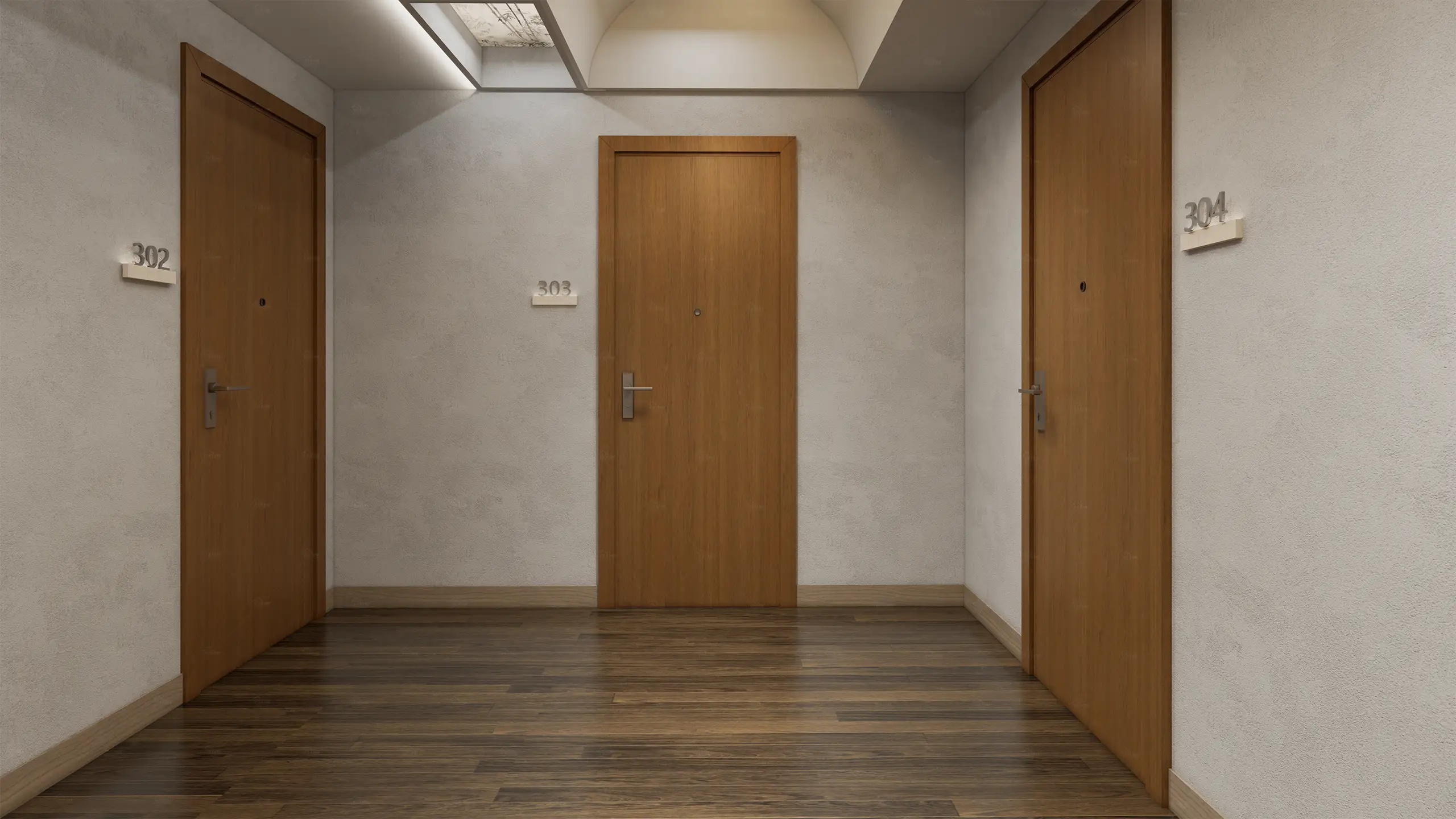
Materials Used in 60-Minute Fire Rated Doors
Best Materials for 60-Minute Fire Rated Doors
When choosing materials for a 60-minute fire-rated door, select options that withstand high temperatures and prevent the spread of fire for at least 1 hour. The best materials combine strength, durability, and heat resistance. Here are some of the top materials used:
Steel:
Steel fire-rated doors are among the most popular choices for high fire resistance. They are durable and can withstand extreme temperatures without losing structural integrity. They are often used in commercial buildings and industrial settings because they can withstand prolonged exposure to fire. Steel doors are also non-combustible, meaning they won’t catch fire themselves, making them ideal for 60-minute fire rated doors.
Wood:
While wooden fire-rated doors may not seem as fire-resistant as steel, they can still offer excellent fire protection when combined with fire-resistant treatments. These doors are typically used in residential settings and feature a fire-resistant core and specialized coatings. Wooden fire doors are often thicker than other types to achieve the same level of protection, but they remain a popular choice for their aesthetic appeal and ease of installation.
Composite Materials:
Composite fire-rated doors combine different materials to create a stronger, more fire-resistant structure. These doors may include a mix of wood, steel, and fire-resistant cores. Composite materials offer a balance of fire protection, soundproofing, and insulation, making them a versatile option for both residential and commercial buildings.
Summary
These materials, when combined with the right fire rated door core, provide the necessary fire resistance for a 60-minute fire rated door. They help protect the building and its occupants by acting as a barrier against heat, smoke, and flames.
Fire Rated Door Core Types
The core of a fire rated door plays a critical role in its ability to resist fire. Different core types offer varying levels of fire resistance, and the choice of core depends on the desired fire rating, the materials surrounding the door, and the specific needs of the building. Here are some common core types for 60-minute fire rated doors:
Honeycomb Core
A honeycomb core is one of the most common types of core used in fire-rated doors, especially those made from wood or composite materials. The core consists of a network of small, hexagonal cells that are lightweight but incredibly strong. This structure helps the door maintain its strength and durability while providing excellent fire resistance.
The honeycomb core is often used in 60-minute fire rated doors because it can provide an excellent balance of strength and weight. It is cost-effective and can be combined with steel or wood materials to create a fire-resistant barrier. The honeycomb structure also helps with sound insulation, making it a good option for areas that require both fire protection and noise reduction, such as offices or hotels.
Inorganic Fire-resistant Door Core
Another popular core material is the inorganic fire-resistant core, often made from perlite board. Perlite is a naturally occurring volcanic mineral that, when expanded, becomes lightweight and fire-resistant. This type of core is ideal for 60-minute fire rated doors because it can withstand high temperatures without combusting.
The perlite board core is non-toxic and does not emit harmful gases when exposed to fire, making it a safe choice for both residential and commercial buildings. It also offers good insulation, helping reduce heat transfer through the door. Although slightly more expensive than the honeycomb core, it offers superior fire protection, making it a preferred option for high-risk areas.
Mineral Core
The mineral core, often made from rock wool or stone wool, is another highly effective option for fire rated doors. Rock wool is made from volcanic rock and is known for its excellent fire resistance. It can withstand temperatures up to 1,000°C (1,832°F), making it ideal for doors with a 60-minute fire rating.
The mineral core is dense and heavy, providing exceptional thermal and sound insulation. It helps prevent the spread of both fire and smoke, making it a popular choice for commercial buildings, schools, hospitals, and other places where fire safety is critical. Though heavier than other core types, the mineral core provides strong fire protection, making it worth the additional weight and cost.
Summary
The fire rated door core is one of the most important elements of a 60-minute fire rated door. The choice of core—whether it’s honeycomb, perlite board, or mineral core—greatly impacts the door’s fire resistance and overall performance. Each core material offers unique benefits, so it’s important to consider your building’s specific needs when selecting the right option. By choosing the right material and core type, you can ensure your fire-rated door provides the protection needed during a fire emergency.
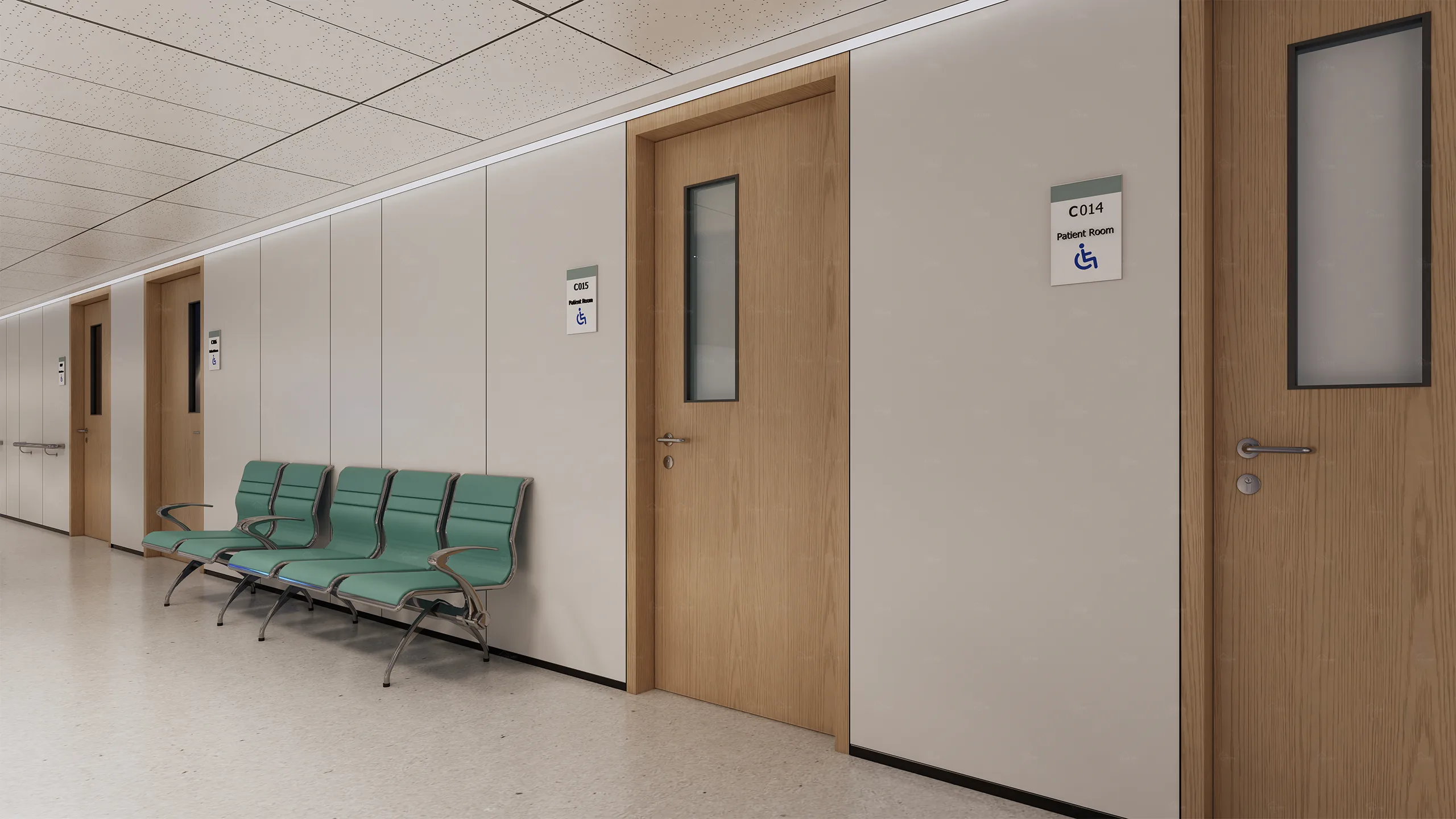
How Fire Rated Doors Are Tested?
Common Fire Safety Certification Tests
Fire-rated doors must undergo rigorous testing to ensure they meet the required safety standards. Various testing methods and certification processes exist across different regions to verify that these doors can withstand fire for the required duration. Below are some of the most common fire safety certification tests used for fire rated doors:
UL 10B/10C (Underwriters Laboratories):
The UL 10B and UL 10C tests are widely used in the United States to assess the fire resistance of doors. UL 10B tests how the door performs under exposure to a standard fire, ensuring it can withstand the heat, pressure, and flames. UL 10C tests doors for their ability to withstand both fire and smoke, as well as their effectiveness in containing heat. These tests determine how well a fire rated door blocks the spread of fire and smoke for the required period.
BS 476 (British Standard):
In the United Kingdom, BS 476 is commonly used to evaluate the performance of fire-rated doors. It measures the door’s ability to resist fire over a set time period, typically 30 minutes, 60 minutes, or longer. The test includes both the door and its frame to ensure that the door provides a complete fire barrier. For 60-minute fire-rated doors, BS 476 ensures the door can withstand fire for up to 1 hour without allowing flames to pass through.
EN 1634 (European Norm):
This is a European standard for fire resistance testing. It evaluates how well a fire rated door performs when exposed to fire and heat. The EN 1634 test includes both fire and smoke leakage measurements, ensuring the door prevents the passage of both heat and smoke. For a 60-minute fire-rated door, the test ensures it can withstand one hour while maintaining its integrity.
AS 1905 (Australian Standard):
In Australia, AS 1905 tests fire rated doors for fire resistance, focusing on their ability to prevent the spread of fire within buildings. It ensures the doors meet the specific fire rating required, such as 30, 60, or 90 minutes, depending on the building’s risk level. For 60-minute fire-rated doors, this test confirms that the door withstands high temperatures and provides adequate protection for 1 hour.
Summary
Each of these tests evaluates the fire rated door in a controlled setting, exposing it to specific fire conditions. The door’s performance in these tests determines whether it meets local safety standards and is certified for use in buildings.
How to Ensure Your Fire Rated Door Meets 60-Minute Standards?
To ensure your fire-rated door meets the 60-minute fire rating standards, it must have passed the appropriate fire safety certification tests and be built with the correct materials and design. Here’s how to ensure your door is up to code:
1. Check for Certification Labels:
A fire rated door should always have a certification label from a recognized testing authority, such as UL, BS, EN, or AS. This label indicates that the door has passed the required fire resistance tests. Ensure the label specifies a 60-minute fire rating, confirming the door can withstand fire for up to 1 hour.
2. Ensure Proper Installation:
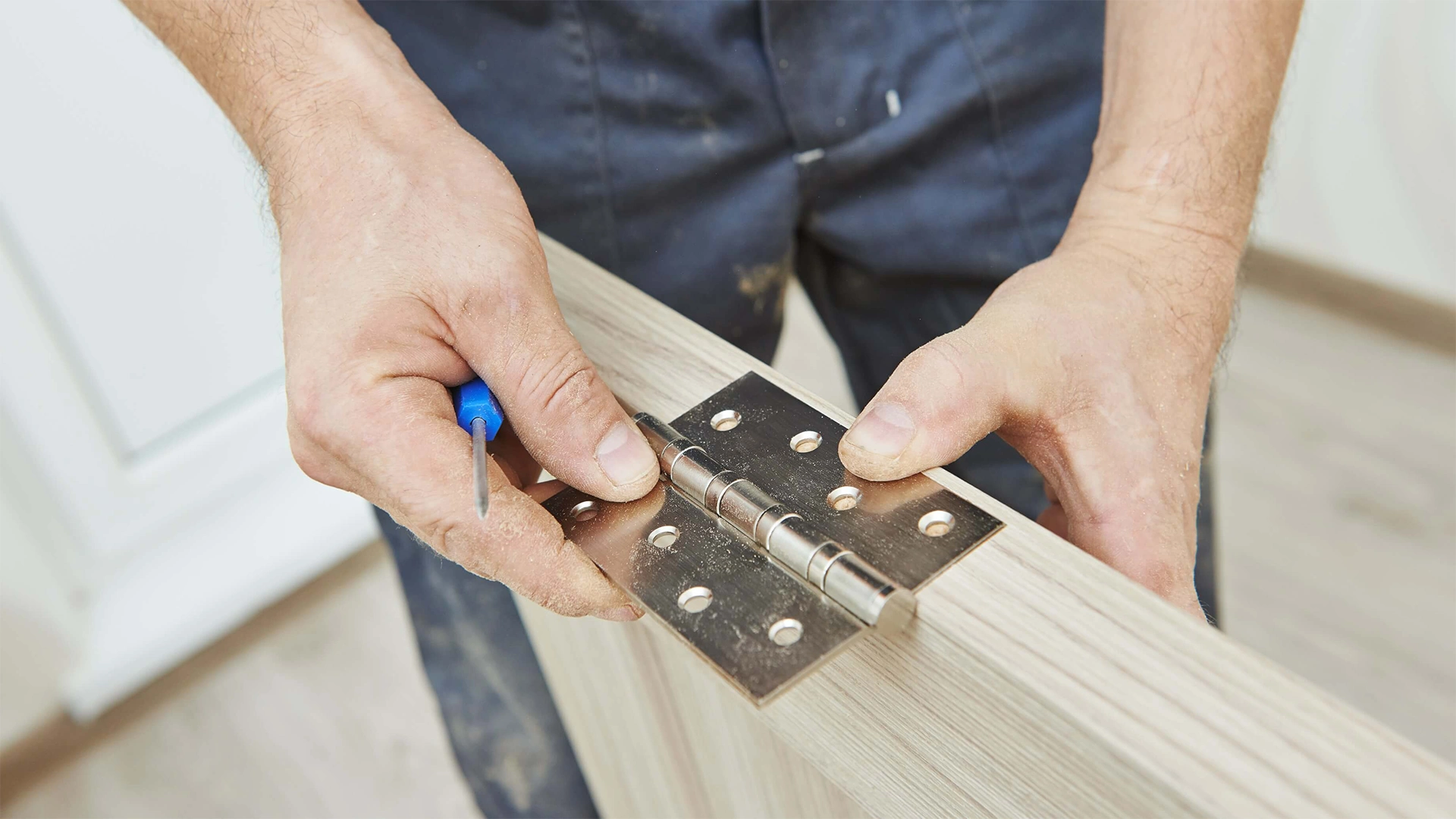
Even if a door has passed fire testing, it must be installed correctly to maintain its fire resistance. Incorrect installation can compromise the door’s performance. Check that the fire-rated door is installed in accordance with the manufacturer’s specifications and building codes. The door frame, seals, and hinges must all be properly aligned and secured to provide a complete fire barrier.
3. Use Fire-Resistant Materials:
A 60-minute fire-rated door must be constructed from high-quality, fire-resistant materials. This includes using a sturdy door core, such as mineral core, perlite board, or honeycomb core, combined with fire-resistant coatings. Make sure the materials meet the required fire-resistance standards and are specified for use in 60-minute fire-rated doors.
4. Regular Maintenance and Inspections:
Regular maintenance is essential to keep your fire-rated door functioning properly. Over time, seals, hinges, and panels may wear out, affecting the door’s ability to resist fire. Schedule routine inspections and repairs to ensure the door remains in good condition. It’s also essential to ensure the door isn’t obstructed or blocked, as this can prevent it from closing properly during a fire.
5. Consult with Professionals:
If you are unsure whether your fire-rated door meets 60-minute standards, consult a fire safety expert or a professional door installer. They can help verify that the door complies with local fire codes and regulations, ensuring the safety of everyone inside the building.
Summary
By following these steps, you can be confident that your 60-minute fire rated door will provide the necessary protection in the event of a fire. Ensuring that the door passes fire safety certification tests and is installed and maintained correctly is crucial to meeting safety standards and keeping your building and its occupants safe.
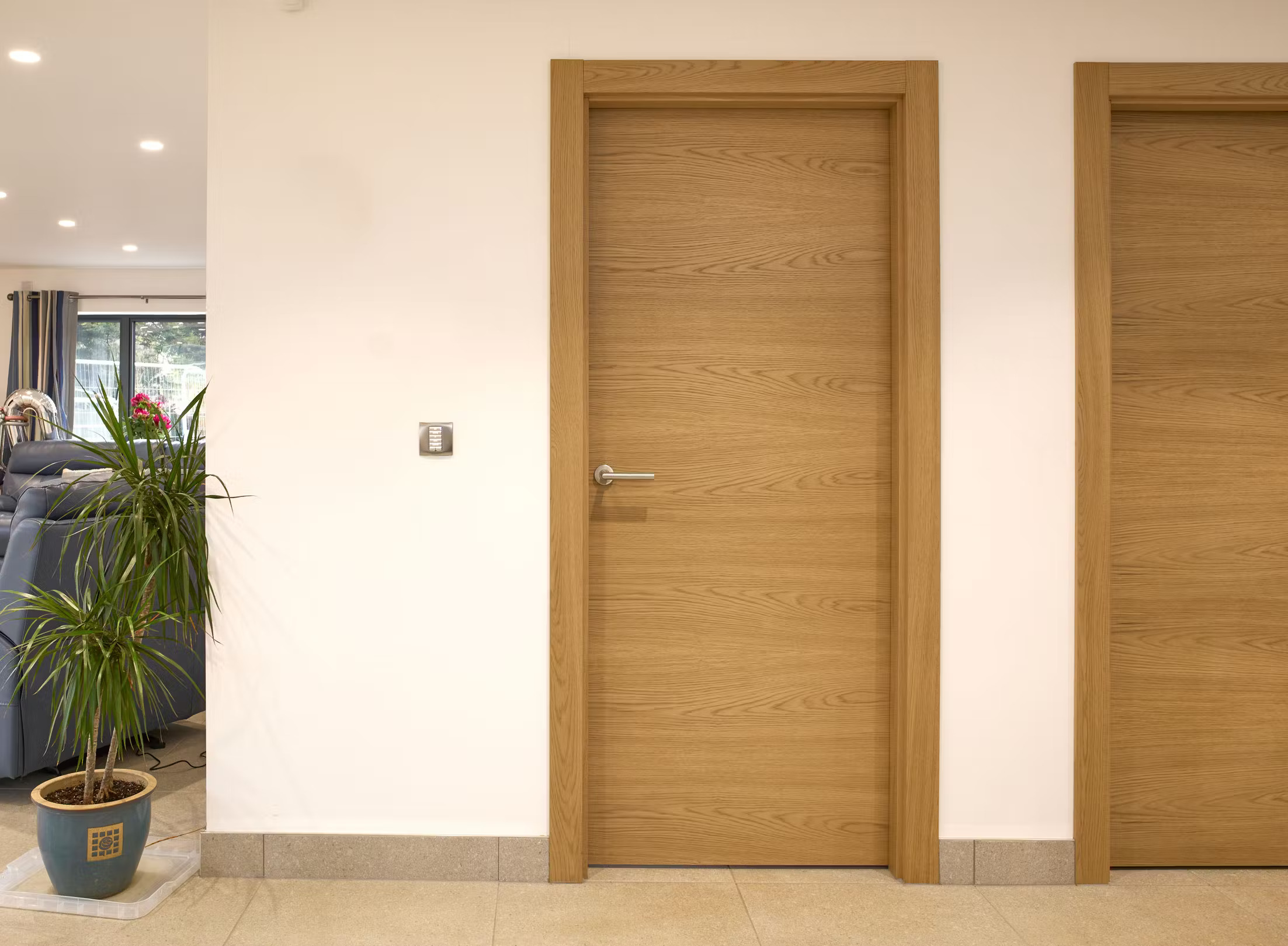
The Importance of Choosing the Right Thickness
Safety Implications of Inadequate Thickness
The thickness of a fire-rated door is crucial to ensuring safety in the event of a fire. If a door is too thin or not built to the correct specifications, it may not perform as expected, potentially putting lives at risk. The right thickness helps the door withstand the heat, flames, and pressure during a fire, providing a barrier between the fire and other areas of the building.
A fire-rated door that is too thin may fail before the required time, allowing the fire to spread faster and endangering people and property. It’s not just about the door’s material, but also its thickness and how well it handles extreme heat. The door’s ability to resist smoke and heat transfer is compromised if it’s not thick enough to handle the intense conditions of a fire.
Choosing the right thickness ensures the fire-rated door provides the protection needed to address the specific risks in your building. A properly thick door can make the difference between keeping the fire contained and allowing it to spread uncontrollably.
Risks of Using An Under-sized Door
Using a fire-rated door that is undersized or too thin can pose several serious risks. When the door’s thickness does not meet the required standards, it might fail to contain fire for the intended duration. For example, if a 60-minute fire-rated door is incorrectly sized or uses the wrong materials, it may collapse or warp in less than an hour, allowing flames and smoke to pass through.
The most immediate risk is that people might not have enough time to evacuate safely. Under-sized fire doors may not stop smoke from traveling, causing toxic fumes to spread throughout the building. This can make evacuation more difficult and dangerous, especially in large commercial buildings or multi-story structures.
Additionally, using an undersized fire-rated door could lead to significant property damage. If the door fails too early, the fire could spread faster, leading to more extensive damage. This not only affects the building structure but could also lead to costly repairs and insurance claims.
It’s vital to install doors with the proper thickness, specifically designed to meet the fire rating. Otherwise, you might be left with a false sense of security while facing a much more dangerous fire scenario.
Legal Requirements and Building Codes
Different regions have strict building codes and legal requirements governing the installation and use of fire-rated doors. These regulations are in place to ensure the safety of the building’s occupants and prevent the spread of fire. In many cases, choosing the right thickness is not only a matter of safety, but also a legal requirement.
United States:
In the US, fire-rated doors are governed by standards set by organizations such as Underwriters Laboratories (UL) and the National Fire Protection Association (NFPA). UL 10B and UL 10C test and certify doors for specific fire resistance, often requiring a minimum door thickness based on the fire rating. For example, a 60-minute fire-rated door must meet specific material and thickness requirements to comply with local fire safety codes.
United Kingdom:
The UK follows BS 476 for fire testing, which specifies how fire-rated doors should perform based on their thickness and materials. According to these regulations, a 60-minute fire-rated door must have a minimum thickness to withstand fire for the required time. Local authorities may require inspections and certifications to ensure that the door meets fire safety standards, including adequate thickness for fire protection.
European:
In the EU, the EN 1634 standard is used to test fire rated doors. It specifies that the door thickness should be adequate to withstand fire and heat for a specified period, such as 30, 60, or 90 minutes. These standards help ensure that doors provide an effective barrier against the spread of fire, with specific thickness requirements for each fire rating.
Australia :
AS 1905 outlines the regulations for fire-rated doors in buildings. The standard requires that the door be tested to ensure it meets the specified fire resistance. The thickness of the door plays a key role in this certification, ensuring that it can resist fire for the required duration, such as 60 minutes.
Summary
Each region has specific requirements for fire-rated doors to ensure safety in the event of a fire. These regulations ensure the correct thickness is used for each fire rating, keeping people safe and reducing the risk of fire spreading uncontrollably.
Other Factors to Consider When Choosing a Fire Rated Door
When selecting a fire rated door, thickness is not the only important factor to consider. Several other key factors help ensure the door performs as expected during a fire. These include size, weight, materials, and the door’s specific design. One of the most important considerations, aside from thickness, is size and weight.
Size and Weight Considerations
The size and weight of a fire rated door are essential to its functionality and performance in a fire emergency. A properly sized and weighted door ensures it can close and seal correctly, preventing the spread of fire and smoke between rooms or floors.
Size:
The fire-rated door must match the opening in the wall where it will be installed. A door that is too small for the opening may not seal properly, leaving gaps through which smoke and heat can pass. This can severely reduce the door’s effectiveness in containing the fire. On the other hand, a door that is too large may not fit properly, making it difficult to close and compromising its fire resistance. It’s crucial to ensure the fire-rated door fits the space perfectly for optimal performance.
Weight:
The weight of a fire-rated door is another factor that can affect its effectiveness. A heavier door typically offers better fire protection because it’s more likely to withstand the heat and pressure of a fire. However, it’s important to balance weight with practicality. A door that is too heavy can be difficult to operate, especially in emergencies. It can also put additional stress on hinges and the frame, potentially causing damage over time. For example, steel fire-rated doors are generally heavier than wooden doors but provide superior protection against fire. When choosing the right weight, ensure the door is easy to operate while still providing the necessary fire resistance.
Summary
Choosing a fire rated door that fits properly in both size and weight is key to ensuring it performs well during a fire. The right door should be easy to open and close, seal tightly to prevent smoke from spreading, and maintain its integrity under high heat. Ensuring that the door is appropriately sized and weighted will help protect people and property by stopping the spread of fire and giving enough time for evacuation or firefighting efforts.

Conclusion
The Importance of Choosing the Right Fire Rated Door for Safety and Compliance
Choosing the right fire rated door is critical for both safety and compliance with building codes. These doors act as barriers, preventing the spread of fire and smoke during an emergency and providing valuable time for evacuation and firefighting efforts. A fire-rated door that meets the required fire resistance rating—whether 30 minutes, 60 minutes, or more—ensures that people inside a building have enough time to escape safely and that the damage from fire is minimized.
When selecting a fire-rated door, it’s important to consider not only the fire resistance rating but also factors such as thickness, material, size, weight, and installation. A door that’s too thin or made from the wrong materials can fail under fire conditions, leaving a building vulnerable. On the other hand, a well-chosen door that complies with local regulations and is designed to withstand fire for the required period is an essential part of a building’s overall fire safety strategy.
Furthermore, many regions have strict legal requirements and building codes that specify the necessary fire resistance for doors in different areas of a building. Choosing the right fire-rated door helps ensure compliance with these codes and avoids costly fines or inspection complications. Whether for residential, commercial, or industrial buildings, installing the right fire rated doors is an investment in both safety and legal compliance.
Ensuring Your Fire Rated Door’s Effectiveness
To ensure the effectiveness of your fire-rated door, several steps must be followed. First, always check that the door has been tested and certified by a recognized authority, such as UL, BS, EN, or AS. This certification confirms that the door meets the required fire resistance standards and will perform as expected in the event of a fire.
Next, proper installation is crucial. Even the highest-quality fire rated door can fail if it is not installed correctly. Ensure that the door fits properly within the frame and that all seals, hinges, and components are securely in place. This ensures the door can seal tightly during a fire, preventing smoke and heat from passing through.
Regular maintenance is also key to ensuring the fire rated door’s effectiveness over time. Check for wear and tear, particularly in the seals, hinges, and locking mechanisms. Over time, the door may become damaged or worn out, reducing its ability to block fire and smoke. Scheduled inspections and prompt repairs are vital to keeping the door in top condition.
In addition, ensure that your fire rated door is never blocked or obstructed. It needs to close completely and operate smoothly to provide the best protection during an emergency. By keeping the door clear of obstacles and regularly maintaining it, you can help ensure it functions properly when you need it most.
Relate FAQ
How thick is a 60-minute fire-rated door?
A 60-minute fire-rated door typically has a thickness of 2 1/8 inches (55 mm). The thickness may vary slightly depending on the manufacturer and construction materials, but this is the standard thickness required for a 60-minute fire rating.
What materials are used in a 60-minute fire-rated door?
A 60-minute fire-rated door is often made from a combination of materials, such as solid-core wood, steel, and fire-resistant mineral cores. These materials help prevent the spread of fire for up to 60 minutes while maintaining structural integrity.
Do 60-minute fire-rated doors require any special hardware?
Yes, 60-minute fire-rated doors require specific hardware that is tested and approved for fire-rated applications. This includes fire-rated door closers, fire-rated hinges, and certified locks. These components ensure the door functions properly during a fire emergency and maintains its integrity.
Are 60-minute fire-rated doors suitable for residential use?
A 60-minute fire-rated door is typically used in commercial buildings and high-risk areas such as corridors, stairwells, and fire exits. While it is not commonly required in residential homes, it may be installed in areas where additional fire protection is needed, such as between the garage and the main living space.
Can a 60-minute fire-rated door be customized in terms of size and finish?
Yes, 60-minute fire-rated doors can often be customized to fit specific dimensions and finishes, such as stained wood, painted metal, or laminated surfaces. Custom options allow them to blend with a building's aesthetic requirements while still providing the necessary fire protection.
How do I maintain a 60-minute fire-rated door?
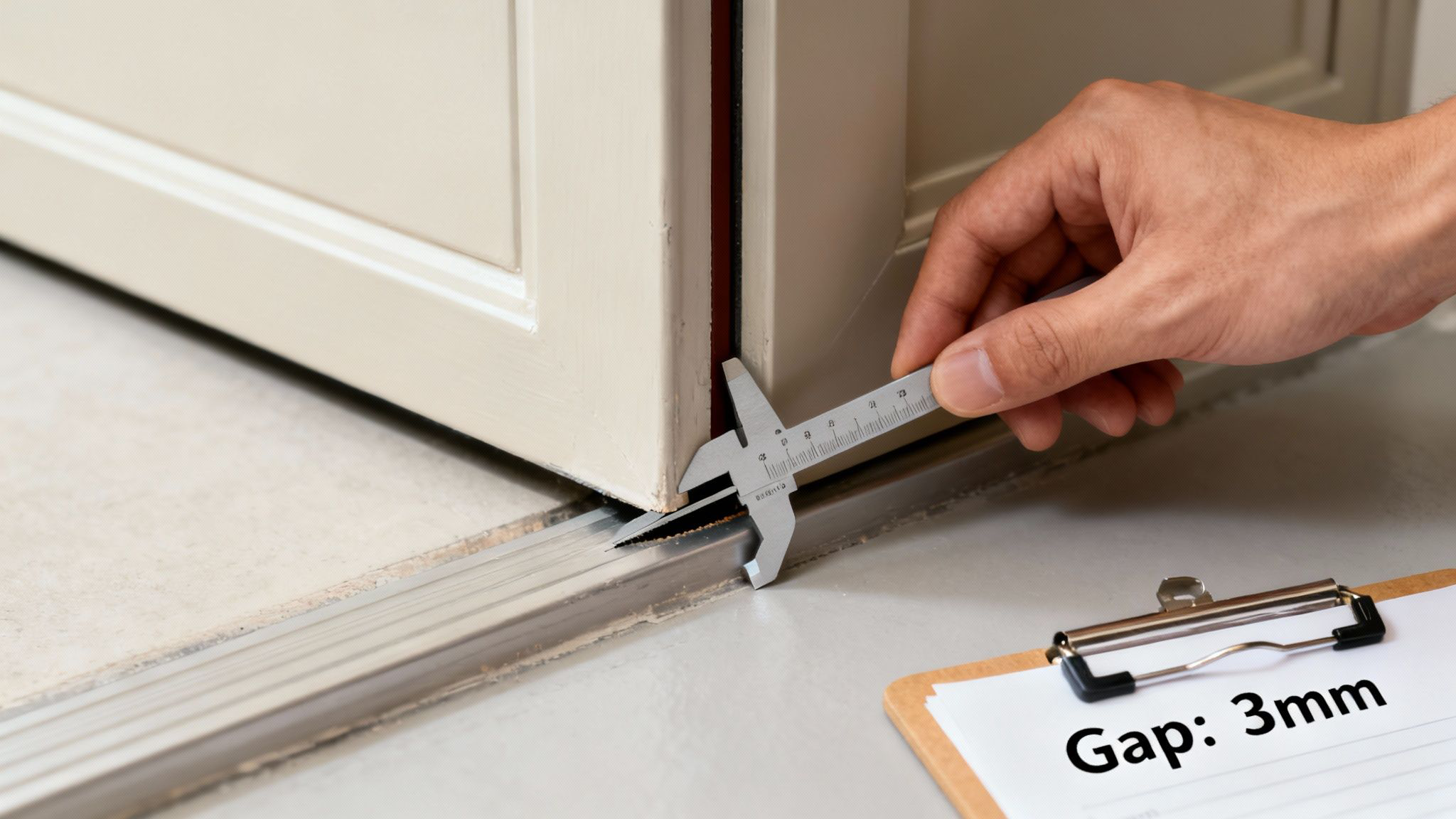
To ensure that a 60-minute fire-rated door remains functional and effective, regular maintenance is necessary. This includes checking for proper sealing, ensuring the fire-rated hardware is intact, and conducting periodic inspections to ensure the door closes fully and latches securely. It’s also important to check the gaps around the door to ensure they meet fire code standards.
Are 60-minute fire-rated doors required by building codes?
In certain jurisdictions, building codes may require a 60-minute fire-rated door in specific areas of a commercial building, such as fire escape routes or elevator lobbies. It’s essential to check local building codes and fire safety regulations to determine if a 60-minute fire-rated door is necessary for your project.