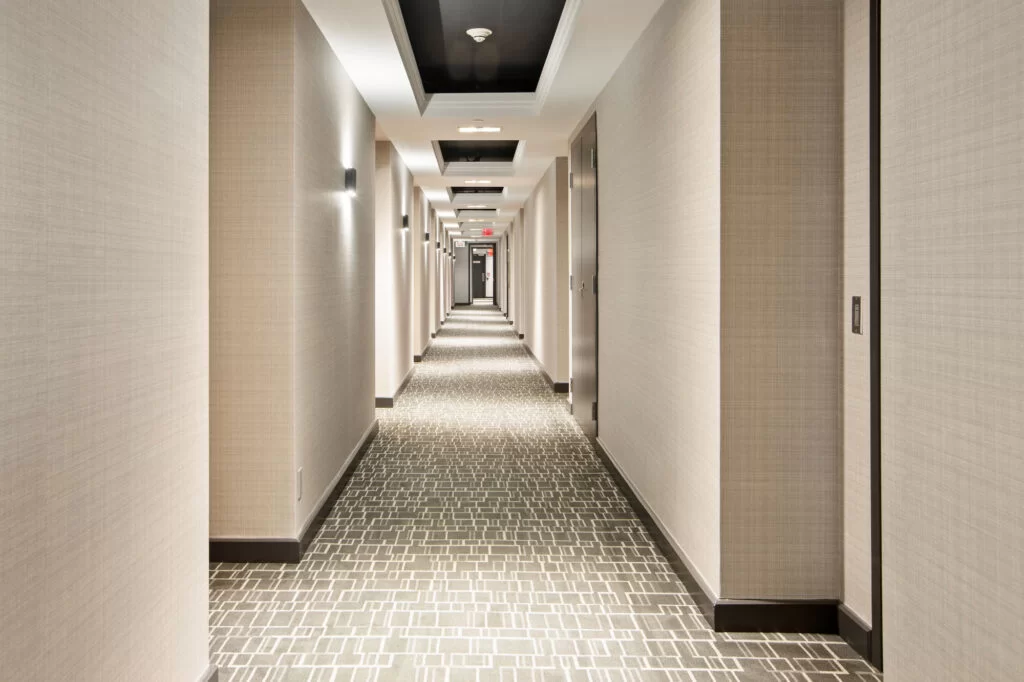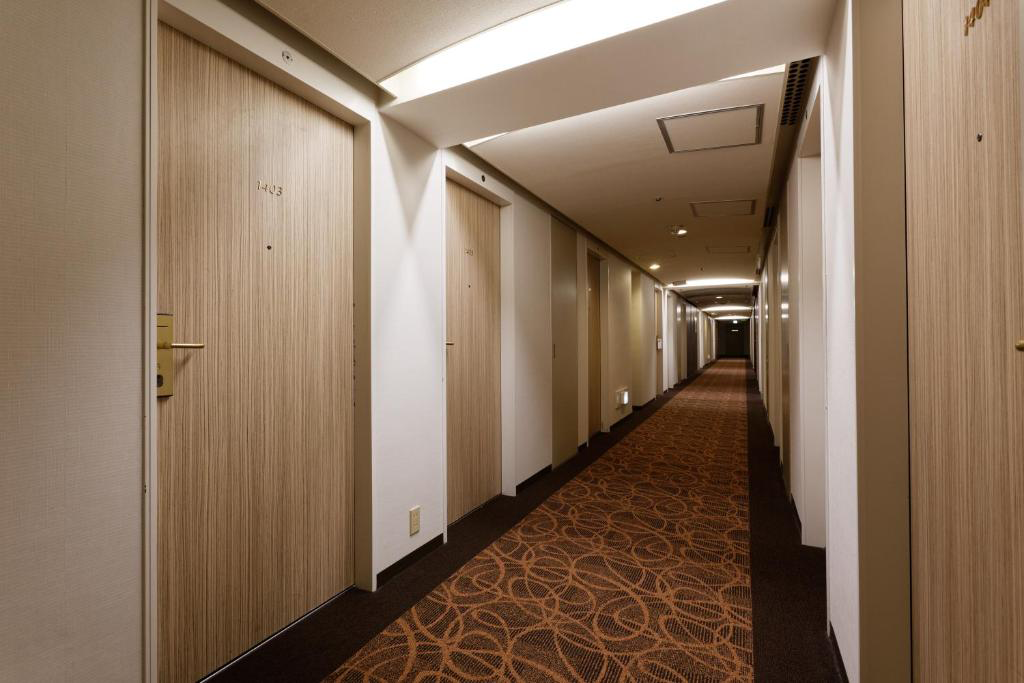
What is considered a fireproof door?
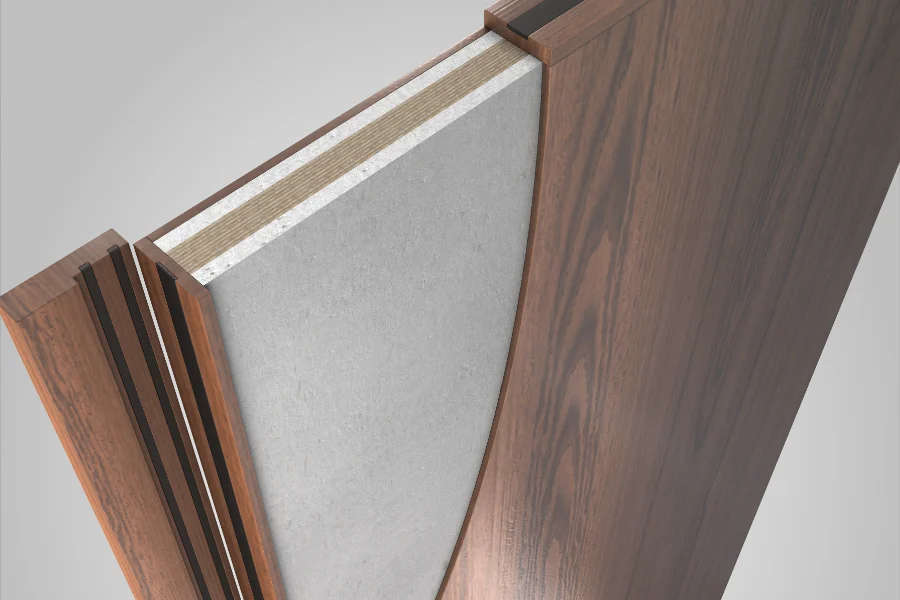
Introduction to Fireproof Doors
When it comes to building safety, fireproof doors play a crucial role. These specialized doors are designed to prevent the spread of fire, smoke, and heat between different areas of a building. In this section, we’ll explore what fireproof doors are and why they’re crucial to maintaining the safety of any structure.
What Are Fireproof Doors?
Fireproof doors, often called fire-rated doors, are designed to withstand high temperatures and contain a fire for a specified period. They are made from materials that resist heat and prevent flames from spreading. Typically, fireproof doors are tested and rated based on how long they can withstand a fire, with ratings ranging from 20 minutes to 120 minutes or more.
In simpler terms, a fireproof door is a barrier that buys precious time in case of a fire. It keeps flames, smoke, and toxic gases from spreading quickly, helping to protect both lives and property. These doors are used in commercial, residential, and industrial buildings to enhance fire safety.
Why Are Fireproof Doors Important?
Fireproof doors are essential in the fight against fire hazards, and here’s why:
Protection Against Fire Hazards
A fire can spread incredibly fast, often within minutes. Without proper fire protection, such as fire-rated doors, the damage can be catastrophic. Fireproof doors act as a barrier, giving people more time to evacuate and preventing the fire from spreading to other parts of the building. They help protect escape routes, such as hallways and stairwells, ensuring that people can safely leave the building.
For instance, in commercial settings, fireproof doors are critical in hospitals, schools, and office buildings, where large numbers of people may need to evacuate during an emergency. These doors can contain the fire in one area, creating a safe evacuation zone.
Besides stopping the spread of fire, fireproof doors also prevent smoke and gases from traveling. Since smoke inhalation is a leading cause of death in fires, fireproof doors play a vital role in keeping airways clear and breathable.
Safety Regulations and Compliance
Fireproof doors are not just an option—they are a legal requirement in many buildings. Local and national building codes, such as the National Fire Protection Association (NFPA) and the International Building Code (IBC), mandate the use of fire-rated doors in specific areas of a structure. These regulations are in place to ensure that buildings are prepared for emergencies and provide adequate protection in the event of a fire.
In many jurisdictions, fireproof doors must meet specific standards, such as those set by Underwriters Laboratories (UL) or European standards (EN 1634-1). These certifications ensure the doors perform as promised and meet the required fire-resistance rating.
For example, if you’re constructing or renovating a commercial building, you need to install fire-rated doors in areas such as stairwells, mechanical rooms, and between fire zones. Failure to comply with these regulations can lead to fines, construction delays, or even serious safety risks.
Summary
Fireproof doors are a critical part of any building’s fire safety strategy. They provide essential protection against fire hazards by containing fires, preventing the spread of smoke and heat, and complying with safety regulations. Whether you’re designing a new building or upgrading an existing one, installing high-quality fire-rated doors ensures the safety of your property and everyone inside.

Components of a Fire Door
Fireproof doors, also known as fire-rated doors, play a crucial role in building safety. These doors are specifically designed to withstand high temperatures and prevent the spread of fire between rooms or buildings. They are an essential part of any fire protection system, often required in both residential and commercial properties.
Fire-Resistant Materials
The materials used in fireproof doors are specifically chosen for their ability to withstand the intense heat generated by a fire. These materials ensure the door can withstand a specific period without catching fire or allowing smoke to pass through. Fire resistance is measured by the number of hours the door can withstand fire, typically rated for 30, 60, or 120 minutes.
Common Materials Used in Fireproof Doors
- Steel: One of the most commonly used materials for fireproof doors. It’s highly durable and can withstand extreme temperatures. Steel doors are typically filled with fire-resistant insulation to enhance their resistance to heat and flames.
- Wooden Core with Fire-Rated Insulation: While solid wood itself isn’t inherently fire-resistant, it can be combined with fire-resistant core materials, such as mineral cores or fire-rated plywood. These additions enhance the door’s fire resistance while maintaining a wood aesthetic finish.
How Fireproof Doors Are Built?
Building a fireproof door requires a combination of fire-resistant materials, thoughtful design, and skilled craftsmanship. The goal is to create a door that not only keeps fire out but also prevents the spread of smoke and toxic gases. Here’s how fire-rated doors are typically constructed:
- Frame and Door Leaf: The frame and door leaf (the actual door panel) are both designed to handle high temperatures. They’re typically made from strong steel or reinforced materials. The frame is sealed tightly to the surrounding wall to ensure there are no gaps for fire or smoke to enter.
- Insulation Core: The door core is the most critical component for fire resistance. The core is filled with materials designed to resist heat and slow the spread of flames. This insulation can include mineral cores, gypsum, or other fire-resistant materials that are sandwiched between the door’s outer layers.
- Seals and Gaskets: Fireproof doors often feature special seals or gaskets along the edges. These seals expand when heated, preventing smoke or fire from passing through the door. Seals are an essential feature that enhances the door’s overall effectiveness in preventing the spread of fire.
- Hinges and Hardware: Fire-rated doors are equipped with fire-resistant hinges and hardware. These components are specifically designed to withstand the heat generated by a fire. The hinges are often made from steel and are heat-treated to maintain their structural integrity during a fire. Hardware, such as locks and latches, must also meet fire safety standards.
- Glass Panels: If the door includes glass panels, the glass is typically fire-rated and specially treated to resist the heat of a fire. This glass is designed to stay intact and not shatter during a fire, maintaining the door’s fire rating.
Fire Resistance Rating
The fire resistance rating of a door is a measure of how long it can withstand exposure to fire before it starts to fail. This rating is crucial because it helps building owners, architects, and contractors determine the appropriate type of fire-rated door for specific areas of a building, based on the building’s fire safety requirements.
There are different levels of fire resistance, often represented by the number of minutes a door can hold up in a fire. The most common ratings include 20, 30, 60, 90, and 120 minutes. Understanding these ratings is essential when selecting the right fireproof door for different environments.
Understanding Fire Ratings
- 20-Minute Fire Rating: This is the lowest fire resistance rating commonly available for fire-rated doors. While it provides some protection, it’s typically used in less risky areas, such as interior rooms or areas that don’t need to withstand prolonged exposure to extreme fire. A 20-minute rating gives you enough time to escape safely in most cases.
- 30-Minute Fire Rating: This rating is commonly used for commercial spaces and buildings that require moderate fire protection. It’s a common choice for fireproof doors in residential buildings, including apartments and some office spaces.
- 60-Minute Fire Rating: A fire-rated door with a 60-minute rating provides higher protection and is often required in commercial or industrial buildings. These doors are designed to withstand fire long enough to allow safe evacuation and prevent the fire from spreading to adjoining areas.
- 90-Minute Fire Rating: These doors are often used in buildings that require extended fire safety, such as large commercial complexes, hospitals, or factories. They provide an extra buffer of protection and are built with stronger materials.
- 120-Minute Fire Rating: For maximum protection, fireproof doors with a 120-minute rating are commonly used in high-risk areas, such as power plants, data centers, or government buildings. These doors provide the highest level of fire resistance and are designed to withstand prolonged exposure.
How Ratings Affect Door Performance?
The fire rating of a fire-rated door directly affects its performance in a fire emergency. Here’s how the ratings impact the door’s ability to perform:
- Temperature Resistance: As the fire rating increases, the door’s materials are better equipped to withstand higher temperatures. A fire-rated door with a longer rating will not only last longer but also maintain its integrity, preventing heat from passing through for an extended period.
- Structural Integrity: The rating also reflects how well the door can retain its shape during a fire. Doors with higher fire ratings, such as 90 or 120 minutes, are built with more durable materials and better construction methods to ensure they remain intact longer.
- Smoke Containment: A higher-rated fireproof door not only prevents flames from passing through but also helps contain smoke, which is often the leading cause of injury or death in fires. The higher the fire resistance rating, the better the door is at sealing smoke inside the room, buying more time for evacuation.
- Compliance and Safety: Different types of buildings and areas may have specific requirements for fire-rated doors based on their fire safety standards. Higher-rated doors are usually necessary in commercial, industrial, and public buildings where people are likely to be trapped or unable to evacuate quickly.

Types of Fireproof Doors
When it comes to building safety, fireproof doors play a crucial role in preventing the spread of fire and smoke, protecting people and property. There are various types of fireproof doors, and understanding their differences is key to making an informed choice for your building’s needs. A common comparison is between standard fireproof doors and fire-rated doors.
Standard Fireproof Doors vs. Fire-Rated Doors
While both standard fireproof doors and fire-rated doors are designed to protect against fire, there are some key differences between them. Understanding these differences can help you choose the right door for your property.
- Standard Fireproof Doors: These doors are often designed with basic fire resistance and are typically suitable for areas with a relatively low fire risk. They may provide limited protection, such as resisting fire for a specific duration (often under 30 minutes). However, they are not necessarily designed to meet higher standards or withstand extreme fire conditions.
- Fire-Rated Doors: Fire-rated doors are engineered to provide enhanced fire resistance. These doors are tested to meet strict fire safety standards, and they are classified based on the amount of time they can withstand fire. Common ratings include 20, 30, 60, and 90 minutes, with higher ratings offering better protection. Fire-rated doors are commonly used in commercial buildings, industrial areas, and places where fire safety is a top priority.
Are Fire-Rated Doors the Same as Fireproof Doors?
This is a common question, and the answer is no—fire-rated doors are not the same as fireproof doors.
- Fireproof Doors: These doors are designed to provide complete protection against fire, making them virtually impervious for an extended period. In reality, however, no door is entirely “fireproof,” but some doors are engineered to offer higher levels of fire resistance.
- Fire-Rated Doors: While fire-rated doors provide a specific amount of fire resistance, they are not designed to be completely fireproof. A fire-rated door can withstand fire for a particular period (e.g., 30 or 60 minutes), but it may still sustain fire damage if exposed for a prolonged period. Fire-rated doors are typically tested for fire resistance in accordance with specific standards, such as those set by Underwriters Laboratories (UL).
Differences Between Fireproof, Fire-Resistant, and Fire-Rated
Understanding the terminology used in the fire protection industry can be confusing, especially when it comes to terms like fireproof, fire-resistant, and fire-rated. Here are the key differences between these terms:
- Fireproof: A fireproof door is often marketed as being able to withstand fire indefinitely. However, the term is misleading since no door is truly fireproof. What it really means is that the door is made of materials or has special construction that can endure extreme heat for a long time. Fireproof doors generally offer the highest level of protection, though they are usually rated to withstand fire for a specific period, such as 2 hours.
- Fire-Resistant: Fire-resistant doors are designed to resist fire for a set period. These doors are commonly rated for specific durations, such as 30, 60, or 90 minutes. The term “fire-resistant” means the door can slow the spread of fire, but it will eventually be compromised if the fire persists for an extended period.
- Fire-Rated: A fire-rated door is specifically tested and classified according to the time it can withstand fire. These doors are assigned a fire rating, which indicates the period during which they can resist fire, typically 20 minutes to 3 hours. The fire rating is an important factor in building safety codes, and it helps ensure that fire-rated doors provide adequate protection in the event of a fire.
Wooden vs. Metal Fireproof Doors
When choosing between wooden and metal fireproof doors, it’s essential to understand their differences. Both types are built to withstand fire and prevent its spread, but their construction materials offer different advantages.
- Wooden Fireproof Doors: These doors are usually constructed with a wooden frame and a fire-resistant core. They often have a more traditional appearance, making them ideal for interior use in homes or offices where aesthetics are essential. The fire-resistant core can be made from materials such as mineral core boards or fire-rated plywood.
- Metal Fireproof Doors: Metal fireproof doors are made from steel and often feature a fire-resistant core. These doors are stronger and more durable, making them a top choice for industrial and commercial buildings. They are built to withstand higher temperatures and provide better protection in areas with a higher fire risk.
Benefits of Metal Fireproof Doors
Metal fireproof doors are known for their strength and high fire resistance, making them ideal for high-risk environments. Here are some key benefits of choosing a metal fireproof door:
- Superior Fire Protection: Metal doors typically have a higher fire rating than wooden doors. They can withstand fire for extended periods, often up to 2 hours or more, providing better protection in the event of a fire.
- Enhanced Durability: Metal fireproof doors are durable and impact-resistant. They perform well in areas with heavy traffic, such as warehouses or industrial spaces, where wear and tear are common.
- Low Maintenance: Unlike wooden doors, metal fireproof doors require minimal maintenance. They are easy to clean and do not need periodic refinishing, saving time and money on upkeep.
- Increased Security: Metal fireproof doors not only offer fire protection but also enhance security. They are difficult to breach, providing an added layer of protection against forced entry.
Why Choose Wooden Fireproof Doors?
While metal fireproof doors are known for their durability, wooden fireproof doors also offer several unique advantages, especially when aesthetics are a priority. Here are some reasons why you might choose wooden fireproof doors:
- Aesthetic Appeal: Wooden fireproof doors are available in a wide range of styles, finishes, and wood types. This makes them ideal for homes, offices, or any space where design and appearance matter. Wooden doors can easily blend in with the surrounding decor.
- Better Insulation: Wood naturally provides sound thermal insulation, helping maintain a comfortable indoor temperature. This can be especially beneficial in residential settings where energy efficiency is a concern.
- Cost-Effectiveness: Wooden fireproof doors are generally more affordable than metal doors. They provide a good balance of fire protection and affordability, making them an excellent option for budget-conscious projects.
- Ideal for Residential Spaces: Many homeowners prefer wooden fireproof doors for their homes because they combine both safety and beauty. They add a natural, warm touch to the house while still offering fire resistance.
Custom Fireproof Doors
Custom fireproof doors are designed to meet specific safety, design, and functionality requirements. Unlike standard fireproof doors, custom doors can be crafted with specific materials, sizes, colors, and features to align with the building’s needs. These doors are ideal for properties with unique layouts, design preferences, or stringent safety standards.
Custom fireproof doors offer several advantages over standard options, allowing for a more personalized approach to fire protection and building aesthetics.
Tailoring Fireproof Doors for Specific Needs
Customizing a fireproof door ensures that it perfectly fits the specific requirements of a building. Here are some key factors to consider when tailoring fireproof doors:
- Size and Shape: Custom fireproof doors can be made in any size or shape to fit specific door frames, especially in older buildings or spaces with unusual dimensions. Whether the door needs to be taller, wider, or shaped differently, custom options provide flexibility.
- Materials: You can choose from a variety of materials for building custom fireproof doors. Whether you want a wooden fireproof door with a fire-resistant core or a metal door for increased durability, customization lets you choose the material that best meets your needs. The core of the door can also be customized with fire-resistant materials, such as a mineral core or gypsum, to enhance fire protection.
- Design and Aesthetics: Custom fireproof doors can be designed to match the building’s aesthetic. Whether it’s a sleek, modern metal door or a traditional wooden door, customization ensures the door complements the overall style. You can choose finishes, colors, and hardware that suit your design preferences.
- Fire Rating: Custom fireproof doors can be engineered to provide varying levels of fire resistance, depending on the building’s needs. For example, if the building requires higher fire resistance, you can opt for doors with fire ratings of 90, 120, or higher. This ensures that the door provides the necessary level of protection against fire hazards.
- Additional Features: Many custom fireproof doors include reinforced security locks, soundproofing, and energy-efficient insulation. These added features can enhance a building’s safety and comfort, making custom doors a versatile solution.
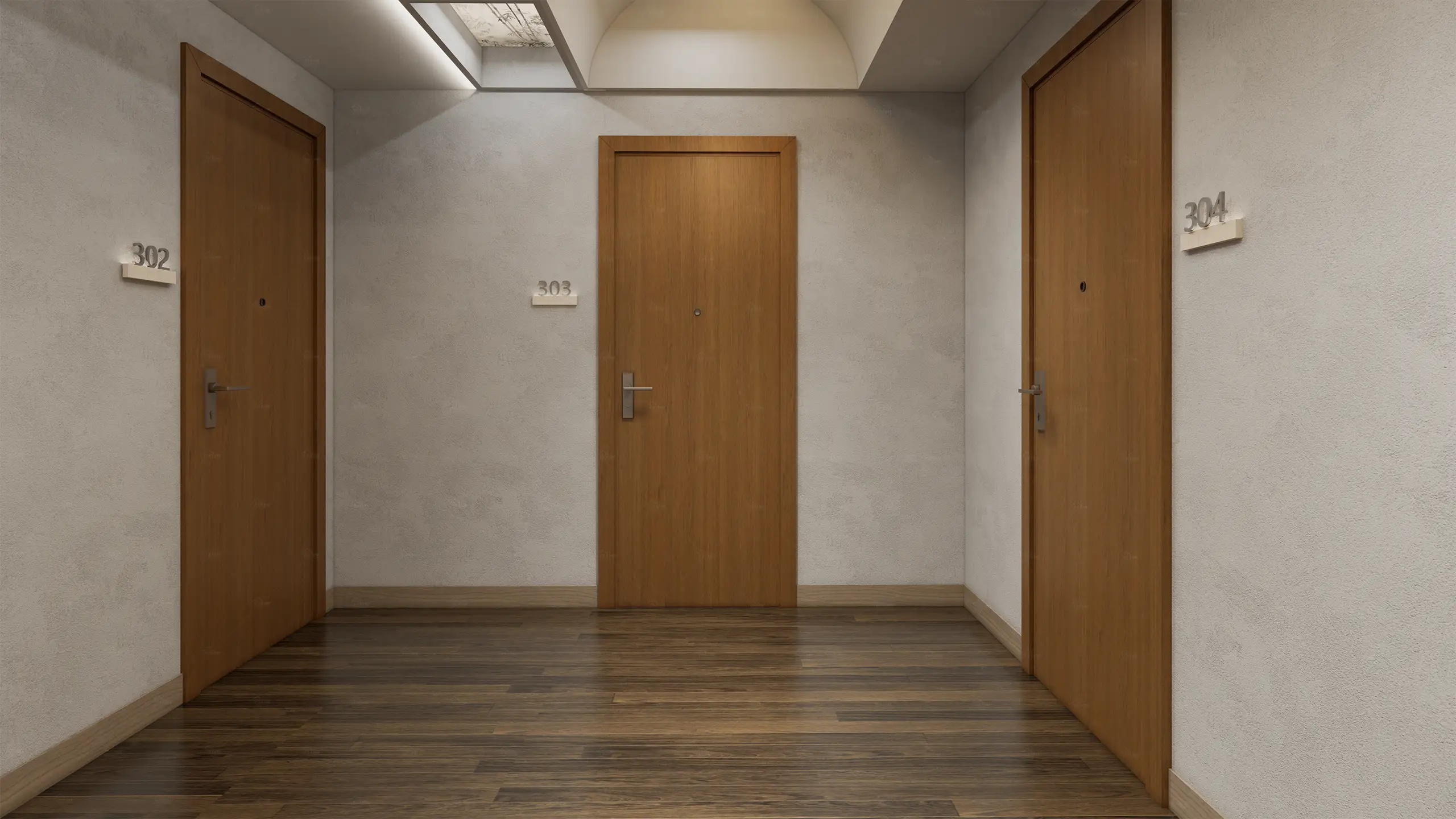
How Do Fireproof Doors Work?
Fireproof doors are essential for enhancing fire safety in both residential and commercial buildings. They are specifically designed to prevent the spread of fire and smoke, acting as barriers that keep rooms safe for longer during a fire emergency. The key to their effectiveness lies in the materials and design features that make them resistant to fire, heat, and smoke.
Fire-Resistant Door Construction
Fireproof doors are made from specific materials and constructed using methods that withstand the intense heat of a fire. The core of these doors typically consists of a fire-resistant material, such as a mineral core, a honeycomb core, or a composite material with fire-resistant properties. These materials prevent the door from quickly burning or breaking apart during a fire.
The door frame also plays a crucial role in fire resistance. It is typically made from metal or specially treated wood that enhances the door’s resistance to heat and helps it remain intact. The edges of the door are sealed with fire-resistant gaskets to prevent smoke and heat from escaping through gaps.
Insulation and Sealants
Insulation is another critical feature that enhances a door’s fire resistance. Fireproof doors are often equipped with layers of insulating materials that not only resist heat but also help maintain the door’s structural integrity during a fire. These insulating materials include mineral-based insulation, which can absorb heat and prevent it from entering the building.
Sealants around the edges of fireproof doors are designed to expand when exposed to heat. This ensures that the door remains tightly sealed, preventing smoke and gases from entering other parts of the building. These seals are vital because they stop the spread of fire and smoke, giving occupants more time to escape safely.
Intumescent Materials and Their Role
Intumescent materials are a special type of material used in fireproof doors to improve their performance during a fire. These materials are designed to expand when heated, forming a thick, charred layer that insulates the door from additional heat. This expansion helps to maintain the door’s strength and prevents it from weakening, which is crucial in delaying the spread of the fire.
In many fireproof doors, intumescent strips are placed around the edges. When exposed to heat, these strips expand rapidly to fill any gaps between the door and its frame, creating a tight seal that prevents the passage of smoke and heat. This added layer of protection is essential for improving the door’s fire resistance rating and ensuring it performs for the required time during a fire.
By using these materials and construction techniques, fireproof doors serve as practical barriers that can contain fires, minimize damage, and provide a safe environment for evacuation during an emergency.In many fireproof doors, intumescent strips are placed around the edges. When exposed to heat, these strips expand rapidly to fill any gaps between the door and its frame, creating a tight seal that prevents the passage of smoke and heat. This added layer of protection is essential for improving the door’s fire resistance rating and ensuring it performs for the required time during a fire.
Fireproof Doors in Different Environments
Fireproof doors are used in a variety of environments, from commercial and residential spaces to industrial settings. While the basic functionality remains the same, the specific requirements for fireproof doors can vary depending on the setting.
Commercial Buildings
In commercial buildings, fireproof doors are a must-have for safety and compliance. These buildings often have high foot traffic and can house large numbers of people, making fire safety a top priority. Fireproof doors are typically installed in areas such as stairwells, elevator shafts, and between sections of the building to prevent the spread of fire and smoke.
These doors are often required to meet strict fire safety regulations and are usually rated to withstand fire for a specified period, typically 30 minutes to 2 hours. Fireproof doors in commercial settings not only help contain a fire but also protect vital areas such as offices, server rooms, and storage areas where valuable equipment and documents are kept. Their role is crucial in maintaining business continuity in the event of a fire.
Residential Buildings
In residential buildings, fireproof doors are essential for protecting living spaces, especially in apartments and multi-story homes. While not always required by law, fireproof doors are often used in garages, basements, or areas leading to utility rooms. These doors are designed to contain fire for long enough to allow residents time to evacuate safely.
In homes with attached garages, fireproof doors act as barriers between the garage and the main living areas, where flammable materials such as gasoline or cleaning chemicals are stored. This helps to reduce the risk of fire spreading from the garage into the home. Additionally, fireproof doors can be used in bedrooms or hallways, especially in homes that are located in areas where wildfires are a concern.
Industrial Settings
In industrial settings, fireproof doors are an absolute necessity given the high-risk environment. Factories, warehouses, and manufacturing plants often contain hazardous materials, chemicals, or large machinery that are vulnerable to fire. In these environments, fireproof doors are used to separate different sections of the facility, contain potential fire hazards, and protect workers and equipment.
These doors are built to meet more stringent fire safety standards and are often rated to withstand more prolonged exposure to heat. In industrial settings, fireproof doors are typically required in areas like chemical storage rooms, maintenance areas, and furnace rooms. They also play a vital role in creating fire compartments, preventing the spread of fire and smoke throughout the facility. The use of fireproof doors in these settings helps minimize damage, protect inventory, and ensure the safety of workers and visitors.
Understanding the role of fireproof doors in commercial, residential, and industrial settings reveals that they are more than just a fire protection tool—they are a vital part of a building’s overall fire safety strategy. Whether it’s providing peace of mind at home, protecting valuable assets in a commercial space, or safeguarding workers in an industrial setting, fireproof doors are a key component in ensuring the safety of people and property.
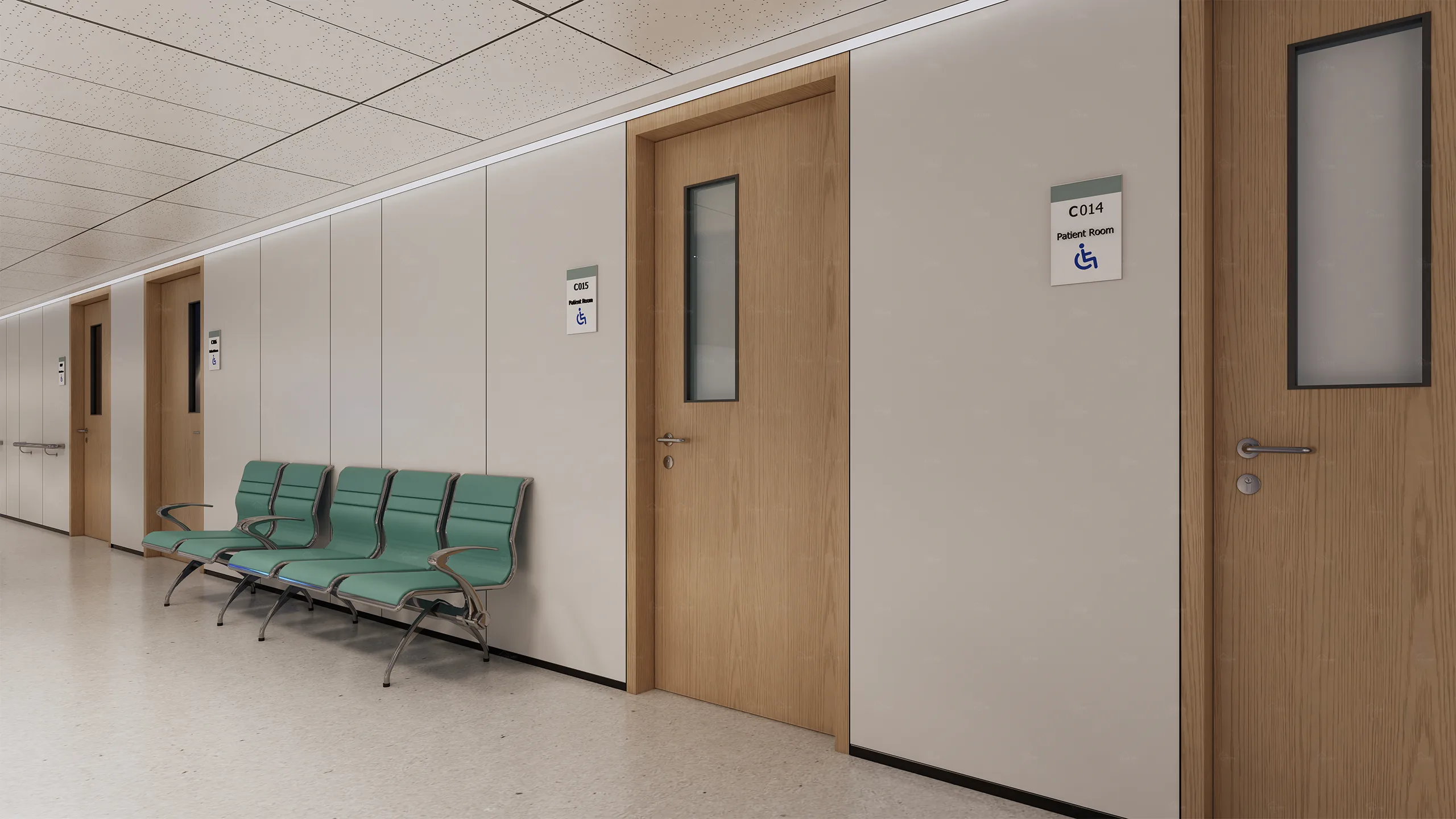
How to Choose the Right Fireproof Door?
Choosing the right fireproof door is an important decision that can impact the safety and security of your property. Fireproof doors are essential for preventing the spread of fire and smoke, giving people more time to escape and minimizing damage. When purchasing a fireproof door, consider several factors to ensure you get the right one for your specific needs. These factors include fire rating, materials, durability, size, and installation considerations.
Factors to Consider When Buying Fireproof Doors
When choosing a fireproof door, several key factors should be considered. These factors will help you find the best door for your building’s specific fire safety needs.
Fire Rating and Duration
One of the most important aspects to consider when purchasing a fireproof door is its fire rating. A fire rating tells you how long the door can withstand fire before it fails. This rating is typically expressed in terms of minutes or hours, ranging from 30 minutes to 2 hours or more. The fire rating you choose will depend on where the door will be installed.
For example, doors installed in high-traffic commercial spaces or areas with greater fire risk may require a higher fire rating, such as 60 minutes or more. Residential properties may only need a lower rating, such as 30 minutes, for less risky areas like bedrooms or hallways. Be sure to choose a fireproof door with a fire rating that meets local building codes and fire safety standards.
Door Material and Durability
The material of the fireproof door is another key consideration. Fireproof doors can be made from various materials, including steel, wood, or composite materials. Each material type has its own benefits.
- Steel Fireproof Doors: These are often the most durable and fire- and impact-resistant. Steel fireproof doors are commonly used in commercial and industrial settings where heavy-duty performance is needed.
- Wooden Fireproof Doors: While wood may not seem like a fire-resistant material, it can be treated with fire-resistant chemicals or built with fire-resistant cores to meet fire safety standards. These doors are often used in residential and low-traffic commercial areas.
- Composite Fireproof Doors: Made from a combination of materials, composite doors often combine the durability of steel with the aesthetic appeal of wood, offering a balance of both fire resistance and design flexibility.
Size and Installation Considerations
The size of the fireproof door is crucial, as it must fit properly into the doorframe to be effective in preventing fire from passing through gaps. Measure the height, width, and thickness of the door opening to ensure the fireproof door will fit correctly. Custom-sized doors may be necessary if your opening doesn’t match standard door sizes.
Additionally, proper installation is key to the door’s effectiveness. Even the best fireproof door will not work if it is not installed correctly. Make sure to hire a professional installer who is experienced with fireproof doors to ensure the door is fitted correctly and meets local fire safety codes.
The installation process may also include sealing the door frame with fire-resistant materials, such as caulking or gaskets, to prevent gaps through which fire or smoke can pass. These extra steps are crucial to the door’s effectiveness in an emergency.
Common Mistakes to Avoid
When purchasing a fireproof door, it’s easy to overlook specific details. However, making the wrong choice can lead to poor performance during an emergency. Here are some common mistakes to avoid when selecting a fireproof door:
Choosing the Wrong Fire Rating
One of the most critical mistakes when buying a fireproof door is choosing the wrong fire rating. Fireproof doors are rated by how long they can withstand fire before failing, and this duration is expressed in minutes or hours. It’s essential to choose a door with a fire rating that meets the specific needs of the area in which it will be installed.
For example, a 30-minute fireproof door might be enough for a small, low-risk area, such as a bedroom. However, high-risk areas such as kitchens, garages, or commercial spaces with higher foot traffic may require a door with a longer fire rating, such as 60 or 90 minutes. Failing to choose the appropriate fire rating can leave your property more vulnerable to fire damage, as the door may not hold up long enough to protect occupants or prevent the spread of fire.
It’s essential to check the specific fire safety regulations for your area to determine the required fire rating for each part of your building. Don’t assume that one fire rating fits all situations. Always consider the level of fire risk in different parts of your property.
Ignoring Compliance and Regulations
Another critical mistake is ignoring local fire safety codes and regulations when choosing a fireproof door. Different regions have specific requirements for fire-rated doors, depending on the type of building, its use, and local fire safety standards. These codes are in place to ensure that buildings are adequately protected in case of a fire.
If you choose a fireproof door that doesn’t comply with local regulations, you could face fines or other legal issues. More importantly, the door might not provide the level of protection required by law. For instance, certain commercial buildings may need doors that meet higher fire-resistance standards than those required for residential homes.
Make sure you’re aware of the applicable fire safety codes before making a purchase. This includes understanding the necessary fire ratings for different types of rooms and areas, as well as any specific door material or installation requirements. Consulting with a fire safety expert or building professional can help ensure your fireproof door meets all local regulations and offers the protection your building needs.
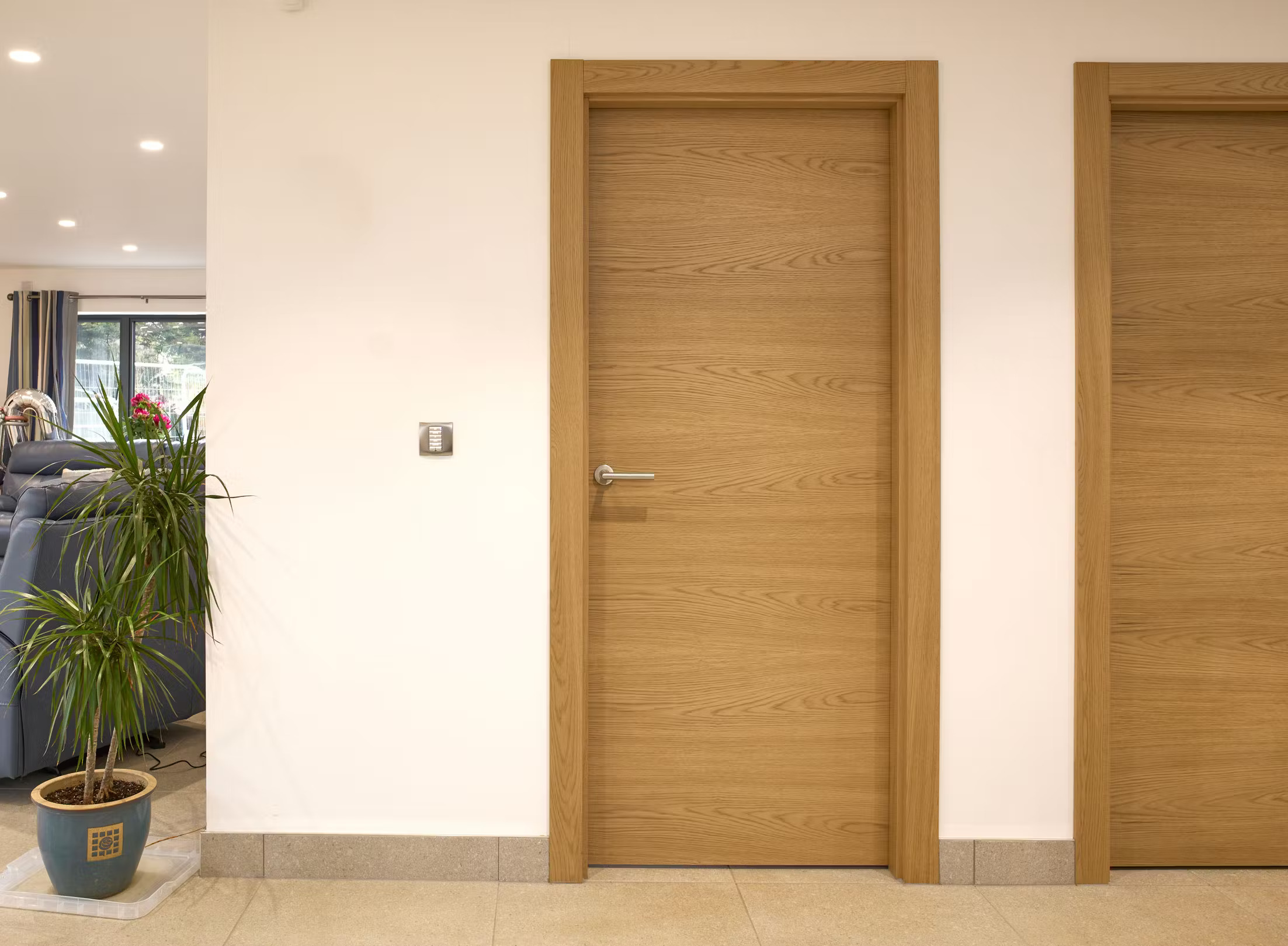
The Importance of Fireproof Doors in Fire Safety Systems
Fireproof doors are a critical component of any building’s fire safety system. These doors are designed to prevent the spread of fire and smoke, helping to protect both people and property. They work by containing the fire within a designated area, allowing time for evacuation and minimizing damage. Understanding how fireproof doors fit into a building’s overall fire safety plan is essential for ensuring comprehensive fire protection.
How Fireproof Doors Fit Into a Building’s Fire Safety Plan?
Fireproof doors are a key element in any fire safety plan because they serve as barriers that limit the spread of fire and smoke. They are strategically placed in areas where they can help contain the fire, such as hallways, stairwells, and between rooms. Fireproof doors are designed to withstand heat for a specific period, which is crucial for maintaining a safe evacuation route.
In a building’s fire safety plan, fireproof doors work alongside other fire safety measures like alarms, sprinklers, and emergency exits. The idea is to create a system that contains the fire long enough for people to exit safely and for fire services to arrive. For example, fireproof doors can prevent the fire from spreading to other parts of the building, allowing people in unaffected areas to evacuate without risking the fire spreading to them.
Building owners and managers must ensure that fireproof doors are correctly maintained, comply with local fire codes, and are installed in the correct locations to maximize their effectiveness. Without a properly integrated fire safety plan, even the best fireproof doors won’t provide the protection needed.
Role in Compartmentalizing Fires
One of the primary purposes of fireproof doors is to compartmentalize fires. In the event of a fire, it’s essential to prevent the fire from spreading throughout the entire building. Fireproof doors help achieve this by creating fire-resistant barriers between building sections. For instance, they may separate a kitchen from the rest of the building or protect stairwells and elevators from smoke.
By compartmentalizing the building, fireproof doors allow people in unaffected areas more time to evacuate and limit the damage to the structure. This compartmentalization also helps prevent the fire from reaching vital areas, such as electrical rooms or hazardous-material storage spaces, which could worsen the situation.
In larger buildings, such as commercial or industrial facilities, fireproof doors are essential for creating multiple fire zones or compartments. Each compartment acts as a haven, limiting the spread of fire and giving fire services more time to contain and extinguish the blaze.
How Fireproof Doors Work with Other Safety Systems?
Fireproof doors don’t work in isolation. They are an integral part of a building’s broader fire safety system, working in tandem with other components such as fire alarms, sprinklers, and smoke control systems.
- Fire Alarms: When a fire is detected, fire alarms alert the building’s occupants and activate other safety systems. Fireproof doors may automatically close when an alarm sounds, sealing off the affected area to prevent the fire from spreading.
- Sprinklers: Sprinkler systems help to control or suppress a fire. Fireproof doors can keep the fire in one area long enough for the sprinklers to reduce its intensity.
- Smoke Control Systems: Smoke is one of the most dangerous aspects of a fire. Fireproof doors help contain smoke, preventing it from spreading throughout the building and allowing people to move to safer areas. In some buildings, smoke control systems work in conjunction with fireproof doors to channel smoke away from evacuation routes.
Maintaining Fireproof Doors for Maximum Efficiency
Fireproof doors need to be maintained to ensure they provide the level of protection for which they are designed. Regular upkeep is essential to ensure that the doors remain in top condition, ready to perform in the event of a fire. Without proper maintenance, the effectiveness of fireproof doors can be compromised, leaving your property at greater risk. Here are the key aspects of maintaining fireproof doors.
Regular Inspections and Upkeep
One of the most critical steps in maintaining fireproof doors is conducting regular inspections. Fireproof doors should be checked periodically to ensure they remain in good working condition. Inspections help identify any signs of wear and tear, damage, or malfunction that could affect the door’s performance during a fire.
Key areas to inspect include:
- Seals and Gaskets: The seals around the door frame help prevent smoke and heat from escaping. Check for cracks, gaps, or deterioration, as damaged seals can allow fire or smoke to spread beyond the door.
- Hinges and Hardware: The door’s hardware, including hinges, locks, and closing mechanisms, should be checked to ensure they are operating correctly. Malfunctioning hardware can prevent the door from closing properly or cause it to fail in an emergency.
- Surface Condition: Look for signs of corrosion, scratches, or dents, as these could weaken the door’s structure. Fireproof doors should have an intact surface to maintain their integrity.
- Door Closer: Ensure that the door closer is working correctly. This mechanism ensures the door closes automatically after opening, creating a tight seal to contain fire and smoke.
Upgrading and Replacing Fireproof Doors
Over time, fireproof doors can wear out or become outdated as fire safety technology and building codes advance. It’s essential to assess whether fireproof doors need periodic upgrading or replacement.
Upgrading may involve adding new features to improve the door’s fire rating, enhancing its insulation properties, or replacing damaged parts. For example, if the door’s seals or hardware are no longer effective, these components can be replaced to improve performance. Upgrading fireproof doors to meet the latest fire safety standards ensures your building remains compliant and adequately protected.
In some cases, fireproof doors may need to be replaced entirely. If the door has suffered significant damage, such as severe warping, rusting, or cracking, it may no longer be effective at resisting fire. Additionally, if the door is outdated and no longer meets current fire-rating standards, replacing it with a newer, more efficient model is crucial to maintaining safety.
When replacing a fireproof door, it’s essential to choose one that fits the specific needs of the building. Factors such as fire rating, material, and installation requirements should all be considered. Ensure that the new door complies with local fire safety codes and offers the necessary level of protection for the area it will serve.

Fireproof Door Standards and Certifications
When selecting a fireproof door, it’s crucial to ensure that it meets the necessary national and international standards. These standards ensure the door performs as expected in a fire emergency, providing vital protection. Fireproof doors undergo rigorous testing to ensure they can withstand heat, smoke, and pressure for specified periods. Understanding the relevant standards and certifications is essential for choosing the right fireproof door that complies with safety regulations.
National and International Standards
Fireproof doors must meet specific standards to withstand the extreme conditions of a fire. These standards vary from country to country, but they all share the goal of protecting life and property during a fire. Let’s look at some of the most widely recognized industry standards.
NFPA and UL Standards for Fireproof Doors
In the United States, two of the most important organizations for fire safety are the National Fire Protection Association (NFPA) and Underwriters Laboratories (UL).
- NFPA Standards: The NFPA provides detailed guidelines for the installation, maintenance, and testing of fireproof doors. NFPA 80 is the primary standard for fire doors and fire window assemblies. It outlines requirements for the installation, maintenance, and operation of fire doors to ensure they perform effectively during a fire.
- UL Standards: Underwriters Laboratories (UL) is a global safety certification organization that tests and certifies products for fire resistance. UL 10B and UL 10C are the two main fire testing standards for fireproof doors. These standards test the door’s ability to resist fire and smoke, ensuring that it can withstand a fire for a specified duration (usually 20 minutes to 3 hours, depending on the door rating).
European Fire Standards
In Europe, fireproof doors are tested according to the EN 1634-1 standard. This standard is widely used across the European Union and provides a comprehensive framework for testing the fire resistance of building products, including doors, walls, and other structural elements.
EN 1634-1 outlines how fireproof doors should be tested for their ability to withstand fire exposure and prevent the spread of smoke. The test measures the door’s ability to stay intact under heat and pressure, simulating real-life fire conditions. Fireproof doors tested under this standard are rated based on their performance, typically expressed in hours (e.g., 30 minutes, 60 minutes).
EN 1634-1 ensures that fireproof doors in Europe provide reliable protection during a fire, helping to keep buildings safe and minimize fire damage. Manufacturers and building owners in Europe need to ensure that their fireproof doors comply with this standard.
Australia Fire Standards
In Australia, fireproof doors are tested and certified to AS 1905.1, which is part of the broader suite of Australian standards for fire safety. This standard specifies the requirements for fire-resistant doors and windows in buildings, ensuring they provide the necessary protection in the event of a fire.
AS 1905.1 outlines various fire-resistance levels (FRLs) for doors, which measure the door’s ability to withstand fire, heat, and smoke. The FRL is expressed in minutes for each of the three components:
- Integrity (E): The door’s ability to prevent the passage of flames and hot gases.
- Insulation (I): The door’s ability to limit temperature rise on the unexposed side.
- Stability (S): The door’s ability to maintain its structural integrity under fire conditions.
How to Ensure Your Fireproof Door Meets Regulations?
In conclusion, ensuring that fire doors are fully functional and well-maintained is critical for the safety of any building. By performing regular checks, following fire door maintenance tips, and knowing what to do when a door is faulty, you can ensure that your building remains safe and compliant with fire safety regulations.
1. Check for Certification Marks
One of the first things to check when purchasing a fireproof door is whether it has the necessary certifications. Look for certification marks from recognized safety organizations, such as Underwriters Laboratories (UL) in the U.S., NFPA standards, or European Union certifications like EN 1634-1. These marks indicate that the door has undergone rigorous testing to ensure it can withstand fire for a specified period.
Certified fireproof doors will have a label or stamp showing the fire rating, indicating how long the door can withstand fire exposure (e.g., 30 minutes, 60 minutes, etc.). Make sure that the door has passed the tests specified by the relevant standards in your country or region.
2. Verify Compliance with Local Building Codes
Every country and region has its own set of building codes and regulations concerning fire safety. In the U.S., for instance, fireproof doors must comply with NFPA 80 for installation and maintenance, while in Europe, they must meet EN 1634-1. It’s essential to familiarize yourself with your area’s specific fire safety regulations to ensure that your fireproof door meets the required standards.
Building codes often specify the required fire rating for different areas of a building, such as stairwells, kitchen doors, or fire exit routes. Consulting local building codes will help you determine the required fire-resistance rating for your fireproof door and ensure it complies with the law.
3. Work with a Reputable Supplier
To avoid issues with non-compliant doors, it’s essential to buy your fireproof door from a reputable manufacturer or supplier. Choose companies that are known for producing high-quality, certified fireproof doors that meet all relevant safety standards. A reliable supplier will be able to provide documentation of the door’s fire rating and any certifications it has received.
Before purchasing, request documentation or testing reports to confirm that the fireproof door meets the required safety standards. A reputable supplier will also be familiar with local building codes and can help you select the appropriate door for your needs.
4. Ensure Proper Installation
Even the highest-quality fireproof door can fail if it’s not installed correctly. Proper installation is key to ensuring that the door performs as expected during a fire. When installing a fireproof door, make sure that it is fitted correctly, with no gaps or misalignments, as even small gaps can allow fire and smoke to pass through.
It’s best to hire a professional installer who is familiar with fire safety codes and installation procedures. The installer should follow the manufacturer’s instructions closely and use the correct materials, such as fire-resistant seals and hardware, to ensure the door is fully functional.
5. Perform Regular Inspections and Maintenance
After installing your fireproof door, regular inspections and maintenance are essential for keeping it in top condition. Fireproof doors should be checked regularly for any signs of damage or wear, such as cracked seals, rust, or faulty hinges. Maintaining the door’s integrity ensures it will perform as intended during an emergency.
Make sure to follow the manufacturer’s maintenance guidelines, and consider scheduling annual inspections with a certified fire safety professional. Regular maintenance helps identify potential issues before they become major problems and ensures the door remains compliant with fire safety regulations.
6. Stay Updated on Changing Regulations
Fire safety regulations can change over time, so it’s essential to stay informed about any updates that may affect your fireproof door requirements. New building codes or safety standards may be introduced, especially after significant fire events. Being aware of these changes ensures that your fireproof door remains compliant and provides the best possible protection.

Relate FAQ
What is a fire door?
A fire door is a specialized door designed to resist the spread of fire and smoke between different areas of a building. These doors are an essential part of a building's fire safety strategy, typically made with materials like metal or fire-resistant timber. Fire doors are equipped with seals, hinges, and closing mechanisms that ensure they perform well during a fire, helping to protect people and property.
How do fire doors work?
Fire doors function by preventing the passage of flames and smoke to other parts of the building, allowing more time for occupants to evacuate safely. When a fire occurs, the fire door closes automatically and forms a barrier between the fire and unaffected areas. This stops or slows the spread of the fire, minimizing damage and increasing safety for building occupants.
What are the key components of a fire door?
The essential components of a fire door include:
- Fire-resistant Door Leaf: This is the main part of the door, designed to withstand high temperatures.
- Frame: The frame holds the door and provides structural integrity.
- Seals: Intumescent seals expand when exposed to heat, helping to block gaps around the door.
- Hinges, Handles, and Locks: All fittings must be fire-resistant and properly installed to ensure the door's effectiveness during a fire.
- Closer Mechanisms: These devices ensure the door automatically closes after being opened, preventing it from staying ajar during an emergency.
What fire rating should a fire door have?
The fire rating of a fire door refers to the amount of time it can withstand fire exposure before failing. Fire doors typically come with ratings such as 30 minutes (FD30), 60 minutes (FD60), or 120 minutes (FD120). The required fire rating depends on the building's specific fire safety plan and regulations. It is important to choose a fire door with an appropriate rating based on the building's needs.
How do I maintain a fire door?
Maintaining a fire door is critical to ensure it functions properly in an emergency. Key maintenance tasks include:
- Regularly checking that the door closes properly and forms a tight seal.
- Ensuring that the door is not propped open, as this can compromise its performance.
- Inspecting hinges, locks, and seals for any damage.
- Ensuring that the door is free from any obstructions that may prevent it from closing properly.
Can a fire door be installed in any building?
Fire doors can be installed in both residential and commercial buildings, including offices, apartments, schools, hospitals, and industrial settings. However, the installation must comply with local building regulations, which dictate the type of fire doors needed based on the building's layout, use, and fire safety requirements. It’s essential to consult with a professional when installing a fire door to ensure it meets safety standards.
Why are fire doors important for building safety?
Fire doors play a crucial role in building safety by slowing the spread of fire and smoke. This gives occupants more time to escape and allows firefighters to do their job effectively. Without fire doors, fire can spread quickly throughout a building, putting lives and property at greater risk. They are part of a comprehensive fire safety system that includes alarms, sprinklers, and emergency exits.