What are common applications for fire doors in commercial buildings?

Why Fire Doors Matter in Commercial Buildings?
Fire doors are a critical part of a building’s fire protection system. In commercial buildings, where people work, shop, or stay, safety is a top priority. Fire doors help prevent the spread of fire, protect people, and ensure a safer environment for everyone. These doors are specifically designed to withstand heat and flames for a set period, giving people enough time to evacuate or for fire services to respond.
By compartmentalising the building, fire doors slow the spread of fire between areas, limiting damage and protecting property. Moreover, they help keep escape routes clear, providing occupants with a safe path to exit the building in an emergency.
What is a Fire Door?
A fire door is a specially designed door that helps contain a fire within a specific area of a building. Unlike regular doors, fire doors are built with materials that can withstand high temperatures for a particular period—usually 30, 60, or even 90 minutes. This means they play a crucial role in fire prevention by slowing down the fire’s progress and giving people more time to escape.
Fire doors are usually made of fire-resistant materials such as steel, wood, or a combination of both. They are equipped with special seals and hardware to prevent smoke and flames from escaping. This is vital because smoke can spread faster than fire and cause injuries or even death.
In commercial buildings, fire doors are often installed in corridors, stairwells, and between departments or units. They are essential in places where large numbers of people are gathered, such as shopping malls, hospitals, and office buildings.
Importance of Fire Doors in Building Safety
Fire doors are essential for building safety because they act as barriers that contain fire and smoke, preventing them from spreading throughout the building. This is crucial because fire can spread quickly through open spaces, and without fire doors, a small blaze can become a devastating event.
One of the primary functions of fire doors is to create “fire compartments.” These compartments limit the spread of fire to specific areas, allowing time for evacuation and fire suppression efforts. In commercial buildings, this containment is essential as it helps protect both people and valuable property.
In addition to containing fires, fire doors also play a key role in saving lives. In many commercial buildings, fire doors are part of the building’s fire escape plan. They ensure that escape routes remain clear and safe, allowing people to evacuate without encountering smoke or flames. Without fire doors, escape routes can become blocked, increasing the risk of injury or death.
Fire doors are also required by building codes and regulations. Many commercial properties must meet safety standards to comply with local fire safety laws. Installing fire doors is not just a smart safety measure, but also a legal requirement in most jurisdictions.
Lastly, fire doors contribute to the overall integrity of a building’s fire safety strategy. They work alongside fire alarms, sprinklers, and other fire prevention measures to ensure that, in the event of a fire, the damage is minimized, and people can get out safely.

Key Applications of Fire Doors in Commercial Buildings
Fire doors are used in various commercial settings to enhance safety and meet regulations. One of the most common areas where fire doors are applied is office spaces. These doors are essential in creating safe, functional environments that protect both employees and the building itself in the event of a fire.
Fire Doors in Office Spaces
In office buildings, fire doors serve multiple essential functions. These spaces often have large open areas and numerous employees, making fire safety a top concern. Fire doors help compartmentalise these large areas, reducing the spread of fire and smoke that could otherwise travel rapidly through open spaces. By limiting the fire’s spread, fire doors give people more time to evacuate and emergency services more time to arrive.
Fire doors are significant in office buildings that house sensitive areas such as server rooms, supply rooms, or meeting spaces. These doors help to keep fire isolated in one section, preventing it from destroying equipment or spreading to other offices. For example, if a fire breaks out in a storage area, a fire door can protect the rest of the building, including workstations, from the damage.
Protecting Work Areas and Common Areas
Work and common areas in office buildings require special protection against fire hazards. In many offices, employees work closely together in large, shared spaces. Fire doors help protect these areas by preventing the spread of fire and smoke, ensuring that employees can safely exit the building.
In addition to protecting work areas, fire doors also provide security for common areas like hallways, stairwells, and elevators. These areas are critical evacuation routes, and fire doors keep these paths clear of fire and smoke, making them safer for people to use during an emergency.
For example, fire doors are often installed in office building hallways to separate departments or sections. These doors create fire-resistant barriers that prevent flames from traveling from one area to another, giving employees more time to evacuate safely.
Meeting Building Code Requirements
Building codes and safety regulations are in place to ensure that office buildings provide a safe environment for workers. Fire doors are not just a safety measure—they are also a requirement in many areas. Commercial properties, including office buildings, must comply with local fire safety standards that require the installation of fire doors in key locations.
These requirements are typically outlined in national and local building codes, which specify where fire doors must be installed, the required fire resistance rating, and the maintenance standards for these doors. By following these codes, building owners ensure compliance with fire safety regulations and avoid potential fines or legal issues.
In office buildings, fire doors are commonly required in high-traffic areas, such as hallways and corridors, as well as in areas particularly vulnerable to fire, such as kitchens or electrical rooms. These codes are designed to reduce the risk of fire damage and improve overall safety for office employees and visitors.
Summary
In conclusion, fire doors play a crucial role in protecting work areas and common areas in office buildings. They help prevent the spread of fire, safeguard employees, and ensure that the building meets fire safety regulations. Installing fire doors is not just a safety precaution—it’s a legal requirement that helps maintain a safe, compliant working environment.

Fire Doors in Healthcare Facilities
In healthcare facilities, fire doors serve multiple purposes. They help to separate areas within the building, limit fire damage, and provide safe evacuation routes for patients and staff. Healthcare facilities are often large, with many rooms and departments, so fire doors act as barriers that prevent fire and smoke from spreading throughout the building.
Fire doors in hospitals and medical centers are designed to meet specific fire-resistance standards. These doors are installed in high-risk areas, such as corridors, stairwells, and rooms that contain sensitive equipment. By creating fire-resistant zones, fire doors allow healthcare facilities to maintain critical operations while minimizing the potential impact of a fire.
Protecting Sensitive Medical Areas
Healthcare facilities contain many sensitive areas that must be protected in the event of a fire. These areas include operating rooms, emergency departments, medical storage rooms, and laboratories. Sensitive medical equipment and patient care areas are often located in these rooms, and fire could cause irreparable damage or disrupt essential medical services.
Fire doors help protect these areas by creating fire-resistant barriers that prevent flames and smoke from spreading. For example, an operating room where surgeries are performed must be kept free of smoke and fire. Installing fire doors in these critical areas ensures that, if a fire breaks out in another part of the building, it won’t jeopardise patient safety or disrupt vital procedures.
Ensuring Patient and Staff Safety
Ensuring the safety of patients and staff in a healthcare facility is a top priority. Fire doors play an essential role in this by keeping evacuation routes clear and safe. In case of a fire, it’s crucial that patients and staff can quickly and safely exit the building. Fire doors help to achieve this by protecting stairwells, hallways, and exits from fire and smoke, ensuring that these routes remain usable during an emergency.
For patients who are unable to evacuate on their own, fire doors provide additional protection. They allow staff more time to assist patients with special needs, such as those in wheelchairs or bedridden. By containing the fire to specific areas, fire doors make it easier for emergency responders to access different parts of the building and safely evacuate people.
In addition to protecting people, fire doors in healthcare facilities also help limit property damage. Medical equipment is expensive, and protecting it from fire damage can prevent significant financial losses. For instance, fire doors can prevent fire from spreading to areas such as medical storage rooms, where essential supplies and equipment are kept.
Summary
In conclusion, fire doors are vital in healthcare facilities, ensuring both the safety of people and the protection of sensitive areas. They help contain fire and smoke, protect critical medical equipment, and provide safe evacuation routes for patients and staff. Installing fire doors in healthcare settings is not just a safety measure; it is a necessity to ensure the facility operates smoothly and safely in any emergency.
Fire Doors in Hotels and Hospitality
In hotels and hospitality buildings, fire doors are critical for providing a safe environment for guests and staff. These buildings often contain multiple rooms, common areas, restaurants, and other spaces where people gather. Fire doors act as barriers to prevent the rapid spread of fire, allowing time for everyone to evacuate safely and for fire services to respond.
These doors are installed in key areas throughout the hotel, including hallways, stairwells, and between guest rooms. By dividing the building into smaller, fire-resistant compartments, fire doors help reduce damage from a fire and prevent it from spreading quickly throughout the property.
Separating Guest Rooms from Corridors
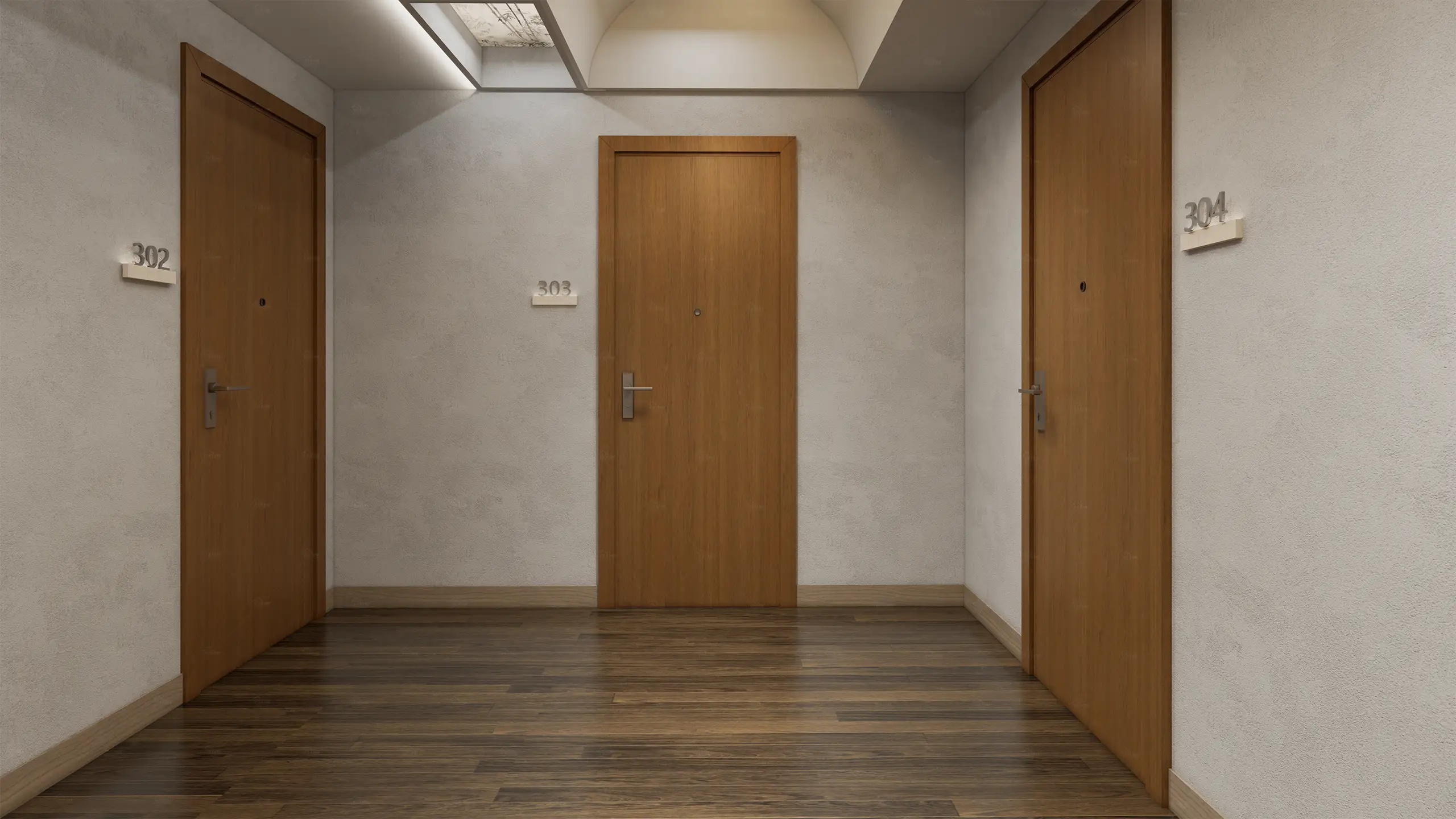
One of the most critical applications of fire doors in hotels is to separate guest rooms from common areas like corridors and stairwells. Guest rooms are where people sleep and spend time, making it critical to prevent fire and smoke from entering these areas. Fire doors in the corridors act as barriers, protecting guest rooms from smoke and flames if a fire breaks out elsewhere in the hotel.
These fire doors are typically installed at the entrance of each guest room, facing the hallway. They are designed to resist fire and smoke for a set period, giving guests time to evacuate safely. In hotels with multiple floors, fire doors are also essential for keeping stairwells clear of smoke and flames, allowing guests and staff to exit the building safely.
In addition, fire doors can help limit damage to hotel rooms and furniture. By containing the fire, these doors prevent it from spreading to several rooms at once, reducing repair costs and keeping the damage localised.
Managing Evacuation Routes
In the event of a fire, managing evacuation routes is crucial to ensuring the safety of all individuals in the building. Fire doors help facilitate this process by protecting hallways, staircases, and exit doors. These doors act as barriers to smoke and fire, allowing people to use these routes safely without being exposed to dangerous conditions.
In large hotels or resorts, where hundreds or even thousands of guests and staff might need to evacuate, these routes must remain clear and accessible. Fire doors help keep these pathways safe by limiting the spread of fire to other areas of the building. They are essential in places like stairwells, which are commonly used for evacuation. Without fire doors, stairwells can quickly become filled with smoke or flames, making it difficult for people to escape.
By containing fire and smoke, fire doors give guests and staff time to evacuate the building to safety. Fire doors are also required by law in many places, helping hotels meet fire safety regulations and ensure compliance with building codes.
Summary
In conclusion, fire doors are vital in hotels and hospitality venues. They protect guest rooms from fire and smoke, and they help ensure that evacuation routes remain clear and safe. Installing fire doors in key areas of the hotel not only enhances safety but also helps protect guests, staff, and the property in the event of a fire.
Fire Doors in Retail and Shopping Centers
In retail spaces, fire doors serve multiple purposes, primarily to protect shoppers and staff. Shopping centers and retail outlets often have large, open spaces with high foot traffic. Fire doors help to separate these areas into smaller, fire-resistant zones, reducing the risk of fire spreading quickly through the building.
These doors are typically installed in strategic locations, such as between different stores, in corridors, and around service areas. By doing so, fire doors can help contain a fire in one section, allowing people more time to evacuate and reducing damage to other parts of the building. They are essential in multi-level shopping centers, where fire doors help maintain clear escape routes and protect stairwells from fire and smoke.
Preventing Fire Spread Between Stores
One of the most critical applications of fire doors in shopping centers is preventing the spread of fire between stores. Retail environments often feature various stores close together, with shared walls or open passageways. If a fire breaks out in one store, it can quickly spread to nearby stores, causing significant damage and endangering lives.
Fire doors help to limit this risk by acting as fire barriers. They are typically installed in the corridors or in shared walls between stores. These doors contain the fire in one area, preventing it from spreading to other stores and giving customers and staff more time to safely evacuate.
For example, in a large shopping mall, fire doors are used to divide the mall into separate fire zones. If a fire occurs in one zone, the fire doors stop it from spreading, ensuring that other stores remain safe. This compartmentalisation is crucial in large shopping centres, where fire could otherwise spread quickly from one store to the next, causing widespread damage.
Securing Storage Areas and Service Rooms
Retail and shopping centers also house critical storage areas and service rooms that require extra protection. These spaces often store valuable inventory, equipment, and supplies essential to daily operations. A fire in these areas can not only damage goods but also disrupt business operations and cause significant financial losses.
Fire doors help protect these storage areas by providing a fire-resistant barrier. They are typically installed in areas such as stockrooms, warehouses, and service rooms where flammable materials or valuable inventory are stored. These doors ensure that a fire in one part of the building doesn’t spread to these critical areas.
In addition to protecting inventory, fire doors also secure staff-only areas where electrical equipment, cleaning supplies, or other potentially hazardous materials may be stored. By containing fire, fire doors protect both the building and the business from unnecessary loss.
Summary
In conclusion, fire doors are essential in retail and shopping centers. They prevent the spread of fire between stores, protect valuable inventory, and secure critical service areas. By installing fire doors in key locations, retail businesses can ensure the safety of their customers and staff while also protecting their property from the devastating effects of fire.
Specific Features and Benefits of Fire Doors in Commercial Settings
Fire doors are essential for maintaining safety in commercial buildings. They are designed to prevent the spread of fire and smoke, providing critical protection for people, property, and assets. Understanding the key features and benefits of fire doors is crucial for businesses that want to comply with safety regulations and ensure the well-being of employees and customers.
Fire Door Ratings and Standards
Fire doors must meet specific safety standards to be effective in containing fire and smoke. These ratings are determined based on the materials used in the door and how long it can withstand heat and flames. Commercial buildings must install fire doors that comply with local building codes and fire safety regulations to ensure that they provide proper protection in the event of a fire.
Fire door ratings are expressed in terms of time, typically ranging from 30 minutes to 90 minutes or more. This indicates how long the door can resist the passage of fire before it fails. The longer the rating, the more time the fire door provides for occupants to evacuate and for emergency responders to control the situation.
Understanding Fire Resistance Ratings
Fire resistance ratings are an important feature of fire doors because they determine how effectively the door resists the spread of fire. The fire resistance rating refers to the amount of time a fire door can withstand exposure to fire without failing. Fire doors are rated based on their ability to resist flames, heat, and smoke, which can spread quickly and cause significant damage.
The most common fire resistance ratings for fire doors are 30-minute, 60-minute, and 90-minute ratings. A 30-minute fire door is suitable for areas with lower fire risk, while a 60-minute or 90-minute door is required for areas with higher fire risk or greater fire loads.
For example, fire doors in areas such as corridors, stairwells, or between departments in a commercial building are often rated for 60 minutes. This ensures that if a fire breaks out in one part of the building, the door will give people enough time to evacuate and for the fire service to respond. The fire door rating will vary depending on the specific needs of the building and the level of fire risk in different areas.
Importance of Proper Installation
Proper installation of fire doors is crucial to ensure they perform effectively in an emergency. Even the best fire doors won’t provide the protection they are designed for if they aren’t installed correctly. Fire door installation must comply with specific safety guidelines and building codes, and it’s essential to hire professionals who have experience in this type of work.
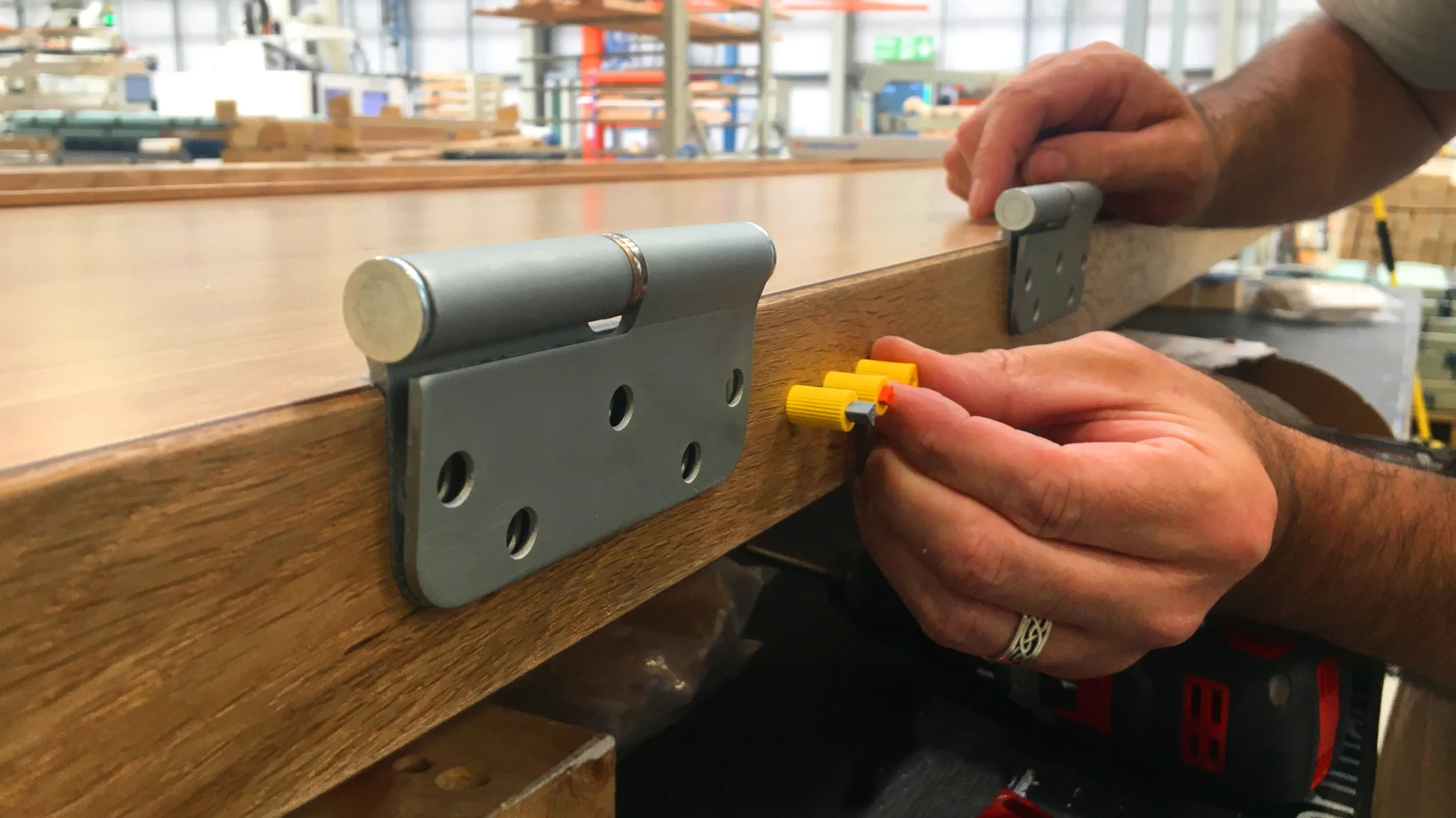
The installation process involves ensuring that the fire door is fitted correctly within the frame and that all seals, hinges, and other components are in place. Proper seals are critical because they prevent smoke from escaping through the edges of the door, a feature that can be as important as fire resistance in a fire emergency. If the door isn’t correctly aligned or sealed, smoke and heat can spread quickly, undermining its effectiveness.
In addition, the hardware used on fire doors, such as self-closing mechanisms and locks, must meet specific standards. These features help ensure that the door stays closed during a fire, preventing the spread of fire and smoke. Regular maintenance and inspections are also necessary to ensure the door remains in good working order and can provide the protection it’s meant to offer.
Summary
In conclusion, understanding fire door ratings and standards is key to selecting the right doors for your commercial building. Proper fire door installation ensures the door functions as intended, providing effective protection and helping businesses comply with fire safety regulations. Investing in high-quality fire doors and ensuring they are installed and maintained correctly can save lives and protect your property in the event of a fire.
Materials Used in Fire Doors
Fire doors are made from different materials, each offering unique features to enhance safety and performance. The most common materials used in fire doors are steel and wood. Both have their advantages and disadvantages, and the choice between them depends on the specific needs of the building, the required level of fire resistance, and aesthetic preferences.
Each material has its own set of benefits that make it suitable for different environments. Steel fire doors are known for their strength and fire resistance, while wooden fire doors offer a more natural appearance and are often used in buildings with specific design needs.
Steel and Wood Fire Doors
Steel Fire Doors
Steel fire doors are widely used in commercial buildings due to their durability and excellent fire resistance. Steel is a non-combustible material that can withstand extremely high temperatures, making it an ideal choice for areas with higher fire risk. These doors are typically used in industrial settings, corridors, and places where heavy-duty protection is needed.
Steel fire doors are designed to meet specific fire-resistance ratings, ranging from 30 minutes to 90 minutes or more. They are built to last and can provide a strong barrier against fire and smoke. Additionally, steel doors are often fitted with advanced sealing systems to prevent smoke from escaping through gaps.
Wooden Fire Doors
Wooden fire doors are a popular choice in commercial buildings that require both fire safety and aesthetic appeal. These doors are made from solid wood or a combination of wood and other materials, providing a natural look that suits offices, hotels, and other environments where design is important.
While wood is a combustible material, modern wooden fire doors are specially treated to meet fire-resistance standards. They are often fitted with fire-resistant cores, such as mineral cores or composite materials, which enhance their fire resistance. Wooden fire doors are suitable for areas where appearance matters but still require reliable fire protection.

Pros and Cons of Different Materials
Pros of Steel Fire Doors
- Fire Resistance: Steel fire doors have superior fire-resistant properties, often lasting longer in a fire than wooden doors.
- Durability: Steel is a very strong material, resistant to damage from physical impact, wear, and tear.
- Low Maintenance: Steel doors are easy to maintain and can last a long time with minimal upkeep.
- Security: Steel doors provide enhanced security, making them a good choice for areas that require high protection, such as data rooms or storage areas.
Cons of Steel Fire Doors
- Aesthetic Limitations: Steel doors may not fit well in environments that require a natural or decorative appearance.
- Weight: Steel doors are heavier than wooden doors, which may require additional support and hardware.
- Corrosion Risk: While steel is durable, it can rust if not properly coated or maintained, especially in humid or coastal environments.
Pros of Wooden Fire Doors
- Aesthetic Appeal: Wooden doors are often chosen for their natural look, which can complement a wide range of architectural styles.
- Versatility: Wooden fire doors can be designed to suit various design preferences, offering greater flexibility in appearance than steel doors.
- Better Insulation: Wood provides better sound and temperature insulation, which may be important in specific environments.
Cons of Wooden Fire Doors
- Lower Fire Resistance: While modern wooden fire doors are effective, they typically do not offer the same level of fire resistance as steel doors.
- Maintenance Needs: Wooden doors require more maintenance than steel, including periodic refinishing and sealing to prevent damage.
- Vulnerability to Moisture: Wood can warp, crack, or swell when exposed to moisture, reducing the door’s effectiveness and longevity.
Summary
In conclusion, both steel and wood have their advantages and disadvantages for fire doors. Steel fire doors offer superior fire resistance, durability, and security, making them ideal for high-risk areas. On the other hand, wooden fire doors offer a more aesthetically pleasing option while still providing adequate fire protection, especially in areas where appearance is essential. Choosing the right material for fire doors depends on the specific needs of the commercial building, including fire safety, design, and maintenance requirements.
How Fire Doors Contribute to Safety and Compliance?
Fire doors are more than just a safety feature; they are an essential component of building compliance in commercial properties. Fire doors help prevent the spread of fire, protect occupants, and ensure that a building meets fire safety regulations. Understanding how fire doors contribute to safety and compliance can help building owners, managers, and tenants ensure they’re doing their part to protect lives and property.
Fire Doors and Building Code Compliance
Fire doors play a crucial role in ensuring that buildings comply with fire safety codes and regulations. Building codes are laws set by local, state, or national authorities that specify the safety measures required in commercial buildings. These codes are designed to protect people and property from the dangers of fire, and fire doors are a key element in meeting these safety standards.
In many places, building codes require that fire doors be installed in specific locations, such as corridors, stairwells, and areas that separate different sections of a building. These codes also outline the required fire resistance rating for the doors, which typically ranges from 30 minutes to 90 minutes or more. By installing fire doors that meet these regulations, building owners can ensure compliance with the law and keep their buildings safe.
Legal Requirements for Fire Doors
The legal requirements for fire doors vary depending on the location and type of building. In commercial buildings, these requirements are usually set by national or local fire safety regulations. For example, the National Fire Protection Association (NFPA) in the United States, or the Building Regulations in the UK, have specific rules regarding the installation and maintenance of fire doors.
Fire doors are required in areas that pose a higher risk of fire or where large numbers of people gather. In office buildings, shopping centers, hotels, and healthcare facilities, fire doors are often mandated by law in hallways, exit routes, and between rooms or departments. These doors must meet specific fire-resistance ratings, such as 30-, 60-, or 90-minute ratings, depending on the fire load and risk in different areas of the building.
Additionally, fire doors must be installed in accordance with the building code. This includes ensuring proper sealing around the door, installing self-closing mechanisms, and properly labelling and maintaining the door. Failure to comply with these legal requirements can result in penalties or other legal consequences for the building owner.
Avoiding Fines and Penalties
Failing to comply with fire safety regulations, including fire door installation and maintenance, can lead to significant fines and penalties. In many jurisdictions, fire safety inspections are conducted regularly to ensure that buildings comply with safety codes. If a building fails an inspection due to inadequate or improperly installed fire doors, the owner may face penalties ranging from fines to mandatory closures.
These fines can be costly, and in some cases, non-compliance could result in more severe consequences, such as insurance claims being denied or even legal action taken if an incident occurs. For instance, if a fire breaks out in a building and fire doors fail to perform as required by law, the building owner may be held responsible for negligence. This could lead to lawsuits, further fines, and damage to the company’s reputation.
By investing in fire doors that meet legal requirements and ensuring they are correctly installed and maintained, building owners can avoid these costly penalties. Regular inspections and maintenance checks can also ensure that fire doors remain functional and compliant with building codes.
Summary
In conclusion, fire doors are not only essential for protecting people and property but also for ensuring compliance with fire safety regulations. Legal requirements for fire doors vary by location, but they are critical for complying with building codes and avoiding fines or penalties. Building owners should prioritise installing and maintaining fire doors to ensure safety and compliance, preventing legal trouble while providing a secure environment for everyone in the building.
The Role of Fire Doors in Fire Prevention and Evacuation
Fire doors are designed to create fire-resistant compartments within a building. These compartments help slow the spread of fire, reduce damage, and give people more time to escape safely. The role of fire doors extends beyond simply preventing fire from moving through a building; they are also key to maintaining clear evacuation routes during an emergency.
By compartmentalising the building, fire doors prevent fire and smoke from reaching vital areas, such as escape high-occupancy routes and regions. This gives everyone more time to evacuate the building before the fire spreads. Fire doors also help to prevent fire from reaching hazardous materials or equipment, which could make the situation worse.
How Fire Doors Slow Down Fire Spread?
One of the most critical functions of fire doors is to slow down the spread of fire. When a fire starts in a building, it can spread quickly if there are no barriers in place. Fire doors are specifically designed to contain the fire within a specific area for a set period—usually 30, 60, or 90 minutes—depending on their fire resistance rating. This gives people inside the building more time to evacuate and prevents the fire from spreading to other parts of the building.
Fire doors are made from materials that can withstand high temperatures, such as steel, and are equipped with special seals that prevent smoke and flames from passing through the edges. This helps to contain the fire, keeping it isolated in one area. By preventing the fire from spreading to other parts of the building, fire doors reduce overall damage and increase the likelihood of a safe evacuation.
For example, in a multi-story office building, fire doors in corridors and stairwells help contain fire to a single section of the building. This containment prevents the fire from traveling through the hallways and reaching other floors, giving people on upper levels more time to exit safely.
Helping Safe Evacuation During Emergencies
Fire doors also play a critical role in ensuring safe evacuation during emergencies. When a fire breaks out, one of the most critical tasks is to ensure that everyone can evacuate quickly and safely. Fire doors help maintain clear escape routes by preventing fire and smoke from blocking the way.
In commercial buildings, fire doors are often installed in hallways, stairwells, and at exits. These doors keep fire and smoke from entering these critical escape routes, allowing people to leave the building without encountering danger. Fire doors can also help create a safer path by isolating areas of the building that are more vulnerable to fire, such as storage rooms or kitchens.
For example, in a hotel, fire doors are typically installed between guest rooms and corridors. If a fire occurs in a guest room, the fire door helps prevent the smoke and flames from spreading into the hallway, allowing guests to evacuate to a fire exit safely. Fire doors are also equipped with self-closing mechanisms, ensuring they remain closed during a fire and helping keep escape routes safe.
In some cases, fire doors also have smoke seals that help prevent the spread of smoke, which is often more dangerous than the fire itself. By keeping smoke from spreading into hallways or stairwells, fire doors make it easier for people to breathe and escape safely.
Summary
In conclusion, fire doors are an essential part of fire prevention and safe evacuation during emergencies. By slowing down the spread of fire and smoke, they help create safe, clear evacuation routes and give building occupants the time they need to get out safely. Fire doors not only protect lives but also reduce property damage, making them a crucial investment for building safety and compliance.

Conclusion
In conclusion, fire doors are a critical safety feature in commercial buildings. They not only protect occupants and property but also help ensure compliance with fire safety regulations. By effectively preventing the spread of fire and smoke, fire doors play a key role in maintaining safety, minimizing damage, and ensuring smooth evacuation during emergencies.
Enhancing Commercial Building Safety with Fire Doors
Fire doors are an essential element of any commercial building’s safety strategy. Whether in offices, healthcare facilities, retail stores, or hotels, fire doors provide the necessary protection to contain fire. Their ability to slow the spread of fire and create safe evacuation paths is key to saving lives and reducing property damage. Installing and maintaining fire doors is an investment in safety that ensures a building meets legal requirements and keeps its occupants safe.
Regular Maintenance and Inspections
While fire doors are designed to withstand high temperatures and protect during a fire, their effectiveness depends on proper installation and regular maintenance. Over time, doors can wear out, seals can deteriorate, and mechanisms can malfunction, reducing their ability to function during an emergency.
Importance of Periodic Checks
Periodic checks are crucial to ensuring fire doors remain in top condition. Regular inspections help identify issues such as damaged seals, misaligned doors, or faulty self-closing mechanisms that could prevent the door from fully closing. By addressing these issues early, building owners can ensure their fire doors continue to meet safety standards and provide reliable protection. Regular maintenance also helps extend the lifespan of fire doors, ensuring they continue to function correctly when needed most.
In conclusion, regular maintenance and inspections are vital to keeping fire doors functional and compliant with safety regulations. By prioritizing these checks, building owners can enhance safety, prevent costly repairs, and ensure their building is prepared for any emergency.
Relate FAQ
What are the main functions of fire doors in commercial buildings?
Fire doors are designed to compartmentalize fire, preventing its spread and providing a safe evacuation route for building occupants. They act as barriers that limit the movement of smoke and flames, giving people more time to exit and allowing firefighters to tackle the blaze more effectively.
Where are fire doors commonly installed in commercial buildings?
Fire doors are commonly found in the following locations within commercial buildings:
- Stairwells and Corridors: To prevent fire from traveling up and down multiple floors.
- Exit Routes and Fire Escape Doors: To ensure safe evacuation during a fire.
- Service Rooms and Utility Areas: To contain potential hazards, such as electrical panels or gas lines.
- Between Different Fire Zones: To create safe, fire-resistant zones that slow down fire spread.
What are the benefits of installing fire doors in offices or commercial spaces?
- Enhanced Safety: Fire doors protect lives by preventing the spread of smoke and fire.
- Compliance with Building Codes: They ensure buildings comply with fire safety regulations and laws.
- Damage Reduction: By containing fires, fire doors help minimize property damage and loss.
- Increased Property Value: Commercial properties with robust fire safety systems tend to have higher market value.
How do fire doors contribute to fire prevention in commercial buildings?
Fire doors are an essential part of a building's fire prevention strategy. They are built to withstand high temperatures for a specific period (usually 30, 60, or 90 minutes), stopping fire and smoke from spreading to other parts of the building. This containment allows occupants to evacuate safely and provides firefighters with time to extinguish the fire.
What types of commercial spaces require fire doors?
Fire doors are mandatory in various types of commercial spaces, including:
- Hospitals: Protect patients and staff in critical care areas.
- Hotels: Safeguard guest rooms and common areas from the spread of fire.
- Retail Stores and Shopping Malls: Ensure safe exits and prevent fire from spreading across multiple levels.
- Factories and Warehouses: Contain hazards such as chemicals and flammable materials.
- Schools and Universities: Ensure safe evacuation routes and contain classroom and hallway fires.
How often should fire doors be maintained in commercial buildings?
Fire doors should be inspected regularly to ensure they remain in optimal condition. A typical inspection should occur at least once a year, with checks for:
- Proper closing and sealing.
- No obstructions blocking the door’s function.
- Intact door seals.
- No visible damage to the door, frame, or hardware.
Are fire doors a legal requirement for all commercial buildings?
Yes, fire doors are required in most commercial buildings. Regulations vary by country, but they generally require compliance with specific fire safety standards outlined in local building codes. Non-compliance can result in fines and increased liability in case of a fire.