Are steel doors better for fire protection?
Common Information About Steel Fire Doors
Steel fire doors are one of the most common choices in commercial and industrial buildings. A well-made steel fire door can help slow the spread of fire, block smoke, and protect escape routes when every second matters.
Why Steel Doors Are Commonly Used in Fire-Rated Buildings?
Steel doors are widely used in fire-rated buildings because they offer strong fire resistance, long service life, and good durability in daily use. In places like hospitals, schools, offices, hotels, warehouses, and factories, a fire door needs to do more than meet code. It also has to withstand heavy daily use.
First, steel does not burn like some other materials. This makes a steel fire door a strong choice for areas where fire safety is a top concern. When paired with a fire-rated frame and proper smoke seals, it can help hold back flames and smoke for a set period, such as 30, 60, 90, or 120 minutes.
Also, steel fire doors are tough. They resist dents, impact, and wear better than many standard doors. This is useful in busy corridors, stairwells, plant rooms, storage areas, loading docks, and emergency exits. Another reason is simple maintenance. A steel fire-rated door usually needs less care than a wood fire door in high-traffic areas. With the right coating, it can also resist rust, moisture, and everyday wear and tear.
When is a Steel Fire Door the Best Choice?
A steel fire door is often the best choice when a building needs strong fire protection and heavy-duty performance. For example, commercial steel fire doors are often used in stairwells, service rooms, basements, mechanical rooms, fire exits, and back-of-house areas.
They are also a smart choice for industrial sites. In factories and warehouses, doors often face carts, tools, forklifts, dust, heat, and constant traffic. A heavy-duty steel fire door can handle this kind of use better than many other fire-resistant doors.
Steel fire doors are also ideal when security is a concern. If the opening needs both fire resistance and forced-entry protection, steel usually has an edge. This is why many property managers choose fire-rated steel doors for storage rooms, electrical rooms, utility areas, and external fire exit doors. You may also choose a steel fire-rated door when you need a longer fire rating, such as a 90-minute or 120-minute fire door.
Situations Where Other Fire Door Materials May Work
Steel fire doors are strong, but they are not the only option. In some projects, other fire door materials may be better suited, depending on the design, budget, and building use.
For example, wood fire doors are often used in hotels, offices, apartments, schools, and care homes where appearance matters more. A fire-rated wood door can blend better with interior design and create a warmer look. So, if the door is in a guest room, an office suite, or a public interior space, wood may be the better visual choice.
Glass fire doors can also work in some buildings. They allow light to pass through and help create open, modern spaces. However, the glass, frame, seals, and hardware must all be fire-rated. A standard glass door is not a fire door. Aluminum fire-rated doors may also appear in some modern projects, especially where slim frames and clean design matter. Still, aluminum requires specialized fire protection systems because it reacts differently to heat than steel.

What Makes Steel Doors Fire Resistant?
A steel fire door works well because steel can handle heat better than many common door materials. But still, a fire door also needs the right core, frame, seals, hinges, latch, and closer. When all these parts work together, a steel fire-rated door can help slow the spread of flames, reduce smoke spread, and protect escape routes.
How Steel Performs Under High Heat?
Steel performs well under high heat because it does not burn, melt quickly, or feed the fire. When a fire starts, many materials may crack, warp, or give off more fuel. Steel reacts more stably. This is one reason why steel fire doors are so common in stairwells, corridors, plant rooms, warehouses, and commercial fire exits.
However, steel can still expand when it gets very hot. So, a steel fire door must be tested as a full fire-rated door set, not just as a single metal panel. The door leaf, fire-rated frame, smoke seals, and hardware must all match the tested design. This helps the fire door stay closed and keep its shape during the rated time.
In real buildings, this matters a lot. A fire-rated steel door can give people more time to leave the building. It can also help firefighters control the fire more safely. That is why many building owners choose steel fire doors for high-risk areas and busy escape routes.
Why Steel Does Not Fuel a Fire?
One clear benefit of a steel fire door is that steel does not add fuel to the fire. Unlike untreated wood, plastic, or some composite materials, steel does not burn on its own. This helps reduce the risk that the door becomes part of the building’s fire load.
This does not mean every steel door is automatically a fire door. A standard steel door may look strong, but it may not have the tested core, fire-rated frame, or approved hardware needed for real fire protection. For this reason, buyers should always check the fire rating label, test report, and certification before choosing a steel fire-rated door.
Still, steel provides the door with a strong foundation for fire protection. Because it is non-combustible, it works well in areas where fire safety, smoke control, and long-term durability all matter. This makes steel fire doors a practical choice for commercial buildings, factories, hospitals, schools, and apartment blocks.
The Role of Insulated Steel Fire Doors
Insulated steel fire doors provide an additional layer of protection. Inside the steel skins, the door may use a fire-resistant core, such as a mineral core, a honeycomb core, a steel-stiffened core, or other tested insulation material. This core helps slow heat transfer between the two sides of the door.
This is important because fire protection is not only about stopping flames. Heat can also spread through a door, putting people or nearby materials at risk. An insulated steel fire door helps reduce heat transfer while maintaining the strength and durability of a metal fire door.
Also, insulated steel doors can improve comfort in daily use. They may offer better sound control, thermal insulation, and energy performance, depending on the door design. For many commercial and industrial projects, an insulated, fire-rated steel door provides both fire safety and improved building performance.
How Steel Doors Help Maintain Structural Integrity?
A fire door must stay in place during a fire. If it bends too much, opens, or pulls away from the frame, flames and smoke can pass through. This is where steel has a strong advantage. A well-built steel fire door can help maintain structural integrity because the material has high strength and good impact resistance.
In high-traffic buildings, this also matters before a fire ever happens. Doors in corridors, exits, service rooms, and loading areas take daily abuse. They may face carts, tools, equipment, and heavy use. A steel fire-rated door can better withstand this than many lighter door materials, helping it stay safe and code-ready over time.
Of course, the door must be installed and maintained properly. Even the best steel fire door can fail if the frame is loose, the closer does not work, the latch does not catch, or the seals are damaged. So, regular fire door inspection is still key. When installed properly and checked regularly, steel fire doors offer strong fire resistance, long life, and reliable protection throughout the building.

Steel Fire Doors vs Wood Fire Doors
Steel fire doors and wood fire doors can both protect a building when tested, rated, and installed correctly. A steel fire door is often chosen for strength, long service life, and heavy-duty fire protection. A wood fire door, on the other hand, is often used when the space needs a warmer look or a more refined interior style.
Fire Resistance Comparison
When people compare a steel fire door with a wood fire door, fire resistance is usually the first thing they ask about. In simple terms, both can work well if they carry the correct fire rating and match the tested door assembly. That means the door leaf, fire-rated frame, seals, hinges, latch, closer, and hardware must all meet the required standard.
Still, steel has a clear edge in many high-risk areas. Steel does not burn, so it does not add fuel to the fire. This makes fire-rated steel doors a strong option for stairwells, emergency exits, plant rooms, utility rooms, warehouses, and commercial corridors. A steel fire door can also handle higher heat and impact better than many standard wood doors.
Wood fire doors can also meet strict fire door ratings, such as 30-minute, 60-minute, or 90-minute ratings, depending on the tested design. However, they often rely more on the internal fire-resistant core, intumescent strips, and proper seals. So, if the project needs a fire-resistant door that balances safety with a softer interior feel, a certified wood fire door may still be a good choice.
Durability and Service Life
Durability is where steel fire doors often win. In busy buildings, doors take a lot of abuse. People push them open with carts. Workers move tools through them. Tenants, guests, and staff use them all day. Over time, a weaker door can dent, crack, chip, or become misaligned.
A commercial steel fire door can handle heavy traffic better. It resists impact, wear, and daily damage. This is why steel fire-rated doors are common in hospitals, schools, factories, warehouses, office buildings, and apartment service areas. With the right coating, a steel door can also resist moisture, rust, and harsh site conditions.
Wood fire doors can last a long time, too, especially in clean indoor spaces. But they may show scratches, chips, swelling, or edge damage faster in rough areas. So, for front offices, hotel rooms, or interior corridors, wood can work well. For loading areas, stairwells, and service rooms, steel usually gives better long-term value.
Maintenance Requirements
A fire door needs care, no matter what material you choose. It must close fully. It must latch properly. The seals must stay in good shape. The frame, hinges, closer, and hardware must also work as intended. If one part fails, the whole fire-rated door assembly may lose performance.
Steel fire doors are usually easier to maintain in high-use areas. They do not crack like wood, and they are less likely to chip at the edges. Small dents or scratches can often be repaired, cleaned, and repainted. For exterior fire doors or industrial steel doors, a good anti-rust coating also helps extend service life.
Wood fire doors may require more care in areas with high humidity, impact, or heavy use. The surface can get scratched. The edges can chip. The door may swell if moisture gets inside. As a result, wood fire-rated doors often work best in controlled indoor areas where design matters and traffic is lighter.
Appearance and Design Options
Wood fire doors often have the upper hand when appearance matters. They bring a warmer and more natural look. They can match office interiors, hotel corridors, apartment units, schools, and care homes. Many architects like wood because it feels less industrial and more welcoming.
That said, modern steel fire doors look much better than they used to. Today, steel doors can come with different finishes, colors, vision panels, louvers, powder coating, and even wood-grain effects. So, a steel fire-rated door does not have to look plain or cold.
In short, choose wood when the door is part of a polished interior design. Choose steel when strength, fire protection, security, and daily use matter more. And in some projects, you may use both: wood fire doors in public interior spaces and steel fire doors in back-of-house or high-risk areas.
Cost Comparison Over Time
At first, a wood fire door may look like the cheaper choice in some projects. It can be cost-effective for interior use, especially when the fire rating is lower, and the opening is not subject to heavy traffic. But the first price does not tell the full story.
Steel fire doors may cost more upfront, especially when they include a higher fire rating, an insulated core, fire-rated hardware, or a corrosion-resistant finish. However, they often save money over time because they last longer in tough spaces and need fewer repairs. In high-traffic buildings, this matters a lot.
When comparing steel fire doors vs. wood fire doors, consider the total cost of ownership. Think about repair costs, maintenance time, replacement cycles, code compliance, and downtime. For many commercial and industrial buildings, steel fire doors often give better long-term value.
Which Option Is Better for Commercial Buildings?
For most commercial buildings, steel fire doors are the stronger choice for high-risk and high-traffic areas. They offer fire resistance, security, durability, and low maintenance in one package. That makes them ideal for stairwells, fire exits, mechanical rooms, electrical rooms, warehouses, hospitals, schools, and service corridors.
Wood fire doors still have a place. They work well in offices, hotels, apartments, and interior spaces where design and comfort matter. A certified wood fire door can provide reliable fire protection while keeping the space warm and professional.
The best answer is not always “steel only” or “wood only.” A smart building plan uses the right fire door in the right place. Use steel fire-rated doors where strength and safety come first. Use wood fire-rated doors where appearance and interior feel matter more. That way, the building gets both code-compliant fire protection and a better user experience.
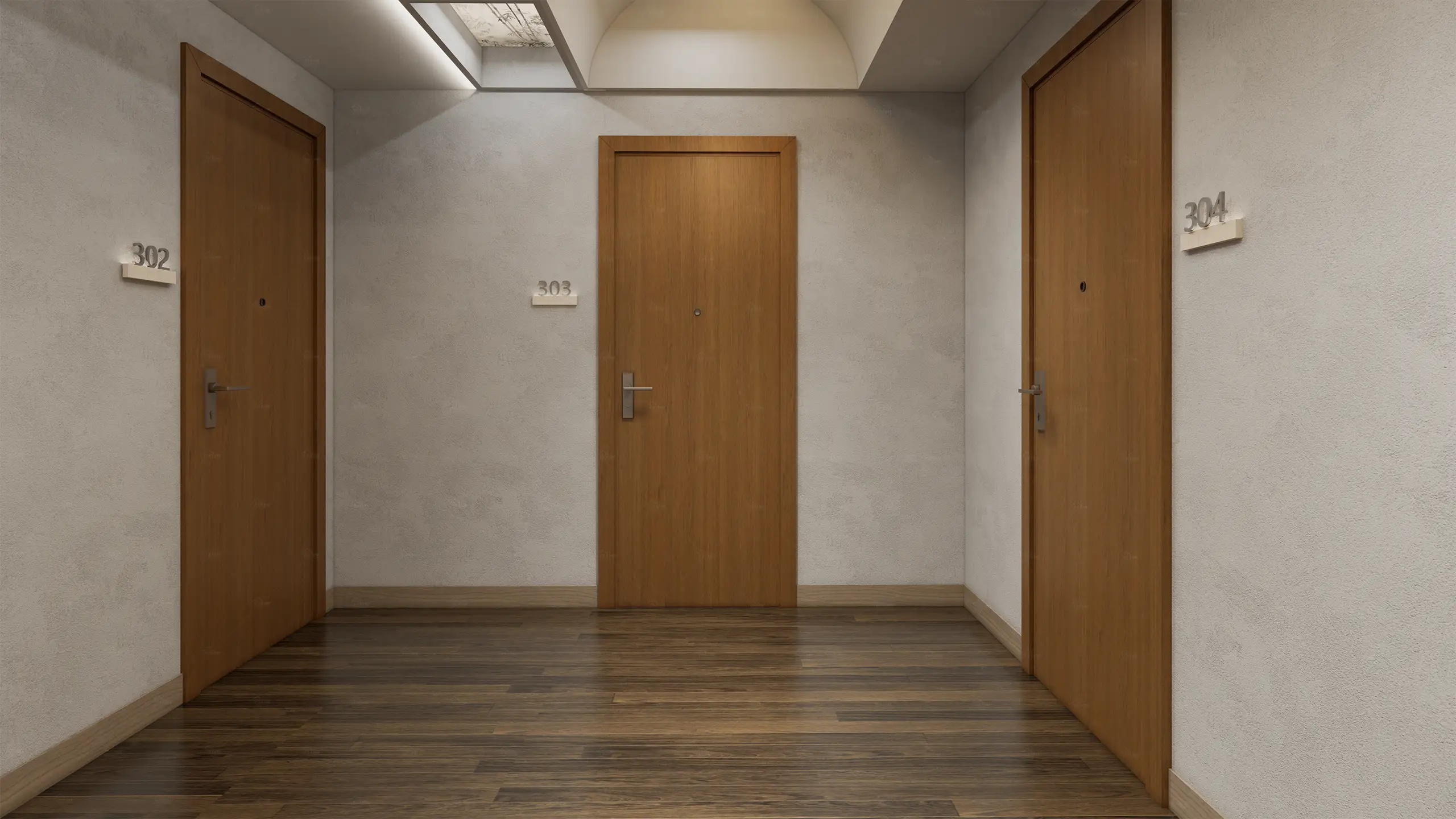
Are There Any Disadvantages of Steel Fire Doors?
Steel fire doors are strong, safe, and long-lasting. Still, they are not perfect for every project. Like any fire door material, steel has a few trade-offs. The good news is that most of these issues can be managed with the right product choice, proper installation, and regular fire door maintenance.
Higher Initial Cost Than Some Wood Doors
A steel fire door may cost more upfront than some basic wood fire doors. This is especially true when the door needs a higher fire rating, an insulated core, fire-rated glass, panic hardware, smoke seals, or a corrosion-resistant finish.
However, the first price is not the whole story. A cheap fire door can become expensive if it needs frequent repair or early replacement. In busy buildings, steel fire-rated doors often last longer and handle daily impact better. So, even if the initial cost is higher, the long-term value can still be better.
That is why many commercial building owners look at the total cost of ownership. They consider the purchase price, installation cost, maintenance, repair work, compliance checks, and replacement cycle. For high-traffic areas, a steel fire door often makes financial sense over time.
Weight and Installation Challenges
Steel fire doors are usually heavier than standard wood doors. Because of that, installation needs more care. The frame must be strong. The hinges must match the door weight. The closer must work properly. And the door must close and latch every time.
If a steel fire-rated door is not installed correctly, it may drag, bind, or fail to close fully. That can create a real fire safety risk. A fire door only works when it stays shut during a fire. So, poor installation can reduce the performance of the whole fire-rated door assembly.
For this reason, it is best to use trained installers for commercial steel fire doors. They can check the frame, gaps, seals, hardware, and alignment. This helps the door work smoothly in daily use and perform as expected in an emergency.
Risk of Corrosion in Harsh Environments
Steel can rust when it is exposed to moisture, salt air, chemicals, or harsh weather for a long time. This is why corrosion can become a concern for exterior steel fire doors, coastal buildings, industrial sites, parking garages, kitchens, and wet service areas.
Still, this does not mean steel fire doors are a poor choice for these spaces. It just means the door needs the right finish and material grade. Galvanized steel, stainless steel, powder coating, epoxy coating, and proper paint systems can all help protect the surface.
Regular inspection also matters. Small scratches, chips, or exposed metal should be repaired early. If the coating remains intact, a steel fire-rated door can provide strong fire protection and a long service life, even in tough environments.
Design Limitations in Certain Architectural Styles
Some people think steel fire doors look too plain, cold, or industrial. In luxury hotels, high-end offices, residential buildings, or heritage-style spaces, this can be a real concern. A fire door should protect the building, but it should also fit the design.
Wood fire doors may look warmer and more natural in these settings. They can match interior panels, trims, and furniture more easily. So, when the door is highly visible, wood may feel like the better design choice.
However, modern steel fire doors have improved a lot. They can now be available in custom colors, smooth finishes, textured coatings, fire-rated vision panels, decorative hardware, and even wood-look finishes. So, while steel may still feel less traditional than wood, it can work well in many modern commercial designs.
How Modern Steel Doors Address These Issues?
Modern steel fire doors solve many old problems. Better cores help improve insulation and sound control. Better coatings help fight rust. Stronger hardware helps support heavy doors. And improved finishes give designers more freedom.
Today, a steel fire-rated door can be built for fire protection, smoke control, security, acoustics, energy performance, and design appeal. This makes it much more flexible than many buyers expect.
So, yes, steel fire doors do have some disadvantages. But in most cases, the benefits still outweigh the drawbacks, especially in commercial, industrial, and high-traffic buildings. When you choose the right fire rating, finish, frame, seals, and hardware, a steel fire door can give reliable protection for many years.
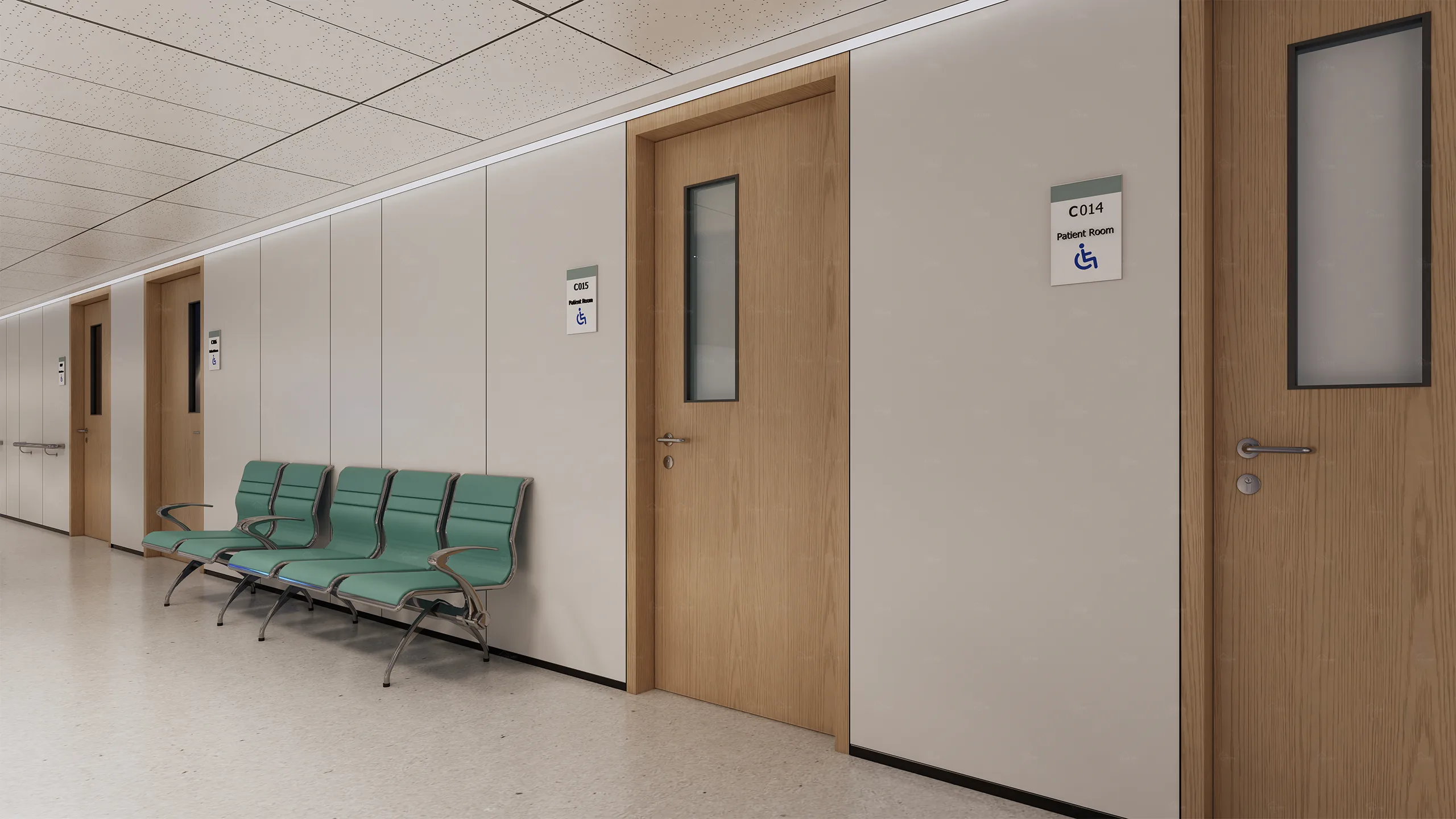
Where Are Steel Fire Doors Commonly Used?
Steel fire doors are used in many places where fire safety, daily strength, and code compliance all matter. They are common in buildings that have heavy foot traffic, valuable equipment, or higher fire risk areas. A steel fire-rated door can help protect escape routes, slow the spread of flames and smoke, and keep different zones of a building separated during an emergency.
Commercial Buildings
Commercial buildings often use steel fire doors in stairwells, corridors, service rooms, basements, parking areas, and emergency exits. These areas see heavy daily use, so the fire door must be strong enough to withstand constant opening and closing and impact.
A commercial steel fire door also helps meet fire safety rules while adding security. For offices, shopping centers, hotels, and mixed-use buildings, this is a practical choice. It gives property owners a good mix of fire protection, durability, and long-term value.
Hospitals and Healthcare Facilities
Hospitals and healthcare buildings need fire doors that can perform under pressure. Patients, staff, beds, carts, and medical equipment move through the building all day. So, the fire-rated door must be reliable, easy to operate, and durable.
Steel fire doors are often used in hospital corridors, stairwells, utility rooms, laboratories, storage areas, and back-of-house zones. They help support safe evacuation routes and protect areas with sensitive equipment or supplies.
Schools and Universities
Schools and universities also need strong fire protection. A steel fire door is a good fit for classrooms, corridors, stairwells, gym areas, kitchens, labs, mechanical rooms, and dormitory service areas.
In these spaces, doors are subject to heavy use from students, staff, carts, and cleaning equipment. Steel fire-rated doors can handle this daily wear better than many lighter door materials. Also, they help keep fire exits and escape routes protected.
Factories and Industrial Sites
Factories and industrial sites often pose a higher fire risk due to machinery, tools, chemicals, heat, dust, and production processes. In these buildings, a heavy-duty steel fire door is often the best choice.
Industrial steel fire doors are commonly used in machine rooms, boiler rooms, electrical rooms, production zones, workshops, and plant rooms. They help separate risky areas from the rest of the building. As a result, they can help slow fire spread and protect workers.
Warehouses and Distribution Centers
Warehouses and distribution centers need fire doors that can take a lot of abuse. Forklifts, pallet jacks, carts, and large goods move through these spaces all day. So, the door must be tough, stable, and easy to maintain.
Steel fire-rated doors are well-suited for loading docks, storage areas, fire exits, utility rooms, and corridor openings. They help protect large open spaces and support fire compartmentation. For many warehouse projects, a steel fire door is a practical long-term investment.
Data Centers and Critical Infrastructure
Data centers and critical infrastructure sites need a high level of protection. These buildings often contain servers, control systems, power rooms, telecom equipment, or other high-value assets. A fire can cause major downtime, data loss, or service failure.
Steel fire doors are often used in server rooms, battery rooms, electrical rooms, control rooms, and secure access points. They can provide fire resistance, smoke control, and enhanced security in a single system. For these projects, buyers often choose certified steel fire-rated doors with high-performance hardware, smoke seals, and strong frames.
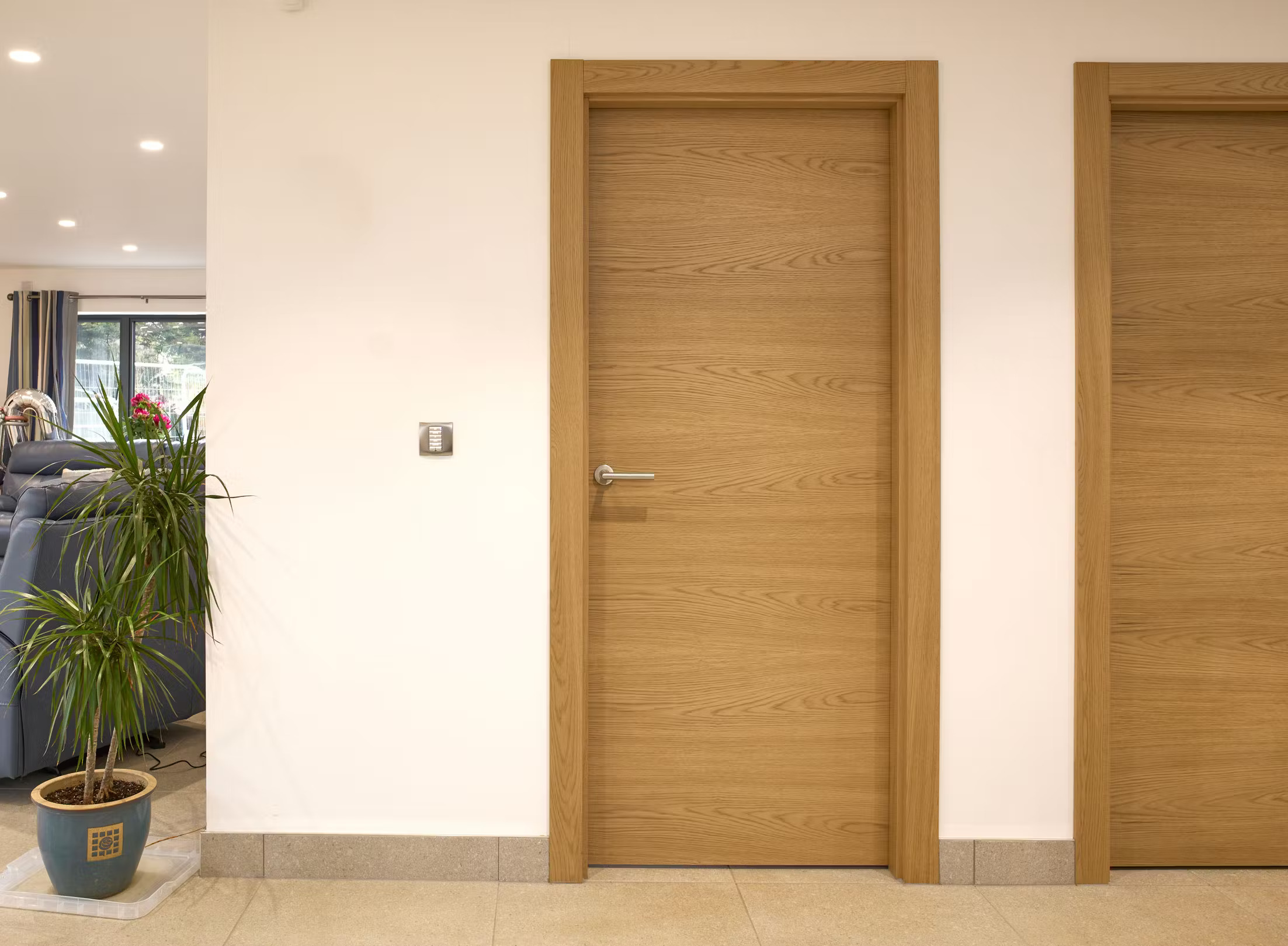
How Long Can a Steel Fire Door Withstand Fire?
A steel fire door can usually withstand fire for a rated period, such as 60, 90, or 120 minutes. However, the exact time depends on the tested fire door assembly. This means the steel door leaf, fire-rated frame, hinges, seals, latch, closer, and other hardware must all match the approved system. In other words, a steel fire-rated door is only as strong as the full setup around it.
Understanding Fire Door Testing Standards
Fire door testing standards help prove how long a fire door can resist flames and heat under controlled test conditions. During testing, the door is exposed to high heat for a set time. Then, inspectors check whether flames, smoke, or dangerous heat can pass through the fire-rated door assembly.
Common fire door ratings include 20-minute, 45-minute, 60-minute, 90-minute, and 120-minute ratings. In many commercial buildings, a 60-minute or 90-minute steel fire door is common for stairwells, corridors, service rooms, and fire exits. Higher ratings may be needed for industrial sites, utility rooms, or high-risk areas.
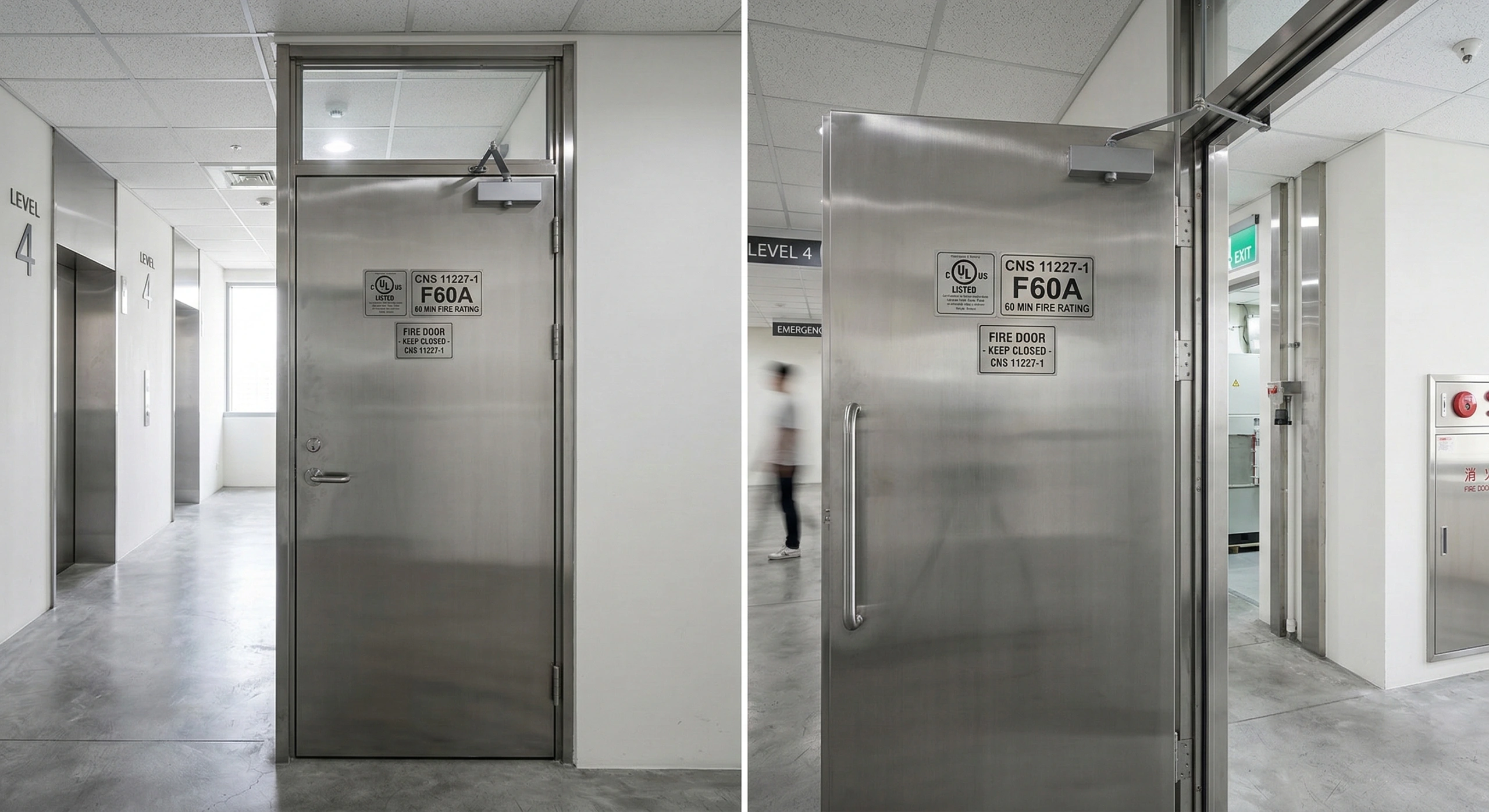
Still, the label matters. A door may look strong, but that does not mean it is a certified fire door. Buyers should always check the fire rating label, test certificate, and local code requirements before choosing a steel fire-rated door.
Factors That Affect Fire Door Performance
A steel fire door does not perform on steel alone. Several parts affect how well it works during a fire. The door thickness, core material, frame quality, and installation quality all play a major role. If one part is weak, the whole fire door system may fail earlier than expected.
Door Thickness
Door thickness can affect the strength, stability, and fire resistance of a steel fire door. A thicker fire-rated steel door often gives better structural support, especially in heavy-duty commercial or industrial spaces.
However, thickness alone does not prove fire performance. A thick steel door without the right core, frame, seals, and hardware may not meet fire door standards. So, always choose a door based on its tested rating, not just its size or weight.
Core Material
The core material inside the steel fire door is very important. Many fire-rated steel doors use mineral, honeycomb, steel-stiffened, or other tested fire-resistant cores. These materials help slow heat transfer and support the door during a fire.
An insulated steel fire door may also improve sound control, thermal performance, and daily comfort. But again, the core must match the tested fire door design. A random insulated door is not the same as a certified fire-rated door.
Frame Quality
The frame holds the fire door in place. If the frame is weak, damaged, or non-fire-rated, the door may not properly protect the opening. A steel fire door should be paired with a tested fire-rated frame that matches the door rating.
The frame also needs the right anchors, gaps, and alignment. If the door pulls away from the frame during a fire, flames and smoke can pass through. So, frame quality is just as important as the door leaf itself.
Installation Quality
Even the best steel fire door can fail if it is installed poorly. The door must close fully. It must latch every time. The gaps around the door must stay within the allowed range. The hinges, closer, smoke seals, and fire door hardware must all work correctly.
Poor installation can create big problems. For example, a loose frame, a missing seal, a wrong hinge, or a broken closer can reduce fire protection. That is why professional fire door installation and regular inspection are so important.
Real-World Fire Resistance Expectations
In the real world, a steel fire door helps slow the spread of fire and smoke. It gives people more time to escape and helps protect key areas of the building. But no fire door is meant to stop fire forever.
A 60-minute steel fire door does not mean the building is safe for one full hour in every possible fire. Real fires can vary by heat level, fuel load, pressure, smoke, and building condition. So, the rated time should be seen as tested protection under specific conditions, not a guarantee in every emergency.
That said, a properly certified, installed, and maintained steel fire-rated door can make a major difference. When the door, frame, seals, and hardware all work together, the fire door can protect escape routes, support fire compartmentation, and reduce damage during a fire.

How to Choose the Right Steel Fire Door?
Choosing the right steel Fire Door is not just about buying a strong metal door. It is about matching the door to the risk, the building use, the wall rating, and the daily traffic in that space. A good steel fire-rated door should help slow the spread of fire and smoke, protect escape routes, and still work well for everyday use.
Determine the Required Fire Rating
The first step is to check the fire rating you need. A Fire Door may have a rating of 30, 60, 90, or 120 minutes, depending on the building code and the door’s location.
For example, a steel Fire Door used in a stairwell may need a higher fire rating than a door used between two low-risk rooms. A fire-rated steel door for an exit corridor, boiler room, warehouse, or electrical room may also need a different rating.
In simple terms, the Fire Door rating should match the fire-rated wall and the local safety rules. If you are not sure, ask your architect, fire consultant, or local authority before choosing the door. This small step can help you avoid costly changes later.
Consider Building Type and Occupancy
Next, think about the type of building. A Fire Door for a hospital, school, hotel, apartment, office, factory, or shopping center may have different needs.
In a hospital, the steel Fire Door must support safe movement and easy access. In a hotel, the door may need a clean look, good sound control, and reliable smoke sealing. In a warehouse or factory, the door may need stronger impact resistance and a larger size.
Also, think about how many people use the space each day. A busy public building needs a durable commercial Fire Door that can handle frequent opening and closing. For a low-traffic service room, a simple fire-rated metal door may be enough.
Evaluate Door Size and Configuration
After that, check the door size and layout. Steel Fire Doors can come as single doors, double doors, or door sets with vision panels, louvers, or side panels.
A single Fire Door works well for small rooms, staircases, and utility areas. A double-steel Fire Door is often preferred for wide corridors, warehouses, equipment rooms, and loading areas. If people need to see through the door, you may add fire-rated glass. But the glass must also meet the same fire safety rules.
You should also check the opening direction, frame depth, wall type, and floor level. These details may seem small, but they affect how well the Fire Door fits and performs.
Choose the Right Hardware
A Fire Door is only as good as the hardware that comes with it. The hinges, lock, door closer, panic bar, seal, latch, and handle must all be suitable for fire-rated use.
For example, a steel Fire Door in an escape route may need panic exit hardware. A door in a stairwell may need a self-closing device. A smoke control Fire Door may need smoke seals around the frame.
Do not use normal hardware on a fire-rated door. It may fail during a fire, reducing the safety level of the entire door set. Always choose tested and approved Fire Door hardware that matches the door rating.
Check Fire Door Certifications
Before buying, always check the certification. A reliable steel Fire Door should include test reports, labels, and documentation confirming its fire rating and compliance with the applicable standard.
Look for recognized fire door standards such as UL, BS, EN, NFPA, or local code requirements, depending on your market. The certification should cover the full Fire Door assembly, including the door leaf, frame, seals, glass, and hardware.
This matters because a door panel alone does not make a complete Fire Door. The whole system must work together. If one part is not certified, the door may not pass inspection.
Work With a Trusted Fire Door Manufacturer
Finally, choose a Fire Door manufacturer with real experience. A trusted supplier can help you select the right fire rating, door type, frame, hardware, finish, and certification for your project.
A good steel Fire Door manufacturer should offer clear drawings, product data, test documents, and after-sales support. They should also understand commercial buildings, industrial projects, public facilities, and local fire safety rules.
Most importantly, they should not just sell you a door. They should help you choose a complete fire-rated door solution that fits your building, budget, and safety needs. This makes the whole process easier, safer, and more cost-effective.

Conclusion
When Steel Fire Doors Are the Clear Winner?
Steel fire doors are the clear winner in high-risk and high-traffic areas. They work especially well in stairwells, fire exits, corridors, mechanical rooms, electrical rooms, warehouses, factories, hospitals, schools, and commercial buildings.
The reason is simple. Steel does not fuel a fire, and it stands up well to daily wear. A steel fire-rated door can handle impact, heavy use, and harsh conditions better than many other fire door materials. So, when fire resistance, strength, security, and low maintenance all matter, steel is often the safest and most practical choice.
Key Factors to Consider Before Buying
Before buying a steel fire door, do not focus only on the door leaf. A real fire-rated door assembly includes the door, frame, seals, hinges, latch, closer, and approved hardware. Each part must match the tested system.
Also, check the required fire rating, such as 30 minute, 60 minute, 90 minute, or 120-minute protection. Then, consider the building type, traffic level, opening size, finishes, corrosion resistance, and local code requirements. These details help you avoid costly mistakes and make sure the fire door performs when it matters most.
How to Select the Best Fire Door for Your Project?
To select the best fire door for your project, start with the risk area and code requirements. Then choose the right fire rating, core material, frame type, hardware, and finish. For busy commercial or industrial spaces, a heavy-duty steel fire door is often the best fit. For design-focused interiors, wood or glass fire doors may also work if they are properly rated.
Most importantly, work with a trusted fire door manufacturer or supplier. They can help you match the steel fire-rated door to your project needs and provide the right certificates, test reports, and product options. In the end, a well-chosen steel fire door offers more than just fire protection. It provides your building with safer escape routes, greater durability, and stronger peace of mind.
Relate FAQ
Are all steel doors fire-rated?
A normal steel door is not always a fire-rated steel door. To work as a real Fire Door, it must be tested, labeled, and certified as a full fire-rated door set.
How long can a steel Fire Door resist fire?
Common steel Fire Door ratings include 30, 60, 90, 120, and, in some cases, 240 minutes, depending on the product and standard. Always check the label and test report before buying.
Are steel Fire Doors better than wooden Fire Doors?
Steel Fire Doors are usually better for high-risk areas, heavy traffic, warehouses, factories, stairwells, and emergency exits. Wooden Fire Doors can still work well in offices, hotels, and interiors where design matters more.
What makes a steel door a Fire Door?
A steel Fire Door requires a tested steel door leaf, a fire-rated frame, intumescent seals, approved hinges, a certified lock, a door closer, and suitable Fire Door hardware. The full system matters, not just the steel panel.
Do steel Fire Doors stop smoke, too?
A steel Fire Door can help slow the spread of smoke, but only if it has the right smoke seals and a proper fit around the frame. For corridors, stairwells, and escape routes, smoke control is just as important as flame resistance.
Where are steel Fire Doors commonly used?
Steel Fire Doors are often used in commercial buildings, factories, hospitals, schools, hotels, apartment blocks, warehouses, boiler rooms, electrical rooms, stairwells, and fire exit routes.
Can a steel Fire Door be used as an exterior door?
Yes. Many steel Fire Doors can work as exterior fire-rated doors. They are strong, durable, and can resist impact, weather, and daily wear when finished with the right coating.
How do I know if a steel Fire Door is certified?
Check the Fire Door label, rating plate, or certification mark. Also, ask the supplier for test reports and compliance documents. A trusted manufacturer should provide these without hesitation.
Does a steel Fire Door need a door closer?
In most cases, yes. A Fire Door should close fully by itself after opening. A certified door closer helps the steel Fire Door latch properly and protects the fire compartment.