
Does a fire door need a fire frame?
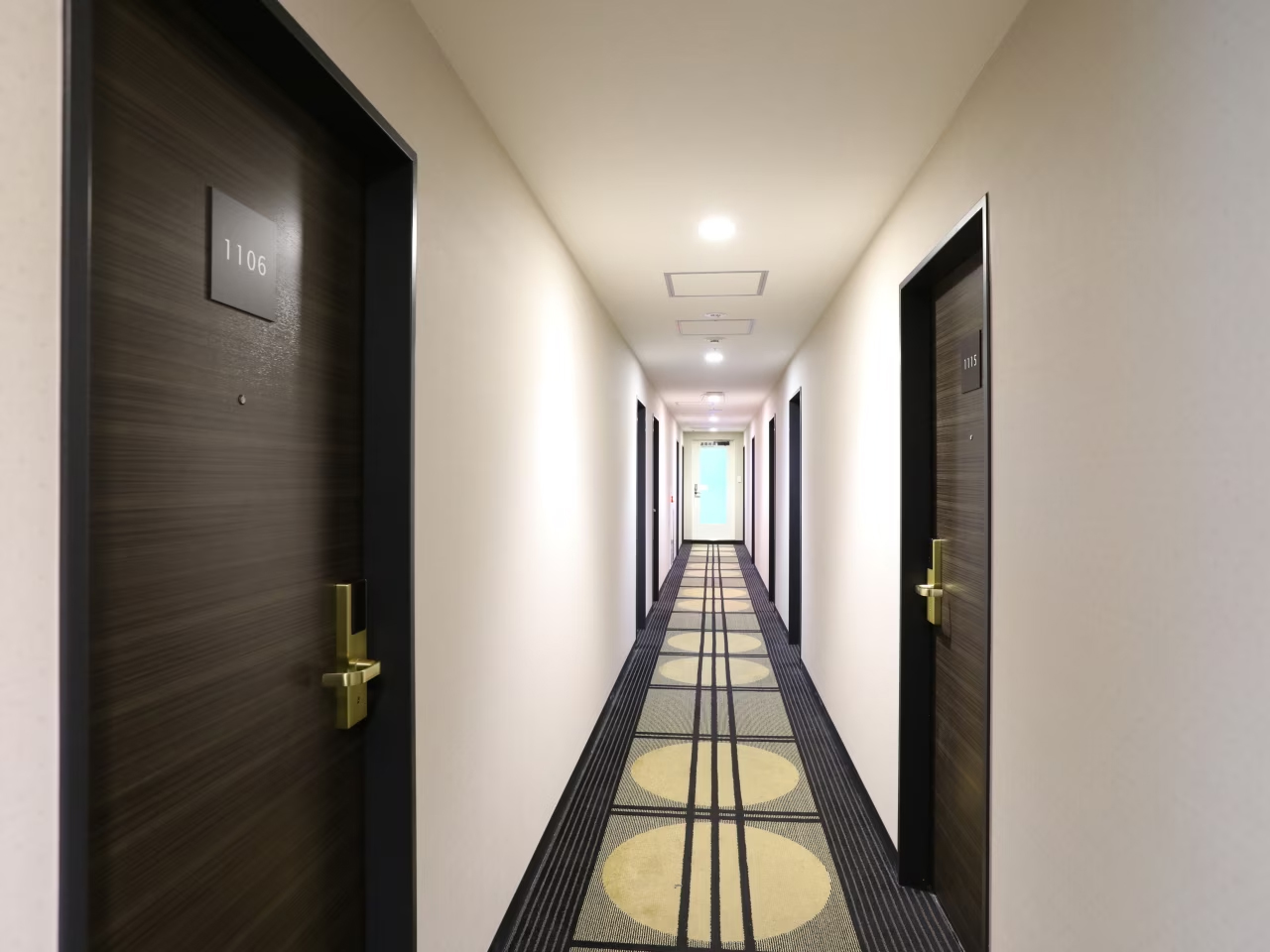
What is a Fire Door and Why Does it Matter?
The Importance of Fire Doors in Building Safety
Define Fire Doors and Their Purpose in Protecting Lives and Property
A fire door is a specially designed door that helps to prevent the spread of fire and smoke within a building. It acts as a barrier, giving people more time to escape and allowing firefighters to do their job effectively. Made from fire-resistant materials, fire doors are often equipped with seals, heavy-duty hinges, and a sturdy frame to ensure they perform well during a fire.
The primary purpose of a fire door is to contain the fire within a specific area, stopping it from spreading to other parts of the building. It does this by preventing heat, smoke, and flames from passing through gaps, which could otherwise cause severe damage. Fire-rated doors come in various levels, typically ranging from 30 minutes to 2 hours, depending on the building’s needs. This means they can keep the fire contained for a set period, giving occupants a chance to escape safely or helping control it before it spreads.
In any commercial or residential building, fire doors play a critical role in protecting lives and property. Whether you’re in an office building, hospital, or apartment complex, having properly installed fire doors is essential for creating a safe environment.
Why Fire Doors Are Crucial in Fire Prevention?
Fire doors are not just about safety in the moment of a fire. They are part of a fire prevention strategy that ensures a building is as safe as possible in case of an emergency. Without proper fire protection, a fire could easily spread from one area to another, trapping people and causing extensive property damage. In the worst case, it could lead to loss of life.
The role of fire doors goes beyond just closing off a room. They are designed to withstand extreme heat and pressure, preventing flames from reaching other areas. For example, in multi-story buildings, fire doors are often placed at key points such as stairwells, corridors, and entrances to critical rooms. These strategic placements help compartmentalize the building, limiting the spread of fire to a single area and allowing people in other regions to escape or take shelter.
Moreover, fire doors are crucial for fire prevention because they help maintain the integrity of fire safety systems such as sprinklers, alarms, and emergency lighting. When a fire door is in place, it helps ensure these systems work properly by preventing fire from interfering with their operation. In essence, fire-resistant doors serve as the first line of defense in a building’s fire safety plan, giving everyone in the building a better chance of survival and avoiding significant damage.
Key Components of a Fire Door
The Door Leaf: Material and Construction
The door leaf is the central part of a fire doors and plays a crucial role in its ability to withstand fire and prevent its spread. It is typically made from fire-resistant materials, such as steel, timber, or a combination of both. The material choice depends on the required fire rating and the door’s specific use.
For example, steel fire doors are often used in commercial and industrial buildings because they are highly durable and offer a high level of fire resistance. Steel can withstand intense heat for extended periods, making it an excellent choice for fire safety. On the other hand, timber fire doors are commonly used in residential and less demanding environments. These doors are made from specially treated wood engineered to resist fire for a specified period.
The construction of the door leaf also matters. It is designed with internal core materials, such as mineral cores or fire-resistant composites, which further enhance the door’s ability to block flames and smoke. These cores are often sandwiched between two layers of steel or a fire-resistant timber finish. The construction ensures the door is strong and stable while maintaining its fire-resistant qualities.
Overall, the door leaf is a critical component of a fire-rated door. Its materials and construction ensure the door performs as expected during a fire, keeping occupants safe and preventing the fire from spreading.
Seals and Hardware
Seals and hardware are essential components that make fire doors fully functional and safe. Even if the door leaf is made from fire-resistant materials, the door won’t be effective if it doesn’t seal properly or if the hardware fails during a fire.
Seals are placed around the edges of the door to fill any gaps between the door and its frame. These seals expand when heated, forming a barrier that prevents smoke and flames from passing through. There are several types of seals used in fire doors, including intumescent seals, which swell when heated, and silicone-based seals that remain flexible and form an airtight seal. Seals ensure the door remains airtight, improving its fire rating and overall effectiveness in a fire situation.
The hardware on fire doors includes hinges, handles, locks, and other components that make the door functional. Each piece of hardware must be fire-resistant and withstand high temperatures. For instance, fire door hinges are typically made from stainless steel to prevent warping and to ensure the door opens and closes smoothly. Locks on fire doors are often panic bar systems that can be easily opened from the inside to allow quick escape during an emergency. Even though the hardware is built to resist fire, it must also meet safety standards to ensure it doesn’t fail when needed most.

Does a Fire Door Need a Fire Frame?
Understanding Fire Frames and Their Role
What is a Fire Frame?
A fire frame is a specially designed frame that holds fire doors in place. It is made from materials that can withstand high temperatures and prevent fire from spreading through the gaps between the door and the wall. The frame works in conjunction with the fire doors to form a complete fire-resistant barrier. Without the right frame, even the best fire door might fail to perform as intended.
Fire frames are typically made of steel or other fire-resistant materials, and they are built to support the weight of the fire doors while maintaining its fire resistance. A fire frame is not just about holding the door in place; it also plays a crucial role in preventing smoke and flames from escaping through the edges of the door. The frame surrounds the door, sealing any gaps that could allow fire to spread.
In essence, the fire frame is the structural element that completes the fire door system. It ensures the door’s effectiveness in a fire situation by providing a secure, fire-rated boundary.
How Fire Frames Complement Fire Doors?
Fire frames complement fire doors by adding an extra layer of protection. While fire doors are designed to resist flames and smoke, the fire frame ensures the door fits securely within the wall, leaving no gaps through which heat or smoke could escape. The frame plays a crucial role in the overall performance of the fire door by sealing it tightly against the wall.
In a fire situation, fire doors without a proper fire frame can be ineffective. Gaps between the door and its frame could allow fire, smoke, and heat to leak through, undermining the door’s ability to contain the fire. A fire frame, therefore, ensures that the door is fully sealed and secure, preventing the spread of smoke and fire.
Additionally, fire frames help to improve the fire rating of the entire system. When a fire-rated door is installed in a fire frame, the whole assembly is tested for its ability to withstand fire. The frame helps maintain the door’s fire rating by ensuring it remains intact during a fire, thereby enhancing the building’s overall fire resistance.
Legal Requirements for Fire Doors and Frames
Fire Safety Regulations and Standards
When it comes to fire doors, the legal requirements are clear: they must meet strict fire safety standards to ensure they provide the necessary protection during a fire. These standards and regulations define how long a fire-rated door must withstand fire, the materials it should be made from, and how it should perform in various conditions.
One of the most widely recognized standards is the NFPA 80 (National Fire Protection Association) in the United States. It provides guidelines for installing, maintaining, and testing fire doors and their frames. This regulation ensures that both the fire door and the fire frame work together to provide effective fire containment. NFPA 80 is essential for ensuring the performance of fire doors in commercial and residential buildings.
In the UK, BS 476 sets out the fire-resistance requirements for building materials, including fire doors. This standard is used to test the fire resistance of doors, ensuring they can withstand heat for the designated period, whether it’s 30, 60, or 120 minutes.
Europe follows the EN 1634 standard, which defines the methods for testing the fire resistance of fire doors. It ensures that the door’s frame, leaf, and hardware meet the requirements to stop fire from spreading. Similarly, AS 1905 is the Australian standard for fire doors, specifying requirements for door materials, fire ratings, and installation.
Building Code Requirements in the US, UK, AU, and Europe
Each country has specific building code requirements for fire doors and fire frames, and these codes must be adhered to to ensure compliance with fire safety regulations.
In the United States, the International Building Code (IBC) and National Fire Protection Association (NFPA) standards govern the use of fire doors. The IBC outlines the conditions under which fire doors must be installed, including where they are required and the minimum fire rating needed based on the building’s use. NFPA 101, the Life Safety Code, also provides guidelines for installing and maintaining fire doors to protect building occupants in the event of a fire.
In the United Kingdom, building regulations are guided by Approved Document B, which outlines fire safety requirements for buildings. This includes specifications for fire doors and fire-rated frames, as well as installation requirements for containing fires. The regulations also define the required fire resistance ratings for different building types, ensuring that fire doors can withstand the appropriate level of heat and prevent the spread of fire.
For Australia, AS 1905 sets the standard for fire doors and their frames. It specifies the fire-resistance levels and installation requirements for fire doors, helping ensure compliance with fire safety protocols in both residential and commercial buildings. Australia’s Building Code of Australia (BCA) also integrates these standards, requiring fire doors to meet specific fire-resistance ratings depending on the type of building and its intended use.
In Europe, the EN 1634 standard is widely used, and each country also has its own fire safety regulations that align with European Union directives. Fire doors in Europe must meet rigorous fire-resistance tests outlined in the Construction Products Regulation (CPR). These regulations ensure that fire-rated doors meet consistent performance criteria across different countries.

Fire Door Frame: Necessary or Optional?
Why You Can't Have a Fire Door Without a Fire Frame?
Importance of Structural Integrity
Fire doors are only as effective as the frame that holds it. The fire frame plays a critical role in ensuring the door’s structural integrity. Without the right frame, a fire-rated door may not perform as expected during a fire. The frame helps to secure the fire doors in place, preventing it from being displaced by the intense heat and pressure of a fire.
Fire doors frame are designed to withstand the same extreme conditions as the door itself. It holds the door securely in the wall, ensuring that there are no gaps around the edges that could allow smoke or flames to escape. The frame must be strong enough to support the door’s weight and maintain its position, even under high temperatures. If the frame isn’t strong enough, the fire doors could become misaligned, creating gaps that allow fire to spread, defeating the purpose of having a fire door in the first place.
The structural integrity of the frame is essential for the overall performance of the fire doors. Without it, the door would not properly seal off the area or protect the building. A solid fire frame ensures that the door stays in place and performs as designed, effectively preventing the spread of fire and smoke.
Fire Resistance Ratings and Testing
Just as fire doors are tested and rated for their ability to withstand fire, fire frames are tested and rated for the same. The fire resistance rating indicates how long the door and frame combination can resist the passage of heat, flames, and smoke. For example, a fire door with a fire-rated frame might have a rating of 30 minutes, 60 minutes, or even up to 3 hours, depending on the building’s needs.
Fire resistance ratings are determined through rigorous testing to ensure the fire doors frame can handle the same level of heat and pressure as the fire doors itself. During testing, both the door and the frame are exposed to high heat to determine how long they can prevent the spread of fire. If the frame fails during testing, the door’s rating may be compromised. Therefore, the fire frame must be made from fire-resistant materials and built to meet the same standards as the fire door.
Without a properly rated fire frame, even a high-quality fire doors could fail during a fire. The frame is an essential part of the system that ensures the door remains effective in containing the fire and protecting building occupants. Fire doors alone cannot offer the same level of protection without a frame that has been adequately tested and rated to work with it. Thus, having a fire frame is not optional – it is necessary to maintain the overall integrity and performance of the fire door system.
Can You Install a Fire Door in a Regular Frame?
Risks of Non-Fire-Rated Frames
While it may seem like you could install fire doors in a regular frame, doing so introduces serious risks to fire safety. A non-fire-rated frame isn’t designed to withstand the heat and pressure of a fire. Fire-rated frames are specifically designed to provide structural support and prevent the spread of fire. Without this protection, the fire doors could fail to perform its intended function.
When you install fire doors in a regular frame, any gaps around the door could allow flames and smoke to escape. These gaps can severely compromise the fire door’s performance and increase the risk of fire spreading throughout the building. Additionally, non-fire-rated frames can warp or crack under extreme heat, potentially causing the door to misalign. This would prevent the door from sealing properly, making it ineffective in preventing the spread of fire and smoke.
Moreover, non-fire-rated frames often lack the necessary seals and fire-resistant materials required to ensure the fire door’s proper operation. This lack of protection increases the risk of fire damage to the building and to the lives of its occupants.
Impact on Fire Safety and Compliance
Installing fire doors in a non-fire-rated frame can also lead to serious compliance issues. Building codes and fire safety regulations require that both the fire doors and the fire frame meet specific standards to ensure safety during a fire. If the frame isn’t fire-rated, the entire door assembly might not pass inspection. This could result in fines, legal liability, or even the need to redo the installation at additional cost.
In the event of a fire, a non-fire-rated frame could cause the fire doors to fail when it is needed most. Not only does this compromise the building’s fire protection system, but it also puts everyone inside at risk. If the door and frame don’t meet fire safety standards, insurance policies might not cover damages or losses, further escalating the financial impact of a fire.
To remain compliant with local fire codes and ensure the fire doors provide the protection for which it is designed, it is crucial to use a fire-rated frame. Both the door and the frame must work together as a system, and using a regular frame undermines that integrity. Always ensure that the frame you choose is tested and rated for fire resistance to meet both safety standards and legal requirements.
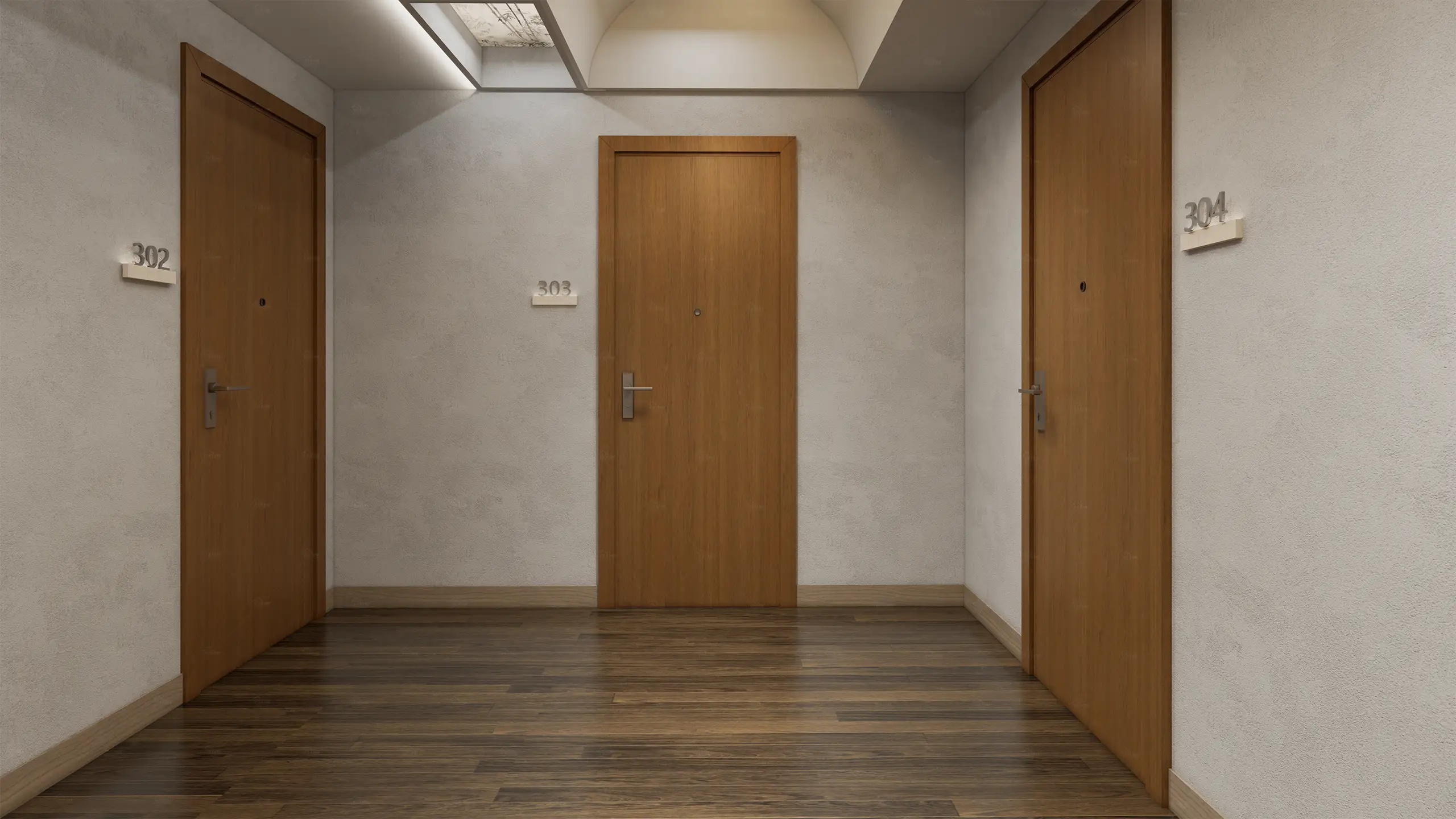
Different Types of Fire Door Frames
Metal Fire Door Frames
Benefits, Materials, and Construction
Metal fire door frames are widely used in both commercial and residential buildings due to their durability and high fire protection performance. These frames are typically made from materials like steel or aluminum, both of which offer excellent fire resistance and strength.
The main benefit of metal frames is their ability to withstand extreme temperatures without losing their structural integrity. Unlike timber or plastic frames, metal fire door frames do not warp, crack, or become weak under heat. This makes them highly effective in containing fire and smoke, ensuring that the fire door remains in place during a fire.
The construction of metal fire door frames usually includes a solid steel or aluminum body with reinforced corners and edges. The frame is designed to securely hold the fire door and prevent any gaps from forming. Many metal fire frames also come with fire-resistant seals and coatings, further enhancing their ability to resist fire and smoke. The frames are typically welded or bolted together to ensure strength and stability.
These frames can be treated with fire-resistant coatings, such as intumescent paint, which expands when exposed to heat, thereby further improving the frame’s fire resistance. Metal fire door frames are built to stringent fire safety standards, providing maximum protection in the event of a fire.
When Metal Frames Are Ideal?
Metal fire door frames are ideal in situations where strength, durability, and long-term fire resistance are essential. They are commonly used in high-traffic areas, industrial buildings, hospitals, and commercial properties where fire safety is a top priority.
These frames are particularly beneficial in buildings where doors will be exposed to heavy use or mechanical stress, such as warehouses, factories, and schools. The robustness of metal fire door frames makes them suitable for environments where the door may need to withstand physical impacts or frequent use while still maintaining its fire resistance.
In environments that experience extreme temperatures or harsh conditions, such as kitchens, laboratories, or chemical facilities, metal fire door frames are the best option. They offer superior fire protection while also being corrosion- and wear-resistant.
Moreover, metal frames are also ideal for areas with specific aesthetic requirements, such as commercial spaces or high-end buildings. Steel and aluminum can be finished in various ways, allowing the frames to blend seamlessly with the building’s overall design without compromising safety.
Timber Fire Door Frames
Applications and Advantages
Timber fire door frames are a popular choice for many residential and light commercial buildings due to their aesthetic appeal and strong fire protection performance. These frames are typically made from hardwood or engineered wood, which can be treated to meet specific fire-resistance standards.
One of the primary advantages of timber fire door frames is their natural insulation properties. Wood provides excellent sound insulation, which can be beneficial in residential homes, schools, or offices where noise reduction is important. Additionally, timber frames have a more traditional look, which can complement the design of older or heritage buildings where aesthetics are a key consideration.
The construction of timber fire frames often includes a fire-resistant core, such as a mineral core, that enhances the frame’s ability to withstand heat and flames. These frames can be fitted with fire-resistant seals to prevent smoke and flames from seeping through gaps around the door. While timber is not as heat-resistant as metal, it can still provide an effective barrier against fire for a reasonable period, depending on its rating.
The versatility of timber fire door frames makes them suitable for a wide range of applications. They are commonly used in homes, apartments, and smaller commercial buildings, especially in areas where a natural wood finish is preferred. Timber frames can be finished in various styles and stains to match the interior design, making them an ideal choice for buildings that require both safety and visual appeal.
When to Choose Timber Frames?
Timber fire door frames are an excellent option when aesthetics, cost, and insulation are important factors in the decision-making process. They are ideal for residential buildings, small offices, and even some low-rise commercial buildings where a traditional look is desired, and fire protection remains a priority.
When you need a fire door frame that blends with a home or building’s interior design, timber frames are a great choice. They offer a warm, natural look that works well with wood paneling or furniture, making them a popular option in interior design. Additionally, timber frames are often less expensive than metal frames, making them a cost-effective solution for fire-rated doors in residential or budget-conscious commercial projects.
Choose timber fire door frames when you need a solution that combines fire safety with sound insulation and a more classic design. These frames are best suited for applications where the fire rating requirements are moderate, and the frame’s appearance is a critical part of the building’s overall aesthetic. However, for areas that require higher levels of fire resistance or more durable, long-lasting frames (such as industrial settings), metal fire door frames may be more appropriate.
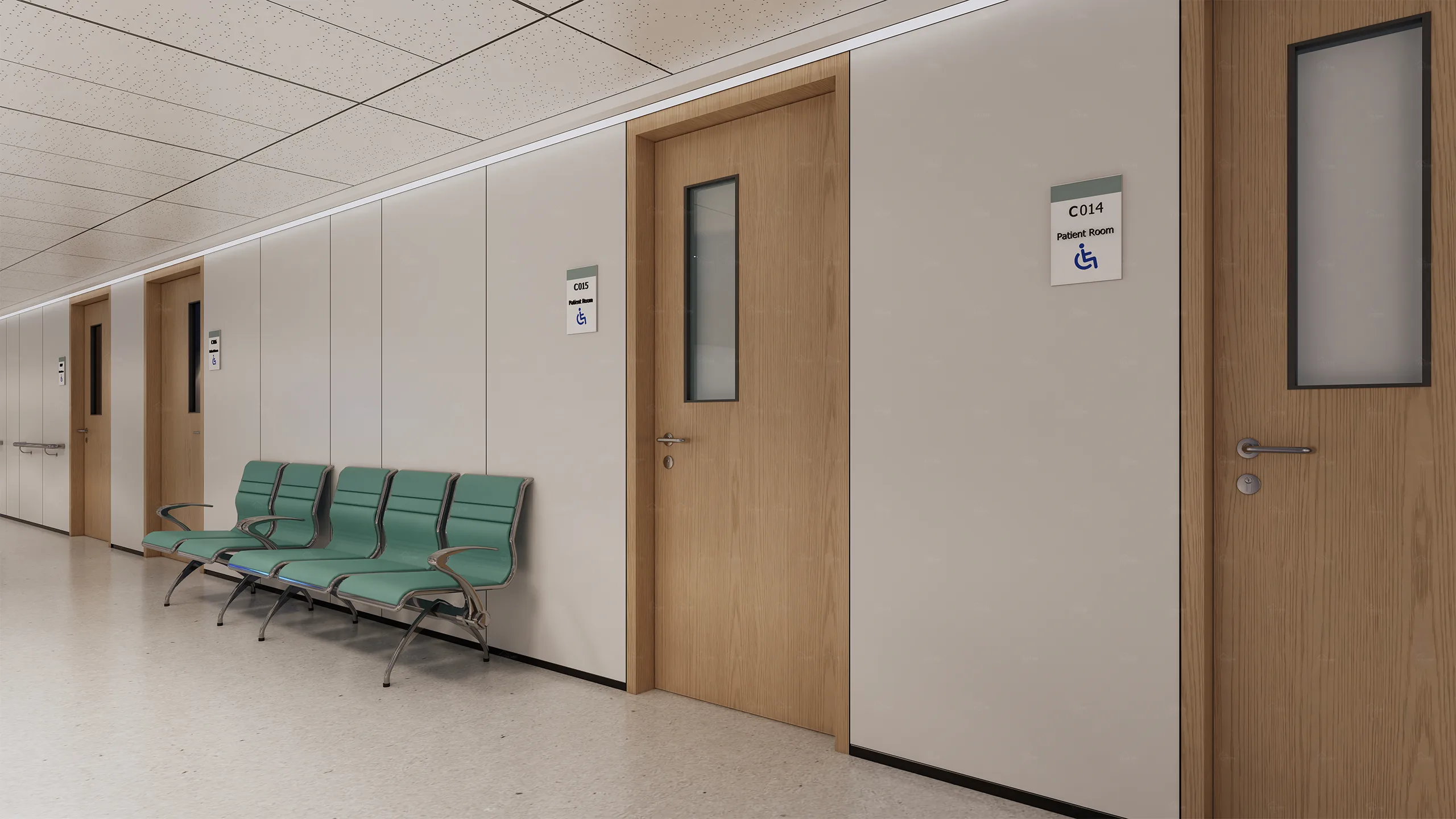
How Fire Frames Improve Fire Door Performance?
Sealing and Compartmentalization
How Frames Help with Sealing Gaps and Enhancing Fire Resistance?
A fire door frame plays a crucial role in sealing gaps between the fire door and the surrounding wall, helping prevent the spread of fire and smoke. Even the best fire doors can lose their effectiveness if gaps around the door allow fire, smoke, and heat to pass through. This is where the fire frame comes in—it is designed to fit the fire door tightly, ensuring a complete seal around the edges.
The fire frame typically includes fire-resistant materials and seals that expand when exposed to heat. These seals, often made from intumescent materials, swell when exposed to high temperatures, filling any gaps around the door and frame. This expansion ensures the seal remains tight as the fire heats up, preventing flames and smoke from escaping. In essence, the fire frame helps maintain the integrity of the fire door’s performance by keeping it securely in place and ensuring that it remains fully sealed during a fire.
Without a fire frame, the door could shift or become misaligned, allowing air, smoke, and flames to seep through, significantly reducing the fire door’s effectiveness. Therefore, the fire frame is essential to maintaining the door’s fire resistance rating and ensuring it performs as intended in an emergency.
Role in Preventing the Spread of Smoke and Heat
In addition to sealing gaps, the fire frame plays a significant role in preventing the spread of smoke and heat, two of the most dangerous elements in a fire. While fire doors are designed to withstand the direct heat and flames of a fire, the fire frame helps to contain the fire by preventing heat and smoke from escaping into other parts of the building.
During a fire, smoke spreads quickly and can cause significant harm to people, even before the fire itself reaches them. The fire frame is specifically designed to limit smoke passage by ensuring the door fits tightly and creates an airtight seal around the edges. This helps to keep smoke contained within the fire compartment, protecting other areas of the building from smoke damage and reducing the risk of smoke inhalation for those inside.
The fire frame also helps to manage heat transfer. While fire doors are rated to withstand high temperatures, the fire frame prevents excessive heat from passing through the door or frame and spreading to other areas of the building. By containing heat, the fire frame helps prevent structural damage and minimize the risk of further spread.
Load-Bearing and Support
The Structural Support Provided by Fire Frames
A fire frame plays an essential role in providing the structural support necessary for a fire door to perform effectively during a fire. The frame holds the fire door in place, ensuring it stays securely mounted in the wall, even under extreme heat and pressure. This structural support is vital because a fire door must withstand not only flames but also the force of the fire, which can create intense pressure within the room.
Without a properly installed fire frame, the fire door could become misaligned or displaced during a fire. This could create gaps that allow smoke, heat, and flames to pass through, significantly reducing the fire door’s effectiveness. The fire frame ensures that the fire door remains in its correct position, maintaining a tight seal and preventing the spread of fire or smoke.
Furthermore, fire door frames are often made from durable materials like steel or fire-resistant wood, which provide additional strength to the door’s structure. The frame supports the weight of the fire door and helps evenly distribute the load, allowing the door to function properly during a fire and not sag or become damaged under heat stress.
How Frames Contribute to the Door’s Ability to Withstand Fire Pressure?
In a fire, the pressure can increase rapidly as the room fills with smoke and heat. Fire frames help the fire door withstand this pressure by providing a solid barrier that prevents the door from warping or buckling. The frame helps maintain the door’s integrity by preventing it from shifting or losing its seal as the fire intensifies.
A fire door frame is designed to withstand high levels of thermal expansion and pressure caused by heat and flames. The frame helps keep the door in place, even as the materials inside it begin to react to the heat. This ability to withstand heat and pressure ensures the fire door maintains its fire resistance rating and effectively protects the building and its occupants.
Additionally, fire frames are built to withstand the intense conditions of a fire. They don’t just hold the fire door in place; they also absorb and distribute thermal stress, helping prevent damage that could compromise the door’s effectiveness. This means that the fire door can continue to function as a barrier, keeping fire and smoke contained while others evacuate or wait for rescue.
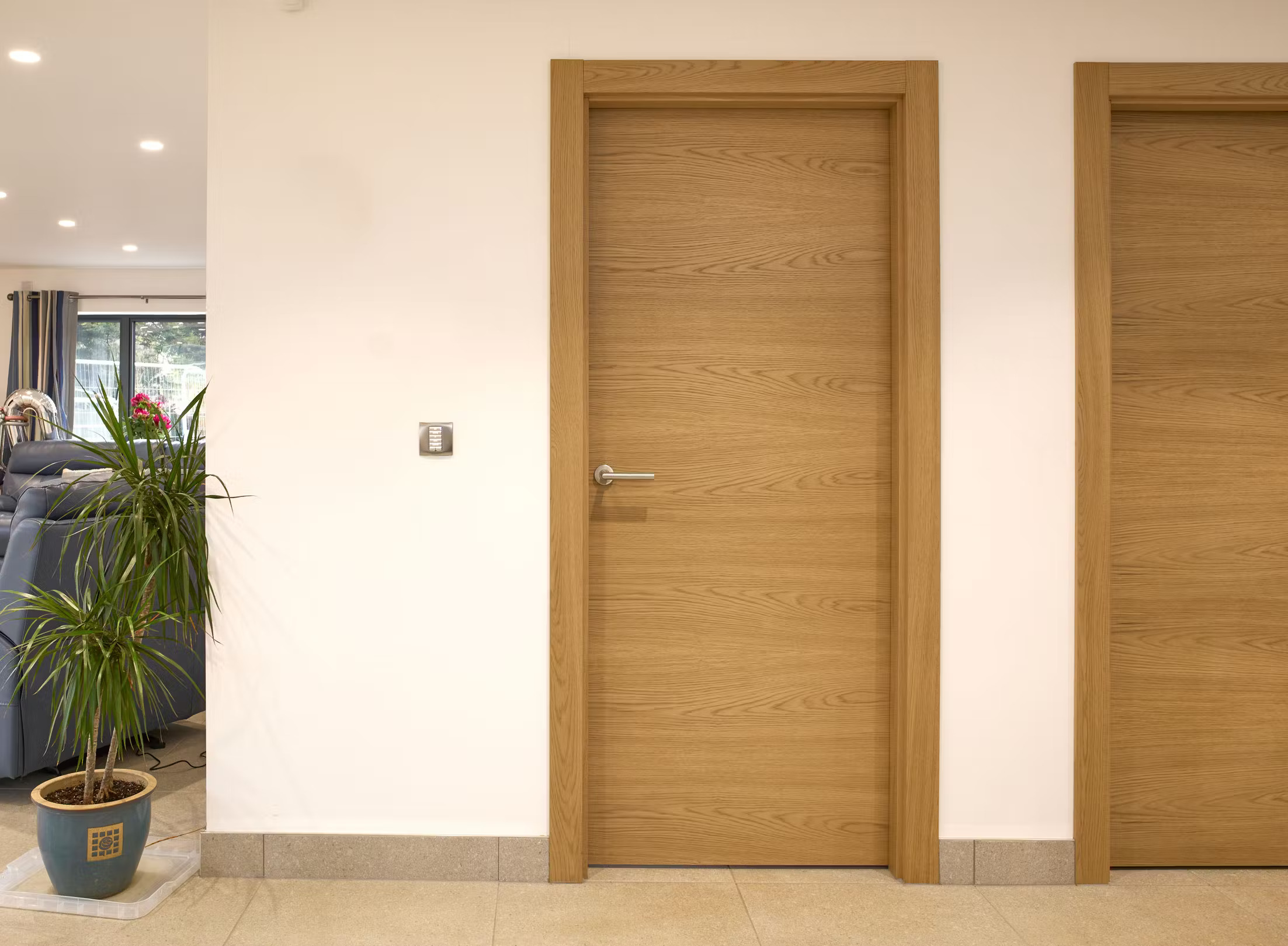
The Risks of Using Non-Fire-Rated Frames
Compromising Safety and Compliance
Why Using a Non-Rated Frame Puts Your Building at Risk?
Using a non-fire-rated frame with a fire door creates significant safety and fire protection risks. While fire doors are designed to withstand heat and block the spread of flames, a non-fire-rated frame cannot offer the same level of protection. The frame plays a critical role in securing the fire door and ensuring it performs as intended. Without a proper fire-rated frame, gaps around the door may allow fire, smoke, and heat to escape, weakening the door’s effectiveness.
In a fire situation, a fire door installed in a non-rated frame is more likely to fail. The door may shift out of alignment or become dislodged, compromising its ability to seal the compartment and prevent the fire from spreading. This could lead to flames and smoke spreading quickly throughout the building, putting everyone at greater risk. The fire door is only effective if it’s tightly sealed within a fire-rated frame that can handle the high heat and pressure generated by a fire.
Additionally, a non-rated frame might not be made from fire-resistant materials, which could cause it to warp or break down under the extreme conditions of a fire. This undermines the fire door’s ability to act as a barrier, potentially allowing fire to spread uncontrollably.
Legal Implications and Potential Fines
Installing a fire door with a non-fire-rated frame can lead to serious legal consequences. Fire safety regulations, building codes, and insurance policies require that fire doors be installed with fire-rated frames that meet specific fire-resistance standards. Failing to comply with these standards can result in legal issues and significant fines.
In many jurisdictions, fire safety is regulated by strict building codes such as NFPA in the US, BS 476 in the UK, or AS 1905 in Australia. These codes are in place to ensure that buildings are safe for occupants and meet minimum fire protection requirements. If a building is found to have a fire door installed with a non-fire-rated frame, it may be deemed non-compliant with local regulations, leading to fines or costly corrections.
In the event of a fire, if the fire door did not perform as expected due to an improper frame, insurance claims may be denied. Insurance companies often require compliance with local fire safety standards, and failing to meet these requirements could result in the loss of coverage or substantial legal penalties. Furthermore, building owners could face liability issues if someone is injured or property is damaged due to inadequate fire protection.
Cost vs. Safety: Why It’s Worth the Investment
The Importance of Spending on Certified Fire Door Frames
Investing in certified fire door frames may seem like an added cost at first, but it is an investment in the long-term safety of your building and its occupants. Fire door frames are designed to meet strict fire safety standards and tested to withstand the extreme conditions of a fire. When you choose certified fire-rated frames, you ensure the fire door performs as expected in an emergency, preventing the spread of fire and smoke.
Investing in certified fire door frames may seem like an added cost at first, but it is an investment in the long-term safety of your building and its occupants. Fire door frames are designed to meet strict fire safety standards and tested to withstand the extreme conditions of a fire. When you choose certified fire-rated frames, you ensure the fire door performs as expected in an emergency, preventing the spread of fire and smoke.
While the initial cost may be higher, the peace of mind and added safety are invaluable. A certified fire frame is a small price to pay for the protection it offers, especially when compared to the cost of a fire-related disaster or potential loss of life.
Avoiding Future Costs Related to Fire Damage or Legal Issues
The real cost of using a non-fire-rated frame can include future expenses—such as fire damage, legal penalties, and the potential loss of insurance coverage. If a fire door fails to perform as intended because it was installed with a non-rated frame, the consequences can be severe. The fire could spread quickly, causing extensive damage to the building and its contents. This not only leads to costly repairs but also disrupts business operations, creating a financial burden for years to come.
In addition to fire damage, there are serious legal implications. Failing to comply with fire safety regulations, including using the proper fire door frames, could result in fines or even lawsuits. Building codes and fire safety standards are in place to protect people, and failing to comply with them could expose the building owner to legal action. If someone is injured or killed due to improper fire protection, the costs of a lawsuit or settlement can far exceed the price of investing in certified fire frames.
Moreover, insurance companies often require compliance with fire safety standards to provide coverage. If the building is found to have non-fire-rated frames during an inspection, insurance claims related to fire damage may be denied. This could leave the building owner with significant out-of-pocket expenses and the added financial burden of repairing or rebuilding the property.

Choosing the Right Fire Door Frame for Your Building
How to Select the Right Fire Frame Based on Your Building’s Needs?
Considerations: Fire Resistance, Building Usage, and Materials
Selecting the right fire door frame starts with understanding the fire resistance requirements for your building. Different areas of a building may have different fire-resistance requirements depending on the risk level and local building codes. For example, areas with higher fire risk, such as kitchens or mechanical rooms, may require fire-rated frames with higher fire resistance ratings, such as 60 or 90 minutes, to prevent the spread of fire. On the other hand, less risky areas, such as hallways or offices, may only require fire frames rated for 30 minutes.
When choosing a fire door frame, you also need to consider the building’s usage. A commercial building might have different fire protection needs than a residential building. For example, fire-rated frames in offices or industrial buildings should withstand heavy traffic and frequent use. In contrast, residential buildings may prioritize aesthetic design, noise insulation, and fire safety.
The materials used for the fire frame are another critical consideration. Steel fire frames are commonly used in commercial and industrial buildings due to their durability, strength, and higher fire resistance. However, timber fire frames are often preferred for residential buildings due to their aesthetic appeal and ability to blend into home interiors. Both materials offer different benefits in terms of appearance, fire resistance, and cost, so choosing the right material depends on both safety needs and design preferences.
Choosing Frames Based on Fire Door Type and Location
The type of fire door you’re installing will also influence the choice of fire door frame. For example, a fire door with a glass panel will need a frame that can support the weight and the fire-resistant properties of both the door and the glazing. Metal fire door frames are often chosen for doors that need to withstand heavier impact or higher temperatures, while timber frames are more suitable for lighter, standard fire doors.
Additionally, the location of the fire door within the building should also dictate the choice of frame. For example, fire doors installed in high-risk areas such as electrical rooms, kitchens, or stairwells should have frames with higher fire ratings and greater durability. In these locations, a fire door frame made of steel or reinforced materials would provide the necessary protection to contain a fire and prevent it from spreading to other parts of the building.
On the other hand, fire doors in residential areas or less critical spaces may require frames that prioritize aesthetic appeal and sound insulation. In such cases, timber frames may be ideal, as they can offer the necessary fire resistance while maintaining the home’s overall design.
Professional Installation of Fire Doors and Frames
The Importance of Using Certified Installers
When installing fire doors and frames, professional installation is crucial to ensure safety and compliance. Certified installers are trained to follow strict fire safety standards and regulations, ensuring that fire doors and frames are installed correctly to provide the intended level of protection.
A fire door that is improperly installed may not perform as expected in a fire. Gaps, misalignment, or improper seals can compromise the effectiveness of the fire door and frame, allowing smoke, heat, and flames to pass through. Certified installers know how to correctly fit the fire door within the fire-rated frame, ensuring that it is securely mounted and fully sealed. This guarantees the door’s fire resistance rating is maintained.
Using unqualified or inexperienced installers could also lead to legal and insurance issues. Many fire safety codes require installation by certified professionals to ensure the building complies with local regulations. Without proper certification, your building may fail to meet fire safety standards, which could result in fines or loss of insurance coverage in the event of a fire.
Installation Tips for Optimal Performance
To get the best performance out of your fire door and frame, proper installation is key. Here are a few essential tips for ensuring your fire door performs optimally:
1. Ensure A Tight Fit:
The fire doors must fit snugly within the fire frame. Any gaps around the door can allow smoke and heat to escape, reducing its ability to contain the fire. Certified installers ensure the door is aligned correctly and the frame is securely fastened to avoid gaps.
2. Install Fire-resistant Seals:
The right seals are vital for the fire door’s performance. These seals, typically made of intumescent material, expand when heated, filling gaps and creating a tight barrier. Be sure the seals are installed correctly to prevent any leaks during a fire.
3. Check the Door’s Swing:
Fire doors are designed to open and close easily, but they must also withstand the pressure of a fire. Ensure the door opens smoothly and that the hinges are strong enough to support the fire door’s weight. Misaligned hinges can cause the door to become misaligned or stuck during a fire.
4. Verify Fire Resistance Ratings:
Double-check that both the fire doors and the fire frame meet the required ratings. The frame should be rated for the same fire resistance period as the fire door to ensure both components function as a system.
5. Regular Maintenance:
After installation, ensure that the fire doors and frame are regularly checked for wear and tear. Over time, hinges, seals, and the door itself may need maintenance to keep functioning correctly. Certified installers can also provide regular servicing to keep everything in working order.

Conclusion
Fire Door Frames Are Essential for Fire Safety
In summary, fire door frames play a vital role in ensuring fire doors perform effectively. They are not just a structural element but an integral part of the building’s overall fire protection system. The fire frame works hand in hand with the fire door to provide a secure barrier against the spread of fire, smoke, and heat. Without a fire-rated frame, even the best fire door could fail to perform as needed during a fire, leaving the building at risk.
A fire door frame ensures that the fire door remains properly aligned and sealed, maintaining its fire resistance rating. It prevents gaps that could allow flames or smoke to escape, helping prevent the fire from spreading quickly. Whether made from metal or timber, the fire frame provides the structural support necessary to keep the door in place, even under the extreme conditions of a fire.
By investing in fire-rated frames, building owners are taking an essential step in protecting lives and property. These frames are tested and certified to meet fire safety standards, giving everyone in the building a greater chance of survival in an emergency.
The Importance of Choosing a Fire-Rated Frame
Choosing a fire-rated frame is not optional when it comes to fire safety—it is a necessity. Fire door frames must meet specific fire resistance ratings to work with the fire door, contain fire, and prevent its spread. A non-rated frame can compromise the entire fire safety system, putting lives and property at risk.
A fire-rated frame offers several benefits: it provides structural integrity, helps seal gaps, and prevents the spread of heat and smoke. By carefully selecting a frame that matches the fire door’s fire resistance rating, you ensure that the building is as protected as possible. Additionally, using a certified fire frame helps ensure compliance with building codes and regulations, avoiding costly fines and legal issues.
In conclusion, the fire door frame is just as important as the fire door itself. When choosing a frame, it’s essential to prioritize safety, compliance, and quality. By selecting the right fire-rated frame, you can ensure that your fire door functions optimally, providing the best protection for your building and its occupants in the event of a fire.
Relate FAQ
What is the difference between a fire door and a fire-rated door frame?
A fire door is a door designed to prevent the spread of fire, while a fire-rated door frame is the structural component that holds the fire door in place and provides additional protection against fire. Fire-rated door frames are made from materials that can withstand extreme heat for a specified period, typically matching the door's fire rating. Together, they form a complete system that helps to protect both life and property by controlling the spread of fire.
What is the fire rating of a fire door and frame?
The fire rating of a fire door and frame indicates the amount of time the door and frame can withstand exposure to fire. Fire doors are typically rated in hours, such as 30 minutes (FD30), 60 minutes (FD60), 90 minutes (FD90), or 120 minutes (FD120). The fire frame is rated to match the fire door’s rating, ensuring that both components work together to provide the specified level of protection.
Can a fire door be installed without a fire frame?
No, a fire door should not be installed without a fire-rated frame. The frame is an integral part of the fire door system. It is designed to ensure that the door fits correctly, closes properly, and remains secure during a fire. Installing a fire door without a fire frame compromises the door's effectiveness and can make the building unsafe in case of a fire. Always ensure both the door and the frame are fire-rated and installed in accordance with building regulations.
Do fire doors and fire frames need to be certified?
Yes, both fire doors and fire frames need to be certified to meet fire safety regulations. Certification ensures that the door and frame have been tested for fire resistance under controlled conditions and can provide the level of protection required by law. In many countries, fire doors and frames are tested according to recognized standards such as BS 476 or EN 1634-1, which determine their fire-resistance rating.
Are fire doors with fire frames required in all buildings?
Fire doors with fire-rated frames are required in buildings where fire safety regulations require fire barriers. This includes commercial buildings, healthcare facilities, schools, and multi-story residential buildings. Fire doors help limit the spread of fire and protect evacuation routes. The specific requirements vary depending on the building's use, size, and local regulations.
What materials are used to make fire door frames?
Fire door frames are typically made from materials such as steel, aluminum, or a specially treated timber. Steel and aluminum frames are commonly used because they offer superior strength and heat resistance. Timber frames are usually treated with fire-retardant chemicals to enhance their resistance to high temperatures. The choice of material depends on the door's fire rating, the building's requirements, and the desired aesthetic.
Can a fire-rated door frame be retrofitted?
Yes, fire-rated door frames can be retrofitted in many cases. Retrofitting involves replacing an existing frame with one that meets the required fire resistance rating. This is commonly done in older buildings that need to be brought up to current fire safety standards. Retrofitting should always be done by professionals to ensure that the new frame is installed correctly and meets all relevant regulations.
Are fire doors and frames required in residential buildings?
Fire doors and frames are generally required in residential buildings, particularly in multi-occupancy buildings such as apartment complexes. Fire doors help prevent the spread of fire between different units and common areas, improving safety for all occupants. In single-family homes, fire doors may not be required in all areas, but they are often recommended in garages, basements, and other high-risk areas.


