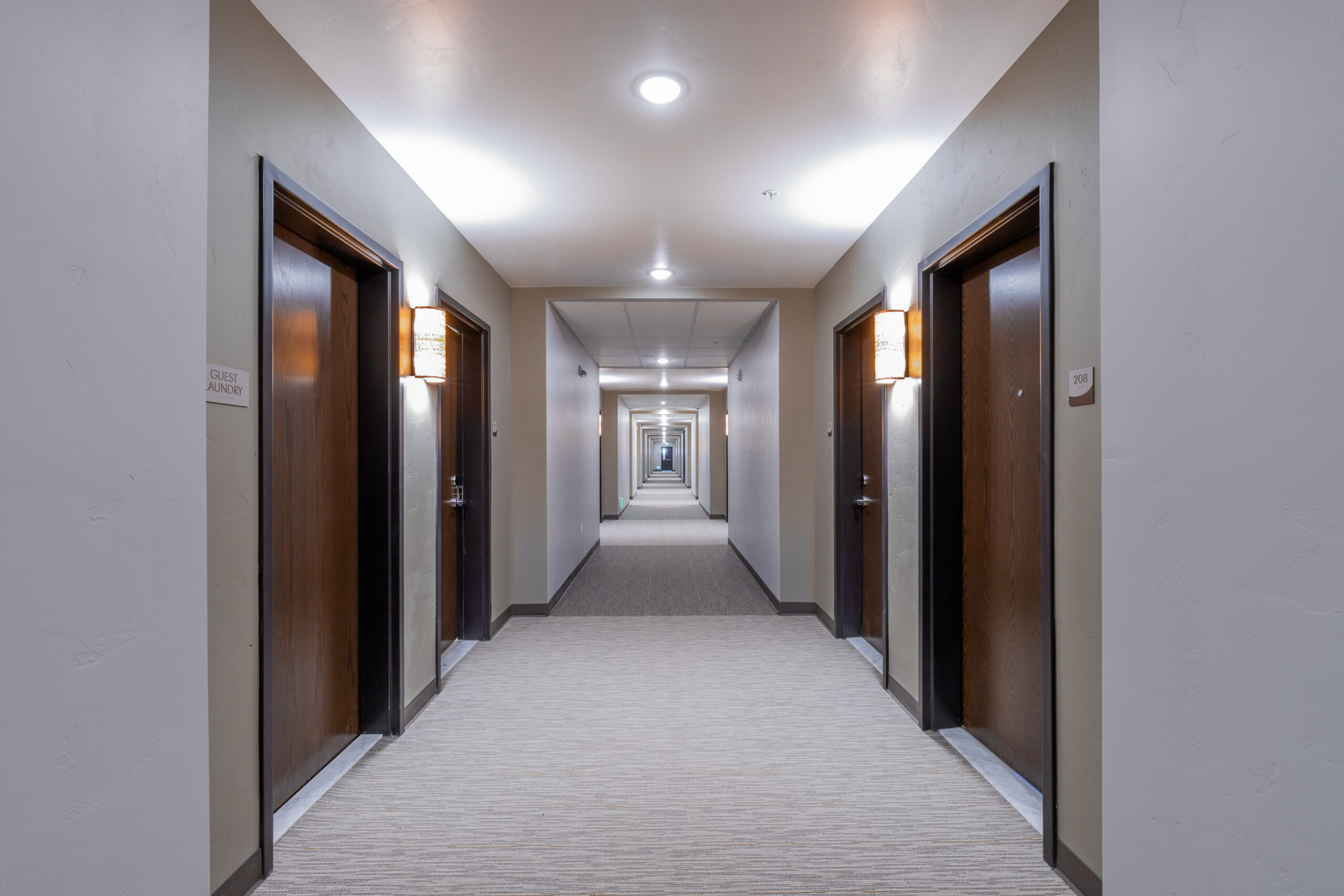
What are the basics of a fire door?

Introduction to Fire Door
Fire door is essential components of a building’s fire safety system. They are specially designed to resist the spread of fire and smoke between rooms or areas. Whether you’re building a new property or upgrading your current space, understanding what fire doors are and why they matter can help you make informed decisions to protect your property and its occupants.
What Is a Fire Door and Why Is It Important?
Fire doors are a door that has been specially constructed and installed to prevent the spread of fire and smoke. They are built using materials that can withstand high temperatures, such as metal or specially treated wood, and they come equipped with components like fire-rated frames, seals, and hardware that improve their fire resistance.
But why are fire doors important? In the event of a fire, these doors can buy precious time for people to evacuate and allow firefighters to control the blaze more effectively. Fire doors act as barriers that compartmentalize fires, preventing them from spreading quickly. This means less damage to property, fewer injuries, and a higher chance of saving lives.
In many countries, the installation of fire doors is not just a safety recommendation; it’s a legal requirement in certain building types. For instance, commercial buildings, apartment complexes, and public buildings often need fire doors to meet local fire codes and building regulations. Without fire doors, a fire could easily spread from room to room, endangering lives and property.
Key Benefits of Installing Fire Doors in Your Property
Installing fire doors in your property offers a variety of benefits, both in terms of safety and compliance.
1. Enhanced Safety:
The most obvious benefit of fire doors is their ability to protect lives. These doors help to slow the spread of fire, allowing people more time to evacuate safely. They also help to contain smoke, which is one of the deadliest elements of a fire. By providing a physical barrier to fire and smoke, fire doors make evacuation routes safer and more reliable.
2. Compliance with Fire Safety Codes:
In many areas, installing fire doors is required by law. Depending on the building type and its intended use, you may need to meet fire safety regulations that mandate the use of fire doors. For example, if you are running a business or managing an apartment complex, you must ensure that your building complies with local fire safety regulations. Fire doors can help you meet these legal requirements and avoid potential fines or legal issues.
3. Property Protection:
Fire doors are also an effective tool for minimizing property damage in the event of a fire. They can stop the fire from spreading beyond the initial area, protecting valuable assets, equipment, and furniture. Even if the building suffers fire damage in one area, the rest of the property may remain largely unaffected due to the presence of these fire-resistant doors.
4. Cost-Effectiveness in the Long Run:
While fire doors may require an upfront investment, they can save you money in the long run. By containing fires and preventing them from spreading, fire doors reduce the risk of severe fire damage, which can lead to expensive repairs and reconstruction. Additionally, fire doors can lower the cost of insurance premiums, as insurance companies often reward buildings with higher safety standards.
5. Peace of Mind:
Perhaps the most valuable benefit of all is the peace of mind that comes with knowing your property is better protected. Whether you are a homeowner, landlord, or business owner, fire doors provide assurance that you have taken steps to protect your property and the people inside. You can sleep easy knowing that in the event of a fire, fire doors will do their job to minimize the damage and keep everyone safe.

Components of a Fire Door
A fire door is made up of several key components that work together to provide its fire-resistance capabilities. Each part of the fire door plays an essential role in preventing the spread of fire and smoke.
Fire Door Frame: What You Need to Know
The fire doors frame are just as important as the door itself. It supports the door and ensures that it remains tightly sealed when closed, preventing smoke and flames from passing through. A fire-rated frame is made from materials that can withstand high temperatures, such as metal or fire-resistant wood. It also needs to be securely installed to maintain its integrity during a fire.
The frame is typically fixed around the door opening and should be properly aligned. Gaps in the frame can reduce the effectiveness of the fire doors. That’s why proper installation is crucial. If the frame is not aligned or has gaps, it may allow heat and smoke to escape, which defeats the purpose of the fire doors.
Additionally, the frame should include special fire-rated sealants or intumescent strips to enhance its performance further. These seals expand when exposed to heat, filling any gaps and preventing smoke and flames from penetrating through.
The Door Leaf: Materials and Insulation
The door leaf is the actual door panel itself. It’s made from materials that can resist fire for a specific period, typically ranging from 30 to 90 minutes, depending on the fire rating of the door. Most fire doors are constructed with a combination of solid wood, steel, or composite materials.
The door leaf is usually filled with a fire-resistant core, which may include materials like mineral cores or intumescent materials. These cores help to slow down the spread of fire by absorbing heat. For doors with a high fire rating, the door leaf may also be designed with insulation that keeps the temperature on the other side of the door lower, allowing more time for evacuation and fire control.
Additionally, the surface of the door leaf can be finished with a special fire-resistant coating, ensuring that it can withstand direct flame contact. The overall thickness of the door leaf and the materials used are crucial to the fire door’s performance, as they directly contribute to its fire-resistance capabilities.
Fire-Rated Hardware: Locks, Hinges, and Closers
To be truly effective, fire doors must be equipped with fire-rated hardware. This includes locks, hinges, and closers, all of which need to be specifically designed to resist high temperatures and function correctly during a fire.
- Locks: Fire-rated locks are designed to remain functional even under extreme heat. These locks are essential because they ensure the door stays securely closed, preventing smoke and fire from passing through. Unlike regular locks, fire-rated locks are made with heat-resistant materials and can withstand the pressure created by a fire.
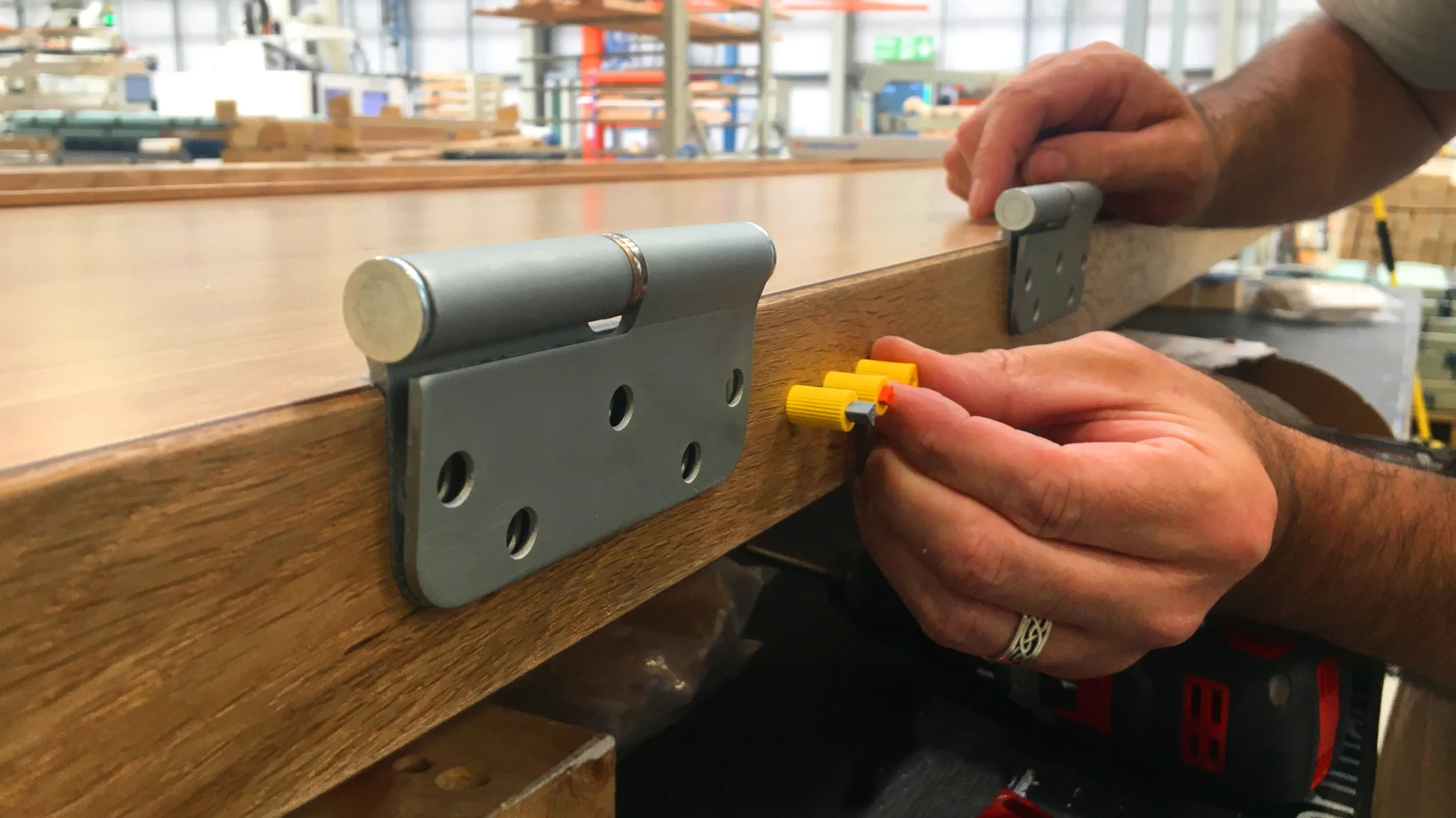
- Hinges: Fire-rated hinges ensure that the door remains stable and functional during a fire. Standard hinges can warp or fail when exposed to high heat, but fire-rated hinges are made from special materials that can endure extreme temperatures without compromising the door’s performance.
- Closers: Fire doors closer ensure that the door remains closed at all times, even after it is opened. This is crucial because fire doors need to be in a closed position to work effectively. Fire-rated closers are designed to resist heat and maintain the door’s ability to shut tightly, sealing any gaps and preventing smoke and flames from spreading.
Intumescent Strips: Their Role in Fire Resistance
Intumescent strips are one of the most important components of fire doors. These strips are installed along the edges of the door and frame, acting as a barrier against fire and smoke. The real magic of these strips happens when they are exposed to heat.
When the temperature rises during a fire, intumescent strips expand and swell, filling any gaps between the door and the frame. This process blocks the passage of smoke, heat, and flames, preventing them from spreading into other parts of the building. The strips are made from materials that react to heat, and their expansion creates a tight seal that enhances the fire door’s overall performance.
Intumescent strips are usually made from graphite-based materials and are effective in both wooden and metal fire doors. They are often used in combination with other fire door components, like the fire-rated frame and door leaf, to ensure maximum protection. When properly installed, intumescent strips can significantly increase the effectiveness of fire doors, giving you added peace of mind during a fire emergency.
Summary
In summary, the fire doors are made up of several carefully engineered components, each playing a vital role in keeping fire and smoke from spreading. From the fire-rated frame to the insulated door leaf, fire-rated hardware, and intumescent strips, each part is designed to work together to provide effective fire resistance. Understanding these components will help you choose the right fire doors for your building, ensuring both safety and compliance with fire safety regulations.

Fire Door Ratings: Understanding Fire Resistance
When it comes to fire safety, understanding the fire doors ratings is crucial. These ratings indicate how long fire doors can withstand a fire and prevent its spread. Choosing the right fire doors with the appropriate rating can be the difference between minimal damage and catastrophic loss in the event of a fire.
What Are Fire Door Ratings and Why Do They Matter?
Fire doors rating represent the duration for which fire doors can hold up against fire before it fails. These ratings are typically expressed in minutes, such as 30, 60, or 90 minutes. The rating tells you how long the door will contain a fire, smoke, and heat, helping protect the building’s occupants and minimize damage.
Why do fire doors rating matter? The rating ensures that fire doors can perform its primary job: keeping fire and smoke contained in one area long enough to allow for safe evacuation. In commercial and residential buildings, fire doors are a critical part of the fire safety plan. Depending on where the fire door is located—whether it’s a hallway, stairwell, or apartment—having the right rating is essential for ensuring enough time for people to escape.
Additionally, fire doors rating help property owners meet local building codes and fire safety regulations. For example, commercial properties often require fire doors with a higher rating than those in residential buildings, as the risk of fire is greater due to the number of people and the types of materials stored inside. Having the right fire doors rating ensures compliance and protects lives.
Common Fire Door Ratings
Fire doors come in various fire resistance ratings, each suitable for different environments and situations. The most common ratings are:
30-Minute Fire Door Rating
A 30-minute fire doors are designed to withstand fire for 30 minutes. This is the most basic fire doors rating and are suitable for areas with lower fire risks, like apartments or small businesses. While not suitable for high-risk areas, a 30-minute door provides essential protection by containing smoke and fire long enough for people to evacuate.
60-Minute Fire Door Rating
A 60-minute fire doors are a popular choice for buildings that require a higher level of fire protection, such as offices, schools, and larger residential buildings. These doors can hold up for one hour, providing more time for occupants to evacuate and giving firefighters a better chance to control the blaze.
90-Minute Fire Door Rating
A 90-minute fire doors offer a higher level of protection and is often used in more vulnerable areas like stairwells, fire escape routes, or between different sections of a large commercial building. These doors are crucial when the risk of fire is higher or when there’s a larger number of people in the building. With 90 minutes of fire resistance, these doors can significantly slow the spread of fire, giving people more time to exit safely.
Summary
Each rating is chosen based on the potential risks in a particular area of the building. For example, a kitchen or storage room where flammable materials are kept may require a higher rating to prevent fire spread. It’s important to assess the building’s layout and choose the appropriate fire doors based on the location and level of fire risk.
How to Choose the Right Fire Door Rating for Your Building?
Choosing the right fire doors rating for your building depends on several factors, including the building’s layout, the number of occupants, and the fire risk in various areas.
1. Evaluate the Building’s Risk Factors:
The first step in choosing fire doors rating are assessing the fire risk in different areas of the building. High-risk areas, like kitchens, storage rooms with flammable materials, or areas with high foot traffic, may require doors with higher fire resistance. For example, fire doors in a stairwell might need a 60- or 90-minute rating to give people enough time to evacuate.
2. Consider Building Codes and Regulations:
Check the local building codes and fire safety regulations to determine the required fire door ratings. Certain areas of the building may have specific regulations, especially in commercial properties or multi-unit residential buildings. Ensuring compliance with these codes is essential to avoid penalties and ensure safety.
3. Number of Occupants and Evacuation Time:
Consider the number of people who may need to evacuate through the area where the fire doors are installed. If it’s a busy area with many occupants, like a hotel corridor or office building, a higher-rated fire door (60 or 90 minutes) will provide more time for safe evacuation. If fewer people use the space, a 30-minute fire door may be sufficient.
4. Fire Safety Plan and Building Layout:
Take into account the overall fire safety strategy for the building. A well-designed fire safety plan will include escape routes and compartmentalization, with fire doors strategically placed to contain fire in specific areas. In high-rise buildings, fire doors with longer ratings are often required between floors and in hallways to protect escape routes.
5. Consult a Fire Safety Expert:
If you’re unsure about which fire doors rating are right for your building, consult a fire safety expert or an architect. They can assess the risk factors and help you choose the appropriate fire-rated doors for your specific needs.
Summary
In conclusion, understanding fire doors ratings are crucial for ensuring that your building is safe and complies with fire safety standards. Choosing the right rating depends on the fire risk in various areas, the building’s design, and the number of occupants. By selecting the appropriate fire doors rating, you can provide better protection for your property, the people inside it, and reduce the risk of fire damage.
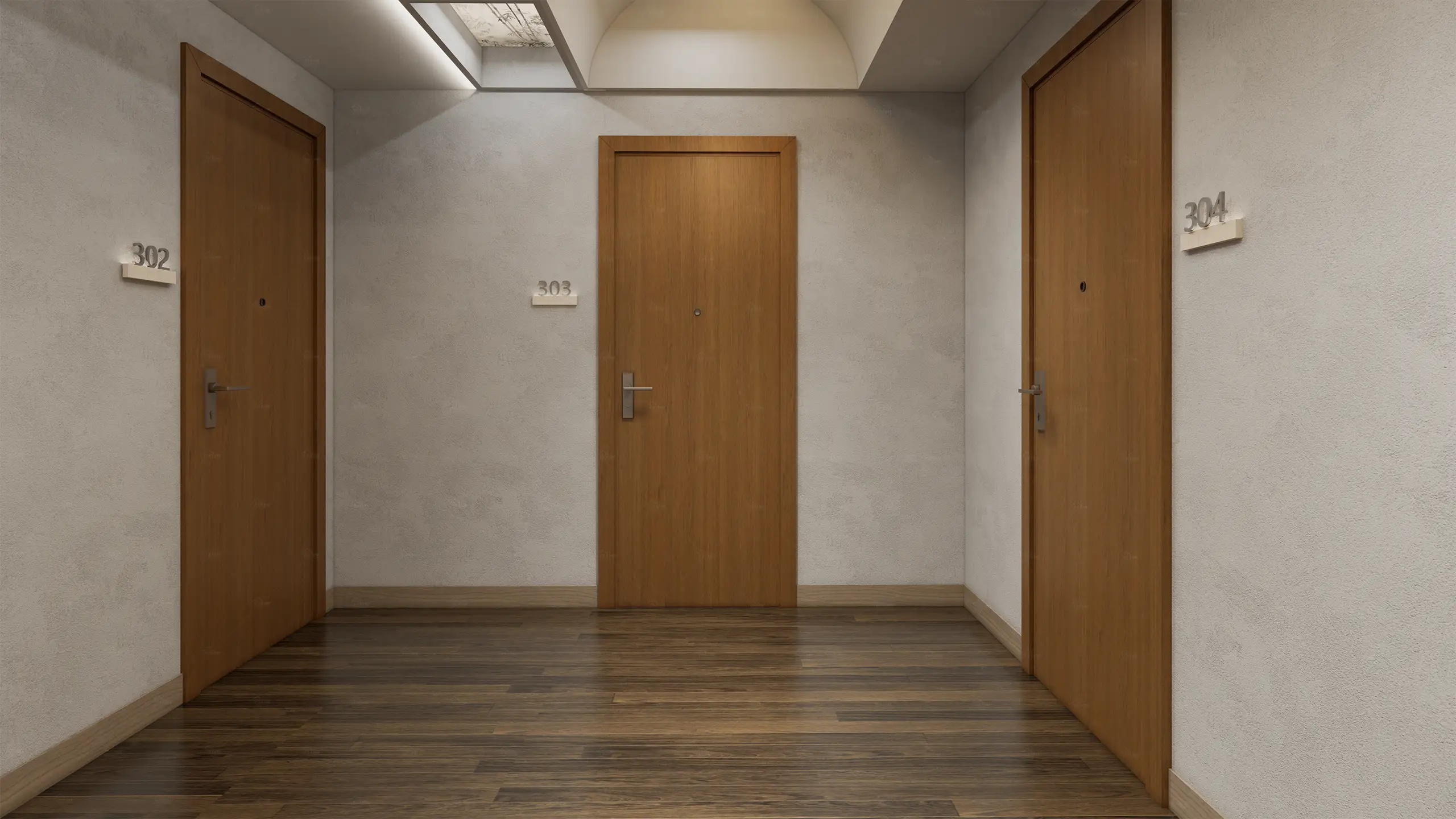
Installation and Maintenance of Fire Door
Proper installation and maintenance of fire doors are essential to ensure that they perform effectively in the event of a fire. Whether you’re installing a new fire door or maintaining an existing one, understanding the correct steps can help protect lives and property.
How to Properly Install a Fire Door?
Installing a fire door requires careful attention to detail. A properly installed fire door can prevent the spread of fire and smoke, while a poorly installed door may fail when needed most. Here are the basic steps to ensure your fire door is installed correctly:
1. Choose the Right Door and Frame:
First, make sure you select a fire door that meets the necessary fire resistance rating for your building. The frame should be made of fire-resistant materials (metal or treated wood) and must be compatible with the door you are installing. If you’re installing a door in a new construction, ensure that the frame is correctly aligned with the wall opening.
2. Properly Fit the Door:
The fire door should fit perfectly in the frame with no gaps larger than 3mm. Gaps, even small ones, can allow smoke and fire to pass through, reducing the door’s effectiveness. Make sure the door leaf swings freely and that the hinges are securely attached. The door should always close tightly, so it’s essential to check the alignment.
3. Install Fire-Rated Hardware:
Ensure that all hardware, such as locks, hinges, and closers, is fire-rated and properly installed. These components must function smoothly to ensure that the door remains closed during a fire. A fire door closer should be installed to keep the door in a closed position at all times, as a door that’s left open or ajar is ineffective in preventing fire spread.
4. Seal the Edges:
Install intumescent seals or fire-rated strips along the edges of the fire door. These seals expand when exposed to heat, filling any gaps and providing an airtight seal that prevents smoke and fire from passing through. This step is crucial to ensure that the fire door performs well during a fire emergency.
5. Check for Compliance:
Before finalizing the installation, ensure that the fire door and all components meet local building codes and fire safety regulations. Many areas require certified fire doors with specific fire resistance ratings for certain areas, such as hallways, stairwells, or storage rooms. Always check that the fire door has been properly tested and certified to meet the required standards.
Fire Door Maintenance Checklist: Keeping Your Doors Safe
Regular maintenance is vital to ensure that your fire doors continue to function correctly. Over time, wear and tear can affect the performance of the door, so it’s essential to carry out routine checks and repairs. Here’s a checklist to help you maintain your fire door:
1. Check for Damage:
Inspect the fire door for any visible damage, such as dents, scratches, or cracks. Even minor damage can compromise the door’s effectiveness. If the door is severely damaged, it should be replaced to ensure it continues to meet fire safety standards.
2. Ensure the Door Closes Fully:
Test the fire door to ensure that it closes fully and fits snugly in its frame. If the door doesn’t close properly, it may allow smoke and fire to escape. Adjust the door closer if necessary, or replace it if it’s no longer functioning correctly.
3. Inspect the Hinges and Hardware:
Check the fire door’s hinges, locks, and closers for wear and tear. Fire-rated hardware must be in good working condition to keep the door securely closed during a fire. Lubricate the hinges as needed and ensure that all locks are fully operational.
4. Check the Seals and Intumescent Strips:
Inspect the intumescent seals along the edges of the door. Please make sure they are intact and free from damage. If the seals are worn out or damaged, replace them with new fire-rated seals to ensure the door will properly seal in case of fire.
5. Clean the Door Regularly:
Regular cleaning can help keep the fire door in good condition. Dust and dirt can affect the door’s operation and the performance of the seals and hardware. Use a damp cloth to clean the door and avoid using harsh chemicals that could damage the fire-resistant surface.
6. Test the Fire Door Annually:
In addition to routine checks, conduct a full test of the fire door every year. This may involve testing the door’s fire resistance, functionality, and compliance with regulations. It’s important to keep records of these tests to demonstrate that the fire door is maintained properly.
Summary
In conclusion, proper installation and regular maintenance of fire doors are essential for ensuring the safety of the building and its occupants. By following a detailed installation process, conducting regular maintenance checks, and scheduling inspections, you can ensure that your fire doors will perform their job effectively when needed. Always remember to stay on top of these tasks to maintain a safe environment for everyone in your building.
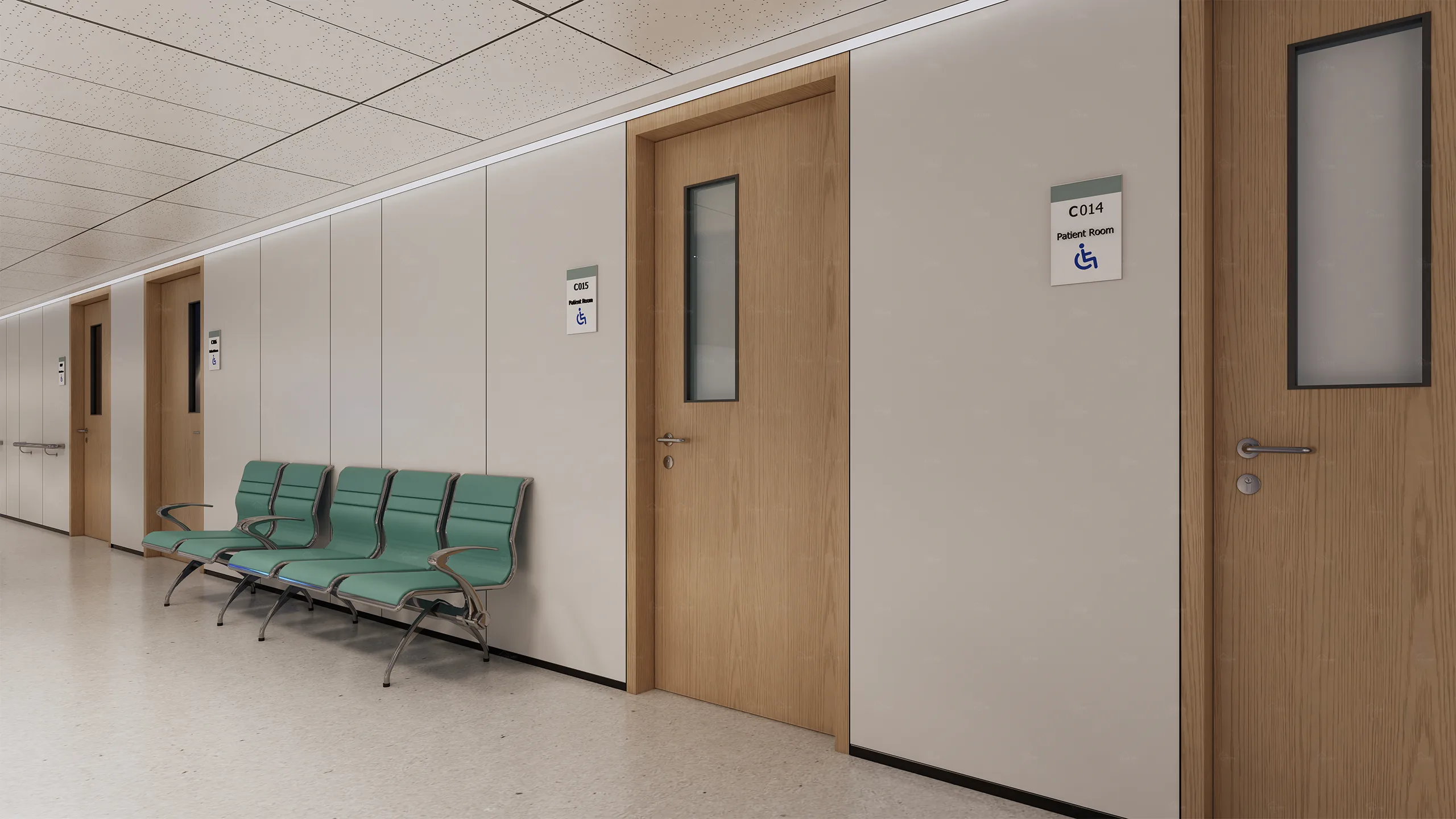
Legal Requirements for Fire Door
Ensuring that fire doors meet the legal requirements is a crucial aspect of building safety. Different regions, including the US, UK, Europe, and Asia, have specific regulations governing the installation, use, and maintenance of fire doors. Let’s explore these legal requirements and why they matter for your building’s safety.
Fire Door Regulations in the US, UK, Europe, and AS
Fire door regulations vary across the globe, but they all serve the same purpose: to prevent the spread of fire and smoke, ensuring the safety of building occupants. Here’s a brief overview of the fire door regulations in key regions:
United States:
In the US, fire door regulations are primarily governed by the National Fire Protection Association (NFPA) and the Occupational Safety and Health Administration (OSHA). According to NFPA 80, fire doors must be installed, maintained, and inspected in accordance with specific standards. The regulations cover the fire resistance rating, installation, and proper functioning of the doors. The fire door must be self-closing, with no gaps exceeding 3mm when closed. Additionally, the door hardware (locks, hinges, and closers) must be fire-rated and must function properly to prevent the spread of smoke and fire.
United Kingdom:
In the UK, fire door regulations are covered by the Building Regulations (Part B), the Fire Safety Order (FSO), and British Standards such as BS 476. Fire doors in the UK must meet specific fire resistance ratings, which are typically 30, 60, or 90 minutes, depending on the building’s design and usage. The regulations also emphasize regular inspection and maintenance of fire doors to ensure they function properly in the event of a fire. It’s also important to note that the Regulatory Reform (Fire Safety) Order 2005 requires that fire doors be maintained to provide continuous fire protection.
Europe:
In Europe, fire door regulations are standardized under the European Union’s Construction Products Regulation (CPR). European standards such as EN 1634-1 outline the testing and performance criteria for fire doors. These doors must undergo rigorous testing to meet the fire resistance requirements and ensure they are capable of withstanding fire for a specified time. Different countries in Europe may have additional local regulations, but they all follow the general guidelines set by the CPR to ensure safety and compliance.
Australia:
In Australia, fire door regulations are governed by the National Construction Code (NCC), which aligns with the Australian Standard AS 1905.1. According to the NCC, fire doors must meet specific fire resistance ratings and comply with the requirements for installation, maintenance, and inspection. In Australia, it is required that fire doors are regularly tested to ensure they are functioning as intended, particularly in commercial and multi-residential buildings. The AS 1905.1 standard provides detailed guidelines on the performance criteria for fire doors, including fire resistance ratings, installation methods, and maintenance.
Building Codes: How Fire Doors Fit into Fire Safety Plans?
Fire doors play a critical role in fire safety plans and are integrated into building codes to ensure overall safety. These codes outline how fire doors should be installed, maintained, and operated to prevent the spread of fire and smoke. Here’s how fire doors fit into building codes:
1. Compartmentalization:
Fire doors are a key element in compartmentalizing a building, which means dividing a structure into separate sections to limit the spread of fire. Building codes specify where fire doors should be placed, such as in corridors, stairwells, and between rooms or fire zones. This compartmentalization helps prevent the fire from spreading too quickly, giving occupants more time to evacuate.
2. Escape Routes:
In any fire emergency, escape routes are essential. Building codes require that fire doors be part of the fire escape routes. This includes ensuring that the doors are easily operable, that they close automatically, and that they do not block the evacuation route. For example, fire doors must not be wedged open, as they must remain closed during a fire to prevent smoke and flames from entering escape routes.
3. Protection of High-Risk Areas:
Certain areas in a building, such as kitchens, boiler rooms, and storage spaces with flammable materials, are high-risk zones. Fire doors are mandated in these areas to contain any potential fire before it spreads to other parts of the building. Building codes specify that these high-risk areas must have doors with the appropriate fire resistance ratings.
4. Fire and Smoke Control:
Building codes also require fire doors to have features that control both fire and smoke. Smoke can be just as dangerous as fire, as it can incapacitate individuals and spread toxins throughout the building. Many building codes now require fire doors also to be smoke-tight to ensure that smoke doesn’t travel from one area to another, creating a safer environment for evacuation.
Fire Door Certification: What to Look for in a Certified Door?
When purchasing a fire door, it’s crucial to ensure that the door is certified for fire resistance. Certification ensures that the door has been tested and meets the necessary fire safety standards. Here’s what to look for in a certified fire door:
1. Fire Resistance Rating:
The fire door should have a clear fire resistance rating, usually marked on the door or its frame. This rating indicates how long the door can withstand fire. For example, a 60-minute fire door can resist fire for 60 minutes. Make sure that the door meets the rating required by local regulations or your fire safety plan.
2. Certification Marks:
Certified fire doors will display certification marks from recognized testing organizations. In the US, look for a label from Underwriters Laboratories (UL) or the National Fire Protection Association (NFPA). In the UK, look for the BS 476 mark, or other certification marks from organizations like the British Standard Institute (BSI). These marks indicate that the door has passed fire resistance testing under controlled conditions.
3. Test Standards:
A certified fire door should meet internationally recognized testing standards. For instance, the EN 1634-1 standard in Europe sets out the testing methods for fire doors. In the US, the NFPA 252 standard is used to test the fire resistance of doors. Make sure that the fire door you select has been tested and meets these rigorous standards.
4. Intumescent Seals:
Check that the fire door includes intumescent seals, which expand when exposed to heat, filling any gaps around the door. This feature is crucial for enhancing the door’s ability to contain fire and smoke. Certification labels will typically indicate whether the door includes these seals and if they meet fire safety standards.
5. Compliance with Local Codes:
Finally, ensure that the fire door is compliant with the local building codes and regulations in your area. Different regions may have specific requirements, so always check the documentation that comes with the fire door to verify that it meets local fire safety laws.
Summary
In conclusion, meeting the legal requirements for fire doors is critical to ensuring the safety of your building. From understanding the regulations in different regions to selecting the right fire door certification, being aware of these legal factors can help you maintain compliance and protect your property.
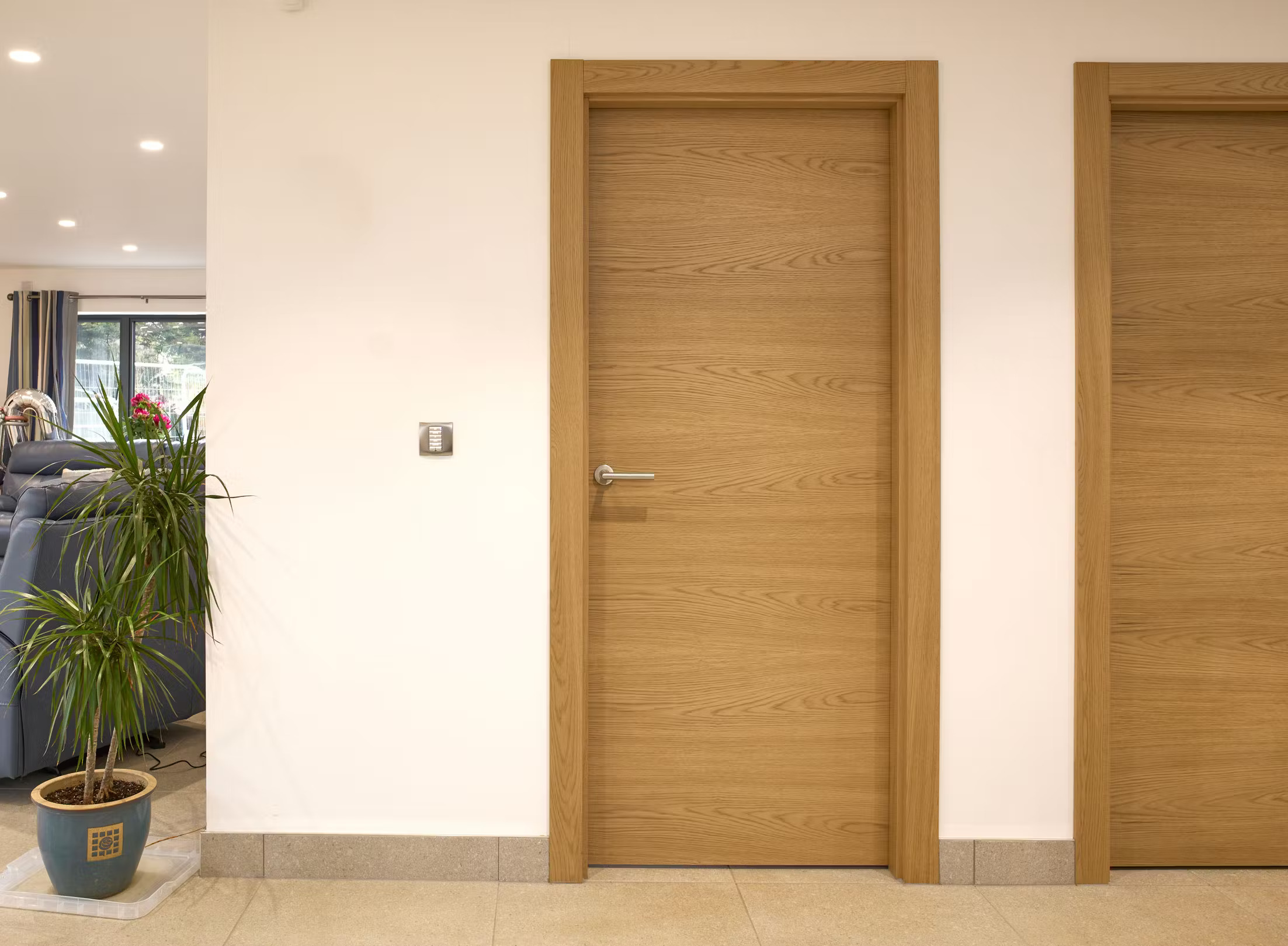
Common Fire Door Problems and How to Avoid Them
While fire doors are designed to offer critical protection in the event of a fire, they can become less effective if not maintained properly. Several common problems can compromise their performance.
Gaps and Misalignment: Why It’s Crucial to Fix These Issues
One of the most common problems with fire doors is gaps and misalignment. A fire door must close tightly against its frame to prevent smoke, heat, and flames from escaping. Even a small gap can allow smoke to leak through, which is dangerous in a fire emergency.
- Why Gaps Matter: A gap in a fire door can reduce its fire resistance rating. During a fire, the fire door is meant to create a seal to contain the flames and smoke. If the door does not close properly, the heat from the fire can spread faster to other areas of the building, making it harder for people to evacuate safely. It also increases the risk of fire spreading into different compartments of the building, which could cause more damage.
- How Misalignment Affects Functionality: Misalignment occurs when the fire door is not properly fitted into its frame. This can be caused by shifting in the structure, wear and tear, or improper installation. If a fire door is misaligned, it may not close properly, leading to gaps that prevent it from sealing correctly. This issue often occurs over time as the door and frame are exposed to temperature changes, humidity, or frequent use.
How to Avoid Gaps and Misalignment?
Regular inspection and maintenance are key to preventing gaps and misalignment. Ensure that the fire door is aligned correctly in the frame and that it swings freely without sticking. If misalignment is noticed, it should be corrected immediately by adjusting the hinges or replacing damaged parts. It’s also important to check that the door is fully sealing when closed. If there are any gaps, they can be filled by adjusting the door closer or installing new weatherstripping or intumescent seals.
Damaged Seals and Hinges: The Impact on Fire Safety
Another common issue is damaged seals and hinges, which can seriously impact the effectiveness of fire doors.
- Damaged Seals: Fire door seals are designed to expand when exposed to heat, filling any gaps around the door and frame. This is a critical feature because it prevents smoke and flames from passing through. Over time, seals can wear out or become damaged, especially if the fire door is frequently used or exposed to harsh conditions. A broken seal can compromise the fire door’s ability to contain fire and smoke, which puts the safety of the building’s occupants at risk.
- Damaged Hinges: Fire door hinges are designed to withstand high temperatures without warping or failing. If the hinges become damaged or corroded, the fire door may not open or close properly, or it might even fall off its frame. Hinges are a critical component that ensures the door stays in place during a fire so that any damage can compromise the door’s function.
How to Avoid Damaged Seals and Hinges?
Inspect the fire door seals regularly for any signs of wear and tear. If the seals are cracked, dry, or brittle, they should be replaced immediately. You should also check that the seals are properly fitted and functioning, making sure there are no gaps between the door and frame. Hinges should be checked for rust, damage, or signs of loosening. Lubricate the hinges to prevent them from becoming stiff or worn. If any of the fire door’s hardware is damaged, replace it promptly to maintain the door’s fire-resistance performance.
Can Fire Doors Be Blocked? The Dangers of Obstructing Fire Door
One of the most dangerous practices is blocking or propping open fire doors. While it may seem harmless to leave a fire door open for convenience, doing so can seriously compromise safety.
- The Dangers of Blocking Fire Doors: Fire doors are designed to remain closed at all times to prevent the spread of smoke and flames. Blocking or propping open a fire door defeats its purpose. During a fire, if the door is left open, it will allow smoke, heat, and flames to travel freely throughout the building, creating a much more dangerous environment for evacuation and rescue efforts.
In many cases, people block fire doors because they are in high-traffic areas or because they are inconvenient to keep closed. However, this is a serious safety violation. Fire doors must be self-closing to ensure they are properly sealed when a fire occurs.
- How Blocking Fire Doors Increases Risk: Leaving fire doors open can make fire escape routes unsafe. Fire doors help compartmentalize the building, slowing the spread of fire and giving occupants more time to exit. If the door is blocked or left open, this compartmentalization is lost. Fire doors in escape corridors are especially critical as they protect the path to safety. Blocking these doors can prevent the building’s fire safety system from functioning properly and can lead to tragic consequences.
How to Avoid Blocking Fire Door?
Ensure that fire doors are never blocked or propped open. Install automatic door closers that ensure the door closes every time, regardless of whether someone forgets or neglects to close it manually. In high-traffic areas, consider installing a fire door with a hold-open device that automatically closes the door in the event of a fire. It’s also essential to educate building occupants and employees about the importance of keeping fire doors closed at all times.
Summary
In conclusion, while fire doors are a critical part of your building’s safety system, they need regular maintenance and attention to function properly. Problems like gaps, misalignment, damaged seals, hinges, and blocking can significantly reduce their effectiveness. By regularly inspecting fire doors and addressing these issues promptly, you can ensure that your fire doors continue to provide the necessary protection in the event of a fire.

Fire Door Safety Tips for Building Owners and Occupants
Fire doors play a vital role in keeping buildings safe from the spread of fire and smoke. Whether you’re a building owner, property manager, or occupant, it’s important to ensure that these doors remain fully functional.
How to Ensure Your Fire Door Is Fully Functional?
Ensuring that your fire door is fully functional requires regular checks and attention to detail. Here’s a simple guide to help you keep your fire doors in top shape:
1. Check for Proper Closure:
The most important function of a fire door is to stay closed during a fire. Always check that the fire door closes automatically without resistance. It should fit snugly in the frame with no gaps greater than 3mm. If the door doesn’t close fully or doesn’t close at all, it defeats the purpose of preventing fire and smoke from spreading.
2. Inspect the Hinges and Hardware:
Check that the fire door hinges, locks, and closers are working correctly. These components need to be fire-rated and able to withstand the heat of a fire. Make sure that the hinges aren’t worn or damaged and that the closer is functioning smoothly. A malfunctioning closer can leave the door ajar, which compromises the fire protection.
3. Ensure Seals Are Intact:
Inspect the intumescent seals around the edges of the door. These seals expand when exposed to heat and fill any gaps to stop smoke and fire from passing through. If the seals are cracked, damaged, or missing, the fire door may not perform as required during an emergency. Always replace worn seals promptly.
4. Test the Door Regularly:
Perform a functional test of the fire door every month. This involves checking that the door closes properly, the hardware works, and the seals are intact. It’s a good idea to test the fire door more thoroughly once a year, possibly with the help of a professional, to ensure it is still up to code.
5. Check for Obstructions:
Ensure there are no obstacles in front of the fire door. Items like furniture or other materials should never block the door from closing properly. Even if the door is installed correctly, an obstruction can prevent it from doing its job.
Fire Door Maintenance Tips for Property Managers
As a property manager, it’s your responsibility to ensure that fire doors are well maintained, compliant with safety standards, and ready for use in case of an emergency. Here are some maintenance tips that will help you stay on top of things:
1. Create a Regular Inspection Schedule:
Schedule monthly or quarterly checks of all fire doors in your building. Ensure that each door is fully functional, checking for gaps, misalignment, or damaged components. Keep a maintenance log to track any repairs or inspections done on the doors. Regular documentation helps ensure compliance with local fire safety regulations.
2. Keep Fire Door Areas Clear:
Ensure that no one is propping open fire doors or blocking them with furniture, equipment, or other objects. Fire doors must remain closed at all times to contain fire and smoke. Educate tenants or employees about the importance of not obstructing fire doors and keep the areas around the doors clear of debris or other obstacles.
3. Replace Damaged Parts Promptly:
If you notice that any fire door components, such as hinges, locks, or seals, are damaged, replace them immediately. Fire-rated hardware must always meet the required standards. Failing to replace damaged parts can compromise the door’s performance during a fire emergency.
4. Test Fire Doors after Repairs:
If any repairs are made to a fire door, test it to ensure that it is still functioning correctly. For instance, if a closer is replaced, check that it works as expected and that the door closes completely. Always recheck the door’s fire resistance after any repairs to ensure the safety system is still intact.
5. Ensure Compliance with Local Fire Safety Codes:
Stay informed about local building codes and fire door regulations. Fire safety laws can change, and you must ensure that your fire doors meet the latest requirements. Work with a professional to ensure your property complies with all fire safety laws, including fire door installation, inspection, and maintenance.
What to Do If You Discover a Faulty Fire Door?
If you find that a fire door is faulty, it’s essential to address the issue quickly to ensure safety and compliance with fire safety regulations. Here’s what you should do:
1. Do Not Use the Faulty Fire Door:
If you discover that a fire door is not functioning properly—whether it’s not closing correctly, has damaged seals, or is misaligned—do not use it. Mark it as out of order and ensure that it is not used until repaired. Allowing people to pass through a faulty fire door puts everyone at risk.
2. Assess the Problem:
Determine what is causing the issue. Is it a damaged closer? Worn-out seals? Misalignment? Once you identify the problem, decide if it’s something that can be fixed in-house or if you need to call a professional for repairs.
3. Call a Professional if Needed:
If you’re unsure about how to fix the fire door or if it requires complex repairs, don’t hesitate to contact a professional. A qualified technician can fix misalignments, replace faulty hardware, and ensure that the fire door complies with safety standards. It’s always better to have a professional inspect and repair the door than risk compromising safety.
4. Replace the Fire Door if Necessary:
In some cases, the fire door may be too damaged to repair. If the door’s frame is compromised or the door itself is beyond repair, replacing it with a new fire-rated door is necessary. Ensure that the new fire door meets the required fire resistance rating and that it is installed properly.
5. Keep a Maintenance Log:
Record any issues with the fire door and the steps taken to fix it in your building’s maintenance log. This will help you track recurring problems and ensure that you’re complying with legal fire safety requirements.
Summary
In conclusion, ensuring that fire doors are fully functional and well-maintained is critical for the safety of any building. By performing regular checks, following fire door maintenance tips, and knowing what to do when a door is faulty, you can ensure that your building remains safe and compliant with fire safety regulations.

Conclusion
The Peace of Mind Fire Doors Bring to Home and Business Owners
For both homeowners and business owners, fire doors offer invaluable peace of mind. The presence of a fire door provides a sense of security, knowing that you have an important line of defense against the spread of fire and smoke. When properly installed and maintained, fire doors ensure that fire won’t quickly spread from room to room or floor to floor, giving everyone more time to evacuate safely.
1. Protection for Occupants:
When a fire door is in place, it effectively compartmentalizes the building, preventing fire from spreading across different areas. This buys valuable time for people to evacuate safely or for first responders to reach those in need. Whether you’re in a home, office building, hospital, or apartment complex, knowing that fire doors are in place helps protect everyone inside.
2. Safeguarding Property:
Aside from saving lives, fire doors are crucial for minimizing property damage. They help protect valuable assets, equipment, and irreplaceable items from being destroyed in a fire. For example, in commercial spaces or data centers, fire doors can prevent costly damage to stock, machinery, or sensitive information.
3. Reduced Risk of Liability:
For business owners, having properly installed and maintained fire doors reduces the risk of liability in case of an emergency. If a fire were to spread due to faulty or non-compliant doors, the consequences could be devastating. By investing in fire doors, you not only protect lives and property but also ensure that your business complies with fire safety regulations, thus avoiding potential fines or legal issues.
The Peace of Mind Fire Doors Bring to Home and Business Owners
It’s not enough to install fire doors; they must also comply with safety standards and local regulations to be effective. Failure to meet these requirements can undermine their ability to protect the building and its occupants in case of a fire.
1. Understanding Local Regulations:
Different regions have varying fire door regulations. In the US, the NFPA 80 standard outlines the installation and maintenance of fire doors. In the UK, the Regulatory Reform (Fire Safety) Order 2005 requires that fire doors meet specific fire resistance ratings. The European Union has its own set of standards under EN 1634-1. As a building owner, it’s your responsibility to stay informed about the fire safety codes in your area and ensure your fire doors comply with these requirements.
2. Regular Inspections and Maintenance:
Fire doors must be regularly inspected and maintained to ensure they meet these safety standards. The doors should be tested at least once a year by a professional, but regular monthly checks can help catch minor issues early. This includes checking that the door closes properly, the seals are intact, and the hardware functions correctly. If any part of the fire door is damaged, it should be repaired or replaced immediately to keep it compliant with fire safety regulations.
3. Certification and Testing:
Make sure that all fire doors are properly certified. Certification from organizations like UL (Underwriters Laboratories) or BSI (British Standards Institute) guarantees that the doors have been tested under controlled conditions and meet the necessary fire resistance ratings. Always check the fire door’s labeling to ensure that it has passed the required tests and is compliant with local building codes.
4. Professional Installation:
The installation of fire doors must also adhere to specific guidelines. Improper installation can cause the doors to fail during a fire emergency. Therefore, hire a qualified professional to install fire doors, ensuring they are placed in the correct locations and fitted properly. If a fire door has been installed incorrectly, it won’t be able to prevent the spread of fire, making it essentially useless in an emergency.
Relate FAQ
What is a fire door?
A fire door is a specialized door designed to resist the spread of fire and smoke between different areas of a building. These doors are an essential part of a building's fire safety strategy, typically made with materials like metal or fire-resistant timber. Fire doors are equipped with seals, hinges, and closing mechanisms that ensure they perform well during a fire, helping to protect people and property.
How do fire doors work?
Fire doors function by preventing the passage of flames and smoke to other parts of the building, allowing more time for occupants to evacuate safely. When a fire occurs, the fire door closes automatically and forms a barrier between the fire and unaffected areas. This stops or slows the spread of the fire, minimizing damage and increasing safety for building occupants.
What are the key components of a fire door?
The essential components of a fire door include:
- Fire-resistant Door Leaf: This is the main part of the door, designed to withstand high temperatures.
- Frame: The frame holds the door and provides structural integrity.
- Seals: Intumescent seals expand when exposed to heat, helping to block gaps around the door.
- Hinges, Handles, and Locks: All fittings must be fire-resistant and properly installed to ensure the door's effectiveness during a fire.
- Closer Mechanisms: These devices ensure the door automatically closes after being opened, preventing it from staying ajar during an emergency.
What fire rating should a fire door have?
The fire rating of a fire door refers to the amount of time it can withstand fire exposure before failing. Fire doors typically come with ratings such as 30 minutes (FD30), 60 minutes (FD60), or 120 minutes (FD120). The required fire rating depends on the building's specific fire safety plan and regulations. It is important to choose a fire door with an appropriate rating based on the building's needs.
How do I maintain a fire door?
Maintaining a fire door is critical to ensure it functions properly in an emergency. Key maintenance tasks include:
- Regularly checking that the door closes properly and forms a tight seal.
- Ensuring that the door is not propped open, as this can compromise its performance.
- Inspecting hinges, locks, and seals for any damage.
- Ensuring that the door is free from any obstructions that may prevent it from closing properly.
Can a fire door be installed in any building?
Fire doors can be installed in both residential and commercial buildings, including offices, apartments, schools, hospitals, and industrial settings. However, the installation must comply with local building regulations, which dictate the type of fire doors needed based on the building's layout, use, and fire safety requirements. It’s essential to consult with a professional when installing a fire door to ensure it meets safety standards.
Why are fire doors important for building safety?
Fire doors play a crucial role in building safety by slowing the spread of fire and smoke. This gives occupants more time to escape and allows firefighters to do their job effectively. Without fire doors, fire can spread quickly throughout a building, putting lives and property at greater risk. They are part of a comprehensive fire safety system that includes alarms, sprinklers, and emergency exits.