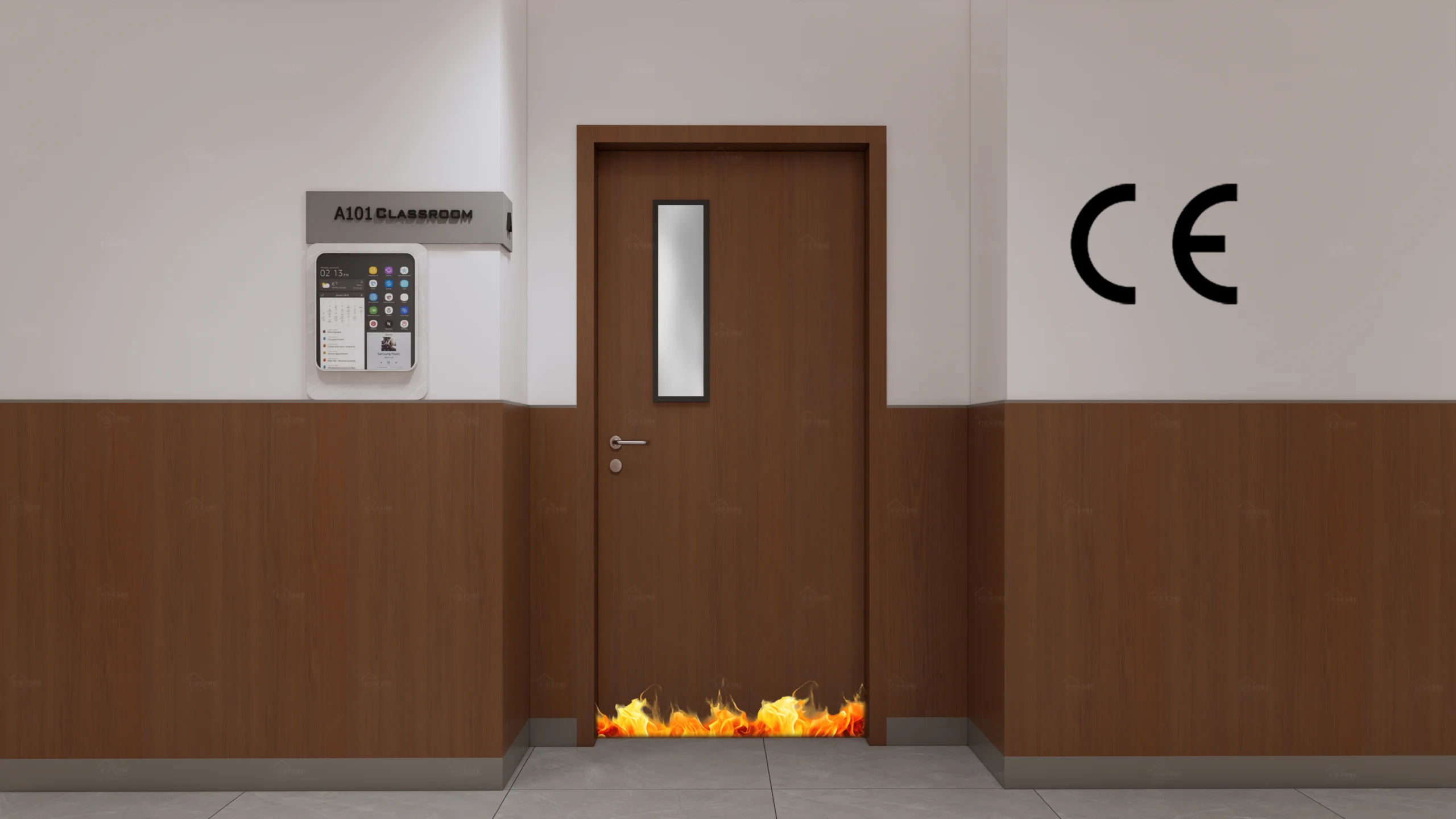
What are the requirements for fire doors in Australia?

Fire Door Requirements In Australia
In Australia, a compliant Fire Door must function as a complete fire door set, including the door leaf, frame, seals, hinges, latch, closer, and tag. In simple terms, the Fire Door must meet the NCC, comply with the relevant Australian Standards, and remain in good working order after installation.
Fire Doors Must Meet The NCC And Australian Standards
In Australia, a Fire Door must meet the National Construction Code (NCC). The NCC sets the main fire safety rules for buildings, including fire resistance, safe exits, and protection of openings in fire-rated walls. For most projects, this means the Fire Door must form part of a compliant passive fire protection system.
Also, a Fire Door usually needs to comply with AS 1905.1 for fire-resistant doorsets. This standard covers the manufacture, testing, installation, and identification of a fire door set. It does not look at the door leaf alone. It examines the entire fire-rated door assembly.
Then, fire testing is usually linked to AS 1530.4, which tests how building elements perform in a fire. For ongoing care, AS 1851 sets routine service rules for fire protection systems and equipment. So, when people ask about Australian fire door requirements, the real answer is: NCC first, then the right Australian Standards, then proper records.
They Must Be Tested, Tagged, Installed, And Maintained Correctly
A compliant Fire Door should have valid test evidence. This proves the fire-rated door set has been tested or assessed for a stated fire resistance level, also known as FRL. Without this proof, it is hard to show that the Fire Door will perform as required in a real fire.
Next, the Fire Door should be tagged. A fire door tag normally shows key details such as the relevant standard, fire rating, manufacturer, and other compliance information. This small metal tag matters because it helps builders, certifiers, inspectors, and facility managers confirm the fire door’s intended purpose.
Installation is just as important as the door itself. Even a high-quality fire-rated door can fail to comply if the frame, gaps, seals, closer, hinges, or latch are incorrect. After that, maintenance must continue throughout the building’s life. A Fire Door that will not close, latch, or seal properly is no longer doing its job.
Requirements Can Change By Building Type And State
Fire Door requirements can change based on the building class. For example, apartment buildings, offices, hospitals, schools, car parks, plant rooms, stairwells, and fire-isolated exits may all need different fire door ratings or hardware. So, the right Fire Door for one site may not be right for another.
Also, each state and territory can apply extra rules, forms, inspection duties, or maintenance obligations. For example, NSW, Queensland, Victoria, and other areas may treat fire safety statements, annual checks, and owner duties slightly differently. Because of this, local advice is always useful.
In practice, the safest approach is simple: check the NCC, confirm the required fire rating, use an approved fire door set, and follow the local rules for installation and maintenance. This keeps the Fire Door compliant, helps protect escape paths, and gives building owners a much stronger position during fire safety audits.

Why Fire Doors Matter In Australian Buildings?
A Fire Door is a small part of a building, but it does a very big job. In Australian buildings, a compliant fire-rated door helps slow the spread of fire, block smoke, protect escape paths, and support the full fire safety plan. When installed and maintained properly, a Fire Door gives people more time to get out safely.
They Slow Fire And Smoke Spread
A Fire Door helps contain fire in one area, preventing it from spreading quickly through the building. This is why fire-rated doors are often used in stairwells, corridors, plant rooms, car parks, and apartment entry doors. They work with fire-rated walls to create a stronger barrier.
Also, smoke can become dangerous very fast. A well-fitted Fire Door with the right smoke seals can help reduce smoke movement through gaps around the door leaf and frame. This matters because clear air and clear vision can help people escape with less panic.
However, the Fire Door must close and latch properly to do this job. If someone wedges it open, removes the closer, or damages the seals, the fire door system can fail. So, regular fire door inspection and maintenance are just as important as the door itself.
They Protect Escape Paths
A Fire Door helps protect the paths people use to leave a building during a fire. These paths can include fire stairs, exit corridors, lobby areas, and fire-isolated passageways. In simple terms, the Fire Door helps keep the escape route safer for longer.
This is especially important in apartments, offices, schools, hospitals, aged care homes, and shopping centres. In these places, many people may need extra time to move out, find the exit, or help others. A working fire-rated door can make that time possible.
Also, emergency crews rely on safe access routes when they enter a building. A compliant Fire Door can help control fire and smoke, allowing firefighters to move through key areas with less risk. That is why fire door compliance is not just paperwork. It supports real safety on site.
They Support Fire Compartments
Fire compartments divide a building into smaller, safer sections. A Fire Door protects openings in those fire-rated walls and helps each compartment do its job. Without the right fire door set, the wall may look strong, but the opening can become the weak point.
For example, a fire-rated wall separating a car park from a lobby requires a Fire Door that meets the required fire resistance level. The same idea applies to plant rooms, service risers, storage areas, and apartment corridors. The door leaf, frame, seals, hardware, and closer must work as a single system.
This is why a Fire Door should not be treated like a normal door. Cutting it down, changing locks, drilling holes, or fitting non-rated hardware can affect the full fire door assembly. Even a small change can create a big compliance problem.
They Help Meet Building Compliance
Fire Door compliance helps building owners, builders, strata managers, and facility managers meet Australian fire safety requirements. A compliant fire-rated door can meet NCC requirements, support fire safety audits, secure occupation approvals, and facilitate annual fire safety checks.
Also, proper records matter. Fire door tags, test evidence, installation documents, inspection reports, and maintenance records can all help prove that the Fire Door meets the required standard. When these records are missing, it becomes harder to demonstrate compliance.
Most importantly, a compliant Fire Door lowers risk. It can reduce safety issues, repair costs, insurance problems, and legal exposure. So, keeping fire doors in good condition is not just a box to tick. It is a smart and responsible way to manage any Australian building.

Key Fire Door Standards In Australia
Fire Door standards in Australia help ensure a fire-rated door does more than just look compliant. They guide how the Fire Door is selected, tested, installed, tagged, inspected, and maintained. In most cases, you need to look at the NCC, AS 1905.1, AS 1530.4, AS 1851, and the local fire safety rules in your state or territory.
National Construction Code, Or NCC
The National Construction Code (NCC) is the primary starting point for Fire Door requirements in Australia. It sets the building rules for fire safety, exits, fire resistance, and protection between different parts of a building. Before choosing any Fire Door, the project team should check what the NCC requires for that building class.
The NCC helps decide where a fire-rated door may be needed. This can include fire stairs, exit corridors, apartment entry doors, service rooms, plant rooms, car parks, and fire-isolated areas. It also links the Fire Door to the fire-rated wall, because the door opening must support the full fire protection system.
In simple terms, the NCC tells you the “what” and “where” of fire door compliance. It does not work alone, though. Once the NCC sets the need for a Fire Door, Australian Standards help explain how that fire door set should be tested, built, installed, and maintained.
AS 1905.1 For Fire-Resistant Doorsets
AS 1905.1 is one of the key Australian Standards for fire-resistant doorsets. It focuses on the full Fire Door set, not just the door leaf. This means the frame, door core, hinges, seals, latch, closer, glazing, and other fire-rated hardware all matter.
This standard is important because a Fire Door only works when all parts match the tested system. For example, a strong fire door leaf may still fail if someone uses the wrong frame, cuts the door too much, or installs non-rated hardware. That is why compliant fire door installation should always follow the approved doorset details.
For builders, certifiers, and facility managers, AS 1905.1 gives a clear way to check whether a fire-rated door assembly is suitable for use. It also supports proper fire door tagging and product identification. In everyday terms, it helps prove that the Fire Door is the right door for the job.
AS 1530.4 For Fire Testing
AS 1530.4 addresses fire-resistance testing of building elements. For Fire Door products, it helps show how a tested fire door assembly performs under fire conditions. This testing supports the fire resistance level, or FRL, that appears in project documents and compliance records.
A Fire Door test looks at how the door set performs as part of a system. The door leaf, frame, hardware, seals, and installation details all affect the result. So, when you choose a fire-rated door, you should ask for test evidence or assessment documents that match the door set you plan to use.
This matters because “fire-rated” should never be just a loose sales claim. A compliant Fire Door needs proof to support it. Good test evidence gives builders, owners, and inspectors more confidence that the fire door can help slow fire and smoke spread when it matters most.
AS 1851 For Routine Service And Maintenance
AS 1851 covers routine service and maintenance for fire protection systems and equipment. For Fire Door compliance, it helps guide regular checks, service work, and record keeping. This matters because a Fire Door can pass on day one but fail later if people damage it, wedge it open, or change the hardware.
During a fire door inspection, the technician may check whether the door closes fully, latches correctly, and has the right gaps. They may also look at smoke seals, intumescent seals, hinges, closers, tags, frames, glazing, and signs of damage. These small checks can prevent bigger safety and compliance issues later.
For property owners, strata managers, and facility managers, AS 1851 helps turn fire door maintenance into a routine process. It also supports clear records for audits and annual fire safety checks. In short, it keeps the Fire Door working long after the builder has left the site.
Local State And Territory Rules
Fire Door rules can also change from one state or territory to another. The NCC and Australian Standards set the baseline, but local laws may impose additional duties on building owners, managers, certifiers, or fire safety practitioners. So, a Fire Door project in NSW may not follow the same process as one in Victoria, Queensland, or Western Australia.
These local rules may affect fire safety statements, annual checks, inspection forms, repair duties, and who can sign off certain work. For example, some buildings may need regular fire door inspections as part of their broader essential safety measures or fire safety schedule. That is why local compliance advice matters.
The best approach is to treat Fire Door compliance as both a national and local issue. First, check the NCC and the relevant Australian Standards. Then, check the rules in your state or territory. This gives you a safer, cleaner, and more practical path to compliant fire-rated doors.
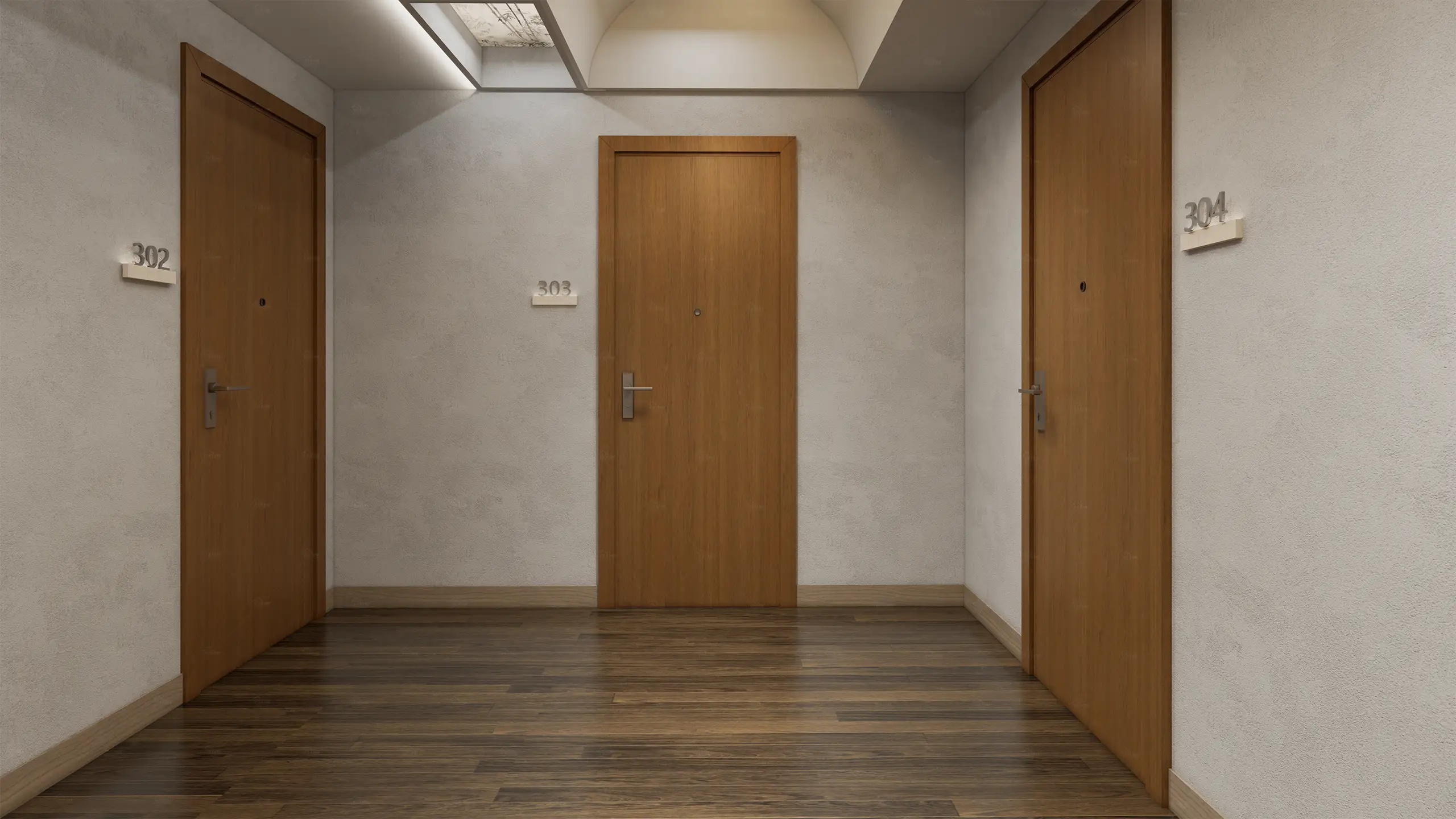
Where Are Fire Doors Required In Australia?
Fire Door locations in Australia depend on the building class, fire design, escape paths, and fire-rated walls. In most cases, you will see a Fire Door where a building needs to slow the spread of fire, limit smoke, or protect people as they leave. Common areas include apartments, offices, health buildings, schools, stairwells, corridors, plant rooms, service rooms, and car parks.
Apartments And Class 2 Buildings
In apartments and Class 2 buildings, a Fire Door is often required at the entry to each unit. This fire-rated apartment door helps separate the private unit from the shared corridor. If a fire starts inside one apartment, the Fire Door can help slow the spread into common areas.
Fire Doors may also appear in stairwells, lift lobbies, service cupboards, garbage rooms, and car park access points. These areas can connect many parts of the building, so they need stronger fire and smoke control. A compliant fire door set helps keep those zones safer for residents and visitors.
For strata managers and owners, apartment fire door compliance is a serious duty. A damaged Fire Door, missing tag, broken closer, or large door gap can create problems during a fire safety inspection. So, regular checks and fast repairs are always worth doing.
Commercial Buildings And Offices
Commercial buildings and offices often use Fire Doors to protect exits, corridors, tenancy walls, plant rooms, and back-of-house areas. These doors help staff, visitors, and contractors move out safely during an emergency. They also help protect key escape paths from fire and smoke.
In an office building, a Fire Door may sit between a tenancy and a shared corridor, or between a work area and a fire stair. It may also protect server rooms, storage rooms, electrical rooms, and service risers. Each location needs the right fire-rated door assembly, not just a standard timber or steel door.
Also, office fit-outs can create issues with fire door compliance. New locks, access control, swipe readers, glass panels, or door hardware must suit the approved Fire Door system. If a fit-out team changes the door without checking compliance, the building owner may face costly rectification later.
Hospitals, Aged Care, And Health Buildings
Hospitals, aged care homes, and health buildings need Fire Doors because people may not be able to leave quickly. Some patients, residents, or visitors may need help from staff. So, a fire-rated door can give everyone more time and help keep smoke away from critical areas.
Fire Doors in health buildings may protect wards, treatment rooms, corridors, stairwells, service rooms, kitchens, and storage areas. They also support staged evacuations, where people move from one safe area to another rather than leaving the entire building at once. In this setting, every Fire Door needs to close, latch, and seal properly.
Because these sites run day and night, fire door maintenance must stay practical and consistent. Staff should avoid wedging Fire Doors open, blocking exits, or ignoring damaged seals and closers. Small faults can become serious when vulnerable people rely on the building’s fire safety system.
Schools And Public Buildings
Schools and public buildings often need Fire Doors in corridors, halls, stairwells, plant rooms, kitchens, storage areas, and exit routes. These buildings can accommodate many people at once, so clear, well-lit, and well-protected paths matter. A compliant Fire Door helps support a safer evacuation.
In schools, Fire Doors also need to handle daily use. Students, staff, cleaners, and contractors may open and close them many times a day. That means hinges, closers, latches, seals, and door frames need regular inspection to keep the fire-rated door functioning properly.
Public buildings may also need access-friendly hardware, signage, and safe egress features. The Fire Door must support both fire compliance and everyday movement. In simple terms, it should be safe, easy to use, and ready to perform in an emergency.
Stairwells, Corridors, Exits, And Fire-Isolated Passages
Fire Doors are very common in stairwells, exit corridors, and fire-isolated passages. These areas serve as the main escape route during a fire. Because of that, the Fire Door must help stop fire and smoke from entering the route too quickly.
A stairwell Fire Door should close by itself and latch properly after use. If it stays open, smoke can move into the stairs, making evacuation much harder. This is why self-closing devices, smoke seals, correct gaps, and compliant hardware matter so much.
In corridors and exits, Fire Doors also help guide people through safer zones. They work with walls, signs, lighting, alarms, and other fire safety systems. When all parts work together, the building gives people a better chance to leave calmly and safely.
Plant Rooms, Service Rooms, And Car Parks
Plant rooms, service rooms, and car parks often require Fire Doors due to their higher fire risk. These areas may contain electrical equipment, mechanical systems, fuel sources, storage items, or vehicle-related hazards. A fire-rated door helps separate these spaces from occupied parts of the building.
A Fire Door may sit between a car park and a lift lobby, between a plant room and a corridor, or at the entry to an electrical switch room. In each case, the door must suit the required fire rating and match the fire-rated wall around it. The full fire door set must include the right frame, seals, hinges, closer, latch, and tag.
These doors also take a lot of wear and tear. Car park Fire Doors may be subject to wind pressure, rough use, moisture, and frequent traffic. So, regular fire door inspection and maintenance help prevent faults such as loose hinges, poor latching, damaged seals, and doors that no longer close fully.
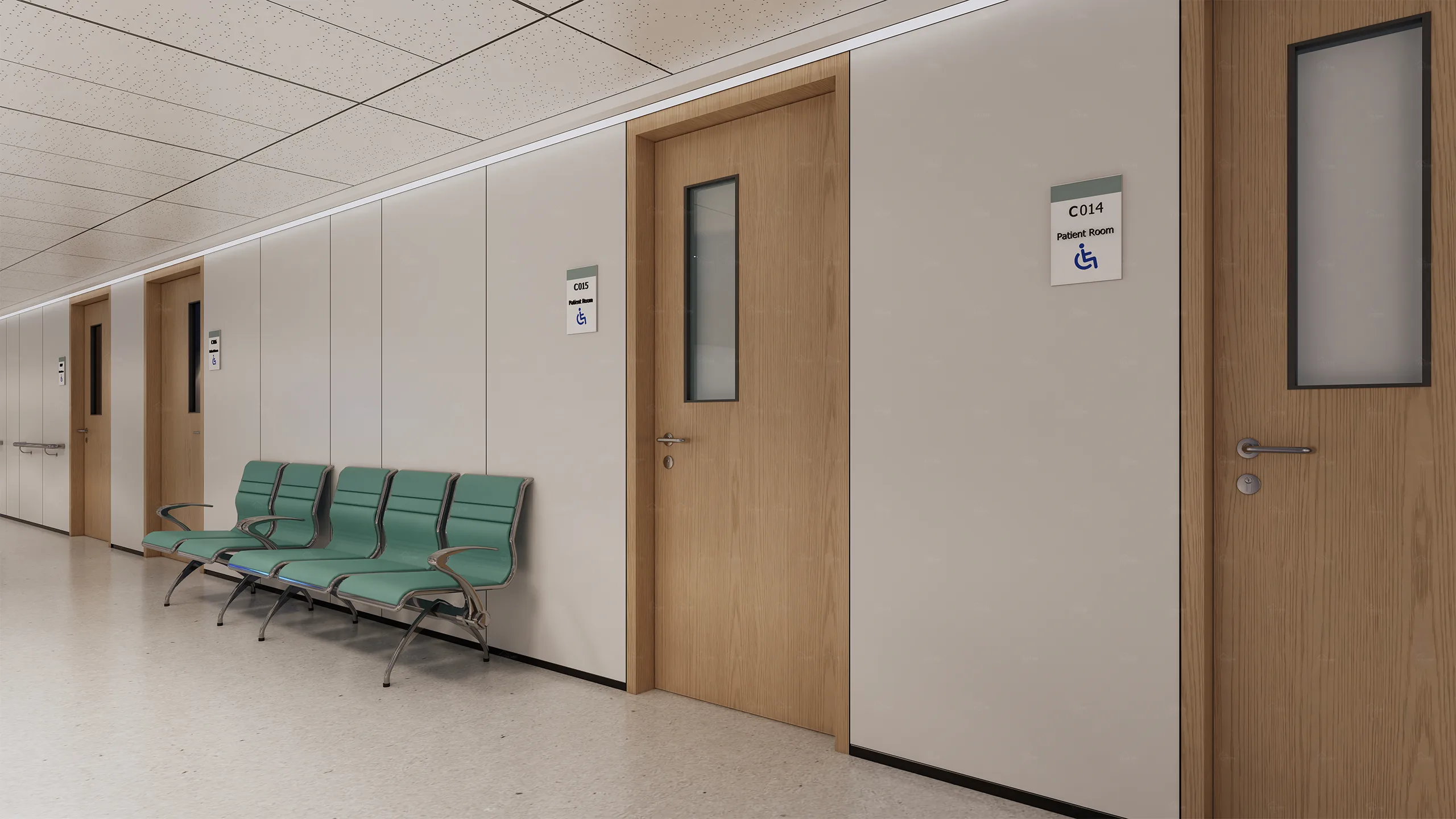
What Fire Rating Does A Fire Door Need?
The fire rating a Fire Door needs depends on the wall, the building class, and the fire safety design. In Australia, this is usually shown as an FRL (fire resistance level). In simple terms, the Fire Door should match the job it needs to do, the wall it sits in, and the NCC and project documents.
What FRL Means?
FRL stands for Fire Resistance Level. It shows how long a building element can resist fire under test conditions. For a Fire Door, the FRL helps explain how the fire-rated door set may perform when exposed to heat, flame, and smoke.
You may see an FRL written as three numbers, such as 60/60/30 or -/60/30. These numbers relate to structural adequacy, integrity, and insulation. For many Fire Door applications, integrity and insulation matter most because the door must help hold back flames and reduce heat transfer.
However, do not guess the FRL from the door alone. The required Fire Door rating should be provided by the NCC, a fire engineer’s report, a fire safety schedule, a building approval, or a project specification. This helps avoid using the wrong fire-rated door assembly in the wrong location.
Common Fire Door Ratings In Australia
In Australia, common Fire Door ratings often include 30-minute, 60-minute, 90-minute, and 120-minute fire-rated doors. You may also see terms like one-hour Fire Door, two-hour Fire Door, or FRL fire door in project documents. The right rating depends on the fire-rated wall and the risk of that area.
For example, an apartment entry Fire Door may need a different rating from a plant room Fire Door or a car park Fire Door. Stairwell doors, service room doors, electrical room doors, and fire-isolated exit doors may also have different needs. So, one standard fire-rated door does not suit every site.
Also, the Fire Door rating must apply to the full door set. This includes the door leaf, frame, closer, latch, hinges, seals, glazing, and other hardware. If one part does not suit the approved system, the fire rating may no longer be valid.
How To Read A Fire Door Tag?
A Fire Door tag is a small but important compliance marker. It is usually fixed to the edge or frame of the fire-rated door. The tag may show the fire rating, standard, manufacturer, certifier, approval number, or other details that help identify the Fire Door system.
When reading a Fire Door tag, first check the fire rating (FRL). Then look for the standard or certification details. Also check whether the tag is clear, fixed in place, and not painted over, damaged, missing, or hard to read.
If a Fire Door has no tag, do not assume it is compliant. Missing tags can cause problems during fire door inspections, audits, and annual fire safety checks. In that case, the owner or manager may need to review old records, contact the supplier, or arrange a fire door assessment.
Why The Wall Rating And Door Rating Must Match?
A Fire Door protects an opening in a fire-rated wall. So, the wall and the fire door set must work together as one barrier. If the wall has a higher fire rating than the door, the door opening may become the weak point in the whole fire compartment.
For example, a fire-rated wall around a plant room, stairwell, corridor, or car park needs a Fire Door that suits the required FRL. The door leaf, frame, seals, and hardware must all match the tested fire door assembly. Otherwise, fire and smoke can move through the opening faster than expected.
This is why builders and owners should not choose a Fire Door based solely on price or size. They should check the wall rating, the building approval, the fire safety schedule, and the manufacturer’s tested system. When the wall rating and Fire Door rating match, the building has a much stronger fire safety outcome.
Fire Door Hardware Requirements
Fire Door hardware is not just an add-on. It is part of the full fire-rated door set and must be compatible with the tested system. A compliant Fire Door needs the right closer, latch, hinges, seals, glazing, and exit hardware so it can close, latch, seal, and perform when a fire starts.
Self-Closing Devices
A Fire Door must be able to close by itself after someone opens it. This is why many fire-rated doors use a self-closing device, such as an overhead door closer or floor spring. If the Fire Door stays open, it cannot stop fire or smoke from moving through the building.
The closer must be sized, weighted, and used appropriately for the Fire Door. For example, a heavy steel fire door in a car park may need a stronger closer than an apartment entry door. Also, the closer should shut the door firmly without slamming or leaving it partly open.
During fire door inspection, the closer is one of the first items to check. The door should swing back, close fully, and allow the latch to engage. If the closer is leaking oil, loose, weak, or removed, the fire door set may no longer meet compliance.
Self-Latching Locks
A Fire Door should not only close; it should also latch. A self-latching lock helps keep the fire-rated door shut under pressure from heat, smoke, air movement, or people passing through. Without a working latch, the Fire Door may push open during a fire.
The latch must form part of the approved fire door hardware system. Standard locks, deadbolts, surface bolts, or cheap replacement latches may not meet the requirements for a compliant Fire Door. So, before changing any lock, it is best to check the fire door certificate, test evidence, or supplier advice.
Good latching also depends on correct door alignment. If the frame moves, the hinges drop, or the door gap changes, the latch may miss the strike plate. In that case, the Fire Door may look closed, but it is not properly secured.
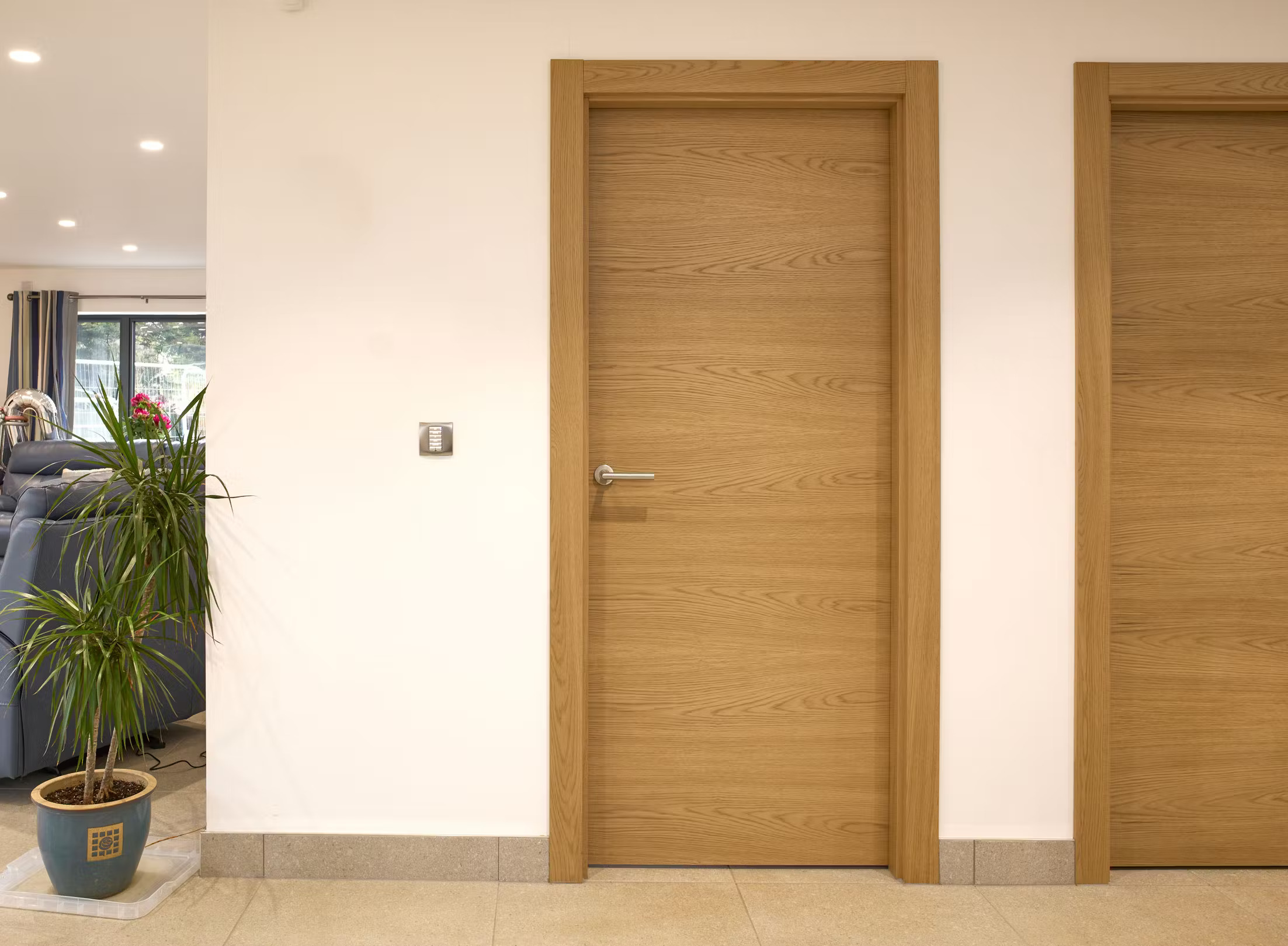
Fire-Rated Hinges
Fire-rated hinges support the full weight of the Fire Door and help it remain in place during normal use and during fire conditions. A compliant fire door assembly needs hinges that match the tested doorset. The wrong hinge can affect the fire rating and the way the door closes.
The number, size, and type of hinges can change based on the Fire Door leaf, door height, door weight, and manufacturer’s system. Heavy fire-rated doors may need stronger hinges or extra hinge points. This is especially common in commercial buildings, plant rooms, and car park areas.
Over time, hinges can loosen, wear, rust, or sag. When this happens, the Fire Door may scrape the floor, leave uneven gaps, or fail to latch. Regular fire door maintenance should include hinge and screw checks, and quick repairs before the problem worsens.
Intumescent Seals And Smoke Seals
Smoke seals and intumescent seals help the Fire Door control smoke, heat, and the spread of flame. Smoke seals help limit smoke movement around the edges of the door. Intumescent seals expand when exposed to heat, helping close gaps between the door leaf and frame.
These seals must suit the approved fire-rated door set. They may sit in the door edge, frame, meeting stile, head, jambs, or bottom of the door. If the wrong seal is used, or if a seal is missing, painted over, cut short, or damaged, the Fire Door may not perform as required.
Seals are small, but they matter a lot. During a fire door inspection, damaged seals are a common defect. Replacing them with the correct fire-rated seals helps restore the Fire Door system and supports better smoke control in corridors, stairwells, apartments, and commercial buildings.
Fire-Rated Glazing And Vision Panels
Some Fire Doors include glass vision panels so people can see through the door before opening it. This can improve safety in corridors, schools, hospitals, offices, and public buildings. However, the glass must be fire-rated glazing that is compatible with the tested Fire Door system.
A standard glass panel is not enough for a compliant fire-rated door. The glass, bead, seal, frame, and fixing method must all match the approved fire door assembly. If someone installs a new window without approval, the Fire Door may lose its rating.
Also, vision panels must not be too large or placed in the wrong spot. The allowed size and location depend on the test evidence and manufacturer’s details. So, any glazing change should be checked before work starts, not after the inspector finds a problem.
Panic Bars And Exit Hardware
Panic bars and exit hardware help people leave quickly in an emergency. They are often used on Fire Doors in exits, public buildings, schools, shops, warehouses, and commercial sites. The hardware must allow safe escape while still helping the Fire Door close and latch.
For a compliant Fire Door, panic hardware must suit the fire-rated door assembly. It should not stop the closer from working or keep the door from latching. Also, any access control, electric strike, maglock, or push bar system must meet both fire safety and egress needs.
Exit hardware gets heavy daily use, so it needs regular checks. The Fire Door should open easily in the direction of escape, then close and latch again. If the panic bar sticks, the latch fails, or the door stays open, the fire door system needs repair right away.

Common Fire Door Problems That Can Cause Non-Compliance
Most Fire Door problems come from daily use, poor repairs, incorrect hardware, or minor damage that goes unnoticed early. If you check the Fire Door regularly and repair defects promptly, you can avoid bigger compliance issues later.
Door Does Not Close Fully
A Fire Door must close fully after each use. If the door stops short, stays ajar, or rubs on the floor, it cannot protect the opening in the fire-rated wall. This is one of the most common fire door defects in apartments, offices, schools, and commercial buildings.
Often, the cause is a weak door closer, loose hinges, floor drag, air pressure, or poor alignment. Sometimes, furniture, mats, cables, or rubbish block the swing path. So, before blaming the Fire Door itself, check the simple things around it first.
Still, a Fire Door that does not close fully needs quick repair. The closer may need adjustment, the hinges may need tightening, or the door leaf may need realignment. Once fixed, the fire-rated door should close smoothly and sit tight in the frame.
Door Does Not Latch
A Fire Door also needs to latch properly. Closing is not enough if the latch does not engage with the strike plate. During a fire, heat, smoke, and air pressure can push an unlatched fire-rated door open.
This problem often comes from a dropped door, loose hinges, a worn latch, or a misaligned frame. It can also happen after someone changes the lock without checking the fire door system. As a result, the Fire Door may look closed, but it is not secure.
To fix it, check the latch, strike plate, hinges, and door gaps together. Do not just force the latch or add a random bolt. Use approved fire door hardware and keep the Fire Door within the tested assembly.
Gaps Are Too Large
Door gaps matter more than many people think. If the gaps around a Fire Door are too large, smoke, heat, and flames can pass through faster. This can weaken the whole fire door set, even when the door leaf itself is fire-rated.
Large gaps can appear when hinges wear, frames move, floors shift, or installers cut the door too much. Bottom gaps can also grow after flooring changes, carpet removal, or poor repairs. Over time, the Fire Door may no longer match the approved fire-rated door assembly.
The right fix depends on the door system and the size of the gap. In some cases, a technician can adjust the hinges or closer. In other cases, the Fire Door may need approved seals, frame work, or full replacement.
Seals Are Missing Or Damaged
Smoke seals and intumescent seals help a Fire Door block smoke and expand under heat. If these seals are missing, torn, painted over, cut short, or loose, the fire-rated door may not perform as intended. Small seal damage can create a real compliance issue.
This problem is common in high-traffic areas such as corridors, stairwells, car parks, schools, and apartment buildings. People hit the seals with trolleys, bags, cleaning gear, and daily use. Also, repainting can cover seals, preventing them from working properly.
The best fix is to replace damaged seals with the correct fire-rated seals for that Fire Door system. Avoid generic strips unless they match the approved door set. A cheap seal can cost more later if it causes a failed fire door inspection.
Door Has Been Wedged Open
A wedged-open Fire Door is a serious problem. Once the door stays open, it cannot slow the spread of fire or smoke. This often happens in busy areas where people want easier access, such as corridors, kitchens, loading zones, schools, and apartment entries.
Even a small wedge, door stop, chair, bin, or hook can make the fire-rated door non-compliant. It also sends the wrong message to staff, tenants, and visitors. A Fire Door should never rely on luck during an emergency.
If a Fire Door needs to stay open for access reasons, use an approved hold-open device linked to the fire alarm system. That way, the door can release and close when needed. This provides convenience without compromising fire door compliance.
Non-Rated Locks, Bolts, Or Hardware Have Been Added
Adding the wrong lock, bolt, closer, hinge, peephole, access control part, or door viewer can affect Fire Door compliance. A fire-rated door is a tested system, so every part must be compatible with it. Random hardware changes can reduce the fire rating.
This often happens during office fit-outs, apartment upgrades, shop renovations, and security works. Someone wants a new lock or access device, but no one checks the Fire Door certificate or test evidence. Later, the problem appears during an audit.
Before changing hardware, check with a fire door specialist, supplier, certifier, or approved installer. Use fire-rated hardware that matches the door assembly. It is much cheaper to get it right first than to replace non-compliant parts later.
Door Leaf, Frame, Or Glazing Is Damaged
Damage to the door leaf, frame, or glazing can stop a Fire Door from doing its job. Cracks, holes, dents, delamination, broken glass, loose beads, rust, or split frames can all affect fire door performance. Even small damage should not be ignored.
Fire-rated glazing and vision panels need special care. Standard glass cannot simply replace fire-rated glass in a Fire Door. The glass, seals, beads, and fixings must be compatible with the tested fire door assembly.
If you see damage, do not patch it with filler, tape, foam, or general building products. Get the Fire Door checked and repaired with approved methods. In some cases, repair is enough; in others, full fire door replacement is the safer choice.

Fire Door Inspection And Maintenance Requirements
Fire Door inspection and maintenance help keep a fire-rated door compliant after installation. A Fire Door can wear out, move, get damaged, or lose the right hardware over time. Regular checks, fast repairs, and clear records are key components of fire door compliance in Australian buildings.
How Often Should Fire Doors Be Checked?
Fire Doors should be checked regularly, not only after something goes wrong. In many Australian buildings, routine fire door inspection forms part of the wider fire safety maintenance plan. The exact timing can depend on the building type, use, risk level, and local state or territory rules.
High-traffic areas may need closer attention. For example, a Fire Door in a school corridor, hospital ward, car park, shopping centre, or office exit may be subject to heavy daily use. These doors can develop loose hinges, damaged seals, weak closers, or latching issues faster than doors in quiet areas.
Also, owners and facility managers should do simple visual checks between formal inspections. If a Fire Door will not close, does not latch, has missing seals, or has been wedged open, it should be repaired as soon as possible. Waiting for the next scheduled check can create unnecessary risk.
What Inspectors Look For?
A fire door inspector will usually check whether the Fire Door closes fully and latches correctly. They will also look at the door closer, hinges, latch, frame, door gaps, smoke seals, intumescent seals, tag, signage, and any visible damage. All of these parts affect the fire-rated door assembly.
Next, the inspector may check whether the Fire Door has been changed in a way that affects compliance. This can include new locks, bolts, access control devices, peepholes, vision panels, kick plates, or non-rated hardware. Even a small change can cause trouble if it does not match the tested fire door system.
They may also review the location and use of the Fire Door. For example, a fire stair door, an apartment entry door, a plant room door, or a car park fire door may each have different needs. The aim is simple: ensure the Fire Door continues to protect the opening in the event of a fire.
Common Fire Door Defects
One common defect is a Fire Door that does not close or latch. This may happen because of a weak closer, dropped hinges, poor alignment, air pressure, floor drag, or a blocked swing path. If the fire-rated door stays open or sits loose, it cannot perform its intended function.
Another common issue is damaged or missing seals. Smoke seals and intumescent seals help control smoke and heat at the edges of the Fire Door. When these seals are torn, painted over, cut short, loose, or missing, the fire door set may fail an inspection.
Inspectors also often find large gaps, missing tags, damaged frames, cracked glazing, loose hardware, added bolts, or doors wedged open. These issues may seem small in day-to-day use, but they can create real compliance problems with fire doors. A good maintenance plan fixes them before they become costly.
Maintenance Records And Compliance Reports
Good records are a big part of Fire Door compliance. Building owners, strata managers, and facility managers should keep fire door inspection reports, maintenance logs, repair notes, product details, and test evidence where possible. These documents help show that each Fire Door has been checked and maintained.
A clear report should list the Fire Door location, condition, defects, repair actions, and inspection date. It should also note whether the fire-rated door passed or needs further work. This makes it easier to plan repairs, track repeat issues, and answer questions during fire safety audits.
Also, compliance reports help reduce risk. If an inspector, certifier, insurer, or authority asks for proof, good records can save time and stress. In simple terms, maintaining the Fire Door is one part of the job; proving that maintenance happened is the other.
Relate FAQ
What Australian Standard applies to fire doors?
Fire Doors are mainly covered by AS 1905.1, which sets the requirements for fire-resistant doorsets, including the door leaf, frame, seals, hardware, glazing, and installation.
Do fire doors need to comply with the NCC?
Yes. Fire Doors must meet the National Construction Code, either through Deemed-to-Satisfy provisions or a Performance Solution approved for the building.
Do fire doors have to be self-closing?
In most required locations, yes. A Fire Door should self-close and self-latch properly to stop or slow the spread of fire and smoke.
Can a Fire Door be left open?
No, unless it is held open by an approved automatic hold-open device connected to the fire detection system. Wedging or propping open a Fire Door is non-compliant and unsafe.
What makes a fire door non-compliant?
Common defects include damaged door leaves, excessive gaps, missing fire seals, faulty closers, broken latches, unapproved locks, damaged frames, missing tags, or added hardware that has not been tested with the doorset.
Do apartment entry doors need to be fire doors?
Often yes. In many multi-unit residential buildings, apartment entry doors form part of the fire separation between the sole-occupancy unit and common areas.
Can I replace fire door hardware myself?
No. Hardware such as locks, closers, hinges, seals, viewers, and handles must be compatible with the tested Fire Door system. Unapproved changes can void the fire rating.