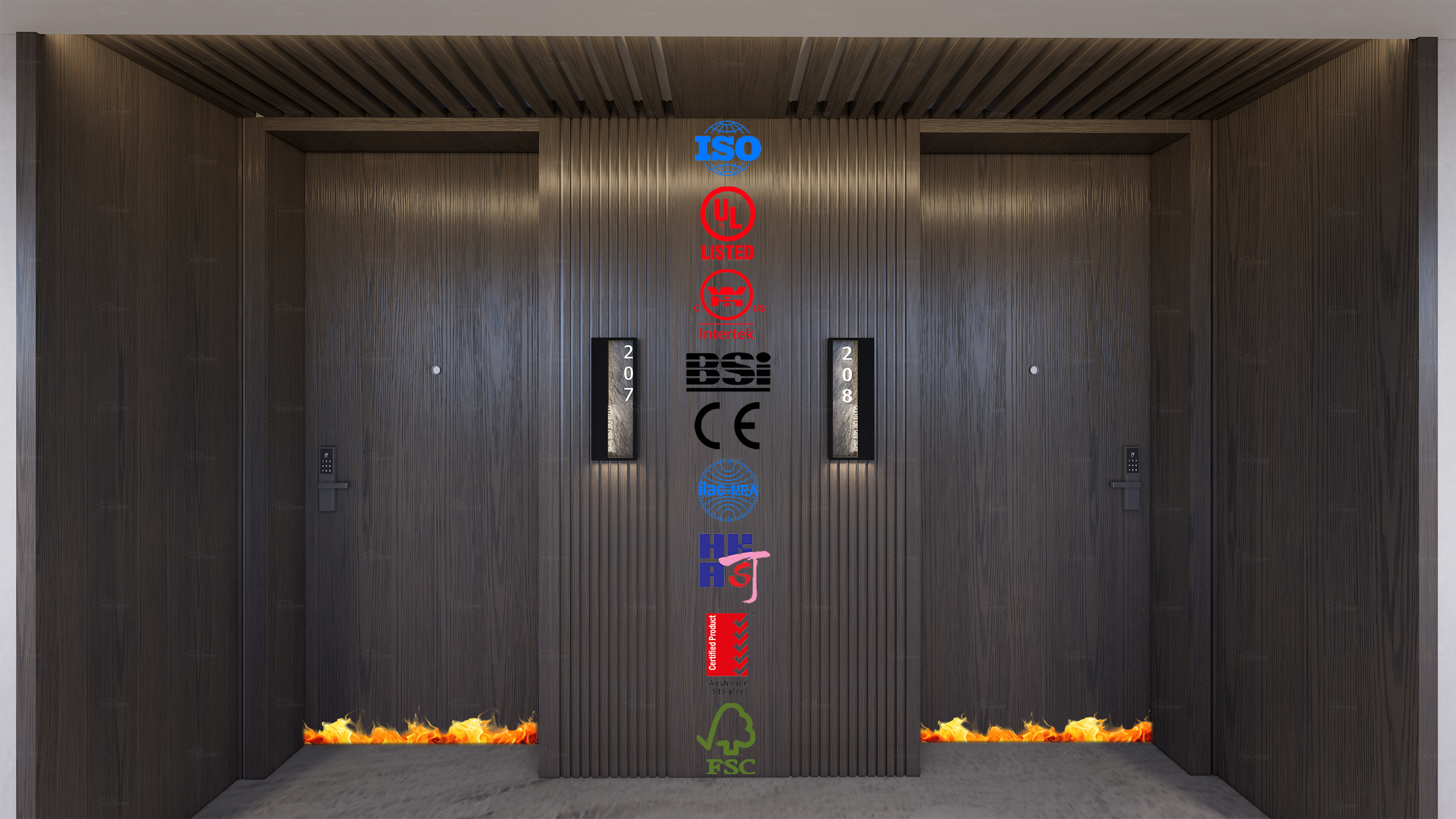
What are the rules for FD60 door frames?
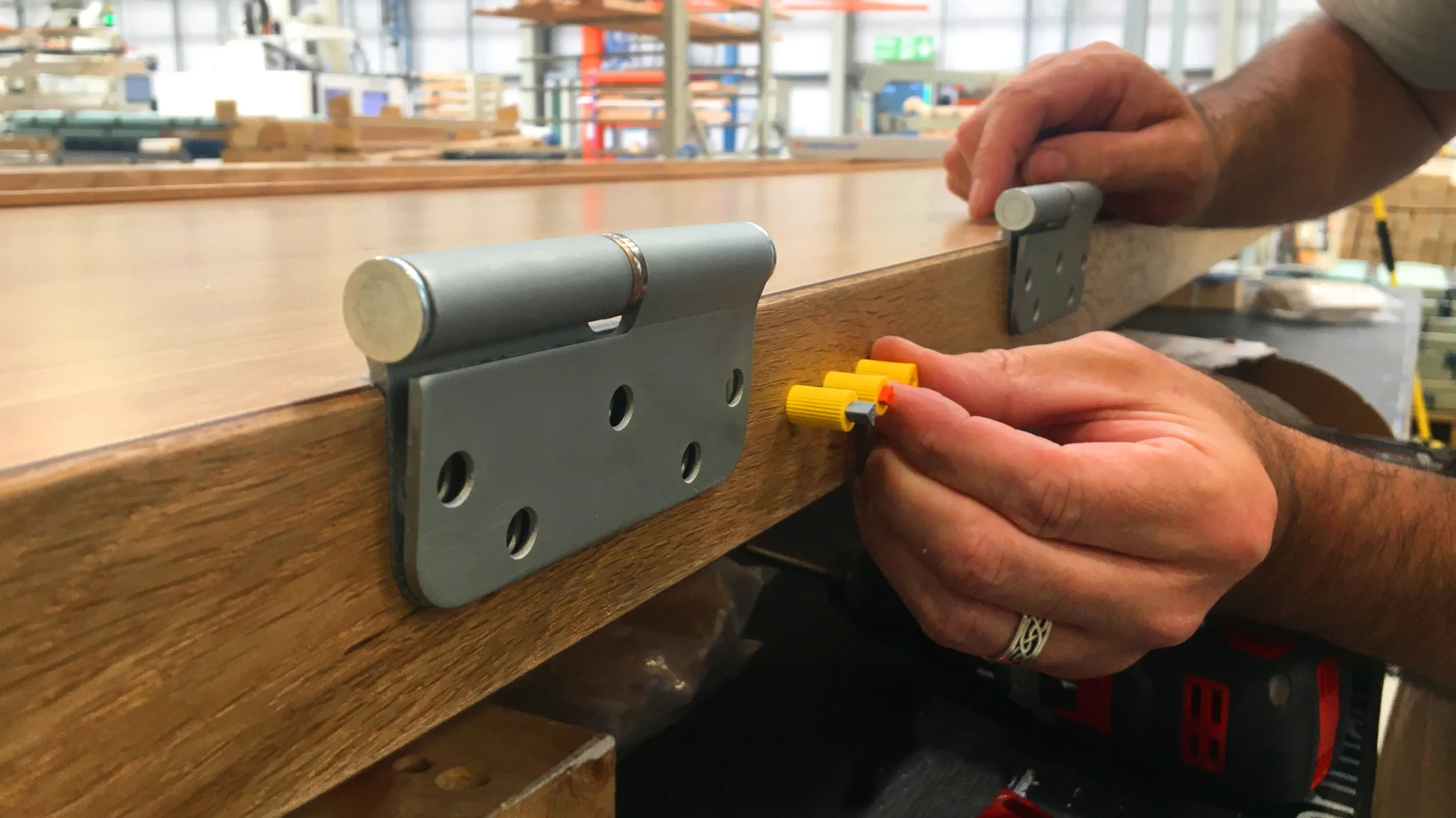
Introduction to FD60 Door Frames
What is an FD60 Fire Rated Door Frame?
Basic Definition and Purpose
An FD60 fire-rated door frame is a critical component in fire safety systems, designed to withstand intense heat and flames for up to 60 minutes during a fire. The “FD60” rating indicates the door frame’s ability to resist fire for 60 minutes, helping prevent the spread of fire and smoke between areas. These frames are commonly used in commercial buildings, residential properties, and places where safety is a top priority.
The primary purpose of an FD60 fire-rated door frame is to protect people, property, and assets from the devastating effects of a fire. When paired with a fire door, these frames help contain the fire, giving people more time to evacuate safely. The robust design of FD60 frames ensures they maintain integrity for at least an hour, giving fire departments enough time to respond to the situation.
Importance of Fire Resistance Rating
The fire resistance rating is one of the most essential features of FD60 door frames. It signifies the length of time a door and frame can resist fire while still performing their intended functions, such as keeping flames, smoke, and heat contained. A fire-rated door frame, such as FD60, is typically part of a passive fire protection system designed to protect occupants from fire hazards.
The 60-minute rating (FD60) means these door frames can withstand temperatures up to 1,100°C (2,012°F) for up to 1 hour. This rating ensures that the fire door and frame can block the spread of fire, reducing the risk of injuries, fatalities, or extensive property damage. For buildings that require high fire safety standards, FD60 door frames are essential.
Additionally, the fire resistance rating is a key factor in meeting building regulations and codes, which are enforced to ensure the safety of residents and workers. Properly installed FD60 fire-rated door frames are often required in offices, hotels, schools, and hospitals, where protecting human life is paramount.
Why FD60 is Essential for Fire Safety?
The Role of FD60 Door Frames in Fire Protection
FD60 door frames play a crucial role in protecting lives and property in the event of a fire. These fire-rated door frames are specifically designed to contain fire within a designated area, giving building occupants more time to evacuate. Fire doors, combined with FD60 frames, act as barriers that prevent the spread of flames, smoke, and heat to other parts of the building.
In the event of a fire, FD60 door frames withstand extreme conditions, ensuring the door stays in place and functions as intended. The frame helps seal the fire door tightly, preventing smoke and toxic gases from seeping through the gaps. This containment allows fire departments to focus on extinguishing the fire rather than dealing with smoke or fire spreading throughout the building.
FD60 fire rated doors and frames are also essential in multi-story buildings, where fire safety measures must ensure that fire does not travel vertically. Without the proper fire door and frame setup, fires can quickly move from one floor to another, causing greater harm. An FD60 door frame provides that essential time buffer, keeping the fire at bay long enough to allow safe evacuation.
Key Regulations for FD60 Doors
The installation and use of FD60 fire rated doors and frames are governed by strict regulations to ensure public safety. These regulations ensure that fire doors are built to specific standards, tested for fire resistance, and properly installed. Adhering to these regulations is not only a legal requirement but also a fundamental part of maintaining a safe environment.
In the UK, for example, FD60 doors must meet the standards outlined in BS 476 (British Standard for Fire Resistance Testing) and EN 1634-1 (European Standard for Fire Resistance and Smoke Control Testing). These standards specify how long a fire door can withstand fire and still function effectively. For an FD60 frame, the door must resist fire for 60 minutes, as indicated by the fire rating.
In addition to the British and European standards, fire doors in commercial buildings must also comply with the Regulatory Reform (Fire Safety) Order 2005. This law outlines building owners’ responsibilities to ensure fire safety measures are in place. Building owners must regularly inspect and maintain FD60 door frames to make sure they remain functional in the event of a fire.
In the United States, NFPA (National Fire Protection Association) standards govern the installation and maintenance of fire doors. These regulations ensure that FD60 door frames are appropriately certified and meet specific fire-resistance ratings to protect building occupants.

Fire Safety Regulations for FD60 Door Frames
Building Codes and Standards for FD60 Frames
Overview of Relevant Building Codes
When it comes to FD60 fire-rated door frames, several building codes and standards ensure they meet the required fire safety requirements. Two of the most recognized standards are BS 476 and EN 1634-1.
BS 476 is a British Standard that outlines fire-resistance testing for building materials, including fire doors and frames. This standard helps ensure that FD60 fire doors can withstand a fire for 60 minutes, meeting safety requirements for many commercial and residential buildings. It also defines the methodology for testing the door’s resistance to heat and flames, providing a clear understanding of how long the door and frame will remain intact under fire conditions.
EN 1634-1, on the other hand, is a European standard that applies to fire-resistant doors and windows. It provides the testing criteria for both fire resistance and smoke control. FD60 door frames tested under EN 1634-1 ensure that the doors maintain their structural integrity for at least 60 minutes in the presence of fire, effectively preventing the spread of flames and smoke.
Both of these standards are crucial for verifying that FD60 fire rated doors and frames perform as intended when exposed to fire. They define the conditions under which a fire door is tested, the methods of testing, and how the door frame should behave under stress from heat, flames, and smoke.
How These Regulations Apply to FD60 Door Frames?
These regulations ensure that FD60 fire doors and frames provide reliable protection in case of a fire. When a door frame is built to meet BS 476 or EN 1634-1, it guarantees that the door can prevent the spread of fire and smoke for a specific duration—60 minutes for FD60.
Under these standards, the FD60 fire door and frame must pass several key tests:
- Fire Resistance Test: This tests how long the door and frame can withstand fire while preventing its spread. FD60 doors must resist the fire for 60 minutes, maintaining their ability to block the fire from moving through the building.
- Smoke Control Test: In addition to blocking flames, these doors must also prevent the passage of smoke, which can be just as dangerous as fire itself. Smoke control is vital to keeping escape routes clear and safe for people evacuating.
- Structural Integrity: The door frame must remain intact and securely hold the fire door in place. If the frame fails, the fire door will not function as intended, allowing fire and smoke to spread quickly.
For instance, in the UK, the Regulatory Reform (Fire Safety) Order 2005 requires buildings to meet specific fire safety standards. Using FD60-rated doors that comply with BS 476 and EN 1634-1 ensures that the building meets these essential safety requirements. Similarly, in the United States, local fire codes may reference these standards when determining fire door requirements for commercial and residential properties.
Compliance Requirements for FD60 Fire Rated Frames
Testing Methods for FD60 Frames
To ensure FD60 fire rated door frames meet fire safety standards, they must undergo rigorous testing. These tests evaluate how well the door frame performs under real fire conditions, ensuring it can withstand the intense heat, flames, and smoke for 60 minutes.
The most common testing methods for FD60 frames are based on standards like BS 476 and EN 1634-1. These tests measure the door frame’s ability to resist fire and smoke. Typically, the fire resistance test involves exposing the door frame to high heat and flames, often reaching 1,100°C (2,012°F), while measuring how long it can withstand without failing.
The BS 476 and EN 1634-1 tests also evaluate the door’s ability to maintain its structural integrity under fire. This includes ensuring the door doesn’t warp, crack, or allow flames to pass through gaps between the door and the frame. The frame must remain solid and in place throughout the test, preventing any spread of fire or smoke.
Additionally, smoke leakage tests are a crucial part of fire door certification. Smoke can be just as deadly as fire, so an FD60 door frame must be adequately sealed to prevent smoke from passing through. Testing involves checking the door’s ability to prevent smoke from entering other parts of the building and ensuring that safe evacuation routes are available.
Once the door frame has passed these tests and proven it can resist flames and smoke for 60 minutes, it is officially certified as an FD60 fire-rated frame. This certification confirms the door’s fire-resistance performance, providing building owners and occupants with peace of mind.
Required Materials and Construction Standards
For FD60 fire-rated door frames to perform as required, the materials used in their construction must meet strict standards. Fire doors and their frames must be made from materials that withstand the extreme heat and pressure of a fire, ensuring the door remains intact for 60 minutes.
Typically, FD60 door frames are made from steel, timber, or composite materials. Each material has its own advantages and considerations:
- Steel Frames: Steel is the most commonly used material for FD60 door frames due to its strength and ability to withstand high temperatures. Steel door frames provide excellent fire resistance and are ideal for commercial buildings and high-traffic areas. They offer durability and can withstand extreme heat, helping prevent fire from spreading.
- Timber Frames: Timber is another option for FD60 fire-rated frames, though it must be specially treated with fire-retardant chemicals to meet the required fire-resistance standards. Timber frames are often used in residential settings and historical buildings, where aesthetics play a significant role. However, they must be constructed with precision to meet the required fire protection standards.
- Composite Materials: Composite frames, which combine different materials such as metal and timber, are also gaining popularity. These materials are designed to provide the benefits of both steel and timber, offering strength and fire resistance with a more visually appealing finish.
In addition to the materials, the frame must be designed to allow the fire door to fit properly. The door leaf (the actual door part) must fit tightly within the frame, with seals around the edges to prevent smoke and flames from passing through any gaps. These seals are critical for the performance of FD60 doors, ensuring they are airtight and fire-resistant.
Summary
In summary, the fire doors are made up of several carefully engineered components, each playing a vital role in keeping fire and smoke from spreading. From the fire-rated frame to the insulated door leaf, fire-rated hardware, and intumescent strips, each part is designed to work together to provide effective fire resistance. Understanding these components will help you choose the right fire doors for your building, ensuring both safety and compliance with fire safety regulations.

Design and Materials of FD60 Door Frames
Materials Used in FD60 Door Frames
Steel, Timber, and Composite Materials
FD60 fire-rated door frames can be made from a variety of materials, each with its own advantages in terms of fire resistance, durability, and aesthetics. The three most common materials used for these frames are steel, timber, and composite materials.
1. Steel:
Steel is by far the most commonly used material for FD60 door frames. It’s known for its strength and ability to withstand high temperatures. Steel frames provide excellent fire resistance, as they do not warp, crack, or buckle under heat. This makes them ideal for commercial buildings, industrial spaces, and other areas requiring high security and durability. Steel frames also have the advantage of being resistant to pests, moisture, and other environmental factors, adding to their overall longevity.
2. Timber:
Timber is another popular option, especially in residential buildings, hotels, and historic properties where the appearance of the door frame matters. Wood frames can be treated with fire-retardant chemicals to meet required fire-resistance standards. While not as naturally fire-resistant as steel, timber provides a warm, traditional aesthetic that many prefer in interior design. It’s important to note that the fire resistance of timber door frames depends mainly on the quality of the fire treatment and the thickness of the wood. Properly treated timber can offer excellent performance, but it may need additional care to ensure long-term effectiveness.
3. Composite Materials:
Composite frames are a combination of materials such as timber and steel or other fire-resistant components. These frames are designed to offer the best of both worlds: the strength of steel and the appearance of wood. Composite materials can also be engineered to provide superior fire resistance while maintaining aesthetic appeal. Composite frames are a good option for buildings that require a mix of durability, fire safety, and visual appeal. They are also versatile, often used in both residential and commercial buildings.
How Material Choice Impacts Fire Resistance?
The material used in an FD60 fire door frame directly impacts its fire resistance. Each material has unique properties that determine how well it withstands the extreme conditions of a fire.
Steel:
The top choice for fire resistance. It can withstand extremely high temperatures without losing its structural integrity. Steel’s strength prevents the door frame from warping or buckling during a fire, which is crucial for maintaining a tight seal between the door and the frame. This helps to block the spread of smoke and fire. Steel also requires less maintenance than timber, making it a more reliable choice for long-term fire safety.
Timber:
Timber naturally offers less fire resistance than steel, but with proper treatment, it can perform quite well. Fire-resistant timber doors and frames are treated with chemicals that slow combustion. The thicker the timber, the better the fire resistance. However, it is still more vulnerable than steel in extremely high heat. One of the advantages of wood, however, is that it offers better insulation against heat and sound, making it ideal for specific applications where acoustic properties are essential, such as in hotels or offices.
Composite Materials:
Composite frames combine the benefits of steel and timber, offering both fire resistance and aesthetic appeal. These frames can be engineered to provide superior performance in fire conditions while maintaining the desired appearance. The fire resistance of composite materials depends on the specific components used in the frame’s construction. For example, a composite frame with a steel core and timber veneer can offer excellent fire protection while providing the visual appeal of timber.
How FD60 Door Frames are Constructed?
Structural Design Elements for Safety
The FD60 door frames are carefully designed to provide optimal fire resistance and safety. A well-constructed fire door frame plays a key role in containing a fire, preventing its spread, and giving people more time to evacuate safely. Several structural design elements are essential in creating a robust FD60 fire door frame.
1. Frame Material and Thickness:
The frame’s material and thickness are critical factors in determining how well it withstands the high temperatures of a fire. Steel is often used for FD60 door frames because it’s strong and can resist extreme heat without warping or buckling. The frame must be thick enough to provide the necessary strength and durability to hold the door securely in place during a fire.
2. Reinforced Corners:
The corners of the fire door frame must be reinforced to prevent bending or weakening under heat. Reinforced corners ensure that the frame maintains its structural integrity, even when exposed to intense flames. These reinforcements help keep the fire door tightly sealed, preventing smoke and heat from seeping through.
3. Anchoring:
Proper anchoring of the door frame is essential to ensure it remains securely in place during a fire. This helps prevent the door from dislodging or shifting, which could compromise the fire barrier. The frame must be anchored to the surrounding wall or structure in a way that can withstand the pressure and heat from the fire.
4. Door Leaf Fit:
The door leaf, or the actual fire door itself, must fit snugly within the frame. This tight fit ensures the door effectively blocks the spread of flames and smoke. Any gaps between the door and frame can undermine the door’s fire-resistance, so precise fitting is essential for maximum safety.
The Importance of Sealing and Insulation
Sealing and insulation are crucial components in ensuring the FD60 fire door frame performs as required during a fire. The door frame must not only withstand heat but also prevent the passage of smoke, gases, and flames. Proper sealing and insulation are key to achieving this.
1. Fire Seals:
One of the most essential features of an FD60 fire door frame is the fire seal. These seals, usually made of materials like intumescent strips, expand when exposed to heat, filling the gaps between the door and the frame. This expansion prevents smoke, fire, and heat from escaping, maintaining the fire door’s effectiveness. Fire seals are usually applied along the edges of the door, ensuring a complete seal when the door is closed.
2. Thermal Insulation:
Insulation is essential in reducing the heat transfer between the fire door and the surrounding space. FD60 fire door frames are designed with insulation materials that prevent the door from overheating on the non-fire side, making it safer for occupants who may need to escape. These materials also help the door maintain its strength by reducing the risk of warping or distortion caused by extreme temperatures.
3. Smoke Seals:
In addition to fire seals, smoke seals are often incorporated into FD60 door frames to prevent the passage of smoke, which can be just as harmful as fire itself. These seals are designed to stop smoke from spreading through gaps around the door, keeping escape routes clear and safe. Like fire seals, smoke seals expand under heat to create a tight barrier against smoke infiltration.
4. Intumescent Coatings:
In some cases, the door frame or door itself may be coated with an intumescent material. This coating expands when heated, adding an extra layer of protection to the frame. Intumescent coatings help delay the spread of fire and heat, enhancing the frame’s fire resistance.
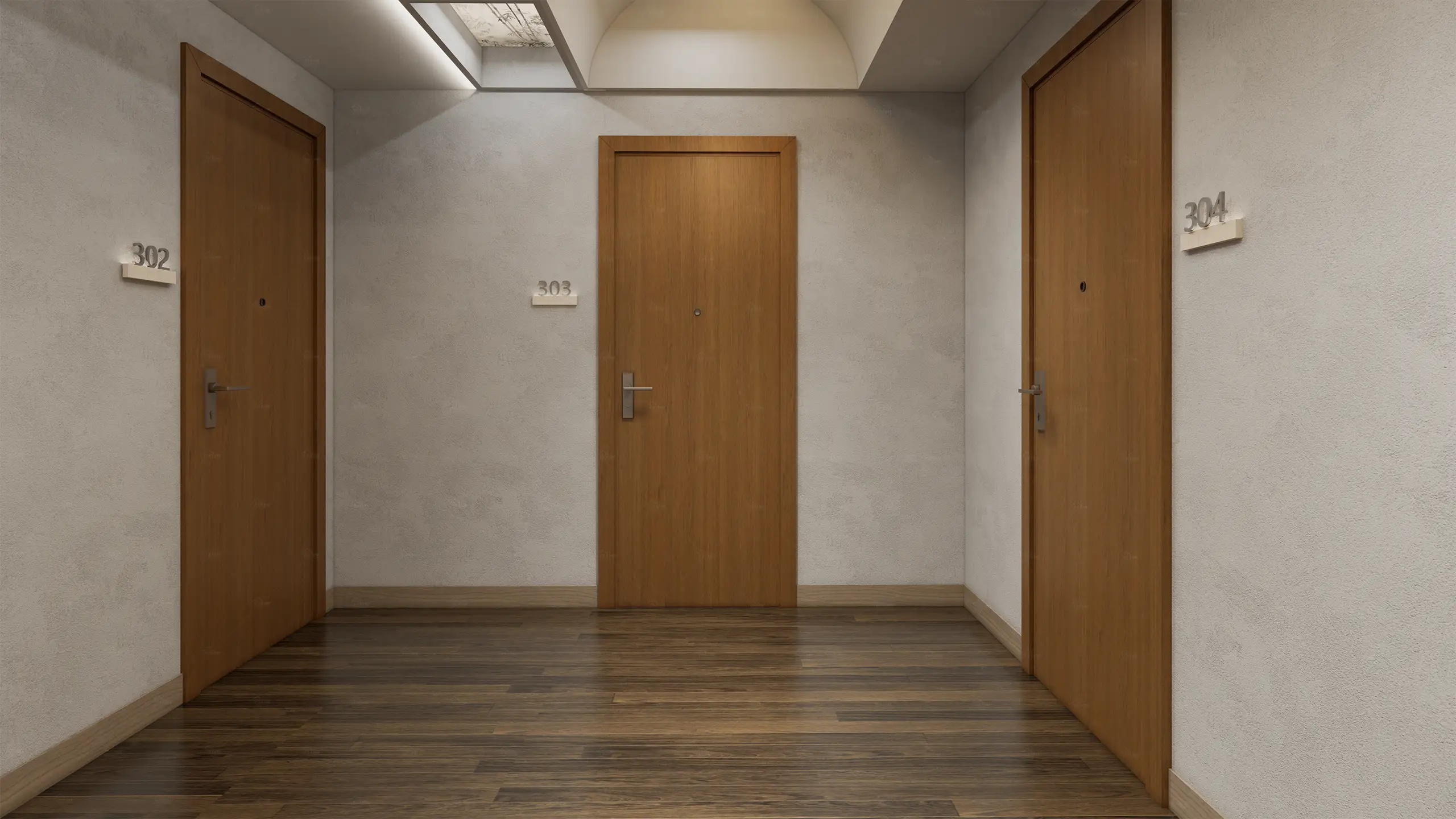
Installation and Maintenance of FD60 Door Frames
Best Practices for Installing FD60 Door Frames
Guidelines for Correct Installation to Ensure Fire Resistance
Proper installation is essential to ensuring that an FD60 fire-rated door frame functions as intended. If the door frame is not installed correctly, it may fail to prevent the spread of fire and smoke, putting lives and property at risk. Here are key guidelines for installing FD60 door frames to maintain their fire resistance:
1. Check Compatibility:
Before starting the installation, ensure the FD60 fire door and frame are compatible. Both the door and the frame should be certified with the same fire resistance rating (FD60). Using components that match ensures the door can effectively resist fire for 60 minutes.
2. Secure the Frame:
The FD60 frame must be securely anchored to the surrounding structure. This means fixing the frame to the wall with the correct type of anchors and ensuring that it’s level and plumb. Proper anchoring helps the frame stay intact during a fire, maintaining its structural integrity and holding the fire door in place.
3. Install Fire and Smoke Seals:
Fire and smoke seals are critical in creating a tight barrier around the door. These seals should be installed along the edges of the door and frame to prevent smoke and fire from leaking through gaps. Ensure the seals are fitted tightly; any gaps can compromise the door’s fire resistance.
4. Leave Sufficient Gaps:
When installing an FD60 fire door, it’s essential to leave the correct gap between the door and the frame. Too much space can allow smoke and heat to escape, while too little space can cause the door to stick and not close properly. Follow the manufacturer’s specifications for the recommended gap size.
5. Ensure Proper Alignment:
The door must be properly aligned within the frame. If the door is misaligned, it might not close correctly, leaving gaps that could allow the spread of fire or smoke. Double-check that the door swings freely and fits snugly in the frame, ensuring it seals properly when closed.
6. Use Correct Fixings and Materials:
Always use the recommended fixings and materials from the fire door manufacturer. This includes fire-rated screws, hinges, and locks. Using incorrect materials can compromise the door frame’s fire resistance.
Professional Installation vs. DIY
When installing FD60 fire-rated door frames, choosing between professional installation and DIY can significantly affect the door and frame’s performance. Here’s a breakdown of the pros and cons of each:
Professional Installation:
- Expertise: Fire doors and frames must meet specific fire safety standards to be effective. Professional installers have the knowledge and experience to ensure installations are done correctly. They understand the importance of fitting, sealing, and anchoring, which are crucial to maintaining the door’s fire resistance.
- Compliance: A professional installer will be familiar with local fire safety codes and regulations. This ensures that the FD60 door and frame meet the required legal requirements, helping building owners avoid penalties or inspection issues.
- Quality Assurance: A certified professional can provide a guarantee of their work. If something goes wrong, you can rely on the installer to fix any issues. This peace of mind is essential for safety and long-term performance.
- Time and Efficiency: Professional installers can complete the job more quickly and efficiently, reducing the risk of mistakes that could impact the door’s functionality.
DIY Installation:
- Cost Savings: Installing an FD60 fire-rated door frame yourself can save on labour costs. However, this carries the risk of errors that could compromise the door’s fire resistance.
- Skill and Experience: Installing a fire door requires knowledge of fire safety standards, materials, and proper installation techniques. If you’re not experienced, there’s a higher chance of errors during installation. These mistakes could lead to gaps in the door’s seals or improper alignment, which may reduce its fire resistance.
- Lack of Certification: If the installation is done incorrectly, it could void the fire door’s certification. This means that even though the door may be rated FD60, an improper installation could make it less effective, leaving the building unprotected during a fire.
Regular Maintenance for FD60 Fire Rated Door Frames
Maintenance Tips to Prolong the Fire Rating
Maintaining FD60 fire-rated door frames is essential to ensuring they continue to perform well during a fire. Regular maintenance not only extends the life of the fire door but also ensures it remains effective at containing fire and smoke. Here are some key maintenance tips to help prolong the fire rating of FD60 door frames:
1. Check the Door Seal:
The fire seal is one of the most critical components of a fire door. It helps prevent smoke and heat from passing through gaps between the door and the frame. Regularly inspect the fire seals to ensure they are intact, undamaged, and still able to expand when exposed to heat. If the seal shows signs of wear or damage, it should be replaced immediately to maintain the door’s fire resistance.
2. Test Door Functionality:
Fire doors need to close properly to be effective. Check the door regularly to make sure it swings freely and closes completely without obstruction. A door that doesn’t close properly can allow smoke and flames to pass through, reducing its effectiveness. If the door doesn’t close correctly, check the hinges and alignment and repair or replace them as needed.
3. Inspect Hinges and Hardware:
Fire doors are often heavily used, so their hinges, locks, and other hardware can wear out over time. Regularly check these components to ensure they are in good working condition. Rust or damage to any part of the hardware can cause the door to malfunction during a fire. Replace damaged hardware promptly to maintain the door’s function and fire rating.
4. Clean the Door and Frame:
Avoid using harsh chemicals that could damage the fire-resistant materials. Use a damp cloth to wipe down the door and frame, removing dust, dirt, and debris that could affect its performance. Clean around the door seals to ensure that they remain functional and aren’t obstructed by dirt or buildup.
5. Inspect for Gaps and Cracks:
Over time, wear and tear can lead to gaps and cracks in the door or frame. These gaps can allow fire and smoke to escape, which compromises the fire rating. Regularly inspect the door for any visible cracks or gaps, especially around the frame and seals. Seal any gaps with fire-resistant materials to maintain the integrity of the fire door.
6. Revisit Fire Door Certification:
The fire rating of your FD60 fire door frame is based on a specific set of criteria. If significant changes or repairs are made to the door or frame, it’s a good idea to have the fire door reassessed to ensure that it still meets the required standards. Re-certifying the door ensures that it continues to provide the level of fire resistance it was initially rated for.
Common Issues and How to Address Them
Like any other part of a building’s fire safety system, FD60 fire rated door frames can encounter issues that may reduce their performance. Addressing these problems promptly is crucial for ensuring the door continues to meet fire safety standards. Here are some common issues and how to resolve them:
1. Door Misalignment:
If the door becomes misaligned within the frame, it may not close properly, leaving gaps for smoke and flames to escape. This can happen due to hinge wear or if the door has been subjected to impact. To fix this issue, realign the door within the frame and adjust the hinges. If the hinges are damaged, replace them with fire-rated replacements.
2. Worn or Damaged Fire Seals:
Fire seals are critical to a fire door’s performance, but over time, they can become worn or damaged. Signs of worn seals include cracks, tears, or signs of compression. If the seals no longer create a tight barrier around the door, replace them immediately. Always use fire-resistant seals to ensure the door retains its FD60 rating.
3. Door Sticking or Not Closing Fully:
A fire door that sticks or does not close fully is a serious safety risk. It can happen if the door or frame warps due to humidity, temperature changes, or physical damage. To resolve this, inspect the door and frame for warping. If the frame is out of shape, you may need to replace or adjust it. Ensure the door closes completely and seals tightly when shut.
4. Rust or Corrosion:
Especially with steel fire doors and frames, rust and corrosion can become a problem. If the metal frame or door becomes corroded, it can weaken the structure and affect its fire resistance. Regularly check for signs of rust and treat the affected areas by removing the rust and applying protective coatings. If corrosion is too severe, replacing the door or frame may be necessary to maintain fire safety.
5. Damage to Hardware:
The hardware, including locks, handles, and hinges, can wear out or break over time. Any damage to the hardware can prevent the door from closing properly or functioning during a fire. Regularly inspect these components and replace any parts that are broken, worn, or rusted. Always use fire-rated hardware when replacing parts to ensure continued compliance with fire safety regulations.
6. Smoke Leakage:
If smoke starts to leak through the edges of the door, this is a clear sign that the door’s seals or structure are compromised. Inspect the seals and door frame for any gaps, cracks, or signs of wear. Repair or replace any damaged components to stop the smoke leakage and restore the fire door’s integrity.
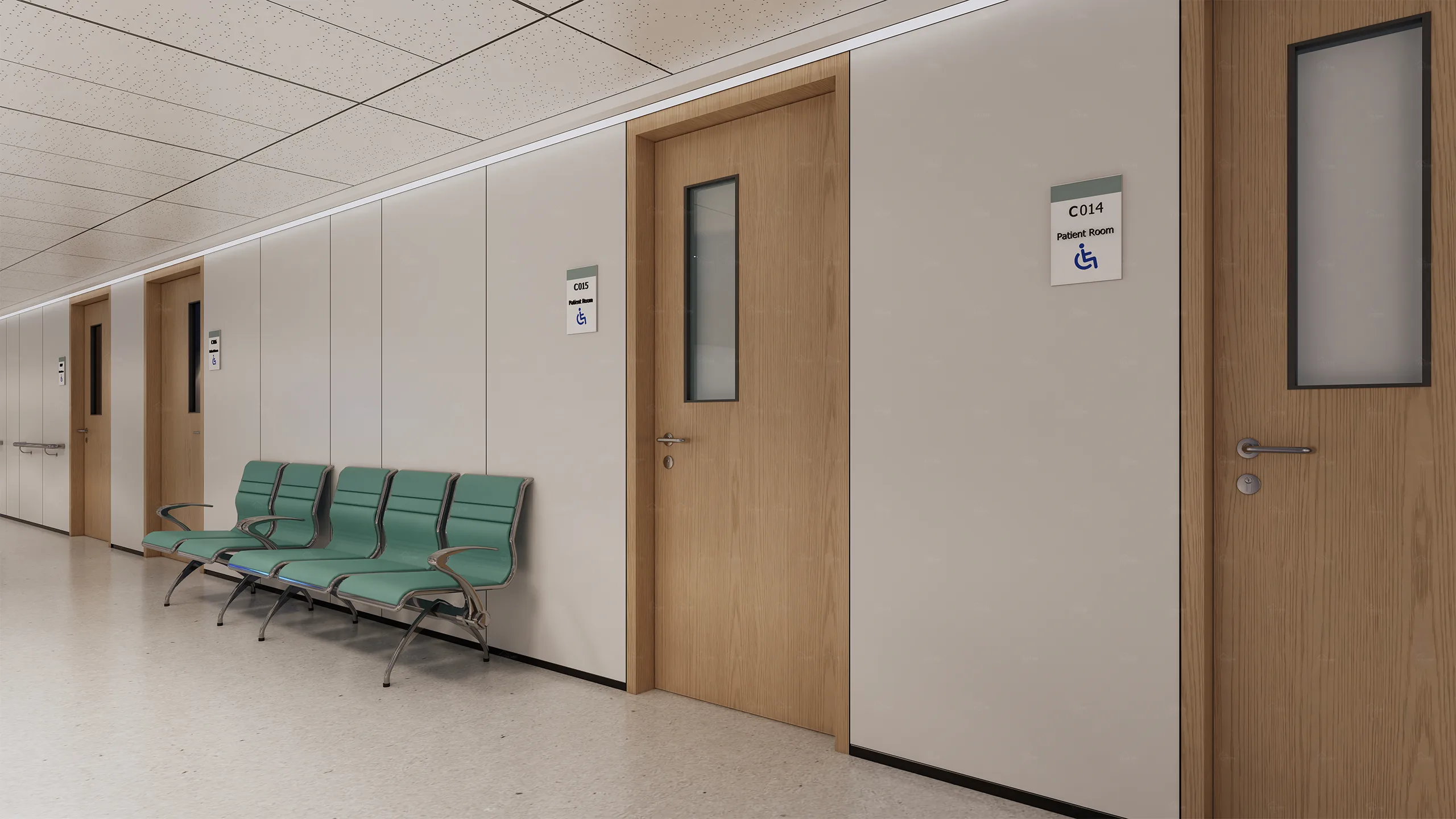
Conclusion: Ensuring Safety with the Right FD60 Door Frames
Choosing the Right FD60 Door Frame for Your Property?
Choosing the right FD60 fire-rated door frame is critical to ensuring your property’s safety. Fire doors are essential in preventing the spread of fire and smoke, protecting both people and property. When selecting a door frame, consider the fire resistance rating; ensure it is FD60-rated to withstand fire for 60 minutes. Materials such as steel, timber, or composite should be selected based on the building’s needs and aesthetic requirements. Steel offers durability, while timber can provide a more traditional look in residential areas. Certification to recognised fire safety standards, such as BS 476 or EN 1634-1, ensures the frame’s reliability.
Considerations for Residential vs. Commercial Applications
The choice of FD60 door frames can differ between residential and commercial applications. In residential settings, aesthetic value may be a priority, and timber frames could be a popular choice. However, they still need to meet the required fire resistance standards. In contrast, commercial properties demand higher durability and frequent use, making steel frames more suitable. Commercial buildings also need to comply with stricter fire safety codes and often use FD60 doors in key areas like stairwells and corridors. Understanding these differences ensures the proper selection for safety and functionality in each environment.
Relate FAQ
What is an FD60 door frame?
An FD60 door frame is a frame designed specifically to support FD60-rated fire doors. The FD60 rating indicates that the door assembly, including the door and frame, can resist the passage of fire for up to 60 minutes. These doors are commonly used in buildings where a 60-minute fire rating is required by safety codes, such as in escape routes, corridors, and firewalls.
What materials are used for FD60 door frames?
FD60 door frames are typically made from high-strength, fire-resistant materials such as galvanized steel, stainless steel, or timber that has been specially treated with fire-resistant coatings. The frame material must complement the fire door itself to ensure that the door and frame work together to prevent the spread of fire for 60 minutes.
Are FD60 door frames tested for fire resistance?
Yes, FD60 door frames, along with the door itself, must undergo fire resistance testing in accordance with British Standards (BS 476-22) or European Standards (EN 1634-1). These tests ensure the door frame, when properly installed, can withstand fire for 60 minutes without significant structural failure or allowing the passage of smoke and flames.
Can FD60 door frames be used in all buildings?
FD60 door frames are suitable for use in commercial, residential, and industrial buildings where fire resistance is required by law. However, their use depends on building regulations and fire safety standards. It is essential to consult with fire safety experts and adhere to local rules to determine the appropriate fire door frame rating for specific areas.
Do FD60 door frames require special installation?
Yes, proper installation of FD60 door frames is critical for ensuring their effectiveness. These frames must be fitted by certified professionals who can guarantee that the door and frame work together as a unified fire-resistant system. Installation must be carried out in accordance with the manufacturer's guidelines and local fire safety regulations.
How can I maintain an FD60 door frame?
Regular maintenance is essential to ensure that the FD60 door frame continues to function effectively. This includes inspecting the door for damage, ensuring that the seals and intumescent strips are intact, and checking for any gaps or wear that may compromise the door’s fire-resistance rating. Professionals should conduct regular checks in line with fire safety standards.
Can FD60 door frames be customized?
Yes, FD60 door frames can be customised to meet specific requirements, including size, finish, and material. Custom frames may be required for unique building designs or specific fire safety needs. However, any modifications must comply with fire safety regulations to ensure the door’s effectiveness in case of a fire.