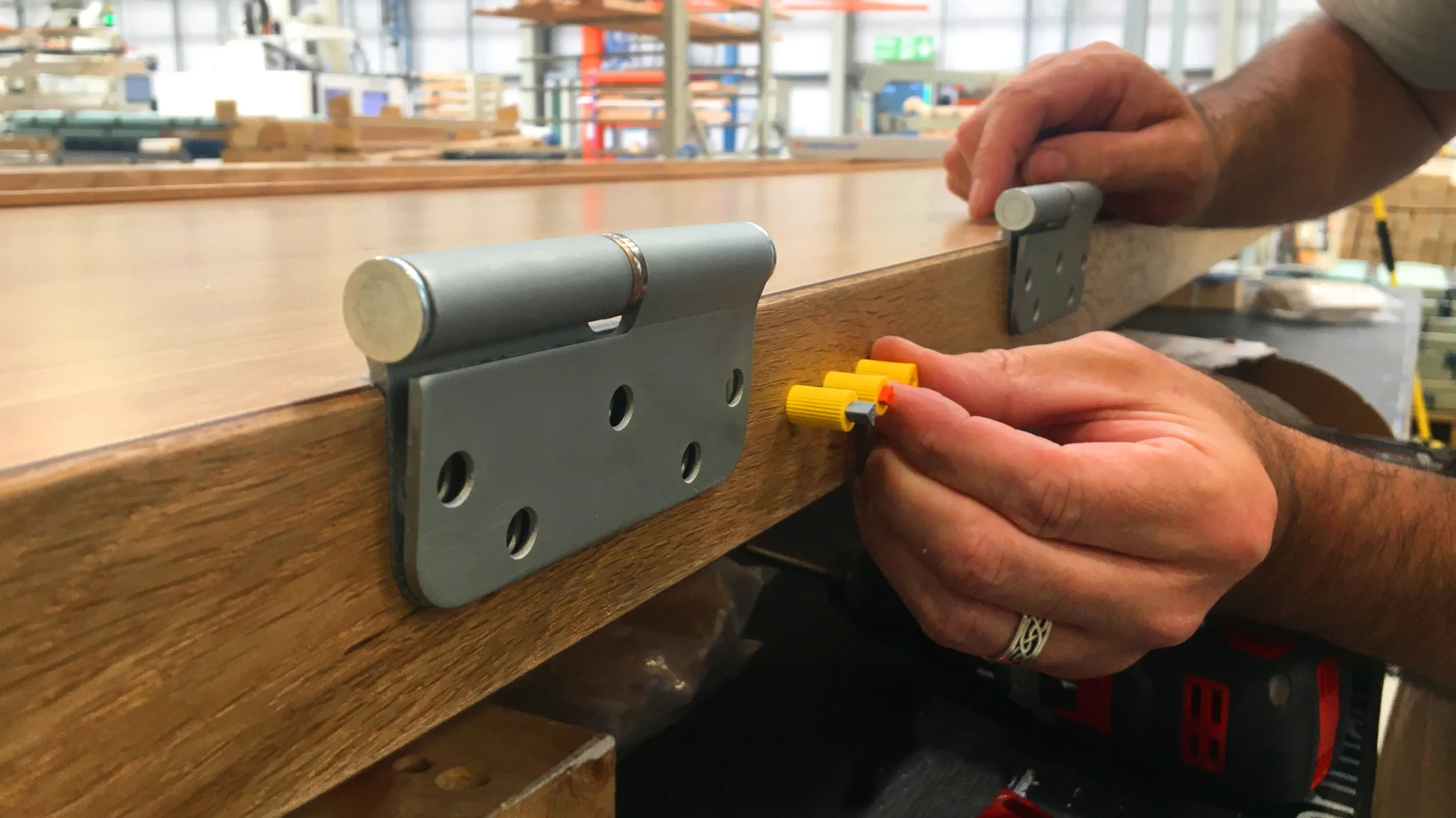
What is a fire resistant door?
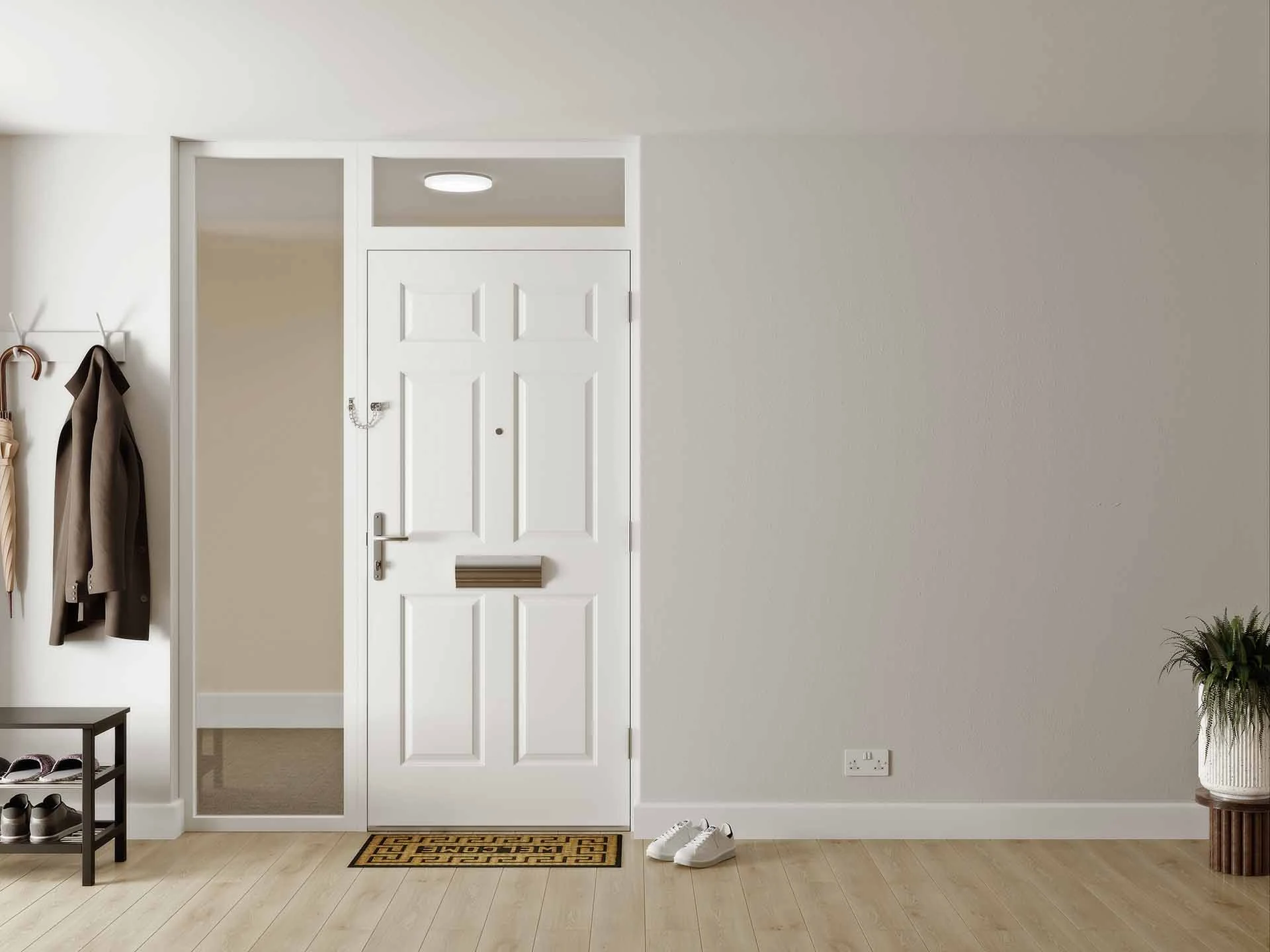
Introduction to Fire Resistant Doors
Fire-resistant doors are critical components of building safety. These doors are specially designed to withstand high temperatures and slow the spread of fire from one area to another. They play a significant role in preventing loss of life and minimizing property damage during a fire. By acting as barriers, fire resistant doors give people more time to evacuate and help protect valuable assets from destruction.
In many buildings, fire-resistant doors are required by law to meet specific standards. Their design, materials, and installation are carefully regulated to ensure they perform well in emergencies. When properly chosen and maintained, fire-resistant doors are an effective solution for enhancing fire safety in both residential and commercial properties.
What Are Fire Resistant Doors?
A fire resistant door is a door designed to resist the passage of fire and heat. These doors are constructed from specific materials, such as steel, timber, or composite cores, which can withstand high temperatures for a set period. Fire-resistant doors are often rated by how long they can withstand fire before failing, with ratings such as 30, 60, 90, or 120 minutes.
The primary purpose of a fire resistant door is to act as a barrier. In case of a fire, these doors prevent flames from spreading to other parts of the building, offering valuable time for people to evacuate safely and for emergency responders to act. These doors are equipped with fire-resistant seals that expand when heated, closing gaps and blocking smoke and gases from escaping.
Simply put, fire resistant doors aren’t just about stopping flames. They are designed to control the heat and smoke that travels through the building during a fire, ensuring the safety of everyone inside.
Why Are Fire Doors Important?
Fire doors are essential for several reasons. First and foremost, they provide life-saving protection during a fire. These doors are vital in containing fires in specific areas of the building, helping prevent the spread of flames and smoke. In multi-story buildings or complex structures, fire doors help compartmentalize the space, limiting fire damage to smaller areas.
Moreover, fire doors are crucial for compliance with building regulations and fire safety laws. Many countries and states require specific types of buildings to have fire resistant doors to meet fire safety codes. These regulations ensure that property owners are doing their part to minimize fire risks and protect occupants’ lives.
In addition to safety and compliance, fire doors also help protect the building’s structural integrity. A well-maintained fire-resistant door helps prevent significant structural damage, which can save on costly repairs after a fire. It can also reduce the risk of insurance claims and help property owners avoid expensive fire-related damage.

Key Features of Fire Resistant Doors
Fire-resistant doors are specifically designed to prevent the spread of fire and smoke. Understanding their key features is essential for choosing the right door for your property. From fire ratings to construction materials, these features determine how well the door will perform in a fire.
Fire Resistance Rating Explained
One of the most essential features of a fire resistant door is its hour rating. This rating indicates how long the door can withstand fire before it fails. The higher the rating, the longer the door can withstand flames and heat.
For example, a 30-minute fire rated door is designed to resist fire for 30 minutes, giving people inside time to evacuate. Similarly, a 60-minute-rated door holds up for 60 minutes, while 90-minute- and 120-minute-rated doors provide even more protection.
Choosing the right hour rating depends on your building’s specific needs. For instance, residential buildings may only require a 30-minute rating, while commercial buildings or industrial spaces may require a 60-minute rating or higher. Higher ratings are often required in areas with larger groups of people or valuable assets at risk.
Materials Used in Fire Resistant Doors
Fire resistant doors are made from a variety of materials, each chosen for its ability to withstand high temperatures and prevent fire from passing through. The materials used play a significant role in the door’s effectiveness.
The most common materials used for fire resistant doors include steel, timber, and composite materials. Steel fire doors are particularly strong and durable, making them ideal for commercial buildings or areas with high fire risks. Timber doors, while often preferred for aesthetic reasons, are also treated with fire-resistant coatings to enhance their performance. Composite fire doors combine various materials, including metal and fire-resistant cores, to provide a balance of strength and thermal protection.
The type of material used for the fire door will influence its fire rating, appearance, and overall cost. It’s essential to choose a material that fits both your safety requirements and design preferences.
Fire Resistant Door Construction
The construction of a fire resistant door is crucial to its ability to withstand fire and heat. Fire-resistant doors are built with multiple layers to provide strength and protection. Typically, they have a solid, fire-resistant core surrounded by durable outer layers, often made of metal or timber.
These doors also feature fire-resistant seals that expand when exposed to heat, helping prevent smoke and gases from leaking through the edges of the door. Additionally, the door frame is just as important as the door itself. A well-constructed frame ensures the door fits securely and effectively blocks flames from spreading into other areas.
Overall, the construction of fire resistant doors is designed to ensure maximum safety, strength, and performance under extreme conditions.
Core Materials: Mineral Core, Honeycomb Core, etc.
The core material of a fire resistant door is one of the most critical factors in determining its performance. The core provides the fire resistance and acts as a barrier to heat and flames. Different core materials are used, each offering different benefits.
Mineral Core: Mineral core doors are made from a fire-resistant material, typically a mineral-based compound. These cores provide excellent fire resistance and are commonly used in high-fire-risk areas, such as commercial buildings or industrial spaces. Mineral core doors are heavy and solid, which makes them effective at resisting fire.
Honeycomb Core: Honeycomb core doors feature a unique structure resembling a honeycomb that helps distribute and absorb heat. This design makes the door both strong and lightweight, offering good fire resistance without being too heavy. Honeycomb core doors are commonly used in residential buildings and are a popular choice for fire doors due to their balance of strength, fire resistance, and weight.
Other core materials might include polystyrene or polyurethane foam, but mineral and honeycomb cores are the most commonly used due to their high fire-resistant properties.
Choosing the right core material depends on the intended use and the building’s fire-resistance needs. For areas with higher fire risk, mineral-core doors are recommended, while honeycomb-core doors are often sufficient for residential properties.

How Fire Resistant Doors Work?
Fire-resistant doors are designed to withstand fire and heat for a specified period, preventing the spread of flames and smoke. Understanding how these doors work is essential for recognizing their value in protecting lives and property.
Mechanisms Behind Fire Resistance
Fire-resistant doors are built with specific materials and technologies that allow them to withstand fire for a set period of time. The primary mechanism behind their resistance is their fire-resistant core. This core is typically made from materials such as mineral compounds or honeycomb structures, which can absorb and resist heat for a specific period, depending on the door’s fire rating.
When exposed to fire, the materials in the core help prevent the flames from passing through the door. The outer layers of the door (such as steel or timber) provide added strength, making the door more durable and able to withstand high temperatures without compromising its integrity.
Another important mechanism is the fire-resistant seals around the door edges. These seals expand when heated, filling any gaps between the door and the frame. This helps to block heat, smoke, and gases from escaping through the edges of the door.
In essence, a fire-resistant door works by combining fire-resistant materials with sealing technology to create a barrier that slows or stops the spread of fire.
How Fire Doors Prevent the Spread of Fire?
Fire doors play a vital role in preventing the spread of fire within a building. When a fire breaks out, the flames and smoke can quickly spread through open spaces, causing widespread damage and posing a serious threat to life. Fire resistant doors prevent this by compartmentalizing the building into smaller sections.
The main job of fire doors is to contain a fire within a single area for as long as possible. For example, in a commercial building, fire-resistant doors can separate areas where a fire has started from other parts of the building, allowing occupants to escape safely and giving firefighters time to respond.
Fire doors are built with materials that can withstand extreme temperatures, ensuring they remain intact even when exposed to flames. They also prevent the spread of smoke and toxic gases, which are responsible for most fire-related injuries and deaths. By limiting the movement of smoke and fire, these doors help ensure that people have more time to evacuate safely.
Containment vs. Prevention: What’s the Difference?
It’s essential to understand the difference between containment and prevention when it comes to fire doors.
- Containment refers to the fire door’s ability to stop the fire from spreading to other parts of the building. A fire-resistant door is designed to hold back flames for a specific period, allowing people to escape and giving firefighters a chance to control the situation. However, the door doesn’t prevent the fire—it just helps contain it.
- Prevention, on the other hand, would mean stopping the fire before it even starts. Fire resistant doors are not designed to prevent fires from igniting. Instead, they play an essential role once the fire is already present, providing a barrier to keep it from spreading.
The Role of Seals and Gaskets in Fire Resistant Doors
One of the often-overlooked features of fire resistant doors is their seals and gaskets. These elements are critical in ensuring that the door functions effectively during a fire.
The seals are made of materials that expand when heated. These materials are designed to fill any gaps between the door and the frame. As the temperature rises, the seals expand, forming a tight barrier that prevents the passage of smoke, gases, and heat. This is especially important because even small gaps can allow smoke to spread, which is a significant health hazard during a fire.
Similarly, gaskets are used around the edges of the fire door to ensure a secure fit within the door frame. Gaskets help prevent air or smoke leakage, which would compromise the door’s fire-resistant properties.
In summary, seals and gaskets are crucial to enhancing the effectiveness of fire-resistant doors. They work together with the door’s core and outer layers to provide a complete barrier, stopping smoke and fire from spreading into other areas of the building.
Summary
By understanding these mechanisms and features, you can see how fire resistant doors are designed to provide crucial protection during a fire. They don’t just resist flames—they prevent the spread of dangerous smoke and gases, buy precious time for evacuation, and help contain the fire to a manageable area.
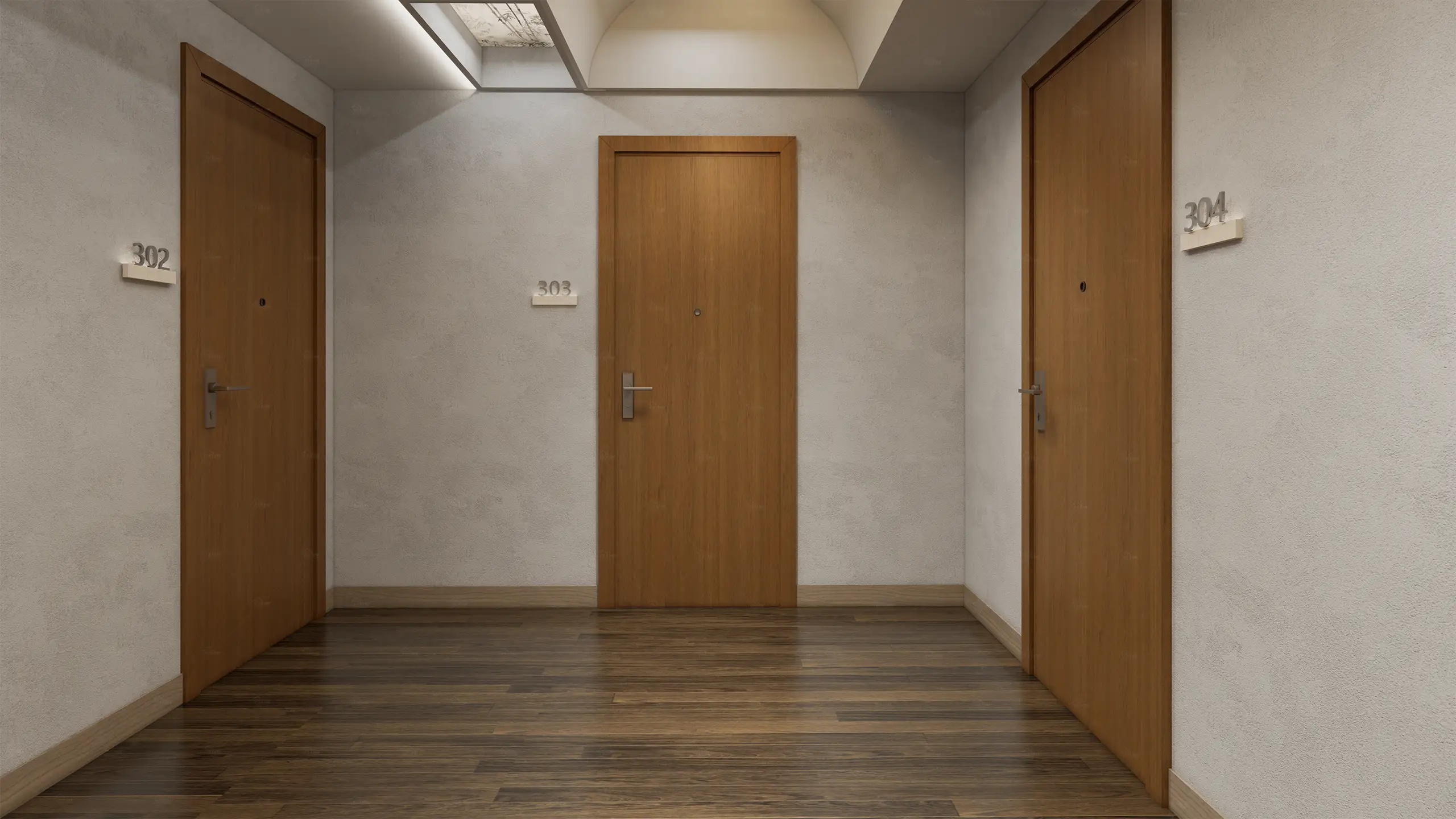
Benefits of Installing Fire Resistant Doors
Fire resistant doors offer numerous advantages, making them a wise investment for any property. These doors not only provide vital protection during a fire but also help ensure safety and regulatory compliance. Let’s dive into the key benefits of installing fire-resistant doors, focusing on how they protect lives and property and contribute to overall building safety.
Protecting Lives and Property
The primary benefit of fire resistant doors is their ability to protect lives and property during a fire. When a fire breaks out, the most critical factor is giving people enough time to escape safely. Fire-resistant doors are designed to withstand heat and flames for a specified period, allowing occupants to evacuate the building before the fire spreads.
These doors act as barriers, preventing the flames and smoke from quickly traveling through the building. This containment gives people more time to exit the building or reach a safe area, especially in larger buildings with multiple floors or complex layouts. Fire resistant doors also protect valuable assets and infrastructure within the building, such as equipment, inventory, and structural elements. By containing the fire to a limited area, fire-resistant doors reduce property damage and ensure that critical areas are spared from destruction.
In summary, fire resistant doors are lifesavers, keeping both people and property safe in the event of a fire.
Compliance with Fire Safety Codes
Installing fire resistant doors is often required by law to comply with fire safety codes and regulations. Most countries and local authorities have specific guidelines for building safety, especially in high-risk areas like commercial buildings, schools, hospitals, and residential buildings. Fire-resistant doors must meet particular standards to withstand fire for a specified period, which is essential for protecting everyone inside the building.
Compliance with these codes not only keeps the building safe but also helps avoid costly fines and penalties. For property owners and managers, ensuring their building meets fire safety regulations can also lower insurance premiums, as insurers often offer discounts for buildings with proper fire safety measures in place.
By installing fire resistant doors, property owners are not only meeting legal requirements but also demonstrating their commitment to keeping everyone safe from fire risks.
Enhancing Building Safety
Fire resistant doors significantly enhance overall building safety by controlling the spread of fire and smoke. When fire breaks out, it can spread quickly through open spaces, often compromising the safety of building occupants. Fire-resistant doors prevent this by compartmentalizing the building, helping contain the fire to specific areas.
In addition to containing the fire, these doors help prevent the spread of smoke and toxic gases—two leading causes of injuries and deaths in fires. The seals around fire doors expand when heated, creating an airtight barrier that stops smoke from seeping into other parts of the building. This feature is essential in buildings where people may be sleeping, as smoke inhalation can incapacitate individuals before they even realize there’s a fire.
By preventing the spread of fire, smoke, and gases, fire resistant doors contribute to safer living and working environments, giving occupants crucial time to evacuate and protecting valuable property.
Reducing Fire Damage
Fire resistant doors play a key role in reducing fire damage. When appropriately installed, these doors can prevent a fire from spreading to multiple rooms or floors, limiting the overall damage. This containment of the fire results in significantly less damage to the building structure and its contents.
For example, in a commercial building, fire resistant doors can prevent a fire from spreading to critical areas such as data rooms, storage facilities, or office spaces. This can save thousands, or even millions, of dollars in property damage, while minimizing downtime and disruption to business operations. Residential buildings also benefit, as fire-resistant doors can help save homes and reduce the loss of valuable personal belongings.
The ability of fire-resistant doors to limit the spread of fire directly translates into lower repair and rebuilding costs. Furthermore, these doors reduce the likelihood of extensive fire-related insurance claims, as fewer areas will be affected. Simply put, fire-resistant doors are a cost-effective solution for minimizing fire damage and protecting a building’s integrity.
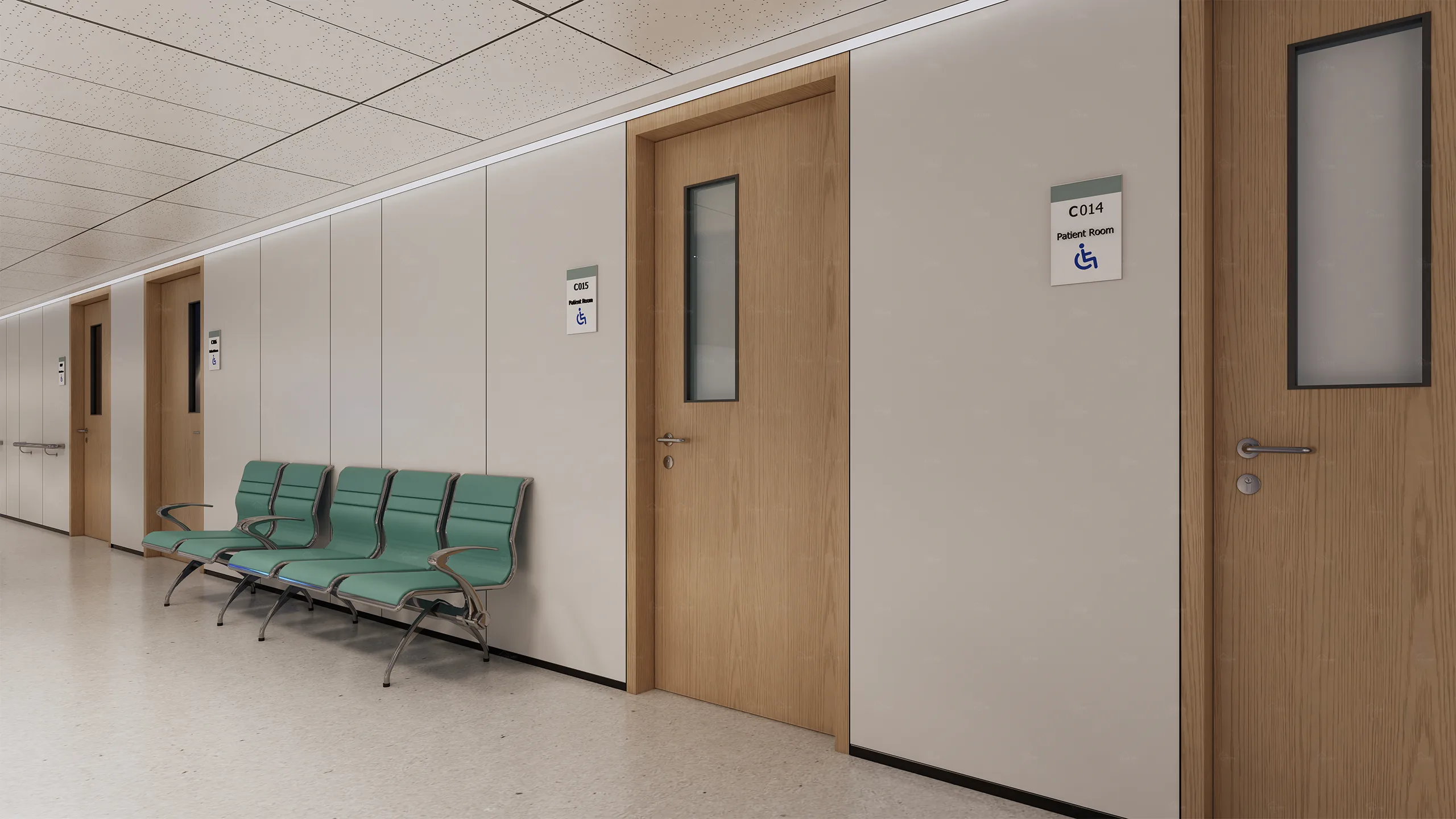
Choosing the Right Fire Resistant Door for Your Property
Selecting the right fire-resistant door is a crucial decision that affects both safety and functionality. With so many options available, it’s essential to understand the key factors that determine which fire-resistant door best suits your property. Let’s explore the key factors to consider when choosing a fire-resistant door, including building type, fire rating, and compliance standards.
Factors to Consider When Choosing Fire Resistant Doors
When choosing a fire-resistant door, several important factors should be considered. First and foremost, the level of fire protection required for your building will play a major role in your decision. Other factors include the door’s material, design, and installation requirements. It’s also essential to ensure the door matches your building’s style while meeting all necessary safety standards.
You’ll want to choose a door that provides the appropriate fire rating for your property’s needs. The door material and core type (e.g., mineral or honeycomb) will influence its fire rating and performance in a fire. Additionally, the durability of the door’s components—such as seals and gaskets—can affect its performance at high temperatures.
When selecting a fire-resistant door, consider all these factors, along with budget and aesthetic preferences, to make a well-informed choice that meets safety standards and personal needs.
Certifications and Compliance Standards to Check
Fire door regulations vary across the globe, but they all serve the same purpose: to prevent the spread of fire and smoke, ensuring the safety of building occupants. Here’s a brief overview of the fire door regulations in key regions:
United States:
In the US, fire door regulations are primarily governed by the National Fire Protection Association (NFPA) and the Occupational Safety and Health Administration (OSHA). According to NFPA 80, fire doors must be installed, maintained, and inspected in accordance with specific standards. The regulations cover the fire resistance rating, installation, and proper functioning of the doors. The fire door must be self-closing, with no gaps exceeding 3mm when closed. Additionally, the door hardware (locks, hinges, and closers) must be fire-rated and must function properly to prevent the spread of smoke and fire.
United Kingdom:
In the UK, fire door regulations are covered by the Building Regulations (Part B), the Fire Safety Order (FSO), and British Standards such as BS 476. Fire doors in the UK must meet specific fire resistance ratings, which are typically 30, 60, or 90 minutes, depending on the building’s design and usage. The regulations also emphasize regular inspection and maintenance of fire doors to ensure they function properly in the event of a fire. It’s also important to note that the Regulatory Reform (Fire Safety) Order 2005 requires that fire doors be maintained to provide continuous fire protection.
Europe:
In Europe, fire door regulations are standardized under the European Union’s Construction Products Regulation (CPR). European standards such as EN 1634-1 outline the testing and performance criteria for fire doors. These doors must undergo rigorous testing to meet the fire resistance requirements and ensure they are capable of withstanding fire for a specified time. Different countries in Europe may have additional local regulations, but they all follow the general guidelines set by the CPR to ensure safety and compliance.
Australia:
In Australia, fire door regulations are governed by the National Construction Code (NCC), which aligns with the Australian Standard AS 1905.1. According to the NCC, fire doors must meet specific fire resistance ratings and comply with the requirements for installation, maintenance, and inspection. In Australia, it is required that fire doors are regularly tested to ensure they are functioning as intended, particularly in commercial and multi-residential buildings. The AS 1905.1 standard provides detailed guidelines on the performance criteria for fire doors, including fire resistance ratings, installation methods, and maintenance.
Building Type: Residential vs. Commercial
Fire doors play a critical role in fire safety plans and are integrated into building codes to ensure overall safety. These codes outline how fire doors should be installed, maintained, and operated to prevent the spread of fire and smoke. Here’s how fire doors fit into building codes:
1. Compartmentalization:
The type of building—whether residential or commercial—greatly influences the choice of fire-resistant door.
- Residential buildings typically have less stringent requirements than commercial buildings. In homes, fire-resistant doors are often installed in specific areas, such as garages or between the living area and a furnace or utility room. A 30-minute fire rated door is usually sufficient for residential use, as the primary focus is protecting sleeping areas and providing time for residents to evacuate.
- Commercial buildings, on the other hand, require higher-rated doors due to the larger number of occupants and the higher fire risks. Commercial spaces often use fire resistant doors in hallways, stairwells, and between different sections of the building. In these areas, doors with a 60- or 90-minute fire rating may be required to meet fire safety standards.
Door Size and Design Considerations
When choosing a fire resistant door, size and design are essential factors that affect both functionality and aesthetic appeal.
- Size: The door should match the opening dimensions. Fire-resistant doors come in various sizes, but it’s essential to ensure the door fits snugly in the frame to avoid gaps where smoke and heat could leak through. Some doors are custom-built to fit non-standard openings, so be sure to measure accurately or consult a professional to ensure a perfect fit.
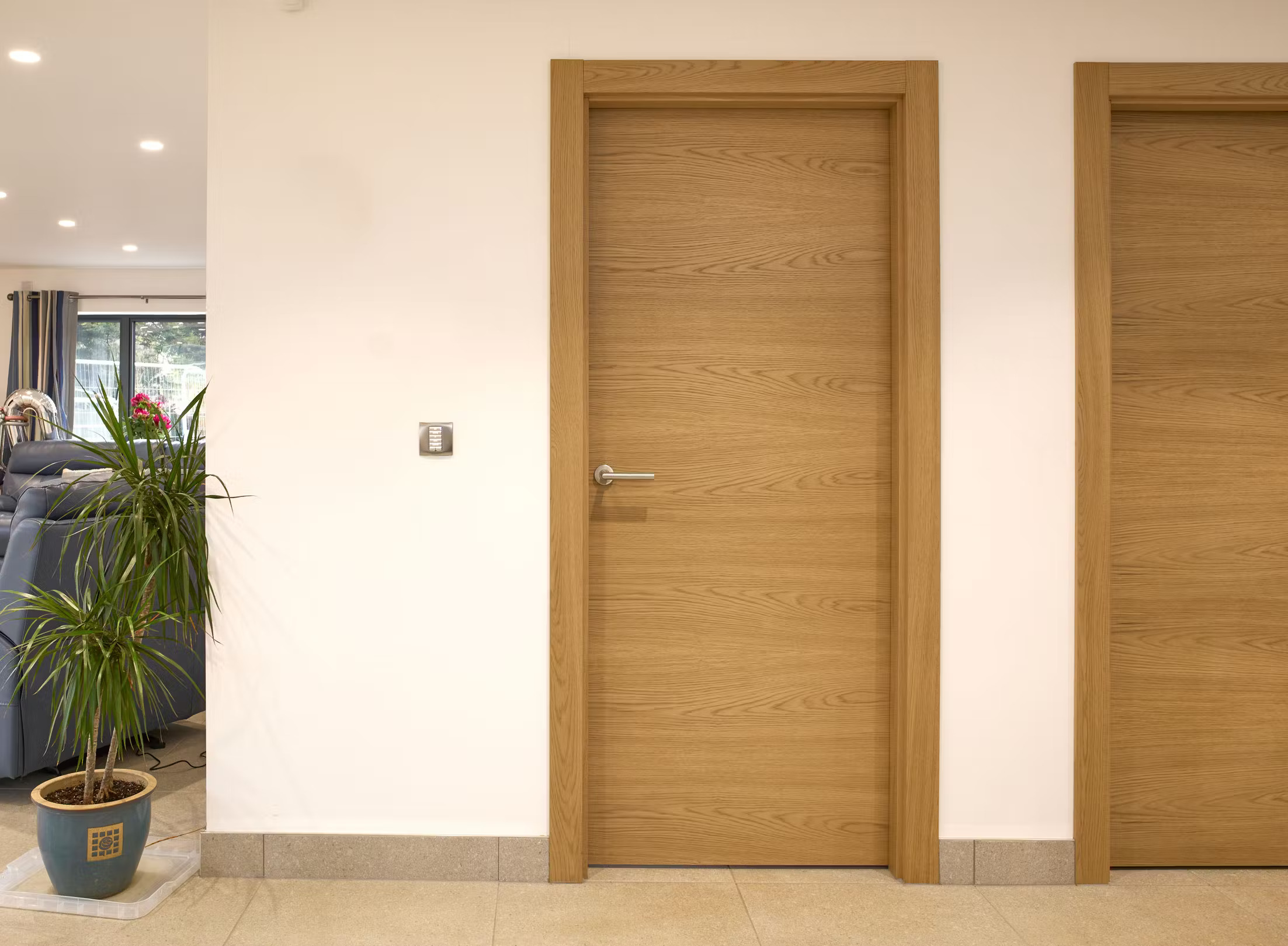
- Design: While fire protection is the primary function of the door, it’s also essential to consider its design and how it blends with the building’s interior or exterior. Fire resistant doors are available in a variety of materials, including steel, wood, and composite, each offering different design options. You can find fire doors that match your building’s aesthetic while still meeting safety standards. Additionally, consider whether the door should be equipped with windows, handles, or special finishes to enhance its look.
Maintenance and Testing of Fire Resistant Doors
Fire resistant doors play a crucial role in protecting your property and its occupants during a fire. To ensure they continue to perform effectively, regular maintenance and testing are essential. Let’s explore best practices for inspecting, maintaining, and testing fire-resistant doors to keep them in top condition.
Regular Inspections: What to Look For
Regular inspections of fire resistant doors are vital to ensure they remain in good working order. During these inspections, there are several key aspects to check for:
- Door Integrity: Examine the door for any signs of physical damage, such as cracks, dents, or warping. Even minor damage can compromise the door’s fire resistance.
- Seals and Gaskets: Check the seals around the edges of the door. These are critical for preventing smoke and heat from passing through the gaps. Make sure the seals are intact and free of any wear or damage. If the seals are damaged or missing, the door may not function correctly during a fire.
- Frame Condition: Inspect the door frame for any damage or misalignment. A misaligned frame can prevent the door from closing properly, leading to gaps that allow fire or smoke to escape.
- Self-Closing Mechanism: Fire doors are often equipped with self-closing devices. Ensure these devices work correctly by checking that the door closes smoothly and fully every time. If the door doesn’t close properly, it could leave gaps that let smoke and heat enter other parts of the building.
- Hinges and Hardware: Check the hinges, handles, and other hardware for proper function. Loose or broken hardware can prevent the door from operating as it should, making it less effective in a fire.
How to Maintain Fire Resistant Doors?
Proper maintenance is key to ensuring your fire-resistant doors continue to perform as intended. Here are a few essential maintenance tasks to keep in mind:
- Keep the Door Clean: Regular cleaning is essential to maintaining the door’s appearance and functionality. Dust, dirt, and other debris can interfere with the door’s seals and mechanism, so wipe the surface down regularly with a soft cloth.
- Lubricate Moving Parts: The hinges and other moving parts of the door should be lubricated periodically to ensure smooth operation. Use a silicone-based lubricant to prevent dust and dirt from attracting to the door, which can interfere with its performance.
- Repair Minor Damages: Small issues such as scratches, dents, or paint chips may seem minor, but they can compromise the door’s fire resistance over time. If you notice any damage, repair it promptly to maintain the door’s integrity.
- Check the Door’s Fire Rating: Over time, some materials may degrade, so it’s essential to ensure the door’s fire rating still meets the required standards. If the door has been modified or damaged, it may need to be replaced with a new one that has the appropriate fire rating.
Cleaning and Care Tips
Proper cleaning and care are essential to prolong the life and functionality of your fire resistant door. Here are some helpful cleaning tips:
- Avoid Harsh Chemicals: When cleaning the door surface, avoid harsh chemicals or abrasive cleaners. These can damage the door’s finish or affect its seals. Instead, use a mild soap solution or a specialized cleaner designed for fire doors.
- Clean the Glass (if applicable): If your fire-resistant door has glass panels, clean them regularly to maintain visibility. Use a non-abrasive glass cleaner to avoid scratching the surface. Keep in mind that any cracks or chips in the glass should be repaired immediately to ensure fire safety.
- Wipe Down the Seals: The seals around the door are vital for preventing smoke and heat from escaping. Use a damp cloth to wipe down the seals and remove any dust or dirt. Ensure the seals remain flexible and intact so they can expand during a fire to block smoke and flames.
- Check for Rust: If your fire resistant door is made of metal, regularly check for signs of rust, particularly around hinges and frames. Use a rust remover or steel wool to clean any affected areas and prevent the rust from spreading.
Testing the Integrity of Fire Resistant Doors
Testing the integrity of your fire resistant door is just as important as maintenance. There are a few ways to check the door’s performance:
- Door Fit and Function: Ensure that the door fits properly within its frame and closes securely every time. A door that doesn’t close completely or leaves gaps at the edges will not be effective in containing a fire. Test the self-closing mechanism to ensure it works properly.
- Seal and Gasket Test: Check the seals to make sure they expand properly when exposed to heat. A simple way to test the seals is by using a thermal gun to monitor how the door responds to heat. The seals should remain intact and expand to block any gaps in the door.
- Fire Door Inspections by a Professional: While regular checks can be done on your own, it’s also recommended to have a professional perform a thorough inspection of your fire resistant door every year. These experts can assess the door’s performance and ensure it meets all fire safety standards.

Fire Resistant Doors in Different Environments
Fire resistant doors are crucial in various environments to enhance safety and protect lives. Whether in a commercial building, residential area, or industrial facility, these doors play an essential role in preventing the spread of fire and smoke.
Fire Resistant Doors in Commercial Buildings
In commercial buildings, fire resistant doors are a critical safety feature. These buildings often house many people, making them more vulnerable to fire hazards. Fire-resistant doors help control the spread of fire and smoke, enabling a safer evacuation and reducing property damage.
In areas like lobbies, hallways, and stairwells, fire resistant doors create safe zones where people can gather and wait for help. They also protect data rooms, server rooms, and storage areas—places with high-value equipment and sensitive materials—from fire damage. A 60-minute or 90-minute rated fire door is commonly used in commercial buildings to ensure proper containment of fire and smoke.
The building’s layout and the fire risk assessment of the area will determine the fire rating required for the doors. Fire doors in commercial spaces are also designed to meet local building codes and fire safety regulations, ensuring compliance and safety.
Office Buildings, Hospitals, Schools, etc.
Specific environments, such as office buildings, hospitals, and schools, require fire-resistant doors due to the high number of occupants and the vital functions of these spaces.
- Office Buildings: In office settings, fire doors help compartmentalize large spaces and provide protected escape routes in the event of a fire. They are installed in stairwells, corridors, and between office units. A fire resistant door with a 60-minute or 120-minute fire rating is ideal for larger office complexes.
- Hospitals: Fire doors are essential, as many people may be unable to evacuate quickly due to illness or injury. Fire resistant doors help protect areas such as emergency rooms, patient wards, and surgical areas. These doors help prevent the spread of fire to critical areas, providing enough time for patients and staff to evacuate.
- Schools: Fire-resistant doors are installed in hallways, classrooms, and between sections of the building. Fire doors in schools should provide a 30-minute or 60-minute fire rating, as they help protect students and staff in the event of a fire.
Homes, Apartments, and Condominiums
Fire resistant doors are equally important in residential buildings, such as homes, apartments, and condominiums. Although residential buildings typically have lower fire risks than commercial spaces, having fire-resistant doors can still be life-saving.
- Homes: Fire-resistant doors are commonly installed between the garage and living areas, as garages are a common location for fire incidents. A 30-minute fire rated door is generally sufficient to protect residents and provide time for evacuation. It’s also wise to install fire doors in other areas, such as utility rooms or near furnaces.
- Apartments and Condominiums: In multi-unit buildings, fire resistant doors serve as barriers between individual units and common areas. These doors help prevent fire from spreading between apartments and to shared hallways or stairwells. In apartments, fire doors with a 60-minute rating are typically required to meet safety regulations.
Fire Resistant Doors in Industrial and Manufacturing Facilities
Industrial and manufacturing facilities often face higher fire risks due to flammable materials, machinery, and elevated temperatures. Fire resistant doors are essential in these environments to protect both employees and equipment.
In industrial settings, fire-resistant doors are used in areas such as storage rooms, production areas, and chemical-handling zones. These doors help contain fires in specific sections of the building, preventing the fire from spreading to other critical areas, such as machinery rooms, offices, and employee break areas.
The fire rating for industrial doors depends on the facility’s specific risks and needs. 90-minute- to 120-minute-rated doors are commonly used in industrial facilities where the potential for large fires exists. These doors are designed to withstand high heat and protect valuable equipment, preventing fires from causing long-term disruptions to operations.
Fire-resistant doors also help comply with workplace safety regulations, which are critical in industrial settings. Ensuring that the facility meets fire safety standards is key to protecting workers, reducing downtime, and preventing costly damage.

Relate FAQ
What is a fire door?
A fire door is a specialized door designed to resist the spread of fire and smoke between different areas of a building. These doors are an essential part of a building's fire safety strategy, typically made with materials like metal or fire-resistant timber. Fire doors are equipped with seals, hinges, and closing mechanisms that ensure they perform well during a fire, helping to protect people and property.
How do fire doors work?
Fire doors function by preventing the passage of flames and smoke to other parts of the building, allowing more time for occupants to evacuate safely. When a fire occurs, the fire door closes automatically and forms a barrier between the fire and unaffected areas. This stops or slows the spread of the fire, minimizing damage and increasing safety for building occupants.
What are the key components of a fire door?
The essential components of a fire door include:
- Fire-resistant Door Leaf: This is the main part of the door, designed to withstand high temperatures.
- Frame: The frame holds the door and provides structural integrity.
- Seals: Intumescent seals expand when exposed to heat, helping to block gaps around the door.
- Hinges, Handles, and Locks: All fittings must be fire-resistant and properly installed to ensure the door's effectiveness during a fire.
- Closer Mechanisms: These devices ensure the door automatically closes after being opened, preventing it from staying ajar during an emergency.
What fire rating should a fire door have?
The fire rating of a fire door refers to the amount of time it can withstand fire exposure before failing. Fire doors typically come with ratings such as 30 minutes (FD30), 60 minutes (FD60), or 120 minutes (FD120). The required fire rating depends on the building's specific fire safety plan and regulations. It is important to choose a fire door with an appropriate rating based on the building's needs.
How do I maintain a fire door?
Maintaining a fire door is critical to ensure it functions properly in an emergency. Key maintenance tasks include:
- Regularly checking that the door closes properly and forms a tight seal.
- Ensuring that the door is not propped open, as this can compromise its performance.
- Inspecting hinges, locks, and seals for any damage.
- Ensuring that the door is free from any obstructions that may prevent it from closing properly.
Can a fire door be installed in any building?
Fire doors can be installed in both residential and commercial buildings, including offices, apartments, schools, hospitals, and industrial settings. However, the installation must comply with local building regulations, which dictate the type of fire doors needed based on the building's layout, use, and fire safety requirements. It’s essential to consult with a professional when installing a fire door to ensure it meets safety standards.
Why are fire doors important for building safety?
Fire doors play a crucial role in building safety by slowing the spread of fire and smoke. This gives occupants more time to escape and allows firefighters to do their job effectively. Without fire doors, fire can spread quickly throughout a building, putting lives and property at greater risk. They are part of a comprehensive fire safety system that includes alarms, sprinklers, and emergency exits.