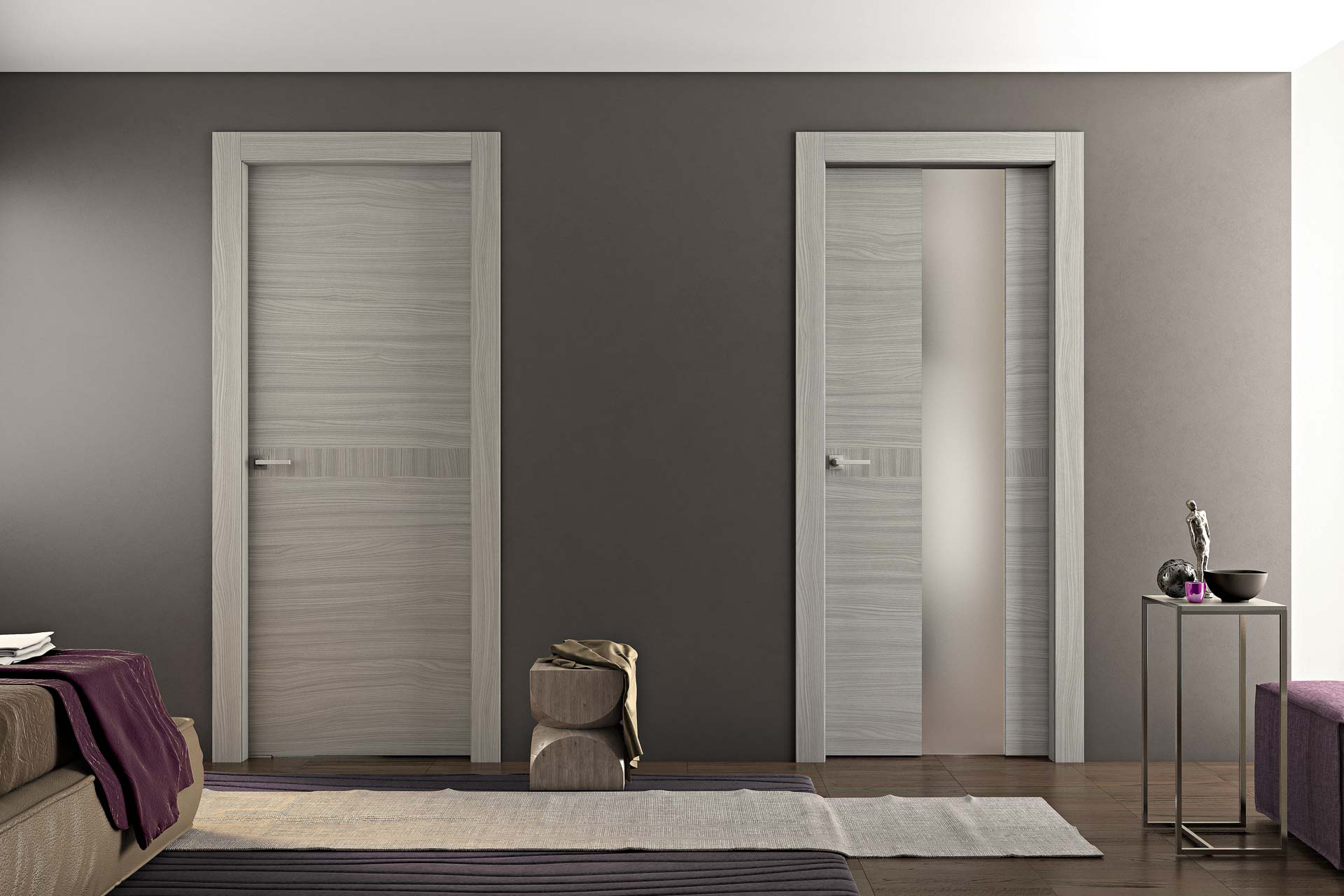
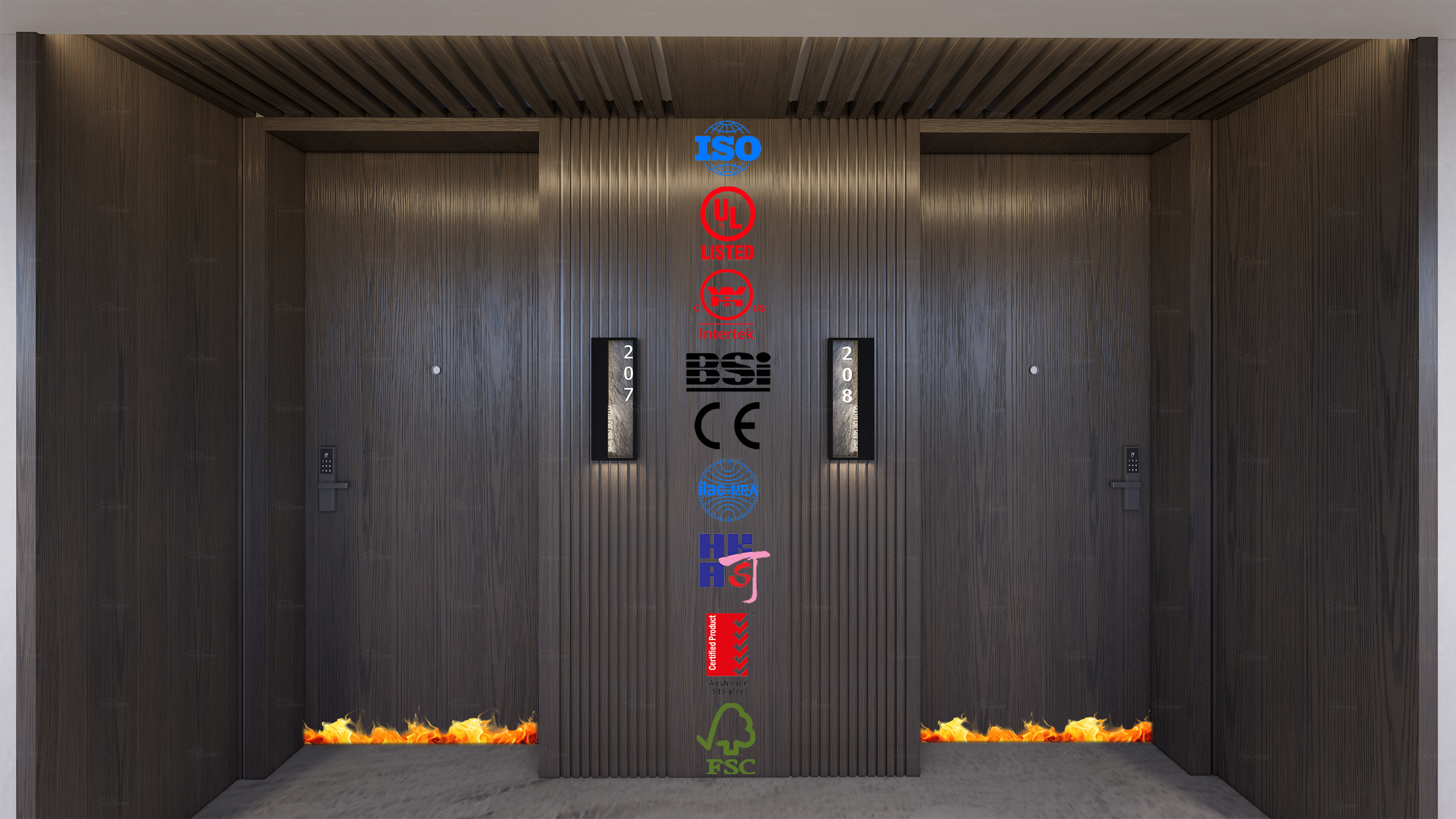
What is an HPL fire door?
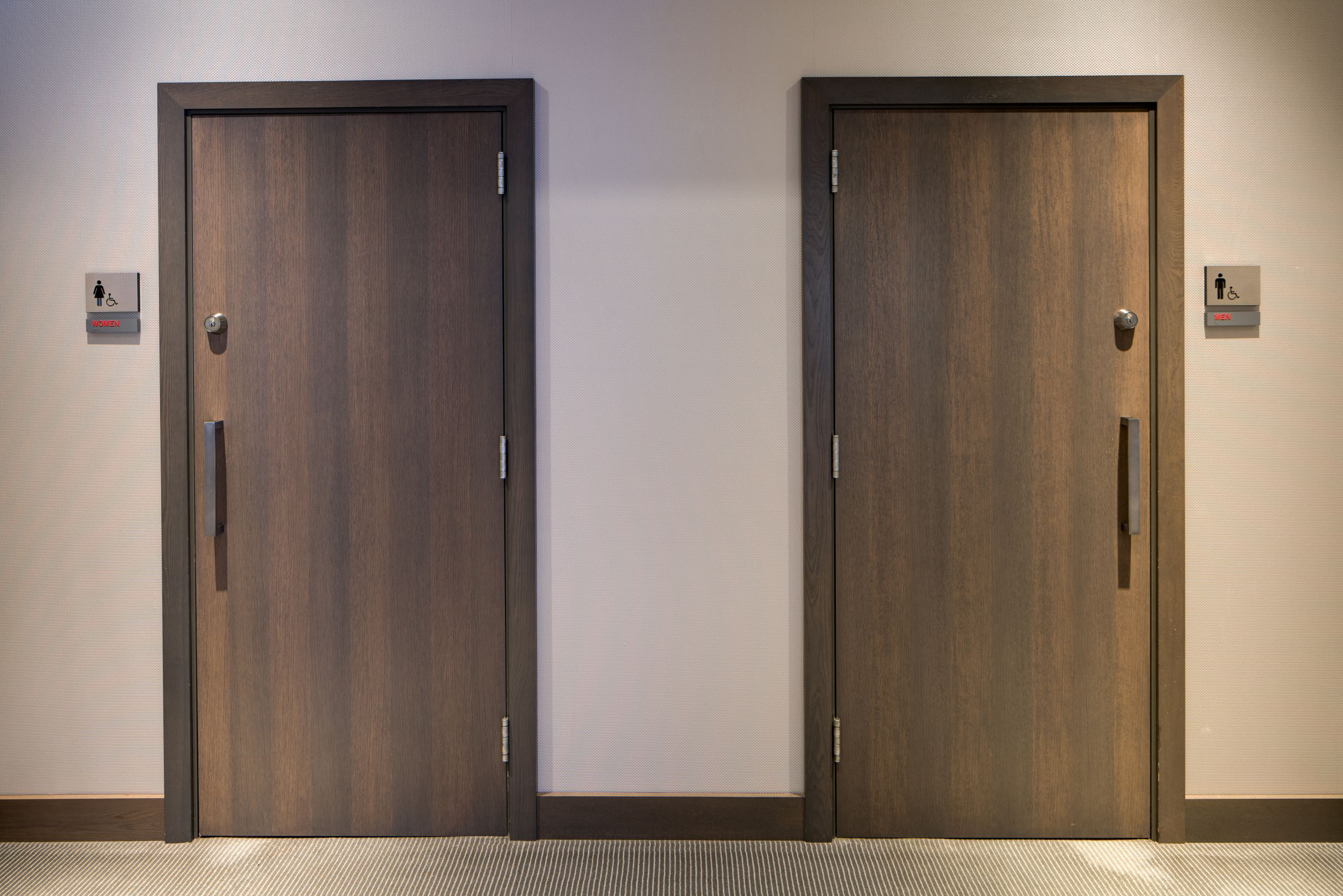
Introduction to Fire Door
When it comes to building safety, fire doors play a crucial role in protecting lives and property. These specialized doors are designed to prevent the spread of fire and smoke within a building, allowing people to escape safely and helping to limit property damage. Fire doors are not just any regular door; they are constructed with materials and technologies that make them fire-resistant for a specific period.
What Is a Fire Door?
A fire door is a type of door designed to resist the spread of fire for a specific period of time. These doors are built with special materials, such as fire-rated cores and seals, that help contain the fire and prevent it from moving from one area to another. They are commonly used in commercial buildings, apartments, and public spaces to create fire-resistant compartments within the structure.
The primary purpose of a fire door is to provide a barrier between different parts of a building, giving occupants time to escape safely in the event of a fire. In addition to their fire resistance, these doors also help to keep smoke from spreading, which can be just as dangerous as the flames themselves.
Fire doors come in various designs and materials and are often equipped with additional safety features such as self-closing mechanisms, fire-resistant glass, and smoke seals. These features ensure that the door remains effective even in extreme conditions.
Why Are Fire Doors Essential in Buildings?
Fire doors are essential in buildings for several important reasons, all of which support the goal of protecting lives and minimising damage during a fire emergency. Here are the main reasons why fire doors are so critical:
1. Preventing the Spread of Fire and Smoke:
One of the main reasons fire doors are so important is their ability to contain fire and smoke. In the event of a fire, fire doors prevent flames from spreading through hallways and between rooms, helping limit damage. This containment helps firefighters control the fire and gives people more time to evacuate safely.
2. Providing Safe Escape Routes:
Another essential function of fire doors is ensuring that escape routes remain safe. In many buildings, fire doors separate hallways or stairwells from areas at risk of fire. By blocking the spread of fire and smoke, fire doors help keep these routes clear for people trying to escape. This is especially important in large buildings like hotels, offices, and schools.
3. Protecting Property:
Fire doors don’t just protect people; they also help minimise property damage. By preventing fire from spreading into different areas of the building, fire doors protect valuable assets and equipment. In commercial settings, where equipment and inventory can be costly, this can be a major benefit.
4. Meeting Legal and Safety Standards:
In many countries, fire doors are required by law in certain types of buildings, especially those that house large numbers of people. Installing and maintaining fire doors is part of complying with building codes and fire safety regulations. These doors help building owners meet safety requirements while ensuring they provide a safe environment for their tenants or employees.
5. Improving Fire Safety Design:
When properly integrated into the overall fire safety plan, fire doors contribute to a building’s overall safety design. They work in conjunction with other fire protection systems, such as sprinklers, alarms, and fire extinguishers. Fire doors are just one piece of a larger system that helps save lives and protect property during emergencies.

What Does "HPL" Mean in Fire Doors?
When you hear the term “HPL” in relation to fire doors, it refers to High-Pressure Laminate. HPL is a durable, versatile material often used to create the surface layer of fire doors. It is known for its strength, fire-resistant properties, and aesthetic appeal. Let’s break down what HPL is, how it’s used in fire doors, and how it helps improve their performance.
Explaining HPL (High-Pressure Laminate)
HPL stands for High-Pressure Laminate. It is a composite material made by bonding multiple layers of paper, fabric, or other fibrous materials together with resin under high pressure and heat. The result is a strong, durable, and heat-resistant material. HPL is typically used for surfaces like countertops, furniture, and, in this case, the exterior of fire doors.
The main reason HPL is chosen for fire doors is its resilience. It can withstand heat and pressure much better than standard materials. Plus, HPL can be manufactured with a wide variety of finishes, from sleek modern designs to classic textures, making it an excellent option for both functional and aesthetic purposes in fire door design.
The Materials Used in HPL Fire Doors
HPL fire doors are constructed using multiple layers of materials that work together to ensure both strength and fire resistance. Here are the primary materials involved:
1. High-Pressure Laminate (HPL)
The outer surface layer is made from HPL, which gives the door its durability and finish. This laminate is made by fusing multiple layers of paper or fabric under heat and pressure. The result is a material that resists wear and tear, scratches, and even some chemicals.
2. Core Materials
Inside the fire door, there’s typically a fire-resistant core. This core could be made from a variety of materials, such as mineral, honeycomb, or foam. These materials are specifically designed to slow the spread of fire and maintain the door’s structural integrity under high-heat exposure.
3. Fire-Resistant Seals
Fire doors with HPL also include special fire-resistant seals along the edges. These seals expand when heated, preventing smoke and hot gases from leaking through gaps between the door and the frame.
4. Steel or Wood Frames
The frame of HPL fire doors is typically made of steel or sturdy wood. Steel frames are commonly used because they offer enhanced fire resistance and greater strength, enhancing the overall security of the door.
How HPL Contributes to the Fire-Resistance of the Door?
The contribution of HPL to the fire resistance of a fire door lies in its ability to withstand high temperatures and provide an effective barrier against the spread of flames. Here’s how it helps:
1. Heat Resistance
HPL is made from resin-infused layers that can withstand high temperatures without catching fire or weakening. This makes it an excellent choice for fire door surfaces, as it prevents the door from being damaged by flames. While HPL itself isn’t completely fireproof, it is highly heat-resistant, helping maintain the door’s integrity in the early stages of a fire.
2. Barrier Against Flames
The HPL surface can withstand exposure to flames for a specified period. The fire-resistant core inside the door works in tandem with the HPL surface to slow down the spread of fire. While the core material absorbs heat and acts as an insulator, the HPL surface keeps the door functional, helping prevent fire from quickly passing through it.
3. Preventing Smoke Spread
One of the most dangerous aspects of a fire is the smoke. HPL fire doors are designed with seals and surfaces that prevent smoke from escaping into other parts of the building. This feature is vital for protecting occupants, as smoke inhalation is often a greater threat than the fire itself. The HPL surface, along with its fire-resistant seals, helps contain smoke.
4. Durability Under Fire Conditions
During a fire, doors need to maintain their strength, and HPL plays an essential role in this. The material can withstand the pressure and temperature of a fire for a limited time, giving building occupants crucial time to evacuate. While fire doors may eventually weaken, HPL helps delay this process, which is why it is often chosen for buildings with high fire safety standards.

Why Choose an HPL Fire Door?
When selecting a fire door, it’s important to consider the materials used, as they directly impact the door’s performance, durability, and appearance. HPL fire doors offer several benefits that set them apart from other types of fire doors. From their superior strength to their wide range of design options, HPL fire doors can be an excellent choice for both residential and commercial buildings. Here’s why you might want to choose an HPL fire door.
Advantages of HPL Over Other Fire Door Materials
HPL fire doors offer several advantages over traditional fire doors made from materials such as solid wood, steel, or MDF. These benefits make HPL a popular choice for many building owners and safety experts:
1. Higher Fire Resistance:
One of the key benefits of HPL fire doors is their ability to resist higher temperatures for longer periods. Compared to other materials, HPL can withstand heat more effectively, slowing the spread of fire and giving people more time to escape. Its ability to prevent the passage of fire and smoke makes it an essential component of a building’s fire protection system.
2. Better Durability:
HPL fire doors are built to last. Unlike wooden fire doors, which can warp or degrade over time, HPL is moisture-resistant and withstands extreme weather conditions. This makes it an ideal option for buildings located in areas with high humidity or temperature fluctuations.
3. Low Maintenance:
HPL fire doors require less upkeep than traditional wood or metal doors. They are more resistant to scratches, dents, and stains, making them a great choice for high-traffic areas. Regular cleaning is usually enough to keep them looking new, saving you time and money on maintenance.
4. Superior Insulation:
HPL fire doors provide better insulation than some other fire-resistant door materials. They can help keep a building more energy-efficient by blocking heat transfer, thereby reducing heating and cooling costs.
5. Cost-Effective:
While HPL fire doors might not always be the cheapest option, they can offer long-term savings. Their durability and low maintenance needs mean you’ll spend less on repairs and replacements over the years, making them a cost-effective choice in the long run.
Durability and Strength of HPL
When it comes to fire doors, durability is crucial. HPL fire doors are known for their outstanding strength and resistance to wear and tear. Here’s why they stand out:
1. Impact Resistance:
HPL is highly impact-resistant, meaning HPL fire doors can withstand accidental bumps and scrapes without losing effectiveness. This durability makes them ideal for high-traffic areas such as offices, schools, and apartment buildings, where doors are frequently used and may experience physical wear.
2. Resistant to Moisture and Chemicals:
Unlike wooden fire doors, HPL fire doors don’t absorb moisture, helping prevent warping or rotting. They are also resistant to many chemicals, making them ideal for industrial environments where doors might be exposed to cleaning products or other harsh substances.
3. Long-Term Strength:
The materials used in HPL fire doors are engineered for longevity. The HPL surface is tough and can withstand significant pressure without cracking or deforming. This ensures that the door remains functional and reliable for years, even under harsh conditions.
4. Fire-Resistant Core:
In addition to the HPL surface’s strength, the core material within the fire door is designed to provide superior fire resistance. Together, the surface and core ensure that HPL fire doors can provide a high level of protection, especially when tested under real fire conditions.
The Aesthetic Appeal of HPL Finishes
In addition to being durable and fire-resistant, HPL fire doors also offer a wide range of design options. The aesthetic appeal of HPL fire doors is one of the reasons they are so popular for both residential and commercial properties.
1. Wide Range of Designs:
One of the key benefits of HPL fire doors is the variety of finishes available. HPL can be manufactured in a variety of colours, textures, and patterns. Whether you’re looking for a sleek, modern design or something more traditional, HPL fire doors can complement almost any style.
2. Customizable Options:
HPL fire doors can be customized to fit the specific needs of your building. You can choose from a variety of wood-like finishes, metallic surfaces, or even vibrant colors to match the interior decor of your space. This makes them a versatile option for architects and designers who want to integrate safety features without compromising style.
3. Smooth, High-Quality Surface:
HPL fire doors feature a smooth, uniform surface, giving them a clean, polished look. The high-quality finish enhances the door’s overall appearance, making it not only functional but also attractive. Whether used in a residential home or a corporate office, these doors can add a touch of sophistication to any space.
4. Minimal Maintenance for Aesthetic Appeal:
The HPL finish is not only durable but also easy to maintain. Unlike painted wood, which can chip and fade over time, the HPL surface retains its appearance with little effort. A simple cleaning routine is often all that’s needed to keep the door looking fresh and new.
5. Perfect for High-Traffic Areas:
In places where doors are frequently used, such as offices, schools, and hospitals, HPL fire doors offer both beauty and durability. The ability to maintain their appearance, even after years of use, makes them an ideal choice for busy environments.
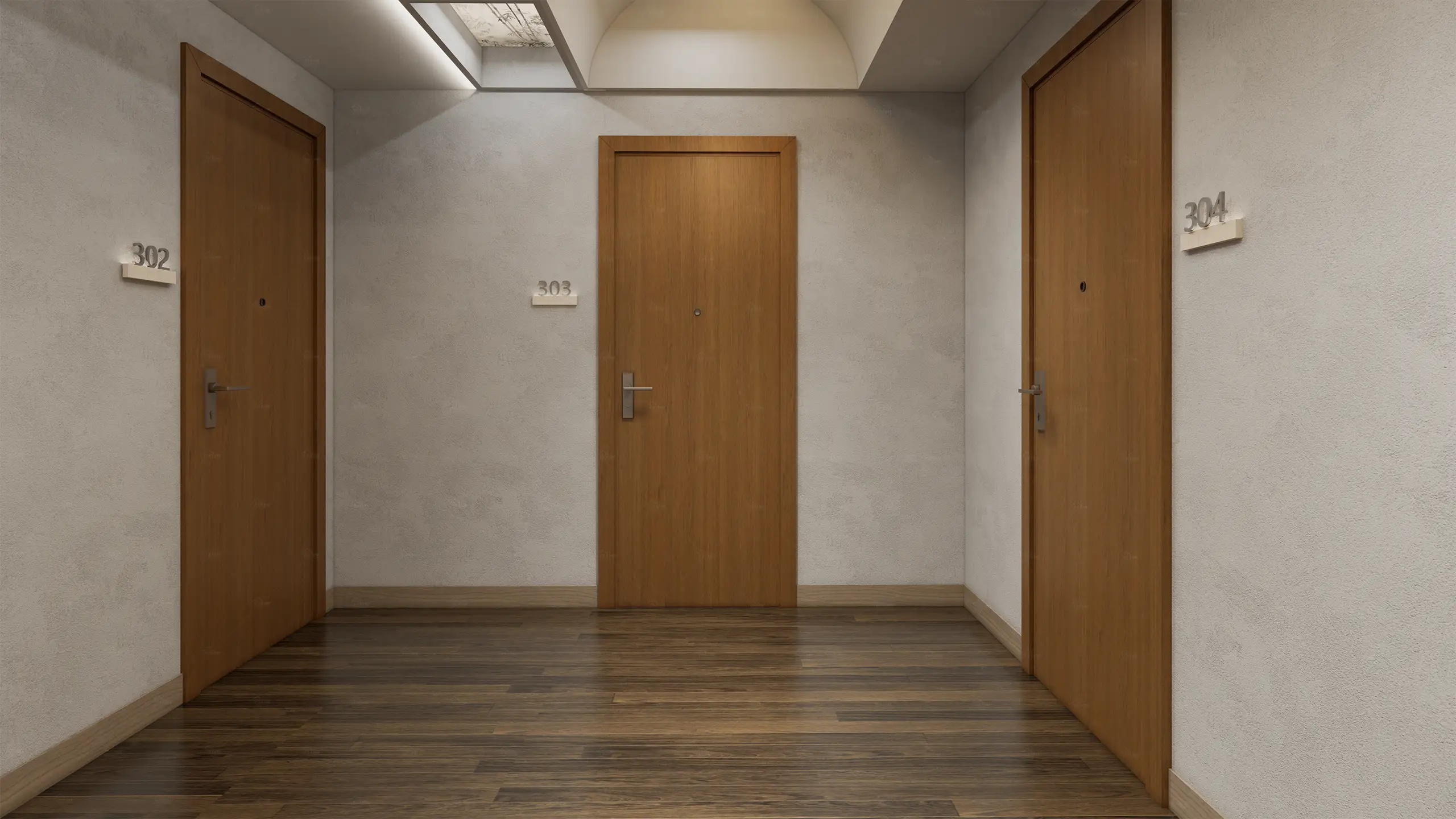
How Do HPL Fire Doors Work?
HPL fire doors are specifically designed to protect against fire, smoke, and heat. They function as barriers that limit the spread of fire and offer critical escape routes for people inside a building. To understand how HPL fire doors work, it’s important to look at their fire-resistance ratings, how they prevent fire from spreading, and the technology behind their fireproofing.
Understanding the Fire-Resistance Ratings of HPL Fire Doors
Fire doors are classified according to how long they can withstand fire before failing. This is called the fire-resistance rating. The rating is given in hours, such as 30, 60, or 120 minutes, depending on the materials used and the door’s construction. HPL fire doors typically have fire-resistance ratings of 30 to 60 minutes, but some can exceed 60 minutes, depending on the design and materials used.
What Determines the Rating?
The fire-resistance rating of HPL fire doors is determined by several factors, including the type of core material used, the quality of the HPL finish, and the construction of the door. The core is usually made from fire-resistant materials such as mineral cores, which help keep the door strong under heat. The HPL finish provides an added layer of protection, preventing the door from weakening when exposed to high temperatures.
How Ratings Work:
These ratings are tested under controlled conditions to determine how long the door can withstand heat before it fails. For example, a 60-minute fire-rated door will resist fire and heat for up to 60 minutes, offering enough time for people to evacuate and for fire services to control the fire. The higher the rating, the more time the fire door will protect against fire and smoke.
Why Ratings Matter?
Having the correct fire-resistance rating for your fire door is crucial, especially in commercial or multi-story buildings where fire safety is a top priority. HPL fire doors with a higher rating offer more protection and can be the difference between life and death during a fire emergency.
How HPL Fire Doors Prevent the Spread of Fire?
The primary job of HPL fire doors is to prevent the spread of fire and smoke from one area of the building to another. Here’s how they accomplish that:
1. Barrier Against Flames:
The HPL surface, along with the fire-resistant core, helps prevent the spread of flames. When a fire breaks out, the heat from the flames begins to affect the door’s surface. The HPL is designed to resist these high temperatures, and the fire-resistant core inside the door slows down the transfer of heat. This keeps the fire contained in one area, preventing it from spreading quickly to other parts of the building.
2. Smoke Seals and Gaps:
Another critical function of HPL fire doors is their ability to block the spread of smoke. Even if the door itself isn’t directly exposed to flames, smoke can be just as dangerous. HPL fire doors often come with special seals around the edges. These seals expand when heated, filling any gaps between the door and the frame. This prevents smoke from leaking through and ensures that areas behind the door stay safe from toxic smoke.
3. Self-Closing Mechanism:
Many HPL fire doors are equipped with self-closing devices. This mechanism ensures that the door automatically closes when it’s not in use, preventing fire and smoke from spreading through open doorways. The self-closing feature is essential in areas where doors might otherwise remain open, such as offices, hallways, or common areas in buildings.
4. Creating Fire Compartments:
When installed in the right locations, HPL fire doors can help divide a building into fire-resistant compartments. These compartments limit the size of the fire by containing it within a specific area. In case of a fire, the fire door holds the fire in one section, keeping other parts of the building safe and giving people more time to escape.
The Technology Behind Fireproofing in HPL Doors
The fireproofing technology in HPL fire doors relies on a combination of materials and engineering that work together to keep the door functional under extreme conditions. Here’s a look at the technology that makes HPL fire doors so effective:
1. High-Pressure Laminate (HPL) Technology:
HPL is a technology-driven material created by layering paper or fabric impregnated with resin under high pressure. This process creates a tough, heat-resistant outer surface. The HPL finish on fire doors doesn’t just provide an aesthetic benefit; it also enhances the door’s ability to withstand high temperatures. HPL’s strength makes it a reliable material for fire doors.
2. Fire-Resistant Core Materials:
The core of HPL fire doors is often made from fire-resistant materials, such as mineral-based cores, which help the door withstand heat and flames. These cores are designed to withstand extreme temperatures, acting as a heat shield for the door. Some fire doors may use a honeycomb core, which is lightweight yet provides strong fire resistance. The core is what helps the door meet specific fire-resistance ratings.
3. Heat Insulation and Barrier Layers:
The combination of the HPL surface and the fire-resistant core creates a powerful barrier that not only stops flames but also prevents heat transmission. The heat from a fire can spread quickly through unprotected doors, but HPL fire doors help contain it. This prevents the rest of the building from reaching dangerous temperatures during a fire and allows people to evacuate safely.
4. Fireproofing Seals and Gaskets:
Another key feature of HPL fire doors is the use of fireproof seals and gaskets. These seals expand when heated, effectively sealing gaps that could allow flames or smoke to pass through. The seals work with the HPL surface to create a tight barrier, further preventing the spread of fire and smoke throughout the building.
5. Smoke Containment Technology:
In addition to preventing flames, HPL fire doors often feature technology that prevents smoke from leaking out. This includes smoke seals, which work alongside the door’s surface to keep toxic smoke from escaping into other areas. Keeping smoke contained can save lives, as smoke inhalation is often more dangerous than the flames themselves during a fire.
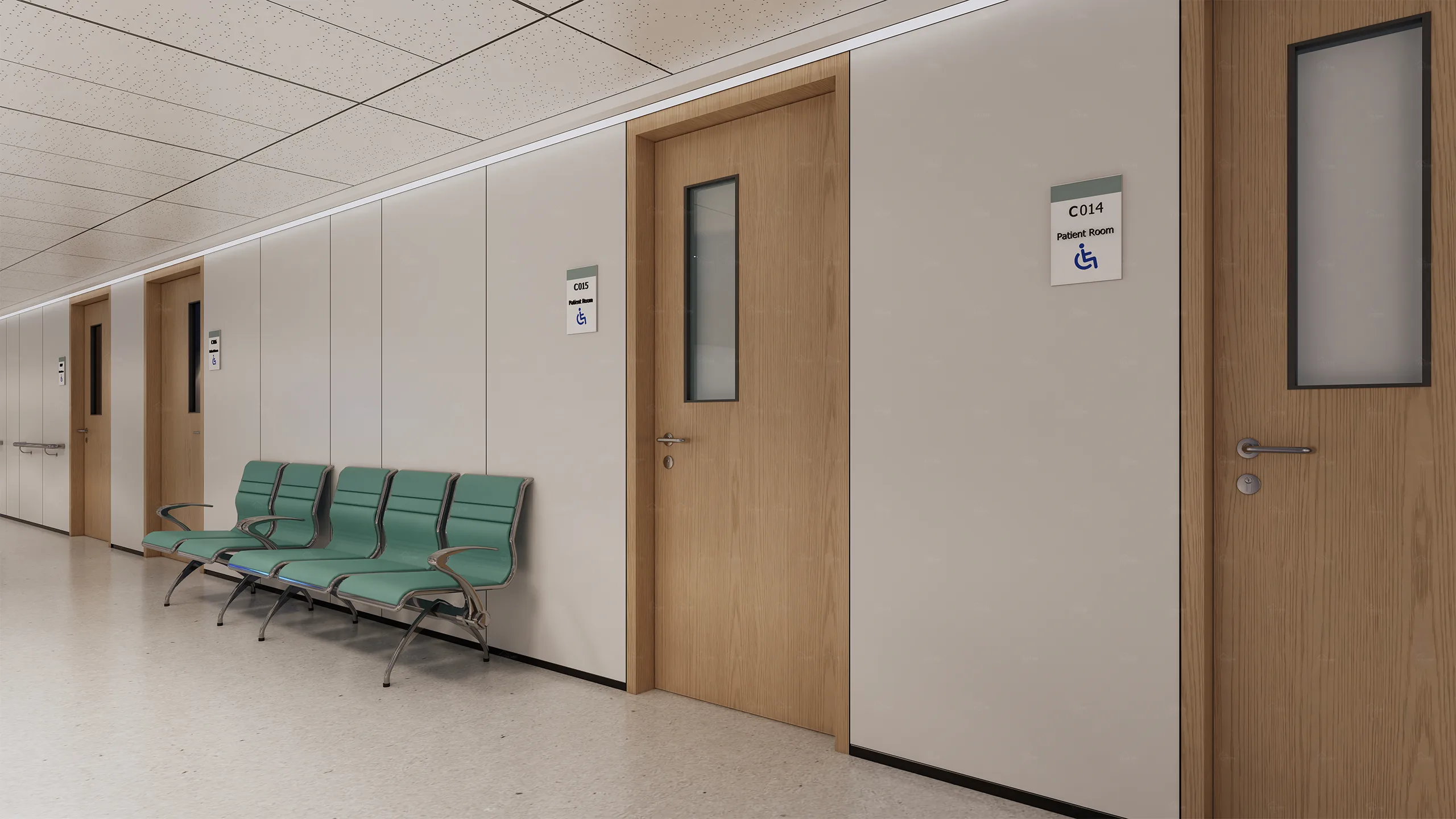
Key Features of HPL Fire Doors
HPL fire doors are known for their combination of high performance, durability, and aesthetic appeal. These doors offer a variety of benefits that make them a top choice for both residential and commercial buildings. Let’s take a closer look at some of the key features that make HPL fire doors stand out in terms of fire resistance, durability, noise reduction, and customization.
Fire Resistance and Certification Standards
The primary function of any fire door is to protect life and property by containing fire and smoke. HPL fire doors are no different, and they are designed to meet strict fire-resistance standards.
1. Fire-Resistance Ratings:
HPL fire doors are rated by how long they can withstand fire before failing. Common ratings for these doors include 30, 60, or 120 minutes. The rating is crucial because it determines how long the door can delay the spread of fire, giving occupants more time to evacuate and limiting property damage. The fire resistance of HPL fire doors comes from the combination of the HPL surface and the fire-resistant core.
2. Certification and Testing:
To meet fire safety regulations, HPL fire doors must undergo rigorous testing and certification. They are tested in controlled fire environments to ensure they meet or exceed the required fire-resistance standards. Certifications from recognised organisations, such as UL (Underwriters Laboratories) or BS (British Standards), ensure that HPL fire doors are reliable and perform as required in an emergency.
3. Compliance with Regulations:
Installing certified HPL fire doors ensures your building complies with local fire safety regulations. Whether for residential, commercial, or industrial use, these doors help meet fire safety requirements while providing peace of mind for building owners and occupants.
Durability and Weather Resistance
HPL fire doors are designed to last, even under harsh conditions. Their durability is one of the reasons they are so popular for both indoor and outdoor use.
1. Impact and Wear Resistance:
HPL fire doors are highly resistant to physical damage. The HPL finish is tough and can withstand bumps, scratches, and abrasions. Whether in high-traffic areas or harsh environments, these doors maintain their integrity over time. Unlike wood doors that can chip or dent easily, HPL fire doors keep looking great for years with minimal maintenance.
2. Weather Resistance:
The HPL finish makes these fire doors resistant to a range of weather conditions. Unlike wood, which can swell or warp when exposed to moisture, HPL is waterproof and stable. This makes HPL fire doors ideal for environments that experience high humidity, rain, or extreme temperatures. Whether in coastal areas with salty air or in regions with freezing winters, HPL fire doors maintain their strength and functionality.
3. Long-Term Performance:
HPL fire doors are durable and offer excellent long-term performance. These doors are built to resist fading, peeling, or cracking, even when exposed to sunlight or harsh weather. This makes them a reliable choice for both interior and exterior use, ensuring your fire door continues to protect for years.
Noise Reduction and Insulation Properties
In addition to their fire protection capabilities, HPL fire doors also offer impressive noise reduction and insulation properties.
1. Soundproofing Features:
Many HPL fire doors come with acoustic properties that help reduce noise. This is especially beneficial in buildings where noise control is important, such as offices, hotels, or apartments. The combination of the HPL surface and the fire-resistant core helps block sound transmission through the door, creating a quieter, more comfortable environment for occupants.
2. Thermal Insulation:
HPL fire doors also provide excellent thermal insulation. They help to maintain a building’s internal temperature by blocking heat transfer. This can be especially valuable in both hot and cold climates, where keeping the building’s energy costs down is important. With their insulating properties, HPL fire doors can help reduce heating and cooling costs while also providing fire protection.
3. Comfortable Living and Working Spaces:
The combination of soundproofing and thermal insulation creates more comfortable environments. Whether you’re in an office, a residential building, or an industrial facility, HPL fire doors help maintain a peaceful, pleasant environment by minimising outside noise and improving control over internal temperatures.
Customization Options for HPL Fire Doors
One of the most appealing features of HPL fire doors is their ability to be customised to fit a building’s aesthetic and functional needs. Here’s how these doors can be tailored to suit your specific requirements:
1. Wide Range of Finishes:
HPL fire doors come in a variety of finishes, from wood-look laminates to sleek, modern designs. This means you don’t have to sacrifice style for safety. You can choose from a variety of textures, colours, and patterns to match your building’s interior or exterior design. Whether you’re looking for a traditional wood finish or a contemporary metal look, there’s an HPL fire door finish that fits your vision.
2. Custom Sizes and Configurations:
HPL fire doors can be customized to meet specific size and configuration needs. Whether you need a standard-sized door or one that’s larger or smaller to fit a unique space, custom HPL fire doors can be made to order. This flexibility ensures that your fire door not only meets safety standards but also fits seamlessly into your building’s layout.
3. Additional Features:
In addition to finishes and sizes, HPL fire doors can be customised with various features. You can add fire-resistant glass panels, choose from different hinge or lock types, or incorporate a range of hardware options. This allows for greater flexibility in both the door’s appearance and functionality.
4. Aesthetic and Safety Balance:
The ability to customise HPL fire doors ensures they not only perform well but also look great. Whether you’re working on a commercial space or a home, you can have a fire door that meets both safety standards and design preferences. With HPL fire doors, you get the best of both worlds: safety and style.
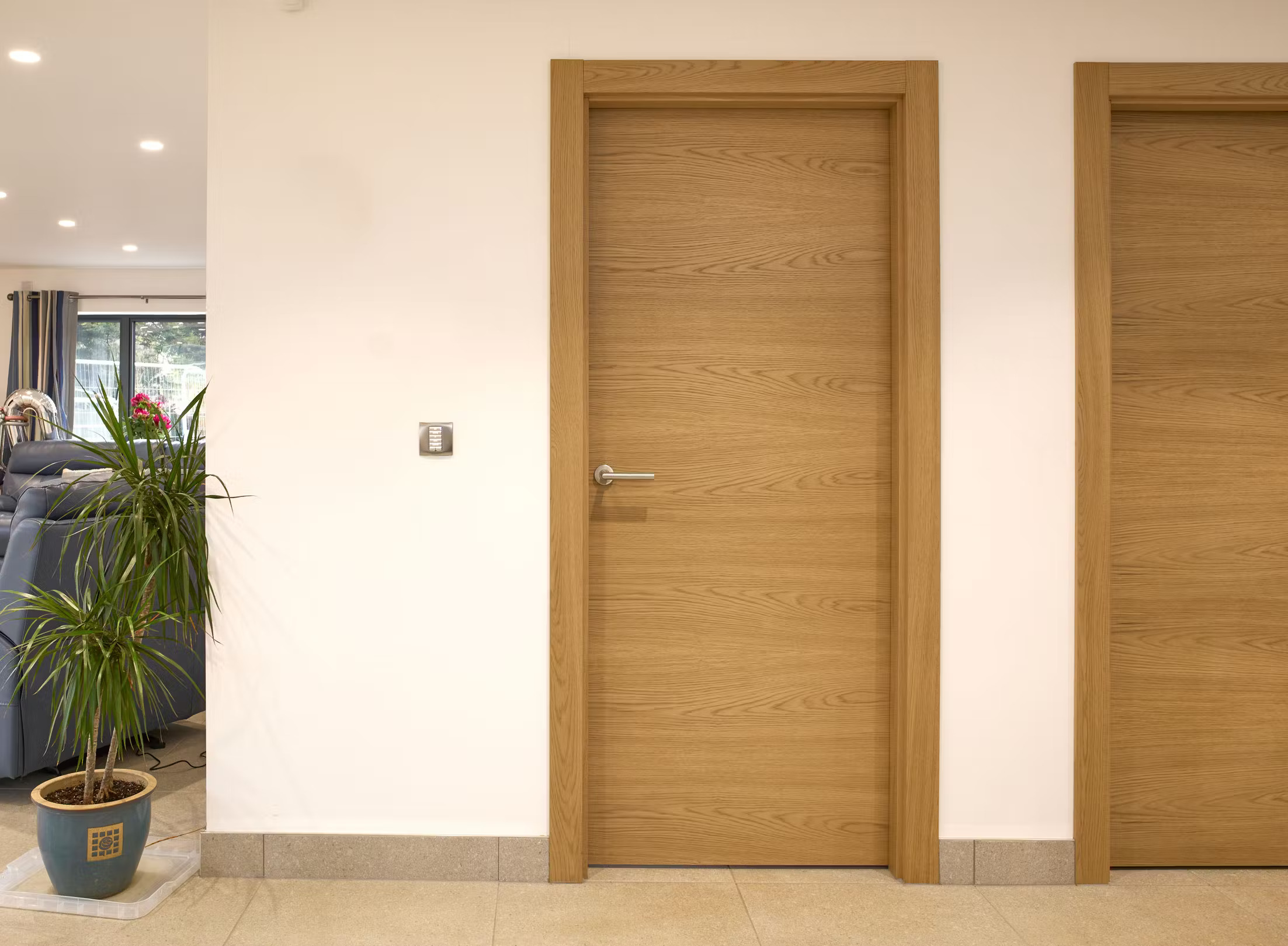
Common Applications of HPL Fire Doors
HPL fire doors are not just an excellent choice for any building; they are incredibly versatile and can be used in a wide range of settings. Whether it’s a home, office, or industrial facility, HPL fire doors offer excellent protection while enhancing the building’s appearance. Let’s take a look at the different environments where these fire doors are commonly used.
HPL Fire Doors in Residential Buildings
In residential buildings, HPL fire doors provide essential fire protection while offering a stylish, durable option for homeowners. Here’s how they fit into residential spaces:
1. Safety for Families:
The primary reason to install HPL fire doors in residential buildings is safety. Fire is unpredictable, and a fire door is designed to prevent flames and smoke from spreading quickly, giving family members time to escape. Whether in a house, an apartment, or a multi-family building, HPL fire doors help create fire-resistant barriers between rooms, hallways, and staircases, ensuring the safety of occupants.
2. Durability and Aesthetic Appeal:
HPL fire doors are perfect for residential use because they offer both strength and design flexibility. With a wide range of finishes—from wood-like laminates to sleek, modern designs—homeowners can choose doors that complement their home’s style while ensuring fire protection. Moreover, these doors are durable and wear-resistant, so they continue to look great for years, even in high-traffic areas like entryways and hallways.
3. Fire Protection in Shared Living Spaces:
In apartment buildings or shared housing, HPL fire doors play a critical role in preventing the spread of fire between units. They are often used in corridors or between apartment doors to create fire compartments. This limits the spread of fire and smoke, helping to protect all residents, especially in multi-story buildings.
4. Noise Reduction and Insulation:
Another advantage of using HPL fire doors in homes is their soundproofing and thermal insulation properties. They help reduce noise between rooms, making them ideal for homes where privacy is important. Additionally, they provide thermal insulation, which helps maintain a comfortable indoor temperature year-round.
Commercial Use of HPL Fire Doors
In commercial buildings, HPL fire doors are an essential part of any fire safety plan. From offices to retail spaces, these doors offer superior fire protection while also serving functional and aesthetic purposes:
1. Office Buildings and Workspaces:
HPL fire doors are commonly used in office buildings to create safe escape routes and fire-resistant compartments. In the event of a fire, these doors help prevent smoke and flames from spreading, allowing employees to evacuate safely. HPL fire doors can be used in hallways, stairwells, or offices to divide spaces and provide fire protection for extended periods.
2. Retail Spaces and Shopping Malls:
Retail spaces and shopping malls also benefit from HPL fire doors. These spaces tend to have high foot traffic, and a fire could spread quickly if not contained. Installing HPL fire doors helps to control fire risks by creating fire-resistant sections within the building. The doors also help protect valuable merchandise, preventing extensive damage in the event of a fire.
3. Hotels and Hospitality:
In hotels and other hospitality settings, HPL fire doors provide safety and privacy for guests. These doors are often used in corridors, guest rooms, and service areas to contain fire and smoke. The added benefit of noise reduction in HPL fire doors makes them especially valuable in hotels, helping maintain a peaceful environment for guests while ensuring their safety.
4. Public Buildings:
HPL fire doors are also used in schools, hospitals, and government offices. These spaces require fire doors that offer both functionality and aesthetic appeal. Whether protecting classrooms, corridors, or healthcare facilities, HPL fire doors ensure safety without compromising on design. Their durability makes them suitable for buildings with high traffic and a range of uses.
Industrial Applications and HPL Fire Doors
In industrial settings, fire safety is critical, and HPL fire doors are an essential part of the fire protection system. These doors are designed to handle the specific challenges of industrial environments while maintaining high safety standards:
1. Manufacturing Plants and Factories:
HPL fire doors are commonly used in manufacturing plants and factories to create fire-resistant zones. These areas often contain high-risk materials, and preventing the spread of fire is paramount. By using HPL fire doors, these facilities can create fire compartments that limit damage and allow for a quicker response to the fire. The durability and weather resistance of HPL fire doors also make them ideal for factories operating in harsh conditions.
2. Warehouses and Distribution Centres:
These facilities store large amounts of goods and materials, some of which may be flammable. Installing HPL fire doors in these spaces helps contain fire, preventing it from spreading quickly through large areas. These doors are often used to separate different sections of the warehouse, protecting both the building and its contents from fire damage.
3. Chemical and Hazardous Material Facilities:
HPL fire doors are ideal for facilities that handle chemicals or hazardous materials, where fire risk is high. These doors help create safe areas by providing fire-resistant barriers between hazardous zones and other parts of the building. The fire-resistance and durability of HPL fire doors make them an essential part of a comprehensive fire safety strategy in these environments.
4. Cold Storage Facilities:
In cold storage environments, HPL fire doors provide both fire protection and resistance to extreme temperatures. These doors help maintain fire safety while withstanding the harsh conditions often found in warehouses storing frozen goods or perishable products. Their resistance to moisture and extreme temperatures makes them the perfect choice for these specialised environments.

Maintenance and Care for HPL Fire Doors
To ensure that HPL fire doors continue to provide optimal protection, regular maintenance and care are essential. Proper upkeep ensures the doors remain in good condition and can function properly during an emergency. Let’s take a closer look at how to maintain, inspect, and replace HPL fire doors when necessary.
Routine Maintenance Tips for HPL Fire Doors
Regular maintenance of HPL fire doors is key to ensuring they perform effectively in the event of a fire. Here are some simple maintenance tips to keep your fire doors in top shape:
1. Clean the Surface Regularly:
HPL fire doors are easy to clean, and regular surface cleaning will keep them looking good while preventing dirt or debris from interfering with their function. Use a soft cloth and mild detergent to wipe down the door. Avoid harsh chemicals or abrasive materials that could damage the HPL surface. Keeping the door clean also helps preserve its finish, preventing buildup that could affect its heat resistance.
2. Check the Seals and Gaskets:
The seals and gaskets around your fire door are critical for preventing smoke and heat from escaping. Inspect these seals regularly to ensure they are intact and functioning correctly. Over time, they can wear out or become damaged. If the seals are cracked or no longer provide a tight seal, replace them immediately to maintain the door’s fire resistance.
3. Test the Self-Closing Mechanism:
HPL fire doors with self-closing mechanisms are designed to close automatically if left open. This feature is essential for preventing the spread of fire and smoke. Test the mechanism regularly to make sure it’s working correctly. It should close the door completely and without any resistance. If it’s slow or not closing properly, you may need to adjust the tension or replace the mechanism.
4. Lubricate Moving Parts:
To ensure smooth operation, lubricate hinges and latches every few months. Use a light lubricant to avoid dirt buildup, which could cause parts to become stiff or jammed. Keeping these parts in good working order ensures that the door can be used easily when needed.
5. Check the Door Frame:
The fire door frame should be free of cracks, warps, or other damage. Over time, the frame can wear down due to regular use or environmental conditions. Inspect the frame to make sure it aligns properly with the door. A misaligned frame could prevent the door from fully closing, compromising its fire safety features.
How to Inspect Fire Doors for Damage?
Regularly inspecting your HPL fire doors for damage is crucial to ensuring their effectiveness. Here’s how to properly inspect fire doors for any issues:
1. Check for Physical Damage:
Look for any obvious physical damage, such as dents, cracks, or holes in the HPL surface. Even a small crack can compromise the door’s integrity, so any noticeable damage should be addressed immediately. If the door surface is scratched or chipped, it’s essential to assess whether this has affected the door’s fire-resistant properties.
2. Inspect the Fire-Rated Core:
While the HPL surface offers durability, the fire-resistant core inside the fire door is where the true fire protection lies. Check the edges of the door to ensure there are no gaps or exposed core material. Any visible damage to the core could weaken the door’s ability to resist fire. If you notice any damage to the core, the door may need to be replaced or repaired.
3. Evaluate the Door’s Operation:
Open and close the fire door to test its smooth operation. A properly working fire door should open and close easily without resistance. If the door sticks or doesn’t close completely, it could indicate that the hinges or seals are damaged. Check the door alignment and ensure it seals properly when closed.
4. Inspect the Hinges and Hardware:
The hinges and hardware of the fire door should be secure and free from damage. Look for any loose screws or parts, and make sure the hinges are not worn out. If the door is sagging or doesn’t close properly, it might indicate that the hinges are damaged and need adjustment or replacement.
5. Look for Smoke Leaks:
To check for smoke leaks, you can use a smoke pencil or a similar device to test whether any smoke can escape around the door’s edges. If smoke is visible escaping through the edges, it means the door’s seals are damaged, or the door isn’t correctly installed. In this case, the seals should be replaced, or the door reinstalled.
When to Replace an HPL Fire Door?
Even with regular maintenance, HPL fire doors will eventually need to be replaced. Here are some signs that indicate it’s time to replace your fire door:
1. Severe Physical Damage:
If your HPL fire door has sustained severe damage, such as large cracks or significant warping, it may no longer meet fire safety standards. In this case, replacement is necessary to ensure the building’s safety. Even minor damage could compromise the door’s effectiveness, mainly if it affects the fire-resistant core.
2. Inability to Maintain Fire-Rated Performance:
Over time, the fire-resistant materials inside the door can degrade. If the door no longer meets the required fire resistance rating, it needs to be replaced. This is particularly important in buildings that need to comply with strict fire safety regulations.
3. Broken or Malfunctioning Self-Closing Mechanism:
The self-closing feature of fire doors is critical for safety. If the self-closing mechanism is broken and cannot be repaired, it’s time to replace the door. Without this function, the fire door cannot perform its intended job of containing fire and smoke.
4. Wear Beyond Repair:
If the door’s surface has significant damage that cannot be repaired or repainted to restore its fire-resistant properties, replacement may be necessary. Similarly, if the frame or hardware is beyond repair, replacing the entire door will ensure that it continues to meet fire safety standards.
5. Frequent Failure to Function Properly:
If the fire door frequently sticks, fails to close correctly, or shows other signs of dysfunction despite regular maintenance, it may need to be replaced. A malfunctioning fire door could put people at risk, so it’s best to replace it before it becomes a safety concern.

Relate FAQ
What is an HPL fire door?
An HPL fire door is a type of fire-rated door constructed with High-Pressure Laminate (HPL) as its surface material. These doors are designed to provide excellent fire protection, typically with a fire resistance rating ranging from 30 minutes to 120 minutes, depending on the specific door construction. HPL is a durable, resilient material that resists wear, making it an ideal choice for fire doors in both commercial and residential buildings.
How does an HPL fire door work?
HPL fire doors prevent the spread of fire and smoke between areas of a building. The HPL surface acts as a protective barrier. At the same time, the door's core (usually made from a fire-resistant material such as mineral core or honeycomb) provides the insulation and structural integrity to withstand high temperatures. When a fire occurs, the door expands and seals the gap between the door and the frame, limiting the spread of flames and smoke.
What are the benefits of HPL fire doors?
- Durability: HPL is resistant to scratches, dents, and impacts, making the door long-lasting.
- Fire Protection: HPL fire doors offer excellent fire resistance, ensuring safety during emergencies.
- Aesthetic Appeal: HPL is available in a wide range of finishes, offering a sleek, modern look that complements the surrounding décor.
- Low Maintenance: These doors are easy to clean and maintain thanks to their non-porous HPL surface.
Can HPL fire doors be customized?
Yes, HPL fire doors are highly customizable. You can choose from a variety of colours, finishes, and textures to suit your building's design aesthetic. Some manufacturers even offer the option to create bespoke patterns and designs. Additionally, the doors can be equipped with different hardware, such as fire-rated handles and locks, to meet specific safety requirements.
Where are HPL fire doors typically used?
They are particularly popular in areas where aesthetics and durability are just as important as fire protection.HPL fire doors are commonly used in commercial and residential buildings, especially in areas that require enhanced fire safety, such as:
- Hotels
- Office buildings
- Hospitals
- Schools
- Apartments
- Industrial facilities
How long can an HPL fire door withstand fire?
The fire resistance of an HPL fire door depends on its design and construction. Typically, these doors can provide fire resistance for 30 to 120 minutes. The exact rating will depend on the door's materials, thickness, and the quality of its installation.
How do I maintain an HPL fire door?
Maintaining an HPL fire door is relatively simple:
- Regularly inspect the door for surface or hardware damage.
- Clean the door with non-abrasive cleaning products to preserve the HPL finish.
- Check that the door closes properly and that the seals are intact.
- Ensure that the hinges, handles, and locks are functioning correctly
Are HPL fire doors eco-friendly?
Yes, many HPL fire doors are made from sustainable materials and are designed to be recyclable at the end of their life cycle. The production of HPL also tends to generate less waste compared to other materials, making it an environmentally friendly option for fire-rated doors.