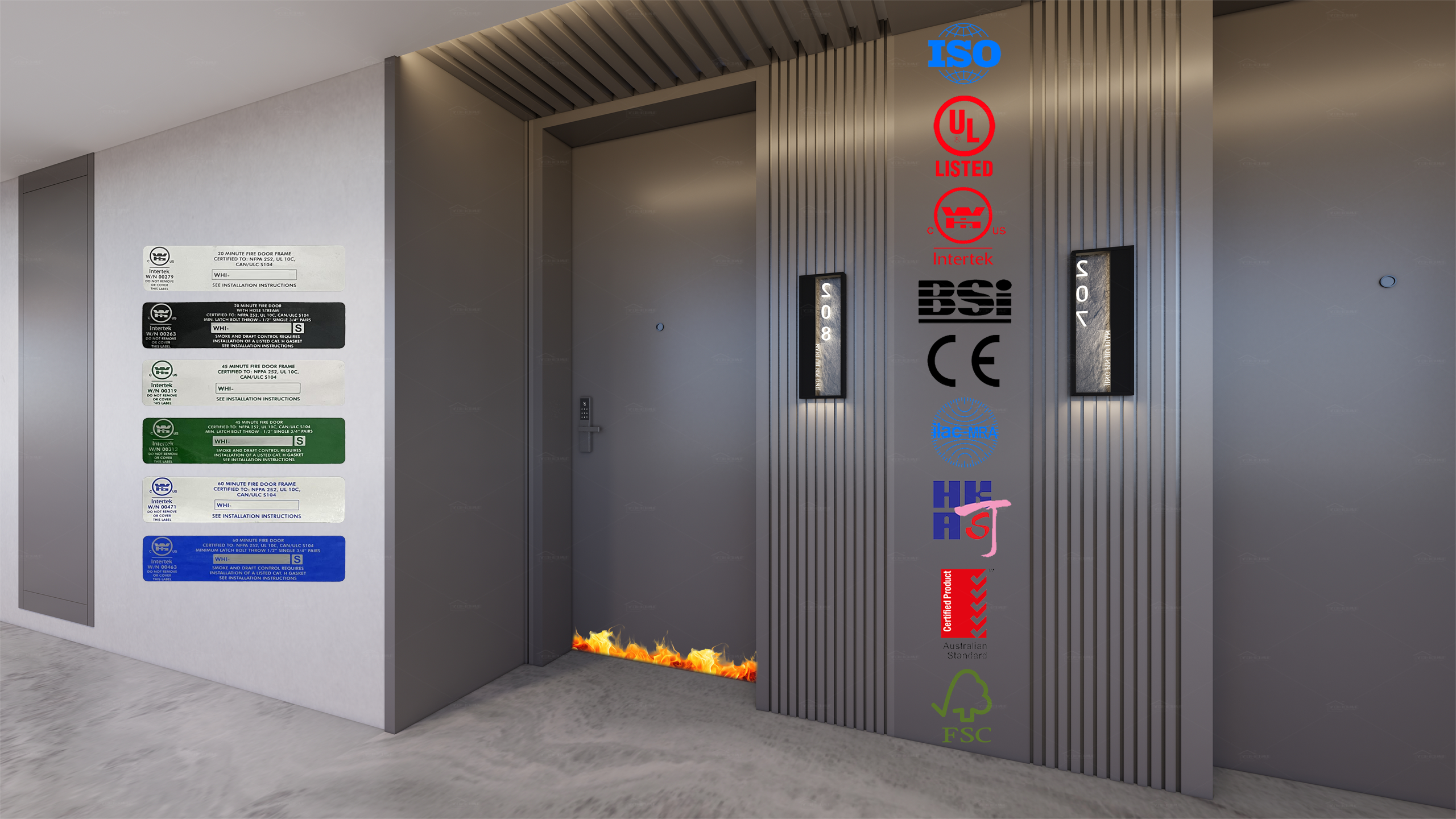
What standard is used for CE certified fire doors?
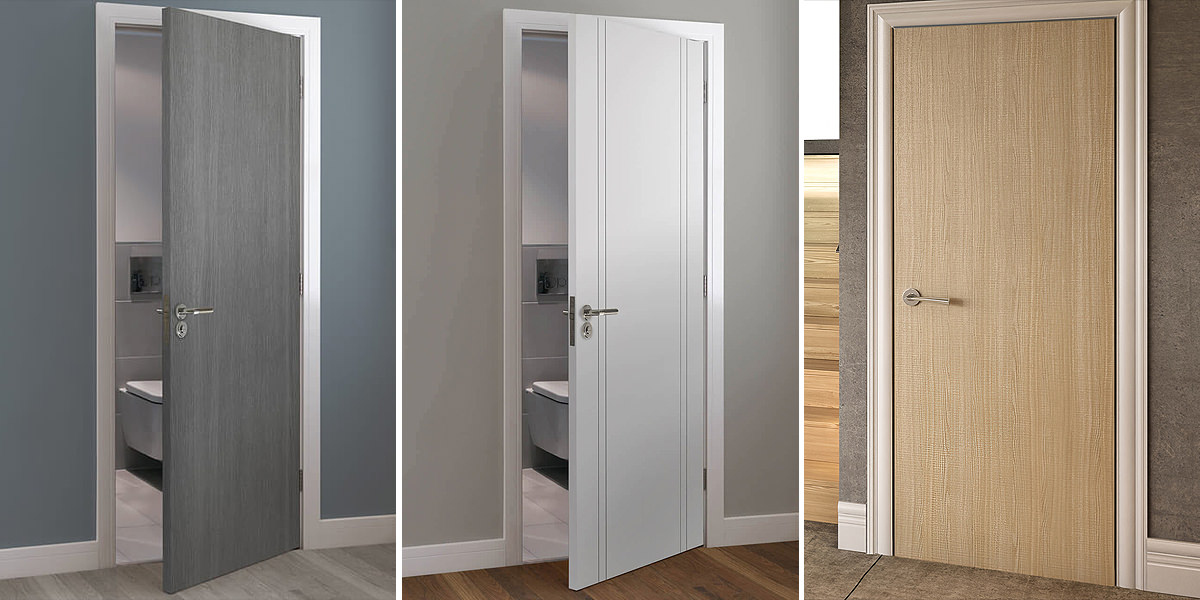
Introduction to CE Certified Fire Doors
Fire safety is crucial in any building, and fire doors play a vital role in protecting lives and property. A CE certified fire door is a fire-rated door that meets specific standards set by European regulations. In this section, we will explore what a CE certified fire door is and why its certification is so important for safety.
What is a CE Certified Fire Door?
A CE-certified fire door is a door designed to withstand the spread of fire and smoke for a specified period. The CE certification indicates that the door complies with strict European fire safety regulations. These doors are tested to rigorous standards, ensuring they provide adequate protection in the event of a fire.
To be CE certified, a fire door must pass a series of tests that check its ability to resist flames, smoke, and heat. The most important of these tests is the fire resistance test, which measures how long the door can hold back a fire. Fire doors are rated based on this test, with common ratings being FD30 (30 minutes), FD60 (60 minutes), and FD90 (90 minutes).
These doors are built from materials that withstand intense heat, and they often include specialized seals and hardware to prevent the passage of smoke and fire. When you see the CE marking on a fire door, it means that the door has been tested and approved by an accredited organization. This mark provides peace of mind, knowing that the door will perform as expected during a fire emergency.
Why is CE Certification Important for Fire Doors?
CE certification is a critical factor in ensuring fire doors meet high safety standards. Without this certification, there is no guarantee that the fire door will perform its intended function during a fire, which can have serious consequences for the safety of building occupants. Here are some key reasons why CE certification is essential for fire doors:
1. Compliance with European Safety Standards:
CE certification ensures the fire door meets EN 16034, the European standard. This is a legal requirement in the European Union, meaning that all fire doors must be CE certified before they can be sold or installed. By choosing a CE certified fire door, you are ensuring that the door meets the strictest safety criteria, which helps protect both people and property.
2. Reliable Fire Protection:
A CE certified fire door has been tested to perform in real-world conditions. The certification process includes testing the door for fire resistance, smoke containment, and durability. This means that, in the event of a fire, the door will contain the fire and smoke for a specified period, allowing people to evacuate and reducing the risk of damage.
3. Legal and Insurance Compliance:
In many countries, fire doors are required by law to meet fire safety regulations. Installing a CE-certified fire door ensures you comply with these regulations and can help avoid legal issues or fines. Additionally, many insurance companies require that fire doors meet these standards to maintain coverage. Without CE certification, your insurance policy may not cover fire damage, which could be financially devastating.
4. Quality Assurance:
CE certification indicates the door’s quality. It shows that the manufacturer has adhered to stringent manufacturing processes and that the door has undergone rigorous testing. This means that you can trust that the fire door will provide the protection it promises.
5. Peace of Mind for Building Owners and Occupants:
When building owners and tenants know that fire doors are CE certified, they can feel confident that the building is as safe as possible in the event of a fire. CE certification ensures that the doors will function as intended, offering peace of mind to everyone who relies on the building for shelter, work, or other activities.

CE Certification Standards for Fire Doors
When it comes to fire doors, ensuring they meet CE certification standards is essential to guarantee their performance in an emergency. CE certification confirms that the fire door has undergone stringent testing and meets the safety requirements set by European regulations.
What Standards Are Used for CE Certification?
CE certification for fire doors is based on a set of clear, well-defined standards that assess their fire resistance, performance, and safety. The most important standards include EN 16034 and EN 14351-1, both of which are key requirements for CE marking. Let’s break these down further:
EN 16034: Fire Door Standards in Europe
EN 16034 is one of the primary standards used for CE certification of fire doors in Europe. This standard specifically addresses the performance requirements for fire-resistant doors. It ensures that the door can resist the spread of flames and smoke for a designated period, such as FD30 (30 minutes), FD60 (60 minutes), and FD90 (90 minutes).
The EN 16034 standard covers the following aspects:
- Fire Resistance: This is the primary function of a fire door. It must be able to prevent the passage of flames and heat for a specified period, as defined by the fire rating.
- Smoke Tightness: In addition to fire resistance, fire doors must also prevent the spread of smoke, which can be more dangerous than fire itself. The EN 16034 standard requires fire doors to be equipped with seals and hardware to minimize smoke leakage.
- Durability and Stability: A fire door must not lose its strength or integrity over time, especially under extreme heat. The EN 16034 standard tests the door’s durability to ensure that it can function effectively for many years, even in harsh conditions.
EN 14351-1: General Performance Requirements
Another important standard that fire doors must meet is EN 14351-1, which provides general performance requirements for building hardware, including fire doors. While EN 16034 focuses specifically on fire and smoke resistance, EN 14351-1 sets guidelines for other crucial aspects of fire door performance, such as:
- Mechanical Performance: Fire doors must withstand the forces applied during normal use. EN 14351-1 tests the door for strength and durability, including resistance to wear and tear.
- Thermal Insulation: A fire door must limit heat transfer between sides during a fire. EN 14351-1 ensures that the door provides sufficient thermal insulation to protect the building’s interior.
- Sound Insulation: In addition to fire and smoke resistance, EN 14351-1 also tests for sound insulation, which can be important in certain building applications.
How CE Certification Ensures Safety in Fire Doors?
CE certification guarantees that fire doors meet European safety standards designed to protect lives in the event of a fire. The certification process involves thorough testing and evaluation to ensure that fire doors perform as expected under real-world conditions.
Testing and Evaluation Process
The testing and evaluation process for CE certification of fire doors is comprehensive. Here’s how it works:
- Fire Resistance Testing: This is the most critical test. The fire door is exposed to a controlled fire to see how long it can withstand flames and heat. Depending on its rating (e.g., FD30, FD60), the fire door must hold back the fire for a set period.
- Smoke Sealing Tests: Since smoke can spread much faster than fire, fire doors are tested for their ability to prevent smoke leakage. The seals and hardware on the door are carefully tested to ensure no smoke escapes through gaps.
- Durability and Functionality Tests: A fire door must function properly even after exposure to heat. Tests also assess the door’s mechanical performance, ensuring it opens and closes smoothly without compromising fire safety.
- Environmental Testing: The door is tested under various environmental conditions, including exposure to moisture and extreme temperatures, to ensure it remains effective over time.
What to Expect in the Certification Procedure?
The CE certification procedure for fire doors is a step-by-step process that involves several stages:
- Initial Evaluation: The manufacturer submits their fire door model to a Notified Body for review. This initial evaluation ensures that the door design meets the requirements for CE certification.
- Testing and Certification: After the initial evaluation, the door undergoes the required fire-resistance and smoke-sealing tests. The Notified Body will test the door in accordance with EN 16034 and EN 14351-1. If the door passes the tests, it will be certified.
- Inspection and Monitoring: Even after the initial certification, the manufacturer must undergo ongoing inspections to ensure that the doors continue to meet the required standards. This may include routine testing and quality control checks.
- CE Marking: Once a fire door passes all tests and inspections, it is granted CE marking, indicating compliance with the relevant European regulations. This marking must be clearly displayed on the product to show that it meets the standards.

Understanding Fire Door Testing and Compliance
When it comes to CE-certified fire doors, testing is crucial to ensure they perform effectively during a fire emergency. Fire doors are essential not only for protecting lives but also for minimizing property damage and enabling safe evacuation.
What Tests are Required for CE Certified Fire Doors?
CE certification for fire doors involves several key tests to verify compliance with rigorous fire safety standards. These tests check everything from the door’s ability to withstand heat to its effectiveness at preventing the spread of smoke.
Fire Resistance Tests
The fire resistance test is the most critical test for a fire door. This test determines how long a door can resist flames and heat before it fails. During this test, the fire door is exposed to controlled fire conditions, and its performance is evaluated based on its fire rating.
FD30, FD60, and FD90, respectively. The rating indicates how long the fire door can withstand the fire without allowing flames to pass through. This ensures that, in the event of a fire, the door provides enough time for people to evacuate safely and for emergency services to respond.
The test checks for:
- Flame Resistance: How well the door prevents flames from passing through.
- Heat Transfer: The ability of the door to stop heat from reaching the other side, which could cause a fire to spread.
Smoke Tightness Tests
Alongside fire resistance, smoke tightness is another crucial factor in fire door safety. Smoke can spread more rapidly than fire, and inhaling smoke is one of the leading causes of death in fires. Therefore, smoke-tightness tests are designed to ensure that the fire door prevents the passage of smoke.
During this test, the fire door is subjected to smoke under pressure, and the amount of smoke leakage is measured. A certified fire door should have minimal smoke leakage to keep escape routes clear and help people avoid inhaling harmful smoke.
The EN 16034 standard mandates that fire doors be equipped with intumescent seals that expand when exposed to heat, sealing gaps and stopping smoke from passing through. The test ensures these seals function as expected, making it a vital part of fire door compliance.
Durability and Structural Integrity
Durability and structural integrity tests ensure that a fire door remains functional and structurally sound even under heat, heavy use, and harsh conditions. Fire doors are not just passive safety features—they must also withstand the rigors of daily use while still performing during an emergency.
During this test, the door undergoes mechanical testing to evaluate its ability to withstand frequent opening and closing. The door’s hinges, handles, and locking mechanisms are tested to ensure they remain in working order. These components must function properly, as a door that’s hard to open or close during a fire could lead to dangerous delays.
Additionally, thermal shock testing simulates the rapid temperature changes that can occur during a fire, ensuring the fire door maintains its integrity under extreme conditions. This test is essential to verify the door’s structural integrity.
Who Conducts the Testing for CE Certification?
CE certification for fire doors involves several layers of evaluation, and the testing must be conducted by authorized, independent bodies to ensure transparency and compliance with European safety regulations.
Notified Bodies and Accredited Laboratories
Notified Bodies are organizations officially designated by the relevant authorities to assess the conformity of fire doors with CE certification standards. These bodies are responsible for carrying out or overseeing the testing procedures to ensure the door meets the required safety standards.
For fire doors, testing includes fire resistance, smoke-tightness, and durability tests. Notified bodies have specialized laboratories equipped with the necessary technology to carry out these tests accurately and reliably. National authorities accredit laboratories and require them to follow strict protocols to maintain their accreditation.
Some key roles of Notified Bodies include:
- Overseeing the Testing Process: Ensuring the fire door is tested in accordance with the relevant standards (e.g., EN 16034 and EN 14351-1).
- Verifying Documentation: The Notified Body ensures that the manufacturer provides all necessary documentation, such as test reports and technical specifications, before granting CE certification.
- Issuing CE Certificates: Once the fire door passes all tests, the Notified Body issues a CE certificate, allowing the manufacturer to legally market and sell the product within the European Union.
In addition to Notified Bodies, accredited laboratories play a key role in testing. These laboratories are responsible for performing fire resistance, smoke-tightness, and mechanical tests in accordance with EN 16034 and EN 14351-1. The Notified Bodies review the results of these tests before granting certification.

Key Components of CE Certified Fire Doors
When it comes to CE certified fire doors, every part of the door plays a critical role in ensuring safety. From the frame to the leaf and the seals to the hardware, each component must meet strict standards to prevent the spread of fire and smoke.
Fire Door Frames and Leaf
The frame and leaf of a fire door are the primary structural components. The frame holds the door in place, while the leaf is the part that swings open and closed. Both parts must be designed and tested to withstand fire and prevent its spread through the door opening.
How Frames Are Tested for Fire Resistance?
The frame of a fire door is just as important as the leaf itself when it comes to fire safety. While the fire door leaf may be designed to resist flames, the frame must ensure that the door stays in place and doesn’t allow fire or smoke to leak around the edges.
To test the frame’s fire resistance, it must undergo a test similar to the leaf. The frame is subjected to high temperatures in a controlled test to see how long it can withstand fire without failing. The frame’s ability to remain intact and prevent the fire from spreading is crucial to the door’s overall performance.
The test also checks how well the frame holds up under pressure and heat. A poorly constructed frame can warp, allowing gaps through which smoke and fire can escape. For this reason, the frame must be made from fire-resistant materials, such as steel or specially treated timber, to ensure it remains stable during a fire.
In addition to fire resistance, the frame is also tested for durability. It must withstand the constant opening and closing of the door while maintaining its structural integrity. Fire door frames are built to last, ensuring that they continue to provide safety long after installation.
Fire Door Seals and Hardware
In addition to the frame and leaf, fire door seals and hardware play vital roles in ensuring the fire door functions as intended during a fire. The seals help prevent smoke from passing through, while the hardware ensures the door opens and closes smoothly without compromising safety.
Seals: Essential for Preventing Smoke Leakage
Seals are an essential part of any fire door. Their primary function is to prevent smoke leakage, which can be just as dangerous as the fire itself. In many cases, smoke travels faster and can cause harm to people long before the fire reaches them.
Fire door seals are made of intumescent materials, which means they expand when exposed to heat. This expansion helps close any gaps around the edges of the door, creating a tighter seal and preventing smoke from escaping. These seals are usually installed along the door edges and around the frame, ensuring a complete barrier against smoke.
There are different types of seals used in fire doors, including:
- Smoke Seals: Designed to prevent smoke from leaking through gaps.
- Fire and Smoke Seals: These provide both fire resistance and smoke-tightness. They are commonly used in higher-rated fire doors.
Hardware: How Handles and Hinges Impact Fire Safety
The hardware of a fire door includes components that enable it to function smoothly, such as handles, hinges, and locks. While these parts may seem small in comparison to the door leaf or frame, they play a critical role in fire safety.
- Handles: Fire door handles must be easy to operate, even in high heat. They are usually designed to be non-combustible and heat-resistant, ensuring they won’t become too hot to touch during a fire. Handles must also be functional, as a door that’s difficult to open could delay an emergency evacuation.
- Hinges: Crucial for the smooth operation of a fire door. They must be fire-resistant and withstand the stress of a fire without failing. During testing, hinges are exposed to heat and pressure to ensure they continue to work even under extreme conditions. They must allow the door to close securely and prevent gaps where smoke or flames could escape.
- Locks and Latches: While locks on fire doors are generally avoided, latches or panic hardware are used to ensure that the door can be easily opened from the inside. In an emergency, it is vital that the door can be opened quickly to allow people to evacuate safely.
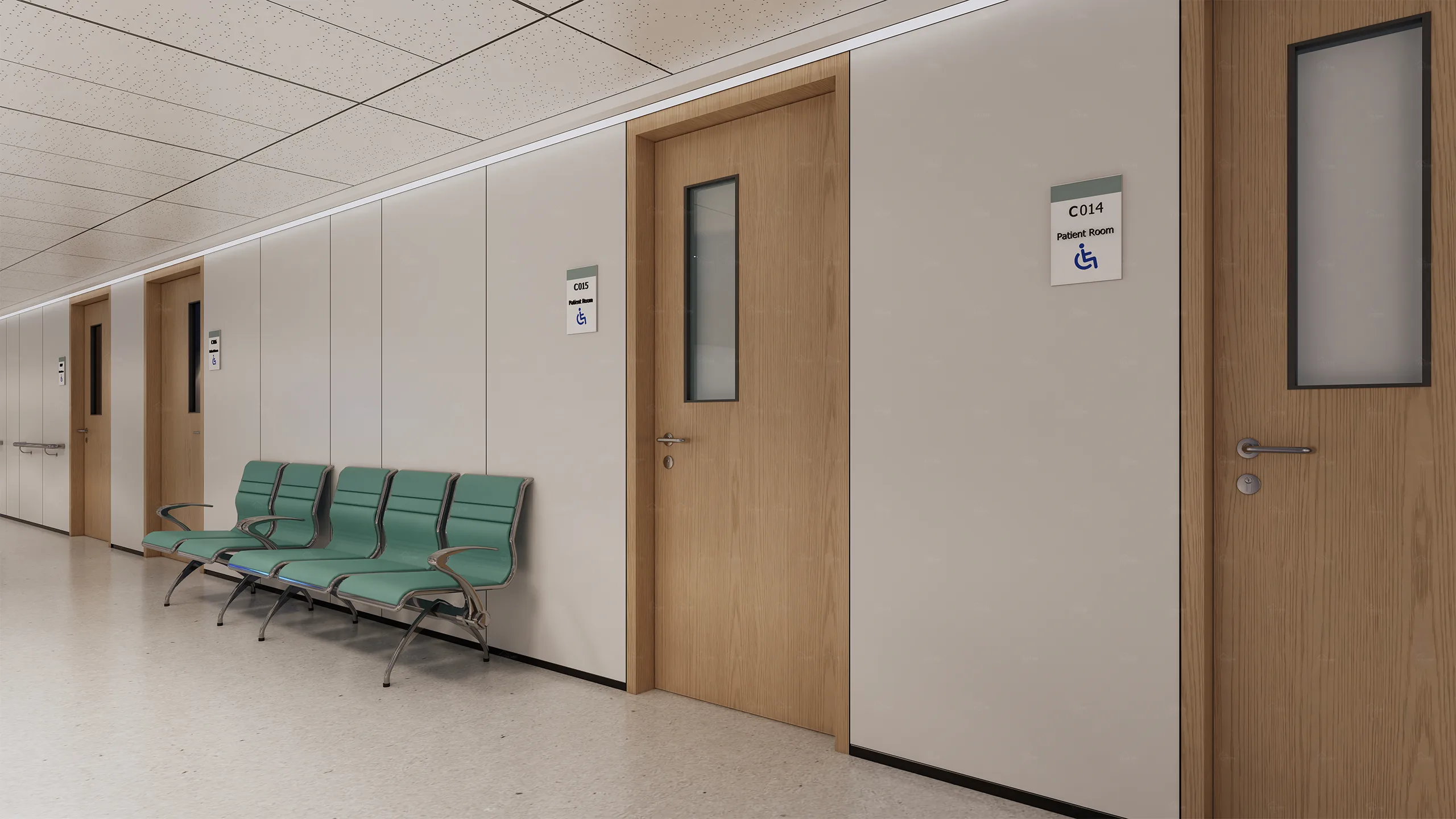
CE Marking for Fire Doors
The CE marking for fire doors signifies compliance with European safety standards. It confirms that a fire door has passed strict testing and meets the necessary criteria for fire resistance, smoke containment, and durability.
CE Marking and Its Role in European Fire Safety
The CE marking on a fire door indicates that it has been tested and certified in accordance with the relevant European standards, including EN 16034 and EN 14351-1. This marking is mandatory for fire doors sold within the European Union (EU) and plays a critical role in ensuring fire safety across the region.
By law, CE certification guarantees that a fire door complies with fire safety regulations and meets specific performance requirements, such as fire resistance and smoke containment. The CE mark also assures building owners and occupants that the fire door will perform reliably in an emergency, helping prevent the spread of fire and smoke and enabling safe evacuation.
For fire door manufacturers, obtaining CE certification means they can legally sell their products in the EU market, which is essential for building customer trust and complying with local regulations. The CE mark ensures that fire doors are not only effective but also made from high-quality, fire-resistant materials that meet the highest safety standards.
In summary, CE marking is a crucial part of fire door compliance in Europe, offering assurance that the door has undergone rigorous testing and meets the necessary fire safety standards.
Comparing CE Certification with Other Global Standards
While CE marking is essential in Europe, fire door certification standards vary across different regions.
UL and FM in the United States
In the United States, fire door certification is governed by organizations like Underwriters Laboratories (UL) and Factory Mutual (FM). These organizations have their own standards for fire door testing, similar to the CE certification process but tailored to the specific needs and regulations of the U.S. market.
- UL 10B and UL 10C are the primary standards for fire door testing in the U.S. These standards test the fire resistance of doors, including their ability to withstand flames and heat for a designated period.
- FM 4991 is another certification standard for fire doors that tests the door’s ability to resist fire and its overall durability.
For manufacturers, obtaining both CE and UL/FM certifications enables them to sell fire doors in both markets, ensuring the products meet the highest international safety standards.
BS in the UK
In the United Kingdom, fire door certification is governed by the British Standards (BS), particularly BS 476 and BS EN 1634-1. These standards specify the fire resistance requirements for fire doors and test how well they perform under heat and fire conditions.
- BS 476: This standard covers various fire testing methods, including the fire resistance of doors, windows, and partitions.
- BS EN 1634-1: This standard focuses on the fire resistance of door and shutter assemblies, including how long they can withstand fire and prevent smoke leakage.
For fire door manufacturers looking to sell in the UK, BS certification is still relevant, but CE marking is becoming the primary requirement for both the UK and European markets.
How CE Certification Affects Exporting Fire Doors?
CE certification plays a significant role in the global trade of fire doors. Since many countries and regions require CE marking for fire safety products, it has become a necessary step for manufacturers who want to export their fire doors internationally. Here’s how CE certification impacts the export process:
1. Access to European Markets:
For manufacturers selling fire doors in the European Union, CE certification is mandatory. Without this certification, it is illegal to market or sell fire doors in EU countries. The CE mark ensures that the fire door meets European safety standards, which are recognized and trusted by both regulators and consumers across the region.
2. Simplified Exporting:
For manufacturers who want to export fire doors to other countries that recognize the CE marking, the certification simplifies the process. It provides proof that the doors meet rigorous safety standards, making it easier for manufacturers to comply with the regulations of different markets.
3. Increased Consumer Trust:
When manufacturers sell CE-certified fire doors, consumer confidence is boosted. Customers know that these doors have undergone extensive testing and meet European safety standards. For companies exporting fire doors globally, having the CE mark on their products makes them more competitive in the market.
4. Challenges in Non-EU Markets:
While CE certification is widely recognized, some non-EU markets may have their own requirements for fire door certification. For instance, the United States and Canada have their own standards, such as UL and FM certifications. Manufacturers wishing to enter these markets will need to undergo additional testing to meet the local requirements.
In summary, CE certification is essential for exporting fire doors to the European market and other regions that recognize CE standards. It opens doors to international markets, streamlines compliance, and increases consumer trust in the product.

Conclusion
Why You Should Only Use CE Certified Fire Doors?
There are many reasons why choosing CE-certified fire doors is not just a recommendation but a necessity.
1. Guaranteed Safety:
CE certified fire doors have undergone rigorous testing to ensure they perform as promised in the event of a fire. With the CE mark, you know the door has been tested for fire resistance, smoke-tightness, and durability. This certification ensures that the fire door will provide the protection it promises, giving you peace of mind that your building is safe.
2. Legal Compliance:
In many countries, including all EU member states, CE certification is required for fire doors. Without the CE mark, a fire door is not considered compliant with building and safety regulations. By choosing a CE certified fire door, you are ensuring that your building meets legal safety standards, reducing the risk of penalties or non-compliance.
3. Insurance and Liability Protection:
CE-certified fire doors are more likely to meet your insurance company’s requirements. Many insurers require CE certification to ensure a building is adequately protected in the event of a fire. Using non-certified fire doors may lead to higher premiums or even the rejection of claims in the event of an incident. Therefore, choosing CE certified fire doors helps protect your insurance coverage and limits your liability.
4. Reliable Performance:
CE certified fire doors are built to last. They are designed and tested to withstand high temperatures and keep smoke and flames from spreading. This long-term reliability ensures that your investment in fire safety is protected, so your fire doors perform when you need them most.
5. Global Recognition:
The CE mark is recognized globally, especially in the European market. For manufacturers looking to sell fire doors internationally, CE certification is essential to ensuring their products meet the highest safety standards. It opens the door to European and other international markets, ensuring the fire door is accepted in a wide range of countries.
Summary
In summary, CE certified fire doors offer guaranteed safety, legal compliance, reliable performance, and insurance protection. They are an essential component of any fire safety plan, providing peace of mind to building owners, occupants, and insurance providers alike.

The Importance of Compliance for Fire Safety
Compliance with fire safety standards is crucial for protecting lives and property and for ensuring that buildings are prepared for emergencies. Here’s why compliance with fire door regulations is so important:
1. Protecting Lives:
The main purpose of a fire door is to prevent the spread of fire and smoke, allowing occupants to evacuate safely and giving fire services more time to respond. Fire doors that meet CE certification standards are tested to hold back fire and smoke for a specified period, significantly increasing survival chances during a fire emergency. Compliance ensures these doors perform their intended function when needed.
2. Preventing Property Damage:
Fires can cause significant property damage, and without fire doors, they can spread quickly throughout a building, leading to devastating losses. By installing CE-certified fire doors, building owners can significantly reduce the risk of fire damage. Compliance with fire safety regulations ensures that fire doors can contain a fire long enough to prevent widespread destruction.
3. Legal Protection:
Adhering to fire safety standards is not just about doing the right thing—it’s also about protecting yourself legally. Many regions require CE certification for fire doors as part of building and fire safety codes. Failure to comply with these regulations could lead to fines, lawsuits, and even the shutdown of a business. By choosing CE certified fire doors, you are meeting your legal obligations and ensuring that your property is protected from legal consequences in case of a fire.
4. Maintaining Insurance Coverage:
Compliance with fire safety standards is often a prerequisite for maintaining insurance coverage. Insurance companies may require that fire doors meet specific fire-resistance and smoke-tightness standards to approve coverage. By using CE-certified fire doors, you ensure your insurance policy remains valid, which could save you from financial ruin in the event of a fire.
5. Fostering a Safety Culture:
Adopting compliant fire safety practices within a building not only protects lives and property but also fosters a culture of safety. When building owners prioritize compliance, they demonstrate a commitment to their occupants’ well-being. This can help improve morale, meet regulatory requirements, and build trust with employees, tenants, and customers.
Summary
In conclusion, compliance with fire safety regulations, particularly through the use of CE-certified fire doors, is essential for protecting lives, minimizing property damage, and ensuring legal and insurance compliance. By adhering to these standards, building owners can ensure their properties are as safe as possible and meet the necessary legal and safety requirements.

Relate FAQ
What is the CE certification for fire doors?
CE certification for fire doors indicates that the product meets the essential health, safety, and environmental protection standards set by the European Union. This certification is necessary to place the fire door on the European market and ensure it complies with safety regulations.
Which standard applies to CE certified fire doors?
CE certified fire doors must comply with the European Standard EN 16034. This standard specifies the requirements for fire resistance and smoke control, testing procedures, and performance of fire doors. It is essential to ensure that the door effectively prevents the spread of fire and smoke.
What is the role of EN 1634 in fire door certification?
EN 1634 is a key standard for testing the fire resistance of doors. It involves assessing how long a door can withstand fire exposure without compromising its structural integrity. CE certification requires fire doors to be tested in accordance with this standard to demonstrate their effectiveness in fire safety.
How does EN 16034 impact fire door manufacturing?
EN 16034 sets out the technical criteria for fire-resistant doors, including performance under fire conditions, durability, and installation requirements. It ensures that CE-certified fire doors meet the required fire protection standards before they are marketed and used in buildings.
What is the difference between fire doors with and without CE marking?
Fire doors with a CE mark have undergone rigorous testing to meet European safety standards, such as EN 16034 and EN 1634. Without the CE mark, a fire door may not comply with these critical safety regulations, potentially compromising fire safety and legal compliance.
Can a fire door be CE certified if it doesn't meet EN 16034?
No, a fire door must meet the EN 16034 standard to be CE certified. This ensures that the fire door has passed essential fire resistance tests and provides the required level of protection against fire hazards.
Why is CE certification important for fire doors?
CE certification assures that the fire door has been manufactured and tested to meet strict EU safety standards. It provides peace of mind to property owners, architects, and contractors that the door will effectively contain fire and smoke in the event of an emergency, helping to protect lives and property.