What is EN 16034 certified fire door?

What is an EN 16034 Certified Fire Door?
Understanding Fire Doors and Their Role
A fire door is a specially designed door that helps prevent the spread of fire and smoke in a building. Made from fire-resistant materials, it plays a crucial role in protecting both people and property during a fire. Fire doors are typically used in commercial buildings, apartments, and other public spaces, but they are also important in residential settings.
The primary purpose of a fire door is simple yet vital: it acts as a barrier that limits the movement of smoke and fire from one room or area to another. This gives people inside the building more time to evacuate safely while also protecting vital escape routes, such as stairwells and corridors. In the event of a fire, these doors help contain the fire to one area, preventing it from spreading throughout the entire building.
In addition to providing safety, fire doors also help protect the building’s structural integrity, ensuring that walls and other key elements remain intact for as long as possible during a fire. This can help prevent more serious damage and reduce the risk of collapse. Fire doors also reduce the risk of smoke inhalation, which is one of the leading causes of injury and death in fires.
It’s important to note that fire doors are not ordinary doors; they are specifically designed and tested to withstand high temperatures for a set period, usually 30 minutes to several hours. This fire-resistance rating is a key feature that sets them apart from regular doors.
Why Fire Door Certification Matters?
Certification is a critical aspect of ensuring the quality and effectiveness of fire doors. Without certification, there’s no guarantee that a fire door will perform as expected in a real fire emergency. Certification proves that the fire door has been rigorously tested to meet the required safety standards, making it a reliable safeguard for any building.
EN 16034 certification is one of the most recognized standards in Europe for fire doors. It ensures that the door has passed specific tests for fire resistance, smoke control, and durability. When a fire door is EN 16034 certified, it means it meets the highest standards for performance and reliability. This certification also ensures that the door has been manufactured using appropriate materials and methods to prevent the spread of fire and smoke, and that it remains intact for the required duration.
The certification process involves comprehensive testing in which fire doors are subjected to intense heat and flames. During these tests, the door must maintain its structural integrity and ability to prevent fire and smoke from passing through. Only those who pass these tests are awarded the EN 16034 certification. This gives both building owners and occupants peace of mind, knowing that the door is fully compliant with safety regulations.
Beyond safety, fire door certification is also important for legal and insurance reasons. Many countries and regions have building codes that require fire doors to meet certain standards. Without certified fire doors, a building may fail safety inspections, leading to fines or legal issues. Moreover, insurance companies may refuse to cover properties without certified fire doors, as they pose a higher fire risk.

What Does EN 16034 Standard Mean for Fire Doors?
Overview of EN 16034
The EN 16034 standard is a European regulation that specifies the performance requirements for fire doors. This standard is part of a broader set of rules designed to ensure that fire doors provide the required level of protection in the event of a fire emergency. Introduced in 2014, EN 16034 is widely recognized across Europe, making it a key benchmark for fire door manufacturers and building owners.
EN 16034 ensures that fire doors meet strict criteria for fire resistance, smoke control, and durability. The goal is simple: to ensure that fire doors are reliable, durable, and capable of protecting people and property during a fire. Fire doors that meet EN 16034 undergo extensive testing to confirm their ability to withstand high temperatures and prevent the spread of smoke and flames for a certain period.
The standard also includes guidelines for installation, maintenance, and testing, which ensures that fire doors are installed properly and continue to function effectively over time. EN 16034 covers both doors and their associated frames, seals, and other components, ensuring a comprehensive approach to fire safety.
Key Requirements of EN 16034
The EN 16034 certification is based on several key requirements that focus on fire resistance, structural integrity, and overall safety. Let’s break down these crucial aspects:
1. Fire Resistance:
One of the most important criteria is a fire door’s ability to resist fire for a specific amount of time. EN 16034 requires fire doors to maintain their performance for periods ranging from 30 minutes (EI30) to 120 minutes (EI120), depending on the door’s intended use. During this time, the door should not allow fire or heat to pass through.
2. Smoke Control:
EN 16034 also emphasizes the ability of fire doors to prevent smoke from passing through. This is vital because smoke inhalation is a leading cause of death during fires. Certified fire doors must have smoke-tight seals that prevent smoke from passing through gaps, even when subjected to heat and flames.
3. Structural Integrity:
The door must remain structurally stable under fire conditions. This includes ensuring the door does not warp, crack, or fail in any way that would compromise its ability to block fire and smoke. EN 16034 requires fire doors to withstand both fire and mechanical stresses during testing.
4. Durability and Wear Resistance:
Fire doors must withstand everyday wear and tear. This includes resistance to physical damage such as impacts or abrasions, which could affect the door’s fire resistance. The materials used in the door, seals, and frames must be durable enough to last for the door’s expected lifespan.
5. Thermal Insulation:
In addition to fire resistance, thermal insulation is a key requirement. A fire door should prevent excessive heat from passing through, helping protect the surrounding areas from fire damage and preventing the spread of fire.
6. Correct Installation and Maintenance:
Even the highest-quality fire door is ineffective if it’s not installed or maintained correctly. EN 16034 specifies how fire doors should be fitted, including the type of frame, seals, and hardware used, as well as the conditions under which the door should be regularly inspected and maintained.
Comparison with Other Fire Door Standards
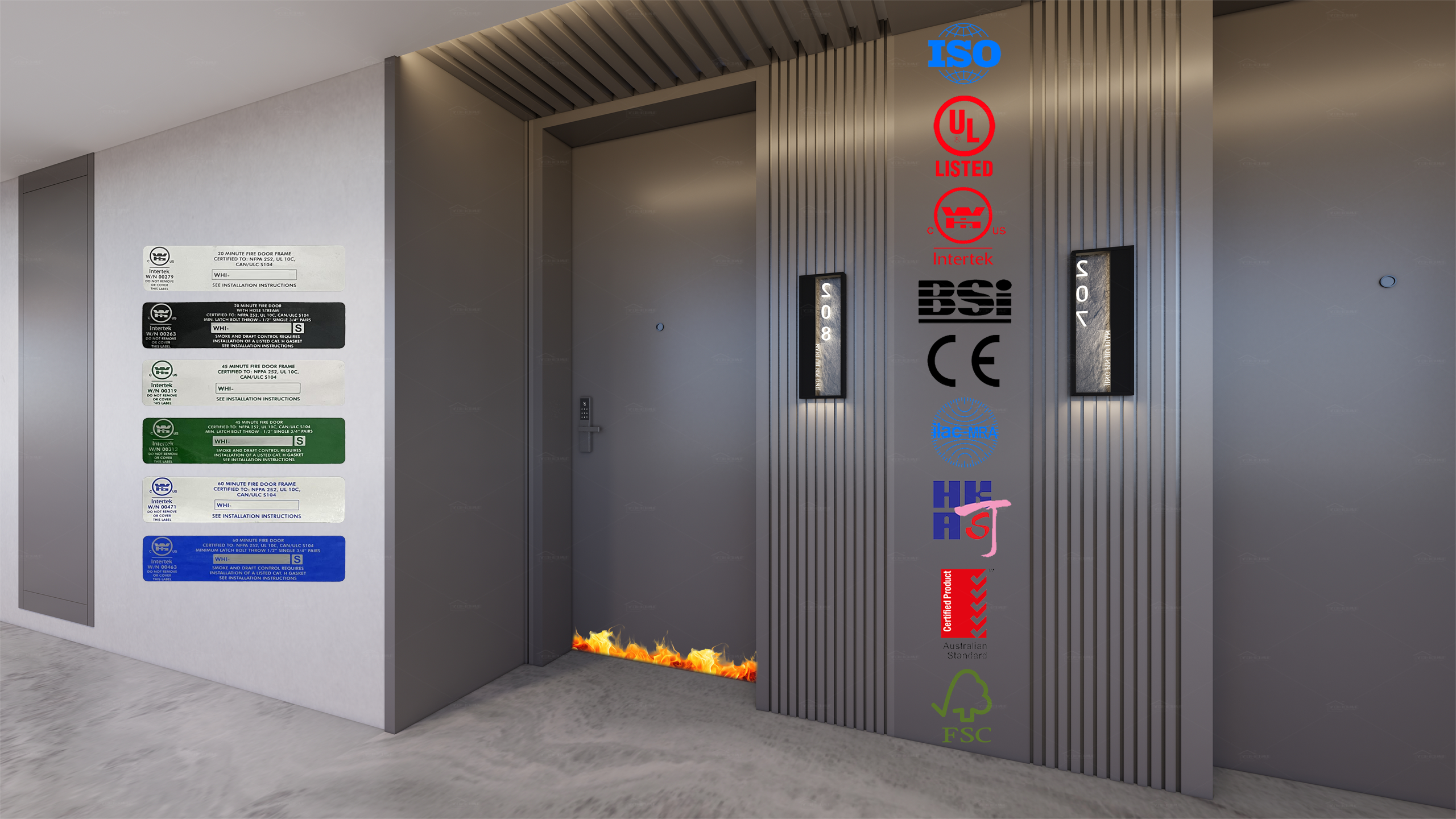
While EN 16034 is the standard for fire doors in Europe, other well-established fire door standards exist worldwide. Let’s compare EN 16034 with some of the most recognized standards: UL 10C, BS 476, and AS1905.
1. EN 16034 vs UL 10C:
UL 10C is the fire door standard used in the United States. While both UL 10C and EN 16034 focus on fire resistance and smoke control, UL 10C places a stronger emphasis on the door’s ability to maintain its integrity under fire exposure and thermal conditions. UL 10C also includes specific guidelines for self-closing doors that are not as strongly emphasized in EN 16034. However, EN 16034 includes more detailed requirements for installation and maintenance, while UL 10C is more focused on performance testing.
2. EN 16034 vs BS 476:
BS 476 is the British standard for fire doors. While both EN 16034 and BS 476 assess fire resistance, the BS 476 standard is often considered more focused on the materials and construction of the door, including the frame and hardware. In contrast, EN 16034 includes broader performance criteria, such as thermal insulation and smoke control. BS 476 was also phased out and replaced by newer standards, such as EN 16034, to align with European Union regulations.
3. EN 16034 vs AS1905:
AS1905 is the Australian standard for fire doors. Similar to EN 16034, AS1905 focuses on ensuring that fire doors meet strict fire-resistance levels. However, EN 16034 tends to be more specific about thermal insulation and testing procedures, and it includes provisions for seals and frames that are not always as detailed in AS1905. The differences also stem from regional differences in building codes and fire regulations.

Benefits of Choosing EN 16034 Certified Fire Door
Enhanced Safety for Buildings
EN 16034 certified fire doors play a crucial role in enhancing the overall safety of any building. Their primary function is to prevent the spread of fire and smoke, which is critical during a fire emergency. These doors are designed to withstand extreme heat and maintain their integrity for a specified period, typically ranging from 30 minutes to 2 hours, depending on the door’s rating.
When fire doors are installed and certified to EN 16034, they create a reliable barrier between building sections, compartmentalizing the fire. This means that fire and smoke are contained to one area, giving occupants more time to evacuate safely and for the fire services to arrive. Without these doors, a fire could spread quickly through an open building, threatening lives and causing significant property damage.
In addition to containing fire, EN 16034-certified fire doors also help protect escape routes such as stairwells and hallways, ensuring they remain safe to use. This is especially important in large commercial buildings, hospitals, schools, and multi-story apartments, where multiple people need to exit the building quickly.
Furthermore, the smoke-tight seals in certified fire doors prevent toxic smoke from traveling throughout the building, which is often more deadly than the fire itself. With an EN 16034 certified fire door, you can ensure that your building has an added layer of protection, offering peace of mind for everyone inside.
Compliance with Legal and Insurance Requirements
One of the most important reasons to choose EN 16034 certified fire doors is that they ensure compliance with legal and insurance requirements. In many countries, building codes require fire doors to meet specific fire-resistance standards to ensure occupant safety. By opting for EN 16034 certified fire doors, building owners can rest assured they are meeting the required regulations.
Fire door certification serves as proof that the doors have been thoroughly tested and meet the standards set by fire safety authorities. This helps building owners avoid penalties, fines, or delays in the construction or renovation process. Whether it’s a new commercial development, a hospital, or a residential building, meeting fire safety standards is critical for obtaining building permits and passing safety inspections.
Additionally, insurance companies often require that buildings have certified fire doors before they will provide coverage. Insurers know that fire doors play a vital role in reducing fire-related risks. By choosing certified fire doors, building owners not only comply with legal requirements but also ensure their property is properly insured. If an incident occurs, EN 16034 certified fire doors can also help speed up the insurance claims process, as they demonstrate that the building met all necessary safety standards.
Increased Property Value
Choosing EN 16034 certified fire doors can significantly enhance your building’s property value. Whether you’re planning to sell, lease, or want to increase the long-term value of your property, investing in high-quality, certified fire doors is a smart decision.
In many markets, especially those with strict fire safety regulations, having certified fire doors can make your property more appealing to potential buyers or tenants. People are more likely to choose a property that offers enhanced fire safety, as it not only provides peace of mind but also ensures compliance with local building codes.
For commercial properties, EN 16034 certified fire doors can also enhance the building’s reputation. Tenants and customers are increasingly aware of the importance of fire safety and prefer buildings that meet the highest standards. This is especially true for businesses that deal with sensitive operations, such as data centers or medical facilities, where fire safety is a top priority.
Moreover, investing in certified fire doors can prevent costly future renovations or upgrades. Many older buildings may not meet the latest safety standards, and upgrading to EN 16034 certified fire doors ensures the building is compliant without the need for major modifications. This can ultimately save money and increase the property’s attractiveness to potential buyers, making it a more valuable asset.
How EN 16034 Certification Process Works?
Certification Testing: What’s Involved?
The EN 16034 certification process for fire doors involves several detailed testing stages to ensure that the doors meet strict safety standards. These tests evaluate various aspects of the door’s performance, including fire resistance, smoke control, and structural integrity.
1. Fire Resistance Testing:
The most critical aspect of any fire door is its ability to resist fire. During testing, the door is exposed to high temperatures in a controlled environment, usually through a furnace. The fire resistance test assesses how long the door can withstand fire while maintaining its structural integrity and preventing the spread of flames. Doors are tested for various time periods, ranging from 30 minutes (EI30) to 120 minutes (EI120), depending on the door’s classification.
The fire door must remain intact during this time, preventing the passage of flames, heat, or gases. The test also checks if the door remains stable, meaning it should not warp, crack, or fail under pressure.
2. Smoke Control Testing:
In addition to fire resistance, EN 16034 certified fire doors must also prevent smoke from passing through. During this test, the door is exposed to smoke and heat, and the smoke-tight seal is tested for effectiveness. This is crucial, as smoke inhalation is one of the leading causes of death in fires. The test ensures that the fire door can contain smoke in one area, preventing it from spreading to other parts of the building.
3. Thermal Insulation and Temperature Control:
Another key aspect tested is thermal insulation. The fire door must prevent excessive heat from passing through it to the other side. The temperature on the unexposed side of the door should not exceed certain limits to avoid causing further damage or harm. This test ensures that the fire door maintains proper insulation, keeping rooms safe from heat.
4. Structural Stability and Durability:
Structural integrity is another vital test. The door must remain stable throughout the test, even under high heat conditions. Any cracks, deformities, or failure to perform under heat could compromise the door’s effectiveness in real fire situations. Additionally, durability is tested by simulating the effects of wear and tear. This includes the door’s ability to withstand daily use without losing its fire-resistant properties.
5. Seals and Hardware Testing:
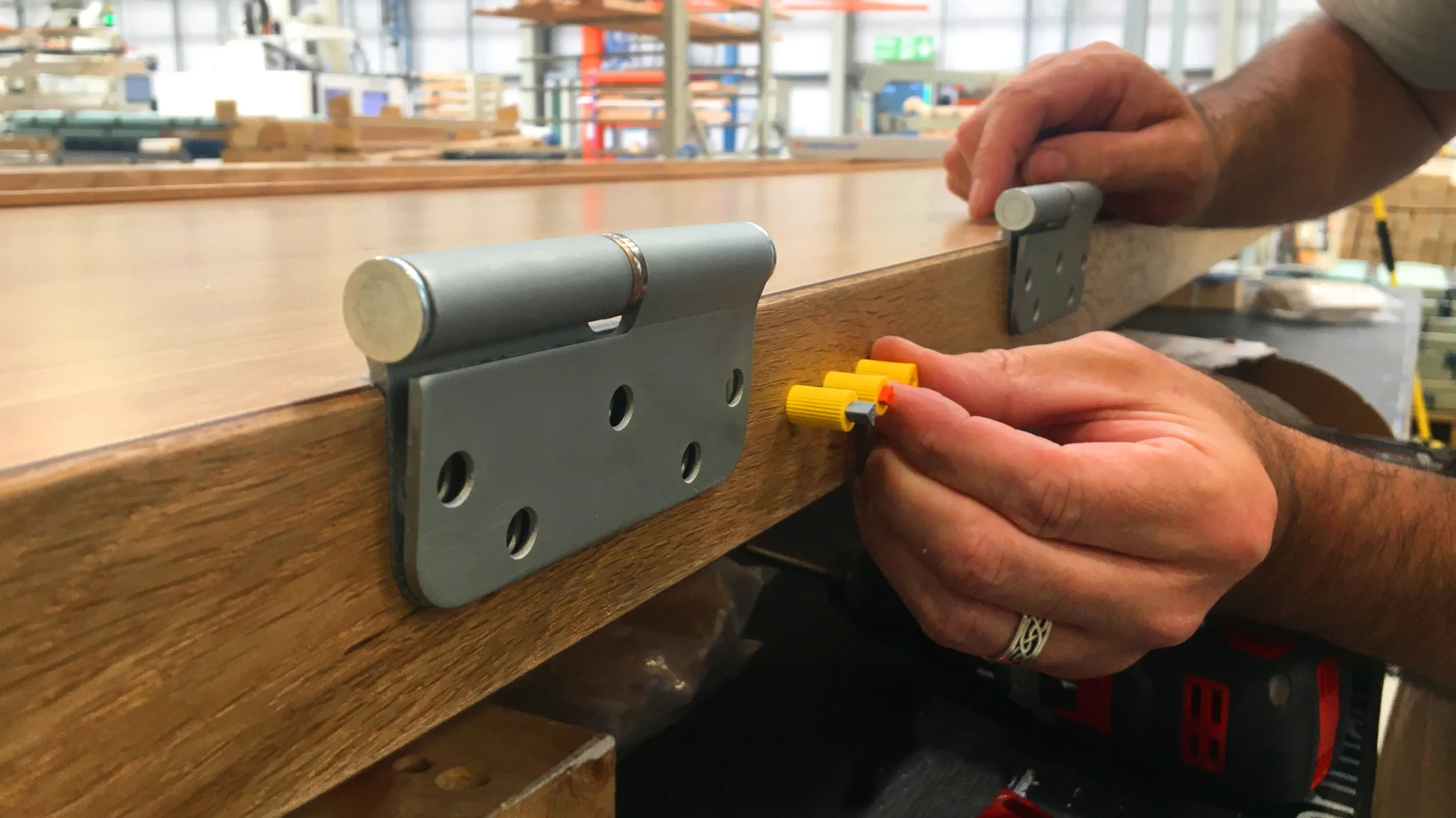
Seals, hinges, locks, and other hardware are also tested. These elements must maintain their function even when exposed to high temperatures. If the seals fail or the hardware becomes inoperable during a fire, the fire door will not function as intended.
Manufacturers and the Certification Process
For manufacturers, obtaining EN 16034 certification is a detailed and structured process that requires careful planning, testing, and documentation.
1. Initial Design and Development:
The process begins with the design of the fire door. Manufacturers must ensure that the materials used — such as steel or timber — can withstand high temperatures and maintain structural integrity under fire conditions. The design must also include appropriate seals, hinges, and frames that comply with EN 16034 requirements.
During this phase, manufacturers work closely with experts in fire safety and building regulations to ensure that every aspect of the door meets the required standards. The design must account for fire resistance, smoke control, durability, and overall performance.
2. Prototyping and Pre-Certification Testing:
Once the design is ready, manufacturers build prototypes of the fire doors. These prototypes undergo preliminary tests to identify any potential weaknesses before the formal certification testing process begins. Manufacturers may adjust the materials, seals, or construction methods if the prototype fails to meet the necessary criteria.
3. Official Certification Testing:
After the prototypes pass internal testing, they are submitted to an accredited testing laboratory. These labs are responsible for conducting the rigorous tests outlined in EN 16034. The tests include fire resistance, smoke control, and the door’s ability to withstand heat and structural stress.
Manufacturers must ensure that fire doors undergo a full range of tests to confirm compliance with certification requirements. If the doors pass the tests, they receive EN 16034 certification, which allows them to be sold as compliant fire doors.
4. Ongoing Quality Control and Maintenance:
After receiving EN 16034 certification, manufacturers must maintain ongoing quality control measures to ensure that all fire doors produced meet the required standards. This includes regular inspections, audits, and performance checks to verify that every door is manufactured to the same high standard as the certified prototype.
Additionally, manufacturers must ensure proper labeling and documentation for each fire door that bears the EN 16034 certification. This includes providing relevant details such as fire resistance ratings, material specifications, and maintenance guidelines, which are crucial for building owners and safety inspectors.
5. Continuous Compliance:
To keep their EN 16034 certification active, manufacturers must periodically submit their products for re-testing. This ensures that fire doors continue to meet the required standards as manufacturing processes and materials evolve. Continuous compliance is essential for ensuring that fire doors maintain their safety and performance over time.
Types of EN 16034 Fire Doors Available
EN 16034 fire doors are specifically designed to prevent the spread of fire and smoke, ensuring safety in emergencies. These doors are tested and certified to European standards for fire resistance, typically 30-120 minutes. The EN 16034 standard is widely recognized for its effectiveness in safeguarding both buildings and people.
Fire Doors for Different Building Types
Different buildings have different fire safety needs, and fire doors are customized accordingly. EN 16034 fire doors come in a variety of types suited for specific building requirements. For instance, residential buildings often require fire doors that can withstand fire for up to 30 minutes. These doors are typically designed to be both functional and aesthetic, ensuring they blend seamlessly with the interior.
On the other hand, commercial buildings or industrial sites may require fire doors with higher fire resistance, often up to 60 or 120 minutes. These doors are made from more durable materials to withstand the intense heat and pressure that may occur in larger spaces or areas with hazardous materials. Fire doors in high-risk areas, such as laboratories or factories, must meet even stricter standards, often incorporating reinforced designs and additional safety features.
Public buildings such as schools, hospitals, and shopping malls also require fire doors to comply with specific regulations. These doors must allow people to exit quickly during an emergency while maintaining fire containment. The fire exit doors in these buildings often include panic bars for easy access.
Fire-Resistant Materials Used in EN 16034 Doors
The materials used in EN 16034 fire doors are crucial to their performance. Fire doors are made from a combination of materials that help to delay the passage of heat, smoke, and flames. Some of the most common materials include:
1. Steel:
Stainless Steel fire doors are the most durable and commonly used for high-resistance fire doors. Steel is non-combustible and can withstand extreme temperatures. It’s often used in commercial and industrial settings due to its strength and resistance to heavy impacts.
2. Timber:
Timber fire doors are popular in residential and commercial buildings where a more aesthetic appeal is necessary. These doors typically have a fire-resistant core made of materials such as rock wool or expanded polystyrene. The wooden surface can be customized to match interior decor, making it ideal for spaces that require both fire protection and visual appeal.
3. Composite Materials:
Fire doors made from composite materials combine different materials, such as timber and steel, to offer both strength and flexibility. These doors are often lightweight, yet provide excellent fire protection. The core material is usually a mineral core or calcium silicate board, which can resist heat for an extended period.
How to Choose the Right EN 16034 Fire Door for Your Project?
Choosing the right EN 16034 fire door for your project is crucial for ensuring safety and compliance with building regulations. The right fire door will not only help protect lives but also minimize property damage in the event of a fire.
Key Factors to Consider When Selecting a Fire Door
1. Fire Resistance Rating:
The first thing to consider when choosing a fire door is its fire resistance rating. Fire doors are tested to resist fire for specific periods, typically 30, 60, 90, or 120 minutes. The appropriate fire resistance depends on the building type and the area’s risk level. For example, a residential fire door might only need a 30-minute fire resistance rating, while a commercial fire door in a high-risk area might need 60 or 120 minutes of protection. Ensure that the door you select meets the necessary fire resistance for your project’s safety requirements.
2. Building Type and Usage:
The type of building plays a significant role in choosing the right fire door. Residential buildings may have less stringent requirements than commercial or industrial buildings, which may have stricter fire protection standards. Additionally, areas such as corridors, kitchens, and storage rooms within a building may require different types of fire doors depending on their function and fire risk.
In public buildings such as hospitals, schools, or shopping malls, fire doors must facilitate quick evacuation while maintaining fire containment. In these cases, you should look for fire exit doors with features such as panic bars or easy-access mechanisms.
3. Material and Durability:
The materials used in fire doors determine their durability and fire resistance. The most common materials used are steel, timber, and glass. Steel fire doors are the most durable and provide excellent fire resistance, making them ideal for commercial or industrial settings. Timber fire doors are more aesthetically pleasing and often used in residential and office spaces, while glass fire doors offer visibility while still providing fire protection. When choosing a fire door, consider the environment in which it will be installed and the level of wear and tear it will experience.
4. Size and Fit:
Fire doors come in different sizes, so it’s important to choose one that fits the opening in your building properly. Custom-sized fire doors are available for specific applications, ensuring a perfect fit and the best possible fire protection. When selecting the size, also think about the clearance around the door to prevent smoke and flames from escaping.
5. Compliance with Local Codes and Regulations:
Different regions may have different regulations regarding fire door standards. It’s essential to ensure the fire door you select meets EN 16034 standards and complies with local building codes. These codes outline the required fire resistance ratings, installation methods, and additional safety features. Failing to meet these regulations could not only compromise safety but also result in penalties or delays to your project.
6. Design and Aesthetic Considerations:
While safety is the primary concern, fire doors also need to fit the building’s design and aesthetic. Fire doors are available in various designs, colors, and finishes to suit different interior styles. Whether you need a classic wooden fire door for a residential home or a sleek steel fire door for a modern office, you can find a design that blends seamlessly with your space without compromising safety.
7. Cost and Budget:
Finally, consider your budget. While it’s important to invest in high-quality fire doors to ensure safety, there are options available at different price points. Steel fire doors tend to be more expensive, while timber and composite doors are often more affordable. Make sure to balance cost with the necessary features and quality to meet your project’s requirements without overspending.
Summary
In conclusion, selecting the right EN 16034 fire door for your project involves evaluating the fire resistance, building type, material, size, and compliance with regulations. By carefully considering these factors, you can ensure that the fire door you choose offers maximum protection while meeting your budget and design needs.

Conclusion
The Importance of EN 16034 Certification Fire Door
EN 16034 certification for fire doors is critical because it ensures the door performs as expected in the event of a fire. With this certification, you can be confident that the fire door will effectively prevent the spread of fire and smoke, giving people the time they need to evacuate safely.
Certified fire doors also ensure compliance with local building regulations, helping avoid potential penalties or delays in construction projects. This certification means the door has undergone rigorous testing and meets all the necessary safety standards, which is vital for protecting both lives and property.
In short, EN 16034 fire doors are not just a legal requirement; they are a vital investment in the safety and security of any building. Choosing certified fire doors helps ensure that the building is prepared to handle an emergency, minimizing damage and maximizing safety.
Relate FAQ
What does EN 16034 certification mean for a fire door?
EN 16034 certification indicates that a fire door has been rigorously tested to ensure it meets the European Union's safety standards for fire resistance. This certification ensures the door will resist fire for a specified period, typically 30, 60, 90, or 120 minutes, preventing the spread of fire and smoke.
Why is EN 16034 important for fire doors?
EN 16034 is crucial because it ensures that fire doors are properly tested and comply with EU safety regulations. Fire doors play a significant role in protecting life and property by acting as barriers to fire and smoke, and this certification guarantees that the door will perform as expected during an emergency.
How do EN 16034 certified fire doors differ from non-certified doors?
EN 16034 certified fire doors undergo rigorous testing to ensure they can withstand fire and smoke for a specified period. Non-certified doors may not meet these standards and may not provide the same level of safety in the event of a fire. Certification assures that the door has been tested and verified to meet specific fire-resistance criteria.
What is the testing process for EN 16034 fire doors?
The testing process for EN 16034 involves subjecting the fire door to extreme conditions in a controlled fire test environment. The door is exposed to intense heat and pressure, and its ability to withstand the conditions for a set time (e.g., 30, 60, or 90 minutes) is evaluated. The door must meet specific criteria regarding fire integrity, insulation, and smoke control to pass the test.
Can an EN 16034 certified fire door be used in any type of building?
Yes, an EN 16034 certified fire door can be used in various types of buildings, including residential, commercial, and industrial spaces. However, the specific fire-resistance duration and other door characteristics should be selected based on the type of building and its specific fire safety requirements.
How long does an EN 16034 certified fire door resist fire?
EN 16034 certified fire doors are available with various resistance durations, typically 30, 60, 90, or 120 minutes. The specific duration depends on the door's construction and the intended use of the building. The longer the fire resistance time, the higher the level of protection.