What is EN 1634-1 certified fire door?

Introduction to EN 1634-1 Certified Fire Doors
Fire doors play a critical role in protecting lives and property in case of a fire. While most people may not think twice about the doors they pass through every day, fire doors are designed with one primary purpose: to prevent the spread of fire and smoke, giving people more time to escape. The EN 1634-1 certification is a key standard ensuring fire doors are effective and reliable in emergencies.
What is EN 1634-1 Certification?
EN 1634-1 is a European standard specifying fire door performance requirements. The “EN” stands for “European Norm,” which means this certification is recognized across many European countries. This certification ensures that a fire door meets strict criteria for fire resistance, preventing the spread of fire and smoke within a building.
A fire door with an EN 1634-1 rating is tested under controlled conditions to withstand fire for a certain period, typically 30 minutes to 120 minutes. These tests assess the door’s ability to block fire, smoke, and heat from spreading through the door and its frame. The certification ensures that the door is resistant to flames and capable of maintaining its structural integrity during a fire emergency.
In simple terms, EN 1634-1 certified fire doors are built to be reliable during critical moments, providing safety and protection in any fire emergency.
Why is EN 1634-1 Important for Fire Safety?
The EN 1634-1 certification is vital because it guarantees the door will function as intended in a fire situation. Fire doors are one of the most important safety features in a building, as they protect both people and property. When properly installed and maintained, fire doors can save lives by containing the fire and smoke to a specific area, allowing people to evacuate safely.
Without this certification, it would be difficult to determine whether a fire door will effectively withstand fire. A fire door that isn’t EN 1634-1 certified might not offer the same level of protection, putting everyone in the building at risk. By choosing a certified fire door, you ensure that it meets the highest safety standards, which can prevent devastating consequences during a fire.
Additionally, buildings that comply with EN 1634-1 are more likely to meet local and national fire safety regulations. Whether for a residential, commercial, or industrial building, this certification ensures that your fire doors will protect occupants and comply with fire safety laws.
In short, EN 1634-1 certification is crucial for maintaining a safe environment during a fire. It assures property owners and residents that their fire doors are up to the task and have the protection they need when every second counts.
Understanding Fire Door Standards
Regarding building safety, fire doors are one of the most essential components. But what exactly sets fire doors apart from regular doors? What standards should you look for when choosing fire doors for your property?
What Makes a Fire Door Different from a Regular Door?
At first glance, a fire door may look just like any other door in your home or building, but it’s designed with a specific purpose: to resist fire for a set amount of time. Unlike regular doors, fire doors are made of fire-resistant materials, such as steel, wood, or special composites, to withstand high temperatures and slow the spread of flames and smoke.
What makes a fire door different is its ability to protect people and property by acting as a barrier during a fire emergency. While regular doors are meant for basic functionality—like allowing people to pass through—fire doors have an extra layer of protection. They are designed to be self-closing, ensuring that the door will automatically close and seal off areas from the fire in the event of a fire. Also, fire doors often come with fire-resistant seals around the edges to prevent smoke and heat from leaking.
In short, a fire door’s unique construction and functionality make it critical to fire safety. It isn’t just there to look good or act as a divider; it’s designed to save lives by preventing the spread of fire and smoke.
EN 1634-1 vs. Other Fire Door Certifications
While EN 1634-1 is one of Europe’s most widely recognized fire door standards, it’s important to understand how it compares to other certifications. Several fire door certification systems are worldwide, each with standards and testing requirements.
EN 1634-1 focuses on the fire resistance of the door and its ability to prevent the spread of fire and smoke. It ensures that a fire door can withstand flames for a specified period, typically between 30 and 120 minutes, depending on the door’s rating. This standard is recognized across Europe and is often required for compliance with local fire safety regulations.
Underwriters Laboratories (UL), a leading safety testing organization, often certifies fire doors in the United States. UL tests doors for similar qualities, but their certification might differ slightly in testing procedures or the fire resistance time. Similarly, other countries have fire door standards, such as the British Standard BS 476 or the International Building Code (IBC) in North America.
Choosing the right fire door certification depends on your location and the specific safety regulations you must comply with. However, EN 1634-1 certification remains one of Europe’s most trusted and widely accepted benchmarks for fire door safety.
The Role of Fire Doors in Building Safety
Fire doors play a crucial role in any building’s fire safety plan. They are designed to limit the spread of fire and smoke, ensuring occupants have enough time to evacuate or allow first responders to control the situation safely. Their role is not just about containing flames; fire doors also help manage heat and smoke, which can be as deadly in a fire.
In commercial and residential buildings, fire doors help to compartmentalize the structure into fire-resistant zones. This limits the area affected by fire and provides valuable time for people to escape the building. For example, fire doors can protect stairwells, elevators, and corridors in a hotel or office building, ensuring that these escape routes remain clear and safe during a fire.
Fire doors are even more important in industrial or high-risk areas, as they can separate hazardous areas (like kitchens, warehouses, or laboratories) from the rest of the building. This prevents fires from spreading to other sections and causing more extensive damage.
Ultimately, the role of fire doors in building safety goes beyond their simple appearance—they are a life-saving feature that can make all the difference in an emergency. Without properly installed and maintained fire doors, buildings would be at a much higher risk of catastrophic fire damage, putting lives at unnecessary risk.
Key Features of EN 1634-1 Certified Fire Door
When choosing a fire door for your property, it’s essential to understand the key features that make EN 1634-1 certified fire doors so reliable and effective in fire protection. These doors are not just regular doors; they are designed and tested to meet stringent safety standards. Let’s explore the key features that ensure EN 1634-1 certified fire doors provide top-notch performance.
Fire Resistance Ratings: What Do They Mean?
One of the most important features of an EN 1634-1 certified fire door is its fire resistance rating. This rating tells you how long the door can withstand the heat and flames of a fire before it starts to fail. Fire resistance is measured in minutes, with common ratings being 30, 60, 90, or 120 minutes.
For example, a fire door with a 30-minute rating means it will hold up to fire for at least 30 minutes before it allows flames or heat to pass through. This gives people enough time to evacuate or for firefighters to respond. A higher rating, like 90 or 120 minutes, offers more protection, making these doors suitable for areas with high fire risks, like industrial buildings or larger commercial spaces.
In simple terms, the fire resistance rating is critical in determining where and when you can use a fire door. It’s also a major indicator of the door’s effectiveness during an emergency.
Materials Used in EN 1634-1 Fire Door
The materials used to make an EN 1634-1 certified fire door are carefully selected to enhance its fire resistance. These materials are specifically designed to withstand the high temperatures and pressures of fire.
Common materials include:
- Steel: Steel is one of the most popular materials for fire doors due to its strength and ability to withstand extreme temperatures. It doesn’t warp or bend easily, making it ideal for fire protection.
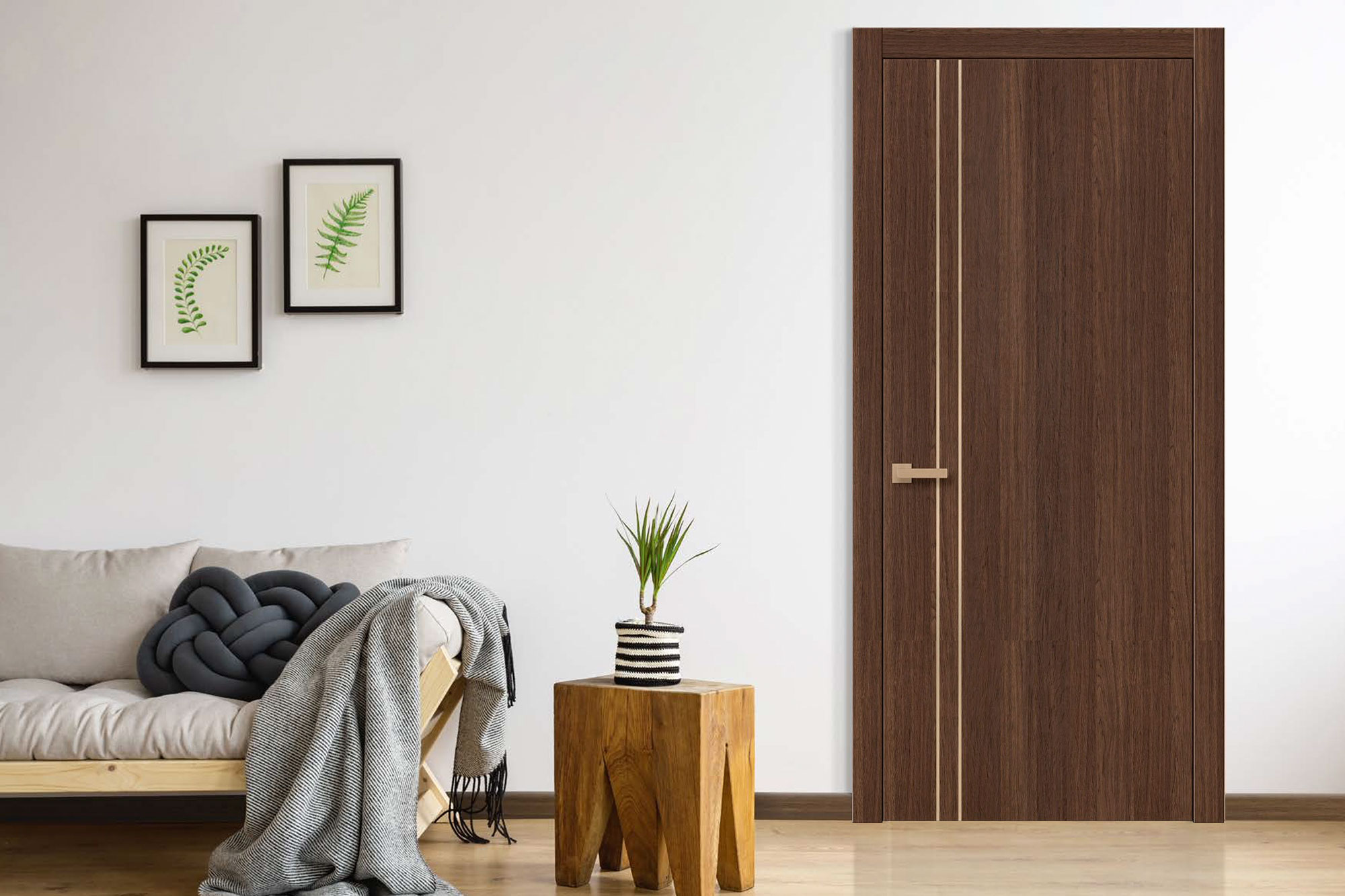
- Timber: Timber fire doors, made from specially treated wood, are also commonly used in residential buildings. These doors are designed to offer fire protection while maintaining a natural look.
- Glass: Fire-resistant glass can be incorporated into fire doors to allow visibility while providing protection. This type of glass is specially designed to withstand heat and prevent the spread of flames.
- Mineral Core: Some fire doors use a mineral core or other fire-resistant composite materials that can absorb and resist heat, providing excellent fire protection.
The Importance of Proper Installation and Maintenance
Having a certified fire door is only part of the equation. Proper installation and regular maintenance are just as important for ensuring the door performs as it should in a fire emergency.
Installation: Fire doors must be installed correctly to ensure they fit within the frame and seal tightly. A poorly installed fire door may not perform as expected, leaving gaps where fire and smoke can enter. This can reduce the door’s effectiveness, regardless of its fire resistance rating.
Maintenance: Over time, fire doors can experience wear and tear. Regular maintenance checks are essential to ensure that the door and its components, such as the seals, hinges, and closers, are working properly. For instance, the self-closing mechanism should be checked to ensure it closes the door fully, and fire seals should be inspected for any damage.
In short, proper installation and ongoing maintenance are vital for ensuring that an EN 1634-1 certified fire door remains fully functional, offering the best protection when you need it most.
How EN 1634-1 Affects Door Performance?
The EN 1634-1 standard directly impacts the performance of fire doors by setting strict guidelines for how they should withstand fire. This includes fire resistance, smoke control, and the door’s ability to maintain its structural integrity during a fire.
The testing under the EN 1634-1 certification is designed to simulate real-life fire conditions, ensuring that the door can handle intense heat and pressure. This means that an EN 1634-1 certified fire door won’t just stop flames from passing through; it will also prevent smoke and gases from entering the protected area. The door’s performance is measured by how well it holds up to the heat and how long it continues to provide an effective barrier.
For example, a fire door with a higher rating will provide more time for evacuation or fire containment. The better the door’s performance, the safer the building will be in a fire.
Benefits of EN 1634-1 Fire Door
EN 1634-1 certified fire doors offer more than basic fire protection. These doors are designed to provide significant benefits for building safety and long-term cost savings. Look deeper into the key advantages of choosing an EN 1634-1 certified fire door for your property.
Protection Against Fire and Smoke
One of the primary reasons for installing an EN 1634-1 fire door is its ability to protect against fire and smoke. Fire doors are built to withstand the heat of a fire for a specific period, which gives people more time to evacuate safely. However, fire protection is only one part of the equation.
Fire doors also serve an important role in preventing smoke from spreading. Smoke inhalation is one of the leading causes of fire death, so it’s just as important to contain smoke as it is to block flames. EN 1634-1 certified fire doors are tested to keep smoke contained within a specific area, ensuring that escape routes like stairwells and corridors remain safe during a fire emergency.
In short, these doors provide dual protection—against fire and smoke—giving you a much safer environment in an emergency.
Compliant with Building Regulations and Codes
One of the biggest advantages of EN 1634-1 certified fire doors is that they help ensure compliance with building regulations and fire safety codes. Whether renovating a commercial space or building a new residential property, fire safety is a top priority.
In many countries, fire door requirements are enforced by local laws and regulations. EN 1634-1 certification is recognized by building authorities and ensures that your fire doors meet these legal standards. By installing fire doors compliant with EN 1634-1, you reduce the risk of fines, legal issues, or even insurance complications in the event of a fire.
This certification guarantees that your doors are functional and meet the necessary regulatory requirements, helping you stay compliant and avoid any potential penalties.
Ensuring Safety in High-Risk Areas
Certain areas within a building are at higher risk for fires than others, such as kitchens, boiler rooms, or storage areas containing flammable materials. In these high-risk zones, fire doors are crucial for ensuring safety.
EN 1634-1 certified fire doors are designed to provide protection where it’s needed most. Whether it’s a commercial kitchen, a chemical storage room, or a factory, these doors help prevent fire from spreading to other areas of the building. They compartmentalize the fire, containing it in one zone and giving everyone more time to escape or for the fire department to respond.
Fire doors in high-risk areas are a must-have for any property where the likelihood of a fire breaking out is higher than in other parts of the building. They are key in limiting damage and keeping the building’s occupants safe.
Long-Term Cost Savings with Fire Door
While EN 1634-1 certified fire doors might seem like a bigger investment upfront, they lead to significant long-term cost savings. Here’s how:
1. Reduced Property Damage:
By preventing fire from spreading to other building areas, fire doors can help limit the damage caused by a fire. This means that the costs of repairs and rebuilding are significantly lower in the event of a fire.
2. Lower Insurance Premiums:
Many insurance companies offer reduced premiums for properties equipped with EN 1634-1 certified fire doors. This is because they help reduce the risk of large-scale fire damage, which means a lower risk for the insurer.
3. Compliance with Regulations:
Avoiding fines for non-compliance with fire safety regulations is another way fire doors can save money. When your fire doors meet the EN 1634-1 standard, you’re less likely to face costly penalties or lawsuits.
4. Long-Term Durability:
Fire doors are built to last. They’re made from high-quality materials that resist wear and tear over time. Properly maintained, an EN 1634-1 fire door can serve you for many years, making it a cost-effective investment for the long run.
Applications of EN 1634-1 Fire Door
EN 1634-1 certified fire doors are not only for large commercial buildings or industrial settings; they are versatile and can be used in various environments, including homes, offices, hospitals, and schools. Their purpose is simple: to keep you safe by preventing the spread of fire and smoke.
Fire Door for Residential Buildings
In residential buildings, fire doors protect families and homes from fire risks. Whether it’s a single-family home, a townhouse, or a multi-family apartment building, fire doors help prevent a small fire from spreading throughout the building.
In homes, fire doors are most commonly used in areas like kitchens, garages, or basements—where the fire risk is higher. These doors act as a barrier between rooms, containing the fire in one area while protecting escape routes like stairwells and hallways.
For example, a fire door between the kitchen and living areas can stop flames and smoke from spreading into the rest of the house, giving residents valuable time to evacuate or call emergency services. In apartment complexes, fire doors are often used to protect exit corridors and stairwells, ensuring residents can escape safely in case of a fire.
Overall, fire doors in residential buildings help keep families safe and reduce the amount of property damage caused by fire.
Fire Door in Commercial Spaces
In commercial spaces, fire doors are crucial for maintaining the safety of employees, customers, and assets. Whether it’s a retail store, office building, or industrial warehouse, fire doors help compartmentalize the building into smaller, safer zones.
For instance, fire doors are often installed in office buildings in corridors, stairwells, and around high-risk areas like kitchens or server rooms. These doors prevent fire from traveling through the building, ensuring the escape routes remain clear and safe.
In retail spaces, fire doors are protected by stopping fires from spreading to customer areas, allowing them to exit quickly. In larger commercial buildings, fire doors are important in limiting damage to valuable stock and equipment, especially when storing flammable materials.
Commercial property owners can use EN 1634-1 certified fire doors to ensure they meet local safety regulations, protect their employees, and safeguard their business assets.
Hospitals, Schools, and High-Rise Buildings
Certain types of buildings, like hospitals, schools, and high-rise buildings, face unique fire safety challenges due to their size, design, and the large number of people they accommodate. In these settings, fire doors are even more critical for ensuring the safety of everyone inside.
Hospitals:
In healthcare facilities, fire doors are essential in preventing the spread of fire and smoke in patient rooms, operating theaters, and critical care areas. Since hospitals often have patients who cannot evacuate quickly, fire doors help protect them by containing the fire to one location and providing time for emergency responders to act. Fire doors protect escape routes and stairwells, ensuring staff and visitors can safely evacuate.
Schools:
Fire doors in schools are used to protect classrooms, hallways, and common areas, ensuring that students and staff can safely exit during an emergency. These doors are typically installed between classrooms and corridors and near stairwells and exit points. By containing a fire in one section of the building, fire doors give everyone time to evacuate safely. They also help prevent smoke from spreading into other parts of the school, reducing the risk of injury or panic.
High-Rise Buildings:
High-rise buildings present unique challenges in fire safety due to the large number of floors and occupants. Fire doors in high-rise buildings protect stairwells, hallways, and mechanical rooms. They create fire-resistant barriers that slow the fire’s spread, giving occupants more time to evacuate. Fire doors in high-rise buildings are essential because evacuations can be slower, and fire doors help keep the escape routes safe and clear.
Summary
EN 1634-1 certified fire doors are critical in reducing the risk of fire-related injuries and deaths in all these buildings. They help keep everyone safe, limit property damage, and ensure evacuation procedures can proceed smoothly in an emergency.
Choosing the Right EN 1634-1 Certified Fire Door
Several important factors must be remembered when choosing the right fire door for your property. Selecting a fire door is not just about picking one that looks good—it’s about choosing one that offers the right protection and meets the necessary safety standards. Let’s dive into what you should consider before making your purchase, the different styles and designs available, and how to verify the EN 1634-1 certification.
Factors to Consider Before Buying a Fire Door
Before you purchase an EN 1634-1 certified fire door, you need to think about the specific requirements of your building and the type of protection you need. Here are a few key factors to consider:
1. Fire Resistance Rating:
Choose a fire door with the right fire resistance rating. Fire doors come with different ratings, such as 30, 60, 90, and 120 minutes, and the rating you need depends on where the door will be installed. For example, a higher rating (e.g., 90 or 120 minutes) might be necessary in a high-risk area like a kitchen. For general residential use, a 30-minute fire door may be sufficient.
2. Door Material:
The material of the fire door plays a huge role in its ability to withstand fire. Steel, timber, and composite materials are commonly used. Steel fire doors are very durable and are often preferred for commercial settings, while timber doors offer a more natural aesthetic and can be used in residential buildings. Consider what material best suits your building’s style and safety needs.
3. Door Size and Fit:
Ensure the fire door properly fits the designated space. It should be installed tightly within its frame, as gaps or poor fitting can reduce effectiveness. Measure the opening carefully before purchasing to ensure the door fits well.
4. Compliance with Local Regulations:
Different regions may have specific fire safety requirements that must be followed. Ensure that the fire door complies with local building codes and regulations. EN 1634-1 certification is widely accepted, but it’s always a good idea to check if there are any additional requirements in your area.
5. Budget:
Fire doors are an investment in safety, but the price can vary depending on the material, fire resistance rating, and other features. Ensure the fire door fits your budget while meeting your safety needs.
Factors to Consider Before Buying a Fire Door
Fire doors don’t have to be plain and unattractive. In fact, various styles and designs can complement the look of your building while still providing top-notch fire protection. When choosing the design of your fire door, consider the following:
1. Aesthetic Appeal:
Fire doors are available in different finishes and designs. A sleek, modern design might be necessary to install a fire door in a commercial setting. On the other hand, if you’re choosing a fire door for a home, you may want a more traditional wood finish to match your decor. There are options with glass panels that allow visibility while maintaining fire resistance, which is ideal for spaces like offices or public buildings.
2. Functionality:
Fire doors come in various styles, such as single doors, double doors, and sliding doors. Your style will depend on the space where the door will be installed. For wider openings, double doors might be the best choice. A single or sliding door might be more practical for areas with limited space.
3. Special Features:
Some fire doors have additional features, such as acoustic properties to reduce noise, or enhanced security features like reinforced locks and handles. If your building requires specific features—such as soundproofing or extra security—look for fire doors that meet those needs.
4. Custom Designs:
If your building has unique design requirements, custom fire doors can be created to match the aesthetic and functional needs of the space. Many manufacturers offer customizable fire doors in all colors and materials to fit your style.
How to Verify EN 1634-1 Certification?
1. Check the Manufacturer’s Documentation:
Reputable manufacturers will provide clear documentation about the EN 1634-1 certification for their fire doors. Ask the supplier for the certification details, including the fire resistance rating and the specific tests the door has undergone.
2. Look for the Certification Label:
EN 1634-1 certified fire doors should have a label or tag with information about the certification. This label will typically show the fire resistance rating, the testing body, and the certification date. Ensure that this label is present before finalizing your purchase.
3. Request Test Reports:
Some manufacturers may provide detailed test reports showing the door’s performance in fire resistance tests. This can help verify that the door meets EN 1634-1 standards.
4. Verify with Independent Testing Organizations:
Sometimes, you can verify the certification through independent testing organizations or regulatory bodies. You can contact these organizations for confirmation if you’re unsure about the door’s certification.
Conclusion
In conclusion, selecting the right fire door is a crucial step in ensuring the safety of any building, whether it’s a residential home, commercial space, or high-rise building. EN 1634-1 certified fire doors offer essential protection by preventing the spread of fire and smoke, giving everyone more time to evacuate safely. By understanding the benefits, key features, and the proper application of these fire doors, you can make an informed decision that helps protect lives and property.
The Importance of Selecting EN 1634-1 Fire Door
Choosing an EN 1634-1 fire door means opting for a product thoroughly tested to withstand fire and smoke for a specified period. This certification guarantees that the fire door will perform as expected, stopping the spread of flames and smoke and allowing for safer evacuations. The peace of mind that comes with knowing your fire doors are fully certified is invaluable, especially when protecting people and property.
In addition, selecting a fire door that meets EN 1634-1 standards helps ensure your building complies with local building codes and regulations. This keeps occupants safe and protects you from potential fines or legal issues.
You invest in safety, security, and peace of mind by choosing the right EN 1634-1 certified fire doors. Whether it’s for your home, office, or any other building, these doors provide the essential protection needed during a fire, helping to safeguard what matters most.
Relate FAQ
What does EN 1634-1 certification mean for fire doors?
EN 1634-1 certification indicates that a fire door has been tested and approved to meet European standards for fire resistance. This standard specifically evaluates how long a fire door can withstand exposure to fire and heat, ensuring it provides adequate protection in case of a fire.
How is a fire door tested for EN 1634-1 certification?
To achieve EN 1634-1 certification, the fire door undergoes rigorous testing in a controlled environment exposed to high temperatures. The door is subjected to fire for a specific duration (e.g., 30, 60, 90, or 120 minutes) and must prevent the passage of heat, smoke, and flames. Only doors that pass these tests are granted certification.
What is the difference between an EN 1634-1 certified fire door and a regular door?
The key difference is the fire resistance. While a regular door offers no fire protection, an EN 1634-1 certified fire door is specially designed to withstand fire, smoke, and heat for a predetermined time, typically 30 to 120 minutes. This gives people extra time to evacuate in case of a fire and prevents fire from spreading between rooms or compartments.
Can EN 1634-1 certified fire doors be used in any building?
Yes, EN 1634-1 certified fire doors are suitable for use in residential, commercial, and industrial buildings where fire protection is required. They are often installed in high-risk areas such as stairwells, corridors, and between rooms to help compartmentalize fire and prevent its spread.
What should I look for when buying an EN 1634-1 certified fire door?
When buying an EN 1634-1 certified fire door, ensure it is from a reputable manufacturer and has clear documentation verifying its certification. The correct hardware, including fire-rated hinges, locks, and seals, should also accompany the door to maintain fire resistance.
Are there different EN 1634-1 certified fire door types?
Yes, EN 1634-1 certified fire doors come in various types, including timber, steel, and composite doors. The kind of door you choose will depend on the specific requirements of the building, aesthetic preferences, and the level of fire resistance needed.