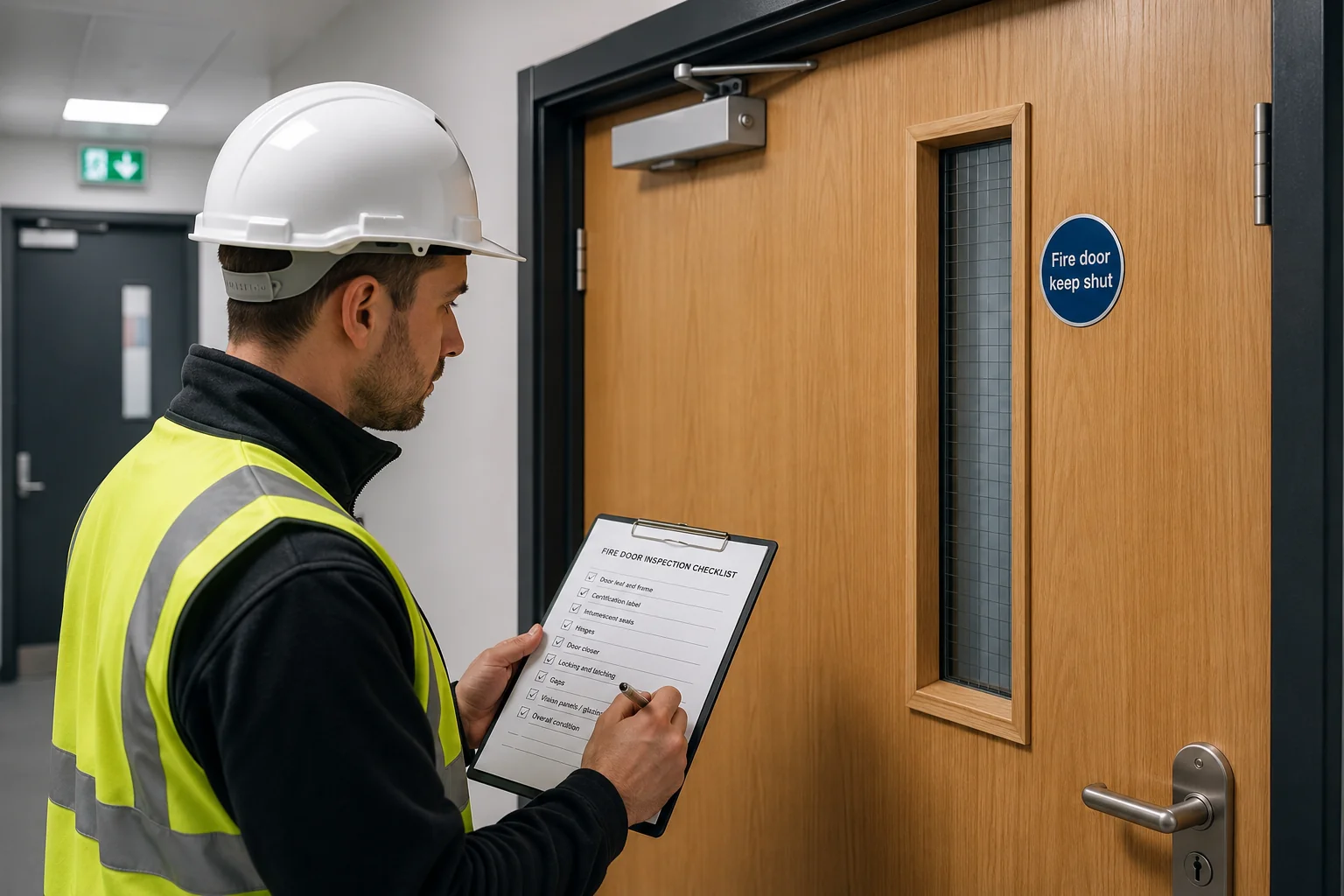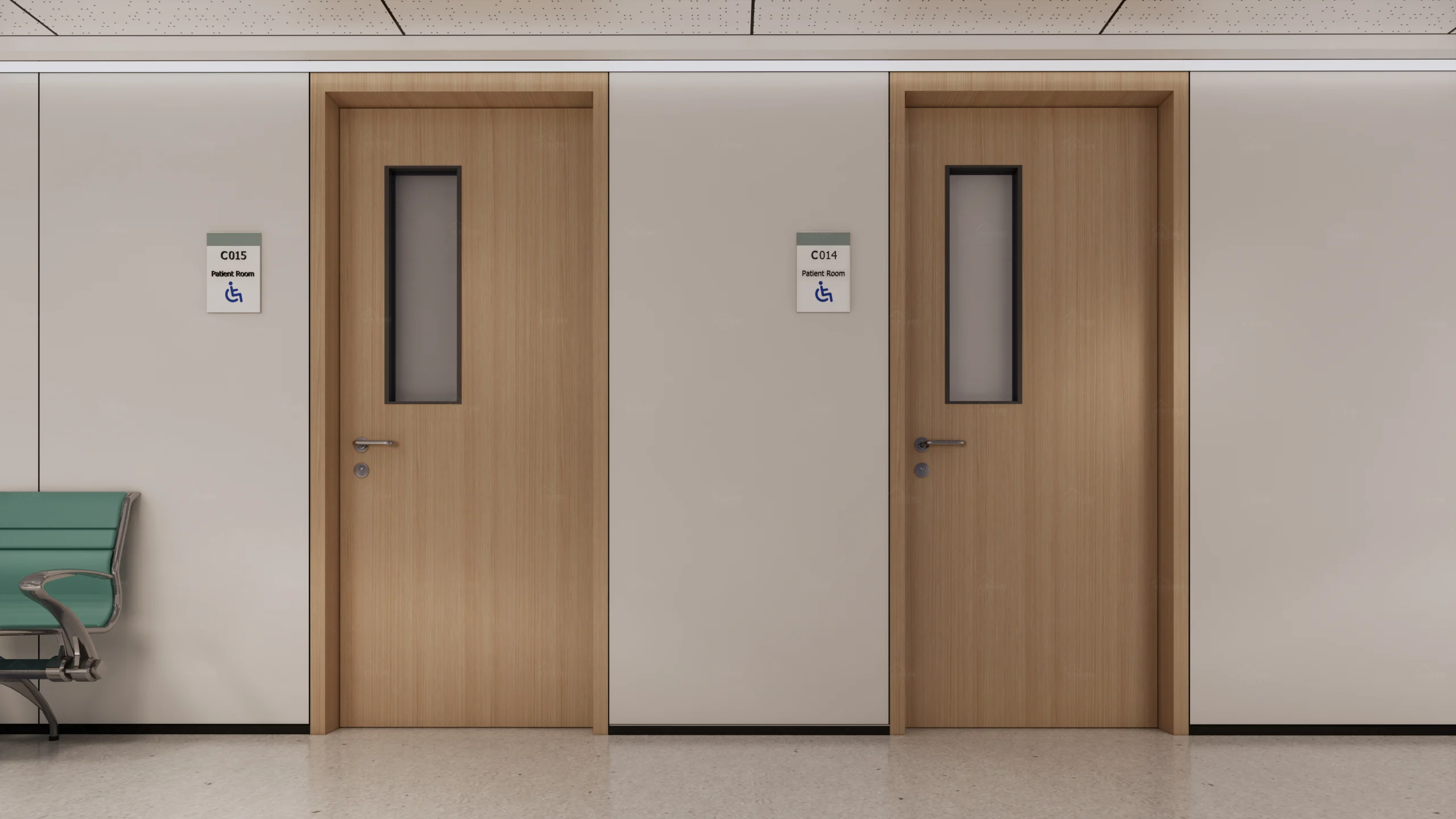
Do fire door frames need special hardware?
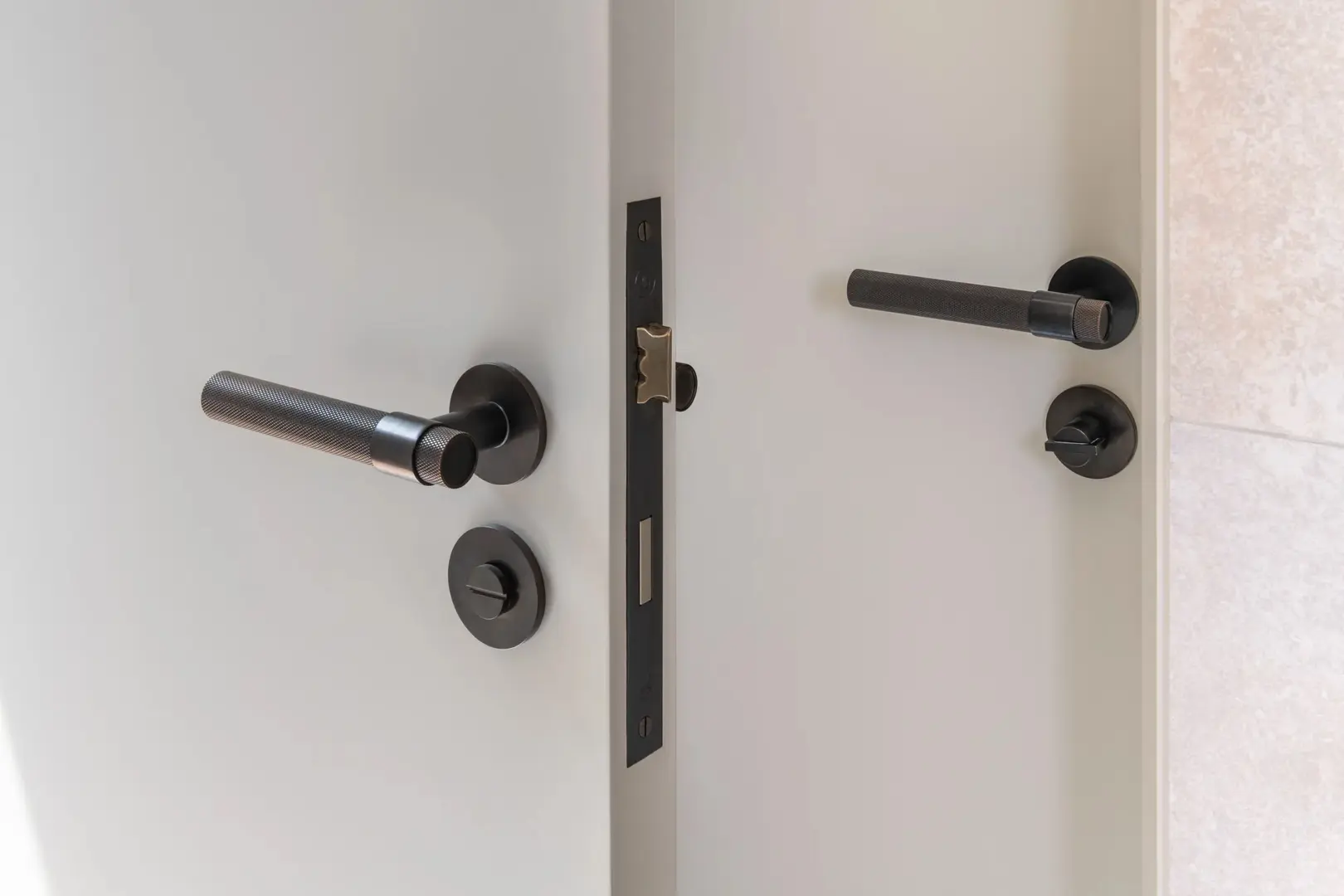
Introduction
Fire doors play a critical role in protecting people and property during a fire. They are designed to slow down or stop the spread of fire, allowing people to escape and giving emergency responders more time to control the situation. However, the effectiveness of a fire door depends not only on the door itself but also on its installation and the quality of the hardware used. Without the proper installation and components, a fire door may fail to provide the protection it’s meant to offer.
In this blog, we’ll explore why proper installation matters and how fire doors differ from regular doors. Let’s dive into what makes fire doors so essential for safety and how to ensure they function correctly when needed.
Why Proper Fire Door Installation Matters?
Proper fire door installation is more than just hanging a door in a frame. It’s about making sure every component works together to prevent fire and smoke from spreading throughout a building. This means ensuring that the door frame, hardware, and seals are all correctly installed, tested, and maintained.
When a fire door is installed improperly, it may not close correctly, or the seals may fail to create a tight barrier. Even small gaps in the door frame can let smoke or flames escape. As a result, a fire that could be contained may spread quickly, putting lives and property at greater risk.
For instance, the door must fit snugly in the frame and should close automatically after being opened. This is why fire-rated hardware, such as hinges, locks, and door closers, is essential. They help maintain the integrity of the fire door, ensuring it works as designed during an emergency. Therefore, cutting corners during installation can undermine a fire door’s effectiveness, making it a safety hazard rather than a protective measure.
What Makes Fire Doors Different from Regular Doors?
At first glance, fire doors may look similar to regular doors, but they are far more than just a way to get from one room to another. Fire doors are specifically designed to resist the spread of fire and smoke for a specified period, usually 30 to 120 minutes, depending on their rating. This ability to withstand fire is what sets them apart from regular doors.
One key difference is the materials used in fire doors. They are usually made with a solid core of fire-resistant materials, such as a mineral core or special fire-resistant timber. Regular doors, on the other hand, are typically hollow and lack the fire-resistant properties necessary to withstand high heat.
Another difference is the hardware. Fire doors must be fitted with specific, fire-rated hardware that can handle extreme temperatures. This includes fire-resistant hinges, latches, and locks designed to remain intact and functional even in the event of a fire. Regular door hardware, not designed to withstand such conditions, would likely fail during a fire, leaving the door useless when it’s needed most.
Lastly, fire doors have tight seals, often made from intumescent strips that expand when exposed to heat. These seals help to block out smoke and flames, providing a barrier between different sections of a building. Regular doors don’t have these features and would allow smoke and heat to pass through, compromising the building’s safety.
Summary
Perhaps the most valuable benefit of all is the peace of mind that comes with knowing your property is better protected. Whether you are a homeowner, landlord, or business owner, fire doors provide assurance that you have taken steps to protect your property and the people inside. You can sleep easy knowing that in the event of a fire, fire doors will do their job to minimize the damage and keep everyone safe.

Understanding Fire Door Frames
When we talk about fire doors, we often focus on the door itself. However, the fire doors frame is just as crucial in ensuring the door functions as intended during a fire. Fire doors frame is not just a simple structure to hold the door; it plays a key role in fire resistance and overall safety.
What is a Fire Door Frame?
Fire doors frame is the framework that surrounds fire doors and supports its structure. It is typically made of materials designed to resist fire and heat, such as steel or fire-resistant timber. The frame keeps the door securely in place during a fire, preventing it from being pushed out of position and allowing flames or smoke to spread.
In essence, the fire door frame serves two primary purposes: it holds the fire doors in place and enhances the door’s fire resistance. Like the door itself, the frame is usually tested and rated for a specific period of fire resistance. This means it can withstand exposure to heat for a particular period, helping prevent fire and smoke from spreading to other parts of a building. The fire rating of a door frame is just as important as that of the door itself, and both components must work together seamlessly to provide maximum protection.
Fire doors frame must also meet strict building codes and safety standards to ensure they perform as required in an emergency. If the frame is not fire-rated or is incorrectly installed, even the best fire door will fail to protect against the spread of fire.
Key Features of Fire Door Frames
Fire doors frame are built to withstand extreme conditions, so they have several features that set them apart from standard door frames. Here are the key features that make fire door frames unique:
1. Fire-Resistant Materials:
Fire doors frame are made from materials that are specifically designed to resist fire and heat. Common materials include steel, known for its strength and resistance to high temperatures, and fire-resistant timber, which is treated to slow the spread of fire. These materials help prevent the frame from weakening during a fire, ensuring that the fire door stays securely in place.
2. Intumescent Seals:
Many fire doors frame include intumescent seals along the edges. These seals expand when heated, filling any gaps between the door and frame. This creates a tight barrier that prevents smoke, heat, and flames from passing through. Without these seals, even a small gap could allow fire to spread into other areas of the building.
3. Durable Hinges and Fixings:
The frame is equipped with special fire-rated hinges and fixings designed to remain intact during a fire. These components ensure the door remains firmly attached to the frame, even in extreme conditions. Regular hinges and fasteners are likely to fail at high temperatures, rendering the door useless.
4. Tight Fit for Security:
The frame is designed to fit tightly with the fire doors, leaving minimal gaps. A snug fit helps ensure the door performs well in a fire emergency by preventing it from warping or shifting out of position. Proper installation of the fire doors frame are essential for ensuring the door’s effectiveness.
5. Fire Resistance Rating:
Like the fire doors itself, the fire doors frame has a fire resistance rating, typically ranging from 30 to 120 minutes. This rating indicates how long the frame can withstand exposure to fire before it fails. The fire door frame’s rating must match the door’s fire rating to ensure both components work together to contain fire and smoke.
Summary
In summary, fire doors frame are a crucial part of fire safety. They are built from materials that withstand high heat and equipped with features such as intumescent seals and fire-rated hardware to ensure they perform as expected during a fire. By understanding the key features of fire doors frame, you can better appreciate their role in protecting lives and property.

The Importance of Special Hardware for Fire Door Frames
When it comes to fire doors, the door and the frame are just part of the equation. The hardware that supports the fire door is equally important. Fire doors require special hardware to ensure they work correctly in the event of a fire. From hinges to locks and closers, each component plays a crucial role in maintaining the door’s integrity and ensuring safety.
Do Fire Door Frames Require Special Hardware?
Yes, fire doors frame absolutely require special hardware. Unlike regular doors, fire doors must meet strict safety standards to perform as intended during a fire emergency. This means the hardware used for fire doors, such as hinges, locks, latches, and door closers, must also be fire-rated. Standard door hardware cannot withstand the extreme conditions of a fire.
Fire-rated hardware is designed to stay functional and intact even when exposed to high temperatures. For example, fire-rated hinges and locks are made from materials that won’t warp or fail during a fire. Additionally, special fire doors closer are used to ensure that the door closes tightly after being opened. If the door doesn’t close properly, smoke and flames can escape, compromising the entire fire safety system.
Each piece of hardware used in fire doors frame must be carefully selected to meet the specific fire rating of the door and the frame. Whether it’s for a 30-minute or 120-minute fire-rated door, the hardware must match the door’s fire resistance capacity. Without the right hardware, the fire door may fail to perform as expected.
Why Standard Hardware Won’t Cut It for Fire Doors?
Standard hardware just isn’t built to handle the conditions that fire doors face. Fire doors are specifically designed to contain fire and smoke for a specified period, but to do so, every component—including the hardware—must be fire-rated. Here’s why standard hardware doesn’t work for fire doors:
1. Heat Resistance:
Regular hardware isn’t designed to handle the intense heat generated by a fire. For example, standard door hinges may melt or warp under high temperatures, preventing the fire door from closing or staying in place. Fire-rated hinges are made of materials that can withstand heat and maintain the integrity of the door.
2. Smoke Sealing:
Fire doors are equipped with intumescent seals that expand when exposed to heat, creating a barrier against smoke and flames. Standard hardware, such as regular locks and latches, may not allow these seals to function correctly. Fire-rated locks are designed to allow the seals to expand and maintain a tight fit, preventing smoke and heat from escaping through gaps.
3. Durability and Strength:
Fire doors are under constant pressure during a fire. Regular hardware may not withstand the weight or stress placed on it. Fire-rated hardware is designed to be stronger and more durable, ensuring the door remains functional throughout the fire.
Summary
Without the right hardware, fire doors may not close fully or may fail to stay in place, allowing fire and smoke to spread rapidly. For these reasons, it’s critical to use specialized, fire-rated hardware for fire door frames.
What Happens If You Use the Wrong Hardware?
Using the wrong hardware in a fire doors frame can have serious consequences. If the hardware isn’t fire-rated, it could fail during a fire, rendering the fire doors ineffective when it’s needed most. Here are a few scenarios that can happen if the wrong hardware is used:
1. The Door Won’t Close Properly:
If the door closer or hinges aren’t fire-rated, the fire doors might not close properly. This can leave gaps between the door and the frame, allowing smoke, heat, and flames to pass through. In a fire emergency, these gaps can quickly lead to disaster by spreading the fire to other parts of the building.
2. The Door Falls Off the Frame:
If non-fire-rated hinges are used, they could fail under the heat of the fire. This could cause the door to fall off the frame, leaving a wide opening for fire and smoke to spread. This is especially dangerous in areas like stairwells and hallways, where fire doors help prevent the spread of fire to other floors.
3. The Lock or Latch Fails:
Regular locks and latches may not withstand the heat of a fire. If the lock fails, the door might not remain closed, which is crucial in containing fire and smoke. A fire-rated lock, on the other hand, is built to endure high temperatures and keep the door securely shut.
4. Reduced Fire Protection:
The primary function of fire doors are to stop the spread of fire and smoke. If the wrong hardware is used, the fire doors won’t be able to fulfill this function. This could lead to rapid flame spread, putting lives at risk and causing additional property damage.
Summary
In short, using the wrong hardware in fire doors frame undermines the door’s effectiveness, increasing the risk of fire spread and compromising safety. It’s always essential to use fire-rated hardware that matches the fire rating of the door and the frame to ensure the door functions properly during an emergency.
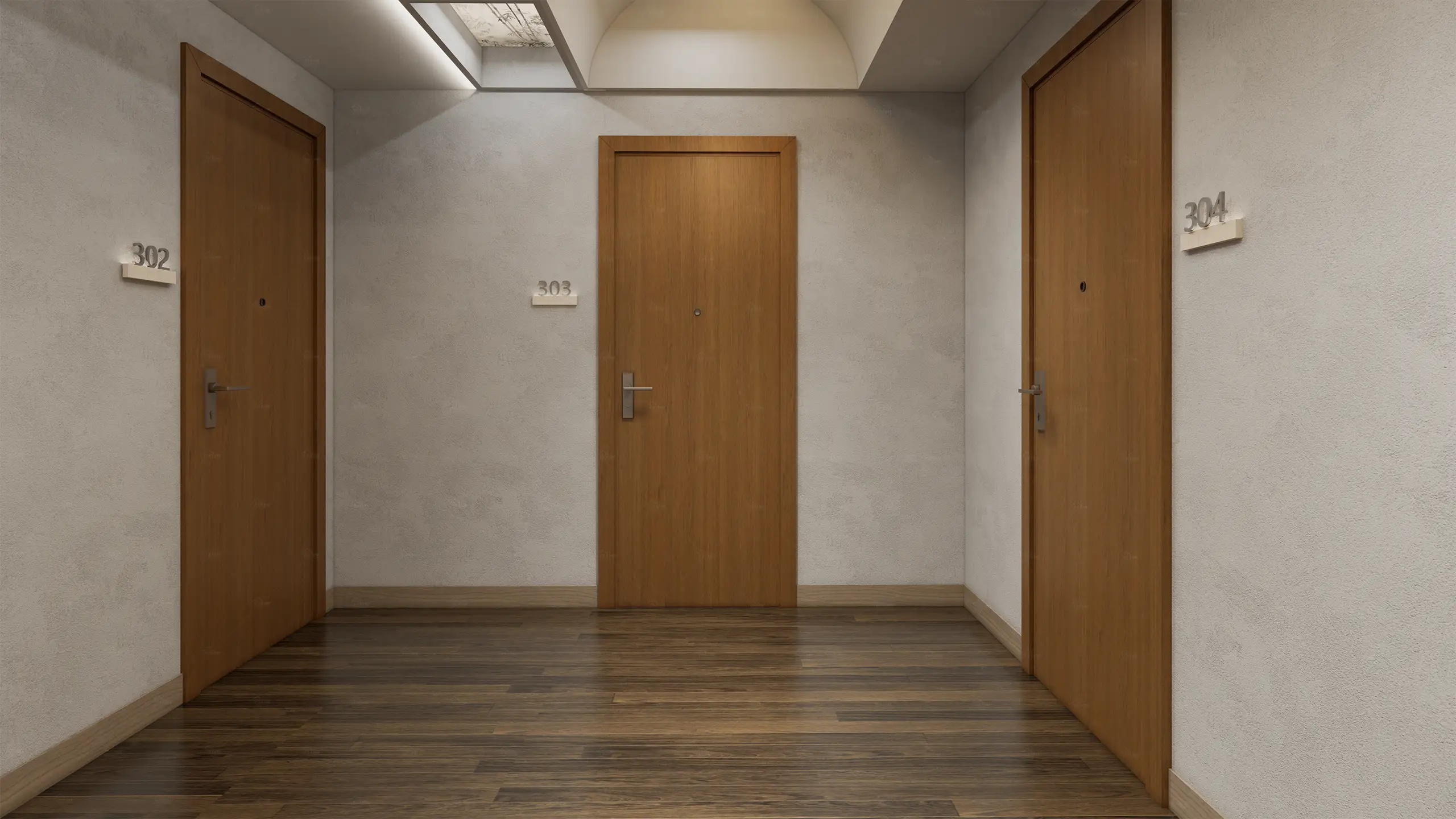
Types of Special Hardware Needed for Fire Door
When it comes to fire doors, having the right hardware is crucial. Each component of a fire doors are designed to ensure it functions properly in an emergency. Fire-rated hardware is built to withstand heat, prevent the spread of fire, and maintain the door’s integrity.
Fire-Rated Hinges
Fireproof hinges are an essential part of a fire door’s hardware. Regular hinges aren’t strong enough to hold fire doors in place during high temperatures. Fire-rated hinges are made from materials designed to withstand extreme heat without warping, melting, or failing. They are typically made from steel or other heat-resistant metals that can handle the stress of fire.
The primary job of fire-rated hinges is to ensure that the fire doors remain securely attached to its frame, even under the high temperatures of a fire. If the hinges fail, the door could fall off, leaving a gap for smoke and flames to spread through. This could severely undermine the fire door’s effectiveness.
Fire-rated hinges come in different sizes and ratings, so it’s important to choose the right hinge for the specific fire doors you’re installing. The hinge rating should match the door’s fire resistance rating to ensure both parts work together to protect the building.
Fire-Rated Locks and Latches
Fire-rated locks and latches are designed to remain functional in a fire. These are crucial for keeping the door securely closed during a fire, as they prevent the door from being opened easily by force, smoke, or heat. Regular locks and latches cannot withstand the extreme conditions of a fire and may fail, causing the door to open or not close properly.
Fire-rated locks are made from heat-resistant materials and designed to remain intact in high temperatures. They work with fire doors closer to keep the door sealed, preventing the passage of smoke or flames. Fire-rated latches also play an important role in maintaining a tight seal, ensuring that the door fits securely in the frame.
In addition to preventing the door from opening during a fire, fire-rated locks also ensure that people can easily exit a building in an emergency. Many fire doors are equipped with panic hardware or emergency exit devices that allow people to open the door from the inside quickly. These devices are also designed to meet fire safety standards and remain functional during a fire.
Fire-Rated Door Closers
A fire-rated door closer ensures that the fire doors automatically closes after being opened. This is crucial because fire doors needs to be securely locked at all times to prevent the spread of smoke and flames. If the door stays open, even slightly, it could allow fire to spread rapidly through the building, putting lives at risk.
Fire-rated door closers are built to operate in high temperatures. Unlike regular door closers, they are designed to resist heat and remain functional during a fire. These closers ensure that the door closes smoothly and securely, even if the building is exposed to extreme heat.
There are two types of fire-rated door closers: surface-mounted and concealed. Surface-mounted closers are visible and are often installed on the door frame, while concealed closers are hidden within the door itself. Both types are designed to meet fire safety standards and provide the necessary performance during a fire.
Intumescent Seals: Why They Matter?
Intumescent seals are a critical component of fire doors. These seals are made from a material that expands when heated, forming a barrier that prevents the passage of smoke, flames, and hot gases. They are typically installed around the edges of the fire door and are activated during a fire.
When a fire breaks out, the heat causes the intumescent material to expand, filling any gaps between the door and the frame. This helps create a tight seal, preventing smoke and flames from escaping into other areas of the building. The seals are designed to work with the door and frame to maintain the door’s fire resistance rating, ensuring it can effectively contain the fire for the required time.
Intumescent seals are often used in combination with other fire doors component, such as fire-rated hinges and locks. Together, these elements create a fire-resistant barrier that helps protect the building and its occupants.
In addition to their fire-resisting properties, intumescent seals provide an extra layer of sound insulation and improve the building’s overall energy efficiency. They are available in different sizes and designs, so it’s important to choose the right seals for your fire door’s specific needs.
Summary
In conclusion, the special hardware needed for fire doors is not just about keeping the door functional; it’s about ensuring the door can withstand a fire and prevent the spread of flames and smoke. Fire-rated hinges, locks, latches, door closers, and intumescent seals all work together to ensure the fire doors performs as it should during an emergency. By using the right fire-rated hardware, you can help protect lives and property in the event of a fire.
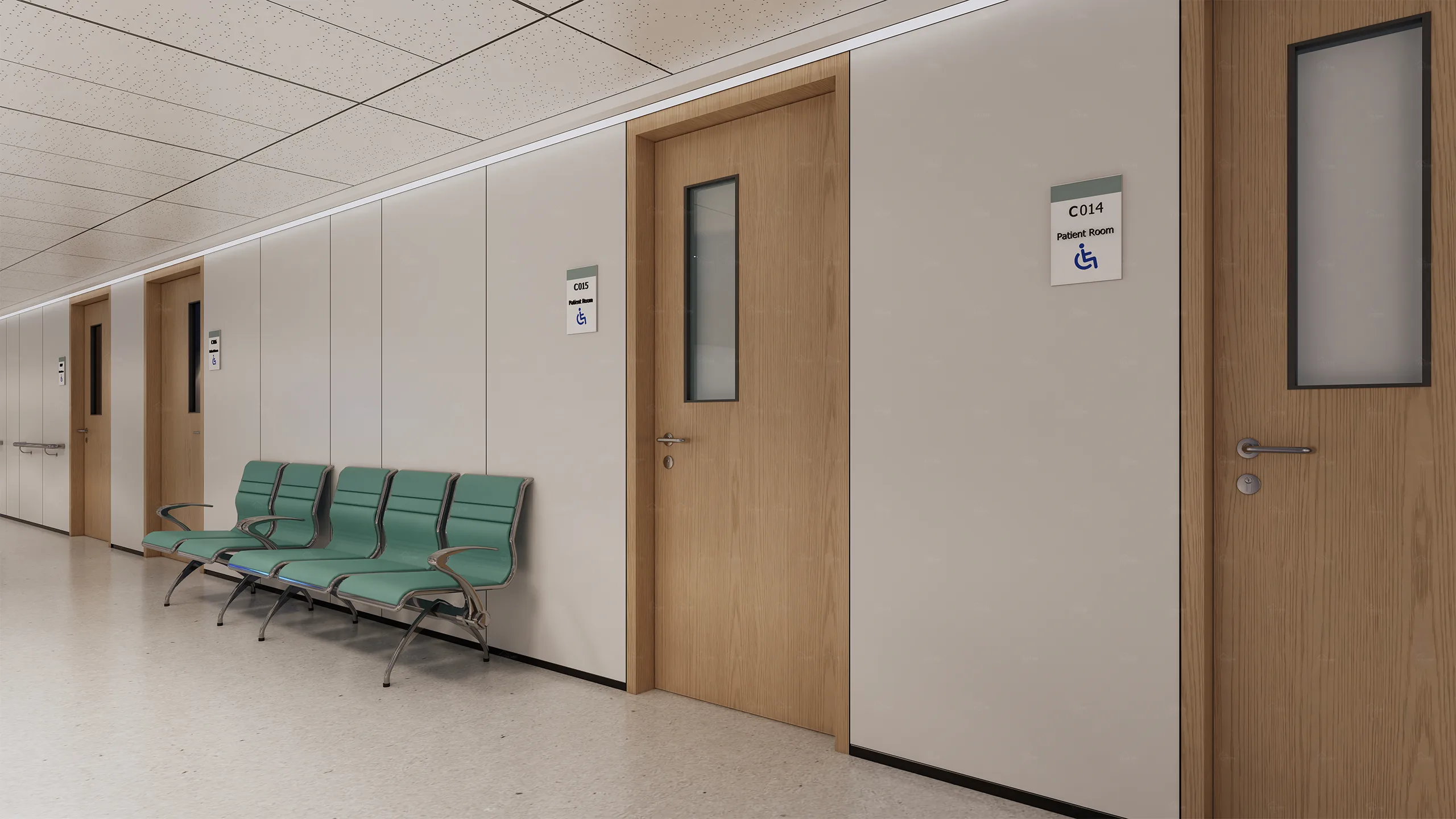
Fire Door Frame Installation Requirements
Proper installation of fire doors frame are crucial to ensure the fire door functions as intended during an emergency. Fire doors are specially designed to prevent the spread of fire and smoke, and they rely on precise installation to meet safety standards. Incorrect installation can compromise the door’s effectiveness, putting people and property at risk.
How to Install Special Hardware for Fire Doors?
Installing special hardware for fire doors is a step-by-step process that requires attention to detail and adherence to fire safety standards. Here’s a basic guide to help you install the necessary hardware:
1. Choose the Right Fire-Rated Hardware:
First, ensure that all hardware used is fire-rated and matches the fire door’s rating. This includes fire-rated hinges, locks, latches, and door closers. Each component should have the same fire resistance rating as the door to maintain its overall integrity.
2. Install Fire-Rated Hinges:
Fire-rated hinges are critical for keeping the door securely in place during a fire. To install them, align the hinges on the door frame, making sure they are level and correctly positioned. Mark the locations for screws, then drill pilot holes. Attach the hinges using heat-resistant screws, ensuring they are firmly secured.
3. Fit Fire-Rated Locks and Latches:
Fire-rated locks and latches are essential for preventing the door from being easily opened. Begin by marking the locations for the lock and latch on the door and frame. Install the lock mechanism into the door, making sure it fits snugly. Similarly, fit the latch on the door frame. Test the lock and latch to ensure they function correctly and close securely.
4. Install Fire Door Closer:
Fire doors closer help ensure the door shuts automatically after being opened. Install the closer according to the manufacturer’s instructions, ensuring it is aligned with the door and frame. Test the closer to ensure it operates smoothly and that the door closes tightly.
5. Apply Intumescent Seals:
Intumescent seals expand when heated, filling gaps between the door and the frame. Install these seals around the edges of the door frame, ensuring there are no gaps. Make sure they are securely in place, as they will activate during a fire to prevent smoke and flames from passing through.
Key Considerations for Ensuring Proper Functionality
Proper functionality of fire doors depend on both the door and frame being installed correctly with the right hardware. Here are some key considerations to keep in mind when installing a fire door frame:
1. Ensure Proper Door Alignment:
The fire doors must be aligned correctly with the frame. If the door is not level or properly fitted, it may not close properly, creating gaps through which smoke or flames can escape. The door should fit snugly within the frame, allowing it to close automatically without obstruction.
2. Check the Door’s Seal:
The intumescent seals around the door are vital for blocking smoke and fire. Ensure the seals are correctly installed and intact. They should cover the entire perimeter of the door and its frame, with no gaps. If the seals are damaged or poorly installed, the door’s fire resistance can be compromised.
3. Test All Hardware Components:
Before finalizing the installation, test all fire doors hardware, including the hinges, locks, latches, and closers. The hardware should work smoothly, and the door should open and close with ease. Check the lock to ensure it secures the door firmly, and test the door closer to confirm it shuts automatically without issues.
4. Verify Fire Rating Compliance:
Ensure that both the door and the frame meet the required fire resistance rating. This includes the fire doors frame, hardware, and any additional fire-resistant materials used during installation. If the components do not match in terms of fire rating, the door may not perform as expected in a fire.
5. Avoid Obstructions:
Ensure the fire doors have a clear path for operation. Avoid blocking or cluttering the area around the door with furniture or other objects. Fire doors need to function freely during an emergency, so keeping the area clear is essential for proper operation.
Common Mistakes to Avoid in Fire Door Frame Installation
Even small mistakes during fire doors frame installation can undermine the door’s ability to prevent the spread of fire. Here are some common mistakes to watch out for and avoid:
1. Using Non-Fire-Rated Hardware:
One of the most critical mistakes is using regular, non-fire-rated hardware. Fire doors require special hardware designed to withstand high temperatures. Using regular hinges, locks, or closers can cause the door to fail during a fire. Always use fire-rated hardware that matches the fire resistance rating of the door and frame.
2. Improper Installation of Fire Door Seals:
Intumescent seals play a crucial role in blocking smoke and flames. Failing to install these seals correctly or leaving gaps around the door can compromise the fire door’s effectiveness. Make sure the seals are installed evenly and cover the entire perimeter of the door.
3. Installing the Door Too High or Too Low:
If the door is installed too high or too low in the frame, it may not close properly. This can create gaps that allow smoke and fire to pass through. Ensure the door is positioned correctly within the frame, allowing it to close smoothly and securely.
4. Not Testing the Door’s Functionality:
After installation, it’s essential to test the door’s hardware and functionality. If you don’t check that the door closes automatically or that the lock and latch function properly, the door may not work as intended in an emergency. Always test the hardware and make any necessary adjustments before completing the installation.
5. Ignoring Building Code Requirements:
Every building has specific fire door installation requirements based on local building codes and fire safety regulations. Failing to adhere to these requirements can result in non-compliance and compromise the building’s safety. Make sure to check local codes before beginning installation and that the fire door meets all required standards.
Summary
In summary, proper fire door frame installation requires attention to detail and the right tools. From choosing the right fire-rated hardware to ensuring the door functions properly, every step is critical. By following the correct procedures and avoiding common mistakes, you can ensure that your fire door performs as intended and keeps everyone safe during a fire emergency.
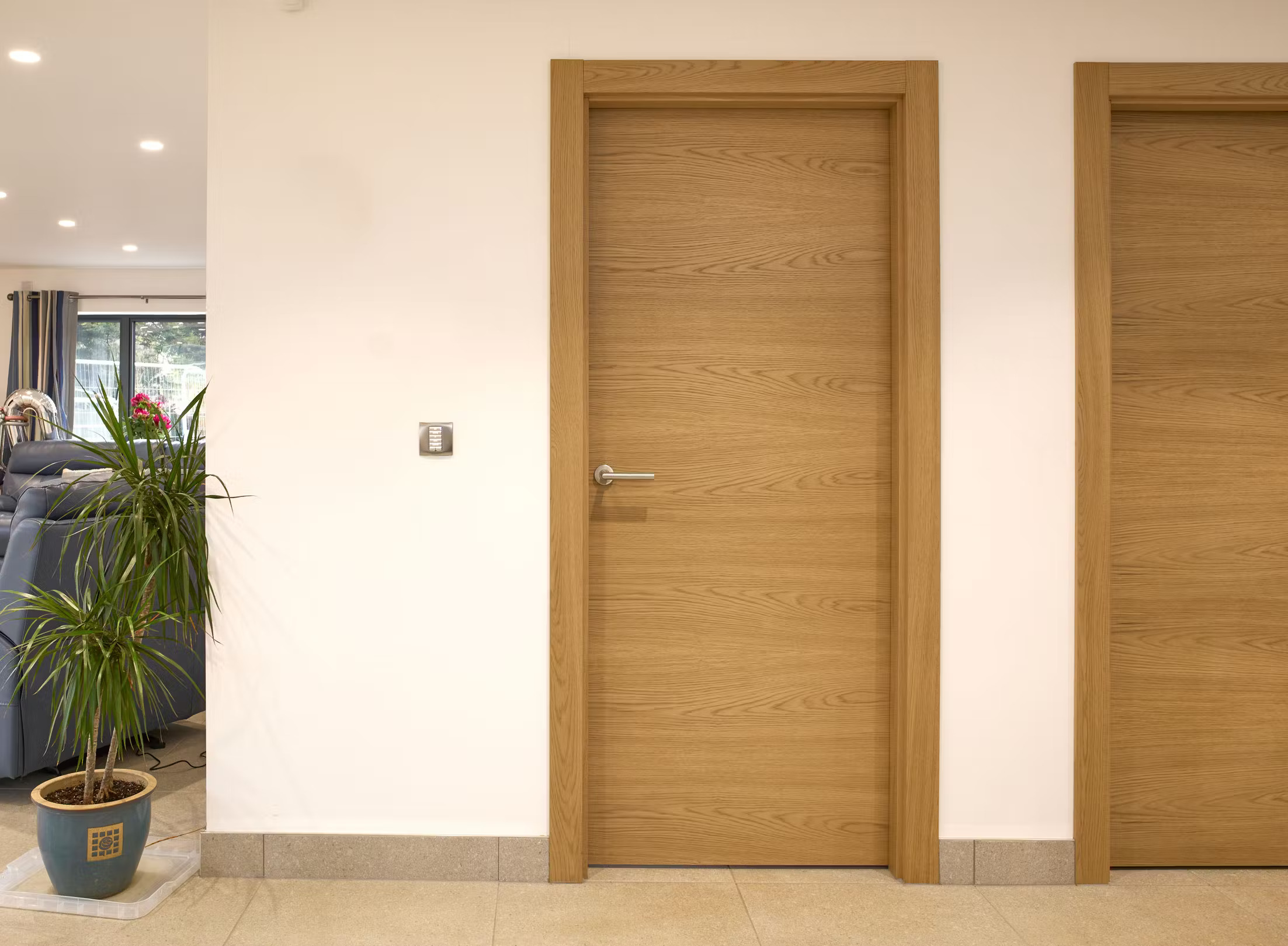
Fire Door Frame Installation Requirements
Installing a fire door frame correctly is crucial to ensuring a building’s safety. If not installed properly, the fire door may not perform as expected during an emergency, posing a danger. Proper installation helps the door function as a barrier against fire and smoke, providing critical time for evacuation and minimizing damage.
How to Install Special Hardware for Fire Doors?
When installing a fire door, ensure all components, especially the hardware, are correctly fitted and fire-rated. Here’s a simple step-by-step guide for installing special hardware for fire doors:
1. Choose Fire-Rated Hardware:
The first step is to select the correct fire-rated hardware. This includes fire-rated hinges, locks, latches, door closers, and intumescent seals. All of these components must be tested and certified to withstand fire for a specified period—30, 60, or 120 minutes—based on the door’s fire rating.
2. Install Fire-Rated Hinges:
Fire-rated hinges are critical for supporting the fire door. They should be placed about 8 inches from the top and bottom of the door, with the center hinge placed in the middle. Mark the positions, drill pilot holes, and securely attach the hinges. Ensure they are made of materials that can withstand heat and stress during a fire.
3. Fit Fire-Rated Locks and Latches:
Fire-rated locks and latches are necessary to keep the fire door closed tightly. Mark the areas where the lock and latch will be installed. Drill precise holes for the hardware, then insert the lock and latch into place. Double-check that the lock functions smoothly and ensures the door stays securely shut.
4. Install a Fire Door Closer:
A fire door closer automatically closes the door after opening, helping prevent the spread of fire. Mount the door closer at the top edge of the door and ensure it’s installed at the correct angle. It should not only close the door but also do so securely, with enough force to ensure a tight seal.
5. Apply Intumescent Seals:
Intumescent seals expand when exposed to heat, sealing the gaps between the door and frame. Apply these seals around the entire perimeter of the door frame. This is a vital step, as the seals provide additional protection by preventing smoke and flames from entering or escaping.
Key Considerations for Ensuring Proper Functionality
Ensuring a fire door functions properly involves more than just installing the hardware. It’s about ensuring every component works together and that the door performs effectively in the event of a fire. Here are some key things to consider:
1. Door Alignment:
The fire door must be aligned properly with the frame to close fully without resistance. Even a small misalignment can prevent the door from closing tightly, allowing smoke and heat to pass through. Make sure the door fits evenly within the frame and can close smoothly.
2. Seals and Gaps:
Intumescent seals are among the most important components of fire doors. Make sure these seals are correctly placed around the door and frame, with no gaps left exposed. The seals expand when heated, so a proper seal is essential to ensure the door blocks smoke and flames.
3. Smooth Hardware Operation:
All hardware must operate smoothly, including fire-rated hinges, locks, latches, and door closers. Check each part to ensure it opens and closes without obstruction. The lock should secure the door tightly, and the door closer should ensure the door shuts automatically with no resistance.
4. Fire Rating Compliance:
Every component of the fire door, from the door frame to the hardware, should be rated to the same fire resistance level. If the door frame is rated for 60 minutes but the hinges are rated for only 30 minutes, the door may fail during a fire. Ensure that all components meet the required fire ratings and work in tandem.
5. Clear Path for Operation:
The area around the fire door must remain clear of obstructions. A cluttered or blocked door can prevent it from closing properly, which compromises its function. Make sure there is enough space around the door for it to open and close freely.
Common Mistakes to Avoid in Fire Door Frame Installation
Even with the best of intentions, it’s easy to make mistakes when installing a fire door frame. These mistakes can compromise the door’s effectiveness, putting people and property at risk. Here are some of the most common errors to avoid:
1. Using Non-Fire-Rated Hardware:
One of the biggest mistakes is using standard door hardware rather than fire-rated components. Fire doors need special hardware to withstand high temperatures. If you use standard hinges, locks, or closers, they may fail during a fire, rendering the door useless. Always use fire-rated hardware that meets fire safety standards.
2. Not Properly Installing the Seals:
Intumescent seals are crucial for ensuring the fire door stays airtight during a fire. One of the most common mistakes is improperly installing the seals or leaving gaps in the door frame. These seals must cover the entire perimeter of the door frame, with no gaps, to block smoke and flames from escaping. Even a small gap can allow the fire to spread.
3. Misaligning the Door:
If the fire door is misaligned, it won’t close properly, leaving room for smoke and heat to pass through. Be sure the door is properly aligned in the frame, and test it to ensure it closes fully and without obstruction. Any misalignment could lead to a failure in the door’s ability to stop a fire.
4. Ignoring Building Codes and Regulations:
Fire door installation is governed by strict building codes and regulations. Failing to comply with these requirements can result in a non-compliant installation, which could have serious consequences during a fire emergency. Always check local building codes and follow the manufacturer’s guidelines to ensure your fire door meets all necessary standards.
5. Overlooking Door Closer Functionality:
The fire door closer is essential for ensuring the door shuts automatically. A common mistake is not checking the closer’s functionality after installation. If the closer doesn’t work correctly, the door might stay ajar, allowing smoke and flames to spread. Always test the door closer to ensure it works as intended.
Summary
In conclusion, proper fire door frame installation requires careful attention to detail. From choosing the right fire-rated hardware to ensuring smooth operation and testing the door’s functionality, every step is critical. By following the proper procedures and avoiding common mistakes, you can ensure your fire door frame provides maximum protection in the event of a fire.

Maintaining Fire Doors Frames, and Hardware
Fire doors are only effective if it’s in proper working condition. Just installing fire doors and their hardware isn’t enough; it’s equally important to maintain them regularly to ensure they function as expected when needed most.
Why Regular Maintenance is Crucial for Fire Doors?
Regular maintenance of fire doors is essential for ensuring they continue to provide maximum protection. Over time, wear and tear can affect the functionality of both the door and its hardware, potentially compromising safety during a fire. Here’s why regular maintenance is so important:
1. Ensures Fire Resistance:
Fire doors are designed to withstand the spread of flames and smoke for a specific period. However, if the door is damaged, misaligned, or the seals are worn out, it may not perform as expected during an emergency. Regular inspections help identify any issues before they become serious problems, ensuring that the door maintains its fire resistance rating.
2. Prevents Malfunctions:
Fire doors rely on various hardware components—such as hinges, locks, and door closers—to function correctly. If these components wear out or become damaged, the door may not close fully, allowing smoke or flames to pass through. Regular maintenance helps identify and fix these issues, preventing malfunctions when it matters most.
3. Complies with Safety Regulations:
Many buildings are required by law to have fire doors that meet specific safety standards. Regular maintenance helps ensure that your fire doors stay compliant with local building codes and fire safety regulations. Failing to maintain your fire doors can lead to fines or penalties and, more importantly, put the safety of the building’s occupants at risk.
4. Increases Longevity:
Proper maintenance can extend the life of your fire doors and hardware. By addressing small issues early, you can prevent costly repairs or replacements later. Regular care also ensures that the door’s performance remains optimal, increasing its durability over time.
How to Inspect Fire Doors Hardware?
Inspecting fire doors hardware is an important part of fire doors maintenance. Regular checks can catch problems early, ensuring your fire doors remain fully functional in the event of a fire. Here’s how to inspect the key hardware components:
1. Check the Door Closer:
The fire door closer ensures the door automatically closes after being opened. To inspect it, open and close the door a few times and check if it shuts completely. The closer should function smoothly, without excessive force or resistance. If it doesn’t close the door fully or takes too long to close, it may need adjustment or replacement.
2. Inspect the Hinges:
Fire-rated hinges must remain securely attached and functional. Look for any signs of rust, wear, or damage. Open and close the door to check that the hinges allow smooth movement. If the hinges are squeaky, rusty, or if there’s visible damage, it’s time to replace them.
3. Test Locks and Latches:
Verify that fire-rated locks and latches function correctly. The lock should engage smoothly and remain securely in place when the door is closed. The latch should also keep the door tightly shut. If the lock or latch doesn’t function correctly or if it’s difficult to open or close, it may need repair or replacement.
4. Check the Intumescent Seals:
Inspect the intumescent seals around the door frame. These seals expand when heated, blocking smoke and fire from passing through. Make sure there are no cracks or gaps in the seals. Also, check that the seals are intact and correctly positioned. If they’re damaged, they should be replaced immediately.
5. Look for Gaps and Misalignment:
Check for any gaps around the door or frame that may allow smoke or flames to escape. The door should fit snugly into the frame, and the seals should make contact with the door. Misalignment can prevent the door from closing properly, so it’s important to ensure the door is correctly positioned within the frame.
6. Examine the Door Surface:
Finally, check the fire doors themselves for any cracks, warping, or damage. The door should be in good condition, free of dents or other signs of wear. If the door is damaged, it may not perform well in a fire, and you should consider repairing or replacing it.
When to Replace Fire Doors Frame Hardware?
While regular inspections can help extend the life of your fire doors hardware, there comes a time when replacement is necessary. Here are some signs that it’s time to replace your fire doors frame hardware:
1. Visible Damage:
If you notice any cracks, rust, or significant wear on the hinges, locks, or door closer, it’s a clear sign that the hardware needs to be replaced. Damaged hardware can cause the fire doors to malfunction, leaving gaps that allow smoke and flames to spread.
2. Failure to Close Properly:
If the fire doors don’t close completely or don’t latch properly, the hardware may be worn out. A fire doors that doesn’t close fully is no longer effective at containing fire or smoke. If the door closer or latch isn’t working, it’s time for a replacement.
3. Hard-to-Operate Hardware:
If any part of the hardware is difficult to operate—whether it’s the lock, latch, or door closer—it’s a sign that the mechanism is no longer functioning correctly. Hardware that’s difficult to use could fail during a fire, so it should be replaced promptly.
4. Failure to Meet Fire Rating:
Over time, the fire resistance of the hardware can degrade. If the hardware no longer meets the required fire rating, it should be replaced with components that are tested to the appropriate standards. This is especially important if building codes or regulations have changed.
5. Signs of Rust or Corrosion:
Fire-rated hardware that shows signs of rust or corrosion should be replaced. Rust weakens the hardware, making it less effective in a fire emergency. If corrosion is visible on any part of the fire doors hardware, it’s time to replace those parts to ensure proper performance.
6. Routine Replacement:
Even if the hardware looks fine, fire doors components should be replaced periodically to maintain the door’s fire resistance. Most fire doors are designed to last for a specific number of years, after which the hardware should be inspected and replaced to ensure continued protection.
Summary
In conclusion, maintaining fire doors and their hardware is essential for ensuring that they perform effectively in an emergency. Regular inspections help identify potential issues before they become critical, and replacing worn-out or damaged components ensures that the fire doors remain compliant with safety standards. Keeping your fire doors and hardware in top condition not only protects the building but also ensures everyone’s safety.

Conclusion
Choosing the Right Hardware for Your Fire Door Frame
Choosing the proper hardware for your fire doors is one of the most important decisions you can make during installation. Not all hardware is designed to withstand the intense heat and stress that a fire can cause. When selecting hardware, you must ensure it is fire-rated and matches the fire resistance rating of your door.
The most common fire-rated hardware includes fire-rated hinges, locks, latches, door closers, and intumescent seals. These components are designed to remain functional even at extreme temperatures, ensuring the door can perform its life-saving function during a fire. For example, fire-rated hinges are crucial for keeping the door securely attached to its frame, while fire-rated locks prevent the door from being easily opened under heat.
Make sure the hardware you choose meets both the necessary fire rating and any local building code requirements. It’s also essential to verify that each component fits properly within the door frame and operates smoothly. If you’re unsure which hardware to choose, consulting a fire door professional can help ensure you make the right decision.
Ensuring Safety with Proper Fire Doors
Proper installation, maintenance, and inspection of your fire doors are key to ensuring they provide the protection they were designed for. Fire doors are the first line of defence against the spread of fire and smoke, and they can save lives when used correctly.
By ensuring your fire doors are fitted with the proper hardware and close securely every time, you can prevent the spread of flames and buy critical time for evacuation. Regular maintenance, such as checking for gaps, testing hardware, and inspecting seals, helps keep your doors functioning properly.
It’s also important to remember that fire doors are part of a larger fire safety plan. Make sure your building has a complete fire safety strategy, including working smoke detectors, emergency exits, and a well-practiced evacuation plan. A fire door is only one part of keeping people safe during a fire.
Relate FAQ
What hardware is required for a fire door frame?
The hardware required for a fire door frame includes:
- Fire-rated Hinges: These hinges are designed to remain operational at high temperatures and are essential for the safe functioning of the door.
- Fire-rated Locks and Latches: Locks and latches on fire doors need to be specifically designed to prevent the door from being easily breached during a fire. They must maintain their strength and integrity under heat.
- Door Closers: These devices automatically close the door after it is opened, ensuring the fire door stays shut in the event of a fire.
- Fire Seals: These are placed around the edges of the door to prevent smoke and heat from passing through the gaps.
Can I use standard door hardware on a fire door?
No, you cannot use standard door hardware on a fire door. Fire doors must meet strict fire safety regulations, which means all components, including hardware, must be fire-rated. Standard hardware may not withstand the intense heat during a fire, compromising the door's effectiveness in preventing the spread of fire and smoke.
Are fire door frames made of special materials?
Yes, fire door frames are typically made of materials designed to withstand heat and fire. Common materials include steel or timber that is treated with fire-resistant materials. The frames are built to support the weight and function of the fire-rated door, while also preventing the spread of flames and smoke.
How long can fire door frames withstand fire?
The duration a fire door frame can withstand fire depends on its rating. Fire doors are typically rated for 30, 60, 90, or 120 minutes of fire resistance. The frame, along with the door, must meet the same fire resistance rating to provide adequate protection during a fire emergency. Always ensure that both the door and the frame are rated for the same duration.
Can fire door frames be installed in any building?
Fire door frames can be installed in most buildings, but the specific requirements may vary depending on the building’s fire safety regulations and the local code. For example, in commercial or public buildings, fire doors and frames must comply with regulations like NFPA (National Fire Protection Association) or UL (Underwriters Laboratories) standards. Residential buildings may have different requirements for fire-rated doors, depending on their location and risk factors.
How can I ensure my fire door frame meets regulations?
To ensure that your fire door frame meets regulations, it is essential to:
- Choose fire-rated hardware that is compliant with local building codes and fire safety regulations.
- Hire certified installers who understand fire door frame installation and can ensure everything is properly fitted.
- Regularly maintain and inspect fire doors and frames to ensure they remain in compliance and functional.
What is the difference between a fire door frame and a regular door frame?
A fire door frame is specifically designed to withstand high temperatures and prevent the spread of fire, whereas a regular door frame is typically not fire-resistant. Fire door frames are made of stronger materials, such as steel or specially treated timber. They are built to accommodate fire-rated doors, with specific hardware and sealing mechanisms to maintain their integrity during a fire.