What does EI90 fire rated door mean?
What Is an EI90 Fire Rated Door?
An EI90 Fire Door is a type of 90-minute fire rated door that helps stop fire and heat from spreading between different parts of a building. It is designed to protect escape routes, reduce property damage, and give people more time to leave safely. You will often find an EI90 fire door in commercial buildings, apartments, hospitals, schools, factories, and other places where strong fire protection is required.
The Simple Meaning of EI90 Fire Rating
An EI90 Fire Door is built to resist fire for up to 90 minutes under certified fire testing. The rating is more than just a number. It tells you how long the fire rated door can continue to protect both people and property during a fire.
Think of an EI90 fire rating as a safety timer. During those 90 minutes, the fire door helps keep flames, smoke, and dangerous heat from moving into nearby rooms. This extra time can make a huge difference during an emergency.
Many people confuse an EI90 Fire Door with a standard door. However, a normal door may fail within minutes when exposed to fire. An EI90 fire rated door is built with tested materials and follows strict international fire safety standards.
Because of this, architects, builders, and property owners often choose an EI90 Fire Door for buildings that need a higher level of fire resistance. It provides reliable protection while meeting modern building code requirements.
What Do the Letters “E” and “I” Mean in Fire Door Ratings?
The letters in EI90 each have an important meaning. E stands for Integrity, while I stands for Insulation. Together, they describe how well a Fire Door performs during a fire.
Integrity (E) means the fire rated door can stop flames and hot gases from passing through. Even when one side faces intense fire, the door stays sealed and helps prevent the fire from spreading to the next room.
Insulation (I) measures how well the Fire Door limits heat transfer. The side away from the fire stays much cooler, reducing the risk of burns and lowering the chance that nearby materials will catch fire.
Both ratings work together. A door that blocks flames but allows too much heat through cannot provide full protection. That is why an EI90 Fire Door is designed to deliver both flame resistance and heat insulation for up to 90 minutes.
Why Is EI90 Called a 90-Minute Fire Rated Door?
The number 90 refers to the amount of time the EI90 Fire Door can maintain both its integrity and insulation during a certified fire resistance test. It does not mean the fire ends after 90 minutes. Instead, it shows how long the fire rated door continues to perform as designed.
During testing, the Fire Door faces extreme temperatures inside a controlled furnace. Engineers carefully monitor the door to make sure flames do not pass through and that the unexposed side remains within safe temperature limits.
Only doors that complete the full test can receive the EI90 classification. This strict process helps building owners choose certified fire doors with confidence and ensures consistent safety performance.
In real buildings, this 90-minute rating provides valuable time for evacuation, firefighting, and emergency response. For many projects, an EI90 Fire Door offers an excellent balance between safety, compliance, and practical building design.
How EI90 Fire Doors Help Protect People and Buildings?
An EI90 Fire Door plays a key role in a building’s passive fire protection system. Instead of fighting the fire directly, it slows the spread of flames and heat, helping to keep different fire compartments separated.
This protection gives people more time to escape through safe exit routes. At the same time, firefighters gain better access to the affected area, making rescue operations safer and more effective.
An EI90 fire rated door also helps reduce damage to nearby rooms, equipment, and valuable assets. By limiting the spread of fire, it can lower repair costs and reduce business downtime after an incident.
Most importantly, an EI90 Fire Door supports compliance with local building regulations and international fire safety standards. When correctly installed and maintained, it becomes a reliable part of a complete fire protection strategy for commercial, industrial, and residential buildings.

How Does an EI90 Fire Rated Door Work During a Fire?
An EI90 Fire-Rated Door is designed to protect people and buildings by slowing the spread of fire, heat, and smoke for up to 90 minutes. It uses special fire resistant materials and smart door design to keep flames away from safe areas. During a fire, this fire rated door helps create more time for evacuation and emergency response.
The Role of Fire Resistant Materials in EI90 Doors
The main reason an EI90 Fire Rated Door can resist fire is its use of high-performance fire resistant materials. The door core often contains materials such as mineral wool, gypsum, or other fire protection layers that can handle extreme heat. These materials help the fire rated door keep its structure strong during a fire.
Unlike a normal door, an EI90 fire resistant door does not burn easily or lose its shape quickly when exposed to flames. The internal layers work together to reduce heat transfer from one side of the door to the other. This helps protect nearby rooms, corridors, and escape routes.
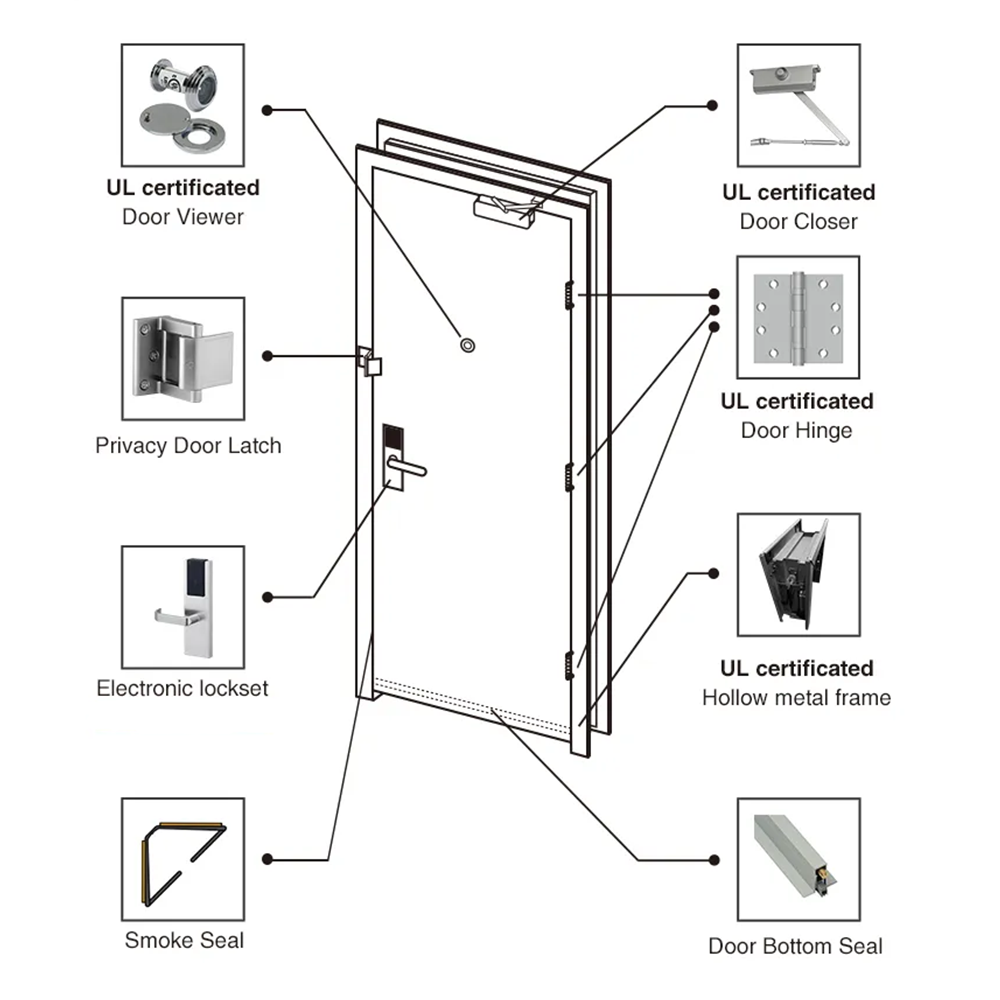
The frame, hinges, locks, and other hardware of an EI90 fire door are also made or selected to meet fire safety standards. Every part must work together because even a small weak point can affect the overall fire protection performance.
How EI90 Doors Stop Fire From Spreading?
An EI90 Fire Rated Door works as a strong barrier between fire zones inside a building. When a fire starts, the closed fire door blocks flames and hot gases from moving through door openings. This helps slow the spread of fire and keeps damage under control.
The “EI90” rating means the fire rated door can protect for 90 minutes under fire test conditions. During this time, the door helps maintain a safer environment for people to escape and allows firefighters more time to control the situation.
A properly installed 90 minute fire rated door also supports building fire compartmentation. By separating different areas of a building, these doors reduce the chance that fire will quickly move from one room to another.
How Fire Seals Improve EI90 Door Performance?
Fire seals play an important role in the performance of an EI90 Fire Rated Door. These special seals are installed around the edges of the door frame and expand when exposed to high temperatures. They close the gaps between the door and frame to block flames and smoke.
Without effective fire seals, even a high-quality fire rated door may not provide full protection. Small gaps around the door can allow hot gases and smoke to pass through. Fire seals help the door maintain its fire resistance rating during an emergency.
Modern EI90 fire doors often use intumescent seals, which expand when heated and create a protective barrier. Together with fire resistant materials and strong door construction, these seals improve the overall safety and reliability of the fire rated door system.
EI90 Fire Rated Door Standards and Certifications
An EI90 Fire Rated Door must meet strict fire safety standards before it can be used in commercial and residential buildings. These standards confirm that the fire rated door can resist fire, limit heat transfer, and provide safe protection for up to 90 minutes. Proper certifications also help building owners choose reliable 90 minute fire rated doors with proven performance.
Which Fire Door Standards Cover EI90 Ratings?
Different regions use different standards to define the performance of an EI90 Fire Rated Door. In Europe, EI ratings usually follow the EN 13501-2 fire classification standard, where “E” means integrity and “I” means insulation. This standard shows how long a fire resistant door can block flames and reduce heat movement.
In the UK and many European markets, an EI90 fire door set is commonly tested according to standards such as EN 1634-1. This test checks the full door system, including the door leaf, frame, hinges, locks, and seals. A complete fire rated door assembly must work together to achieve the EI90 rating.
Other countries may follow different fire safety codes, such as local building regulations or international fire standards. However, the goal remains the same: ensure that an EI90 fire resistant door provides reliable protection during a real fire emergency.
How EI90 Fire Doors Are Tested?
The testing process for an EI90 Fire Rated Door is designed to simulate real fire conditions. During a fire resistance test, the complete door system is placed in a special furnace and exposed to high temperatures. Experts then check how long the fire rated door can maintain its performance.
During the test, inspectors measure two key areas: fire integrity and insulation. The door must stop flames and hot gases from passing through, while also limiting the temperature increase on the non-fire side. This ensures the 90 minute fire rated door can protect people and property.
The test also checks important details such as the door frame, hardware, glazing, and fire seals. Because every component affects performance, a certified EI90 fire door system must pass the complete test, not only the door panel itself.
What Certification Documents Should an EI90 Fire Door Have?
A reliable EI90 Fire Rated Door should come with clear certification documents from an approved testing organization. These documents prove that the fire resistant door has passed the required fire safety tests and meets the stated EI90 rating.
Important documents often include a fire test report, product certification, classification report, and installation instructions. These records show the exact door model, materials, test conditions, and approved installation methods for the 90 minute fire rated door.
Before purchasing an EI90 fire rated door, building owners and contractors should always check the certification details carefully. A genuine certified fire door provides better safety, easier approval, and long-term confidence in fire protection performance.

Where Are EI90 Fire Rated Doors Used?
An EI90 Fire Rated Door is widely used in buildings where strong fire protection is required. These fire rated doors help slow the spread of fire and smoke while protecting people, valuable equipment, and escape routes. From offices to factories and apartment buildings, an EI90 fire resistant door plays an important role in modern building safety.
EI90 Fire Doors for Commercial Buildings
Commercial buildings often have a large number of people inside every day. An EI90 Fire Rated Door helps divide the building into fire compartments and keeps evacuation routes safer during an emergency. It also supports compliance with local fire safety regulations.
Many commercial projects choose 90 minute fire rated doors because they offer a good balance between fire protection, durability, and daily use. Whether installed in busy hallways or technical rooms, these fire resistant doors provide reliable performance without affecting normal building operations.
As commercial spaces become larger and more complex, building owners pay more attention to certified fire rated door systems. Choosing the right door helps reduce fire risks and protects both people and business assets.
Offices and Business Centers
Office buildings depend on EI90 Fire Rated Doors to protect employees and visitors. These commercial fire rated doors are often installed between office zones, meeting rooms, server rooms, and emergency exits. They help contain fire and create safer evacuation paths.
Modern office buildings also require doors that combine safety with a clean appearance. Many fire resistant office doors offer different finishes, glazing options, and hardware while still meeting strict fire protection standards.
Shopping Centers and Retail Buildings
Shopping malls and retail stores welcome large crowds every day. An EI90 Fire Rated Door helps separate shops, storage rooms, service areas, and public corridors. This reduces the risk of fire spreading quickly through the building.
Retail owners also value fire rated doors because they protect inventory and improve overall building safety. A certified 90 minute fire door can provide valuable time for customers and staff to leave the building safely.
Hotels and Public Buildings
Hotels, schools, hospitals, and government buildings often install EI90 Fire Rated Doors to protect guests and the public. These buildings usually have long corridors and multiple fire zones, making fire resistant doors an important part of the safety plan.
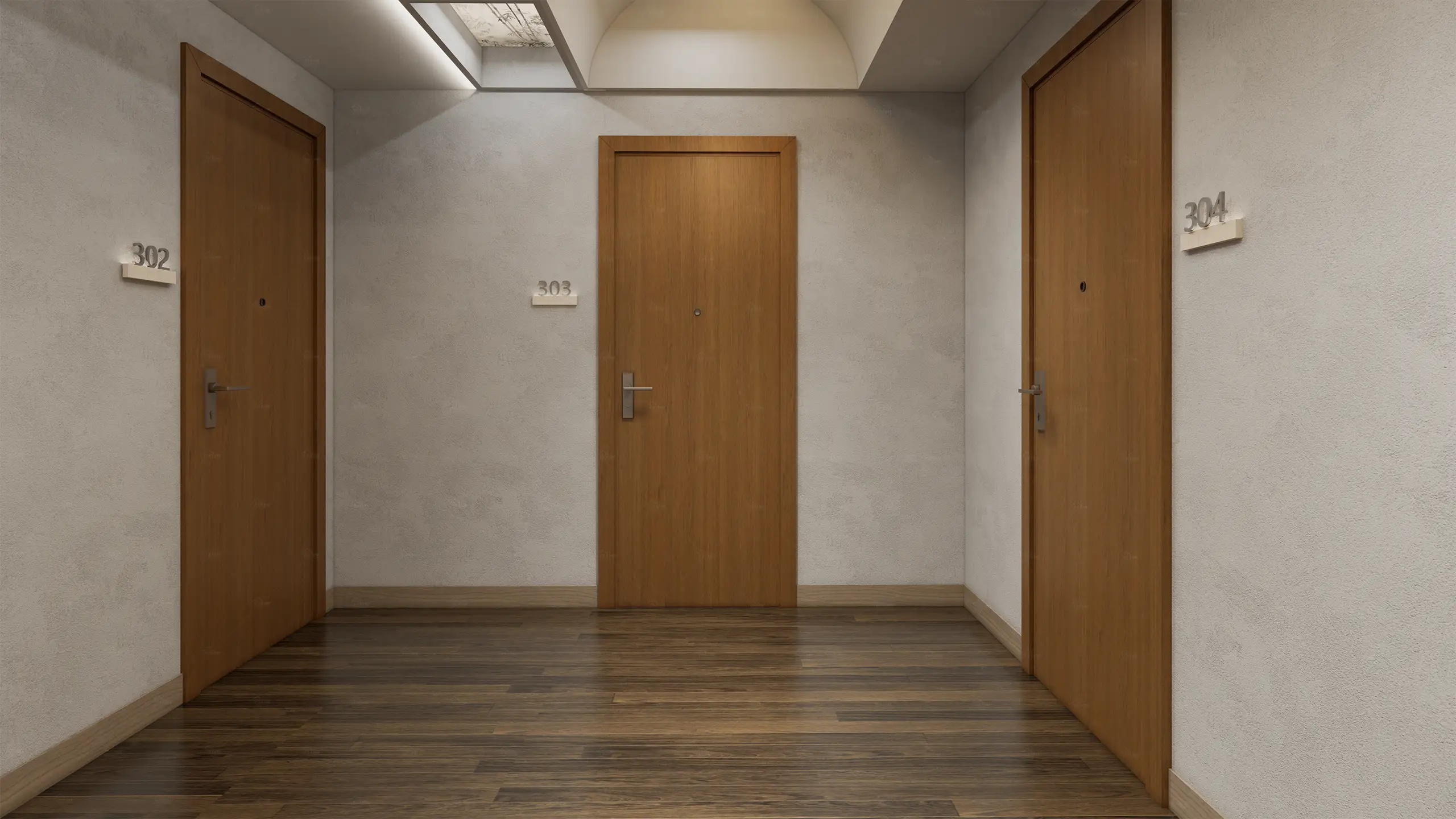
In hotels, fire rated doors are commonly used for guest room entrances, service rooms, and emergency exits. They help protect sleeping occupants by slowing the spread of fire and smoke during an emergency.
EI90 Fire Doors for Industrial Applications
Industrial sites often face higher fire risks because of machinery, electrical systems, chemicals, or stored materials. An EI90 Fire Rated Door helps isolate hazardous areas and limits the spread of fire between production zones.
Industrial buildings also require heavy-duty fire rated doors that can handle frequent use while maintaining reliable fire resistance. Strong construction and certified performance make these doors suitable for demanding environments.
Protecting expensive equipment is another key reason companies choose EI90 fire resistant doors. A properly installed fire rated door system helps reduce property damage and supports business continuity after a fire.
Factories and Warehouses
Factories and warehouses store valuable goods, raw materials, and production equipment. Installing an EI90 Fire-Rated Door between work areas and storage spaces helps reduce fire risk and protect business operations.
Many warehouse owners choose industrial fire rated doors for loading areas, storage rooms, and internal fire compartments. These doors improve overall fire safety while meeting local building code requirements.
Power Plants and Technical Rooms
Power plants, electrical rooms, and mechanical equipment areas often require higher levels of fire protection. An EI90 Fire Rated Door helps isolate electrical equipment and prevents fire from spreading to other parts of the building.
Technical rooms also benefit from certified fire resistant doors because they protect critical systems that support daily building operations. Reliable fire compartmentation is especially important in these high-risk environments.
EI90 Fire Doors for Residential Buildings
An EI90 Fire Rated Door is not only used in commercial projects but also in many residential buildings. Apartment complexes and multi-family housing often require fire rated doors to protect residents and improve evacuation safety.
Residential fire resistant doors help create safe fire compartments between living areas, shared spaces, and service rooms. They also help building owners comply with local fire safety regulations.
Choosing a certified 90 minute fire rated door gives homeowners and property managers greater peace of mind by adding an extra layer of protection during unexpected fire emergencies.
Apartment Buildings
Apartment buildings commonly install EI90 Fire Rated Doors in shared corridors, service rooms, and utility areas. These residential fire rated doors help keep fire inside one area instead of allowing it to spread through the entire building.
They also provide residents with more time to leave safely while reducing smoke movement into hallways and common spaces.
Stairwell and Escape Route Protection
Stairwells are one of the most important escape routes during a fire. An EI90 Fire Rated Door helps keep these routes clear by blocking flames, heat, and smoke from entering protected areas.
Many building codes require certified fire rated doors at stairwell entrances because safe evacuation depends on maintaining protected escape paths throughout the emergency.
Basement and Garage Fire Protection
Basements and parking garages often contain vehicles, electrical equipment, storage areas, and fuel sources. Installing an EI90 Fire Rated Door between these spaces and the main building helps reduce the risk of fire spreading upward.
A certified garage fire rated door or basement fire resistant door adds an important layer of protection for both residents and the building structure, especially in multi-story residential developments.
EI90 Fire Door Specifications You Should Know
Before choosing an EI90 Fire Rated Door, it is important to understand its key specifications. The materials, thickness, frame, and hardware all affect how well a fire rated door performs during a fire. A certified 90 minute fire rated door works as a complete system, so every component must meet the required fire safety standards.
Common EI90 Fire Rated Door Materials
An EI90 Fire Rated Door can be made from different materials depending on the building type and fire protection needs. The most common options include steel, galvanized steel, stainless steel, solid timber with a fire-resistant core, and insulated composite materials. Each type offers different advantages while meeting the required fire rating.
Steel fire rated doors are popular in factories, warehouses, hospitals, and commercial buildings because they are strong, durable, and easy to maintain. Timber fire resistant doors are often used in offices, hotels, and residential buildings where appearance is also important.
Many modern EI90 fire doors combine several materials in one design. For example, a steel outer shell may protect a mineral wool or gypsum core. This combination improves fire resistance while keeping the fire rated door stable under high temperatures.
Typical EI90 Fire Door Thickness and Weight
The thickness of an EI90 Fire Rated Door depends on its design, core material, and certification requirements. Most 90 minute fire rated doors are thicker than standard doors because they need extra insulation and structural strength to resist fire.
The weight of a fire rated door also varies by material and size. Steel fire doors are usually heavier than timber models, and larger doors naturally weigh more. Because of this, the hinges, frame, and hardware must support the door throughout its service life.
Instead of focusing only on thickness or weight, buyers should always choose a certified EI90 fire resistant door that has passed full fire resistance testing. Overall system performance matters much more than a single specification.
EI90 Door Frame Requirements
The frame is a critical part of every EI90 Fire Rated Door system. Even the best fire rated door cannot perform correctly if the frame does not match the tested design. The door leaf and frame must work together as one certified fire protection system.
An EI90 door frame is usually made from steel, stainless steel, or approved fire-resistant timber. It must provide enough strength to support the heavy door while maintaining proper alignment during daily use and under fire conditions.
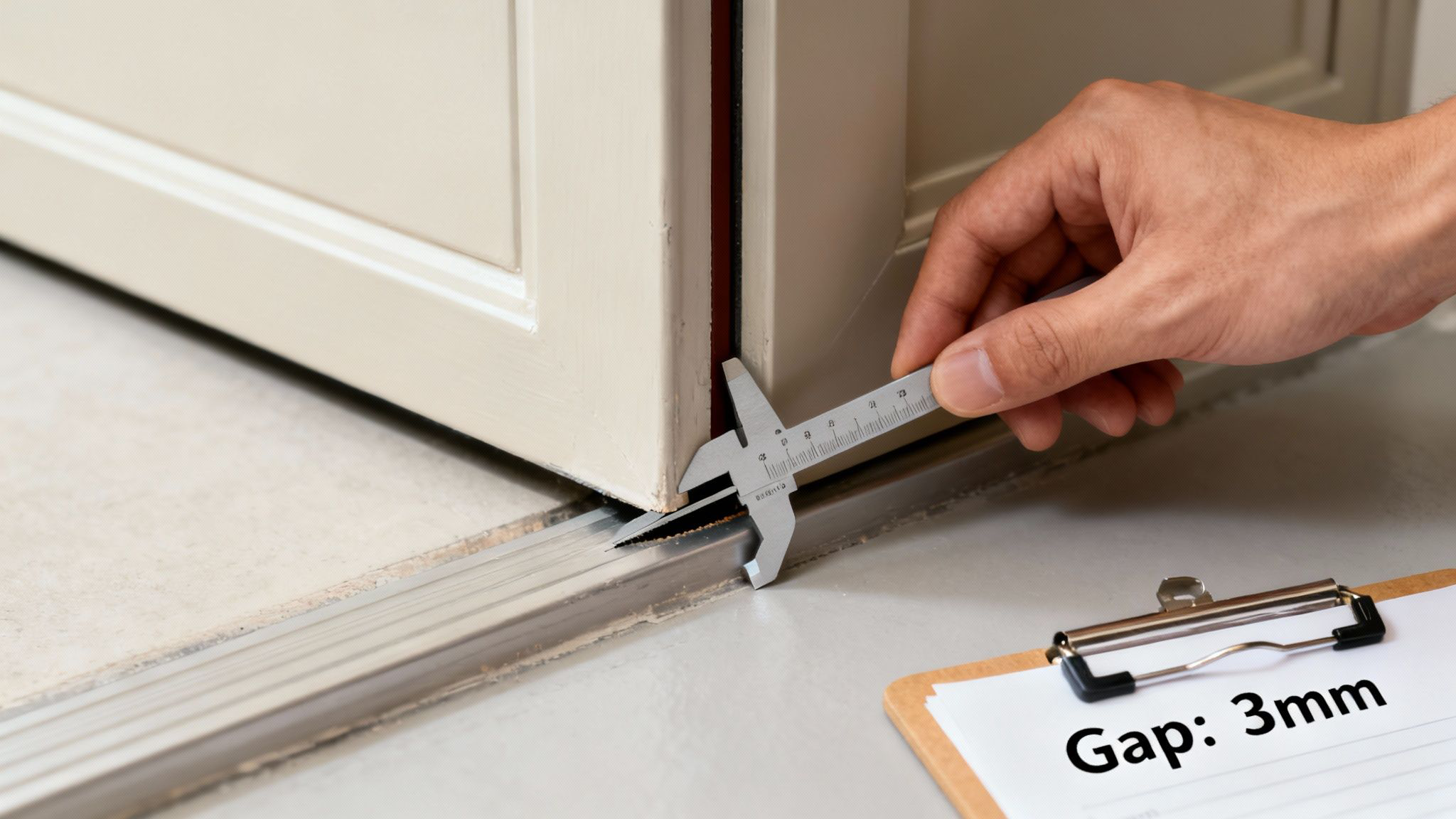
Correct installation is just as important as the frame material itself. The gaps between the fire rated door, frame, and wall must follow the manufacturer’s instructions. A properly installed frame helps maintain the certified fire resistance rating and improves long-term reliability.
Fire Rated Door Hardware Requirements
Every piece of hardware on an EI90 Fire Rated Door plays a role in fire safety. Hinges, locks, handles, closers, and panic devices must all be tested as part of the complete fire rated door system. Replacing certified hardware with standard products can reduce the door’s fire performance.
High-quality fire door hardware also supports daily operation. The door should open smoothly, close completely, and latch securely after every use. This ensures the fire resistant door is always ready to perform during an emergency.
Building owners should always select hardware that matches the certified EI90 fire rated door assembly. Using approved components helps maintain compliance with fire safety codes and extends the service life of the door.
Fire Rated Hinges
A heavy EI90 Fire Rated Door needs strong fire rated hinges that can support its weight during normal use and during a fire. These hinges are made from heat-resistant materials and are tested together with the complete fire door system.
Most 90 minute fire rated doors use three or more certified hinges, depending on the size and weight of the door. Proper hinge selection helps keep the door aligned and ensures it closes correctly after every opening.
Panic Exit Devices
Many commercial buildings install panic exit devices on an EI90 Fire Rated Door located on emergency escape routes. These devices allow people to open the door quickly with a simple push, even during stressful situations.
Certified panic hardware combines easy emergency exit with reliable fire protection. It helps the fire rated door remain secure while also supporting fast and safe building evacuation.
Fire Rated Locks and Handles
The locks and handles on an EI90 Fire Rated Door must also meet fire safety requirements. Certified fire rated locks are designed to keep working even when exposed to high temperatures, helping the door stay closed during a fire.
Choosing tested fire door locks and handles improves both safety and durability. They also ensure the complete fire rated door assembly continues to meet its certified performance level.
Door Closers for EI90 Doors
A door closer is one of the most important parts of an EI90 Fire Rated Door. It makes sure the door closes automatically after someone passes through. A fire door that stays open cannot provide effective fire protection.
Modern fire rated door closers are built for frequent daily use while maintaining reliable closing force. When combined with certified hardware and correct installation, they help the EI90 fire resistant door deliver consistent fire safety throughout its service life.
EI90 vs Other Fire Rated Door Classes
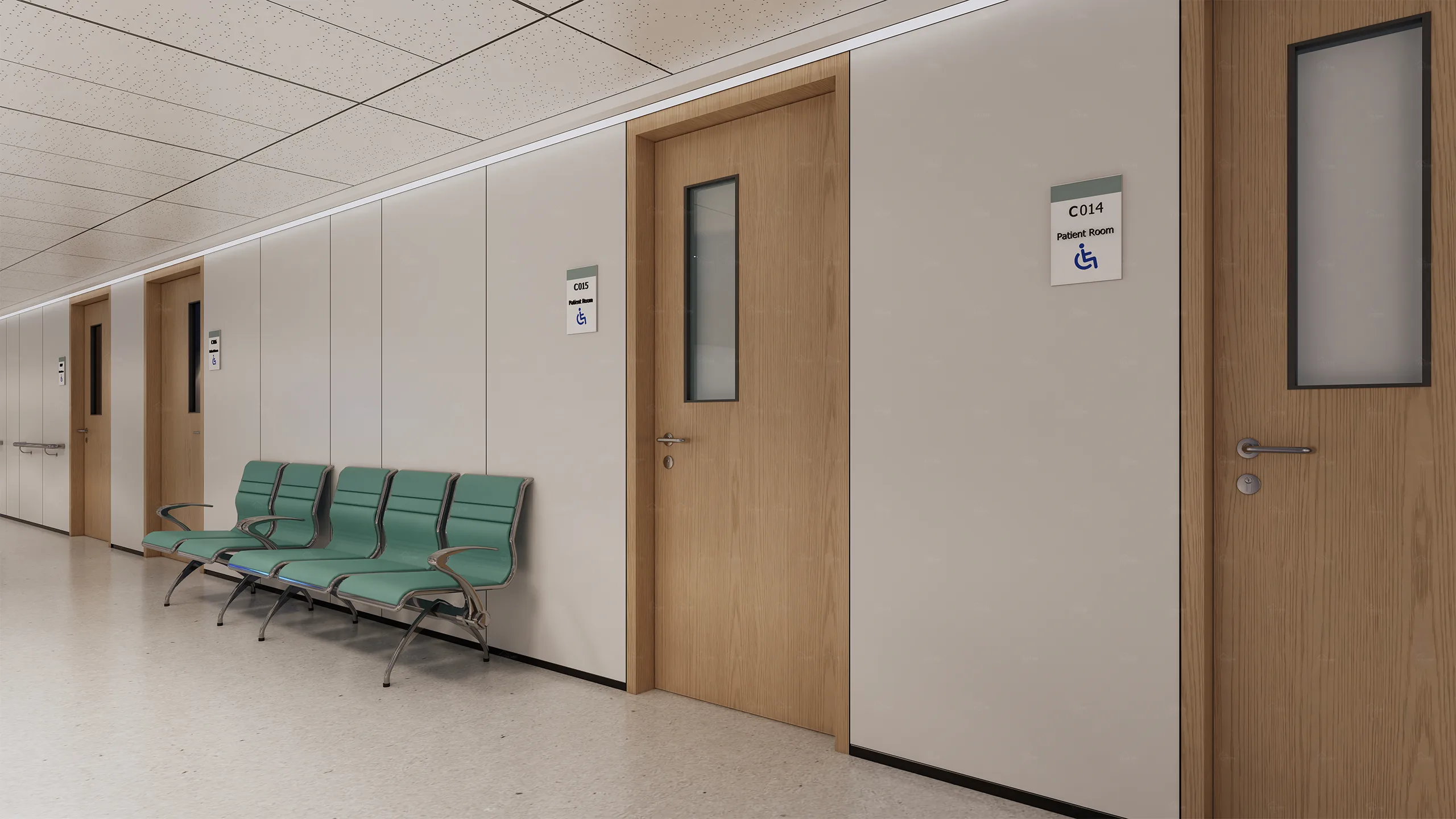
Not every Fire Rated Door offers the same level of fire protection. Ratings like EI30, EI60, EI90, and EI120 are designed for different buildings and fire risks. Understanding these differences makes it easier to choose the right fire rated door for your project while meeting local fire safety requirements.
EI30 vs EI60 vs EI90 Fire Rated Doors
The biggest difference between EI30, EI60, and EI90 Fire Rated Doors is how long they can resist fire while maintaining integrity and insulation. An EI30 door protects for 30 minutes, an EI60 door for 60 minutes, and an EI90 Fire Rated Door for up to 90 minutes under certified test conditions.
Higher ratings usually mean a stronger fire resistant door with improved insulation, a thicker door leaf, and more advanced fire protection materials. However, choosing the highest rating is not always necessary. The right 90 minute fire rated door depends on the building design, fire strategy, and local building codes.
In many projects, architects combine different fire rated door classes in one building. Lower-risk areas may use EI30 or EI60 doors, while escape routes, equipment rooms, or high-risk zones often require an EI90 fire door for added protection.
EI30 Fire Door Applications
An EI30 Fire Rated Door is commonly used in buildings where a lower level of fire resistance is acceptable. It is often installed in residential corridors, small offices, utility rooms, and internal spaces with lower fire risk.
Many buildings install EI60 fire resistant doors in corridors, plant rooms, and service areas where fire risks are moderate. They are a popular choice for projects that need stronger protection without moving to the highest fire rating.
EI60 Fire Door Applications
An EI60 Fire Rated Door offers a higher level of fire protection than EI30 and is widely used in commercial buildings, schools, healthcare facilities, and apartment complexes. It provides extra time for evacuation and emergency response.
Many buildings install EI60 fire resistant doors in corridors, plant rooms, and service areas where fire risks are moderate. They are a popular choice for projects that need stronger protection without moving to the highest fire rating.
EI90 Fire Door Applications
An EI90 Fire Rated Door is designed for locations that require longer fire resistance. It is widely used in hospitals, hotels, shopping centers, factories, warehouses, power plants, and large residential buildings.
Because a 90 minute fire rated door provides extended protection, it is often selected for escape routes, stairwells, equipment rooms, and other critical fire compartments. It offers more time for evacuation while helping reduce fire damage.
EI90 vs EI120 Fire Rated Door: What Is the Difference?
Both EI90 Fire Rated Doors and EI120 Fire Rated Doors provide high levels of fire protection, but the main difference is the certified fire resistance time. An EI90 door protects for up to 90 minutes, while an EI120 fire rated door is designed to resist fire for up to 120 minutes.
An EI120 fire resistant door usually has a thicker structure, additional insulation materials, and heavier-duty hardware. These features increase fire resistance, but they also make the door larger, heavier, and often more expensive than an EI90 Fire Rated Door.
For many commercial and residential buildings, an EI90 fire door provides more than enough protection to meet local regulations. EI120 doors are generally used in special environments where higher fire resistance is required, such as industrial facilities, tunnels, power plants, or high-risk technical areas.
How to Choose the Right Fire Rating for Your Project?
Choosing the right Fire Rated Door starts with understanding your building’s fire safety requirements. The door’s location, the building type, the number of occupants, and local fire codes all influence the correct fire rating. A higher rating is not always the best choice if it exceeds the project’s actual needs.
It is also important to consider how the fire-rated door will be used every day. Busy entrances, emergency exits, equipment rooms, and stairwells may require different levels of fire protection. Selecting the correct fire resistant door improves both safety and long-term performance.
When in doubt, work with a trusted fire rated door manufacturer or fire safety consultant. They can recommend a certified EI90 Fire Rated Door, EI60, or EI120 solution that matches your project, complies with regulations, and delivers reliable fire protection for years to come.
What Is the Difference Between EI90 and FD90 Fire Doors?
Many people think EI90 Fire Rated Doors and FD90 Fire Rated Doors are the same, but they belong to different fire rating systems. Both are designed to improve fire safety, yet they follow different testing methods and performance standards. Understanding the difference helps you choose the right fire rated door for your market and building project.
European EI Fire Rating System Explained
The EI fire rating system is widely used across Europe for Fire Rated Doors and other passive fire protection products. In this system, E stands for integrity, which means the fire rated door can stop flames and hot gases from passing through. I stands for insulation, which measures how well the door limits heat transfer to the safe side.
An EI90 Fire Rated Door must meet both of these requirements for 90 minutes during a certified fire test. This means the fire resistant door not only blocks fire but also keeps the temperature on the unexposed side within strict limits. These two performance levels provide better protection for people using escape routes.
Because the EI system measures both flame resistance and heat insulation, it has become the preferred standard in many European countries. Architects and contractors often specify an EI90 fire door for commercial buildings, hospitals, schools, factories, and apartment projects where higher fire safety is required.
American 90 Minute Fire Rated Door Classification
In North America, a 90 Minute Fire Rated Door follows a different fire rating system. Instead of using the EI classification, the United States and Canada generally rate fire rated doors by their fire resistance time, such as 20, 45, 60, 90, or 180 minutes.
A 90 minute fire rated door is commonly tested under standards such as UL 10C or NFPA 252. These tests focus on how well the fire resistant door maintains its integrity during a fire and whether it can remain in place under high temperatures. Local building codes then determine where each fire door rating can be used.
Many commercial buildings in the U.S. install 90 minute fire doors in stairwells, elevator lobbies, exit enclosures, and fire barriers. These doors provide dependable fire protection while helping builders meet local code requirements and life safety standards.
Are EI90 and 90 Minute Fire Doors the Same?
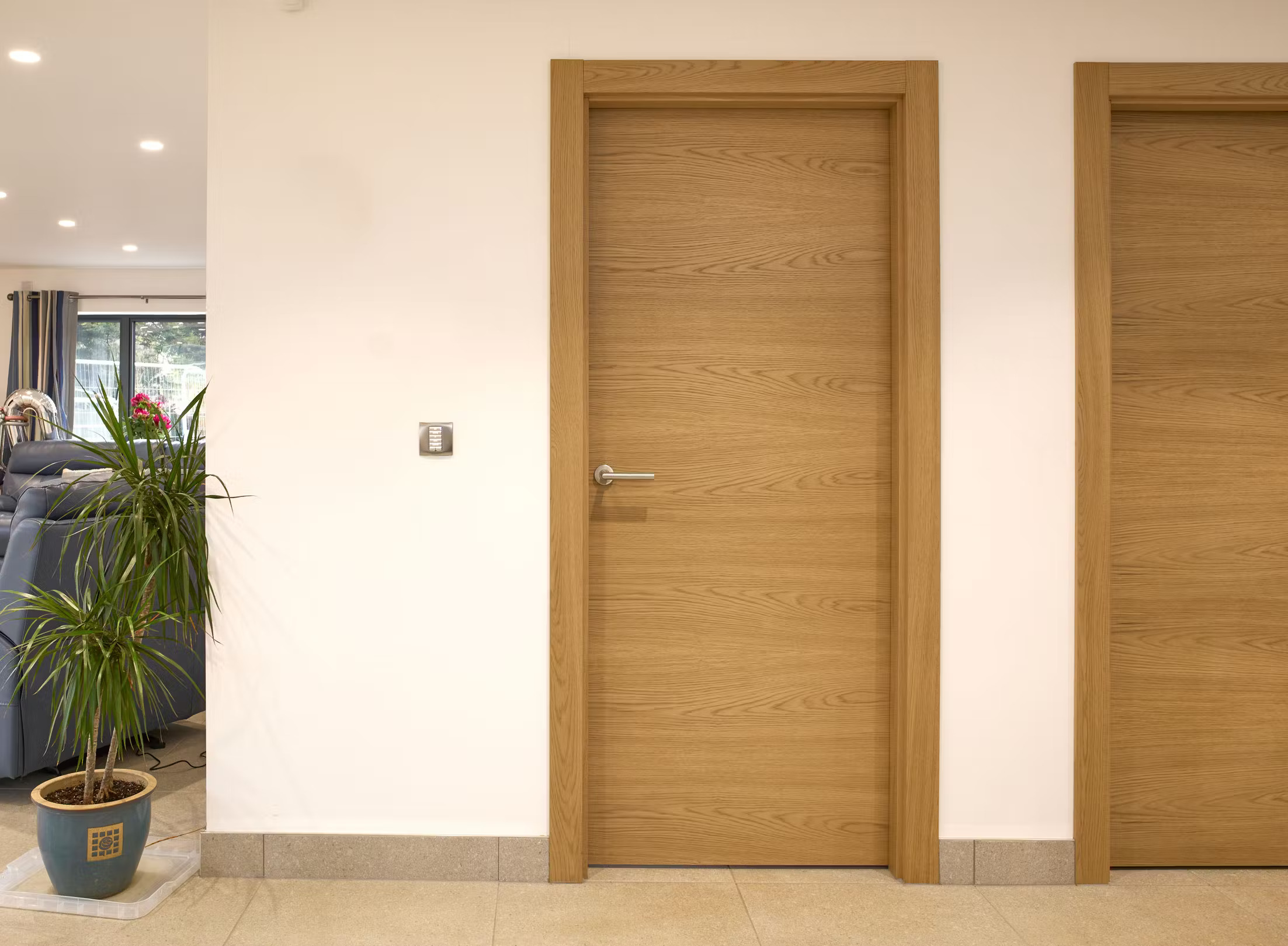
An EI90 Fire Rated Door and a 90 Minute Fire Rated Door offer a similar level of fire resistance in terms of time, but they are not the same product. The biggest difference lies in the testing methods and performance requirements used by each rating system.
An EI90 fire door must demonstrate both fire integrity and thermal insulation for 90 minutes. In contrast, a 90 minute fire rated door certified under North American standards focuses mainly on fire resistance and structural performance according to local testing procedures. Because of these differences, the ratings cannot always be used interchangeably.
When selecting a fire rated door, always check the project location and the required building codes. If your project follows European regulations, an EI90 Fire Rated Door is usually the correct choice. If the project is located in the United States or Canada, a certified 90 minute fire rated door that complies with local standards is generally required.
How Long Does an EI90 Fire Door Last?
Many people assume that an EI90 Fire Rated Door lasts only 90 minutes, but that is not true. The 90-minute rating refers to its fire resistance during a certified fire test, not its service life. With proper installation and regular maintenance, a high-quality fire rated door can remain reliable for many years.
Fire Resistance Time vs Product Lifespan
The EI90 rating tells you how long a Fire Rated Door can resist fire under standard test conditions. It means the EI90 Fire Rated Door can maintain its fire integrity and insulation for up to 90 minutes during a certified fire test. This rating does not describe how many years the door will last.
The actual lifespan of a fire rated door depends on its materials, manufacturing quality, installation, and daily use. A well-made 90 minute fire rated door can often stay in service for 20 years or even longer if it receives proper care and regular inspections.
It is important to understand the difference between fire resistance and durability. A certified fire resistant door may keep its fire rating for decades, but only if the complete door system remains in good condition and continues to meet the manufacturer’s requirements.
Factors That Affect EI90 Door Performance
The long-term performance of an EI90 Fire Rated Door depends on much more than the fire test certificate. Daily use, environmental conditions, and maintenance all affect how well the fire rated door performs over time. Even a certified door needs regular attention to stay reliable.
A complete fire rated door system includes the door leaf, frame, hinges, locks, seals, and door closer. If one component becomes damaged or stops working correctly, the overall fire protection can be reduced. That is why routine inspections are an important part of fire safety.
Building owners should also avoid making unapproved modifications to an EI90 fire resistant door. Drilling extra holes, changing hardware, or replacing certified parts with standard products may affect the door’s tested fire performance.
Door Usage Frequency
A Fire Rated Door installed in a busy office, hospital, or shopping mall opens and closes hundreds of times each day. Heavy daily use increases wear on hinges, locks, handles, and door closers.
Regular inspections help identify worn parts before they affect the performance of the EI90 Fire Rated Door. Replacing damaged certified hardware early helps keep the door operating safely and smoothly.
Environmental Conditions
The environment also affects the lifespan of a fire rated door. High humidity, coastal salt air, chemicals, or constant temperature changes can speed up corrosion and wear, especially on metal components.
Choosing the right fire resistant door materials for the installation location can improve durability. Stainless steel EI90 fire rated doors, for example, often perform better in harsh industrial or coastal environments.
Maintenance Quality
Good maintenance is one of the best ways to extend the life of an EI90 Fire Rated Door. Simple tasks such as checking the door closer, cleaning the seals, tightening hardware, and inspecting the frame help keep the system working properly.
Maintenance should always follow the manufacturer’s recommendations. Using certified replacement parts ensures the fire rated door continues to meet its original fire safety performance.
When Should an EI90 Fire Door Be Replaced?
An EI90 Fire Rated Door should be replaced when it can no longer provide reliable fire protection. Visible damage, severe corrosion, warped panels, broken frames, or failed fire seals are all signs that the fire rated door may no longer perform as certified.
Replacement is also necessary if the door has been modified in ways that affect its fire rating. Installing non-certified hardware, cutting new openings, or changing the door structure without approval can compromise the complete fire rated door system.
Even if a 90 minute fire rated door still looks good, regular inspections remain essential. If a qualified inspector determines that the door no longer meets fire safety requirements or local building codes, replacing it with a new certified EI90 fire resistant door is the safest solution.

How to Choose the Right EI90 Fire Rated Door Supplier?
Choosing the right EI90 Fire Rated Door supplier is just as important as choosing the right door itself. A trusted supplier offers certified products, reliable technical support, and consistent product quality. The right partner helps ensure your fire rated door meets safety standards and performs well for years to come.
Check Fire Testing Certificates and Compliance
The first thing to check when buying an EI90 Fire Rated Door is its certification. A reliable fire rated door supplier should provide complete fire test reports, classification documents, and product certificates from recognized testing organizations. These documents prove that the door has passed the required fire resistance tests.
Do not rely only on product brochures or marketing claims. Ask the supplier for official reports that show the exact fire rated door model, tested configuration, and approved hardware. A certified 90 minute fire rated door should always match the tested design.
It is also a good idea to confirm that the fire resistant door complies with the fire safety standards required in your country or project. Working with a supplier who understands local building codes can help avoid delays during inspections and project approval.
Review Door Material and Manufacturing Quality
A high-quality EI90 Fire Rated Door starts with good materials and careful manufacturing. Look for suppliers that use durable steel, stainless steel, fire-resistant timber, or other certified materials designed for long-term performance. The quality of the core, frame, and hardware is just as important as the door panel itself.
Pay attention to the details. A well-made fire rated door should have smooth welding, accurate dimensions, strong surface finishes, and properly fitted components. Good workmanship often reflects a manufacturer’s experience and quality control process.
If possible, ask for product samples or visit the factory before placing a large order. A trusted fire rated door manufacturer will usually be happy to explain how the doors are made and how quality is checked before shipment.
Choose a Supplier With Technical Support
Buying an EI90 Fire Rated Door is only part of the process. Installation, hardware selection, and project coordination also affect the final fire performance. A supplier with strong technical support can help you choose the right fire rated door system for your building.
Experienced suppliers can provide installation drawings, hardware recommendations, product specifications, and answers to technical questions. This support helps contractors avoid installation mistakes that could affect the certified fire rating.
A professional fire rated door supplier should also respond quickly when project requirements change. Fast communication and practical advice can save both time and cost during construction.
Consider Long Term Maintenance and Service
A quality EI90 Fire Rated Door should continue performing long after installation. That is why after-sales service is an important part of choosing the right supplier. Reliable suppliers can provide maintenance guidance, replacement parts, and technical assistance whenever needed.
Over time, components such as hinges, seals, locks, and door closers may need adjustment or replacement. Choosing a supplier that stocks certified fire rated door hardware makes future maintenance much easier and helps keep the door compliant with fire safety standards.
Finally, think beyond the purchase price. A trusted EI90 Fire Rated Door manufacturer that offers long-term support, warranty service, and dependable product availability often provides better value than choosing the lowest-cost option. A reliable supplier becomes a long-term partner in protecting both your building and the people inside.
Final Thoughts
An EI90 Fire Rated Door is much more than a building requirement. It is an important part of a complete fire protection system that helps protect people, property, and business operations. By choosing a certified fire rated door and installing it correctly, building owners can improve safety and meet long-term fire protection goals.
Key Points to Remember About EI90 Fire Doors
An EI90 Fire Rated Door is designed to provide up to 90 minutes of certified fire resistance by limiting the spread of flames, smoke, and heat. However, the door only performs as expected when the complete fire rated door system is tested, certified, and installed correctly.
Every part of the system matters. The door leaf, frame, fire seals, hinges, locks, door closer, and other hardware all work together to maintain the fire rating. Replacing certified components with standard products can reduce the overall performance of the fire resistant door.
Before buying an EI90 fire door, always check the fire test reports, certification documents, and local building code requirements. Choosing a trusted fire rated door manufacturer and following proper maintenance practices will help keep the door reliable throughout its service life.
Why EI90 Fire Protection Matters for Modern Buildings
Modern buildings are larger, more complex, and often have more people inside than ever before. That is why a certified EI90 Fire Rated Door plays such an important role in today’s fire safety strategy. It helps slow the spread of fire, protects escape routes, and gives people valuable extra time to evacuate.
An EI90 fire resistant door also helps reduce property damage and supports emergency response efforts. By containing fire within a specific area, it can protect equipment, business assets, and critical building systems while firefighters work to control the situation.
Whether the project is a commercial office, hospital, factory, hotel, shopping center, or apartment building, selecting the right 90 minute fire rated door is a smart long-term investment. A certified fire rated door is not only about meeting regulations—it is about creating a safer building for everyone who uses it every day.

Relate FAQ
What does EI90 mean on a fire rated door?
An EI90 fire rated door is designed to provide fire resistance for up to 90 minutes. In European fire classifications, “E” stands for integrity, meaning the door can prevent flames and hot gases from passing through, while “I” stands for insulation, meaning it can limit heat transfer to the non-fire side for 90 minutes.
What is the difference between EI90 and EI60 fire doors?
The main difference lies in the fire-resistance duration. An EI60 fire door offers protection for 60 minutes, whereas an EI90 fire door provides 90 minutes of fire integrity and thermal insulation. EI90 doors are often required in buildings with stricter fire-safety regulations.
Is an EI90 fire rated door suitable for residential buildings?
Yes, EI90 fire doors can be used in residential projects, especially in apartment buildings, stairwells, and underground parking areas. However, local building codes determine whether an EI30, EI60, or EI90 rating is necessary.
How is an EI90 fire door tested?
EI90 fire doors are tested according to international standards such as EN 1634-1. During testing, the entire door assembly—including the door leaf, frame, seals, and hardware—is exposed to controlled fire conditions to verify that it can maintain integrity and insulation for 90 minutes.
Can an EI90 fire door include glass panels?
Yes. Many EI90 fire doors incorporate certified fire-resistant glazing. The glass must be specifically tested and approved as part of the complete door assembly to ensure the door maintains its 90-minute fire rating.
What is the difference between EI90 and FD90 fire doors?
EI90 and FD90 both indicate approximately 90 minutes of fire resistance, but they follow different standards. EI90 is based on European classifications that evaluate both integrity and insulation, while FD90 is commonly used in some markets to indicate fire resistance duration without necessarily specifying insulation performance.
Are EI90 fire doors soundproof?
Many EI90 fire doors also offer acoustic insulation, but fire resistance and soundproofing are separate performance characteristics. Depending on the door design, sound reduction ratings can range from 30 dB to over 45 dB.
Is the entire door set required to be EI90 certified?
Absolutely. The fire rating applies to the complete door set, including the door leaf, frame, hardware, seals, glazing, and installation method. Replacing non-certified components may invalidate the EI90 rating.