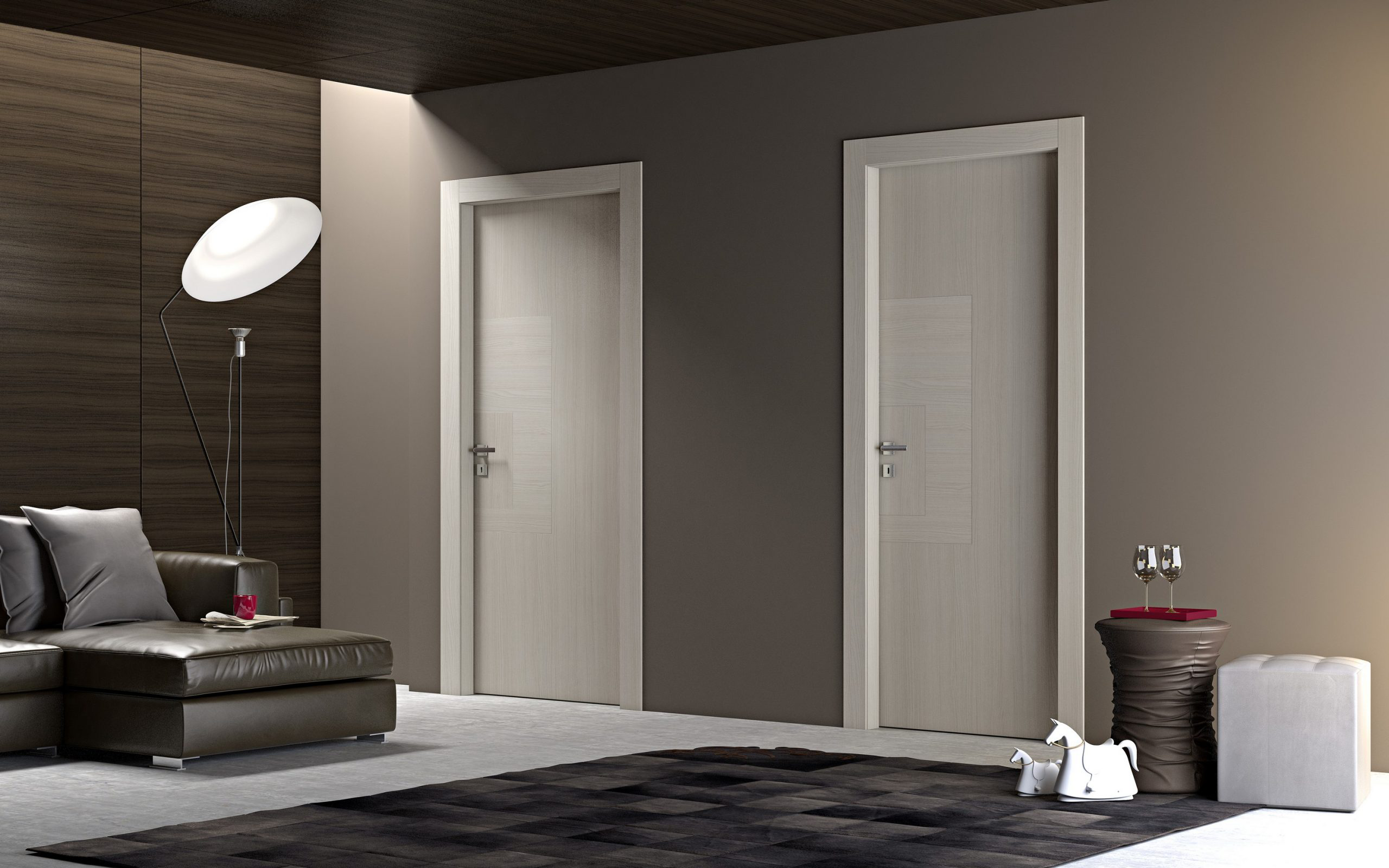
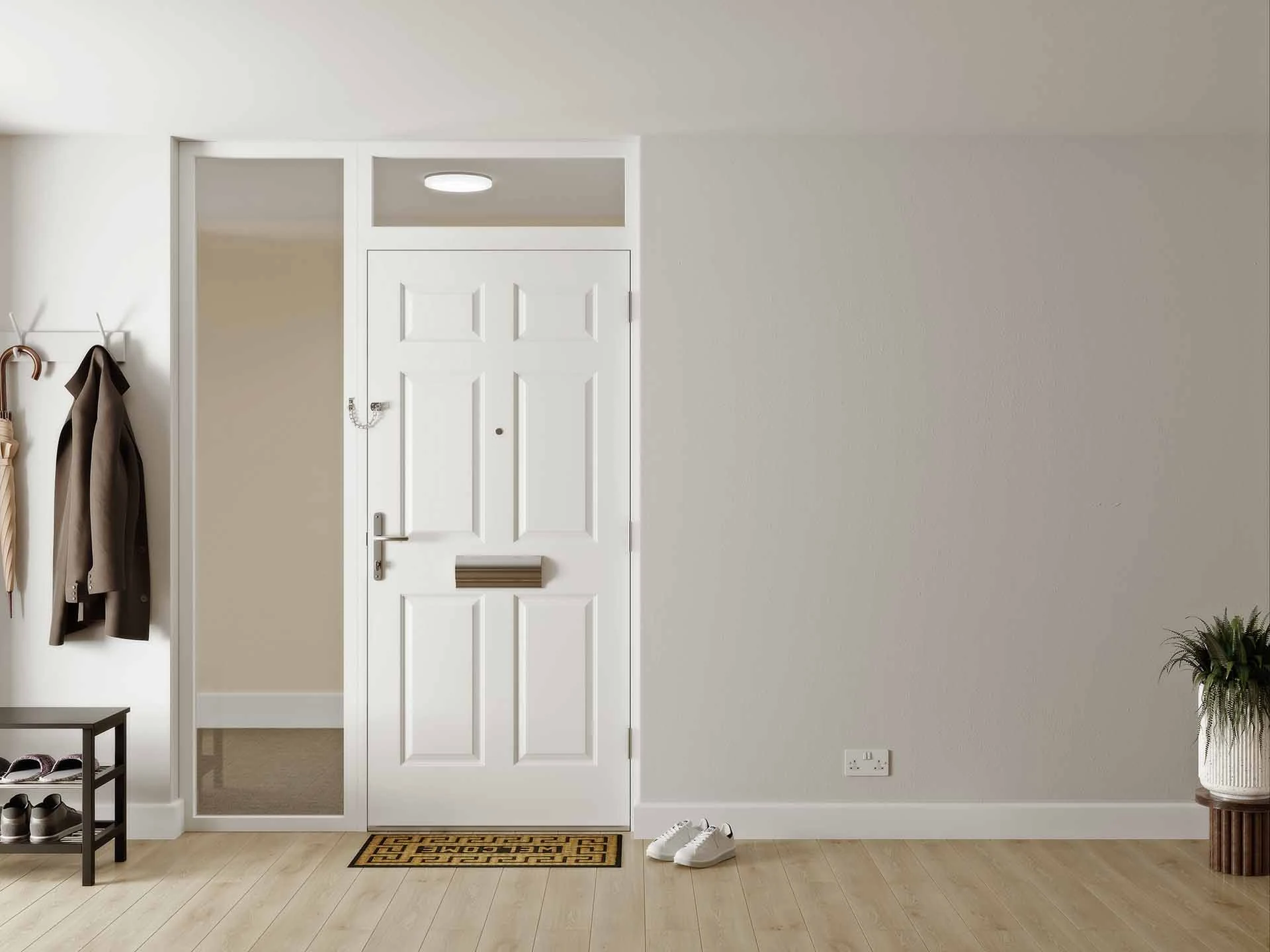
Should hotel room doors be fire doors?
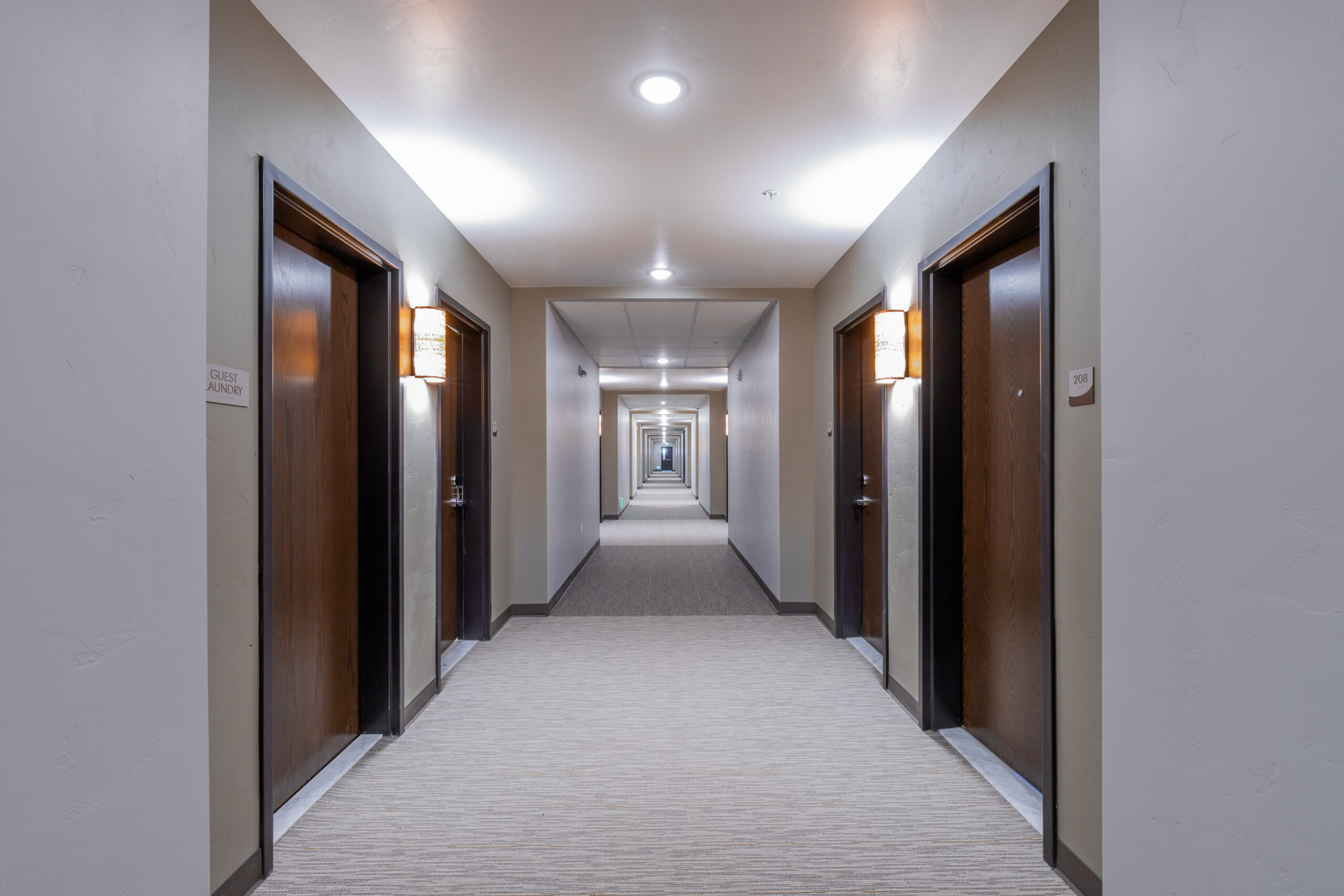
Introduction: Why Fire Doors Matter in Hotels
In any hotel, safety is a top priority, especially when it comes to protecting guests from fire risk. Fire doors are an essential part of this protection, helping to minimize the spread of fire and smoke throughout the building. In hotels, where large numbers of people gather in confined spaces, properly installed fire-resistant doors can make all the difference in saving lives and reducing damage.
What Is a Fire Door and Why Is It Important?
Hotels are high-traffic buildings where hundreds, or even thousands, of people stay each day. A fire can start at any time, and the impact can be devastating. Whether it’s due to faulty wiring, a kitchen accident, or even arson, the consequences of a fire can be tragic. That’s where fire doors come in. They help slow the spread of fire, giving guests and staff more time to evacuate safely.
Fire doors also protect escape routes, such as hallways and stairwells, ensuring the building remains accessible during an emergency. Without these safety features, a fire can spread quickly from one area to another, making it harder for everyone to get out. Simply put, fire safety measures like fire doors are crucial for preventing disaster and keeping people safe.
Key Benefits of Installing Fire Doors in Your Property
A fire door is a specially designed door built to resist the spread of fire and smoke. These doors are made from fire-resistant materials, such as steel, wood, or a combination of both. They are equipped with features like intumescent seals (which expand when exposed to heat) and self-closing mechanisms. These features prevent the door from being propped open and ensure it stays shut during a fire.
Unlike regular doors, fire doors have a fire resistance rating, typically ranging from 30 minutes to 120 minutes, depending on the type. This means they can withstand intense heat for a specified period, giving people enough time to escape and preventing the fire from spreading to other parts of the building. In hotels, fire doors should be installed in key areas, including guest room doors and exits, to maximize safety.
Legal Requirements and Building Codes for Hotels
When it comes to fire safety in hotels, legal requirements and building codes play a significant role in determining which fire protection measures are needed. Different countries and regions have specific regulations to ensure buildings meet fire safety standards. In many places, fire doors are mandatory in hotels, especially in areas where people sleep or gather for long periods.
Fire doors are also an effective tool for minimizing property damage in the event of a fire. They can stop the fire from spreading beyond the initial area, protecting valuable assets, equipment, and furniture. Even if the building suffers fire damage in one area, the rest of the property may remain largely unaffected due to the presence of these fire-resistant doors.
While fire doors may require an upfront investment, they can save you money in the long run. By containing fires and preventing them from spreading, fire doors reduce the risk of severe fire damage, which can lead to expensive repairs and reconstruction. Additionally, fire doors can lower the cost of insurance premiums, as insurance companies often reward buildings with higher safety standards.
summary
In summary, fire doors are not just a suggestion—they’re a vital part of any hotel’s fire safety plan. From protecting guests to complying with legal requirements, fire doors are among the most essential investments a hotel can make to ensure the safety of everyone inside.

The Role of Fire Doors in Hotel Safety
Fire doors play a crucial role in protecting hotel guests and staff in the event of a fire. These specially designed doors help contain fires, preventing them from spreading quickly and providing vital time for evacuation. By using fire doors in strategic locations, hotels can significantly reduce the risk of fire-related damage and improve overall safety.
Preventing the Spread of Fire and Smoke
One of the main functions of a fire door is to prevent the spread of fire and smoke between hotel areas. Fire doors are constructed with materials that resist heat and are designed to stay closed during a fire. This containment limits the movement of flames and smoke, preventing them from quickly spreading through hallways and into other rooms. As a result, fire doors help create safe zones where people can gather while awaiting evacuation or assistance.
By containing fire and smoke, fire doors provide critical time for emergency responders to arrive and manage the situation effectively, minimizing damage and protecting lives.
How Fire Doors Protect Hotel Guests and Staff?
Fire doors are essential for protecting both hotel guests and staff during an emergency. In the event of a fire, guests in their rooms or common areas may be exposed to dangerous smoke and heat. Fire doors act as barriers, preventing the fire from spreading into other parts of the building, such as hallways and stairwells. This allows guests more time to safely evacuate the building or move to a designated safe area.
For hotel staff, fire doors serve as an essential safety feature, helping to compartmentalize the building. This ensures that staff can manage guest evacuations in an orderly manner, preventing chaos and ensuring everyone gets to safety. Additionally, fire doors equipped with automatic closing mechanisms remain shut, providing protection even when no one is nearby to close them manually.
Fire Doors vs. Regular Doors: What's the Difference?
While both fire doors and regular doors serve as physical barriers, they differ significantly in design and function. Regular doors are typically made of standard materials like wood or metal and are not equipped to handle the extreme heat and conditions of a fire. These doors may not provide meaningful resistance to fire or smoke, which is why they are not suitable for use in high-risk areas such as hotels, hospitals, or schools.
In contrast, fire doors are specifically designed to withstand heat and pressure from fires for a set period, typically 30 to 120 minutes. They are made from fire-resistant materials such as steel, gypsum, or mineral core, and are equipped with special seals that expand when exposed to heat, blocking smoke and gases from passing through. Fire doors also come with self-closing mechanisms that keep the door closed during an emergency, unlike regular doors, which typically do not.
The difference between fire doors and regular doors is critical in ensuring the safety of a building and its occupants during a fire. Fire doors are a vital component of fire safety systems, helping contain fires and providing a safe escape route for everyone inside.

Should Hotel Room Doors Be Fire Doors?
Hotel room doors are more than just entry points; they play a vital role in a hotel’s overall fire safety strategy. The question of whether hotel room doors should be fire doors is essential, as they can significantly affect guest safety and the hotel’s ability to contain a fire. Fire doors in hotel rooms can help prevent the rapid spread of flames and smoke, giving guests the time they need to evacuate safely.
The Legal Perspective: Are Fire Doors Required in Hotel Rooms?
From a legal standpoint, many countries and regions have strict fire safety regulations requiring fire doors in certain areas of buildings, including hotels. In many cases, fire doors are mandated in hallways, stairwells, and other common areas of hotels. However, the inclusion of fire doors in hotel room doors may vary depending on the local fire safety codes and regulations.
In some places, fire doors are not explicitly required for individual hotel room doors, but they may be necessary for escape routes, such as corridors and staircases. These codes are designed to minimize the risk of rapid fire spread and to provide safe escape routes for hotel guests. Hotel owners and managers should check their local fire safety codes to determine whether fire doors are required for hotel room doors. Even if not legally required, installing fire doors can still be a wise investment in guest safety and long-term property protection.
Guest Safety: Why Fire Doors Are Crucial for Hotel Rooms?
When it comes to guest safety, fire doors in hotel rooms can make a life-saving difference. Hotel rooms are often filled with combustible materials, such as furniture, curtains, and bedding, which can catch fire quickly. A fire door acts as a barrier, preventing the spread of flames and smoke from the hallway or adjoining rooms into the guest room. This containment gives guests critical time to evacuate or seek shelter in a safe area, such as a fire-safe zone or stairwell.
Without fire doors in place, the spread of fire and smoke could be rapid, endangering guests’ lives and making it much harder for them to escape. Fire doors can also help contain the fire to the room of origin, reducing property damage and potentially saving lives. In hotels, where guests often stay for short periods and may not be familiar with the building, fire doors provide an extra layer of protection in case of an emergency.
Fire Door Standards: What Makes Them Effective in Hotels?
Not all doors are created equal, and fire doors are built to meet specific standards that make them effective in preventing the spread of fire. Fire doors must be made from fire-resistant materials, such as steel or specialized timber, and be equipped with seals that expand when exposed to heat to prevent smoke and gases from passing through. These features are crucial in keeping a hotel room safe during a fire emergency.
For fire doors in hotels, the door must withstand high temperatures and contain the fire for a specific amount of time—usually between 30 minutes and 2 hours—depending on the level of fire protection required. This gives hotel guests ample time to evacuate or reach a safe area, such as a fire exit or refuge room. Additionally, fire doors must be installed appropriately with self-closing mechanisms to ensure that they remain securely shut during a fire.
Potential Risks of Not Having Fire Doors in Hotel Rooms
Choosing not to install fire doors in hotel rooms poses several risks. The most significant risk is the potential for rapid fire and smoke spread throughout the building. Without fire doors, a small fire in one room could quickly spread into hallways, other guest rooms, or even multiple floors. This increases the likelihood of injury or death, not just for the guests in the affected rooms, but for everyone within the building.
Another risk is property damage. Without fire doors to contain the fire, the hotel could incur significant financial losses from extensive damage to the building, furniture, and equipment. In the worst-case scenario, a fire could result in permanent closure or loss of business, along with legal and financial repercussions for any guests harmed in the incident.
Furthermore, the absence of fire doors in hotel rooms could lead to severe reputational damage. In today’s safety-conscious world, guests are increasingly aware of the importance of fire safety. If a fire were to break out in a hotel and the property lacked essential safety features, such as fire doors, it could result in negative publicity and a loss of customer trust. It is, therefore, a sound investment for hotels to prioritize fire safety and install fire doors in guest rooms to protect both guests and their business.
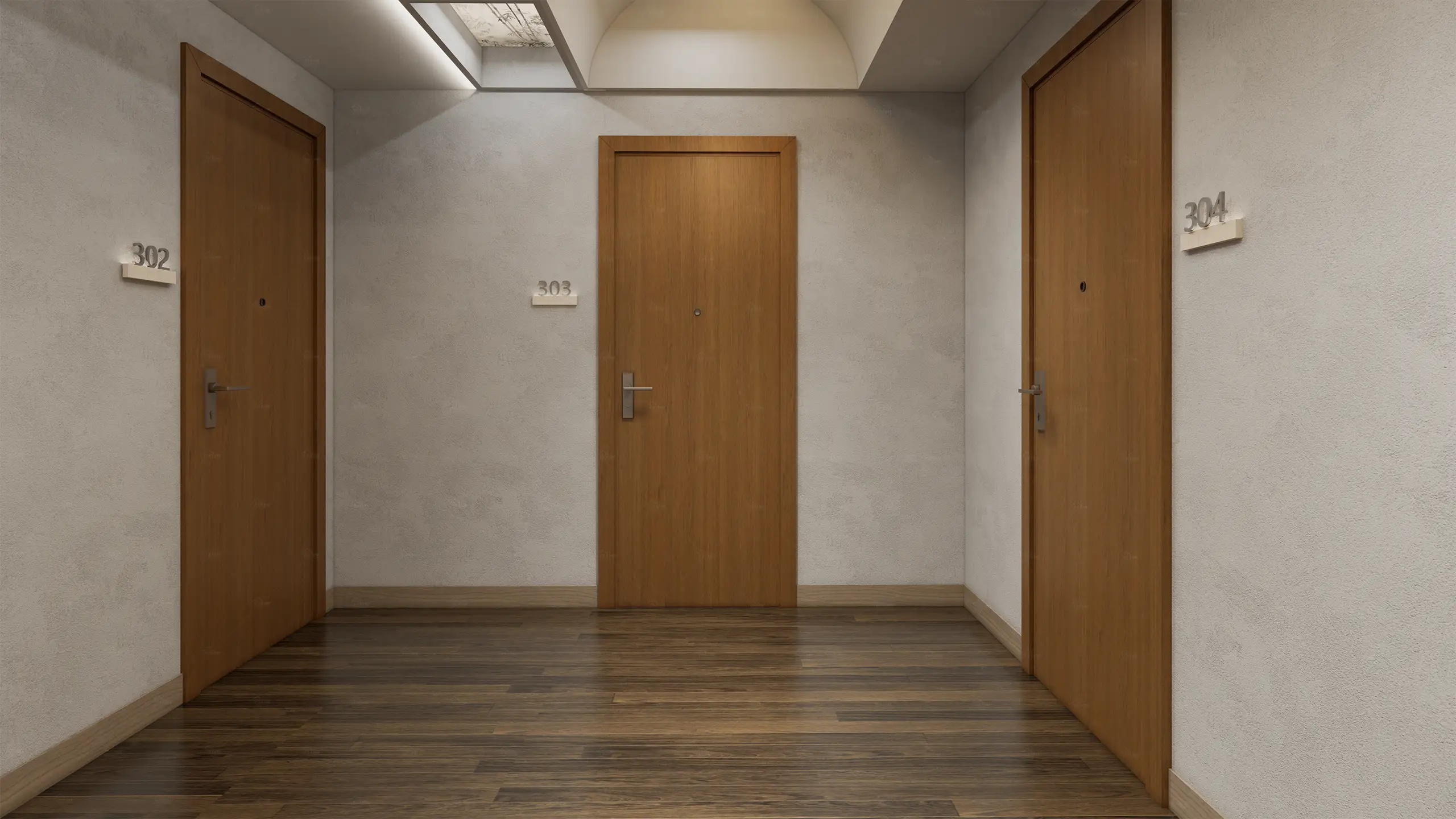
Key Features of Fire Doors in Hotels
Fire doors are a vital part of a hotel’s fire safety plan. These doors are designed to protect both guests and the building by preventing the rapid spread of fire and smoke. Understanding the key features of fire doors is crucial in appreciating their role in hotel safety.
Fire Resistance Rating: How Long Can a Fire Door Withstand Heat?
One of the most essential features of a fire door is its fire resistance rating. This rating indicates how long the door can withstand high temperatures and how well it resists the spread of fire. Fire doors in hotels typically have a fire resistance rating of 30 to 120 minutes, depending on the level of protection required by local building codes.
The fire resistance rating is determined through extensive testing. During these tests, fire doors are exposed to intense heat and flames to assess how well they withstand. A higher rating means the door can protect for a longer period, which is crucial for allowing guests and staff to evacuate safely. A door with a 30-minute rating may suffice in lower-risk areas, while doors with 60 or 120-minute ratings are necessary in places like stairwells or escape routes.
The fire resistance of the door is not just about the materials used; it also involves the construction and installation process. This ensures that the door will not warp or buckle under high heat, maintaining its ability to stop fire and smoke from spreading.
Self-Closing Mechanisms: Why They're Essential
Self-closing mechanisms are another crucial feature of fire doors. These mechanisms ensure the door closes automatically after opening, providing continuous protection in the event of a fire. The door must remain closed during a fire to prevent the spread of flames and smoke into other parts of the building.
In a hotel, where many rooms and hallways are connected, self-closing fire doors help contain a fire to the room of origin. Even if guests or staff forget to close the door, the self-closing mechanism will close it, ensuring everyone’s safety. Additionally, this feature helps reduce the risk of fire spreading due to human error, making it a critical component of hotel fire safety.
Self-closing mechanisms are typically spring-loaded or use hydraulic systems to pull the door shut. These mechanisms should be tested regularly to ensure they work smoothly and do not allow the door to remain open, which would defeat their purpose.
Smoke Seals and Intumescent Strips: Preventing Smoke Infiltration
While fire doors are primarily designed to prevent the spread of flames, they also play a critical role in keeping smoke from infiltrating different areas of the building. Smoke is often more dangerous than fire itself, as it can cause disorientation, respiratory problems, and even death. That’s why fire doors are equipped with smoke seals and intumescent strips.
Smoke seals are placed around the edges of the fire door to block the passage of smoke. These seals expand when heated, forming a tight seal that prevents smoke from escaping the room. Intumescent strips are often built into the door frame or door itself. When the door is exposed to fire, these strips expand and fill any gaps, preventing both smoke and heat from traveling through.
Together, smoke seals and intumescent strips help contain smoke and heat, protecting the hotel’s occupants. This is particularly important in hotel rooms, where guests may be sleeping or unaware of a fire. With smoke infiltration prevented, guests have more time to evacuate safely or find shelter in a fire-safe area.
Summary
In summary, fire doors in hotels feature essential components like fire resistance ratings, self-closing mechanisms, and smoke seals to provide comprehensive protection. These features work together to ensure that in the event of a fire, hotel guests and staff are kept safe, and the risk of fire damage is minimized.
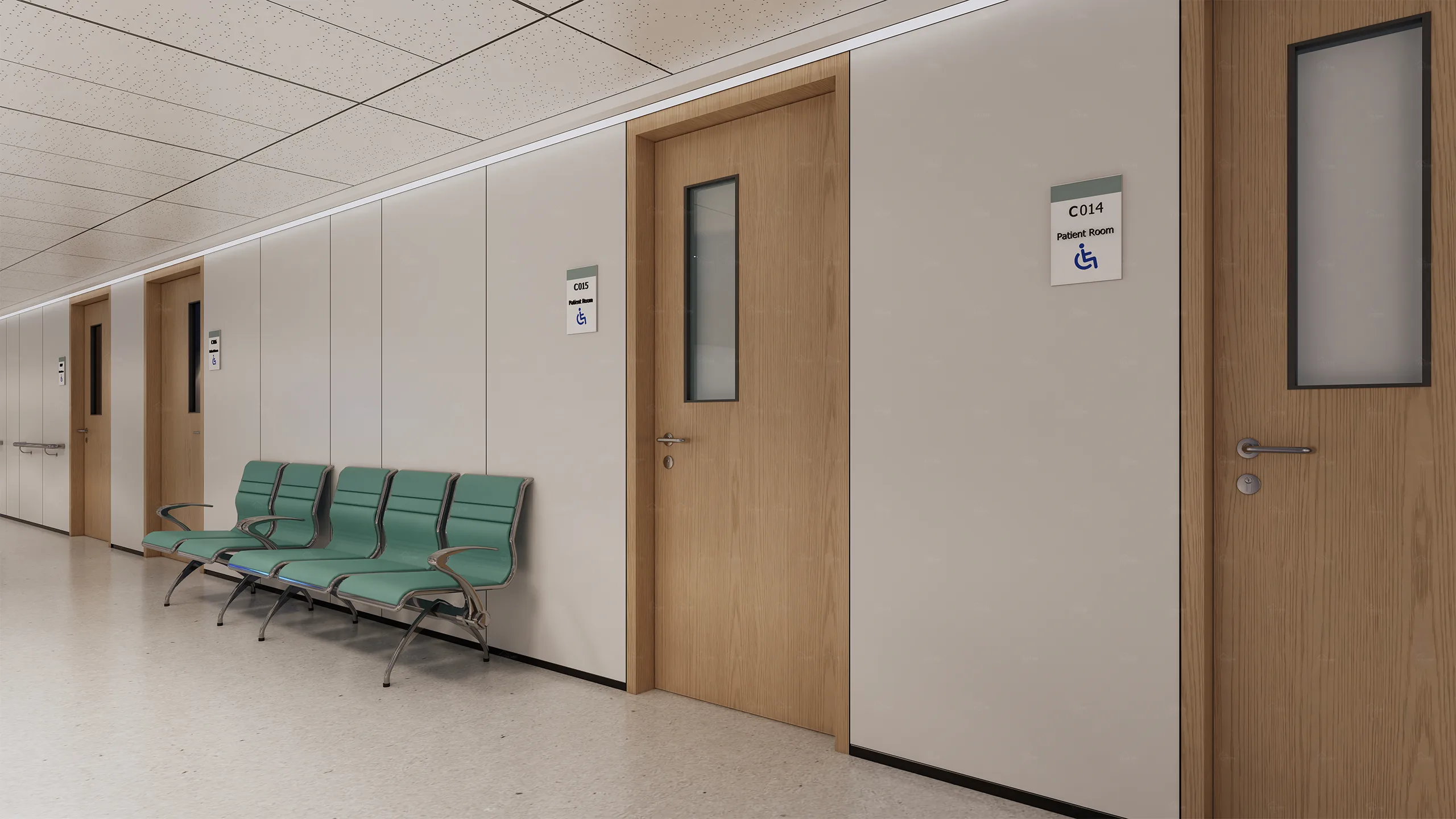
The Cost of Installing Fire Doors in Hotel Rooms
Installing fire doors in hotel rooms is an important investment in safety. While the initial cost may seem high, the long-term benefits far outweigh the expense. Fire doors play a crucial role in protecting guests, staff, and the building itself from fire damage, and they are a key element in meeting fire safety regulations.
Upfront Costs vs. Long-Term Safety Benefits
The upfront cost of installing fire doors in hotel rooms includes the door itself, installation, and any additional features, such as self-closing mechanisms or smoke seals. On average, fire doors can cost more than regular doors due to the materials used, such as fire-resistant steel or timber, and the complex construction required to ensure they meet safety standards.
However, the benefits of fire doors far exceed these initial costs. First and foremost, fire doors save lives. In the event of a fire, fire doors can prevent flames and smoke from spreading, giving guests precious time to evacuate safely. This can make the difference between life and death in a fire emergency.
Additionally, fire doors help limit property damage. A fire contained within a room can prevent it from spreading to other rooms or floors, reducing the cost of fire damage and the need for costly repairs. By investing in fire doors, hotel owners can avoid higher repair costs down the road and protect the hotel’s reputation.
When you compare the upfront costs of installing fire doors with the long-term benefits of safety, protection, and damage prevention, it’s clear that fire doors are a valuable investment for any hotel.
Fire Door Maintenance: What Hotel Owners Should Know?
To ensure that fire doors continue to perform effectively, regular maintenance is essential. Fire doors require periodic inspections to check for wear and tear, proper functionality of the self-closing mechanisms, and the condition of seals and intumescent strips. A certified fire safety professional should conduct these checks to ensure the door meets all relevant safety standards.
Maintenance is relatively low-cost, especially when compared to the cost of dealing with the aftermath of a fire. Neglecting fire door maintenance can result in doors that do not function properly, potentially compromising the building’s fire safety. For example, if a fire door fails to close correctly, it can allow flames and smoke to spread, putting guests and staff at risk.
In addition to regular inspections, hotel owners should keep a record of all fire door maintenance activities. This not only helps with compliance with fire safety regulations but also ensures that all necessary repairs and adjustments are made on time. Fire door maintenance may involve simple tasks like lubricating hinges, adjusting closing mechanisms, or replacing damaged seals. These tasks are small investments that can ensure the doors’ long-term effectiveness.
Insurance and Liability: How Fire Doors Can Save Money?
Fire doors can significantly affect a hotel’s insurance premiums and liability coverage. Insurance companies often offer lower premiums to hotels that meet high safety standards, including installing fire doors. This is because fire doors reduce the likelihood of fire damage spreading, thereby lowering the insurer’s risk.
Additionally, in the unfortunate event of a fire, hotels with fire doors are better protected against liability claims. If a hotel can prove it took all necessary precautions to prevent fire damage and ensure guest safety, including installing fire doors, it can help reduce the hotel’s liability in the event of a claim. This could result in fewer legal and financial consequences for the hotel, saving money in the long run.
Moreover, fire doors may be required by law in certain regions, and failure to comply with safety regulations can result in hefty fines or even the hotel’s closure. By investing in fire doors, hotel owners not only protect guests but also ensure their business remains compliant with fire safety regulations.
Summary
In conclusion, while the cost of installing and maintaining fire doors in hotel rooms may seem significant, the long-term safety benefits and financial savings make it a wise investment. Fire doors help protect lives, reduce property damage, lower insurance premiums, and reduce liability risks. By prioritizing fire safety, hotel owners can safeguard their business and guests, ultimately saving money in the long run.
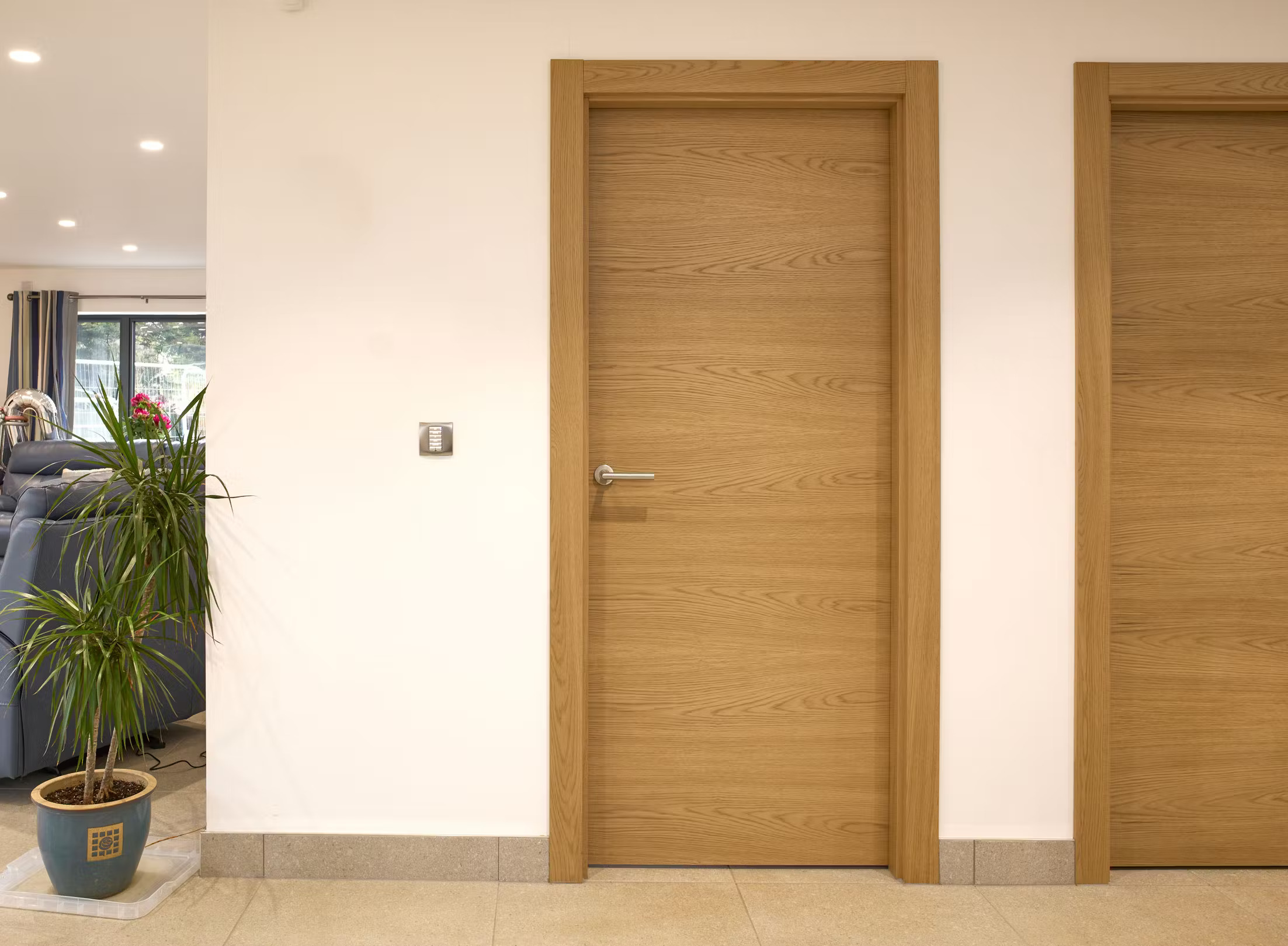
Choosing the Right Fire Door for Hotel Rooms
Selecting the right fire door for hotel rooms is crucial to ensure safety and compliance with local fire regulations. Fire doors must not only meet building codes but also provide adequate protection against the spread of fire and smoke. Here’s a guide to help hotel owners make the right choice when it comes to fire doors for their rooms.
Types of Fire Doors: Which is Best for Hotels?
There are several types of fire doors available, each with its own advantages. When choosing the right fire door for hotel rooms, it’s essential to consider the door’s material, fire resistance rating, and the hotel’s specific needs.
- Timber Fire Doors: These are often used in hotels because they provide a balance of safety, aesthetics, and cost-effectiveness. Timber fire doors are generally available in a variety of finishes to match the hotel’s décor. They are effective at resisting fire and smoke and can be fitted with smoke seals and intumescent strips for additional protection.
- Steel Fire Doors: Steel fire doors are highly durable and offer greater fire resistance than timber doors. They are ideal for areas requiring maximum fire protection, such as high-risk zones or hotel corridors. While they may not offer the same aesthetic appeal as timber doors, steel fire doors are an excellent choice for their reliability.
- Composite Fire Doors: Made from a combination of materials like timber, steel, and glass, composite fire doors offer the best of both worlds. They are highly effective in terms of fire resistance and can be tailored to suit the hotel’s design needs. Composite doors also provide better insulation than standard timber doors, helping to reduce noise.
Fire Door Regulations: What Hotel Owners Need to Know?
Understanding fire door regulations is essential for hotel owners. In most regions, fire safety codes require that hotel rooms, hallways, and common areas be equipped with fire doors to prevent the spread of fire and smoke. These regulations ensure that hotel buildings meet specific safety standards to protect both guests and staff.
Fire doors must meet specific fire-resistance ratings, typically ranging from 30 to 120 minutes. The rating required for each door depends on the area where it is installed. For instance, hotel room doors may require a lower rating, while doors leading to escape routes or stairwells may need a higher rating.
In addition to fire resistance, fire doors must also be adequately sealed to prevent smoke infiltration. Regulations often require that fire doors be equipped with smoke seals, intumescent strips, and self-closing mechanisms to ensure they function correctly during a fire.
Hotel owners must also be aware of maintenance requirements. Fire doors need to be regularly inspected to ensure they are in good working order. Any damage or malfunction, such as a door that does not close properly, can render the door ineffective in the event of a fire. Regular checks are often mandated by law to ensure compliance with fire safety codes.
Working with Professionals: How to Ensure Proper Installation?
Proper installation is critical to ensuring that fire doors function as intended. Hotel owners should always work with certified professionals who specialize in fire door installation. These professionals understand the regulations, the required fire-resistance ratings, and the proper techniques for installing fire doors to ensure compliance with safety standards.
When choosing a contractor for fire door installation, it’s essential to check their credentials and experience. Look for contractors who have a proven track record of working with fire doors in commercial or hotel settings. They should be able to offer advice on the best fire door options based on the hotel’s layout, design, and safety requirements.
Installation is not just about hanging a door; it involves ensuring that the door is fitted correctly, with all necessary seals and components in place. This includes checking the door frame, hinges, locking mechanisms, and any additional features such as automatic closing systems. A well-installed fire door will function properly, providing the maximum level of protection during a fire emergency.
Additionally, professionals will ensure that the doors are compliant with local fire codes and regulations, and they can help hotel owners navigate the complexities of fire safety compliance. Qualified professionals should also conduct regular inspections and maintenance to ensure ongoing protection.
Summary
In conclusion, choosing the right fire door for hotel rooms involves understanding the available door types, the applicable regulations, and the importance of working with professionals for proper installation. Fire doors are an essential safety feature in any hotel, offering protection against fire and smoke while ensuring the safety of guests and staff. By selecting the appropriate doors and ensuring they are correctly installed and maintained, hotel owners can meet safety standards and provide peace of mind to everyone inside the hotel.

Conclusion: The Vital Role of Fire Doors in Hotel Safety
Summarizing the Benefits of Fire Doors in Hotel Rooms
Fire doors play a crucial role in enhancing the safety of hotel rooms and overall hotel premises. These specially designed doors are vital in preventing the rapid spread of fire and smoke, which can save lives and protect property. By acting as barriers, fire doors contain flames within the affected area, giving guests and staff the time needed to evacuate safely. This is especially important in hotels where large numbers of people are housed in proximity.
Beyond safety, fire doors offer several other benefits. They help maintain a safe environment by keeping escape routes clear and ensuring that fire alarms and sprinklers function effectively. By limiting the spread of fire, they also reduce damage to hotel property. Additionally, fire doors are designed to be durable and can withstand intense heat, offering long-term protection with minimal maintenance.
For hotel owners, installing fire doors is an investment that not only protects their guests but also their business. It can lower insurance premiums and ensure compliance with local fire safety regulations. Hotels that meet or exceed safety standards are more likely to attract guests who prioritize safety, improving the hotel’s reputation.
Encouraging Hotel Owners to Prioritize Fire Safety Measures
Hotel owners must recognize the importance of prioritizing fire safety measures, and one of the most effective ways to do so is to install fire doors in hotel rooms and other key areas. Fire safety should not be treated as an afterthought or something that can be overlooked. It is essential for protecting lives and securing the long-term success of the hotel business.
By investing in fire doors, hotel owners demonstrate a commitment to guest safety. It is not just about meeting legal requirements but about creating a safe and secure environment that guests can trust. The installation of fire doors should be part of a broader strategy to improve overall hotel safety, alongside fire alarms, emergency lighting, and staff training.
Furthermore, modern fire doors come in a range of designs that can seamlessly integrate with the hotel’s aesthetic. Whether it’s a sleek, contemporary look or a traditional style, fire doors can blend into the hotel’s design without compromising on safety.
In conclusion, fire doors are indispensable for hotels, offering significant protection and peace of mind. Hotel owners must act now to ensure their properties are up to code, safe, and prepared for any emergencies. Prioritizing fire safety, with fire doors at the forefront, not only protects guests but also strengthens the hotel’s reputation and business in the long run.

Relate FAQ
Are hotel room doors required to be fire doors?
Yes, in most countries, hotel room doors are required to be fire doors by building and fire safety codes. This is particularly true for hotels with more than a few stories or large-scale operations. These regulations ensure that fire doors can slow or prevent the spread of fire between rooms and into hallways, providing valuable time for evacuation and safeguarding the property.
How long can a fire door withstand fire?
Fire doors are typically rated to withstand fire for a specific period, usually 30 to 60 minutes, but in some cases, up to 120 minutes. The particular rating depends on the type of door, the materials used, and the building code requirements for that area. The higher the fire rating, the longer it can withstand heat and prevent the spread of fire.
Do fire doors need special maintenance?
Yes, fire doors require regular maintenance to ensure they remain effective in the event of a fire. This includes checking for proper installation, ensuring seals are intact, and verifying that the door closes fully and latches correctly. Damaged fire doors should be repaired or replaced promptly, as they can no longer provide adequate fire protection if compromised.
Can hotel room doors be both fire-rated and aesthetically pleasing?
Yes, modern fire doors are designed to be both functional and aesthetically appealing. There are a variety of finishes, materials, and designs available that can match a hotel's interior decor while still providing the necessary fire resistance. Fire-rated doors can be customized with wood veneers, glass panels, or other decorative elements to maintain the hotel's overall look and feel.
What are the benefits of using fire doors in hotels?
The main benefit of fire doors in hotels is enhanced safety. They provide an added layer of protection in the event of a fire, helping to contain smoke and flames and giving occupants more time to escape safely. Additionally, fire doors are often required by building safety codes and insurance policies, helping reduce liability and protect both guests and the hotel.
What are the common mistakes in fire door installation in hotels?
Common mistakes include improper installation, such as failing to ensure the door fits tightly within its frame or to align it with the door's fire rating specifications. It's also essential to ensure that fire doors are not blocked by objects or improperly propped open, as this can compromise their effectiveness in a fire emergency. Regular inspections and compliance with building codes are essential to avoid these mistakes.
Are there fire-rated door alternatives for hotels?
In some cases, fire-resistant materials and systems can be used as alternatives to traditional fire doors. These may include fire-resistant partitions or walls, but a fire-rated door is often the most reliable and efficient way to ensure proper fire safety in hotel rooms. Consulting with a fire safety expert can help determine the best solution based on the hotel’s specific needs and building regulations.