What does EI60 fire rated door mean?
Introduction to Fire Door
Fire door is essential components of a building’s fire safety system. They are specially designed to resist the spread of fire and smoke between rooms or areas. Whether you’re building a new property or upgrading your current space, understanding what fire doors are and why they matter can help you make informed decisions to protect your property and its occupants.
The Simple Definition Of EI60
EI60 means a Fire Rated Door has been tested to resist fire for 60 minutes. The letter “E” stands for integrity, and the letter “I” stands for insulation. So, an EI60 fire door must stop the spread of flames and reduce heat transfer.
This makes it different from a normal door. A standard timber door or metal door may look strong, but it is not built or tested for fire safety. In a real fire, it may twist, crack, burn, or fail very quickly.
An EI60 fire resistant door is designed as part of a passive fire protection system. It helps divide a building into safer fire zones. Because of this, it is often used in stairwells, corridors, plant rooms, apartments, hotels, schools, and commercial buildings.
Also, the rating applies to the complete fire door assembly, not just one part. The door leaf, door frame, intumescent seals, smoke seals, fire rated hinges, and door closer must work together. If one part is wrong, the whole EI60 fire door system may fail.
What Does "E" Mean In Fire Door Ratings?
In fire door ratings, “E” means integrity. Integrity indicates how long the Fire Rated Door can prevent the passage of flames and hot gases. For an EI60 fire door, this protection must last for 60 minutes during the fire test.
This matters because fire does not only spread through big openings. It can pass through small cracks, gaps around the frame, weak joints, or damaged seals. A certified fire-rated door must remain closed and maintain its shape under extreme heat.
During a fire test, the door is exposed to very high temperatures. The test checks if flames appear on the safe side of the door. If flames break through too soon, the door cannot meet the EI60 fire rating.
In daily use, integrity also depends on correct installation and maintenance. For example, a missing latch, a broken closer, a poor gap, or a damaged intumescent strip can reduce fire protection. So, a 60-minute fire door must be inspected regularly to remain safe.
What Does "I" Mean In Fire Door Ratings?
“I” means insulation. Insulation indicates how effectively the Fire Rated Door limits heat transfer from the fire side to the safe side. In plain terms, the safe side of the door should not become dangerously hot too fast.
This is very important for escape routes. Even if flames do not pass through, strong heat can still make a corridor unsafe. It can also ignite nearby materials, damage walls, or put people at risk when they try to leave.
That is why an EI60 insulated fire door gives more complete protection than a door rated only for integrity. It helps control both flame spread and heat spread. This makes it useful for stairwells, lobby areas, service rooms, and protected corridors.
For this reason, EI60 fire rated doors are often chosen for higher-risk areas. These may include electrical rooms, mechanical rooms, storage rooms, hotel corridors, apartment entrances, and public buildings. The goal is simple: keep heat and fire contained for longer.
Are EI60 And 60-Minute Fire Doors The Same Thing?
In many projects, people use EI60-rated and 60-minute fire doors in similar ways. Both terms indicate that the door provides 60 minutes of fire resistance. However, they do not always mean the same thing.
EI60 is a more specific fire rating. It means the door has both integrity and insulation for 60 minutes. In other words, it must stop flames and also limit heat transfer during the test period.
The phrase “60-minute fire door” is too broad. It may refer to a door tested under a different standard, such as a British, European, American, or local fire door test method. So, the name alone is not enough.
Before choosing a fire rated steel door, timber fire door, glass fire door, or commercial fire door, always check the certificate. Make sure the door rating, test standard, frame, seals, fire rated glass, and hardware all match the project requirements.

How Does An EI60 Fire Rated Door Work?
An EI60 Fire Rated Door works by slowing the spread of fire, smoke, hot gases, and heat for up to 60 minutes. It does this through a tested door leaf, fire rated frame, intumescent seals, smoke seals, and certified hardware. In short, the entire fire door set works together to protect escape routes and contain fire within a single area.
How Fire Resistance Is Measured?
Fire resistance is measured by time and performance. For an EI60 Fire Rated Door, the key number is 60 minutes. This means the fire door assembly must maintain its primary fire-safety function during a controlled fire test for one full hour.
However, time alone is not enough. The door also needs to meet certain performance rules. In an EI60 fire door rating, the door must show integrity and insulation, so it must stop flames and also reduce heat transfer.
This is why a fire rated door certificate matters. It tells you the tested rating, the test standard, the door size, the frame type, the glass type, and the allowed fire rated hardware. Without this proof, a “60-minute fire door” is just a claim.
For buyers, the simple rule is this: do not judge a Fire Rated Door by thickness or weight only. A heavy steel fire door or timber fire door is not always certified. Always check the test report, label, and full fire door system.
How An EI60 Door Blocks Flames?
An EI60 door blocks flames by keeping the fire side and the safe side apart. The door leaf, frame, latch, hinges, and closer all help the Fire Rated Door stay shut when heat and pressure rise. This helps stop flames from moving into corridors, stairwells, or nearby rooms.
The intumescent seals also play a big role. When heat reaches the door edge, these seals expand, filling the gaps around the door. As a result, flames and hot gases have fewer paths to pass through.
A certified EI60 fire-rated door also requires the right frame and hardware. If the frame bends, the latch fails, or the closer does not fully close the door, the door may not block flames for 60 minutes. So, every part must match the tested fire door assembly.
This is why installation matters as much as the product itself. Even the best commercial fire door can fail if gaps are too wide or the wrong screws, seals, or hinges are used. A good EI60 fire door only works when the entire system remains tight and closed.
How It Reduces Heat Transfer?
An EI60 Fire Rated Door reduces heat transfer through its insulated core and tested construction. The “I” in EI60 means insulation, so the door must slow the transfer of heat from the fire side to the safe side. This helps keep the escape route safer for longer.
This heat control is very important in real buildings. Even if flames do not pass through, strong radiant heat can make the other side dangerous. It can burn people, damage nearby finishes, or ignite items close to the door.
That is why an EI60 insulated fire door offers more protection than an E60 fire door in many cases. An E60 door mainly focuses on flame control, while an EI60 door also limits heat rise. This makes EI60 useful for stairwells, service rooms, hotel corridors, and apartment entrances.
The door core, fire rated glass, seals, and frame all affect heat transfer. For example, if the door has a vision panel, the glass must also be fire rated and tested with the door set. One weak part can reduce the real fire resistance of the full Fire Rated Door.
What Happens During A Fire Test?
During a fire test, the EI60 Fire Rated Door is fitted into a test frame and exposed to very high heat inside a furnace. The test follows a set time-and-temperature curve. This helps demonstrate how the door performs under severe fire conditions.
As the test runs, inspectors watch the safe side of the door. They check for flames, cracks, hot gas leakage, large gaps, and failure of the door leaf or frame. They also measure how much heat passes through the door.
For an EI60 fire-rated door, the door must maintain integrity and insulation for 60 minutes. If flames break through too early, or if the safe side gets too hot too fast, the door will not pass as EI60.
After the test, the result applies only to the tested design and approved variations. This is why manufacturers list the approved door sizes, frame types, hardware, glass options, and installation details. A certified Fire Rated Door is always a tested system, not a random mix of parts.

What Makes Up An EI60 Fire Rated Door?
An EI60 Fire-Rated Door is not just a solid slab. It is a tested fire door assembly consisting of the door leaf, fire-rated frame, core, seals, hinges, locks, latch, closer, glass, and other hardware. Each part has one job, but they must all work together to hold back fire, smoke, hot gases, and heat for 60 minutes.
Door Leaf Construction
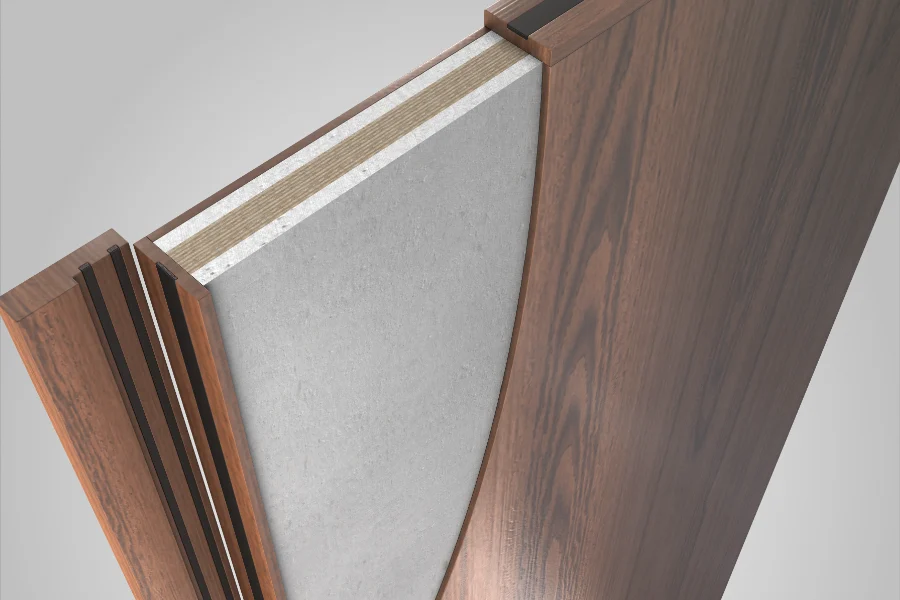
The door leaf is the main body of the Fire Rated Door. It is the part people open and close every day, but in a fire, it becomes the first line of defense against flames and heat. For an EI60 fire door, the leaf must keep its shape and strength for 60 minutes.
A fire rated door leaf can be made from steel, timber, stainless steel, aluminum, or composite materials. The best choice depends on the building type, design style, traffic level, and local fire door requirements.
Inside the leaf, the core material plays a key role. It helps reduce heat transfer and supports the full fire-resistance rating. So, a heavy door is not always better; the tested construction matters more.
Also, the door leaf must match the approved frame, seals, hinges, and hardware. If you change the leaf or cut it without approval, the EI60 fire rated door certificate may no longer apply.
Fire Rated Door Frame
The frame holds the Fire Rated Door in place, so it is just as important as the door leaf. During a fire, the frame must resist heat, movement, and pressure while keeping the door closed and aligned.
A fire-rated door frame may be made of steel, timber, or other tested materials. However, it must match the certified fire door system. A strong door leaf fitted into the wrong frame may fail too early.
The gap between the door leaf and frame also matters. If the gap is too wide, flames, smoke, and hot gases can pass through. If the gap is too tight, the door may not close correctly.
That is why professional installation is so important. A certified EI60 fire door needs the right frame, fixing method, fire stopping, and gap control to perform as tested.
Fire Resistant Core Materials
The core is hidden inside the Fire Rated Door, but it does much of the hard work. It helps the door resist heat, stay stable, and protect the safe side of the building for longer.
Common fire-resistant core materials include mineral core, gypsum core, flaxboard, particleboard, and composite fire core. Each type has different strength, weight, sound control, and fire resistance performance.
For an EI60 fire rated door, the core must support both integrity and insulation. This means it helps stop flames and also slows heat transfer through the door leaf.
Still, the core alone does not make a door certified. The full fire door assembly, including the frame, seals, hardware, and glass, must pass the test as a unit.
Intumescent Seals
Intumescent seals are small strips fitted around the edge of the Fire Rated Door or inside the frame. They may look simple, but they are among the most important fire safety components.
When heat rises, these seals expand many times their original size. As a result, they help close the gaps between the door leaf and frame. This blocks flames and hot gases from passing through.
In an EI60 fire door, intumescent strips must match the tested door design. The size, position, and type of seal all matter. Using the wrong seal can reduce the real fire rating.
Because of this, you should not remove, paint over, cut, or replace these seals without checking the door certificate. A small damaged strip can weaken the whole Fire Rated Door system.
Smoke Seals
Smoke seals help reduce smoke leakage around a Fire Rated Door. They are often fitted with intumescent seals, but they do a different job. Intumescent seals react to heat, while smoke seals help block smoke at lower temperatures.
This matters because smoke can be more dangerous than flames in the first few minutes of a fire. It can spread fast through corridors, stairwells, and escape routes, even before the fire reaches the door.
A smoke-sealed fire door can help keep protected routes clear for longer. This is especially important in hotels, hospitals, schools, apartment buildings, and offices.
However, smoke seals must not stop the door from closing properly. The door should still shut fully, latch correctly, and work smoothly in daily use.
Fire Rated Hinges
Hinges carry the weight of the Fire Rated Door and keep it connected to the frame. During a fire, they must stay strong even when the door leaf becomes hot and heavy.
A certified EI60 fire door requires fire-rated hinges that match the tested door set. Standard hinges may soften, bend, or fail under high heat. If that happens, the door can drop or leave gaps.
Most fire-rated doors require at least three suitable hinges, but the exact number depends on the door’s size, weight, material, and test approval. Heavy steel fire doors may need stronger hinge sets.
Hinges also need the right screws and backing plates. If the fixing method is incorrect, even high-quality fire-rated hinges may not perform as expected.
Fire Rated Locks And Latches
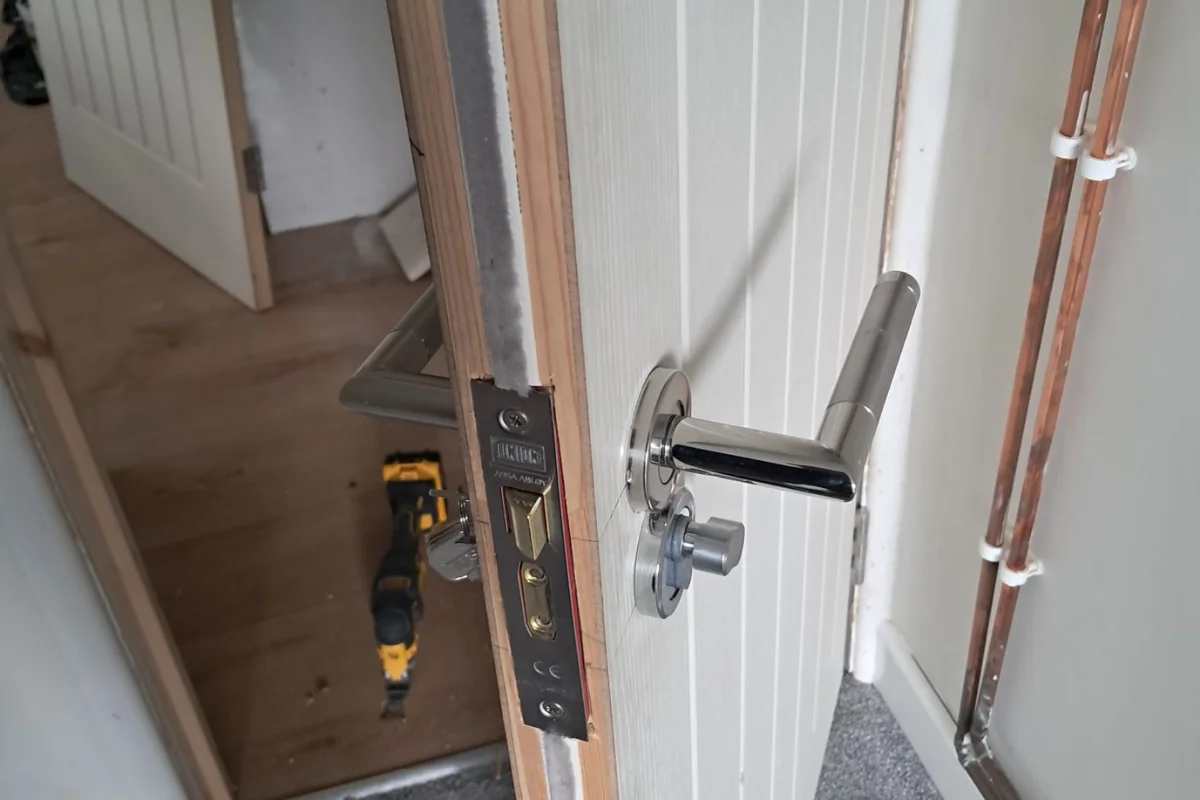
Fire rated locks and latches help keep the Fire Rated Door closed during a fire. This is simple but very important. An open or unlatched fire door cannot protect an escape route.
The latch must hold the door shut when heat and pressure build up. If it fails, flames and hot gases can push the door open or create a dangerous gap at the edge.
For this reason, locks, latches, panic bars, and access control hardware must be tested for use on fire rated doors. Not every standard lock is suitable for an EI60 fire door.
Also, the hardware cut-outs must follow the approved design. Cutting too much from the door leaf can weaken the door and damage the fire rating.
Fire Rated Vision Panels
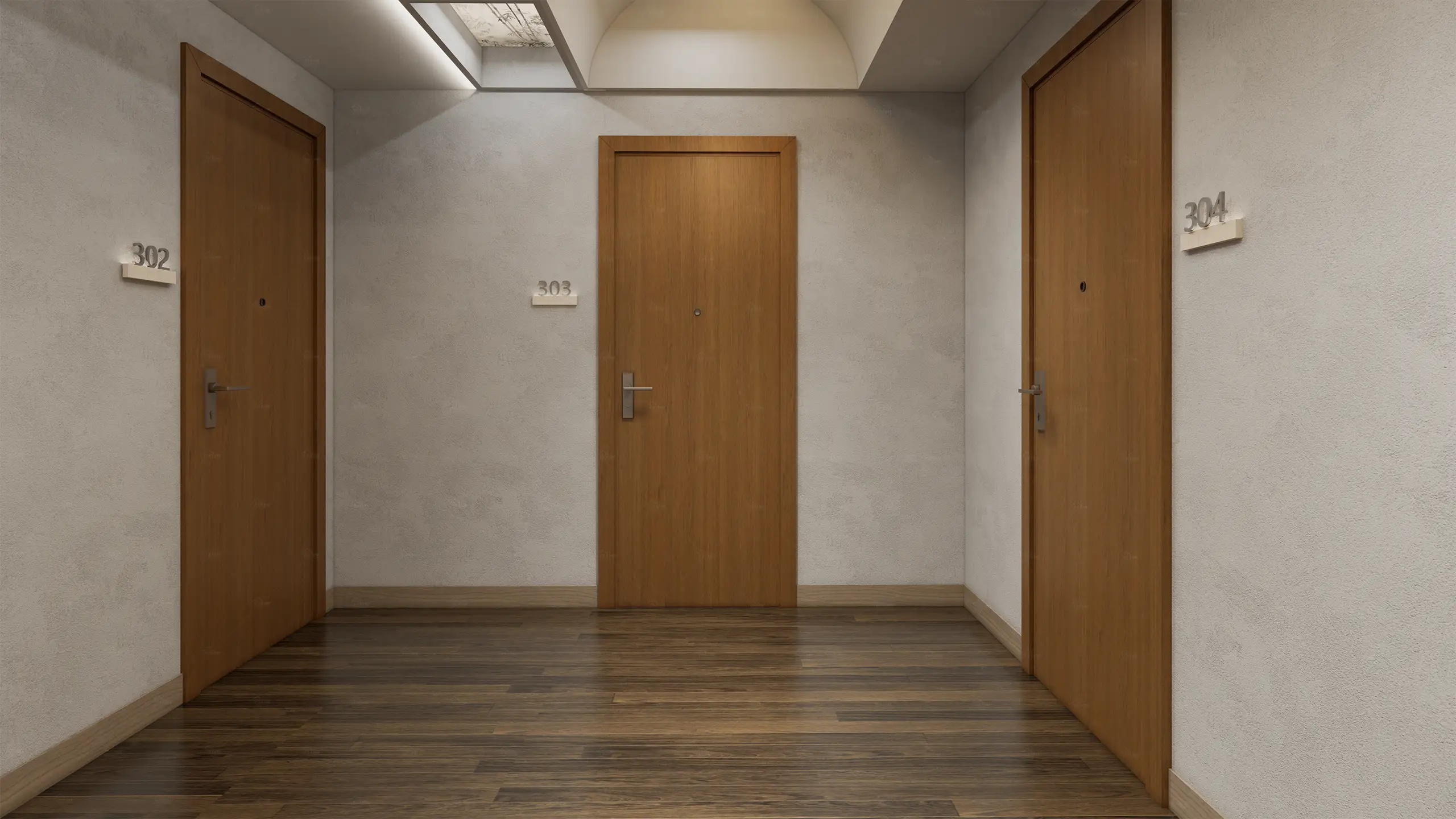
A vision panel is a small window in a Fire Rated Door. It lets people see through the door, which can improve safety in corridors, schools, hospitals, offices, and busy commercial buildings.
However, a standard glass panel cannot be used in an EI60 fire-rated door. The opening, glass, glazing beads, seals, and fixing method must all be fire rated and tested as part of the system.
The size and position of the vision panel also matter. A larger panel may look better, but it may not be allowed under the fire door certificate. Always check the approved options.
When installed correctly, a fire-rated vision panel provides visibility without compromising fire protection. It helps the door stay practical and safe at the same time.
Fire Rated Glass
Fire-rated glass is special glass designed to resist fire for a set period. In an EI60 Fire Rated Door, the glass must match the 60-minute fire rating and the required insulation performance.
Some fire resistant glass only stops flames, while insulated fire rated glass also helps reduce heat transfer. For EI60, this insulation part is very important because the door must control both fire and heat.
The glass must also work with the right glazing system. This includes fire rated beads, gaskets, setting blocks, and sealants. One wrong part can reduce the performance of the whole fire door.
So, when choosing a fire rated glass door or a fire door with a vision panel, always ask for the test report. The glass, frame, door leaf, and hardware should all be approved together.
Door Closers And Hardware
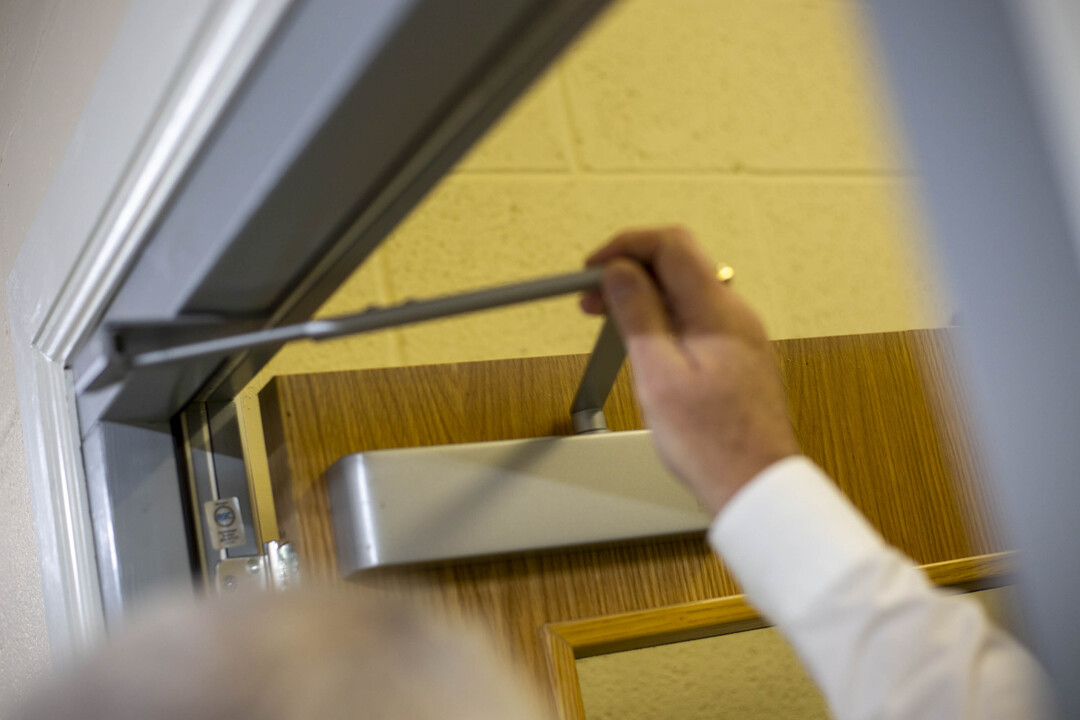
A door closer helps the Fire Rated Door close automatically after someone passes through. This is a small detail in daily use, but it becomes critical during a fire. A fire door only works when it is closed.
For an EI60 fire-rated door, the closer must have sufficient power to close the door fully and latch it every time. It should also suit the door weight, width, location, and traffic level.
Other fire door hardware may include panic bars, handles, kick plates, drop seals, coordinators, hold-open devices, and access control parts. Each part should be approved for use with a fire rated door.
In the end, hardware should never be chosen by look alone. The safest choice is certified, fire-rated hardware that matches the tested EI60 fire door assembly.
Where Are EI60 Fire Rated Doors Commonly Used?
An EI60 Fire Rated Door is suitable for many types of buildings where fire safety is a priority. It can resist fire and heat for up to 60 minutes, giving people more time to leave safely and helping firefighters control the situation. Today, 60-minute fire-rated doors and fire-resistant doors are used because they improve safety while meeting modern building code requirements.
Apartment Buildings
Apartment buildings need a reliable Fire Rated Door to stop fire and smoke from moving between homes. An EI60 Fire Rated Door is often installed at apartment entrances, corridor doors, and service rooms. It helps protect residents and limits damage to other units.
In many apartment blocks, people may not notice a fire right away. A 60-minute fire rated door creates a barrier that slows the spread of flames and hot gases. This extra time allows families to leave the building more safely and calmly.
Property developers also choose fire-resistant doors because they help meet local fire safety regulations. A certified Fire Rated Door also increases confidence among residents, property managers, and insurance companies.
As apartment buildings become larger and taller, fire protection becomes even more important. Installing high-quality commercial fire rated doors is one of the simplest ways to improve the overall safety of the building.
Office Buildings
Office buildings have many employees, visitors, and valuable equipment. A Fire Rated Door helps divide the building into fire compartments and slows the spread of fire between work areas.
An EI60 Fire Rated Door is commonly used at stairwells, server rooms, meeting rooms, and emergency exits. It protects escape routes while reducing damage to office property and important business records.
Modern offices also contain electrical systems, computers, and communication equipment that increase the risk of fire. A fire resistant door helps isolate these areas if a fire starts, giving people more time to evacuate.
Besides safety, many building owners install certified commercial fire doors to comply with fire regulations and support workplace safety programs. It is a smart investment for both people and property.
Hotels
Hotels welcome guests who may not be familiar with the building layout. Therefore, every Fire Rated Door plays an important role during an emergency by protecting escape routes and slowing the spread of smoke.
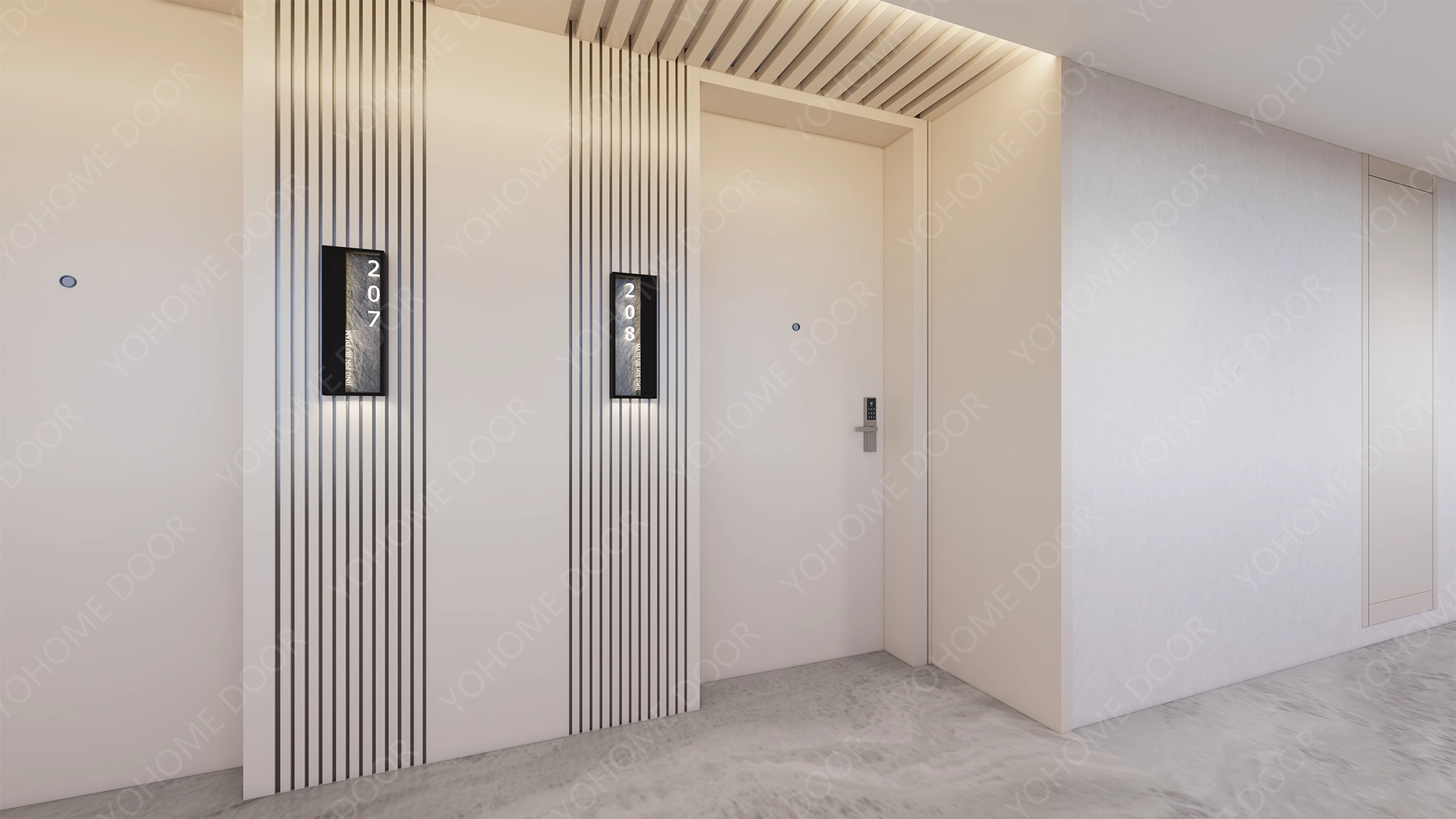
An EI60 Fire Rated Door is often installed in guest room corridors, staircases, service rooms, and equipment areas. It helps separate fire zones and keeps evacuation paths safer for longer.
Hotels also operate around the clock, so fire protection must work at all times. A certified 60-minute fire rated door provides reliable protection without affecting the comfort or appearance of the building.
For hotel owners, using quality fire resistant doors also supports building code compliance, protects guests, and reduces the risk of costly property damage after a fire.
Hospitals
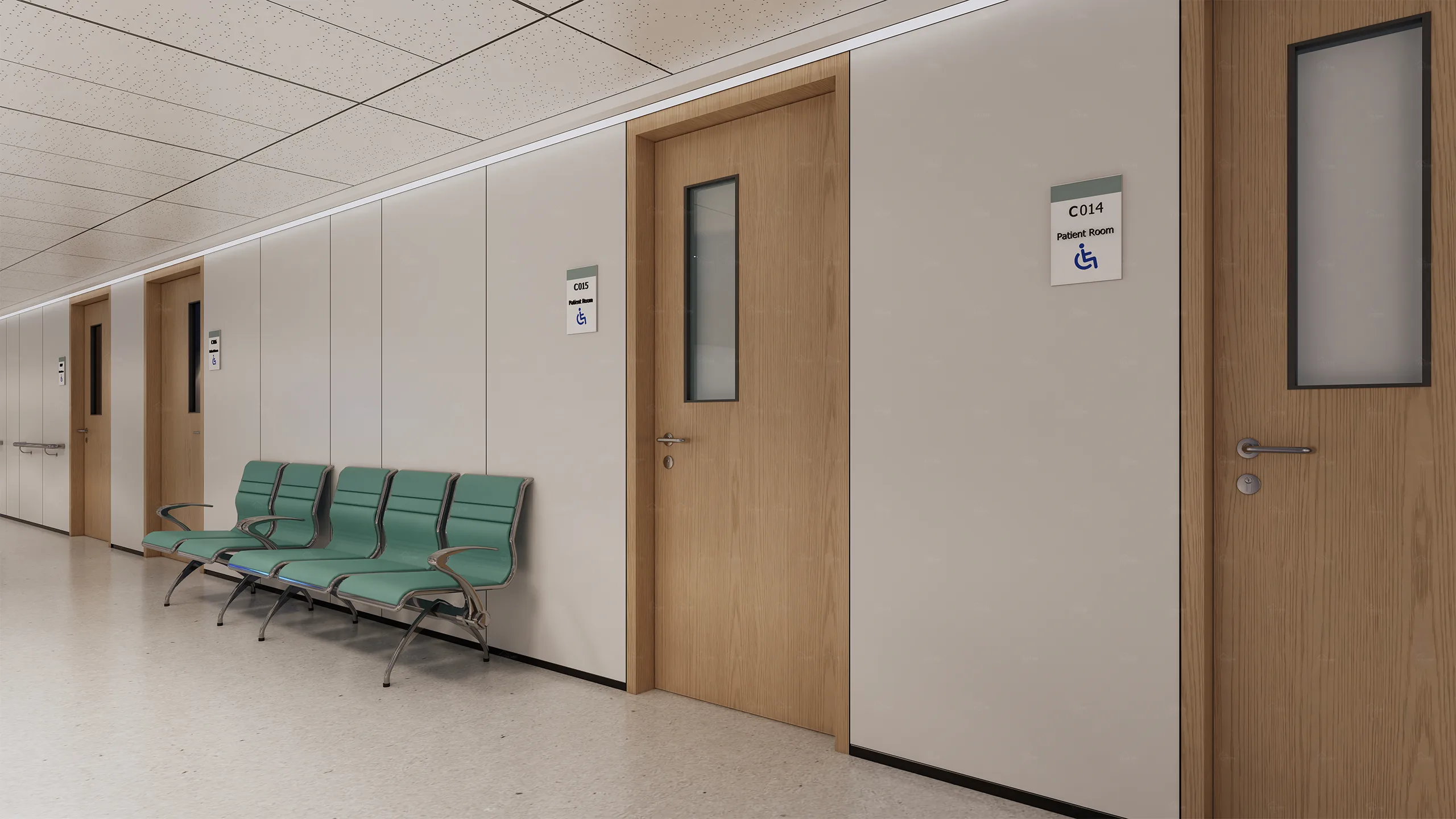
Hospitals care for patients who may not be able to leave quickly during a fire. Because of this, every Fire Rated Door becomes a key part of the building’s fire protection system.
An EI60 Fire Rated Door is commonly installed between hospital wards, operating areas, medical storage rooms, and escape corridors. It helps contain fire while protecting patients, visitors, and medical staff.
Many hospital areas contain oxygen supplies, electrical equipment, and medical devices. A certified fire resistant door helps isolate these higher-risk spaces and prevents fire from spreading rapidly.
Hospitals also need to remain operational during emergencies. By using certified commercial fire rated doors, healthcare facilities can improve safety while meeting strict fire safety standards.
Schools And Universities
Schools and universities protect hundreds, if not thousands, of students every day. Installing a Fire Rated Door helps create a safer learning environment for everyone.
An EI60 Fire Rated Door is often fitted in classrooms, laboratories, libraries, stairwells, and administration offices. It slows the spread of fire and protects evacuation routes during emergencies.
Science labs, workshops, and electrical rooms may contain materials that increase the risk of fire. A 60-minute fire-rated door helps isolate these areas and reduces the chance of a fire reaching nearby classrooms.
Parents, teachers, and school administrators all expect strong safety measures. Using certified fire-resistant doors demonstrates a clear commitment to protecting students and staff.
Shopping Centers
Shopping centers attract large crowds every day, making fire safety a top priority. A Fire Rated Door helps manage fire risks while protecting shoppers, employees, and retail businesses.
An EI60 Fire Rated Door is commonly installed in service corridors, storage rooms, electrical rooms, loading areas, and emergency exits. It creates fire barriers that help keep escape routes open.
Retail stores often contain large amounts of packaging, furniture, and merchandise that can fuel a fire. A certified fire resistant door slows the spread of flames and helps reduce overall damage.
Shopping mall owners also use commercial fire rated doors to comply with building regulations and improve public safety. It is a practical solution for busy commercial environments.
Industrial Buildings
Factories and industrial buildings often handle machinery, chemicals, and high-temperature processes. Therefore, installing a Fire Rated Door is an important part of fire risk management.
An EI60 Fire Rated Door helps separate production areas, machine rooms, and hazardous work zones. It limits the movement of fire and smoke between different sections of the facility.
Industrial fires can spread very quickly if they reach fuel sources or equipment. A certified 60-minute fire-rated door provides valuable time for workers to evacuate and for emergency teams to respond.
Business owners also benefit from reduced property loss and improved compliance when they choose certified fire resistant doors throughout the building.
Warehouses
Warehouses often store large quantities of goods, packaging, and equipment. A Fire Rated Door helps protect these valuable assets while improving overall building safety.
An EI60 Fire Rated Door is usually installed between storage areas, loading docks, offices, and equipment rooms. It helps contain the fire within one section rather than allowing it to spread across the warehouse.
Because warehouse fires can grow rapidly, early containment is essential. A certified fire-resistant door slows the spread of fire and provides firefighters with better access to the affected area.
For warehouse operators, installing commercial fire-rated doors also meets insurance requirements and helps reduce business interruption after a fire.
Electrical Rooms
Electrical rooms contain switchboards, transformers, control panels, and other power equipment. These areas are at higher risk of electrical fires, so a Fire Rated Door is especially important.
An EI60 Fire Rated Door helps isolate electrical faults before they affect nearby offices, production areas, or public spaces. It also keeps smoke and heat from spreading quickly through the building.
Many electrical fires begin without warning. A certified 60-minute fire rated door provides valuable protection while allowing emergency responders more time to manage the situation.
Building owners often install fire resistant doors in electrical rooms to meet fire codes and improve the overall safety of critical building systems.
Stairwells And Escape Routes
Stairwells and escape routes are the most important paths during a fire. Every Fire Rated Door installed along these routes helps people leave the building safely.
An EI60 Fire Rated Door prevents flames and smoke from entering protected staircases. This allows evacuation routes to remain usable for a longer period during an emergency.
Clear escape routes also help firefighters move quickly through the building. A certified fire resistant door supports both evacuation and rescue operations while reducing panic.
Whether in residential, commercial, or industrial buildings, commercial fire-rated doors are essential for protecting escape routes and improving overall life safety during a fire.
EI60 Vs Other Fire Door Standards Around The World
EI60 is a common European fire rating for a Fire Rated Door. It means the door can keep both flame and heat under control for 60 minutes. Still, fire door standards vary from market to market. So, when you choose a fire-resistant door, steel fire door, or commercial fire-rated door, you should first check the local code, test method, and required rating.
European EN 13501-2
EN 13501-2 is the main European classification system for fire resistance. For a Fire Rated Door, it helps define ratings such as E, EW, and EI. The letter “E” means integrity, so the door blocks flame and hot gases. The letter “I” means insulation, so the door also limits heat transfer.
An EI60 fire-rated door must maintain integrity and insulation for 60 minutes. This makes it useful for escape routes, stairwells, corridors, hotels, schools, hospitals, and public buildings. In simple terms, EI60 not only stops fire. It also helps reduce heat on the safe side of the door.
Compared with E60 or EW60, EI60 gives stronger heat protection. That is why many European projects ask for EI-rated fire door assemblies. If people may pass by the door during a fire, EI fire-rated doors are often the safer choice.
EN 1634-1 Fire Door Testing
EN 1634-1 is the fire test method used for door and shutter assemblies in Europe. It tests how a Fire Rated Door performs inside a furnace under controlled fire conditions. The test looks at the full door set, not only the door leaf.
This means the frame, hinges, locks, seals, glazing, and hardware all matter. A good fire-resistant door can fail if its parts do not match the tested system. So, buyers should always ask for the full fire door test report and matching certificate.
For EI60, the door must pass both integrity and insulation checks for 60 minutes. This gives project owners more confidence. It also helps architects, contractors, and fire consultants choose the right fire-rated door assembly for real-world building use.
UL 10C Standard
UL 10C is widely used in North America for positive pressure fire tests of door assemblies. It focuses on swinging fire doors and frames. A UL 10C fire-rated door test aims to reflect how hot gases move during a real fire.
This standard is important for commercial fire rated doors in offices, schools, hotels, apartments, and public buildings. It checks whether the door can stay in the opening and limit the spread of fire. In many cases, the test also includes a hose stream requirement.
UL 10C does not use the same EI wording as Europe. Instead, you may see ratings such as 20, 45, 60, 90, or 120 minutes. So, when comparing EI60 with UL 10C, do not only compare the number. You also need to compare the test method, code demand, and door assembly details.
NFPA Fire Door Requirements
NFPA does not only look at the fire test. It also gives rules for fire door installation, inspection, and maintenance. NFPA 80 is the key standard for fire doors and other opening protectives in many U.S. projects.
For a Fire Rated Door, this means the door must close, latch, and work as intended. Gaps, damaged seals, missing labels, blocked closers, or wrong hardware can all create problems. Even a certified fire resistant door may lose value if people install or maintain it poorly.
NFPA rules are very practical. They remind building owners that fire door safety is not a one-time job. A fire-rated steel door, wood fire door, or glazed fire door requires regular inspections, especially in high-traffic buildings.
BS 476 Fire Door Standard
BS 476 is a long-used British fire resistance standard. For fire doors, BS 476 Part 22 has often been used to test non-loadbearing elements such as door sets and screens. Many older UK and Commonwealth projects still refer to this standard.
A BS 476 fire-rated door test assesses how long the door can resist flame, heat, and structural collapse. You may see ratings such as FD30, FD60, FD90, or FD120 in the market. For example, an FD60 fire door typically refers to a 60-minute fire door under the British system.
However, BS 476 is not the same as EI60. EI60 includes both integrity and insulation under the European classification route. So, when you compare a BS 476 fire door with an EI60 fire rated door, always review the test report and local approval rules.
ASTM Fire Door Testing
ASTM fire door testing is another route used in North America and other markets. It focus on how a door assembly works as a fire-resistive barrier during a standard fire endurance test. This helps show whether the door can slow the spread of fire through a wall opening.
For a Fire-Rated Door, ASTM testing often evaluates the full assembly. The door leaf, frame, hardware, seals, glazing, and installation method all affect the result. This is why a fire-rated door supplier should provide clear documentation, not just a simple rating claim.
When comparing ASTM testing with EI60, the key point is simple: each system has its own language. EI60 talks about integrity and insulation for 60 minutes. ASTM-based fire door ratings may use different test steps and acceptance rules. So, the best choice depends on the project location, building code, and the required fire-door performance.
How Is An EI60 Fire Rated Door Tested?
An EI60 Fire Rated Door must demonstrate that it can withstand fire and reduce heat for 60 minutes. The test does not check the door leaf alone. It checks the full fire rated door assembly, including the frame, seals, hinges, lock, glazing, and fixing method. This gives buyers a more realistic view of how the fire resistant door may perform in a building.
Furnace Testing Process
The test starts by fitting the Fire Rated Door into a test wall, just like it would sit on site. The lab installs the door leaf, frame, hardware, fire seals, and any glass panels as one complete system. This step matters because a fire door only works well when all parts match.
Next, the furnace heats one side of the fire rated door assembly. The heat follows a standard fire curve so that the lab can measure the result fairly. During the test, experts watch the door for cracks, gaps, flame spread, heat rise, and movement.
For an EI60 fire-rated door, the assembly must remain intact for 60 minutes. It must stop flames from passing through. At the same time, it must limit heat exposure on the safe side, so people and escape routes are better protected.

Integrity Test Explained
The integrity test checks whether flames or hot gases pass through the Fire Rated Door. In simple terms, the door must stay closed and hold back the fire. If large gaps open or flames appear on the safe side, the fire door can fail.
This part of the test is very important for corridors, stairwells, exits, and fire escape routes. A commercial fire-rated door must prevent the spread of fire from one room to another. That extra time can help people leave the building and help firefighters control the fire.
For EI60, the fire-resistant door must maintain its integrity for 60 minutes. So, the door leaf, frame, hinges, latch, and seals all need to work together. A strong door leaf alone is not enough if the hardware or frame fails early.
Insulation Test Explained
The insulation test checks how much heat passes through the Fire Rated Door. This is the “I” part of EI60. It means the safe side of the door must stay below set temperature limits during the 60-minute test.
This feature makes an EI60 fire rated door different from some basic fire doors. A door may stop flames, yet still allow too much heat through. If that happens, nearby people, walls, goods, or escape paths may still face serious risk.
That is why many hospitals, hotels, schools, offices, and apartment buildings choose insulated, fire-rated doors. They do not just block fire. They also reduce radiant heat, protect escape routes, and support safer evacuation.
Smoke Leakage Testing
Smoke leakage testing checks how much smoke can pass around the Fire Rated Door. In many real fires, smoke causes danger before flames reach people. So, a smoke control fire door can be just as important as the fire rating itself.
This test often looks at the gaps around the door leaf, frame, threshold, and seals. Good smoke seals help reduce leakage when the door is closed. As a result, corridors, stairs, and safe zones can stay clearer for longer.
Not every EI60 fire-rated door automatically has smoke-control performance. So, buyers should ask for the smoke-leakage rating if the project requires it. For hotels, hospitals, schools, and high-rise buildings, this detail is often worth checking early.
Certification And Third-Party Approval
After testing, the lab issues a report for the Fire Rated Door assembly. This report shows the tested size, door type, frame type, hardware, glass, seals, and fire rating. It also confirms whether the door reached EI60 performance.
Third-party approval adds more trust. It means an outside body checks the product, factory control, and sometimes ongoing production. This helps ensure the fire-rated door you buy matches the tested sample.
Before ordering EI60 fire-rated doors, always ask for clear documentation. You should check the fire test report, certificate, door label, approved hardware list, and installation guide. This simple step can prevent code issues, site delays, and safety risks later.
How To Choose The Right EI60 Fire Rated Door?
Choosing the right EI60 Fire Rated Door is about more than picking a 60-minute rating. You also need to think about the building type, local fire codes, certified testing, hardware, and the supplier behind the product. A well-matched fire-rated door system provides better safety, lasts longer, and helps your project pass inspection with fewer problems.
Consider The Building Type
Every building has different fire safety needs. A Fire Rated Door for a hospital may not be the best choice for a warehouse or an office. Before you buy, consider how the building is used and how many people use it each day.
For example, schools, hotels, apartment buildings, and hospitals often require EI60 fire-rated doors because occupants need more time to evacuate safely during a fire. In industrial buildings, the focus may be on protecting equipment and reducing the spread of fire between work areas.
You should also think about door size, opening frequency, moisture, and security. A commercial fire-rated door in a busy hallway requires different features than a steel fire door used in a storage room. Choosing the right solution from the start saves both time and money later.
Check Local Building Codes
Building codes differ from one country to another and sometimes even between cities. Before choosing a Fire Rated Door, always check the local fire regulations and building requirements. This helps you avoid delays during approval or inspection.
Some projects require an EI60 fire rated door, while others may accept different fire ratings. Local rules may also ask for smoke control, panic hardware, self-closing devices, or special glazing. These details are just as important as the fire rating itself.
If you are unsure about the requirements, talk with your architect, fire engineer, or local authority. A trusted fire-rated door supplier can also help explain which certified fire-rated door system best fits your project and local code.
Choose Certified Products
Not every Fire Rated Door on the market has real fire test certification. Some products claim only a fire rating without providing test reports or approval documents. That is why you should always ask for proof before placing an order.
A certified fire-rated door should come with a valid fire test report, a product certificate, and a permanent label. These documents confirm that the complete fire door assembly has passed recognized testing in accordance with the required standard.
Buying certified products also reduces project risk. It gives contractors, consultants, and building owners more confidence. More importantly, it helps ensure the fire-resistant door performs as expected when it matters most.

Match The Right Hardware
A Fire-Rated Door works as a single, complete system. Even the best fire door leaf can fail if the hinges, lock, closer, seals, or glazing are not compatible. Every part should match the tested fire rated door assembly.
Choose fire-rated hardware that appears in the manufacturer’s approved test report. This includes hinges, handles, panic devices, vision panels, door closers, and intumescent seals. Mixing different brands without approval may affect fire performance.
Also think about how people use the door every day. High-traffic areas may need heavy-duty hinges and stronger closers. By matching the right hardware, your commercial fire rated door will provide better safety, smoother operation, and a longer service life.
Work With A Trusted Manufacturer
A reliable manufacturer does much more than supply a Fire Rated Door. They provide technical support, test reports, certification, installation guides, and after-sales service. This can make your project much easier from start to finish.
Experienced fire-rated door manufacturers also understand various international standards. Whether your project follows EI60, UL, BS, or other fire door requirements, they can recommend the right certified fire door solution for your market.
Before making a final decision, check the company’s experience, production quality, certifications, and completed projects. A trusted fire-rated door supplier will answer your questions clearly, provide complete documentation, and help ensure your building remains safe and compliant for years to come.
Relate FAQ
What does EI60 stand for in fire doors?
EI60 means the door has been tested to maintain integrity and insulation for 60 minutes during a standard fire resistance test.
Does an EI60 door stop smoke?
Not automatically. EI60 refers to fire integrity and insulation. For smoke control, you should check whether the door also has a smoke leakage classification, such as Sa or S200, depending on the applicable standard.
Where are EI60 fire rated doors commonly used?
EI60 doors are commonly used in stairwells, escape routes, plant rooms, corridors, fire compartments, commercial buildings, hospitals, hotels, factories, and high-risk areas where 60-minute fire separation is required.
Is the door leaf alone enough to be EI60 rated?
No. Fire rating applies to the complete doorset or door assembly, including the frame, leaf, hinges, seals, glazing, hardware, and installation method.
Can an EI60 fire rated door have glass?
Yes. An EI60 glazed fire door can be used if the glass, frame, seals, and full system are tested and certified together to EI60 performance.
How do I know if a fire door is really EI60 certified?
Check the test report, classification report, product certificate, door label, hardware specification, and installation instructions. The certificate should clearly state EI60 and the tested standard or classification route.
What standards are related to EI fire rated doors?
In many European-style classification systems, fire resistance is classified under EN 13501-2, while fire resistance testing for doors is commonly associated with EN 1634-1.