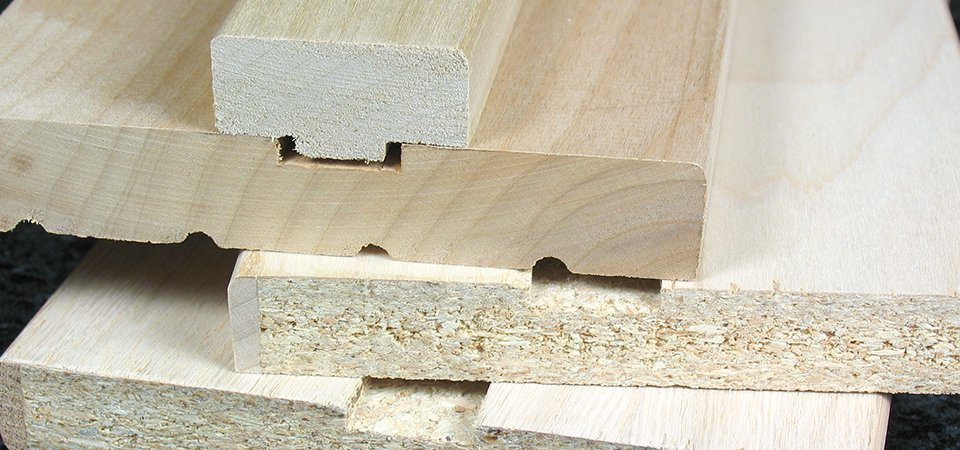
What is the purpose of the perlite board core in fire doors?
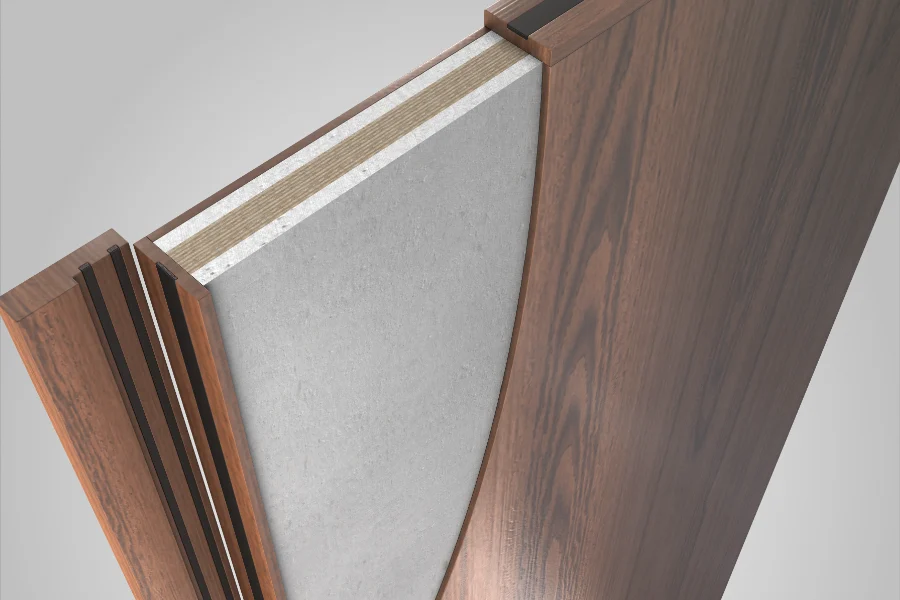
What Is A Fire Door Core Made Of?
A Fire Door core is the inner structure inside the door leaf that controls how the door performs under fire conditions. It is not just a filler but a key safety component that determines how long the door can withstand heat, smoke, and flame. Different fire door core materials offer different levels of protection, strength, and durability. Because of this, choosing the right core is one of the most important steps in fire door construction and fire safety design.
Common Fire Door Core Materials Explained
Fire Door systems use different types of core materials depending on fire rating, building type, and cost requirements. Each material behaves differently when exposed to heat and pressure, which directly affects fire resistance performance. Some cores focus on lightweight design, while others focus on high fire protection. Understanding these options helps you choose the right fire rated door for safety and compliance.
Mineral Core Vs Honeycomb Core Vs Solid Timber Core
Mineral core fire doors are widely used in modern fire protection systems because they offer strong resistance against heat and flame. These cores often include materials like calcium silicate or perlite-based boards, which do not burn easily. They maintain structural integrity longer during fire exposure, making them suitable for commercial and public buildings. In many cases, they are the standard choice for certified fire rated doors.
Honeycomb core doors are much lighter and more cost-effective, often made from paper-based or kraft structures. They are commonly used in non-fire-rated or low-risk interior doors. However, under high heat, honeycomb structures lose strength quickly and can collapse. This makes them less suitable for serious fire-safety applications that require longer fire resistance.
Solid timber-core doors are made from compressed or engineered wood. They feel strong and solid and are often used in residential interior doors. While treated timber can provide some fire resistance, it remains combustible. In fire door applications, it must be combined with fire-resistant layers and proper certification to meet safety standards.
Where Perlite Board Fits In Fire Door Construction?
Perlite board is a mineral-based fire-resistant material used inside Fire Door cores. It comes from expanded volcanic glass, which creates a lightweight yet stable structure. In fire door construction, perlite board is usually placed inside the door leaf as a central insulating layer. It plays a key role in slowing heat transfer between the two sides of the door.
During fire exposure, the perlite board helps maintain the door’s shape and integrity. It does not burn easily and can handle high temperatures without breaking down quickly. This makes it a reliable choice for FD30, FD60, and higher-rated fire doors. Builders often prefer it because it balances safety performance with manageable weight and cost.
Perlite board also works well with other fire door components, such as seals and facings. It supports the overall fire door system rather than acting alone. This system approach improves smoke control and flame resistance. Because of this, perlite core fire doors are commonly used in offices, hospitals, and multi-storey residential buildings.
Why Fire Door Core Material Matters?
The core material of a Fire Door directly determines how the door behaves in a real fire situation. It is the main barrier that slows the movement of heat, smoke, and flame. If the core fails early, the entire fire door system loses its protection function. That is why engineers and builders always focus on selecting the right core for the required fire rating and building safety needs.
Fire Resistance Time Rating
Fire resistance time rating shows how long a Fire Door can survive under standard fire test conditions. FD30 doors are designed to hold back fire for about 30 minutes, which is common in residential and light commercial spaces. FD60 and FD90 doors are used in higher-risk areas where more evacuation time is needed. FD120 doors provide the highest level of protection and are used in critical infrastructure and high-rise buildings.
The fire door core material is the main factor that determines these ratings. Honeycomb cores often struggle to achieve higher ratings because they burn and collapse more quickly. Timber cores may achieve limited ratings when properly treated and certified. Mineral and perlite-based cores are more reliable for achieving higher fire resistance times due to their non-combustible nature.
In real building applications, fire rating is not just a number; it is a life-safety factor. A few extra minutes can make a big difference during evacuation. That is why certified fire door systems always rely on tested core materials. Perlite board cores are often chosen when a balance between performance and cost is needed.
Structural Stability During Fire Exposure
When a fire starts, the temperature rises rapidly, placing extreme stress on the Fire Door. Heat causes materials to expand, warp, or break down, which can lead to door failure. A strong fire door core helps control this movement and keeps the door stable inside the frame. Without this stability, the door may lose its protective function early.
Mineral-based cores, including perlite board, perform well under these conditions. They resist deformation and maintain their shape even under high heat exposure. This helps the door stay closed and properly aligned during a fire event. Stability is especially important in escape routes such as stairwells and corridors, where door failure can block evacuation paths.
Honeycomb and untreated timber cores usually struggle with structural stability under fire. They tend to weaken quickly and lose rigidity. This is why they are not preferred for high fire-rating applications. A stable core ensures the Fire Door continues working as a barrier when it is needed most.
Smoke And Flame Control Performance
In many fire incidents, smoke spreads faster and causes more danger than flames. That is why Fire Doors are designed not only for fire resistance but also for smoke control. A good core material helps slow down both flame penetration and smoke leakage through the door structure.
Perlite board cores are effective at limiting heat transfer, thereby indirectly reducing smoke movement. When combined with intumescent seals, the fire door system expands and seals gaps during heat exposure. This helps block toxic gases and improves evacuation safety. The slower the smoke spreads, the more time people have to escape.
Flame control is also closely linked to core performance. If the core burns or breaks down quickly, flames can pass through the door structure. Mineral cores provide a stronger barrier against this process. This is why certified fire doors always use tested core materials that support both flame resistance and smoke containment.

What Is Perlite Board In Fire Doors?
Perlite board is a key fire-resistant material used inside many modern Fire Door systems. It is primarily used as a core layer to slow heat transfer, control flame spread, and enhance overall fire safety performance. In simple terms, it works as a hidden protection layer inside the door leaf. Because of its stable, non-combustible nature, it is widely used in fire-rated doors for residential, commercial, and public buildings.
Simple Definition Of Perlite Board Core
Perlite board core is a mineral-based insulation layer used inside a Fire Door. It is designed to withstand high temperatures and protect the door structure during a fire. Many builders use it in fire rated door construction because it offers both safety and stability without adding too much weight. It sits inside the door leaf and acts like a thermal barrier between fire and escape routes.
What Perlite Is?
Perlite is a natural volcanic material formed when lava cools rapidly, trapping water within its structure. When it is heated again during production, it expands like popcorn. This creates a lightweight, porous structure that is perfect for insulation. In Fire Door applications, this natural structure helps reduce heat transfer and improve fire resistance.
Because it comes from natural stone, perlite is stable and does not release harmful gases during fire exposure. This makes it a safe choice for fire safety products. It is often processed into boards that can fit inside fire door cores. These boards are then used in FD30, FD60, and higher-rated fire doors.
How It Becomes Fire-Resistant Board?
To make a perlite board for Fire Door use, raw perlite is first expanded under high heat. This process creates a lightweight mineral structure with many air pockets. These air pockets are key because they slow down heat transfer during fire exposure. After expansion, the material is mixed with binders and pressed into rigid boards.
These boards are then dried and cut into standard sizes for fire door manufacturing. The final product is strong, flat, and stable under heat. In a fire situation, the board does not burn or melt easily. Instead, it acts as a protective shield inside the fire door core, helping maintain structural integrity and fire rating performance.
Key Properties Of Perlite Core Material
Perlite core material is widely used in Fire Door systems because it combines safety, stability, and insulation in one solution. It is not just about fire resistance. It also helps with weight control, durability, and long-term performance. These properties make it a practical choice for modern fire rated door production.
Low Thermal Conductivity
One of the strongest features of perlite board is its low thermal conductivity. This means it slows down the movement of heat through the Fire Door. When fire starts on one side, the heat takes longer to reach the other side. This delay is crucial for a safe evacuation.
In fire door applications, this property helps protect escape routes like corridors and stairwells. It reduces the risk of heat damage on the safe side of the door. Because of this, perlite core fire doors are often used in buildings where people need extra time to leave safely.
Lightweight But Stable Structure
Perlite board is much lighter than many other fire door core materials. This makes it easier to handle during production and installation. Even though it is lightweight, it maintains a strong, stable shape under pressure.
In Fire Door systems, this balance is very important. A heavy door is harder to install and maintain. A weak door is unsafe. Perlite board solves this problem by giving both strength and low weight. It helps the fire door close properly and stay aligned inside the frame even under stress.
Non-Combustible Behavior
Perlite board does not burn. This is one of its most important features for Fire Door safety. When exposed to high heat, it does not support flame spread. Instead, it stays stable and acts as a barrier against fire movement.
This non-combustible behavior helps improve the overall fire rating of the door. It supports compliance with fire safety standards used in Europe, the UK, and other global markets. Because of this, perlite core materials are often used for certified fire-resistant doors in public and commercial buildings.
Why Manufacturers Choose Perlite Board Cores?
Fire Door manufacturers look for materials that are safe, cost-effective, and easy to use in production. Perlite board meets these needs very well. It offers strong fire protection without making the door too heavy or too expensive. This balance is one of the main reasons it is widely used in modern fire rated door manufacturing.
Cost Vs Performance Balance
Perlite board gives a strong balance between cost and performance. It is more affordable than many high-end fire-resistant materials, but still delivers reliable fire protection. This makes it a smart choice for large-scale Fire Door production.
For manufacturers, this balance is important. It allows them to meet fire safety standards without significantly increasing production costs. At the same time, building owners still receive a certified fire-rated door that performs well in real fire situations.
Easy Machining And Door Production Use
Another key advantage of perlite board is its ease of use during production. It can be cut, shaped, and fitted into various Fire Door designs with little difficulty. This helps manufacturers speed up production.
It also fits well with standard door assembly lines. Workers can install it quickly and consistently inside the door leaf. This reduces errors and improves overall production efficiency. Because of this, perlite core fire doors are widely used in both mass production and custom fire door projects.

What Is The Purpose Of Perlite Board Core In Fire Doors?
The perlite board core in a Fire Door plays a central role in overall fire safety performance. It is not just a filling material, but a working safety layer inside the door leaf. When fire starts, this core helps slow the heat, block flames, and control smoke movement. In many fire rated door systems, it acts as the hidden shield that keeps the door stable and effective during emergency conditions.
Main Fire Protection Function
The main job of a perlite board core in a Fire Door is to provide fire protection. It reacts slowly to heat, helping the door resist fire for longer. This function is critical in both residential and commercial fire rated door systems. Without a strong core, the door would fail quickly and lose its safety purpose.
Slows Down Fire Spread Inside The Door Leaf
Perlite board helps slow the rate of fire spread through the Fire Door structure. When flames hit the door surface, the core reduces internal heat movement. This delay gives more time for evacuation and emergency response.
In fire rated door applications, even a few extra minutes matter. The perlite core acts as a barrier within the door leaf. It limits flame penetration and reduces internal burning speed. This makes it a key component of FD30, FD60, and higher fire-resistance systems.
Maintains Integrity Under High Heat
When temperatures rise sharply, many materials begin to fail. But the perlite board stays stable under high-heat conditions. It helps the Fire Door keep its shape and structure during fire exposure.
This stability is very important in real fire situations. If the door breaks or collapses, smoke and flames spread faster. A perlite core supports the door leaf, keeping it closed and functional longer. This helps maintain fire compartmentation within the building.
Heat Insulation Purpose
Another key role of perlite board in Fire Door systems is heat insulation. It does not just stop flames. It also slows down heat transfer from the fire side to the safe side. This function protects people and reduces damage in nearby areas.
Reduces Heat Transfer To The Non-Fire Side
Perlite board has low thermal conductivity, which slows heat transfer through the Fire Door. When one side is exposed to fire, the other side stays cooler for longer.
This heat control is very important for fire-rated door performance. It helps protect rooms that are not directly affected by fire. It also reduces the risk of secondary fire caused by heat buildup on the safe side.
Helps Protect Escape Routes
In buildings, Fire Doors are often installed along escape routes, such as corridors and stairwells. These areas must stay safe during emergencies. Perlite core fire doors help keep these paths usable for longer.
By reducing heat flow, the door creates a safer environment for evacuation. People can move through escape routes without facing extreme heat. This simple delay can make a big difference in saving lives during a fire event.
Structural Support Purpose
Perlite board is not only about fire resistance. It also supports the Fire Door’s physical strength. When exposed to extreme heat, doors are under pressure from both temperature and air movement. The core helps control this stress and keeps the structure stable.
Keeps Door Stable Under Extreme Temperatures
High temperatures can weaken many door materials. But perlite board helps the Fire Door keep its shape even under intense heat. It reduces internal movement inside the door leaf.
This stability ensures the door stays properly aligned in the frame. In fire safety design, alignment is very important. A misaligned door can create gaps, and gaps reduce fire protection performance. Perlite core helps prevent this issue.
Prevents Warping, Cracking, Or Collapse
During a fire, heat can cause doors to bend, crack, or even collapse. This is a common failure point in low-quality doors. Perlite board reduces this risk by strengthening the internal structure.
It holds the door leaf together and resists deformation. Even when outer layers face extreme heat, the core supports the structure from inside. This makes the Fire Door more reliable during prolonged fire exposure.
Smoke Control Support
In real fire incidents, smoke spreads faster than flames. That is why modern Fire Doors must control both fire and smoke. Perlite board helps support this function by working together with other sealing systems inside the door.
Works With Intumescent Seals
Perlite core fire doors are designed to work with intumescent seals. These seals expand when heated and close gaps around the door frame. At the same time, the perlite board slows the heat transfer through the door leaf.
This combination creates a strong smoke control system. The seals block edges, while the core blocks internal heat movement. Together, they improve the overall Fire Door performance in real emergency conditions.
Reduces Toxic Gas Leakage During Fire
One of the biggest dangers in a fire is toxic gas. Smoke carries harmful gases that spread quickly through buildings. Perlite board helps reduce this risk by limiting internal door failure and slowing the spread of smoke.
Because it does not burn or break down easily, it helps maintain a sealed structure longer. This reduces gaps through which smoke can pass. As a result, the Fire Door system provides better protection for occupants during evacuation.
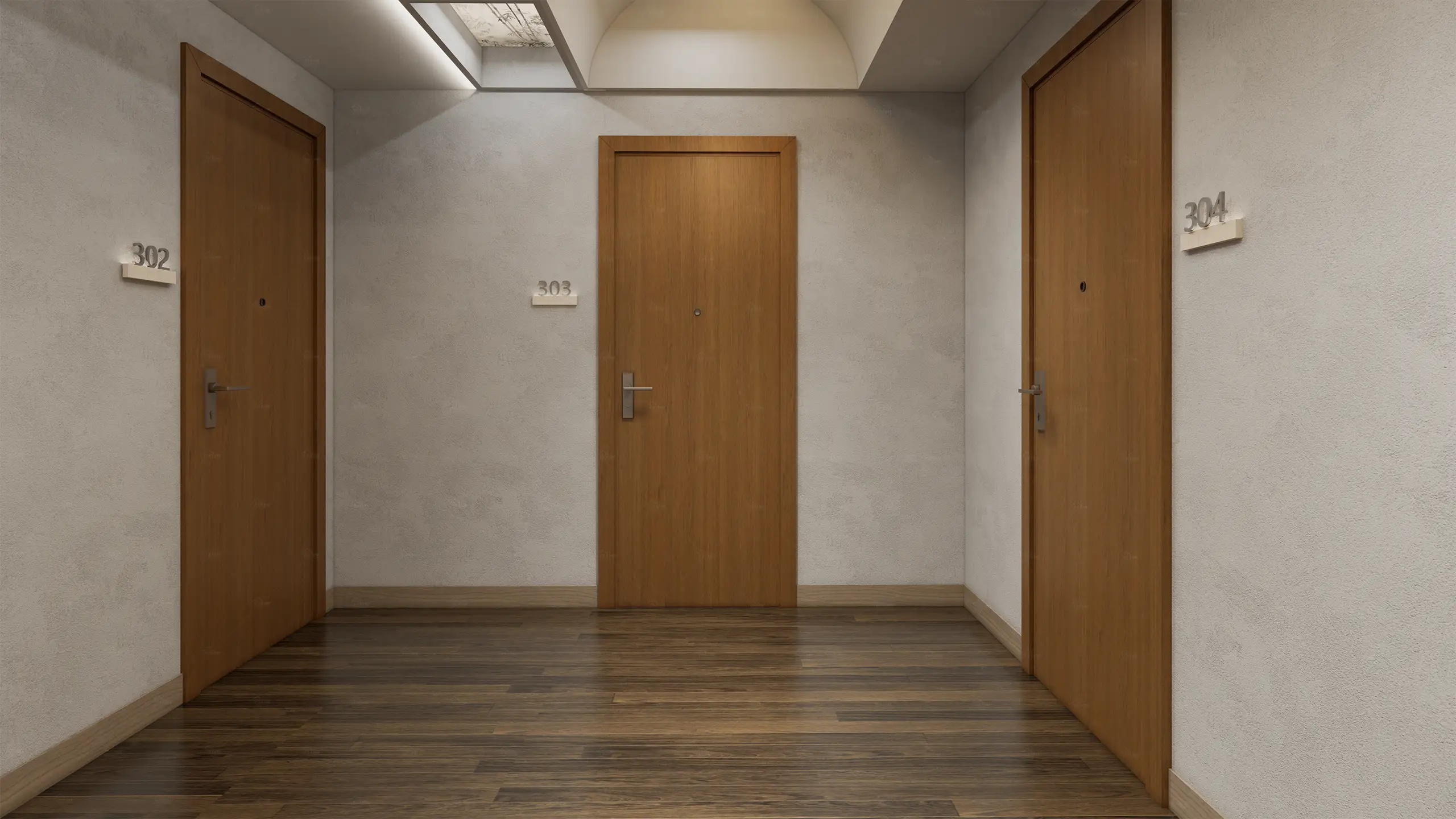
How Perlite Board Improves Fire Door Performance?
Perlite board plays a key role in improving overall Fire Door performance. It is not just a core material, but a tested component of a complete fire-rated door system. When a fire occurs, it helps control heat, smoke, and structural damage simultaneously. Because of this, many manufacturers use perlite core boards to meet strict fire safety rules and real building demands.
Fire Resistance Testing Standards
Fire Door performance must pass strict fire resistance tests before it can be certified for use in buildings. These tests simulate real fire conditions and measure how long a fire rated door can hold back flames, heat, and smoke. Perlite board plays an important role in these tests by stabilizing the door core and improving thermal resistance. As a result, Fire Doors with perlite cores are more likely to meet international safety standards.
EN 1634 Fire Testing Overview
EN 1634 is a key European standard used to test Fire Door systems under controlled furnace conditions. It measures three main factors: integrity, insulation, and stability during fire exposure. The fire-rated door is placed in a furnace where temperatures rise rapidly, simulating real building fire scenarios.
Perlite board cores help Fire Doors perform better in EN 1634 tests by slowing heat transfer through the door leaf. This delay allows the door to maintain its structural integrity for longer. It also reduces the risk of early cracking or deformation under heat pressure.
In many cases, perlite core Fire Doors achieve better insulation results because the material traps heat inside its porous structure. This helps the door maintain temperature differences between the fire side and the safe side. As a result, evacuation time increases, which is critical for building safety.
UL Fire Door Certification Basics
UL certification is widely used in North America to approve Fire Door systems for commercial and residential buildings. The test evaluates fire endurance, pressure resistance, and structural behavior under extreme heat. A Fire Door must stay intact and functional during the full test period to receive approval.
Perlite board supports UL Fire Door certification by maintaining structural stability during high-temperature exposure. It does not burn or collapse easily, which helps the door remain sealed during the test. This improves both fire resistance time and overall door performance.
During UL testing, pressure changes inside the furnace can push against the door surface. Perlite core materials help reduce internal movement and prevent early failure. This makes it easier for Fire Doors to achieve ratings like 45, 60, or 90 minutes in certified systems.
Contribution To Fire Rating Compliance
Fire rating compliance defines how long a Fire Door can resist fire under standardized conditions. These ratings are critical for building codes and safety regulations worldwide. Perlite board contributes to compliance by improving thermal insulation and structural stability within fire-rated door systems. This helps manufacturers meet strict performance requirements across different fire resistance levels.
30-Minute Fire Door Systems
A 30-minute Fire Door system, often called FD30, is widely used in residential and light commercial buildings. Its main purpose is to delay fire spread and allow safe evacuation. The door must remain stable and functional for at least 30 minutes under fire conditions.
Perlite board cores improve FD30 Fire Door performance by reducing early heat penetration. This helps keep the door leaf intact during the initial stage of fire development. It also reduces smoke leakage through the door structure, which is critical for safe escape routes.
In real applications, FD30 doors are often installed in apartments, offices, and internal corridors. The perlite core ensures that, even in rapidly developing fire situations, the door can maintain its protective function long enough for occupants to escape safely.
60–120 Minute Fire Door Systems
Higher fire rating systems such as FD60, FD90, and FD120 are designed for high-risk environments. These include hospitals, industrial facilities, and high-rise buildings, where evacuations take longer. The Fire Door must resist fire for extended periods without structural failure.
Perlite board plays a stronger role in these systems by maintaining insulation and stability over long exposure times. It slows heat transfer deep inside the door leaf, helping protect the internal layers from breakdown. This is essential for achieving long-lasting fire resistance.
In 60–120-minute Fire Door systems, every component must work together as a fully integrated protection system. The perlite core supports seals, facings, and frame structures to maintain overall integrity. This ensures the door continues to perform even under extreme and prolonged fire conditions.
Real-Life Performance During Fire Events
Real fire events are unpredictable and often more complex than laboratory tests. Heat spreads quickly, pressure changes constantly, and smoke moves in all directions. A Fire Door must handle all these forces at once while still protecting escape routes. Perlite board improves real-life performance by strengthening the internal structure and maintaining door stability under extreme conditions.
Door Behavior Under Heat Pressure
When a fire occurs, heat pressure builds rapidly on both sides of a Fire Door. This pressure can push, bend, or distort weaker door structures. If the core fails, the door may lose alignment, creating dangerous gaps.
Perlite core Fire Doors respond better under heat pressure because the material remains stable at high temperatures. It reduces internal movement inside the door leaf and helps maintain proper alignment in the frame. This keeps the door closed and functional during critical moments.
In real building fires, this stability is essential for protecting escape routes. Even when pressure increases suddenly, the perlite core helps the Fire Door resist deformation. This allows occupants more time to move safely through corridors and stairwells.
Failure Prevention Mechanisms
Fire Door failure usually happens due to warping, cracking, or early material breakdown. These issues allow flames and smoke to pass through the door system. Perlite board helps reduce these risks by providing a strong internal barrier within the door core.
The material slows down heat damage and prevents rapid structural weakening. It also supports the outer layers of the Fire Door, reducing stress on facing materials and seals. This makes the entire system more resistant to failure during fire exposure.
In real-life fire scenarios, failure prevention is not just about one material. It is about system performance. Perlite core works together with seals, frames, and facings to create a unified fire protection structure. This improves reliability and reduces the chance of early door breakdown when it matters most.
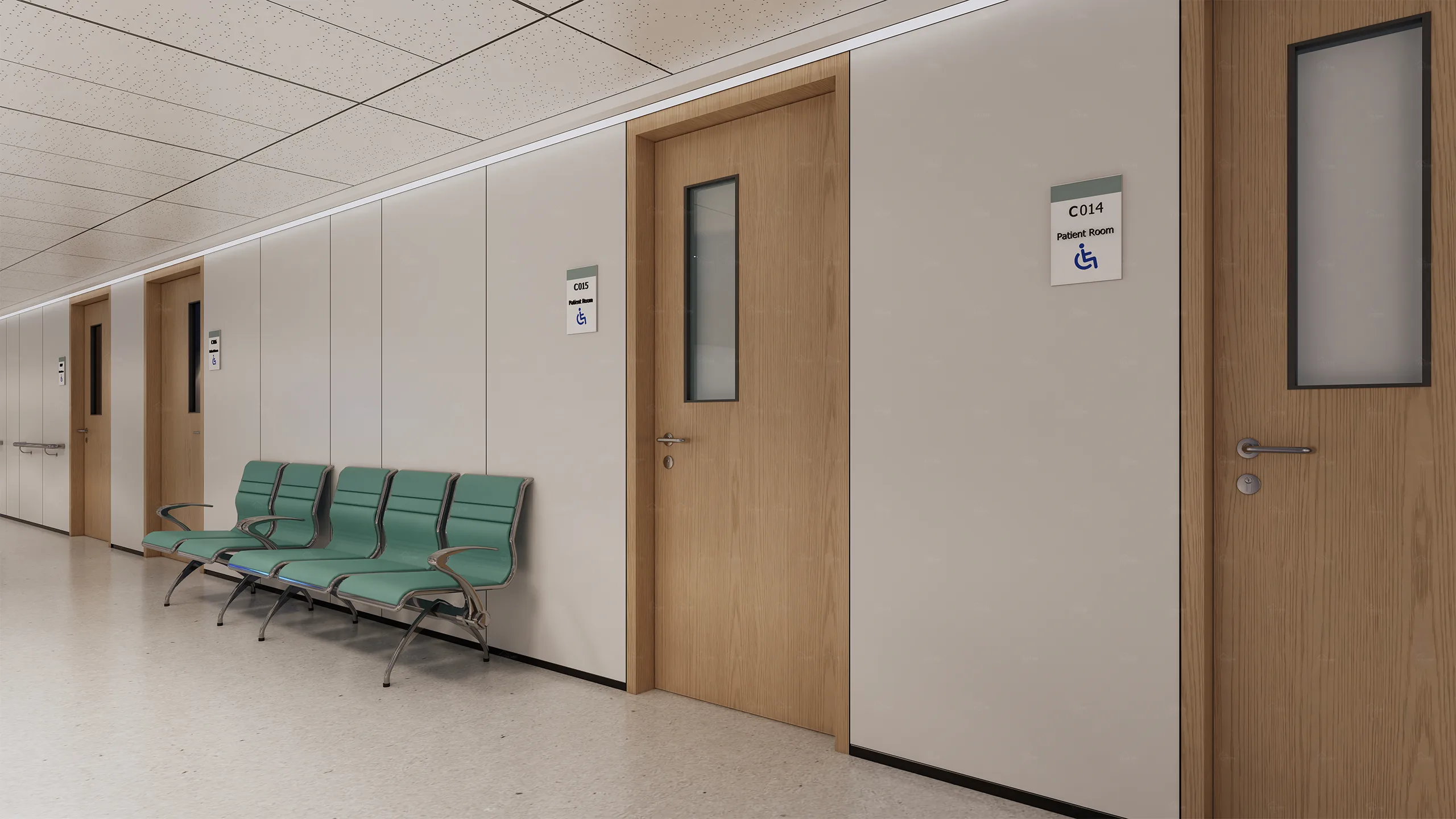
Perlite Board Core Vs Other Fire Door Core Materials
Different cores behave differently under heat, smoke, and pressure. Perlite board is often compared with honeycomb, mineral wool, and solid timber because these are the most common fire door core options. Each one has its own strengths and limits. So, choosing the right core is not just about cost, but also about real fire safety performance and compliance with fire rated door standards.
Perlite Board Vs Honeycomb Core
Honeycomb core is often used in low-cost interior doors, but it is not designed for real Fire Door protection. Perlite board is a mineral-based, fire-resistant material used in certified fire-rated door systems. When we compare the two, the difference in fire safety performance is very clear. One is mainly for basic use, while the other is built for life safety.
Fire Resistance Comparison
Honeycomb core is made from paper-based or kraft structures, which means it burns quickly when exposed to heat. In a Fire Door system, this leads to fast structural failure and loss of protection. Once fire reaches the core, the internal structure collapses, and the door can no longer block flames or smoke.
Perlite board behaves oppositely. It does not burn, melt, or support flame spread. Instead, it slows heat transfer through the fire door leaf. This gives the door more time to maintain integrity during fire exposure, especially in FD30 and FD60 fire rated door systems.
In real fire conditions, this difference becomes critical. Honeycomb doors fail early, while perlite core Fire Doors continue to perform as a safety barrier. This makes perlite board a much more reliable choice for certified fire door construction.
Cost And Durability Differences
Honeycomb core doors are inexpensive and easy to produce, making them popular for non-fire-rated applications. However, their durability is very limited under heat, pressure, and long-term use. In Fire Door applications, this short lifespan becomes a serious safety risk.
Perlite board costs more than honeycomb, but it offers long-term durability and consistent fire performance. It stays stable at high temperatures and does not break down easily. This makes it suitable for fire rated door systems where safety compliance is required.
From a lifecycle perspective, honeycomb saves money at the beginning, but perlite reduces risk and replacement costs later. For building safety, perlite board delivers stronger value over time.
Perlite Board Vs Mineral Wool Core
Mineral wool is a widely used fire-resistant material in Fire Door systems, known for its fiber-based insulation performance. Perlite board is also a mineral-based option, but it has a more rigid and stable structure. Both are used in fire-rated door construction, but they behave differently under real fire conditions and in long-term use.
Density And Insulation Differences
Mineral wool has a soft, fibrous structure that traps air and effectively slows heat transfer. However, over time, it can compress or shift inside a Fire Door core, especially under vibration or heavy use. This may slightly reduce long-term structural stability in some door systems.
Perlite board has a rigid, compact structure that stays flat within the door leaf. It does not shift or compress easily, which helps maintain consistent performance. This stability is important in fire-rated door systems, where alignment and sealing must remain precise.
In terms of insulation, both materials perform well. But perlite board adds stronger structural control, while mineral wool focuses more on flexible thermal insulation. This difference affects how each material is used in Fire Door design.
Application Use Cases
Mineral wool core Fire Doors are often used in large industrial buildings, warehouses, and other spaces where both sound insulation and heat resistance are important. They are flexible in design and can be used in wider or less precision-sensitive door systems.
Perlite board core Fire Doors are more common in regulated environments such as hospitals, offices, apartments, and public buildings. These places require strict compliance with fire ratings and stable, long-term performance. Perlite fits well into certified fire door systems where consistency matters.
In practice, mineral wool is chosen for flexibility, while perlite board is chosen for compliance-driven Fire Door applications. The selection depends on the building’s fire safety requirements.
Perlite Board Vs Solid Timber Core
Solid timber core is a traditional door material made from engineered or compressed wood. It is strong and widely used in standard interior doors. However, when used in Fire Door systems, its performance under heat and compliance requirements differs significantly from that of mineral-based cores, such as perlite board.
Safety And Compliance Advantages
Solid timber is still a combustible material, even when treated. This means it can burn or weaken under prolonged exposure to high heat. In Fire Door applications, it must rely on additional fire-resistant layers to meet safety standards, which makes certification more complex.
Perlite board is non-combustible and designed specifically for fire rated door systems. It meets fire safety requirements more directly and consistently. This makes it easier for manufacturers to achieve FD30, FD60, and higher fire ratings without heavy modification.
From a compliance perspective, perlite board offers a clearer, safer path. Timber can be used, but it requires more engineering and additional protection layers compared to perlite-based Fire Doors.
Weight And Installation Impact
Solid timber-core doors are generally heavier due to the density of the wood. This extra weight can make Fire Door installation more difficult, especially in large projects where many doors are installed at once. It can also put more stress on hinges and frames over time.
Perlite board is much lighter while still maintaining strong fire resistance performance. This makes Fire Door installation easier, faster, and more efficient. Installers can handle and align doors more easily, improving overall construction speed.
In the long term, lighter perlite core Fire Doors also reduce strain on hardware components. This helps maintain proper door alignment and improves overall durability in fire rated door systems.
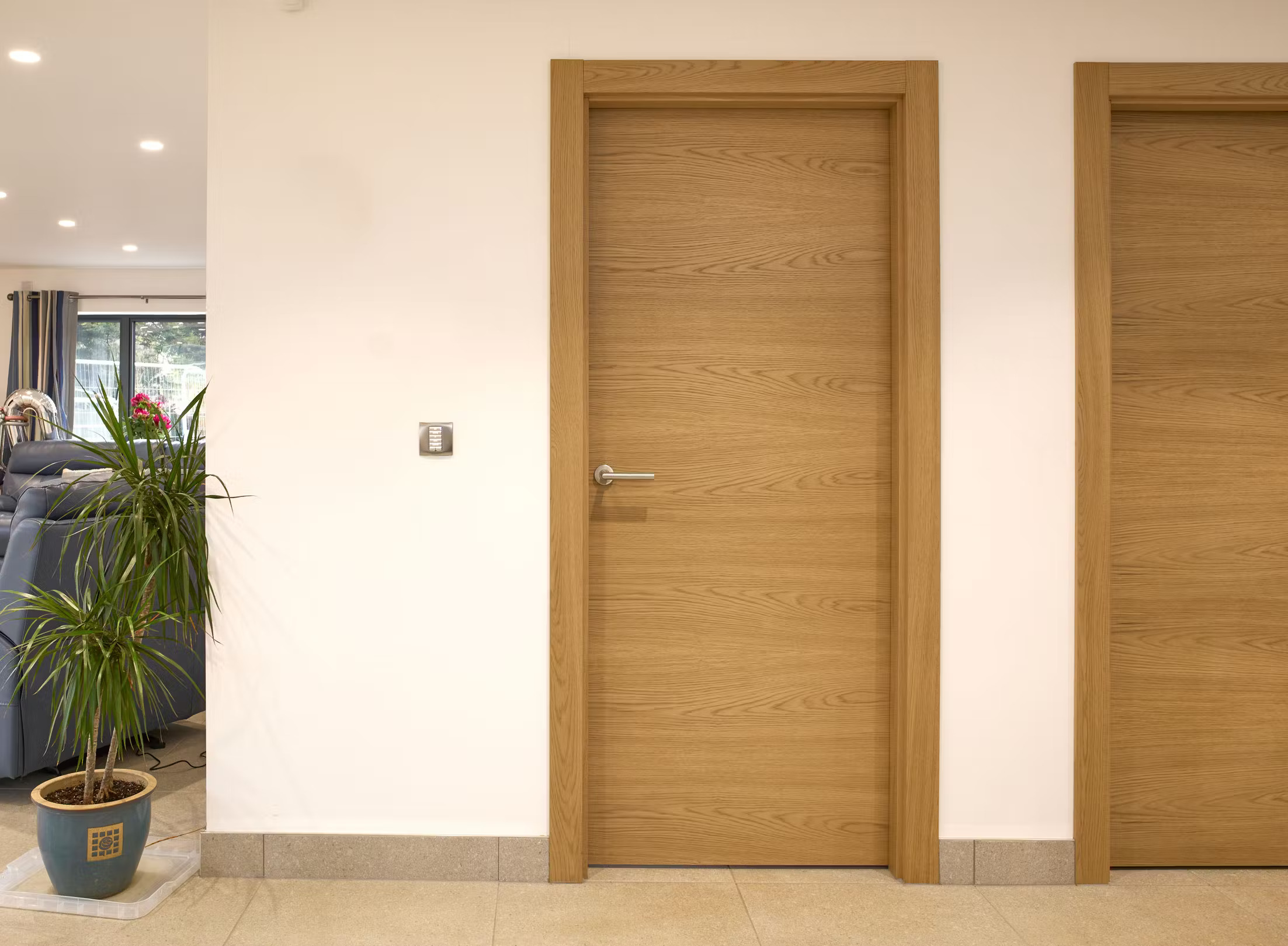
Advantages Of Perlite Board Core Fire Doors
Perlite board core Fire Doors are widely used in modern building safety systems because they offer a strong mix of fire resistance, stability, and practical installation benefits. Compared to many traditional fire door core materials, perlite delivers more balanced performance in both safety testing and real fire situations. It helps fire-rated door systems achieve better compliance while still keeping doors lightweight and easy to handle in daily construction work.
High Fire Resistance Performance
Perlite board is designed to withstand high-heat conditions within a Fire Door system. It slows fire spread, reduces internal heat transfer, and helps the door maintain its structural integrity for longer. This makes it a strong option for certified fire-rated door applications, such as FD30 and FD60 systems.
In real fire conditions, temperature rises quickly and can destroy weak materials in minutes. Perlite core Fire Doors resist this early breakdown by acting as a thermal barrier inside the door leaf. This gives more time for evacuation and improves overall building safety performance.
Because it does not burn or melt easily, perlite board supports stable fire resistance, as shown in standardized testing. This is why it is often chosen for commercial Fire Door systems where compliance is strict, and performance must be consistent.
Stable Under Extreme Temperature
Fire Door performance depends heavily on how the core behaves under extreme heat. Many materials start to bend, crack, or lose strength when exposed to fire. Perlite board remains stable and maintains its internal structure even under high-temperature conditions.
This stability helps the Fire Door maintain proper alignment inside the frame. When a door stays aligned, it can continue blocking flames and smoke effectively. If the structure fails or shifts, gaps can form, reducing safety performance.
In long fire exposure situations, perlite core materials reduce internal deformation. This helps the door remain functional for longer and improves reliability in both testing and real-world building fire scenarios.
Lightweight Structure For Easy Installation
Perlite board Fire Doors are much lighter compared to many traditional fire door core systems. This makes them easier to transport, handle, and install on site. For contractors and installers, this reduces physical effort and installation time.
Even though it is lightweight, the perlite board still maintains strong structural integrity. This balance is important in fire-rated door systems because doors must be easy to install yet strong enough for safe use. It also reduces stress on hinges, frames, and hardware components.
In large construction projects, lightweight Fire Doors help speed up workflow. Installers can align doors more quickly and achieve greater consistency across multiple units, improving overall building efficiency.
Good Acoustic Insulation Properties
Perlite board not only improves fire safety but also helps reduce sound transmission through Fire Doors. Its internal structure helps absorb and slow sound waves, thereby improving acoustic performance in buildings.
This is especially useful in offices, hotels, hospitals, and apartments where noise control is important. A fire-rated door with a perlite core can provide both fire protection and better privacy.
By combining fire resistance and sound insulation, perlite core Fire Doors become a multi-function solution. They support both safety regulations and comfort needs in modern building design.
Eco-Friendly And Non-Toxic Material
Perlite is a natural volcanic material, which makes it an environmentally friendly choice for Fire Door manufacturing. It does not contain harmful chemicals and does not release toxic gases during fire exposure.
This is especially important in enclosed spaces where smoke safety is a concern. A non-toxic fire door core helps reduce risk to people during evacuation. It also supports cleaner building material standards in modern construction.
Because it is natural and stable, perlite board is considered a safer, more sustainable option for fire-rated door systems. It supports both environmental goals and life-safety requirements in a single material solution.

Where Are Perlite Core Fire Doors Commonly Used?
Perlite core Fire Doors are widely used in modern buildings because they offer a strong balance of fire safety, durability, and compliance with fire rated door standards. From homes to hospitals and industrial sites, these fire doors help slow the spread of fire and protect people during emergencies. Their stable mineral core makes them a trusted choice in many fire door systems across different building types.
Residential Buildings And Apartments
Perlite core Fire Doors are commonly used in residential buildings because they help protect families during fire emergencies. In apartments, these fire rated doors are often installed at flat entrances, kitchen exits, and internal corridors. They help slow the spread of fire between units and give residents more time to escape safely.
In modern housing projects, Fire Doors are required by building codes in many regions. Perlite core doors are preferred because they are lightweight, stable, and easy to install. They also help control smoke movement, which is a major risk in apartment fires.
For homeowners, these doors provide peace of mind. Even in small residential fires, the fire door system can delay the spread of flames long enough to protect escape routes and reduce property damage.
Commercial Offices And Hotels
In commercial offices and hotels, Fire Doors are a key part of building safety design. These spaces have high foot traffic, so fast evacuation is very important. Perlite core Fire Doors are often used in office corridors, meeting rooms, hotel room entrances, and service areas.
These fire-rated doors help control fire zones within large buildings. If a fire starts in one area, the door slows down its spread to other sections. This helps protect both people and property while emergency services respond.
Hotels also rely on Fire Doors for guest safety. Perlite core doors are preferred because they offer both fire resistance and good acoustic insulation. This helps reduce noise between rooms while still meeting fire safety regulations.
Hospitals And Public Buildings
Hospitals and public buildings need very strict Fire Door systems because many people inside may have limited mobility. Perlite core Fire Doors are widely used in corridors, patient rooms, operating zones, and emergency exits.
In these environments, fire-rated doors must withstand pressure without failing. Perlite board helps maintain stability and prevents early breakdown during fire exposure. This ensures that escape routes remain open longer for patients and staff.
Public buildings like schools, libraries, and government offices also depend on Fire Doors for safety compliance. These doors help control fire spread and protect large groups of people in shared spaces where evacuations may take longer.
Stairwells And Escape Routes
Stairwells and escape routes are one of the most important locations for Fire Door installation. These areas are the main exit paths during emergencies, so they must stay protected from fire and smoke for as long as possible.
Perlite core Fire Doors are installed at stairwell entrances to block fire from entering evacuation routes. They help maintain safe passage by slowing the movement of heat and smoke between floors. This is critical in high-rise buildings, where evacuations take longer.
In real fire situations, escape routes are the last line of safety. A strong fire rated door system with a perlite core ensures these paths remain usable, giving people more time to leave the building safely.
Industrial Safety Door Systems
Industrial buildings use Fire Doors in high-risk areas, such as storage rooms, production zones, and chemical-handling areas. These environments often deal with heat, flammable materials, and heavy equipment, so fire safety is a top priority.
Perlite core Fire Doors are used to separate fire zones inside factories and warehouses. If a fire starts in one section, the door helps contain it and prevent it from spreading across the facility. This protects both workers and valuable equipment.
In industrial fire rated door systems, durability and stability are very important. Perlite board provides a strong internal structure that can withstand harsh conditions while still meeting fire-resistance requirements. This makes it a reliable choice for long-term industrial safety applications.

Limitations Of Perlite Board Core
Like any fire-rated door core material, perlite board has limitations that depend on climate, application, and installation quality. In some cases, performance can drop if the conditions are unsuitable or the fire door system is not designed correctly. Understanding these limitations helps builders and designers choose the right fire door solution for each project.
Moisture Sensitivity In Some Environments
Perlite board can react to moisture if it is exposed for a long time in high-humidity environments. While it is stable in normal indoor conditions, excessive dampness can affect its internal structure. This is important to consider when using Fire Door systems in wet or semi-exposed areas.
In environments such as basements, coastal buildings, or areas with poor ventilation, moisture levels can remain high. Over time, this may reduce the board’s strength or affect its long-term performance within the fire-rated door core. That is why proper sealing and protective layers are always important.
In real Fire Door applications, moisture does not usually cause immediate failure. But long-term exposure without protection can reduce durability. So, the installation environment matters as much as the material itself.
Not Ideal For All Industrial Applications
Perlite board works very well in commercial and residential Fire Door systems, but it is not always the best choice for heavy industrial environments. Some industrial sites deal with extreme vibration, chemical exposure, or high mechanical stress. In these cases, other core materials may be more suitable.
For example, factories with heavy machinery or chemical storage areas may require more reinforced fire door core systems. Perlite board can still serve as a fire-resistant material, but it may not always provide sufficient mechanical toughness for extreme conditions.
This does not mean perlite is weak. It simply means it is designed primarily for standard fire-rated door applications, such as offices, hospitals, and apartments. For very harsh industrial environments, engineers often select hybrid or reinforced fire door cores instead.
Requires Correct Sealing System To Perform Well
Perlite board alone cannot deliver full Fire Door performance. It must work in conjunction with a proper sealing system, a frame design, and intumescent materials. If these components are not installed correctly, the overall fire rated door system may not perform as expected.
Fire Door performance depends on the whole system, not just the core. Gaps around the door, poor sealing, or incorrect installation can reduce fire resistance time. Even a high-quality perlite core cannot fully compensate for bad installation work.
That is why certified fire door systems always include intumescent seals and tested hardware. When everything is installed correctly, the perlite board performs very well. But without proper sealing and fitting, the fire protection level can drop significantly during real fire conditions.
Relate FAQ
What is the purpose of the perlite board core in fire doors?
The main purpose of a perlite board core in fire doors is to provide fire resistance, thermal insulation, and structural stability during high-temperature exposure. Perlite is a naturally expanded volcanic material that does not burn, helping the fire door maintain integrity and delay fire spread.
How does perlite core improve fire resistance in fire doors?
Perlite board slows down heat transfer inside the door leaf. When exposed to fire, it helps the door maintain its shape and prevents early failure. This allows the fire door to meet required fire rating standards (such as 30, 60, 90, or 120 minutes) depending on the system design.
Is perlite board a non-combustible material?
Yes. Perlite board is classified as non-combustible. It is made from expanded volcanic glass, which means it does not ignite, melt easily, or release toxic smoke under fire conditions. This makes it ideal for fire-rated door cores.
What are the advantages of using perlite core in fire door construction?
Key advantages include:
- High fire resistance performance.
- Good thermal insulation properties.
- Stable structure under heat exposure.
- Lightweight compared to solid mineral cores.
- Environmentally friendly mineral-based composition.
Where are perlite core fire doors commonly used?
Perlite core fire doors are commonly installed in:
- Residential apartments and high-rise buildings.
- Commercial offices and hotels.
- Hospitals and public buildings.
- Stairwells and emergency escape routes.
- Industrial and warehouse fire separation systems.
How does perlite compare to other fire door core materials?
Compared to honeycomb or particleboard cores, perlite board offers:
- Better fire resistance performance.
- Improved dimensional stability under heat.
- Lower smoke emission risk.
- However, in very heavy-duty industrial environments, other reinforced mineral cores may be preferred depending on specifications.
Does perlite core affect the weight of a fire door?
Yes, but positively. Perlite core fire doors are generally lighter than solid mineral slab cores, while still maintaining strong fire resistance. This makes installation easier and reduces stress on hinges and frames.
Are perlite core fire doors suitable for all environments?
Not always. While perlite core performs well in most residential and commercial applications, it may require additional sealing or reinforcement in:
- High-moisture environments.
- Extreme industrial conditions.
- Areas requiring enhanced acoustic or impact resistance.