What are the common sound insulation ratings for fire doors in Australia?

What Is The Sound Insulation Rating Of A Fire Door?
When choosing a Fire Door, fire resistance is only part of the picture. Many projects in Australia also require good acoustic performance to reduce unwanted noise between rooms. That is why architects, builders, and property owners often look at both the fire door rating and the sound insulation rating before making a decision. Understanding these ratings makes it much easier to choose the right acoustic fire door for your building.
Understanding STC (Sound Transmission Class)
STC (Sound Transmission Class) is one of the most common ways to measure how well a Fire Door blocks airborne noise. It tells you how much sound can pass through a door, wall, or partition. In simple terms, a higher STC rating means better sound insulation and a quieter indoor space.
STC ratings usually range from around STC 30 to STC 50+ for acoustic fire doors. For example, an STC 30 Fire Door can reduce normal conversation noise, while an STC 45 or STC 50 Fire Door offers much stronger noise control. These higher ratings are often used in hotels, hospitals, schools, and office buildings where privacy matters.
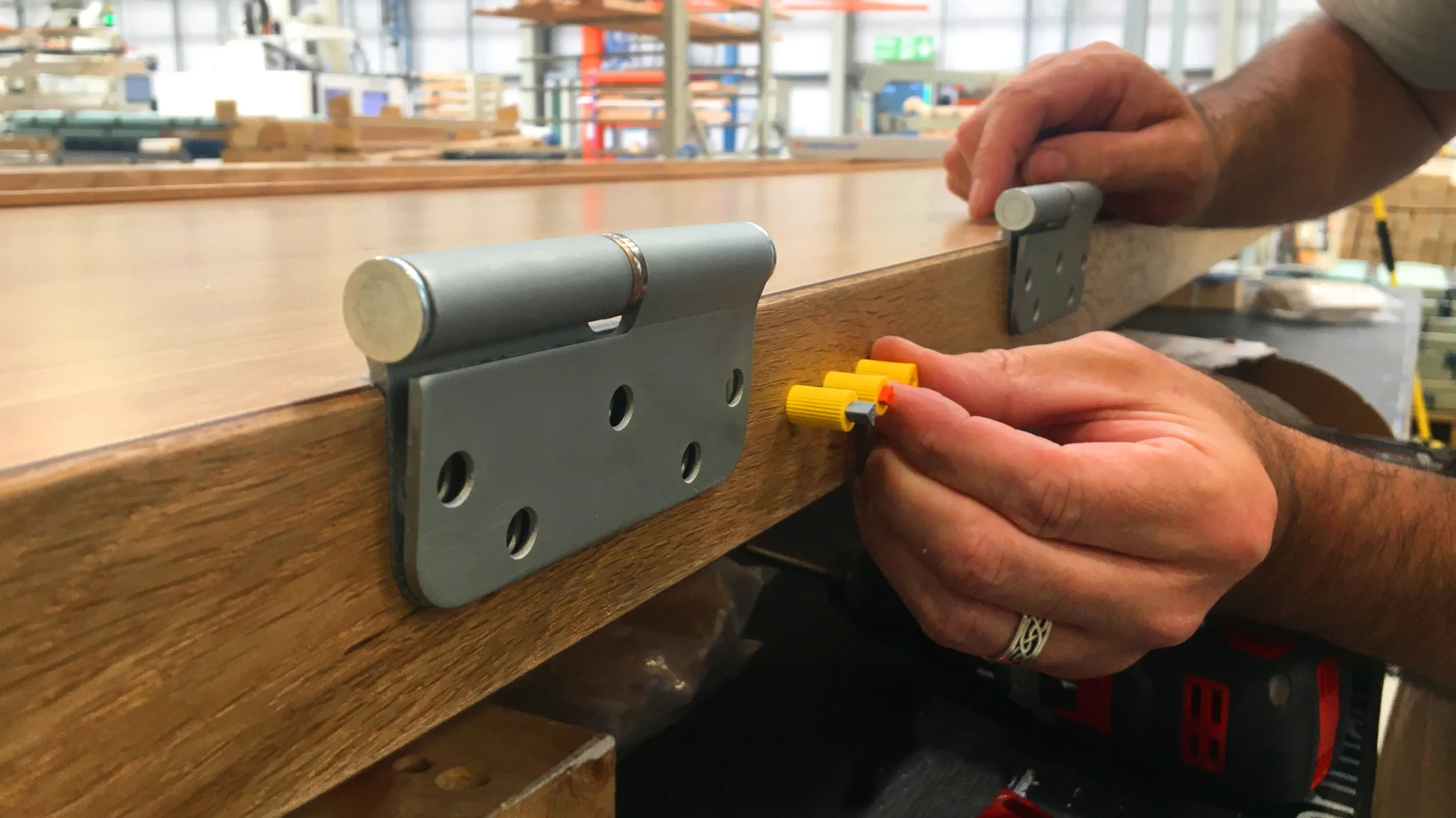
It is important to remember that the STC rating covers the entire fire door assembly, not just the door leaf. The frame, acoustic seals, hinges, drop seals, glazing, and installation quality all affect the final result. Even a high-performance Fire Door may lose acoustic performance if it is installed incorrectly or has gaps around the edges.
Understanding Rw Rating In Australia
In Australia, many Fire Door manufacturers and testing laboratories use the Rw (Weighted Sound Reduction Index) instead of STC. The Rw rating comes from international acoustic testing standards and measures how effectively a building product reduces airborne sound.
The higher the Rw value, the better the Fire Door performs against everyday noise. For example, an acoustic Fire Door with an Rw 35 rating provides moderate sound reduction, while an Rw 45 or higher is suitable for buildings that require greater privacy and comfort.
Most Australian building projects, including commercial offices, apartments, hotels, healthcare facilities, and education buildings, may specify an Rw rating when selecting an acoustic fire door. As a result, many local suppliers provide certified test reports showing both fire resistance and acoustic performance.
STC Vs Rw: What Is The Difference?
Both STC and Rw measure airborne sound insulation, and both help you compare the acoustic performance of a Fire Door. However, they come from different testing methods and standards. STC is widely used in North America, while Rw is the preferred system in Australia, Europe, and many other international markets.
Although the numbers often look similar, STC and Rw are not the same. The calculation methods are slightly different, so an STC rating cannot always be converted directly into an equivalent Rw rating. Manufacturers usually rely on laboratory testing rather than simple conversion charts.
For most building owners, the key point is simple. Whether STC or Rw rates a Fire Door, the goal is the same—to reduce noise and improve acoustic comfort. Always compare products using certified test data instead of assuming that similar numbers represent identical performance.
Which Rating Is Used In Australia?
In Australia, the Rw rating is the most commonly used acoustic measurement for Fire Doors because it aligns with Australian and international testing standards. Architects, engineers, and building consultants often specify minimum Rw values when designing projects that require both fire safety and sound insulation.
That said, you may still see STC ratings on imported Fire Doors or in technical documents from international manufacturers. Many global suppliers publish both STC and Rw values to help customers compare products across different markets. This makes it easier for Australian buyers to evaluate imported acoustic fire doors alongside locally certified options.
Before purchasing any Fire Door, always check the official test reports and certification. A certified fire-rated acoustic door should clearly state both its fire resistance level and its verified sound insulation performance. Choosing a tested and compliant product ensures better safety, improved noise control, and full confidence that the door will perform as expected.

Common Sound Insulation Ratings For Fire Doors In Australia
Not every Fire Door offers the same level of sound insulation. In Australia, acoustic Fire Doors are available with different STC ratings to suit different building types and noise levels. Choosing the right fire-rated acoustic door depends on how much sound reduction you need, where the door will be installed, and the acoustic requirements of the project.
STC 30 Fire Doors
An STC 30 Fire Door provides a basic level of sound insulation and is suitable for areas where complete silence is not essential. It can reduce normal speech and everyday background noise, making indoor spaces more comfortable without adding high cost. This type of acoustic Fire Door is a practical choice for many light commercial and residential projects.
You will often find an STC 30 Fire Door in apartments, storage rooms, service areas, utility spaces, and internal office corridors. It helps reduce sound transfer between rooms while still meeting the required fire door rating. For buildings with moderate noise levels, this rating usually provides enough acoustic performance.
Although an STC 30 Fire Door improves privacy, it is not designed to block loud conversations, television noise, or heavy office activity. If the space requires greater acoustic separation, moving to an STC 35 Fire Door or higher is often a better investment. Always consider both the fire resistance level and the expected noise level before making your choice.
STC 35 Fire Doors
An STC 35 Fire Door offers a noticeable improvement in sound insulation compared with an STC 30 model. It reduces conversation noise more effectively and creates a quieter indoor environment. Many building owners choose this acoustic Fire Door because it provides a good balance between performance and cost.
This rating is commonly used in offices, medical clinics, consulting rooms, classrooms, and multi-unit residential buildings. It helps improve speech privacy while maintaining the required fire-rated door performance. As a result, people can work or meet with fewer distractions from nearby spaces.
To achieve the full STC 35 performance, the complete Fire Door assembly must be installed correctly. Acoustic perimeter seals, drop seals, and quality door hardware all play an important role. Even a well-designed Fire Door may lose sound insulation if gaps are left around the frame.
STC 40 Fire Doors
An STC 40 Fire Door is a popular choice for buildings that require stronger noise control and better privacy. At this level, most normal conversations become difficult to hear from the opposite side of the door. This makes it one of the most common options for commercial buildings in Australia.
Many hotels, apartment buildings, conference rooms, executive offices, and healthcare facilities use STC 40 acoustic Fire Doors. They help create quieter rooms while still providing certified fire protection. This combination of fire safety and acoustic comfort makes them a preferred solution for modern construction projects.
An STC 40 Fire Door usually includes a solid core, high-quality acoustic seals, and precision installation. Some models also feature fire-rated acoustic glass without sacrificing sound performance. When installed as a certified doorset, these Fire Doors deliver reliable long-term performance.
STC 45 Fire Doors
An STC 45 Fire Door delivers high acoustic performance for spaces where privacy is especially important. It blocks most speech and greatly reduces noise from busy hallways or neighbouring rooms. For many professional environments, this level provides an excellent balance between comfort and functionality.
Hospitals, schools, legal offices, boardrooms, university buildings, and counselling centres often choose STC 45 Fire Doors. These buildings need quiet spaces for meetings, treatment, learning, or confidential discussions. A high-performance acoustic Fire Door helps create that environment while maintaining full fire protection.
Because STC 45 Fire Doors offer stronger sound insulation, they often include upgraded door cores, advanced acoustic seals, and carefully tested hardware. Professional installation is also essential. A certified Fire Door system ensures that both the fire rating and acoustic rating perform as expected throughout the life of the building.
STC 50+ High Acoustic Fire Doors
An STC 50+ Fire Door provides premium sound insulation for buildings where noise control is critical. At this level, loud conversations, office activity, and many everyday sounds become barely noticeable through the door. These doors are designed for projects with the highest acoustic requirements.
High acoustic Fire Doors with STC 50 or above are commonly installed in recording studios, broadcasting facilities, laboratories, research centres, luxury hotels, secure government buildings, and high-end healthcare environments. In these locations, controlling sound is just as important as meeting strict fire safety standards.
To reach an STC 50+ rating, manufacturers use advanced door core materials, precision-engineered frames, acoustic drop seals, and specialised fire-rated hardware. Every part of the Fire Door system works together to deliver outstanding sound insulation. If your project demands maximum privacy and excellent noise reduction, an STC 50+ acoustic Fire Door is usually the best solution.

What Affects The Sound Rating Of A Fire Door?
The sound insulation performance of a Fire Door depends on more than just its STC or Rw rating. Every part of the fire-rated door assembly works together to reduce noise. From the door core to the frame, seals, glazing, and hardware, even small details can make a noticeable difference. Understanding these factors helps you choose an acoustic Fire Door that delivers reliable fire protection and long-term sound control.
Door Core Material
The door core material is one of the biggest factors that affects the sound rating of a Fire Door. A dense and solid core blocks airborne sound much better than a lightweight core. This is why high-performance acoustic Fire Doors often use mineral cores, solid timber cores, or specially engineered composite materials.
Different core materials offer different levels of acoustic performance. A basic fire-rated door may provide acceptable sound insulation for everyday use, while a premium fire-rated acoustic door can achieve much higher STC or Rw ratings. The right core depends on the building’s noise level and privacy requirements.
When comparing Fire Doors, do not focus only on the fire resistance rating. Ask about the core construction and request certified acoustic test results. A well-designed core gives your Fire Door the strength to reduce noise while maintaining reliable fire protection.
Door Thickness
A thicker Fire Door generally provides better sound insulation because it creates a stronger barrier against airborne noise. More material means fewer sound waves can pass through the door. That is why many high acoustic Fire Doors use thicker door leaves than standard fire-rated doors.
However, thickness alone does not guarantee excellent acoustic performance. The internal core, door seals, and installation quality are just as important. A thick Fire Door with poor sealing may perform worse than a thinner door with a complete acoustic doorset.
When selecting a Fire Door for commercial buildings, always look at the certified STC or Rw rating rather than judging the door by its thickness alone. Laboratory-tested acoustic performance gives a much clearer picture of how the door will perform in real buildings.
Door Frame Quality
Even the best Fire Door cannot perform well if the frame is poorly built or incorrectly installed. The frame supports the entire door system and helps create a tight seal around the edges. Any movement, warping, or poor alignment can allow sound to leak through.
A high-quality fire door frame should fit the door precisely and remain stable over time. Strong steel or timber frames, combined with professional installation, improve both fire safety and acoustic performance. This is especially important for acoustic fire doors used in hospitals, offices, and hotels.
Always treat the Fire Door and its frame as one complete system. Choosing a certified doorset instead of mixing different components helps maintain both the required fire rating and the designed sound insulation rating.
Acoustic Door Seals
Acoustic door seals are essential for reducing sound leakage around a Fire Door. Even a small gap around the door perimeter can lower the overall STC rating. Proper seals close these gaps and create a much more effective acoustic barrier.
Most acoustic Fire Doors use perimeter seals together with intumescent seals. The acoustic seal blocks everyday noise, while the intumescent seal expands during a fire to help prevent the spread of flames and smoke. Together, they improve both comfort and safety.
If the seals become damaged, worn, or compressed over time, the Fire Door will lose acoustic performance. Regular inspections and timely replacement help maintain the certified sound rating and keep the Fire Door working as intended.
Drop Down Seals
A drop down seal, also called an automatic door bottom seal, closes the gap between the Fire Door and the floor when the door shuts. This small component plays a major role in improving the acoustic performance of a fire-rated door.
Without a drop down seal, sound can travel easily through the bottom gap. This reduces the effectiveness of even a high-STC Fire Door. By sealing the opening only when the door closes, the system improves sound insulation while allowing smooth door operation.
Many commercial acoustic Fire Doors include drop down seals as standard equipment. They are commonly used in meeting rooms, hotel guest rooms, healthcare facilities, and office buildings where better speech privacy is required.
Fire Rated Glass Panels
Many modern Fire Doors include glass panels to improve visibility and allow more natural light into a building. While these panels are practical, they can also influence the door’s sound insulation performance. The type, size, and thickness of the glazing all matter.
High-quality fire-rated acoustic glass is specially designed to provide both fire resistance and noise reduction. Laminated or multi-layer fire glass usually performs much better than standard fire-resistant glazing. This helps maintain the acoustic rating of the complete Fire Door system.
If your project requires both transparency and privacy, choose a certified Fire Door with acoustic glass. Always check that the glazing has been tested as part of the complete fire-rated doorset rather than as a separate product.
Door Hardware
The quality of the door hardware has a direct impact on the performance of a Fire Door. Hinges, locks, closers, handles, and latches help keep the door properly aligned and tightly closed. If any of these parts fail, gaps may develop and allow sound to pass through.
Certified hardware is especially important for acoustic Fire Doors. A reliable door closer ensures consistent sealing every time the door shuts, while quality hinges help prevent sagging over years of daily use. These small details make a noticeable difference in long-term acoustic performance.
When choosing a Fire Door, always use hardware that has been tested and approved for the complete doorset. Mixing incompatible components may reduce both the fire rating and the sound insulation rating. A complete, certified Fire Door system always delivers the most dependable results.
Australian Standards For Acoustic Fire Doors
When selecting an acoustic Fire Door in Australia, meeting the right standards is just as important as choosing the right STC or Rw rating. Australian standards ensure that a fire-rated door delivers proven fire resistance, reliable sound insulation, and safe long-term performance. Choosing a certified Fire Door system helps building owners, architects, and contractors stay compliant while protecting people and property.
AS 1905 Fire Resistant Door
AS 1905 is one of the key Australian standards for Fire Doors. It covers the installation and operation of fire-resistant doorsets, making sure every part of the system works together. This includes the door leaf, frame, hardware, glazing, seals, and other approved components.
A certified Fire Door must be installed according to AS 1905 to maintain its tested performance. Even a high-quality fire-rated door can lose its fire resistance and acoustic performance if it is installed with the wrong frame or unapproved hardware. Correct installation is just as important as product quality.
When buying an acoustic Fire Door, always confirm that the complete doorset complies with AS 1905. This gives confidence that the door has been installed using approved methods and will continue to perform safely throughout its service life.
AS 1530 Fire Testing
AS 1530 sets out the fire testing methods used to evaluate the performance of a Fire Door in Australia. Before a fire-rated door reaches the market, it must undergo laboratory testing to determine how long it can resist fire under controlled conditions.
During testing, the complete Fire Door assembly is exposed to extreme heat. Engineers measure how well the doorset maintains its integrity and limits the spread of flames and hot gases. The results determine the certified fire resistance level of the product.
Although AS 1530 focuses on fire performance rather than sound insulation, it remains an essential standard for every fire-rated acoustic door. A quality Fire Door should meet both fire testing requirements and acoustic performance requirements without compromising either one.
AS/NZS ISO 717 Acoustic Rating
The AS/NZS ISO 717 standard is commonly used to assess the airborne sound insulation performance of building elements, including acoustic Fire Doors. It provides the method for calculating the Rw (Weighted Sound Reduction Index), which is widely used across Australia.
When manufacturers publish an Rw rating for a Fire Door, the value is normally based on testing and classification under this standard. This allows architects and builders to compare different fire-rated acoustic doors using a consistent measurement system.
If your project requires both fire safety and noise control, ask for acoustic test reports that reference AS/NZS ISO 717. Certified results provide much greater confidence than estimated or advertised performance figures.
NCC Requirements
The National Construction Code (NCC) sets the minimum building requirements for safety and performance in Australia. Depending on the building type and occupancy, the NCC may require a Fire Door to meet specific fire resistance and acoustic performance levels.
Many commercial buildings, apartments, healthcare facilities, hotels, and educational buildings include both fire safety and sound insulation requirements. In these projects, an acoustic Fire Door often plays an important role in meeting multiple sections of the code at the same time.
Because NCC requirements can vary between projects, it is always wise to review the project specifications before selecting a Fire Door. Working with experienced suppliers and consultants helps ensure the chosen doorset meets all relevant compliance requirements.
Building Code Compliance
Choosing a compliant Fire Door involves much more than selecting the correct fire rating. The complete fire-rated doorset must use approved components, certified hardware, compatible glazing, acoustic seals, and professional installation. Every part contributes to overall compliance.
Building inspectors and certifiers often check whether the installed Fire Door system matches the tested and approved configuration. Replacing hardware, modifying the door, or using non-certified components can affect both the fire rating and the sound insulation rating.
The safest approach is to purchase a fully certified acoustic Fire Door from a trusted manufacturer. Always request current test reports, compliance documentation, and installation instructions. A properly certified Fire Door not only satisfies Australian building regulations but also delivers dependable fire protection, effective noise control, and long-term reliability.
Where Are Acoustic Fire Doors Required?
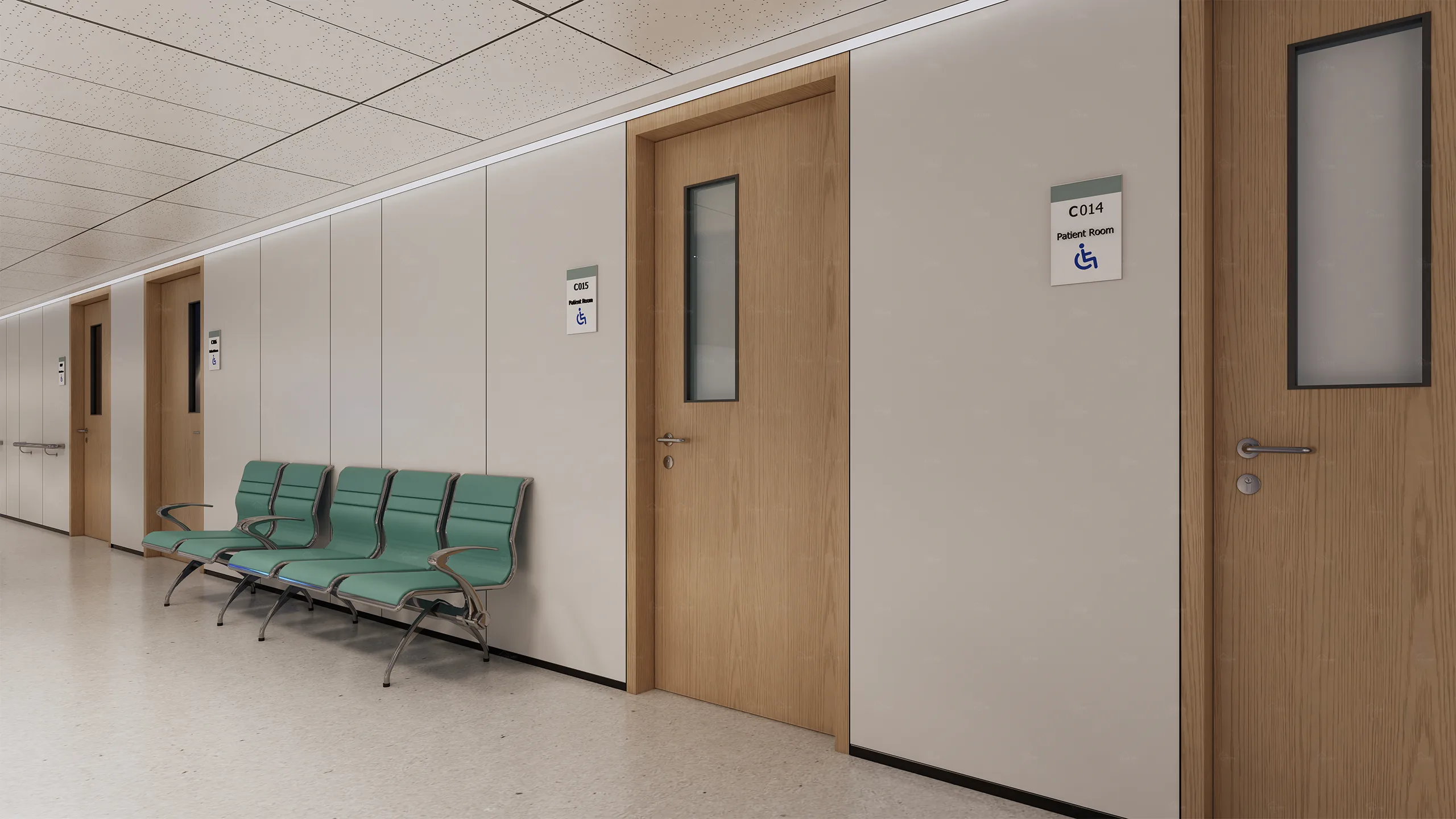
An acoustic Fire Door is used wherever buildings need both fire protection and effective noise control. While every project has different requirements, many commercial, residential, and public buildings rely on fire-rated acoustic doors to improve safety, privacy, and comfort. Choosing the right Fire Door helps reduce sound transfer while meeting Australian building and fire safety standards.
Apartment Buildings
In apartment buildings, an acoustic Fire Door helps create a quieter and safer living environment. It reduces noise between individual units while also slowing the spread of fire and smoke during an emergency. This makes it an essential part of modern multi-residential design.
Common locations include apartment entrance doors, corridor doors, plant rooms, and service areas. A certified fire-rated door helps block conversations, television noise, footsteps, and other everyday sounds. Residents enjoy better privacy without giving up fire protection.
Many Australian apartment projects specify Fire Doors with STC or Rw ratings to meet both acoustic and fire performance goals. A properly installed acoustic Fire Door also improves the overall quality and value of the building.
Hotels
Hotels depend on acoustic Fire Doors to provide guests with a quiet and comfortable stay. People expect to sleep without hearing conversations, hallway traffic, or room service activity. A high-performance Fire Door helps create that peaceful environment.
Guest room entrances, conference rooms, service corridors, and staff-only areas often use fire-rated acoustic doors. These doors reduce sound transfer while maintaining certified fire resistance. This combination improves guest satisfaction and building safety at the same time.
Many premium hotels choose STC 40, STC 45, or higher Fire Doors to deliver stronger sound insulation. Combined with quality seals and proper installation, these doors provide reliable acoustic performance throughout the building.
Hospitals
Hospitals require Fire Doors that protect both patients and medical staff. At the same time, they need quiet spaces where patients can recover without constant noise. An acoustic Fire Door supports both safety and comfort.
Patient rooms, operating theatres, consultation rooms, laboratories, and treatment areas commonly use fire-rated acoustic doors. These doors reduce conversations, equipment noise, and corridor activity. They also help maintain privacy during medical consultations.
Healthcare facilities often require high-performance Fire Door systems because they operate around the clock. Choosing certified acoustic Fire Doors helps hospitals meet strict building requirements while improving the healing environment.
Schools
Schools and universities benefit from acoustic Fire Doors because learning requires quiet classrooms and safe buildings. Excessive noise can distract students and reduce concentration. A quality Fire Door helps create a better learning environment.
Classrooms, lecture theatres, libraries, music rooms, laboratories, and administration offices often include fire-rated acoustic doors. These doors reduce sound between teaching spaces while protecting evacuation routes during a fire emergency.
Modern education buildings usually combine fire safety with acoustic design. Installing certified Fire Doors helps schools improve speech clarity, reduce distractions, and comply with Australian building standards.
Offices
Office buildings rely on Fire Doors to separate workspaces while maintaining privacy and safety. Employees often need quiet meeting rooms where confidential conversations stay private. An acoustic Fire Door helps make that possible.
Meeting rooms, executive offices, boardrooms, server rooms, and shared workspaces frequently use fire-rated acoustic doors. These doors reduce speech transmission and limit distractions from busy corridors or neighbouring offices.
Many businesses choose STC 35 to STC 45 Fire Doors for commercial offices. Combined with acoustic seals and quality hardware, these Fire Doors improve workplace comfort and support productive working environments.
Data Centers
Data centres require reliable Fire Doors because they protect valuable equipment and critical infrastructure. These facilities also generate constant equipment noise from servers and cooling systems. An acoustic Fire Door helps control that noise while maintaining fire safety.
Server rooms, electrical rooms, battery storage areas, and control centres commonly use fire-rated acoustic doors. These doors reduce mechanical noise and protect sensitive areas from fire and smoke. They also improve working conditions for maintenance staff.
Many data centres choose high-performance Fire Door systems with advanced seals and solid-core construction. A certified acoustic Fire Door provides dependable protection for both equipment and personnel.
Industrial Buildings
Industrial buildings often operate with heavy machinery, production lines, and loading equipment that generate significant noise. An acoustic Fire Door helps separate noisy work areas while maintaining essential fire protection throughout the facility.
Factories, warehouses, manufacturing plants, workshops, and plant rooms commonly install fire-rated acoustic doors. These doors reduce machinery noise in offices, control rooms, and staff areas. At the same time, they help contain fire if an emergency occurs.
A durable Fire Door system is especially important in industrial environments where doors receive frequent use. Choosing certified products ensures long-term performance under demanding conditions.
Government Buildings
Government buildings require Fire Doors that provide security, safety, and privacy for both staff and visitors. Many public buildings also handle confidential information, making sound insulation an important part of the overall design.
Courtrooms, council offices, police stations, government departments, public administration buildings, and secure meeting rooms often use acoustic Fire Doors. These doors reduce sound transfer while meeting strict fire safety requirements.
Because many government projects have high compliance standards, certified fire-rated acoustic doors are usually specified from the start. A properly tested Fire Door system delivers dependable fire resistance, effective noise control, and long-term reliability for public buildings.
Fire Door Testing And Certification In Australia
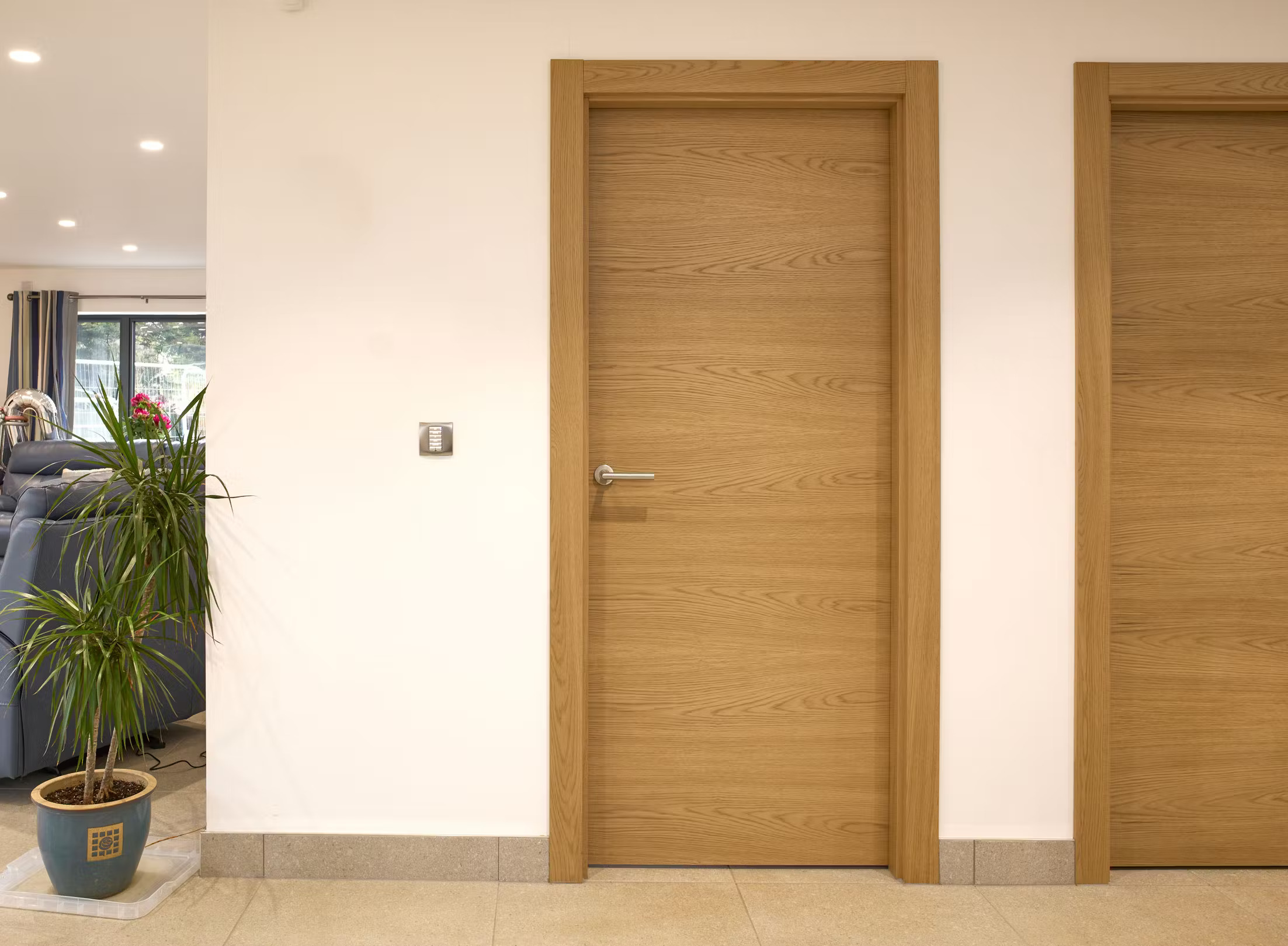
Testing and certification are essential when choosing a Fire Door in Australia. A fire-rated acoustic door should not rely on claims or estimates alone. Instead, it should have proven fire and acoustic test results, recognised certification, and clear compliance documents. This gives architects, builders, and building owners confidence that the complete Fire Door system will perform as expected.
Fire Resistance Testing
Every certified Fire Door must pass fire resistance testing before it can be used in Australian buildings. During testing, the complete fire-rated doorset is exposed to high temperatures in a controlled laboratory. Engineers evaluate how well the door limits the spread of fire, smoke, and hot gases over a specified period.
The test includes the entire Fire Door assembly, not just the door leaf. The frame, hinges, glazing, seals, locks, and hardware must all perform together. If one component fails, the overall fire performance of the Fire Door may also be affected.
When selecting a fire-rated acoustic door, always request evidence of successful fire testing. A certified Fire Door with documented test results provides much greater confidence than products without recognised testing or technical documentation.
Acoustic Laboratory Testing
A high-quality acoustic Fire Door should also complete laboratory sound testing. During the test, the complete Fire Door system is installed between two specially designed rooms. Engineers then measure how much airborne sound passes through the doorset.
The results are used to determine the door’s STC rating or Rw rating, depending on the testing standard. These ratings allow architects and builders to compare different fire-rated acoustic doors using consistent and reliable data.
Laboratory testing is important because actual acoustic performance depends on the entire Fire Door assembly. The door core, frame, seals, glazing, and hardware all influence the final result. A tested Fire Door gives buyers confidence that the advertised sound rating reflects real performance.
Third-Party Certification
Independent third-party certification adds another level of confidence when purchasing a Fire Door. Instead of relying only on the manufacturer’s claims, an accredited certification body reviews testing, production processes, and ongoing quality control.
A certified fire-rated door has usually completed regular inspections and product assessments. This helps ensure that every Fire Door produced continues to match the original tested design. Consistent manufacturing is just as important as the first laboratory test.
When comparing suppliers, look for a Fire Door supported by recognised third-party certification. This provides greater assurance that the product meets Australian requirements for fire resistance, acoustic performance, and long-term reliability.
Product Labels And Compliance Documents
Every certified Fire Door should include a product label and supporting compliance documents. These records help identify the door’s fire rating, manufacturer, certification details, and approved configuration. They also make future inspections and maintenance much easier.
Compliance documents often include fire test reports, acoustic test reports, installation instructions, and certification certificates. Together, these documents confirm that the fire-rated acoustic door has been tested and approved as a complete system.
Before purchasing a Fire Door, always ask for the latest compliance information. A properly labelled and fully documented Fire Door is easier to verify during inspections and helps ensure the building continues to meet Australian fire safety and acoustic performance requirements.
How To Choose The Right Acoustic Fire Door?
Choosing the right acoustic Fire Door means balancing fire safety, sound control, daily use, and building compliance. A door with the highest rating is not always the best choice for every room. Instead, look at how the space is used, how much noise must be blocked, and what fire rating the project requires. A well-chosen fire-rated acoustic door should protect people, improve privacy, and work well for many years.
Consider The Fire Rating
Start by checking the required fire rating for the building and the door’s location. A Fire Door may need to resist fire for a set period, depending on the wall system, building type, and escape route. The project plans or fire safety report should state the required level.
Do not choose a Fire Door based on sound performance alone. A door with a high acoustic rating may not meet the required fire resistance level. Similarly, a standard fire-rated door may not provide enough sound control for a hotel room, meeting room, or apartment entrance.
The safest option is to select a tested acoustic Fire Door system that meets both requirements. Check the door leaf, frame, seals, glazing, and hardware as one complete doorset. This helps protect the certified fire rating and acoustic performance.

Choose The Required Sound Rating
Next, decide how much noise the Fire Door needs to block. A lower-rated acoustic door may suit a storage room or quiet corridor. However, bedrooms, consulting rooms, studios, and private offices often need a higher STC or Rw rating.
Think about the type of sound on each side of the door. Normal speech is easier to control than music, machinery, or loud equipment. Therefore, a high acoustic Fire Door may be necessary where strong privacy or noise reduction is a key goal.
Avoid paying for more acoustic performance than the room needs. At the same time, do not choose a rating that only just meets the minimum target. A small performance margin can help manage normal site conditions and minor changes over time.
Think About Daily Traffic
Daily use has a major impact on the right Fire Door choice. A door in a busy hospital corridor may open hundreds of times each day. By contrast, a Fire Door in a plant room or private office may see much less use.
For high-traffic areas, choose strong hinges, durable seals, and a reliable door closer. The fire-rated acoustic door must close fully after each use, or it cannot provide effective fire protection or sound insulation. Heavy traffic also calls for hardware that can handle regular impact and wear.
Consider how people will use the door as well. Trolleys, wheelchairs, beds, and large equipment may pass through it. A practical acoustic Fire Door should be easy to operate while still maintaining a tight seal when closed.
Consider Door Size
Door size can affect both the cost and performance of an acoustic Fire Door. Standard single doors are often easier to test, install, and seal. Larger doors, double doors, or extra-wide openings may require special frames, meeting stiles, and stronger hardware.
As the door gets larger, controlling sound leakage can become more difficult. Double Fire Doors have more joints and gaps than single-leaf doors. Therefore, the seal design and door alignment become even more important for good acoustic performance.
Always confirm that the requested door size falls within the tested range of the certified Fire Door system. Do not assume that a standard test result applies to every height or width. Custom-sized doors may need added technical review.
Check Certification
Before placing an order, check the testing and certification for the complete Fire Door. Ask for fire test reports, acoustic laboratory results, and product compliance documents. The stated fire and sound ratings should match the exact doorset you plan to use.
Pay close attention to the tested configuration. A certificate may only cover certain door sizes, core types, frames, seals, glazing, and hardware. Changing one of these parts can affect the performance of the fire-rated acoustic door.
Also, check that the documents are current and relevant to Australian requirements. Clear certification makes approval, installation, and future inspections much easier. It also reduces the risk of costly changes late in the project.
Select The Right Hardware
Hardware plays a bigger role in Fire Door performance than many people realise. Hinges, locks, latches, closers, handles, and seals all help the door stay aligned and close tightly. Poor hardware can create gaps that allow both noise and smoke to pass through.
Choose hardware approved for use with the specific Fire Door system. For example, the wrong lock preparation or door closer may weaken the leaf or change how the door shuts. Every item should support both fire safety and acoustic performance.
Finally, think about long-term maintenance. Durable hardware may cost more at the start, but it often reduces repair and replacement costs later. A well-built acoustic Fire Door with certified hardware will close more reliably, block more noise, and stay compliant for longer.
Common Mistakes That Reduce Fire Door Acoustic Performance
Even the best acoustic Fire Door can lose its sound insulation if it is installed or maintained incorrectly. In most cases, the problem is not the door itself but the small details around it. Gaps, damaged seals, poor hardware, and incorrect installation can all reduce the performance of a fire-rated acoustic door. Understanding these common mistakes helps you keep your Fire Door system safe, compliant, and quiet.
Large Gaps Around The Door
Small gaps may not seem like a big issue, but they are one of the biggest reasons a Fire Door loses acoustic performance. Sound always follows the easiest path. Even a narrow opening around the door can allow noise to travel from one room to another.
Large gaps also affect the fire performance of a fire-rated door. During a fire, smoke and hot gases can move through these openings much faster. That is why certified Fire Door assemblies have strict gap limits and approved sealing systems.
Always inspect the clearance around the entire Fire Door, including the top, sides, and bottom. Correct spacing, combined with acoustic seals, helps the fire-rated doorset achieve both its certified fire resistance and sound insulation rating.
Incorrect Installation
A high-quality Fire Door will not perform properly if it is installed incorrectly. Even the best acoustic Fire Door can lose both its fire rating and acoustic rating when the frame is out of alignment, or the door does not close correctly.
Incorrect installation may include uneven frames, loose fixings, poor seal placement, or incorrect door clearances. These problems create gaps that reduce sound insulation and may prevent the Fire Door from sealing properly during a fire.
Always choose experienced installers who understand certified Fire Door systems. A correctly installed fire-rated acoustic door delivers the performance proven during laboratory testing and helps maintain long-term compliance.
Damaged Seals
Door seals are one of the hardest-working parts of any Fire Door. Over time, they can become worn, cracked, loose, or damaged through everyday use. Once the seals fail, sound can pass through much more easily.

Damaged seals also reduce a fire-rated door’s ability to control smoke and hot gases. This affects both occupant safety and the overall performance of the Fire Door assembly. Replacing worn seals is usually much easier and less expensive than replacing the entire door.
Inspect the seals during regular maintenance. If an acoustic Fire Door no longer closes tightly or the seals show visible damage, replace them with approved products that match the certified doorset.
Non-Compliant Hardware
Every piece of hardware affects how a Fire Door performs. Hinges, locks, closers, handles, and latches all help the door close securely and maintain a tight seal. Using the wrong hardware can reduce both fire protection and sound insulation.
Some building owners replace damaged hardware with standard products that are not approved for the original fire-rated acoustic door. Although the door may still look the same, its tested performance may no longer be valid.
Always use hardware that has been tested with the complete Fire Door system. Approved components help maintain the certified fire rating, improve acoustic performance, and extend the service life of the doorset.
Poor Maintenance
Like any building product, a Fire Door needs regular maintenance to keep performing well. Daily use can affect hinges, seals, door closers, and alignment. Small problems can quickly become larger ones if they are ignored.
Routine inspections help identify loose hardware, damaged seals, worn hinges, or doors that no longer close completely. Fixing these issues early helps preserve the acoustic performance of the Fire Door and reduces the risk of expensive repairs later.
A well-maintained fire-rated acoustic door provides reliable fire protection and consistent sound insulation year after year. Regular servicing also helps ensure the Fire Door assembly continues to meet Australian compliance requirements and performs as originally tested.
Relate FAQ
What is the typical sound insulation rating of a fire door in Australia?
Most fire doors in Australia offer sound insulation ratings ranging from Rw 30 to Rw 45, depending on the door construction, core material, seals, and glazing. Standard commercial fire doors commonly achieve Rw 32–35, while high-performance acoustic fire doors can reach Rw 40–45 or higher when installed with certified acoustic seals.
What does an Rw rating mean for a fire door?
Rw (Weighted Sound Reduction Index) measures how effectively a door reduces airborne sound transmission. A higher Rw value indicates better sound insulation. For example, an Rw 35 fire door blocks significantly more noise than an Rw 30 door, making it suitable for offices, meeting rooms, hotels, and healthcare facilities.
What is the difference between STC and Rw ratings?
STC (Sound Transmission Class) is commonly used in North America, while Rw is the acoustic rating specified under Australian and international standards. Although the two ratings are similar, they are calculated using different testing methods. As a general guide, an Rw 35 rating is roughly equivalent to an STC 34–36, but exact conversions should be confirmed through certified test reports.
Can a fire door provide both fire resistance and sound insulation?
Yes. Many modern fire doors are designed to deliver both fire protection and acoustic performance. Certified acoustic fire doors combine a fire-rated core with perimeter seals, drop seals, and high-density materials to achieve both the required Fire Resistance Level (FRL) and the desired sound reduction rating.
Are acoustic seals necessary for achieving the rated sound performance?
Yes. Acoustic seals are essential for achieving the tested sound insulation rating. Even a high-performance fire door can lose significant acoustic performance if gaps exist around the door leaf. Proper perimeter seals and automatic drop seals help maintain both acoustic and fire performance.
How is the acoustic performance of a fire door tested?
Fire door acoustic performance is tested in accredited laboratories under recognized acoustic testing standards. The complete door assembly—including the door leaf, frame, seals, hardware, and glazing (if applicable)—is tested as a single system to determine its certified Rw rating.